
Recovering from chemotherapy is both a physical and emotional journey. Many people look for ways to regain their strength, rebuild their immune system, and reduce the side effects of treatment. Among the growing options for support, the mushroom protocol has become a promising path for those seeking natural solutions. Medicinal mushrooms, used for centuries in traditional medicine, are now studied for their unique compounds that may help the body heal after cancer therapy. But how can you use mushrooms safely and effectively? This guide explores the science, practical steps, and important considerations for integrating a mushroom protocol into your chemotherapy recovery.
Why Focus On Mushrooms After Chemotherapy?
Chemotherapy targets fast-growing cancer cells, but it also affects healthy cells. This leads to side effects like fatigue, weakened immunity, and digestive problems. Your body needs time and support to bounce back from these intense treatments. Mushrooms offer a rich source of beta-glucans, triterpenes, and other compounds that may help reduce inflammation, boost immune function, and support tissue repair.
Recent studies show that certain medicinal mushrooms, such as reishi, shiitake, and turkey tail, can stimulate the production of white blood cells, which are often depleted during chemotherapy. Some mushrooms also have antioxidant properties, helping the body handle oxidative stress caused by cancer treatments. For example, after chemotherapy, your body can be flooded with free radicals—unstable molecules that can damage cells. The antioxidants in mushrooms like chaga and reishi help neutralize these, protecting tissues and aiding recovery.
What many people miss is that not all mushrooms are the same, and the way you use them matters. Fresh, dried, extracts, and powders vary in potency. The right combination and timing can make a significant difference in recovery outcomes.
For instance, extracts often deliver more concentrated active ingredients than eating whole mushrooms, so the effects may be stronger and more noticeable.
People also often overlook that mushrooms can help with more than just immunity. Some types, such as lion’s mane, support brain health and mood, which can be very helpful during the emotional ups and downs after chemotherapy. Others, like poria, support digestion, which is often weakened by cancer treatments.
Understanding The Mushroom Protocol
A mushroom protocol is a structured approach to using medicinal mushrooms as part of a recovery plan. It usually involves:
- Choosing mushroom species with proven health benefits
- Deciding on the right form (capsule, powder, tea, tincture)
- Setting a daily routine for consistent use
- Monitoring for side effects and adjusting as needed
Unlike casual use, a protocol gives purpose and regularity, which is important for seeing real benefits. It is not a replacement for medical care but a complementary practice that works alongside conventional recovery plans.
A key insight is that sticking to a routine matters. Mushrooms tend to work best when taken regularly, not just when you feel unwell. The compounds that support your immune system build up over time. If you take them only now and then, you may not get the full benefit.
Another detail is that protocols can be flexible and should be adapted as your recovery progresses. For instance, you might start with a focus on immunity and later shift to mushrooms that support energy or cognitive function as your needs change.
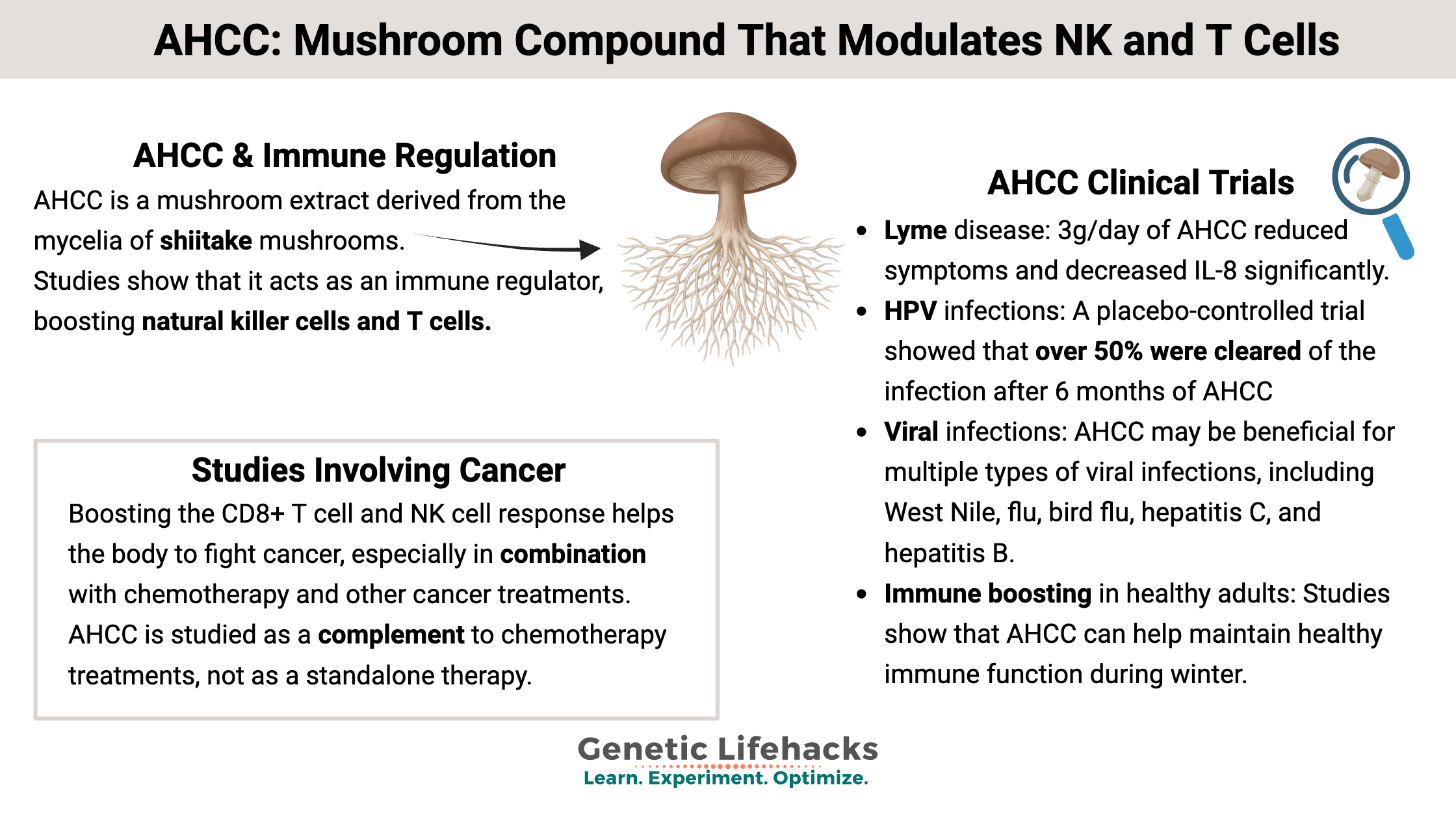
Credit: www.geneticlifehacks.com
Key Mushrooms For Chemotherapy Recovery
Several medicinal mushrooms stand out for their potential to aid post-chemotherapy healing. Each type brings unique benefits. Here’s a closer look at the top choices:
Reishi (ganoderma Lucidum)
Reishi is known as the “mushroom of immortality” in traditional Chinese medicine. It contains triterpenes and polysaccharides that support the immune system and reduce inflammation. Research suggests reishi can help improve sleep quality, decrease fatigue, and promote a calm mind—important factors during recovery.
Many users report feeling more balanced and less anxious with regular reishi use. Because chemotherapy can disrupt sleep and increase anxiety, reishi’s calming effect is especially valuable. It is often used in the evening because it promotes relaxation without causing drowsiness.
Turkey Tail (trametes Versicolor)
Turkey tail is rich in polysaccharide-K (PSK) and polysaccharide-peptide (PSP), compounds studied for their immune-boosting properties. In Japan, PSK is approved as an adjuvant treatment for cancer. Turkey tail may help restore gut health and support the production of white blood cells, which are often low after chemotherapy.
Turkey tail stands out for its role in gut health. The fibers in turkey tail act as prebiotics, feeding beneficial gut bacteria that are often depleted during chemotherapy. This can improve digestion, reduce diarrhea, and help the immune system recover faster.
Shiitake (lentinula Edodes)
Shiitake mushrooms contain lentinan, a beta-glucan that has been shown to enhance the body’s defense system. Shiitake can also support cardiovascular health, which is sometimes affected by chemotherapy drugs.
Shiitake’s gentle effect on the immune system makes it a good choice for people who are sensitive to stronger mushrooms like reishi. In addition to immune support, the nutrients in shiitake help with wound healing and maintaining healthy blood vessels.
Maitake (grifola Frondosa)
Maitake is valued for its D-fraction, a compound with immune-enhancing effects. Some studies indicate it may help regulate blood sugar and protect against infections, giving the body a better chance to recover.
Maitake is also known to help with appetite and energy. After chemotherapy, appetite loss and low energy are common complaints. Adding maitake to your protocol may help you feel more like yourself again, with better stamina and fewer infections.
Cordyceps (cordyceps Sinensis)
Cordyceps is unique for its ability to boost energy and improve oxygen use in cells. This is especially helpful for those experiencing post-treatment fatigue. It also has anti-inflammatory and antioxidant properties.
Cordyceps is often used by athletes for its stamina-boosting effects, and the same qualities can help you recover from the fatigue and muscle weakness common after chemotherapy. It may also support lung health, which can be affected by certain cancer treatments.
Lion’s Mane (hericium Erinaceus)
Lion’s mane is known for supporting nerve regeneration and cognitive function. Chemotherapy can sometimes cause “chemo brain,” a mental fog or memory problem. Lion’s mane may help protect and repair nerve cells, aiding mental clarity.
A less obvious benefit of lion’s mane is its mood-lifting effect. Many people find their spirits improve and anxiety decreases with regular use, which can make a big difference during recovery.
Chaga (inonotus Obliquus)
Chaga is rich in antioxidants and helps fight oxidative stress. It also supports immune balance, which is crucial for avoiding infections after chemotherapy.
Chaga has a unique profile of polyphenols and melanin, which not only fight free radicals but may also help with skin healing. Some users notice improved skin appearance and faster healing of minor wounds.
Agaricus Blazei
This lesser-known mushroom contains beta-glucans that may help modulate immune response. Some studies from Brazil and Japan show benefits for quality of life in cancer survivors.
Agaricus blazei is sometimes included in protocols for its overall balancing effect on the immune system. It’s gentle and can be a good addition if you have already tried more common mushrooms.
Poria Cocos
Used in Eastern medicine, poria may help with digestion and reduce fluid retention, two common concerns after chemotherapy.
Poria is not as well-known in the West, but it can be especially helpful if you have bloating, water retention, or poor appetite after treatment. Its mild, soothing effects make it suitable for sensitive stomachs.
How Mushrooms Work In The Body After Chemotherapy
Medicinal mushrooms interact with the body in several ways:
- Immune modulation: Compounds like beta-glucans stimulate macrophages, NK cells, and other immune cells, making the body more effective at fighting infection and repairing tissues.
- Antioxidant effects: Mushrooms help neutralize free radicals, reducing oxidative stress and cellular damage. This is especially important because chemotherapy increases the number of free radicals in your body.
- Gut health: Many mushrooms act as prebiotics, feeding good bacteria and helping restore a healthy microbiome. A healthy gut supports both digestion and immunity.
- Inflammation control: Some types have anti-inflammatory properties, easing joint pain and swelling, which can be side effects of certain chemotherapy drugs.
- Energy and repair: Certain mushrooms support ATP production and tissue repair, reducing fatigue and supporting faster healing of tissues damaged by treatment.
An often-overlooked point is that the gut and immune system are deeply connected. Chemotherapy can disrupt gut flora, leading to lower immunity. Mushrooms that act as prebiotics (like turkey tail and shiitake) help rebuild this balance, making the protocol more effective.
It’s also important to know that not all mushroom compounds are absorbed equally. Some, like beta-glucans, are better absorbed in the presence of healthy gut bacteria. This is another reason to support your gut health with both mushrooms and good nutrition.

Credit: www.libertyhouseclinic.co.uk
Forms And Preparations: Choosing What Works
Mushrooms can be taken in several forms, each with pros and cons. Here’s a quick comparison:
| Form | Advantages | Disadvantages |
|---|---|---|
| Capsules/Tablets | Easy to dose; convenient; tasteless | May contain fillers; slower absorption |
| Powders | Flexible dosing; can mix with food/drinks | Earthy taste; must measure each use |
| Tinctures/Extracts | Quick absorption; strong concentration | Alcohol content; taste may be strong |
| Teas/Decoctions | Traditional method; hydrating | Time-consuming; variable potency |
| Whole (fresh or dried) | Natural; can use in cooking | Hard to get medicinal dose; limited species available |
For most people, capsules and tinctures are easiest for daily use, while teas can be a gentle way to introduce mushrooms, especially during sensitive recovery periods.
If you enjoy cooking, adding fresh shiitake or maitake to soups and stir-fries is a tasty way to get some benefits, though you’ll need extracts or capsules for higher doses.
A practical tip is to try different forms and see what fits best with your lifestyle and preferences. Some people find powders mixed in smoothies are easy, while others prefer the convenience of capsules.
Designing Your Mushroom Protocol Step By Step
A mushroom protocol should be customized based on your health, treatment, and preferences. Here’s a step-by-step way to build your protocol:
- Consult your healthcare team: Always discuss with your doctor or oncologist before starting.
- Choose 2-3 key mushrooms: Based on your needs—immunity (turkey tail, shiitake), energy (cordyceps), brain health (lion’s mane), or overall recovery (reishi, chaga).
- Decide on form: Capsules or powders for daily use; teas for hydration and gentler support.
- Set a schedule: Most protocols suggest daily use for at least 8-12 weeks.
- Start slow: Begin with small doses and increase gradually to watch for side effects.
- Track your progress: Note changes in energy, sleep, digestion, and mood.
- Adjust as needed: If you notice side effects, reduce dose or try a different mushroom.
Many beginners overlook the importance of starting with low doses. This helps your body adjust and lowers the chance of digestive upset or allergies.
It’s also a good idea to introduce new mushrooms one at a time, rather than all at once. This makes it easier to notice how each type affects you, and to spot any mild reactions early.
Sample Daily Protocol For Chemotherapy Recovery
Here is an example of a simple yet effective mushroom protocol:
- Morning: 1 capsule of reishi + 1 capsule of turkey tail
- Midday: 1 capsule of shiitake or maitake (with food)
- Evening: Lion’s mane powder in a smoothie or tea
You can rotate mushrooms every 2-3 weeks to cover more benefits and avoid adaptation. Always take with food for better absorption and to reduce stomach upset.
If you’re new to mushrooms, start with half the suggested dose for the first week. Once your body feels comfortable, increase to the full dose.
For children or elderly, doses should be lower, and gentle mushrooms like shiitake or poria are usually best.
Combining Mushrooms With Other Recovery Practices
Mushrooms work best when paired with other healthy habits:
- Nutritious food: Focus on whole grains, fruits, vegetables, and lean protein.
- Hydration: Drink plenty of water, especially with mushroom powders.
- Gentle exercise: Walking, yoga, or stretching can boost energy and mood.
- Restful sleep: Prioritize sleep, as it’s when the body heals most.
- Stress reduction: Mindfulness, meditation, or deep breathing can help lower inflammation.
Many people miss the importance of hydration when taking mushrooms, especially powders. Mushrooms contain fiber and prebiotics, which need water to be effective and avoid digestive discomfort.
You can also add simple habits like keeping a gratitude journal or listening to calming music to support emotional healing. The combination of nutrition, movement, and mental wellness creates a foundation for recovery that mushrooms can build upon.
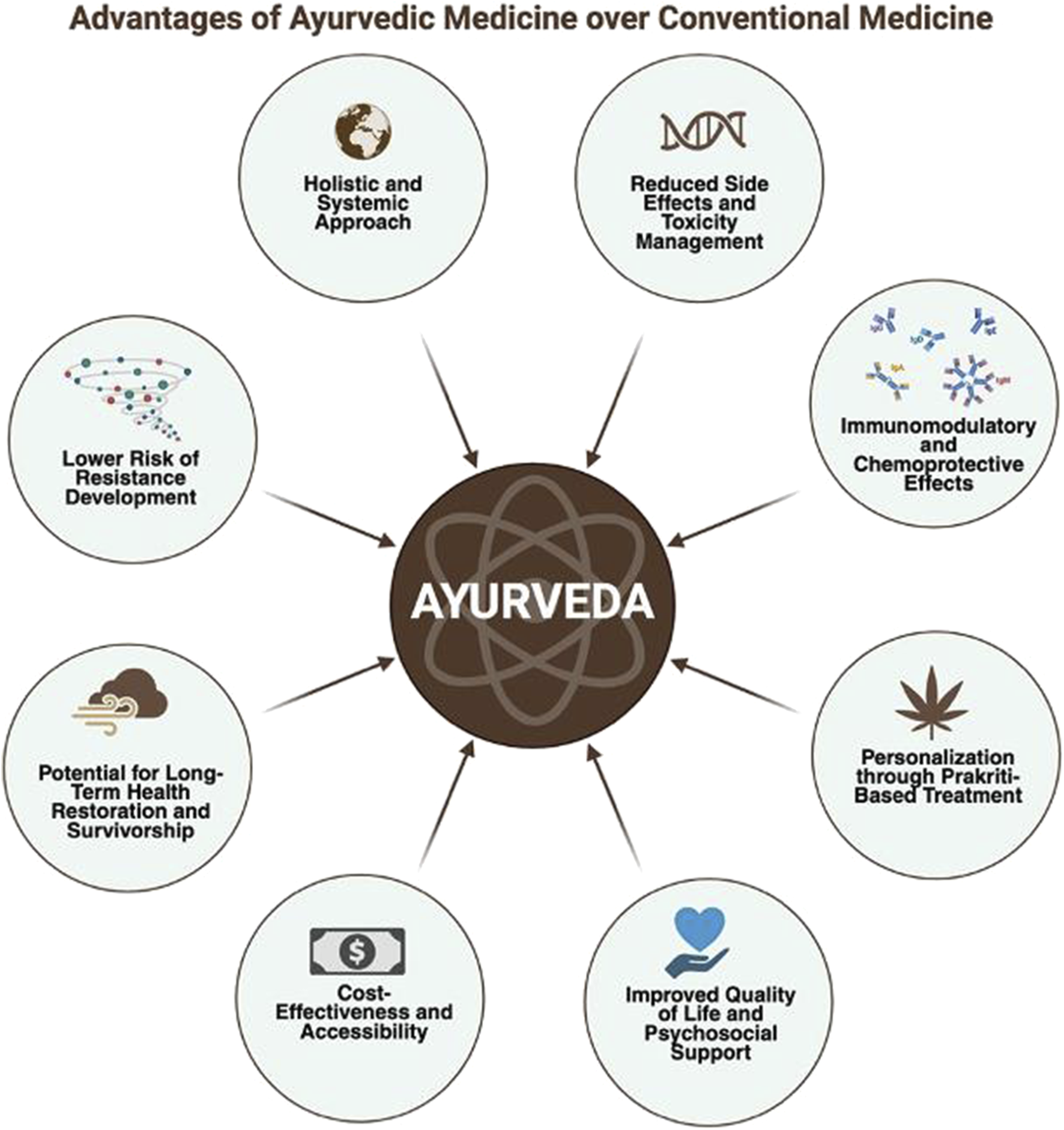
Credit: www.frontiersin.org
Potential Side Effects And Safety
Medicinal mushrooms are generally safe, but some people may experience:
- Digestive upset (gas, bloating, diarrhea)
- Allergic reactions (rare, but possible)
- Lowered blood sugar (especially with maitake)
If you have autoimmune conditions, talk to your doctor before starting, as mushrooms can stimulate the immune system. Avoid wild-harvested mushrooms unless you are certain of their identity, as some can be toxic.
A key mistake is to assume “natural” means “risk-free. ” Always monitor your body’s response and consult healthcare professionals for guidance.
If you notice any unusual symptoms, such as skin rashes, dizziness, or breathing problems, stop taking the mushrooms and seek medical advice. It’s better to be cautious, especially during recovery.
Quality Matters: How To Choose Mushroom Products
Not all mushroom supplements are equal. Here’s how to pick high-quality options:
| Factor | What to Look For | Why It Matters |
|---|---|---|
| Source | Organic, lab-tested, reputable brands | Reduces risk of contaminants and heavy metals |
| Part Used | Fruit body (not just mycelium) | Higher levels of active compounds |
| Extraction Method | Dual extraction (water + alcohol) | Full range of beneficial compounds |
| Third-Party Testing | Certificate of analysis available | Confirms purity and potency |
| Additives | No fillers, artificial colors, or preservatives | Prevents unnecessary chemicals in recovery |
A common beginner mistake is buying cheap products that use mostly mycelium grown on grain, which are less potent than fruiting bodies. Always check the label and ask for lab reports if possible.
Another tip is to look for supplements that clearly state the amount of beta-glucans or polysaccharides per serving. This helps you compare products and choose the most effective option.
Integrating Mushrooms With Medications And Supplements
Chemotherapy patients often take multiple medications and supplements. Mushrooms can interact with certain drugs, especially immune-suppressants, blood thinners, and diabetes medications.
- Timing: Take mushrooms at a different time of day than your main medications to reduce interaction risks.
- Keep a list: Share all supplements with your doctor and pharmacist.
- Monitor effects: Report any new symptoms, especially bleeding, low blood sugar, or increased fatigue.
Don’t add all supplements at once. Introduce mushrooms first, observe your body, and then add others as needed.
If you are taking many supplements, use a simple chart to track what you take and when. This helps prevent accidental overdosing or negative interactions.
What Does The Research Say?
More clinical studies are emerging to support mushroom protocols for cancer recovery. For example:
- Turkey tail: A 2012 study found that women with breast cancer who took turkey tail extract after chemotherapy had higher immune cell counts than those who didn’t.
- Reishi: A meta-analysis in 2016 showed improved quality of life and reduced chemotherapy side effects in people using reishi.
- Shiitake: Lentinan, a shiitake extract, is used in Japan to support cancer therapy and reduce side effects.
However, mushrooms are not a cure for cancer or a replacement for medical treatments. They are best used as complementary support. For an overview of current research, see the National Cancer Institute.
It’s also worth noting that some benefits, like improved mood or better sleep, may not show up in clinical studies but are reported by many people in real life. Track your own results to understand what works best for you.
Practical Tips For Success
- Start small: Begin with one mushroom, then add others gradually.
- Be consistent: Benefits build over weeks, not days.
- Listen to your body: Adjust dose if you notice discomfort.
- Combine with healthy habits: Diet, rest, and gentle movement matter as much as supplements.
- Keep a journal: Track energy, sleep, mood, and digestion changes.
One insight many overlook is the emotional aspect of recovery. Mushrooms like reishi and lion’s mane can help reduce anxiety and improve mental clarity, making the journey feel less overwhelming.
Another practical tip is to set alarms or reminders on your phone to help you remember your daily doses, especially if you have “chemo brain” or a busy schedule.
Common Mistakes To Avoid
- Taking too many types at once (start with 1-2)
- Skipping days or taking inconsistent doses
- Ignoring product quality
- Using mushrooms as a replacement for medical advice
- Not drinking enough water with powders
- Overlooking possible drug interactions
Many people also forget that recovery is a process, not a quick fix. Expect gradual improvements rather than instant results.
Real-life Stories: Experiences With The Mushroom Protocol
People recovering from chemotherapy often share how mushrooms helped them:
- Jane, a breast cancer survivor, noticed improved energy and fewer colds after starting turkey tail and reishi.
- Carlos used lion’s mane to help with “chemo brain” and found his memory improved over three months.
- Mei added maitake to her routine and felt her digestion and appetite returned faster.
Others find that their mood and sleep quality improve, helping them feel more motivated to return to normal life.
These stories are encouraging, but everyone’s body is different. What works for one may not work the same for another.
If you try a mushroom and don’t notice benefits after a month, consider switching to a different type or adjusting your dose. Patience and flexibility are key.
When To Avoid Mushrooms
In some cases, mushrooms should be avoided:
- If you are allergic to fungi or molds
- If you are on immune-suppressing drugs (after organ transplant, for example)
- If you have a history of severe digestive issues
- During pregnancy or breastfeeding, unless approved by your doctor
If you notice rash, swelling, or trouble breathing, stop immediately and seek medical help.
It is also wise to avoid mushrooms if you have a rare genetic disorder called phenylketonuria (PKU), as some mushrooms contain phenylalanine.
How To Talk To Your Doctor About The Mushroom Protocol
Doctors may not always be familiar with medicinal mushrooms. Here’s how to approach the conversation:
- Bring information and research studies to your appointment.
- List the exact mushrooms and forms you want to use.
- Ask about drug interactions and timing.
- Be honest about all supplements you are taking.
Most doctors appreciate open communication. This ensures your protocol is safe and fits your recovery plan.
If your doctor is unsure, ask for a referral to an integrative medicine specialist or a pharmacist who can review supplement interactions.
Adapting The Protocol For Different Needs
Some people need to adjust their protocol:
- Digestive issues: Use teas or tinctures instead of powders.
- Difficulty swallowing pills: Try extracts or add powders to smoothies.
- Children or elderly: Use lower doses and milder mushrooms like shiitake.
If you find certain mushrooms too strong, try using them every other day instead of daily. Adjust the protocol to your comfort level.
Always tailor your approach to your body’s needs. Recovery is not one-size-fits-all.
Supporting Emotional Healing
The journey after chemotherapy is not just physical. Emotional resilience is key. Mushrooms like reishi and lion’s mane may help by balancing mood and reducing anxiety. Combine your protocol with:
- Mindfulness practices
- Support groups
- Counseling or therapy if needed
Healing is holistic, and supporting your mind is as important as the body.
Some people also use gentle movement like tai chi or qigong to combine physical recovery with emotional balance. These practices, along with mushrooms, can help you regain a sense of control and hope.
Frequently Asked Questions
What Is The Best Mushroom For Chemotherapy Recovery?
There is no single “best” mushroom. Turkey tail, reishi, and shiitake are top choices because they support immunity, reduce inflammation, and help the body recover from stress. Combining 2-3 types gives a broader benefit.
Can I Take Mushrooms During Chemotherapy, Or Only After?
Some mushrooms can be used during chemotherapy, but always check with your doctor. Certain types may interact with treatment. Many people start mushrooms after their main course of chemotherapy to avoid interactions.
How Long Should I Follow A Mushroom Protocol?
Most protocols last 8–12 weeks, but some people continue for several months or longer, especially if they notice benefits. It’s important to take breaks or rotate types, and to monitor your body for changes.
Are There Any Foods Or Supplements I Should Avoid While Using Medicinal Mushrooms?
Avoid combining mushrooms with other strong immune-boosting supplements unless directed by your doctor. Be cautious with blood thinners, diabetes medications, and alcohol. Whole, nutritious foods pair well with mushrooms.
Where Can I Learn More About The Science Of Medicinal Mushrooms?
The National Cancer Institute and peer-reviewed journals are good starting points. Explore summaries at the National Cancer Institute for up-to-date research and guidelines.
Recovery after chemotherapy is a time for gentle, supportive care. The mushroom protocol offers a natural way to rebuild strength, support immunity, and nourish both body and mind. By combining high-quality mushrooms with healthy habits and medical guidance, you can give yourself the best chance for a strong and vibrant recovery.