
Benign Prostatic Hyperplasia (BPH) affects millions of men worldwide, especially as they age. Many men seek ways to support prostate health naturally, hoping to avoid the side effects or costs of prescription drugs and surgery. In recent years, the mushroom protocol for BPH has attracted growing attention. This approach uses specific medicinal mushrooms and their extracts to help manage prostate symptoms. But how effective is this protocol, and what does science say? Let’s dive deep into the world of mushrooms and their potential role in supporting a healthy prostate.
Understanding Benign Prostatic Hyperplasia
Benign Prostatic Hyperplasia is a non-cancerous enlargement of the prostate gland. As men grow older, hormone changes can make the prostate grow larger. This can press against the urethra, causing uncomfortable symptoms such as:
- Trouble starting urination
- Weak urine stream
- Frequent urination, especially at night
- Feeling that the bladder is not empty
BPH is not the same as prostate cancer, but it can seriously affect quality of life. According to the American Urological Association, about 50% of men over 50 have some BPH symptoms, and the number increases with age.
Some men may feel embarrassed to talk about these symptoms, but BPH is extremely common. It’s important to recognize that experiencing urinary changes with age does not mean you have cancer or a life-threatening problem. However, the symptoms can be bothersome enough to disturb sleep, work, and social activities.
BPH tends to develop slowly. Early signs might be mild, such as needing to go to the bathroom more often. Over time, the stream can become weaker, or it can become difficult to start or stop urinating. In more severe cases, BPH can cause urinary retention, which is when you can’t empty your bladder completely.
This can lead to infections or kidney problems if left untreated.
The Role Of Hormones In Bph
Hormones play a major role in prostate growth. As men age, the balance between testosterone and estrogen shifts, and levels of a hormone called dihydrotestosterone (DHT) increase. DHT is a stronger form of testosterone that directly stimulates prostate cells to grow. This is why most BPH treatments, both medical and natural, focus on reducing DHT or balancing hormones.
Why Consider Natural Support For Bph?
Mainstream treatments for BPH include medications like alpha-blockers and 5-alpha-reductase inhibitors, as well as surgical options. While effective, these can cause side effects such as dizziness, sexual problems, or even incontinence. Many men look for natural remedies to reduce symptoms and improve their well-being.
Mushrooms are a part of traditional medicine in Asia and have been used for centuries for their health-promoting properties. In the last two decades, scientific research has begun to uncover how certain mushroom extracts can help support prostate health.
For men who want to take an active role in their health, natural approaches offer a sense of control and may come with fewer side effects. Natural remedies like medicinal mushrooms are often used as part of a broader lifestyle plan, including diet, exercise, and stress management.
This holistic approach doesn’t just target the prostate but supports overall wellness.
It’s important to be realistic about natural options. They tend to work more slowly than medications, and results can vary from person to person. However, the low risk and potential benefits make them attractive, especially for those with mild or moderate symptoms.

Credit: www.auanet.org
What Is The Mushroom Protocol For Bph?
The mushroom protocol refers to a structured approach where specific medicinal mushrooms are used—often in combination—to help manage BPH symptoms. The protocol focuses on:
- Reducing prostate inflammation
- Supporting hormone balance
- Enhancing immune function
- Improving urinary comfort
Some protocols also include dietary and lifestyle advice for best results.
This approach is not a one-size-fits-all solution. Different mushrooms have different strengths. For example, some are stronger at reducing inflammation, while others are better at balancing hormones or boosting immune health. The protocol may be adjusted based on your main symptoms or other health concerns.
A typical mushroom protocol involves taking standardized extracts or powders daily, sometimes with other herbs or supplements. The protocol can be customized depending on how your body responds. For example, if one mushroom does not help after a few weeks, you might try a different one or a combination.
One often-overlooked benefit of the mushroom protocol is its adaptability. You can start slowly, with just one mushroom, and increase as needed. This makes it easier to track your progress and watch for any side effects.
Key Mushrooms Used In The Protocol
Not all mushrooms are the same. Some are used mainly for cooking, while others have strong medicinal effects. Here are the main mushrooms included in most BPH protocols:
1. Reishi (ganoderma Lucidum)
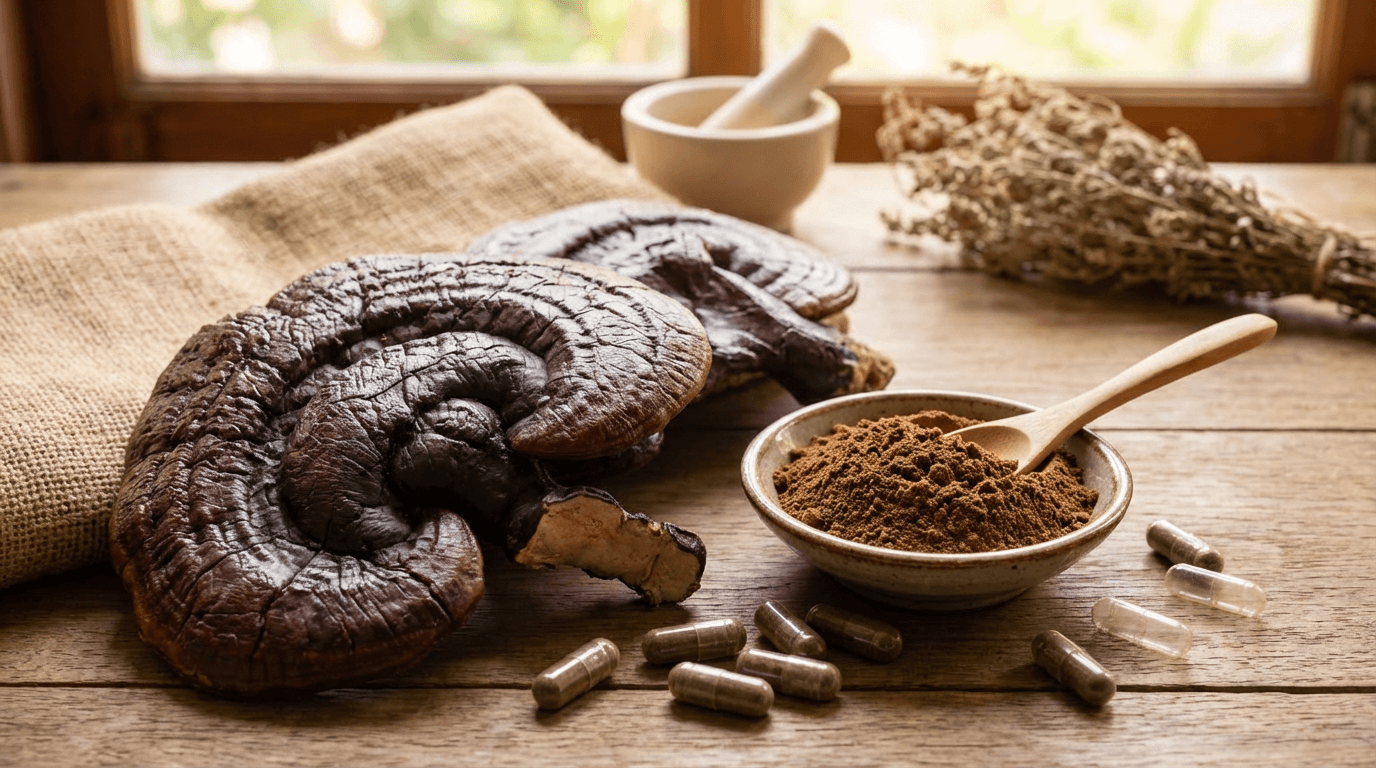
Reishi is one of the most famous medicinal mushrooms. Studies show that it can inhibit 5-alpha-reductase, an enzyme that converts testosterone into dihydrotestosterone (DHT). High DHT levels are linked to prostate enlargement.
A 2008 clinical trial found that men taking Reishi extract had a significant improvement in urinary flow and reduced prostate size compared to placebo.
Reishi is sometimes called the “mushroom of immortality” in Chinese medicine due to its many health benefits. It contains compounds known as triterpenes, which provide much of its hormone-regulating and anti-inflammatory power. Some users report that Reishi not only helps urinary symptoms, but also improves sleep and reduces stress—two factors that can indirectly support prostate health.
2. Maitake (grifola Frondosa)
Maitake is known for its immune-supporting beta-glucans. For BPH, Maitake may help by reducing chronic inflammation around the prostate. Animal studies suggest Maitake can lower markers of inflammation and oxidative stress, two key drivers of prostate problems.
Maitake is also a popular edible mushroom and is sometimes called “hen of the woods. ” Its polysaccharides not only support the immune system but may help regulate blood sugar and cholesterol. These extra benefits are important because men with BPH often have other age-related health concerns, like diabetes or heart issues.
3. Shiitake (lentinula Edodes)
Shiitake mushrooms contain unique compounds called lentinans that support immune function. Some research suggests Shiitake extracts may help maintain healthy prostate tissue and slow abnormal cell growth.
Shiitake is widely eaten and well-tolerated. It has a mild, savory flavor and is easy to add to meals. While culinary use is healthy, concentrated extracts are more effective for targeted support. Lentinan, the key compound, is also studied for its potential to slow the growth of abnormal or unhealthy cells.
4. Turkey Tail (trametes Versicolor)
Turkey Tail is rich in polysaccharopeptides (PSP and PSK), which have been studied for their anti-tumor and immune-modulating effects. While more research is needed, these compounds may help protect prostate cells from harmful changes.
Turkey Tail is especially valued for supporting the immune system. Some studies suggest it can improve the activity of natural killer cells, which help defend against infections and abnormal growths. For men with BPH, this immune support may help prevent complications or further problems.
5. Cordyceps (cordyceps Sinensis)
Cordyceps is well-known for boosting energy and supporting hormone balance. It may help improve urinary symptoms by relaxing smooth muscle tissue and enhancing blood flow to the pelvic region.
Cordyceps is unique among medicinal mushrooms because it grows as a parasite on caterpillar larvae in nature (cultivated forms are vegan-friendly). It is famous in sports circles for its ability to improve stamina and oxygen use. For BPH, the relaxation of smooth muscle in the urinary tract may help reduce urgency and improve flow.
6. Chaga (inonotus Obliquus)
Chaga is high in antioxidants and betulinic acid, which can reduce oxidative damage in the prostate. Early studies suggest Chaga extracts may help regulate immune response and slow the growth of abnormal prostate cells.
Chaga grows on birch trees in cold climates and has a hard, woody appearance. It’s prized in traditional Russian and Scandinavian medicine. Its antioxidants, especially superoxide dismutase, can help protect the prostate from cellular damage due to aging and inflammation.
7. Lion’s Mane (hericium Erinaceus)
Lion’s Mane is best known for its nerve-supporting effects, but it also contains anti-inflammatory compounds. Some experts believe it can help ease lower urinary tract symptoms (LUTS) linked to BPH.
Lion’s Mane is unique for its support of the nervous system. For men with BPH, this can be helpful because nerves control the muscles involved in urination. Some men with BPH have nerve-related symptoms, such as hesitancy or incomplete emptying, and Lion’s Mane may indirectly help by supporting nerve health.
How Mushrooms Work For Prostate Health
Medicinal mushrooms support the prostate in several ways:
- Anti-inflammatory action: Chronic inflammation plays a big role in BPH. Mushrooms like Reishi and Maitake contain compounds that lower inflammation markers.
- Hormone regulation: By blocking enzymes like 5-alpha-reductase, certain mushrooms can help maintain balanced hormone levels.
- Immune modulation: Prostate health depends on a well-regulated immune system. Mushroom polysaccharides help balance immune reactions.
- Antioxidant protection: Mushrooms are rich in antioxidants that protect prostate cells from stress and damage.
Let’s break these down a bit further:
Anti-inflammatory Effects
Long-term inflammation in the prostate can lead to swelling, discomfort, and worsening symptoms. Mushrooms such as Reishi, Maitake, and Chaga are packed with natural compounds that calm inflammation. This not only relieves symptoms but may also slow the progression of BPH.
Hormone Regulation
The enzyme 5-alpha-reductase is responsible for turning testosterone into DHT, the main hormone that makes the prostate grow. By blocking this enzyme, mushrooms like Reishi help maintain a healthy hormone balance, slowing or stopping further prostate enlargement.
Immune Modulation
A healthy immune system is crucial for maintaining prostate health. Some men with BPH have overactive or poorly regulated immune responses, which can worsen symptoms. Mushroom polysaccharides, especially from Turkey Tail and Shiitake, help balance the immune response, protecting the prostate from both infection and excess inflammation.
Antioxidant Protection
Aging and chronic inflammation produce “free radicals” that damage cells. Antioxidants in mushrooms, especially in Chaga and Lion’s Mane, neutralize these harmful molecules. This protects the prostate from cellular damage and may lower the risk of complications.
Extra Insight: Gut Health Connection
Many people don’t realize that mushrooms also feed the good bacteria in your gut. A healthy gut supports a balanced immune system and hormone regulation, both important for the prostate. For some men, adding mushrooms can indirectly improve prostate health by first improving gut health.
Scientific Evidence Supporting Mushroom Use In Bph
While traditional use is important, scientific evidence is key for credibility. Here’s a summary of research findings on mushrooms and BPH:
| Mushroom | Main Active Compounds | Prostate Benefits | Key Study |
|---|---|---|---|
| Reishi | Triterpenes, polysaccharides | Reduces DHT, improves urination | 2008 double-blind trial |
| Maitake | Beta-glucans | Lowers inflammation | Animal inflammation study |
| Shiitake | Lentinans | Supports tissue health | Cell culture research |
| Turkey Tail | PSP, PSK | Modulates immunity | Immunity trials |
| Cordyceps | Cordycepin | Improves blood flow | Animal study |
| Chaga | Betulinic acid | Reduces oxidative stress | Antioxidant studies |
| Lion’s Mane | Hericenones | Reduces inflammation | Neuroprotective studies |
It’s important to note that while some human trials exist—such as for Reishi—most evidence comes from animal studies or cell cultures. More clinical research is needed, but the available data is promising.
A common question is why there aren’t more human studies. The main reason is cost—mushroom extracts are not patented drugs, so there is less financial incentive for companies to fund large trials. Still, results from animal studies and small human trials suggest real benefits, especially when mushrooms are used as part of a broader lifestyle approach.
An example: In the 2008 Reishi study, men with moderate BPH took 6 mg of Reishi extract daily for 12 weeks. At the end of the study, they had better urinary flow and fewer symptoms compared to those taking placebo. The side effects were mild and rare, making Reishi a good candidate for long-term use.
Credit: antioxi-supplements.com
How To Follow The Mushroom Protocol
A typical mushroom protocol for BPH involves daily use of specific mushroom extracts or powders, often in combination. Here’s a common approach:
Choosing Mushroom Supplements
- Look for standardized extracts (guaranteed levels of active compounds)
- Prefer brands that use fruiting bodies over mycelium (fruiting bodies contain more active ingredients)
- Check for third-party testing for quality and purity
Also, choose products with clear labeling. Avoid supplements with hidden “proprietary blends” that don’t list exact amounts. Third-party testing ensures the product is free from heavy metals, pesticides, and other contaminants.
Dosage Guidelines
Dosage can vary, but here are general guidelines used in studies:
- Reishi: 1,000–2,000 mg per day (extract)
- Maitake: 500–1,500 mg per day
- Shiitake: 1,000–2,000 mg per day
- Turkey Tail: 1,000–3,000 mg per day
- Cordyceps: 500–1,000 mg per day
- Chaga: 500–1,000 mg per day
- Lion’s Mane: 500–1,000 mg per day
It’s usually safe to combine two or three mushrooms, but always consult a healthcare provider before starting any new supplement.
A practical tip: Start at the lower end of the dosage range, especially if you are new to mushroom supplements. You can increase slowly after a week or two if you tolerate them well and don’t see the desired effect.
Protocol Duration
Most protocols recommend using mushrooms for at least 8–12 weeks to see noticeable effects. Some men use them for maintenance over several months or longer.
Consistency is crucial. Missing doses or stopping early can reduce the benefits. Setting a daily reminder or integrating your mushroom dose into your morning routine can help you stay on track.
Combining With Other Natural Supports
Many protocols suggest combining mushrooms with other prostate-friendly nutrients, such as:
- Saw Palmetto
- Beta-sitosterol
- Pumpkin seed oil
- Zinc
This can enhance the overall effect, but always check for interactions.
Some supplements, like saw palmetto, have similar mechanisms as mushrooms (for example, both can lower DHT). Combining them may give an added boost, but it’s best to do so under medical guidance to avoid unnecessary overlap or excess.
Comparing Mushroom Protocol To Standard Bph Treatments
Let’s compare the mushroom protocol with common medical treatments for BPH:
| Aspect | Mushroom Protocol | Medical Treatment |
|---|---|---|
| Mechanism | Natural anti-inflammatory, hormone regulation | Alpha-blockers, hormone inhibitors |
| Time to Effect | 8–12 weeks | 1–4 weeks |
| Side Effects | Low (allergy possible) | Sexual dysfunction, dizziness |
| Long-term Use | Generally safe | Possible risks (drug tolerance, cost) |
| Doctor Supervision | Recommended, but not always required | Essential |
Medical treatments can provide faster relief, but some men experience side effects that are hard to tolerate. For example, alpha-blockers may lower blood pressure and cause dizziness, especially when standing up quickly. 5-alpha-reductase inhibitors can impact sexual function and libido.
The mushroom protocol is slower but tends to cause fewer side effects. One non-obvious benefit is that mushrooms can support overall immunity and well-being, not just the prostate. This is attractive for older men who want more than just symptom relief.
Practical Tips For Success
Switching to a mushroom protocol for BPH is not just about swallowing pills. Here are practical tips for best results:
- Be consistent: Take your mushrooms daily, ideally at the same time.
- Combine with diet: Eat a balanced, plant-rich diet with healthy fats.
- Stay hydrated: Water helps flush the urinary system.
- Monitor symptoms: Keep track of changes in urination or discomfort.
- Watch for reactions: Rarely, mushrooms can cause allergies—start with a low dose.
- Discuss with your doctor: Especially if you’re on medication or have chronic health issues.
You might find it helpful to keep a simple diary or use a phone app to track symptoms. Write down how often you wake at night, the strength of your stream, and any discomfort. This helps you and your doctor spot trends and adjust your protocol as needed.
Another tip: Take your mushroom supplements with food to reduce the risk of digestive upset. Some people find that dividing the dose (half in the morning, half in the evening) is easier on the stomach and helps maintain steady levels in the body.
Common Mistakes To Avoid
Many men make errors when starting natural protocols. Here are some to avoid:
- Using low-quality supplements: Not all mushroom products are created equal. Some use mostly filler or mycelium with little active compound.
- Expecting instant results: Mushrooms work slowly; improvements may take weeks.
- Ignoring other health factors: Diet, exercise, and stress management also affect prostate health.
- Overdosing: More is not always better. Stick to recommended doses.
- Skipping medical checkups: Symptoms of BPH can mimic more serious problems like prostate cancer. Always get a proper diagnosis.
A less obvious mistake: Not rotating or adjusting your protocol. If you’ve tried one mushroom for two months with no results, try switching to a different one or adding a combination. Each person’s body is different, and your needs may change over time.
Who Should Not Use The Mushroom Protocol?
Most medicinal mushrooms are safe for healthy adults. However, some people should be cautious:
- Those with mushroom allergies
- People with autoimmune diseases (mushrooms can stimulate the immune system)
- Men on blood-thinning medication (some mushrooms may increase bleeding risk)
- Anyone with a history of severe kidney or liver issues
Always consult a healthcare provider before starting, especially if you have chronic health conditions.
One extra note: Some rare mushrooms can interact with certain cancer treatments or immune-modulating drugs. If you have a complex medical history, bring a list of all supplements to your doctor for review.
Real-life Experiences
Many men share their experiences with the mushroom protocol online. For example, a 62-year-old man with BPH noticed improved urination and less night waking after three months of using Reishi and Maitake. Another user combined Reishi with saw palmetto and reported less urgency and better sleep.
However, not everyone sees dramatic changes. Some men experience only mild improvement, while others see none. Factors like supplement quality, dosage, and overall health can make a big difference.
It’s helpful to read forums or support groups to learn from others. Some men find that adding mushrooms to a healthy lifestyle leads to gradual, lasting improvement, while others prefer to use mushrooms alongside their regular medications for extra support.
Non-obvious Insights For Beginners
Here are two important points many beginners overlook:
- Quality matters more than brand: Some expensive brands use low-quality ingredients. Look for lab-tested, standardized extracts, not just fancy packaging.
- Urinary symptoms can change with lifestyle: Stress, alcohol, caffeine, and even sitting for long periods can worsen symptoms. The best results come from a combination of mushrooms, lifestyle changes, and regular checkups.
Another useful insight: Many men forget to check the source of their supplements. Choose mushrooms grown organically or wild-harvested from clean environments to avoid heavy metal or pesticide contamination, which can harm prostate health.
How To Choose The Right Mushrooms For You
Not every mushroom works the same for everyone. To find the best protocol:
- Start with one or two mushrooms (such as Reishi and Maitake)
- Monitor your response over 4–8 weeks
- Try combinations if single extracts do not help enough
- Consider your main symptoms (trouble starting urination, weak flow, frequent urination, etc.)
Here’s a simple guide:
| Main Symptom | Best Mushroom | Why |
|---|---|---|
| Frequent urination | Reishi, Maitake | Reduce inflammation |
| Weak stream | Cordyceps | Improves muscle relaxation |
| Discomfort or pain | Chaga, Lion’s Mane | Anti-inflammatory, antioxidant |
| Immune concerns | Turkey Tail | Boosts immune function |
For example, if your main issue is getting up at night to urinate, Reishi and Maitake may be a good starting point. If your stream is weak or you feel you can’t empty your bladder, Cordyceps might help more. You can always adjust based on your body’s response.
Safety And Side Effects
Medicinal mushrooms are generally safe, but side effects can happen:
- Digestive upset: Gas, bloating, or mild diarrhea, especially with high doses
- Allergic reactions: Skin rash, itching, or swelling (rare)
- Drug interactions: Some mushrooms may interact with blood thinners or immune drugs
If you notice any side effects, stop use and consult your doctor.
A less obvious but important tip: If you have allergies to molds or other fungi, introduce mushrooms slowly and watch for any reaction. Also, check that your supplement does not include hidden ingredients like gluten or soy if you are sensitive.
Other Natural Approaches To Combine With Mushrooms
Mushrooms work best when combined with a holistic approach. Consider:
- Regular exercise: Walking, swimming, or yoga can help reduce symptoms.
- Weight management: Excess weight increases prostate pressure.
- Stress reduction: Chronic stress can worsen symptoms.
- Avoiding bladder irritants: Coffee, alcohol, and spicy foods may make things worse.
Pelvic floor exercises, sometimes called Kegels, can also help strengthen the muscles that control urination. Even small changes, like not drinking water right before bed or standing up slowly after sitting, can make a difference.
What To Expect Over Time
Many men ask how soon they should expect results. Here’s a typical timeline:
- First 2 weeks: Most feel little change.
- Weeks 3–6: Some notice less frequent night urination, easier starting and stopping.
- Weeks 7–12: Maximum benefit often seen by now; symptoms like urgency, weak stream, and discomfort may improve.
Remember, everyone responds differently. Consistency is key.
If you see no improvement after 12 weeks, review your protocol. It may be time to try a different mushroom, adjust your dose, or add another natural remedy.
The Role Of Diet And Lifestyle
Diet and lifestyle choices can make a big difference in prostate health. Here are some key points:
- Eat more fruits and vegetables: These contain antioxidants and fiber.
- Reduce red meat and processed foods: Linked to higher BPH risk.
- Include healthy fats: From nuts, seeds, olive oil, and fish.
- Stay active: Regular movement supports hormone balance.
Combining these habits with the mushroom protocol gives the best chance for success.
Also, try to avoid long periods of sitting, which can put pressure on the prostate. If your job is sedentary, stand up and walk around every hour.
When To Seek Medical Help
Natural approaches are supportive, but they do not replace medical care. See your doctor if you experience:
- Blood in urine
- Severe pain
- Complete inability to urinate
- Sudden weight loss or fever
These could be signs of a more serious problem needing immediate attention.
Never rely on natural protocols to diagnose or treat prostate cancer. Regular checkups and screening are important, especially as you age.
The Future Of Mushrooms In Prostate Health
Interest in medicinal mushrooms is growing. New research is looking at how beta-glucans, triterpenes, and other compounds can be used for prostate support and even cancer prevention. The biggest challenge is the lack of large, high-quality human trials.
Still, the safety profile and long history of use make mushrooms a promising part of natural prostate support. As more men and health professionals become aware of these options, the mushroom protocol may become a regular part of men’s health strategies.
Ongoing studies are testing combinations of mushrooms with other herbs, as well as the effect of mushrooms on genetic markers of prostate health. If future research confirms the benefits seen in early studies, we may see mushroom-based therapies become a mainstream part of BPH management.
For more on the science behind medicinal mushrooms, see National Institutes of Health.
Credit: uroweb.org
Frequently Asked Questions
What Is The Best Mushroom For Bph?
Reishi is the most studied mushroom for BPH. It helps reduce DHT levels and prostate inflammation, improving urinary symptoms for many men. Other good options are Maitake and Cordyceps, but Reishi is usually the first choice.
Can I Use Mushrooms With Prescription Bph Medications?
Yes, many men combine mushrooms with their regular medications. However, it’s important to consult your doctor before adding supplements, as mushrooms can interact with some drugs, especially immune or blood-thinning medications.
How Long Does It Take To See Results From The Mushroom Protocol?
Most men start to notice improvements after 4 to 8 weeks of consistent use. Maximum benefits are usually seen after 12 weeks. If there is no change after 3 months, review your protocol or consult a healthcare professional.
Are There Risks Or Side Effects With Medicinal Mushrooms?
Medicinal mushrooms are generally safe, but some people may experience mild digestive upset or allergic reactions. Rarely, they can interact with medications. Always start with a low dose and watch for side effects.
Can I Eat Mushrooms Instead Of Taking Extracts?
Eating mushrooms like Shiitake and Maitake is healthy but may not provide enough active compounds to help BPH. Extracts are more concentrated and used in most studies. For best results, use standardized extracts from trusted brands.
Millions of men are searching for natural ways to support prostate health. The mushroom protocol for BPH offers a safe, gentle, and science-backed option for many. With patience, the right products, and healthy lifestyle choices, it’s possible to manage symptoms and maintain a good quality of life—naturally.