
Functional mushrooms have captured attention in health circles worldwide. People use them for energy, focus, immunity, and even mood. But as these functional mushrooms become more popular, an important question appears: what happens when you mix them with common prescription medications? There’s excitement about the benefits of mushrooms like Reishi, Lion’s Mane, or Cordyceps—but also real concern about possible interactions. If you use medicine for blood pressure, diabetes, anxiety, or other conditions, you may wonder if adding these mushrooms is safe. In this article, you’ll discover how functional mushrooms can interact with prescription drugs, what science says, and how to use them responsibly. You’ll also learn what to watch out for, practical tips, and key questions to ask your doctor before combining mushrooms with your regular treatments.
Understanding Functional Mushrooms
Functional mushrooms are not the regular white mushrooms you find at the grocery store. Instead, they are a group of medicinal fungi with unique compounds. These compounds may have effects on energy, immunity, mental clarity, and more. The most common types include Reishi, Lion’s Mane, Cordyceps, Chaga, Turkey Tail, and Maitake.
What makes these mushrooms “functional” is their ability to influence body systems. For example, some contain beta-glucans that boost the immune system. Others have terpenoids or polysaccharides that may reduce inflammation or support brain health. Many people take them in powder, capsule, or tincture form. Some add them to coffee or smoothies.
Prescription Medications: Why Interactions Matter
Prescription medications are carefully designed to treat specific conditions. They work in precise ways—some lower blood pressure, some thin the blood, others affect mood or blood sugar. Drug interactions happen when something you eat, drink, or take changes how a medicine works. Even a small change can make a medicine stronger, weaker, or cause side effects.
Functional mushrooms are full of bioactive compounds. These can sometimes boost or block the effect of drugs. For example, a mushroom that thins your blood could be risky if you already take a blood thinner. Or, a mushroom that lowers blood sugar could cause problems if you use diabetes medicine. Understanding these possible interactions is not just about safety—it’s about getting the full benefit of both your medicine and the mushrooms.

Credit: antioxi-supplements.com
Common Functional Mushrooms And Their Effects
Let’s look at the most popular functional mushrooms and what science says about their main effects.
| Mushroom | Main Effects | Common Forms |
|---|---|---|
| Reishi | Immune support, stress reduction, sleep aid | Capsules, powder, tea |
| Lion’s Mane | Brain health, memory, mood support | Powder, capsules, tinctures |
| Cordyceps | Energy, endurance, lung support | Capsules, powder |
| Chaga | Antioxidant, immune support, anti-inflammatory | Tea, powder, capsules |
| Turkey Tail | Immune boost, gut health | Capsules, powder, extracts |
| Maitake | Blood sugar support, immune boost | Capsules, powder, cooked food |
Each of these mushrooms offers something different. But their effects can sometimes overlap with those of prescription drugs.
How Functional Mushrooms Interact With Prescription Medications
Interactions can happen in several ways. Mushrooms might change how your body breaks down a drug, or they might have similar effects as your medicine—making the effect too strong. Here are the main ways interactions occur:
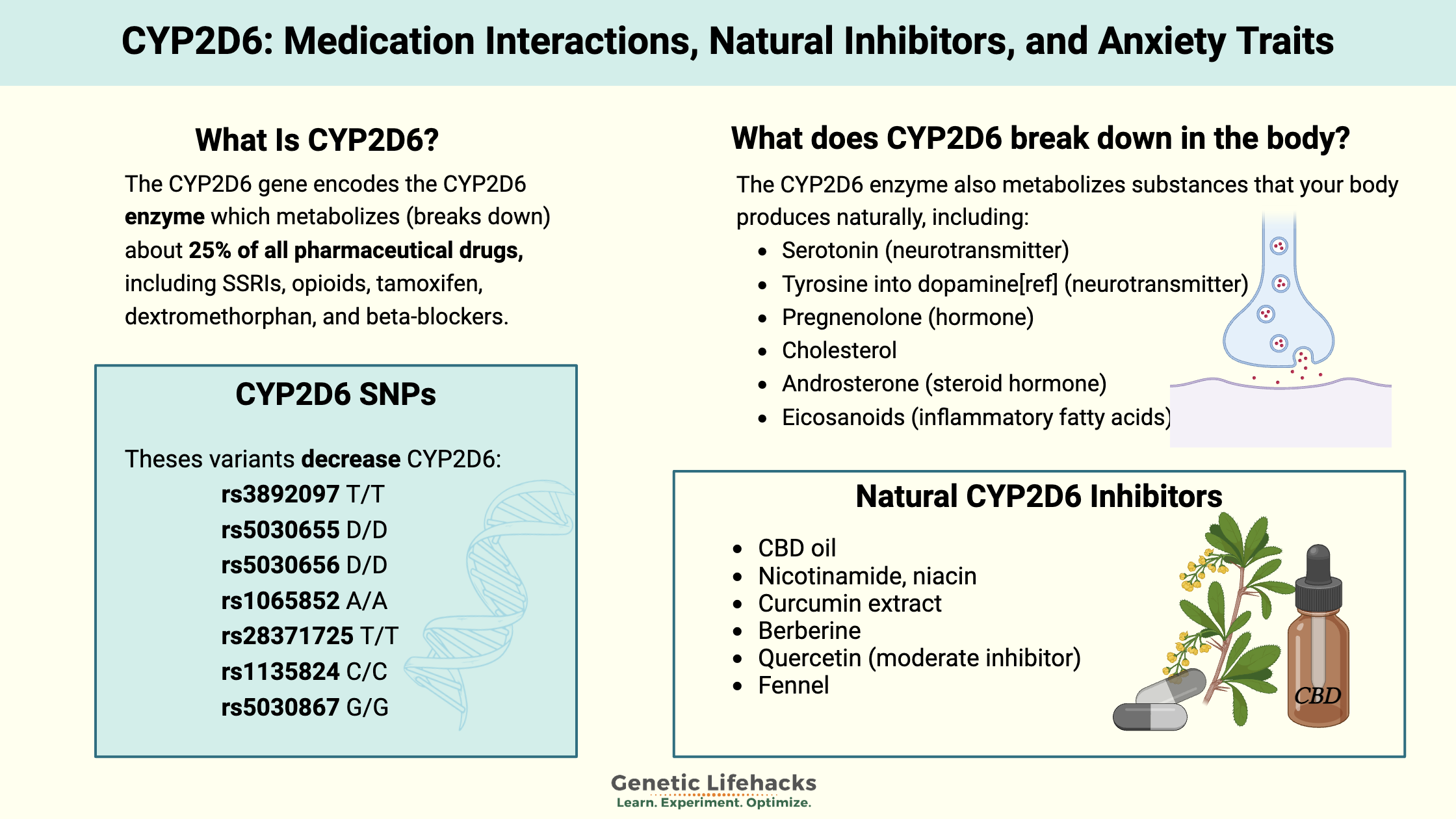
- Metabolic Interactions: Some mushrooms affect enzymes in the liver, especially the cytochrome P450 family. These enzymes process many drugs. If a mushroom slows these enzymes, your medicine may stay in your body longer and become stronger. If it speeds them up, your medicine could become weaker.
- Additive Effects: If a mushroom and a drug both lower blood sugar, the effect could be too strong, causing hypoglycemia. The same is true for blood pressure or blood thinning.
- Antagonistic Effects: Rarely, a mushroom might block the effect of a drug, making your treatment less effective.
Understanding these mechanisms is important for anyone using both functional mushrooms and prescription drugs.
Specific Medication Classes And Potential Interactions
Let’s explore how functional mushrooms may interact with common types of prescription medicines.
1. Blood Thinners (anticoagulants And Antiplatelets)
Medications like warfarin, aspirin, and clopidogrel are used to prevent blood clots. Some functional mushrooms, especially Reishi and Chaga, have blood-thinning effects.
- Potential Interaction: Combining these mushrooms with blood thinners can increase the risk of bleeding and bruising.
- Example: If you take warfarin and Reishi together, you may notice more nosebleeds or easy bruising.
- What to Watch For: Signs of unusual bleeding, such as red or dark urine, gum bleeding, or unexpected bruises.
2. Diabetes Medications
Medicines such as metformin, insulin, glipizide, and others help lower blood sugar. Mushrooms like Maitake and Cordyceps may also lower blood sugar.
- Potential Interaction: The combination can lead to hypoglycemia (low blood sugar), causing shakiness, sweating, confusion, or even fainting.
- Example: Someone taking metformin who adds Maitake might feel dizzy or weak.
- What to Watch For: Sudden hunger, sweating, or confusion. Always check your blood sugar more often if adding mushrooms.
3. Blood Pressure Medications
Drugs like lisinopril, amlodipine, metoprolol, or hydrochlorothiazide are used to lower blood pressure. Mushrooms such as Reishi and Cordyceps may also reduce blood pressure.
- Potential Interaction: Blood pressure could drop too low, leading to dizziness or fainting.
- Example: If you feel lightheaded after standing up, it could be a sign your blood pressure is too low.
- What to Watch For: Frequent dizziness, headaches, or blurry vision.
4. Immunosuppressants
People who have had organ transplants or certain autoimmune diseases may take medicines like cyclosporine or tacrolimus to suppress the immune system. Many functional mushrooms—especially Turkey Tail, Maitake, and Chaga—boost the immune system.
- Potential Interaction: Mushrooms could reduce the effect of immunosuppressant drugs, increasing the risk of organ rejection or flare-ups of autoimmune conditions.
- Example: A transplant patient using Turkey Tail might have a higher risk of rejection.
- What to Watch For: Signs of immune activation, such as fever, swelling, or joint pain.
5. Antidepressants And Anti-anxiety Medications
Medications like sertraline, fluoxetine (SSRIs), duloxetine (SNRIs), or alprazolam (benzodiazepines) are common for mood and anxiety. Lion’s Mane is sometimes used for mood and brain support.
- Potential Interaction: Lion’s Mane is not known to cause serotonin syndrome or major interactions, but there is limited data. If you notice changes in mood, sleep, or anxiety, consult your doctor.
- What to Watch For: Increased anxiety, restlessness, or unusual dreams.
6. Chemotherapy And Cancer Drugs
Some mushrooms, especially Turkey Tail, are studied for cancer support. They may boost the immune system or help with side effects. However, mushrooms can also interact with chemotherapy drugs.
- Potential Interaction: Some mushrooms may change how the body processes these strong drugs, possibly affecting their effectiveness or increasing side effects.
- Example: If you are in cancer treatment, always consult your oncology team before adding any mushroom supplements.
- What to Watch For: More nausea, fatigue, or changes in blood tests.
7. Antibiotics
Some functional mushrooms, like Chaga or Reishi, have mild antibacterial effects. There is a small chance they could interfere with the way antibiotics work, although research is limited.
- Potential Interaction: The risk is low, but if you do not improve on antibiotics, mention your supplement use to your doctor.
- What to Watch For: Persistent infection or unexpected side effects.
8. Statins And Cholesterol Medications
Medicines like atorvastatin and simvastatin lower cholesterol. Some mushrooms, such as Maitake and Reishi, may also have cholesterol-lowering effects. While there are few reports of dangerous interactions, there is a small chance of increased effects.
- Potential Interaction: Your cholesterol may drop too low, or you may experience more muscle aches.
- What to Watch For: Muscle pain, dark urine, or unusual fatigue.
9. Thyroid Medications
Drugs like levothyroxine are used for thyroid problems. There is no strong evidence that functional mushrooms interfere with thyroid medicine, but because mushrooms can affect metabolism, monitoring is wise.
- Potential Interaction: Unlikely, but possible if high doses of mushrooms are used.
- What to Watch For: Changes in energy, weight, or heart rate.
10. Anti-seizure Medications
Medicines such as phenytoin, carbamazepine, or valproic acid prevent seizures. There is little data on mushroom interactions, but because mushrooms can affect liver enzymes, caution is advised.
- Potential Interaction: Possible changes in drug levels, leading to seizures or side effects.
- What to Watch For: Unusual drowsiness, confusion, or breakthrough seizures.
Functional Mushrooms And Liver Enzymes: The Cytochrome P450 System
The liver is the body’s main filter. It uses enzymes called cytochrome P450 to process many drugs. Some functional mushrooms can slow down or speed up these enzymes, changing how quickly your medicine is removed from the body.
| Mushroom | Enzyme Effect | Drug Classes Affected |
|---|---|---|
| Reishi | May inhibit CYP3A4 | Statins, antidepressants, some blood pressure meds |
| Chaga | Possible CYP inhibition | Blood thinners, diabetes drugs |
| Cordyceps | Unclear, possibly mild effect | Few known interactions |
Two key insights here:
- Not all mushrooms affect these enzymes in the same way. For example, Lion’s Mane appears to have little effect on liver enzymes.
- The risk is higher if you use multiple mushrooms at once or take high doses.
The Role Of Dosage And Duration
One detail often missed is that the dose of mushroom matters. Most research uses high doses in animals or test tubes—not the same as a scoop in your coffee. But, long-term daily use can add up, especially in sensitive people or those with slower metabolism.
Another overlooked point: duration. Interactions may not appear with a single dose but could build up over weeks or months.
Practical advice: Start with a low dose, and avoid using more than one mushroom supplement at a time if you also use prescription drugs.
Who Is Most At Risk?
Some people are more likely to have problems with interactions:
- Older adults: The liver and kidneys may work slower with age.
- People on multiple medications: Each new supplement increases the risk.
- Those with chronic illnesses: Diabetes, heart disease, or immune problems make careful management important.
- Pregnant or breastfeeding women: Safety is less studied.
If you are in any of these groups, extra caution is needed.
Real-world Examples And Clinical Reports
While functional mushrooms are generally safe, there are real cases of interactions.
- A 68-year-old woman taking warfarin for heart problems added Reishi tea daily. She developed nosebleeds and had to lower her warfarin dose.
- A man with diabetes on glipizide started Maitake powder. His blood sugar dropped to dangerous levels, causing fainting.
- A cancer patient used Turkey Tail while on chemotherapy. Her white blood cell count fell, and doctors recommended stopping the mushroom supplement.
These cases are rare, but they show the importance of communication with your doctor and monitoring for side effects.
Practical Steps To Reduce Interaction Risk
It’s possible to use functional mushrooms and prescription drugs safely, but you must be careful. Here’s how:
- Talk to your doctor or pharmacist before starting any mushroom supplement. Bring the label or a list of ingredients.
- Start with a low dose and monitor for side effects. Increase slowly only if there are no problems.
- Keep a symptom diary. Write down any changes in energy, mood, blood pressure, or other symptoms.
- Space out your doses. Take mushrooms and medicines at different times of day unless your doctor says otherwise.
- Check your blood tests more often if you use mushrooms with drugs that need regular monitoring (like warfarin or diabetes medicine).
- Stop the supplement if you notice any new or unusual symptoms, and tell your doctor.
- Use only one new supplement at a time to spot possible problems.
- Choose high-quality mushroom products from trusted brands. Avoid products with unclear labels or many extra ingredients.
Common Myths About Functional Mushrooms And Drug Safety
There are many misunderstandings about functional mushrooms and medicine. Let’s clear up a few:
- “Mushrooms are natural, so they’re always safe.”
Even natural supplements can interact with medicines.
- “If I feel fine, there’s no risk.”
Some interactions do not cause symptoms right away. Effects can build up over time.
- “Doctors don’t know about mushrooms, so I don’t need to mention them.”
Your healthcare team needs to know everything you take. They can look up possible interactions for you.
What To Ask Your Doctor
Before starting a functional mushroom, ask:
- Is this mushroom safe with my medicines?
- Should I change the dose of my medicine or monitor anything extra?
- Are there warning signs I should watch for?
- How long should I wait between taking my medicine and the mushroom?
- Should I stop if I feel any different?
Bringing these questions shows you are proactive and helps your doctor give you the best advice.

Credit: antioxi-supplements.com
The Science: What Research Shows
There is growing research on functional mushrooms and drug interactions, but more human studies are needed. Most evidence comes from laboratory tests or animal studies. For example:
- Reishi was found to slow the breakdown of some blood pressure medicines in rats.
- Maitake lowered blood sugar in people with diabetes, but effects were stronger when used with prescription drugs.
- Turkey Tail improved immune function in cancer patients, but high doses sometimes changed how chemotherapy worked.
One important insight: products are not all the same. Some extracts are much stronger than others. Always check the label for extraction ratio and dose.
For up-to-date research, sites like the National Center for Biotechnology Information are helpful.
Hidden Risks: Unregulated Supplements And Contaminants
Another factor is product quality. In many countries, mushroom supplements are not tightly regulated. Some products contain extra herbs, caffeine, or even hidden drugs. Others may have heavy metals or pesticides.
Tips for safer use:
- Buy from brands that test for purity.
- Avoid products with long ingredient lists.
- Look for third-party certifications.
This is especially important if you take prescription drugs, as contaminants may trigger unexpected reactions.
Comparing Functional Mushrooms: Which Are Riskiest For Drug Interactions?
Not all functional mushrooms carry the same risk. Here is a comparison:
| Mushroom | Interaction Risk | Notes |
|---|---|---|
| Reishi | High | Affects blood thinners, blood pressure, liver enzymes |
| Maitake | Medium | Lowers blood sugar, possible liver effects |
| Chaga | Medium | Blood thinning, possible liver enzyme effect |
| Lion’s Mane | Low | Few known interactions |
| Cordyceps | Low to Medium | Mild blood sugar and blood pressure effect |
| Turkey Tail | Medium | Immune stimulation, caution with immunosuppressants |
Non-obvious insight: Lion’s Mane is often recommended for brain health because it has the lowest risk of drug interactions. However, always check for your specific medicines.
Functional Mushrooms And Over-the-counter (otc) Medicines
Many people use OTC medicines like acetaminophen (Tylenol), ibuprofen, or allergy pills. While functional mushrooms rarely interact with OTC drugs, there are exceptions.
- Chaga and Reishi may add to the blood-thinning effect of aspirin.
- Some mushrooms can cause mild stomach upset, which could be worse with ibuprofen.
- If you use cold medicine with caffeine, and your mushroom product also contains caffeine, you could feel jittery.
Tip: Always read both labels and space out doses when possible.
Credit: www.geneticlifehacks.com
Functional Mushrooms And Herbal Supplements
Mixing mushrooms with other herbs can raise the risk of interactions. For example:
- Ginkgo biloba and Reishi both thin the blood—dangerous together if you also use warfarin.
- St. John’s Wort can speed up liver enzymes, while some mushrooms slow them down—making effects unpredictable.
When starting a new supplement, add only one at a time and watch for changes.
Recognizing Signs Of A Bad Interaction
Most side effects are mild, but some signs mean you should call your doctor right away:
- Sudden bleeding or bruising
- Fainting or severe dizziness
- Unexplained muscle pain
- Fast heart rate or chest pain
- Severe rash or swelling
If you ever feel “off” after starting a mushroom supplement, trust your instincts.
Two Insights Beginners Often Miss
- Timing matters. Taking mushrooms and medicines at different times can reduce the risk of interaction, but not eliminate it. Some compounds stay in your body for hours or days.
- Effects can be delayed. You might feel fine for weeks, then notice a new symptom. Always link new symptoms with changes to your supplements—even if they started days or weeks earlier.
How To Track Your Health When Using Both
Keeping a simple health diary is a smart move. Write down:
- Dates you start or stop any supplement or medicine
- Any new symptoms or side effects
- Results of blood tests or doctor visits
- Changes in dose
This helps your doctor spot patterns and adjust your care if needed.
The Bottom Line: Safe Use Is Possible With Caution
Functional mushrooms offer real benefits for energy, mood, and immunity. But they are powerful, and so are prescription drugs. The best results come from open communication with your healthcare team, careful monitoring, and smart choices. Never assume natural means safe. And remember, product quality and your individual health make a big difference.
Frequently Asked Questions
Can I Use Functional Mushrooms If I Take Prescription Drugs?
You can, but you need to be careful. Some mushrooms can change how your medicine works. Always talk to your doctor or pharmacist before starting a new mushroom supplement.
Which Mushrooms Are Most Likely To Interact With Medications?
Reishi, Chaga, and Maitake are most likely to interact, especially with blood thinners, diabetes drugs, and immune medicines. Lion’s Mane and Cordyceps have fewer known interactions but still require caution.
How Long Should I Wait Between Taking My Medicine And A Mushroom Supplement?
Spacing out doses by at least 2-3 hours can help, but it does not remove all risk. Some mushroom compounds stay in your system for a long time.
What Are The Warning Signs Of A Dangerous Interaction?
Watch for unusual bleeding, bruising, severe dizziness, confusion, or allergic reactions like rash or swelling. If you notice these, stop the supplement and call your doctor.
Are Mushroom Coffees And Blends Safer Than Capsules?
Not always. Mushroom coffees and blends may contain lower doses, but some also have added herbs or caffeine. Always check the label and start with a small amount.
Mixing functional mushrooms with prescription medications can be safe with the right approach. Stay informed, stay cautious, and work closely with your healthcare provider to get the best from both worlds.