
Mushroom supplements have become popular around the world for their reported benefits on health, energy, and immunity. Many people use them daily, sometimes alongside prescription or over-the-counter medications. But how safe is it to combine mushroom supplements with common drugs?
This question matters, especially as more people seek natural health boosters. If you take regular medications and are curious about adding mushroom extracts or powders, understanding their possible interactions is essential.
In this article, you’ll get a complete safety overview of how mushroom supplements interact with common medications. The goal is to give you clear, practical advice so you can make informed decisions for your health. We’ll look at different types of mushrooms, explain how they work in the body, highlight possible risks, and share real examples from studies and clinical reports.
Whether you’re new to supplements or have used them for years, the information here will help you avoid problems and get the most from your wellness routine.
Understanding Mushroom Supplements
Mushroom supplements come in many forms, such as capsules, powders, tinctures, and teas. The most popular types include reishi, lion’s mane, cordyceps, chaga, shiitake, maitake, and turkey tail. Each mushroom contains a unique blend of compounds like beta-glucans, triterpenoids, sterols, and polysaccharides. These natural substances are believed to help the immune system, reduce inflammation, and even support brain function.
People choose these supplements for different reasons:
- Immune support (e.g., reishi, turkey tail)
- Cognitive health (e.g., lion’s mane)
- Energy and stamina (e.g., cordyceps)
- General wellness (e.g., chaga, shiitake)
However, unlike pharmaceutical drugs, the safety and effects of many mushroom supplements are not always fully understood, especially when combined with medications. The way these supplements interact with your body can change how your medicines work, sometimes making them less effective or increasing side effects.
How Mushroom Supplements And Medications Interact
To understand the risk, it’s helpful to know how both drugs and supplements are processed by the body. Most are broken down in the liver by special enzymes, such as the cytochrome P450 system. If a mushroom supplement affects these enzymes, it can change the speed at which a drug is processed. This can lead to:
- Increased drug levels (higher risk of side effects)
- Decreased drug levels (reduced effectiveness)
- Unpredictable responses (especially with sensitive medications)
Some mushrooms also affect the immune system, blood sugar, blood pressure, or blood clotting. If you take medicines for these conditions, the effects can overlap or compete, which can be dangerous.
Key Mechanisms Of Interaction
- Enzyme inhibition or induction: Some mushroom compounds block or speed up liver enzymes, changing drug metabolism rates.
- Additive effects: Both the drug and the mushroom act in a similar way, increasing the total effect (e.g., both lower blood sugar).
- Opposing effects: The supplement counteracts the drug, making it less effective.
- Absorption changes: Some mushrooms can affect how much of a drug is absorbed in the gut.
A common mistake is thinking that natural products are always safe with any medication. In reality, natural supplements can cause significant changes in how your body processes drugs.

Credit: www.amazon.com
Major Types Of Mushroom Supplements And Their Potential Interactions
Let’s look at the most popular medicinal mushrooms and what is known about their possible interactions with common medications.
Reishi (ganoderma Lucidum)
Reishi is famous for its immune-boosting and calming effects. It contains compounds that can affect blood pressure, blood sugar, and blood clotting.
- Blood thinners: Reishi may increase the risk of bleeding when taken with warfarin, aspirin, or clopidogrel.
- Blood pressure medications: Reishi can lower blood pressure, so combining it with drugs like lisinopril or amlodipine may cause blood pressure to drop too low.
- Diabetes medications: Since reishi lowers blood sugar, using it with metformin or insulin can increase the risk of hypoglycemia (dangerously low blood sugar).
Example
A case report described a patient taking warfarin who developed severe bleeding after starting reishi supplements. The mushroom likely increased the drug’s blood-thinning effects.
Lion’s Mane (hericium Erinaceus)
Lion’s mane is often used for memory and nerve support. It is usually well-tolerated, but there are important points to watch.
- Antidiabetic drugs: Lion’s mane may lower blood sugar. If you take insulin or sulfonylureas, watch for signs of hypoglycemia.
- Anticoagulants: There is some evidence it might affect blood clotting, increasing bleeding risk with drugs like warfarin.
Cordyceps (cordyceps Sinensis, Cordyceps Militaris)
People use cordyceps for energy, exercise performance, and immune support.
- Immunosuppressants: Cordyceps stimulates the immune system. If you take drugs like cyclosporine or corticosteroids to suppress immunity (for organ transplant or autoimmune disease), cordyceps could reduce their effectiveness.
- Blood sugar medications: Like other mushrooms, cordyceps can also lower blood sugar.
Chaga (inonotus Obliquus)
Chaga is high in antioxidants and is used for general wellness.
- Anticoagulants and antiplatelet drugs: Chaga can increase the risk of bleeding, especially with aspirin, heparin, or warfarin.
- Diabetes medications: May increase effects of drugs that lower blood sugar.
- Immunosuppressants: Chaga may boost immune activity, countering immunosuppressive drugs.
Shiitake (lentinula Edodes)
Shiitake is common in food and supplements. It is mostly safe but can interact with some medications.
- Blood thinners: Shiitake contains lentinan, which may increase bleeding risk.
- Immunosuppressants: Can potentially boost immune response, possibly reducing the effectiveness of drugs like tacrolimus.
Maitake (grifola Frondosa)
Maitake is valued for its immune and blood sugar effects.
- Diabetes medications: Maitake may increase the effects of drugs like glyburide or glipizide, increasing the risk of low blood sugar.
- Blood pressure medications: Can potentially lower blood pressure further when used with antihypertensive drugs.
Turkey Tail (trametes Versicolor)
Turkey tail is used mainly for immune support, especially in cancer care.
- Immunosuppressants: May counteract drugs that suppress the immune system.
- Chemotherapy drugs: Some studies suggest turkey tail could change how the body handles chemotherapy drugs, but evidence is mixed.
Summary Of Mushroom-drug Interactions
The following table highlights some common mushroom supplements and their potential interactions with medications:
| Mushroom | Possible Interaction | At-Risk Medications | Potential Effect |
|---|---|---|---|
| Reishi | Increased bleeding | Warfarin, aspirin | Higher bleeding risk |
| Lion’s Mane | Lowered blood sugar | Insulin, metformin | Hypoglycemia |
| Cordyceps | Reduced immunosuppression | Corticosteroids | Lower drug effect |
| Chaga | Increased bleeding | Heparin | Higher bleeding risk |
| Shiitake | Immune stimulation | Immunosuppressants | Reduced drug effect |
| Maitake | Lowered blood sugar | Glyburide | Hypoglycemia |
| Turkey Tail | Altered drug metabolism | Chemotherapy drugs | Unpredictable effects |
Common Medication Categories At Risk
Some types of medications are especially sensitive to interactions with mushroom supplements. If you take drugs in these categories, you need to be extra careful.
1. Anticoagulants And Antiplatelet Drugs
These drugs prevent blood clots but carry a risk of bleeding. Many mushrooms increase this risk, especially reishi, chaga, and shiitake. Symptoms of excess bleeding include:
- Easy bruising
- Nosebleeds
- Blood in urine or stool
If you notice these symptoms after starting a mushroom supplement, stop the product and contact a healthcare provider.
2. Diabetes Medications
Metformin, insulin, sulfonylureas, and other diabetes drugs lower blood sugar. Mushrooms like maitake, reishi, and lion’s mane can make this effect stronger, causing hypoglycemia. Signs include:
- Shaking
- Sweating
- Confusion
- Dizziness
It’s important to check blood sugar more often if you add a mushroom supplement.
3. Immunosuppressants
If you’ve had a transplant or have an autoimmune disease, you might take drugs like prednisone, cyclosporine, or tacrolimus. Mushrooms such as cordyceps, shiitake, and turkey tail can boost immune function, possibly reducing the effectiveness of these medicines. This can raise the risk of rejection or autoimmune flare-ups.
4. Chemotherapy And Cancer Drugs
Some cancer medicines are processed by the liver. Certain mushrooms could speed up or slow down this process, leading to unpredictable drug levels. For example, turkey tail and reishi have been studied for their effects on chemotherapy drugs, but results are mixed. Always consult your oncologist before using any supplement.
5. Blood Pressure Medications
Drugs like lisinopril, amlodipine, and hydrochlorothiazide are used to lower blood pressure. Mushrooms such as reishi and maitake can also reduce blood pressure, sometimes too much when combined. This can cause dizziness or fainting.
6. Antibiotics And Antifungals
Some mushrooms, especially shiitake, may have mild antibiotic-like effects. While this is not usually a problem, there is a small risk that combining with antibiotics could increase side effects or change the gut microbiome in unexpected ways.
Real-world Case Examples
Understanding risks becomes clearer with real examples. Here are a few documented cases showing what can happen when mushroom supplements interact with medications:
- Bleeding with warfarin and reishi: A patient taking warfarin developed severe nosebleeds after adding reishi. Lab tests showed that blood clotting time increased too much, likely due to the supplement.
- Low blood sugar with maitake and diabetes drugs: Several reports describe people using maitake supplements who experienced dizziness and sweating. Their blood sugar was dangerously low due to the combined effect of the supplement and their prescribed medication.
- Organ rejection risk with cordyceps and immunosuppressants: In animal studies, cordyceps reversed the effects of drugs used to prevent organ rejection. While human data is limited, the risk is enough to avoid the combination without medical advice.
What Scientific Studies Say
Research on mushroom–medication interactions is still developing. Most studies are small or done in animals, but some human data exists. Here are some highlights:
- A 2020 review found that reishi can affect the function of CYP450 enzymes, which are responsible for breaking down many prescription drugs. This means reishi could either increase or decrease the effect of certain medications.
- A clinical trial with maitake showed that people with type 2 diabetes who took maitake had larger drops in blood sugar when combined with standard medications.
- In vitro studies (lab research) show that compounds in turkey tail and chaga can both inhibit and induce drug-metabolizing enzymes, making the interactions hard to predict.
One non-obvious insight: *Differences in how mushroom supplements are made (water extract, alcohol extract, or powder) can change their strength and how they interact with drugs*. Always check the label and choose standardized products when possible.
Risk Factors That Can Make Interactions Worse
Not everyone will have problems with mushroom supplements, but some people have a higher risk:
- Older adults: Liver and kidney function declines with age, making drug interactions more likely.
- People taking multiple medications: The more drugs you take, the higher the chance of an interaction.
- Chronic illnesses: Conditions like diabetes, heart disease, or immune disorders increase sensitivity to changes in medication levels.
- High doses or multiple supplements: Using several mushroom products at once increases risk.
How To Minimize Risk When Combining Mushroom Supplements With Medications
If you want to use mushroom supplements safely, follow these practical steps:
- Talk to your healthcare provider: Always check with your doctor or pharmacist before starting any new supplement, especially if you take prescription drugs.
- Start low and go slow: Begin with the lowest possible dose and watch for side effects.
- Keep a symptom diary: Write down any changes in how you feel, including new symptoms or side effects.
- Monitor lab tests: If you take drugs that require blood tests (like warfarin or diabetes drugs), check your levels more often after starting a supplement.
- Space out dosing: If advised by your provider, take your medication and supplement at different times of day to reduce interaction risk.
- Choose high-quality products: Use supplements from reputable companies that test for purity and potency.
- Be aware of label claims: Some mushroom blends contain added herbs that can also interact with drugs.

Credit: pahadiamrut.com
Non-obvious Insights For Safe Use
- Not all mushroom products are the same. Two brands of reishi or lion’s mane may contain different amounts of active compounds. This means the risk of interaction can vary even if the label looks similar. Laboratory testing is important, but not all companies do it.
- Seasonal or batch differences matter. Mushrooms are natural products, and the amount of active ingredients can change depending on where and how they are grown. One batch may be safe, while another could be much stronger.
- Delayed effects. Some interactions do not appear right away. Side effects may appear after days or weeks, especially with chronic medications.
Comparison: Mushroom Supplement Types And Interaction Potential
For a clearer view, here’s a table comparing different mushroom supplement forms and their typical risk levels for drug interactions.
| Form | Absorption Speed | Interaction Risk | Common Use |
|---|---|---|---|
| Powder | Moderate | Medium | General health |
| Capsule | Moderate to fast | Medium | Convenience |
| Tincture (liquid extract) | Fast | High | Specific effects |
| Tea | Slow | Low | Relaxation |
Tinctures and concentrated extracts often have higher risk because they deliver more active ingredients quickly.
What To Do If You Suspect An Interaction
If you notice new symptoms or side effects after starting a mushroom supplement, act quickly:
- Stop the supplement: This is the safest first step.
- Write down your symptoms: Note when they started, how severe they are, and if they improve after stopping.
- Contact your healthcare provider: They can help decide if the supplement caused the problem and what to do next.
Do not try to manage severe symptoms (like heavy bleeding, confusion, or fainting) on your own—get emergency help.
Monitoring Tools And Resources
It’s smart to use available tools to check for possible supplement–drug interactions:
- Online interaction checkers: Some websites and apps allow you to enter your medications and supplements for a safety review.
- Pharmacist consultations: Pharmacists are trained to spot interactions and can help you review your full list of drugs and supplements.
- Patient support groups: People with chronic conditions often share their experiences and warnings about supplement safety.
For a reliable reference on supplement–drug interactions, see this NIH resource.
Special Considerations For Cancer Patients
Many cancer patients consider mushroom supplements like turkey tail or reishi to support their immune system or reduce side effects from chemotherapy. However, the risk of interactions in cancer care is higher because:
- Chemotherapy drugs have a narrow safety margin.
- The liver is often under stress from both drugs and disease.
- Immune-boosting mushrooms can interfere with the intended effect of treatment.
Always discuss with your oncologist before adding any new supplement. Some cancer centers offer integrative medicine consults for personalized advice.
Regulatory Gaps And Quality Issues
One of the biggest problems with mushroom supplements is the lack of strict regulation. Unlike prescription drugs, supplements are not always tested for safety, purity, or effectiveness. This can lead to:
- Contamination: Products may contain heavy metals, pesticides, or unlisted herbs.
- Incorrect dosing: Labels may not match the actual amount of active ingredients.
- Misleading claims: Some products promise effects that are not supported by science.
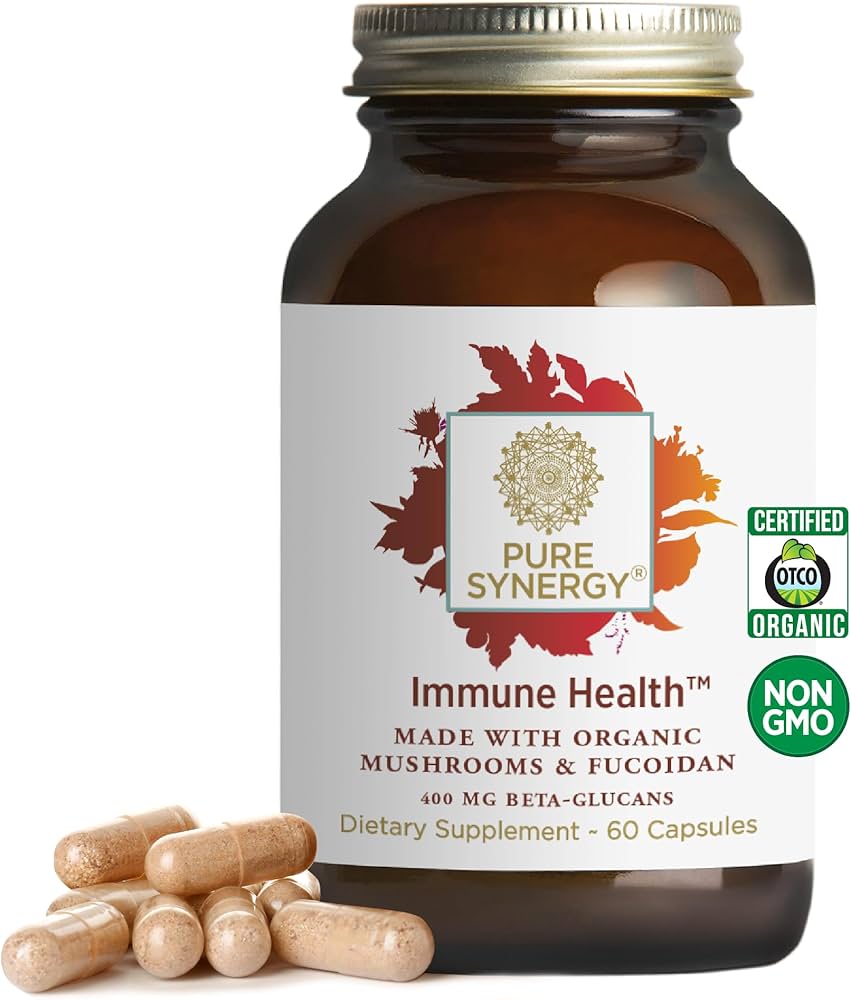
Choose brands that publish third-party testing results and avoid products with vague or exaggerated health claims.
Credit: www.amazon.com
Practical Steps For Healthcare Providers
If you’re a healthcare provider, here’s how to help patients safely combine mushroom supplements and medications:
- Ask about all supplement use during medication reviews.
- Educate patients about the possibility of interactions, especially with drugs for blood, immune, or metabolic conditions.
- Report any adverse events to safety monitoring systems.
- Stay updated with the latest research, as new interactions are discovered each year.
Future Directions In Research
There is still much to learn about mushroom–drug interactions. Future research will likely focus on:
- Identifying specific mushroom compounds that cause the most interactions.
- Developing safer ways to standardize supplement potency.
- Creating clinical guidelines for doctors and pharmacists to use.
Until then, careful use and open communication between patients and healthcare providers are the best tools for safety.
Frequently Asked Questions
Can I Take Mushroom Supplements With My Regular Medications?
It depends on the type of mushroom and the medications you take. Some mushrooms can interact with drugs for blood pressure, blood sugar, or immune suppression. Always talk to your doctor or pharmacist before starting any new supplement.
Are Mushroom Supplements Safe For People With Diabetes?
Mushroom supplements like maitake and reishi can lower blood sugar, which may increase the risk of hypoglycemia if you use diabetes medications. Monitor your blood sugar closely and consult your healthcare provider.
What Are The Signs Of A Bad Interaction Between Mushrooms And Medications?
Warning signs include unusual bleeding, severe drowsiness, confusion, weakness, fainting, or dramatic changes in blood sugar or blood pressure. Stop the supplement and seek medical advice if these occur.
Are There Any Mushroom Supplements That Are Always Safe With Medications?
No supplement is completely safe with all drugs. The risk depends on the specific mushroom, the dose, your health, and the medication involved. Even common mushrooms like shiitake and chaga can cause problems in some cases.
Should I Stop Taking My Medication If I Want To Use Mushroom Supplements?
Never stop a prescribed medication without talking to your healthcare provider. If you want to try a mushroom supplement, discuss it first to find the safest plan for your health needs.
Making safe choices with mushroom supplements means being informed, asking questions, and watching for any changes in your health. By understanding the risks and following practical steps, you can enjoy the benefits of mushrooms while protecting yourself from unwanted side effects.