
Sleep apnea is a condition that impacts millions across the world, yet many people still struggle to find answers. Waking up tired, struggling to breathe at night, and feeling foggy during the day—these are all too common for those with sleep apnea. While machines and surgeries often come up in treatment plans, there’s growing interest in using natural solutions to support the body, especially mushrooms. The “mushroom protocol” is becoming popular for its ability to target inflammation, support weight loss, and help maintain open airways. But how do mushrooms actually fit into the fight against sleep apnea? Can they really make a difference, and what does science say?
This guide will help you explore the relationship between sleep apnea, inflammation, excess weight, and airway health. It will explain how certain mushrooms can play a role, the best ways to use them, and what to expect if you try a mushroom protocol.
The goal is to provide clear, practical advice—so you can make informed decisions about your sleep health.
Understanding Sleep Apnea And Its Challenges
Sleep apnea is not just about snoring or feeling tired. It is a medical condition where breathing stops and starts repeatedly during sleep. This disrupts sleep cycles and lowers oxygen levels in the blood. There are two main types: obstructive sleep apnea (OSA), caused by blocked airways, and central sleep apnea, where the brain does not send proper signals to the muscles controlling breathing.
People with sleep apnea often face:
- Loud snoring and choking sounds at night
- Waking up with a dry mouth or headache
- Daytime sleepiness and trouble focusing
- Increased risk of high blood pressure, heart disease, and diabetes
The link to inflammation and weight gain is strong. Fat buildup around the neck or throat makes the airway narrower, and chronic inflammation makes muscles and tissues less flexible. Over time, this vicious cycle can make sleep apnea worse.
The Role Of Inflammation In Sleep Apnea
Inflammation is the body’s defense system. When something goes wrong, the immune system sends out signals to fight infection or heal injury. But when inflammation becomes chronic, it can do more harm than good—especially in sleep apnea.
How Inflammation Affects The Airway
In people with sleep apnea, inflammation is often present in the airway tissues. Swelling and irritation cause the airway to narrow even more. This increases the chance of airway collapse during sleep. Inflammatory markers such as C-reactive protein (CRP) and interleukin-6 (IL-6) are often higher in those with sleep apnea.
Inflammation And Whole-body Health
Inflammation from sleep apnea can spill over into the rest of the body. This creates a higher risk for:
- Heart problems: Chronic inflammation can damage blood vessels and the heart.
- Insulin resistance: This can lead to or worsen type 2 diabetes.
- Mood changes: Inflammation is linked to anxiety and depression.
Reducing inflammation is a key goal for anyone with sleep apnea. This is where mushrooms may offer support.

Credit: emcrit.org
The Connection Between Weight And Sleep Apnea
Excess weight is one of the strongest risk factors for developing sleep apnea. About 70% of people with OSA are overweight or obese. Losing even a small amount of weight can significantly improve symptoms, but why is weight so important?
Fat Around The Neck And Airway
When fat builds up around the neck, throat, and tongue, it presses on the airway. This makes it easier for the airway to close during sleep. People with a neck circumference over 17 inches (men) or 16 inches (women) are at much higher risk for OSA.
Visceral Fat And Inflammation
Fat stored deep in the belly (visceral fat) is also a problem. This type of fat releases chemicals that increase inflammation throughout the body. It’s a double hit: more weight leads to more inflammation, which then worsens sleep apnea.
Weight Loss: Not Just About Looks
Many people focus on weight loss for appearance, but for sleep apnea, it’s about breathing and health. Even losing 5–10% of body weight can:
- Lower the number of apnea events per hour (apnea-hypopnea index, or AHI)
- Reduce daytime sleepiness
- Improve blood pressure and blood sugar control
Weight loss is hard, but certain mushrooms may support the process in surprising ways.
Airway Support: Why It Matters
A healthy, open airway is essential for good sleep. But in sleep apnea, muscle tone in the throat and tongue can weaken, especially during deep sleep. This makes it easier for the airway to collapse or get blocked.
What Causes The Airway To Collapse?
During sleep, muscles relax. In some people, the soft tissues in the back of the throat collapse and block the airflow. Factors that make this worse include:
- Large tonsils or adenoids
- Small jaw or receding chin
- Nasal congestion or allergies
- Weak muscle tone in the throat or tongue
Supporting airway health means keeping tissues strong, flexible, and less inflamed. Mushrooms may offer some unique benefits here.
Why Mushrooms? The Science Behind The Protocol
Mushrooms have been used in traditional medicine for thousands of years. Modern research now shows that certain mushrooms contain compounds that can reduce inflammation, support immune function, help manage weight, and even improve muscle tone.
Key Benefits Of Functional Mushrooms
- Anti-inflammatory action: Compounds like beta-glucans reduce inflammatory signals.
- Weight management: Some mushrooms help regulate blood sugar and fat metabolism.
- Immune balance: Mushrooms can calm an overactive immune system.
- Nervous system support: They may help nerves control the muscles around the airway.
- Antioxidant power: Mushrooms fight oxidative stress, which worsens inflammation.
Not all mushrooms are equal. The mushroom protocol for sleep apnea focuses on a select group with the most evidence and traditional use.
The Mushroom Protocol For Sleep Apnea: Core Species
For people with sleep apnea, the protocol centers around 5 main mushrooms, each with a unique role. Choosing the right combination is key to getting the best results.
1. Reishi (ganoderma Lucidum)
Reishi is known as the “mushroom of immortality” in Asia. It’s famous for calming the nervous system and reducing inflammation.
- How it helps: Reishi contains triterpenes that lower inflammation in airway tissues and help relax the body for deeper sleep.
- Weight support: It helps regulate blood sugar and reduces fat buildup in animal studies.
- Airway support: Reishi’s calming effects may reduce nighttime arousals.
Typical dose: 1–2 grams daily, usually as a powder or capsule.
2. Lion’s Mane (hericium Erinaceus)
Lion’s Mane is best known for supporting brain and nerve health.
- How it helps: It stimulates the growth of nerve cells (NGF), which could help the nerves that control throat and tongue muscles.
- Weight support: May improve fat metabolism and reduce inflammation linked to obesity.
- Airway support: Some studies suggest it can reduce anxiety, which often co-occurs with sleep apnea.
Typical dose: 1–3 grams daily.
3. Cordyceps (cordyceps Militaris Or Sinensis)
Cordyceps is famous for boosting energy and oxygen use.
- How it helps: Improves lung function and oxygen delivery to tissues, which is crucial for sleep apnea.
- Weight support: May improve exercise capacity, making weight loss easier.
- Airway support: Its anti-inflammatory effects help keep airways open.
Typical dose: 1–2 grams daily.
4. Maitake (grifola Frondosa)
Maitake is valued for its effects on blood sugar and fat metabolism.
- How it helps: Reduces inflammation and supports immune balance.
- Weight support: May help prevent fat buildup and control appetite.
- Airway support: Its antioxidant properties protect airway tissues from damage.
Typical dose: 1–3 grams daily.
5. Turkey Tail (trametes Versicolor)
Turkey Tail is a strong immune modulator with a long history in traditional medicine.
- How it helps: Balances immune function, lowers chronic inflammation.
- Weight support: May help the gut microbiome, which is linked to weight and inflammation.
- Airway support: Antioxidants protect delicate airway tissues.
Typical dose: 1–2 grams daily.
How Each Mushroom Targets Sleep Apnea’s Root Causes
To see how these mushrooms work, it helps to compare their main strengths for each area of sleep apnea support.
| Mushroom | Inflammation | Weight Support | Airway Health |
|---|---|---|---|
| Reishi | Strong | Moderate | Strong |
| Lion’s Mane | Moderate | Moderate | Strong (nerves) |
| Cordyceps | Moderate | Strong | Strong (lungs) |
| Maitake | Moderate | Strong | Moderate |
| Turkey Tail | Strong | Moderate | Moderate |
How To Build A Mushroom Protocol For Sleep Apnea
Designing a mushroom protocol is not about taking everything at once. It’s about matching the right mushrooms to your needs and using them safely.
Step 1: Identify Your Main Challenges
- If inflammation is your biggest issue (swollen throat, allergies), focus on Reishi and Turkey Tail.
- If weight loss is your priority, include Maitake and Cordyceps.
- For airway muscle weakness or nerve issues, add Lion’s Mane.
Step 2: Choose The Right Form
Mushrooms come in many forms:
- Powders: Easy to mix into drinks or food.
- Capsules: Convenient and taste-free.
- Teas or extracts: Traditional but sometimes bitter.
Choose products that use the fruiting body (not just mycelium), and look for third-party testing.
Step 3: Start With One, Then Add
Begin with one mushroom, at a low dose, for a week. Watch for any changes or side effects. Then add the next mushroom. This method helps you identify what works and avoid stomach upset.
Step 4: Track Results
Keep a sleep diary. Note changes in snoring, daytime energy, or breathing. Many people notice benefits in 2–4 weeks, but full effects can take longer.
Combining Mushrooms With Other Sleep Apnea Solutions
A mushroom protocol is not a replacement for medical treatment. Most people see the best results by combining mushrooms with other lifestyle changes and therapies.
Common Sleep Apnea Treatments
- CPAP machines: Keep the airway open with continuous air pressure.
- Weight loss programs: Diet and exercise tailored to your needs.
- Oral appliances: Devices that move the jaw or tongue forward.
- Surgery: For some, procedures to remove tissue or fix bone problems.
Mushrooms can support these treatments by reducing inflammation, boosting energy, and helping with weight loss.
Common Mistakes To Avoid With Mushroom Protocols
Even though mushrooms are natural, there are some pitfalls to watch for.
- Using poor-quality products: Many cheap supplements use fillers or mycelium instead of fruiting body. These offer less benefit.
- Expecting instant results: Mushrooms work slowly. Give them at least a month.
- Ignoring other health habits: Mushrooms help, but they can’t replace healthy eating, exercise, and medical care.
- Taking too much: Start with low doses to avoid digestive upset.
- Not checking interactions: Some mushrooms may interact with blood thinners or immune drugs.
If you have allergies or are on medication, always talk to your doctor before starting new supplements.
Real-world Results: What Do Studies And Users Say?
More research is still needed, but there are promising signs from both science and personal stories.
Research Highlights
- A 2019 study found that Reishi extract lowered markers of inflammation in adults with OSA. (Source: Journal of Ethnopharmacology)
- Cordyceps has been shown to improve lung function and oxygen use in people with chronic respiratory conditions.
- Lion’s Mane may improve nerve health and mood, both important for sleep apnea patients.
Real User Experiences
- Many people report less snoring, better sleep quality, and more energy after a few weeks on a mushroom protocol.
- Some notice easier weight loss and fewer sugar cravings.
- Others see improved focus and lower anxiety, which can help with sleep.
Can Mushrooms Replace Medical Treatment?
It’s important to be realistic. Mushrooms are powerful, but they are not a cure for sleep apnea. They are best used as a support, not a replacement, for proven treatments. For severe sleep apnea, CPAP or dental devices are usually needed.
But mushrooms can make other treatments work better by lowering inflammation, making weight loss easier, and helping you feel more rested.
Practical Tips For Starting A Mushroom Protocol
If you want to try a mushroom protocol, here’s how to get started safely and effectively.
- Check with your doctor. Make sure mushrooms won’t interfere with your current treatment.
- Start slow. Begin with one species at a low dose.
- Watch for changes. Keep a diary of sleep quality, breathing, and energy.
- Combine with healthy habits. Eat a balanced diet, exercise, and manage stress.
- Be patient. Improvements often take time, especially for inflammation and nerve support.
Tracking Your Progress
To see if the protocol is helping, use simple tools:
- Sleep diary: Write down how you sleep each night.
- Snoring apps: Use a smartphone app to record snoring or breathing pauses.
- Energy rating: Rate your daytime energy from 1–10 each morning.
After 4–8 weeks, look for patterns. Are you waking up less, feeling more rested, or noticing less snoring? These are signs of progress.
Sample Mushroom Protocol Plan
Here’s a sample 8-week plan for someone with moderate sleep apnea, weight issues, and inflammation:
| Week | Morning | Evening | Notes |
|---|---|---|---|
| 1–2 | Reishi (1g) | Turkey Tail (1g) | Start low, watch for side effects |
| 3–4 | Add Cordyceps (1g) | Reishi (1g) | Track energy and sleep quality |
| 5–6 | Maitake (1g) | Turkey Tail (1g) | Add if weight loss is slow |
| 7–8 | Lion’s Mane (1g) | Reishi (1g) | Add for focus or airway muscle issues |
Adjust the plan based on how you feel and any side effects. For some, fewer mushrooms are enough.
Other Natural Ways To Support Sleep Apnea
Mushrooms work best as part of a bigger plan for sleep health. Here are a few other natural strategies to combine with your protocol:
- Lose weight if needed. Even small changes help.
- Sleep on your side. This keeps the airway more open.
- Treat allergies. Nasal sprays or air purifiers can help.
- Avoid alcohol and sedatives before bed.
- Practice throat exercises. These strengthen airway muscles.

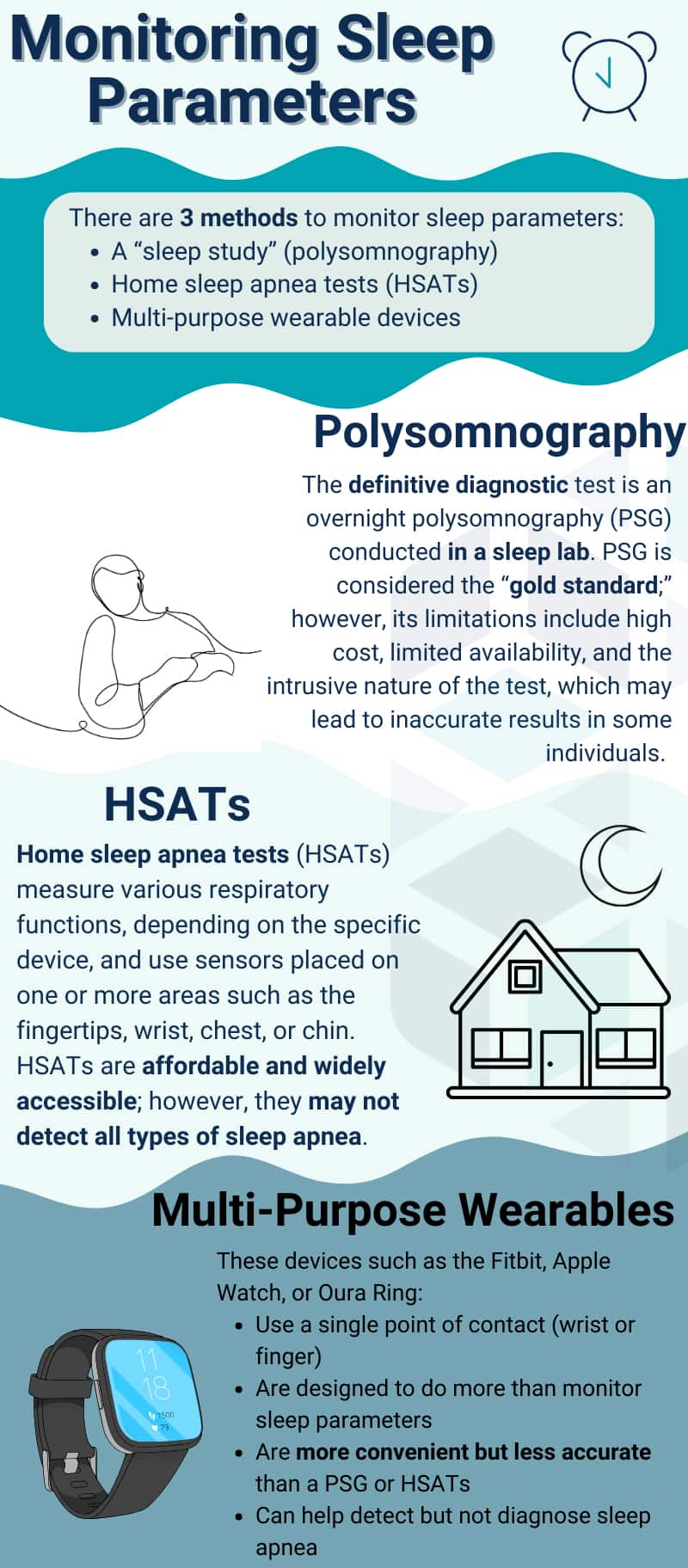
Credit: emcrit.org
When To See A Doctor
Sleep apnea can be serious. If you notice:
- Loud, choking snoring every night
- Stopping breathing for long periods
- Extreme tiredness, headaches, or mood changes
- High blood pressure that’s hard to control
See a sleep specialist for a sleep study. Mushrooms can help, but diagnosis and proper treatment are essential.
How To Choose Quality Mushroom Supplements
Not all mushroom products are effective. Here’s what to look for:
- Fruiting body extract: This part of the mushroom contains most active compounds.
- Third-party testing: Look for products tested for purity and heavy metals.
- No fillers: Avoid products with rice, grains, or mycelium as main ingredients.
- Clear labeling: Doses and species should be listed.
Buying from trusted brands or health stores is safer. Avoid suspiciously cheap products.
Credit: www.lifeextension.com
Side Effects And Safety
Most people tolerate functional mushrooms well, but side effects can include:
- Upset stomach
- Allergic reactions (rare)
- Headache
- Changes in bowel habits
Stop taking mushrooms if you notice any severe reaction. If you take blood thinners, immune drugs, or have autoimmune disease, check with your doctor first.
How Long Before Results?
Results vary, but most people see changes in:
- 2 weeks: Better energy or focus
- 4 weeks: Less inflammation, reduced snoring
- 8 weeks: Weight change, improved sleep quality
Chronic conditions take time to improve. Stick with the protocol, and adjust as needed.
Sample Day Using The Mushroom Protocol
Here’s what a typical day might look like for someone using the mushroom protocol for sleep apnea:
Morning:
- Cordyceps (1g) with breakfast for energy and lung support
- Maitake (1g) for metabolism
Afternoon:
- Lion’s Mane (1g) for nerve support and focus
Evening:
- Reishi (1g) and Turkey Tail (1g) after dinner to calm inflammation and prepare for sleep
Drink plenty of water and eat a healthy diet for best results.
The Future Of Mushrooms In Sleep Apnea Care
Research into mushrooms and sleep apnea is growing. As more people look for natural ways to heal, mushrooms are likely to play a bigger role. Studies are underway to see how they can be combined with other treatments for even better outcomes.
Health professionals are also starting to recognize the value of mushrooms for inflammation, weight, and airway support. As the evidence builds, protocols will become more refined.
For the latest research, you can check PubMed Central, a leading resource for medical studies.
Frequently Asked Questions
What Is The Best Mushroom For Sleep Apnea?
Reishi is often considered the best because of its strong anti-inflammatory and calming effects. But many people benefit from combining Reishi with Cordyceps, Lion’s Mane, or Turkey Tail for full support.
How Long Does It Take To See Results From The Mushroom Protocol?
Most people notice some changes in 2–4 weeks, such as less snoring or better energy. Full benefits, especially for inflammation and weight, may take 8 weeks or longer.
Can I Use Mushrooms With My Cpap Machine?
Yes. Mushrooms can be used alongside CPAP or other medical treatments. They may help reduce inflammation, making CPAP more comfortable and effective.
Are There Any Side Effects Or Risks With These Mushrooms?
Most people tolerate them well, but mild side effects like upset stomach or headache can occur. Rarely, allergic reactions happen. Always start with a low dose and talk to your doctor if you take other medications.
Where Can I Find Quality Mushroom Supplements?
Look for products that use the fruiting body, have third-party testing, and no fillers. Health food stores or reputable online brands are usually safest. Avoid very cheap products with unclear labeling.
—
Mushrooms offer a promising and natural way to support sleep apnea by targeting the root causes: inflammation, excess weight, and weak airway muscles. While not a replacement for medical care, the right mushroom protocol can boost your results, improve your sleep, and help you wake up feeling refreshed. With patience, careful choices, and a whole-body approach, better sleep is within reach.