
Interstitial cystitis (IC), also known as bladder pain syndrome, affects millions worldwide. The condition causes chronic bladder pain, frequent urination, and discomfort that can disrupt daily life. Many sufferers search for relief beyond standard medical treatments. One area getting attention is the use of medicinal mushrooms. These fungi, used for centuries in traditional medicine, may offer unique bladder support. In this article, we explore how medicinal mushrooms can help people with interstitial cystitis, review the best options, explain their science, and give practical tips for choosing and using them.
Understanding Interstitial Cystitis And Bladder Health
Interstitial cystitis is not a simple infection. It’s a complex syndrome with many possible causes. Common symptoms include:
- Chronic pelvic pain
- Frequent urge to urinate
- Pressure and discomfort in the bladder
- Pain during sexual intercourse
Unlike urinary tract infections, IC doesn’t show bacteria in urine. The exact cause remains unclear. Some experts believe that IC involves inflammation, a weak bladder lining, or autoimmune reactions. Stress, certain foods, and hormonal changes can make symptoms worse.
Standard treatments include:
- Medications (painkillers, antihistamines, antidepressants)
- Bladder instillations
- Physical therapy
- Diet modifications
But many people do not get full relief. This is why alternative and complementary therapies, like medicinal mushrooms, are gaining interest.
For example, people with IC often try elimination diets, acupuncture, or herbal therapies when regular treatments don’t work. However, while these options may help some, results can vary and scientific support is limited. Medicinal mushrooms stand out because they have a record of safety and a growing body of research.
They offer a gentler, supportive approach that can be used alongside other strategies. Importantly, many people with IC are sensitive to medications and chemicals, making the gentle, natural effects of mushrooms especially appealing.
What Are Medicinal Mushrooms?
Medicinal mushrooms are not the same as the mushrooms you eat on pizza. They are special varieties used for health and healing. These mushrooms contain bioactive compounds that can:
- Reduce inflammation
- Boost immune function
- Fight oxidative stress
- Support tissue repair
The most researched medicinal mushrooms include Reishi, Cordyceps, Turkey Tail, Chaga, Lion’s Mane, Maitake, and Shiitake. Each mushroom has unique compounds and properties. For bladder health and IC, mushrooms may help by calming inflammation, supporting the immune system, and strengthening the bladder lining.
Medicinal mushrooms have been used in Chinese and Japanese medicine for over a thousand years. For example, Reishi was once reserved for emperors, and Turkey Tail was brewed as a tea for immune support. Modern science now confirms many of the traditional uses.
These mushrooms contain hundreds of unique compounds—like beta-glucans, terpenoids, and antioxidants—that can benefit the bladder and whole body. Unlike some herbs, most medicinal mushrooms are non-toxic and suitable for long-term use.
How Medicinal Mushrooms May Help Interstitial Cystitis
Anti-inflammatory Effects
Inflammation in the bladder is a key part of IC. Many medicinal mushrooms contain molecules that reduce inflammation. For example, Reishi has triterpenes that block inflammatory pathways. Chaga contains betulinic acid and antioxidants that lower tissue irritation.
Mushrooms like Reishi and Maitake can help decrease the production of chemicals in the body that cause swelling and pain. This anti-inflammatory effect can help calm down the bladder wall and reduce the constant urge to urinate. Some people also notice less pelvic pain and pressure when using these mushrooms regularly.
Immune Modulation
Some scientists think IC is linked to immune system problems. Medicinal mushrooms can balance the immune response. Turkey Tail and Maitake are rich in beta-glucans, which help regulate immune activity. This can prevent the body from attacking the bladder lining.
For example, in autoimmune types of IC, the immune system mistakenly sees the bladder as a threat. Beta-glucans from mushrooms help teach the immune system to act more normally, lowering unnecessary attacks. This is especially important for people whose IC flares up with infections, allergies, or stress.
Antioxidant Protection
Oxidative stress damages bladder cells and worsens IC symptoms. Mushrooms like Chaga and Cordyceps are powerful antioxidants. They clean up harmful free radicals and help cells recover.
A less obvious benefit: antioxidants also support the healing of tiny blood vessels in the bladder. These capillaries often get damaged in IC, causing more pain and irritation. By protecting these small vessels, mushrooms help the bladder heal and function better.
Tissue Repair And Barrier Support
A weak bladder barrier lets irritants pass into the tissue, causing pain. Certain mushrooms, such as Lion’s Mane, support tissue regeneration and repair. They encourage growth factors that help the bladder lining recover.
Some experts believe that bladder “leakiness” is a major cause of pain in IC. Supporting the bladder lining with Lion’s Mane can reduce this leakiness over time. Lion’s Mane may also reduce nerve irritation, which can help people who feel burning or sharp pain.
Key Medicinal Mushrooms For Bladder Support
Let’s look at the most promising mushrooms for IC and bladder health. Each mushroom has unique benefits, supported by studies and traditional use.
Reishi (ganoderma Lucidum)
Reishi is called the “mushroom of immortality.” It has been used in Asia for centuries to treat inflammation and immune problems. Reishi’s triterpenes and polysaccharides help:
- Lower bladder inflammation
- Calm immune overactivity
- Reduce stress, which can worsen IC
A small study found that Reishi extract reduced bladder pain and urgency in people with IC. It also helped them sleep better, which is important since poor sleep increases pain sensitivity.
People with IC often have high stress, which can trigger symptom flares. Reishi’s calming effect on the nervous system and adrenal glands makes it a top choice for those with both pain and anxiety. Some users report fewer nighttime bathroom trips after using Reishi for several weeks.
Turkey Tail (trametes Versicolor)
Turkey Tail is best known for boosting immunity. Its beta-glucans stimulate immune cells and help regulate inflammation. For IC, Turkey Tail may:
- Balance immune reactions in the bladder
- Support tissue healing
- Protect against oxidative stress
Turkey Tail is safe and well tolerated. It is often used alongside other mushrooms for a wider range of support.
A unique feature of Turkey Tail is its effect on gut health. A healthy gut can lower whole-body inflammation, including in the bladder. Some users find that Turkey Tail helps with digestion, which is another common issue for people with IC.
Chaga (inonotus Obliquus)
Chaga grows on birch trees and is famous for its antioxidant power. It contains melanin, polyphenols, and betulinic acid, which:
- Neutralize free radicals
- Calm bladder tissue irritation
- Support cell repair
Chaga is used in Russia and Northern Europe for urinary tract health. Some users report better bladder comfort and fewer flares when taking Chaga regularly.
Chaga may also support the body during times of physical or emotional stress. People with IC often notice more flares when under pressure, so Chaga’s adaptogenic properties can make life a little easier.
Cordyceps (cordyceps Militaris And Sinensis)
Cordyceps is known for boosting energy and fighting inflammation. It contains cordycepin and polysaccharides that:
- Reduce pain and swelling
- Improve tissue oxygenation
- Protect against cellular stress
Cordyceps may help people with IC who feel tired and weak, as it supports overall vitality.
One less obvious benefit: Cordyceps can improve exercise tolerance. Gentle exercise is often recommended for IC, and Cordyceps can help the body recover from physical activity, making it easier to stay active.
Lion’s Mane (hericium Erinaceus)
Lion’s Mane is famous for nerve and tissue repair. It contains hericenones and erinacines, which:
- Stimulate growth factors
- Help regenerate bladder lining
- Calm the nervous system
Lion’s Mane may support healing in cases where the bladder lining is damaged. It also helps reduce anxiety, which can trigger IC symptoms.
Some people with IC have nerve-related bladder pain. Lion’s Mane’s ability to support nerve healing makes it a smart choice for these cases. Users often report clearer thinking and better mood, adding to its benefits.
Maitake (grifola Frondosa)
Maitake is known for immune balancing and anti-inflammatory effects. Its beta-glucans help:
- Regulate immune cells
- Lower chronic inflammation
- Support overall urinary health
Maitake is often combined with Reishi and Turkey Tail for broader effects.
Less obviously, Maitake can help support healthy blood sugar levels. Stable blood sugar is important because spikes can worsen inflammation and trigger IC symptoms in some people.
Shiitake (lentinula Edodes)
Shiitake is rich in lentinan, a compound that supports the immune system. It also contains antioxidants and anti-inflammatory molecules. Shiitake can help:
- Protect bladder tissue
- Support immune balance
- Reduce oxidative stress
Shiitake is safe and widely used. It also provides vitamin D, which is important for immune function.
A practical tip: Shiitake is easy to add to food, making it a good choice for those who prefer natural sources over supplements.
Credit: www.reviveresearch.org
Comparing Medicinal Mushrooms For Bladder Support
To help you choose, here’s a comparison of the main medicinal mushrooms for IC and bladder health.
| Mushroom | Main Benefits | Key Compounds | Possible Side Effects |
|---|---|---|---|
| Reishi | Anti-inflammatory, immune balance, stress reduction | Triterpenes, polysaccharides | Mild digestive upset, rare allergic reaction |
| Turkey Tail | Immune regulation, tissue healing | Beta-glucans, antioxidants | Mild stomach discomfort |
| Chaga | Antioxidant protection, tissue repair | Polyphenols, betulinic acid | Kidney stone risk (high oxalate), rare allergy |
| Cordyceps | Energy boost, inflammation reduction | Cordycepin, polysaccharides | Insomnia, digestive issues |
| Lion’s Mane | Nerve repair, tissue regeneration | Hericenones, erinacines | Mild nausea, rare allergy |
| Maitake | Immune support, anti-inflammation | Beta-glucans | Low blood pressure, mild GI upset |
| Shiitake | Immune balance, antioxidant | Lentinan, vitamin D | Skin rash (rare), digestive upset |
An extra insight: some people with sensitive stomachs do better with capsules than powders or teas. It’s also wise to start with a single mushroom and add others slowly to see what works best for your body.
Scientific Evidence: What Do Studies Show?
While medicinal mushrooms have a long history, modern research is still catching up. Let’s review the evidence for their use in bladder health and IC.
Reishi
A Japanese study on Reishi found that its extract lowered bladder inflammation in animal models. Another pilot trial showed improvement in pain and urgency for people with IC after 8 weeks of Reishi supplementation.
There is also evidence that Reishi can reduce cortisol levels, which helps people with IC who have high stress or trouble sleeping. Lower stress often means fewer bladder flares.
Turkey Tail
Clinical trials using Turkey Tail for cancer patients have shown strong immune support and anti-inflammatory effects. Although not specific to IC, these qualities could help bladder health.
Some studies suggest Turkey Tail improves the balance of gut bacteria, which may help with inflammation throughout the body, including the bladder.
Chaga
Chaga’s antioxidants have been studied in vitro and animal models. Results show reduced oxidative stress and protection of urinary tract tissues. Few human studies exist, but traditional use is strong.
A lesser-known benefit: Chaga’s melanin may help protect bladder cells from DNA damage, which is important for long-term bladder health.
Cordyceps
Cordyceps has shown anti-inflammatory and energy-boosting effects in multiple studies. One Chinese trial found that Cordyceps extract improved symptoms in people with chronic urinary discomfort.
Cordyceps may also support kidney health, which is important for people with IC who want to keep their whole urinary system healthy.
Lion’s Mane
Lion’s Mane is mostly studied for nerve repair. Early research suggests it may help regenerate damaged tissues, including the bladder lining. This is promising for IC patients with Hunner’s lesions (ulcers in the bladder).
Lion’s Mane also helps reduce anxiety and depression, which are common in people with chronic bladder pain.
Maitake And Shiitake
Both mushrooms have strong evidence for immune modulation. Human studies show their beta-glucans help regulate immunity and lower inflammation, which is important for IC.
Maitake’s support for healthy blood sugar and Shiitake’s vitamin D content can add extra benefits for overall wellness.
How To Choose Medicinal Mushrooms For Ic
Not all mushroom supplements are the same. Quality, preparation, and dosage matter. Here’s what to look for:
- Extracts vs. Powders: Extracts are concentrated and contain more active compounds than whole mushroom powders.
- Dual Extracts: Look for products that use both water and alcohol extraction. This pulls out both polysaccharides and triterpenes.
- Purity: Choose products tested for heavy metals and contaminants.
- Origin: Mushrooms grown in clean environments are safer. Avoid products from polluted areas.
- Dosage: Start low and increase gradually. Typical doses are 500–2000 mg per day.
Common Mistakes When Choosing
- Buying cheap, untested products
- Ignoring extraction methods
- Using only one mushroom when a blend may work better
- Not checking for allergens or additives
Another mistake: not reading the label for actual mushroom content. Some products use mostly grain or filler with little real mushroom. Always look for “fruiting body extract” for the highest quality.
Practical Tips For Using Medicinal Mushrooms
Medicinal mushrooms are generally safe, but there are some guidelines to follow.
- Speak to your doctor before starting, especially if you take medications or have allergies.
- Take mushrooms with food to avoid stomach upset.
- Use them consistently for at least 8 weeks to see benefits.
- Combine mushrooms with lifestyle changes (diet, stress management) for best results.
- Stop use if you notice any negative reactions.
Many people use mushroom supplements as capsules, powders, or teas. Blends that combine several mushrooms offer broader effects. Some users make their own teas from dried mushrooms, but extracts are more reliable.
If you are sensitive to taste or smell, capsules are the easiest to take. Powders can be mixed into smoothies or soups for convenience. For those who like traditional methods, making a slow-brewed mushroom tea can be both calming and effective.
Combining Medicinal Mushrooms With Other Bladder Support Options
Medicinal mushrooms are only one part of bladder health. They can be combined with other natural therapies for greater relief.
D-mannose
D-mannose is a sugar found in cranberries. It helps prevent bacteria from sticking to the bladder wall. While not a cure for IC, it can reduce irritation.
Aloe Vera
Aloe Vera soothes the bladder and supports tissue repair. Some studies show it helps reduce urgency and pain.
Quercetin
Quercetin is a plant flavonoid that lowers inflammation. It is often used alongside mushrooms in IC protocols.
Omega-3 Fatty Acids
Omega-3s reduce inflammation throughout the body, including the bladder.
Bladder-friendly Diet
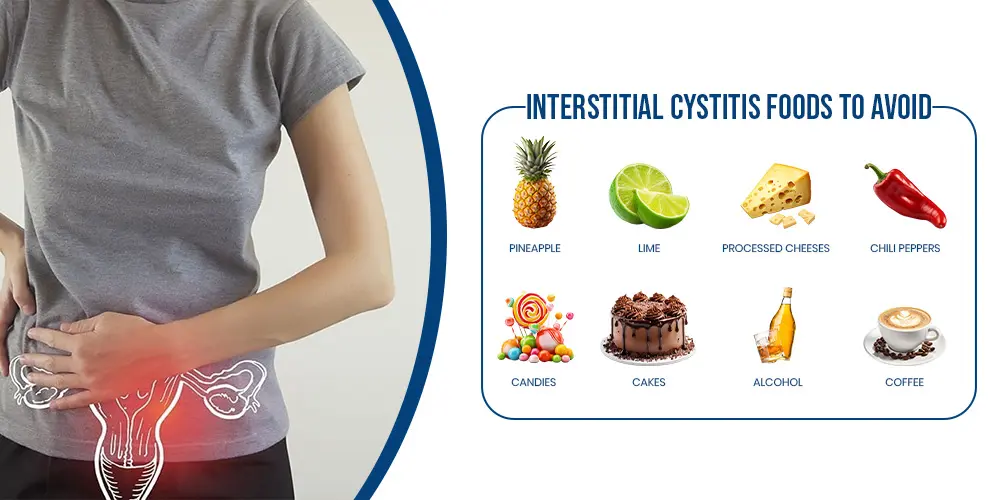
Avoiding trigger foods (citrus, spicy foods, caffeine) can help. Focus on bland, nourishing foods.
Stress Reduction
Stress worsens IC symptoms. Meditation, yoga, and gentle exercise can calm the nervous system.
Physical Therapy
Pelvic floor therapy helps reduce pain and improve bladder function.
Including a variety of support options can address more than one cause of IC symptoms. For example, using mushrooms for inflammation, D-mannose for bacterial prevention, and stress reduction for nervous system balance can together give better results than any one therapy alone.
Data Table: Bladder Support Options Compared
Here’s a comparison of mushroom and non-mushroom bladder support strategies.
| Support Option | Benefit | Evidence Level | Notes |
|---|---|---|---|
| Reishi | Anti-inflammatory, immune balance | Moderate | Works best as extract |
| Chaga | Antioxidant, tissue repair | Low to moderate | Traditional use strong |
| Turkey Tail | Immune modulation | High | Safe for long-term use |
| D-mannose | Reduces bacterial adhesion | High | Best for UTI prevention |
| Aloe Vera | Soothing, repair | Moderate | Check for purity |
| Quercetin | Anti-inflammatory | Moderate | Often used in blends |
| Omega-3 | General inflammation reduction | High | Supports overall health |
| Bladder-friendly diet | Reduces triggers | High | Personalized approach needed |
| Stress reduction | Less symptom flares | High | Works with other therapies |
A practical tip: Don’t try to add everything at once. Introduce new supports one by one, so you know what works and what doesn’t for your own body.
Real-world Experiences And Non-obvious Insights
While scientific studies are valuable, real-world experiences show how medicinal mushrooms work in practice.
- Some IC sufferers report that blends of Reishi, Turkey Tail, and Chaga work better than single mushrooms. The synergy between their compounds may enhance benefits.
- Mushrooms take time to show effects. Many users notice changes after 6–8 weeks, not immediately.
- Combining mushrooms with dietary changes speeds up symptom relief. For example, avoiding caffeine and spicy foods while taking mushrooms reduces bladder pain faster.
- People with autoimmune-related IC often do better with Turkey Tail and Maitake, as these mushrooms help balance immune reactions.
- Not all mushroom brands are equal. Third-party tested products are more reliable and less likely to cause side effects.
Many users see improved sleep and less anxiety after starting medicinal mushrooms. Since stress increases IC symptoms, this effect is important.
Another insight: Some people find that tracking their symptoms daily helps them notice small improvements that would otherwise go unnoticed. Keeping a simple diary—pain level, number of bathroom visits, foods eaten—can give motivation to continue.
Some users report that taking mushrooms in tea form is more soothing, especially before bed. The ritual of making tea also helps with relaxation and stress reduction, which indirectly supports bladder health.
Safety, Side Effects, And Who Should Not Use Medicinal Mushrooms
Medicinal mushrooms are safe for most people, but there are exceptions.
- People with mushroom allergies should not use these products.
- Some mushrooms (like Chaga) are high in oxalates, which can increase kidney stone risk.
- Those with autoimmune conditions should talk to their doctor before starting mushrooms, as they can affect immune activity.
- Pregnant and breastfeeding women should avoid medicinal mushrooms unless approved by a healthcare provider.
Possible side effects include:
- Digestive upset (nausea, bloating)
- Skin rash (rare)
- Allergic reactions
To avoid problems:
- Start with low doses and increase slowly
- Choose reputable brands
- Monitor for any symptoms and stop if problems occur
A non-obvious safety tip: If you are taking blood-thinning medications, check with your doctor before using mushrooms, as some may affect blood clotting.
Credit: mnwcare.com
Practical Guide: How To Start Medicinal Mushrooms For Ic
Here’s a step-by-step approach for beginners:
- Consult your doctor to check for safety.
- Choose a dual-extracted, third-party tested mushroom product.
- Start with 500 mg per day for 1 week.
- If tolerated, increase to 1000–2000 mg daily.
- Take the supplement with meals.
- Use consistently for at least 8 weeks.
- Keep a symptom diary to track changes.
- Combine with bladder-friendly diet and stress reduction.
Example Beginner Protocol
- Morning: 500 mg Reishi extract capsule with breakfast
- Afternoon: 500 mg Turkey Tail extract capsule with lunch
- Evening: 500 mg Chaga extract with dinner
Adjust the protocol based on symptoms and tolerance. Some people prefer blends; others use single mushrooms.
If you notice any improvement, continue for several months before making changes. If you have side effects, stop and discuss with your healthcare provider.
Advanced Tips For Bladder Support
For those who want to maximize results:
- Try blends that combine 3–5 mushrooms for synergy.
- Use mushroom extracts, not powders, for higher potency.
- Include quercetin and omega-3s in your routine.
- Practice meditation or yoga daily to lower stress.
- Get regular sleep; poor sleep worsens bladder pain.
Other advanced approaches include rotating mushrooms every 2–3 months to prevent “plateau” effects and working with a nutritionist to fine-tune your diet for bladder healing.

Credit: desertharvest.com
Data Table: Quality Factors For Mushroom Supplements
Choosing the right supplement is crucial. Here’s a comparison of quality factors:
| Factor | Why It Matters | How to Check |
|---|---|---|
| Extraction Method | Determines potency | Look for “dual extract” on label |
| Purity Testing | Ensures safety | Third-party lab certification |
| Origin | Reduces contamination risk | Product info or website |
| Active Compound Content | Guarantees effectiveness | Check for % polysaccharides/triterpenes |
| Form (capsule, powder, tea) | Ease of use | Personal preference |
| Company Reputation | Reliability | Reviews, website info |
When in doubt, ask the company for a Certificate of Analysis. This document shows the supplement has been tested for safety and potency.
Where To Find More Information
If you want to explore the science behind medicinal mushrooms, check out National Center for Complementary and Integrative Health. This site offers research, safety tips, and updates on natural therapies.
Frequently Asked Questions
What Is Interstitial Cystitis, And How Is It Different From A Uti?
Interstitial cystitis is a chronic bladder pain syndrome. It causes frequent urination, pelvic pain, and discomfort, but is not caused by bacteria like a urinary tract infection (UTI). IC does not respond to antibiotics and is harder to treat.
Are Medicinal Mushrooms Safe For People With Ic?
Most medicinal mushrooms are safe, but some people may have allergies or sensitivities. Always start with low doses and consult your doctor before use. Choose high-quality, tested products.
Which Mushroom Is Best For Bladder Pain?
Reishi and Chaga are the most popular for reducing bladder pain due to their anti-inflammatory and antioxidant effects. Blends can offer broader support.
How Long Does It Take To See Benefits From Medicinal Mushrooms?
Most people notice improvement after 6–8 weeks of consistent use. Effects are gradual, not immediate. Keeping a symptom diary can help track progress.
Can Medicinal Mushrooms Be Used With Other Bladder Therapies?
Yes, mushrooms can be combined with dietary changes, stress reduction, supplements like D-mannose and quercetin, and standard medical treatments. Always check with your healthcare provider.
Medicinal mushrooms offer promising support for people with interstitial cystitis. While they are not a cure, their anti-inflammatory, immune-balancing, and tissue-repairing properties can help reduce symptoms and improve quality of life. Using them wisely, together with other bladder support options, gives you the best chance for lasting relief.
Remember to choose quality products, give them time to work, and combine them with healthy lifestyle habits. Bladder health is a journey, and medicinal mushrooms may be valuable allies along the way.