
Eczema and psoriasis are more than just skin conditions—they affect how you feel, your confidence, and even your daily routine. While creams and medications can help manage symptoms, many people continue to search for gentler, more natural ways to soothe their skin from the inside out. One promising option that’s gaining attention is the mushroom protocol. This approach uses healing mushrooms to help balance the immune system, reduce inflammation, and support skin health. But how does it really work? And is it right for you? This article explores how mushrooms can help with eczema and psoriasis, what science says, and how to use them safely.
Understanding Eczema And Psoriasis
Before diving into mushrooms, it’s important to understand what eczema and psoriasis are. Both are chronic skin conditions, but they have different causes and symptoms.
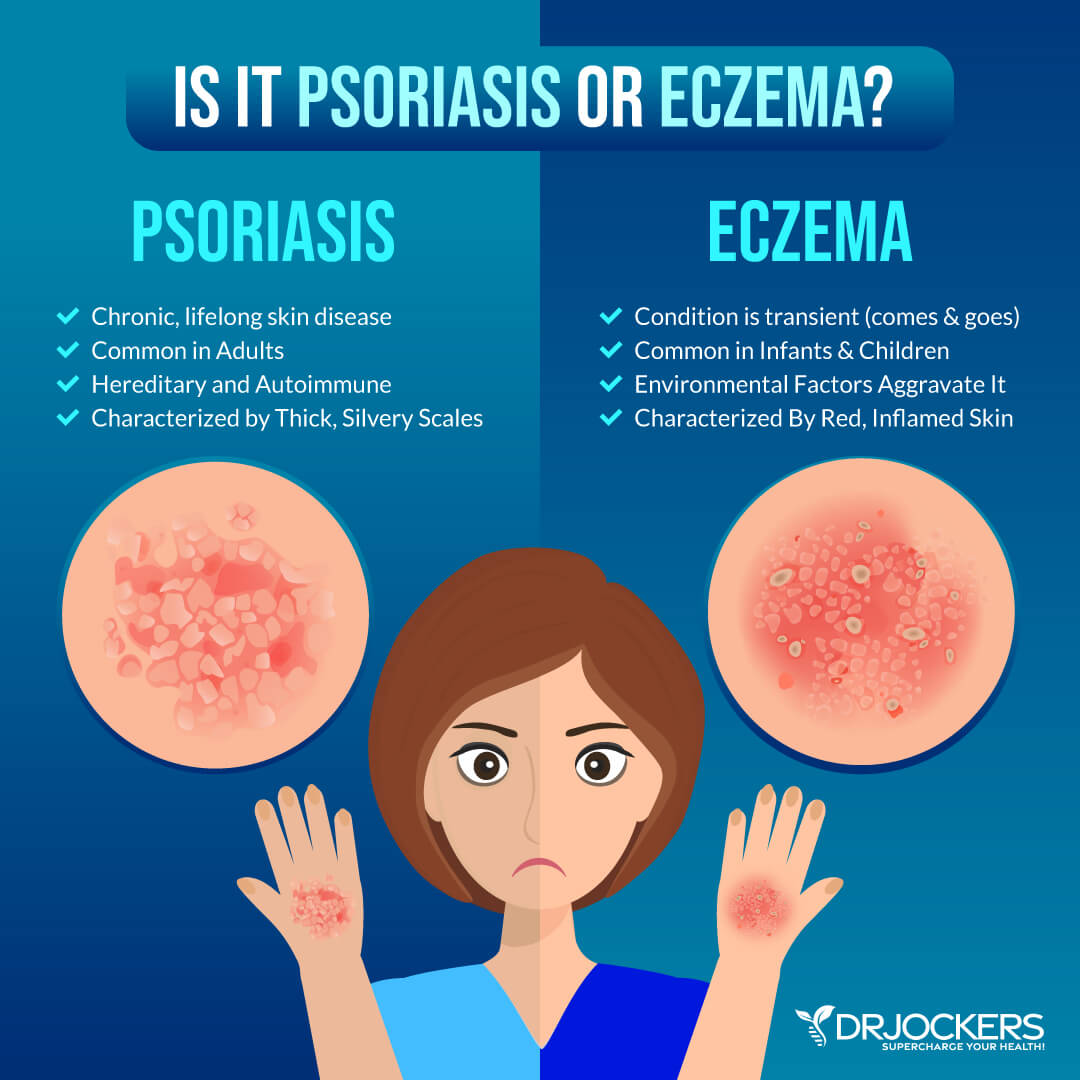
Eczema, also called atopic dermatitis, often starts in childhood. It causes dry, itchy, red patches that can crack or bleed. People with eczema may also have asthma or allergies.
Psoriasis is an autoimmune disease. The immune system attacks healthy skin cells, causing thick, scaly patches that are often white or silvery. Psoriasis can appear anywhere, but it’s common on elbows, knees, and the scalp.
Both conditions are linked to inflammation and a confused immune system. Stress, cold weather, infections, and some foods can make them worse. While there is no cure, symptoms can be managed with the right treatment.
Why Mushrooms? The Science Behind The Protocol
Mushrooms have been used in traditional medicine for thousands of years. In recent years, scientists have discovered that many edible and medicinal mushrooms contain unique compounds that can calm inflammation, support the immune system, and even improve the gut microbiome—all of which play a role in eczema and psoriasis.
Key Benefits Of Mushrooms For Skin Health
- Immunomodulation: Mushrooms contain beta-glucans and other polysaccharides that help balance the immune system. This is important because both eczema and psoriasis involve immune system dysfunction.
- Anti-inflammatory properties: Many mushrooms have natural anti-inflammatory compounds that can help reduce skin redness, swelling, and irritation.
- Antioxidant support: Mushrooms are rich in antioxidants like ergothioneine and selenium, which protect skin cells from damage.
- Gut health: Some mushrooms act as prebiotics, feeding healthy gut bacteria. A balanced gut microbiome has been linked to better skin health.

Credit: antioxi-supplements.com
The Most Effective Mushrooms For Eczema And Psoriasis
Not all mushrooms have the same effects. The mushroom protocol focuses on certain types that are known for their immune and anti-inflammatory benefits. Here’s a closer look at the top mushrooms used in this protocol:
Reishi (ganoderma Lucidum)
Known as the “mushroom of immortality” in Asia, reishi is one of the best-studied mushrooms for immune support. It contains triterpenes and polysaccharides that calm overactive immune responses.
- Benefits: Reduces inflammation, supports liver health (important for detoxifying the body), helps balance the immune system.
- How it helps: People with eczema and psoriasis often have immune systems that are too reactive. Reishi helps to bring this reaction down, which may result in fewer flare-ups.
Turkey Tail (trametes Versicolor)
Turkey tail is colorful and fan-shaped. It’s popular in traditional Chinese medicine and is being studied for its effects on cancer and immune health.
- Benefits: High in beta-glucans, supports gut health, promotes a balanced immune response.
- How it helps: The gut-skin connection is strong. Improving gut health can lead to healthier skin and less inflammation.
Chaga (inonotus Obliquus)
Chaga grows on birch trees and looks like black charcoal on the outside. Inside, it’s packed with antioxidants and other healing compounds.
- Benefits: Rich in melanin and polyphenols, reduces oxidative stress, supports immune health.
- How it helps: Oxidative stress can trigger or worsen skin conditions. Chaga helps neutralize free radicals, calming the skin.
Lion’s Mane (hericium Erinaceus)
With its white, shaggy appearance, lion’s mane is known for supporting nerve health and brain function. But it also helps with inflammation and gut repair.
- Benefits: Supports gut lining, reduces inflammation, boosts nerve growth.
- How it helps: Healing the gut can improve skin health. Lion’s mane is especially helpful for people whose eczema or psoriasis flares after eating certain foods.
Cordyceps (cordyceps Sinensis)
Cordyceps is a strange mushroom that grows on insects in nature, but is now grown commercially on rice. It’s famous for boosting energy and athletic performance.
- Benefits: Reduces inflammation, supports adrenal health, improves oxygen use.
- How it helps: Stress is a major trigger for flare-ups. Cordyceps helps the body adapt to stress, which may reduce the frequency or severity of symptoms.
Shiitake (lentinula Edodes)
Well-known in cooking, shiitake also has strong medicinal properties.
- Benefits: Contains lentinan (an immune modulator), high in vitamin D, supports cardiovascular health.
- How it helps: Lentinan helps balance immune function, which may prevent the immune system from attacking healthy skin cells.
Maitake (grifola Frondosa)
Also called “hen of the woods,” maitake is another immune-boosting mushroom.
- Benefits: Strong beta-glucan content, supports healthy blood sugar, improves immune function.
- How it helps: Blood sugar spikes can worsen inflammation. Maitake helps keep levels steady, supporting overall skin health.
Mushroom Protocol: How To Start And What To Expect
The mushroom protocol is not a one-size-fits-all plan. It involves choosing the right mushrooms, the right form, and the right dosage for your needs. Here’s how to get started:
Step 1: Assess Your Needs
- If your main issue is redness and swelling, start with reishi and chaga.
- If you have digestive issues or food triggers, add lion’s mane and turkey tail.
- If stress is a big factor, consider cordyceps.
Step 2: Choose The Right Form
Mushrooms are available as powders, capsules, teas, tinctures, and even in food. Here’s a quick comparison:
| Form | Pros | Cons |
|---|---|---|
| Powder | Easy to mix, flexible dosage | Strong taste, may need masking |
| Capsule | No taste, precise dose | Less customizable |
| Tincture | Fast absorption, easy to add to drinks | Alcohol base may not suit all |
| Tea | Soothing, traditional method | Weaker extract, more effort |
Most people start with capsules or powders for convenience. Always choose products from trusted brands that test for heavy metals and contaminants.
Step 3: Find The Right Dosage
- Start low: 500–1000 mg per day for each mushroom.
- Increase slowly: Watch for changes in symptoms or side effects.
- Combine wisely: You can use several mushrooms together, but don’t start too many at once.
Most experts recommend giving the protocol at least 8–12 weeks to see results. Mushrooms work slowly, building up effects over time.
Step 4: Track Your Symptoms
Keep a daily log of your skin, energy, digestion, and mood. This helps you notice patterns and see if the mushrooms are helping. Take photos of your skin every 1–2 weeks for an objective view.
Step 5: Adjust As Needed
You may need to change which mushrooms you use, the dose, or the form. For example, if you notice more digestive upset, switch to a different mushroom or a lower dose.
How Mushrooms Calm The Skin From Within
The mushroom protocol works on several levels to help calm eczema and psoriasis. Here’s a closer look at the main pathways:
Balancing The Immune System
Both eczema and psoriasis involve an overactive immune system. Mushrooms like reishi and shiitake contain compounds that help the immune system respond in a more balanced way—neither too aggressive nor too weak.
Reducing Inflammation
Chaga, turkey tail, and maitake are packed with anti-inflammatory agents. These help lower levels of cytokines and other chemicals that cause redness, swelling, and itching.
Repairing The Gut Barrier
Many people with chronic skin conditions also have “leaky gut. ” This means the lining of the gut becomes too porous, letting unwanted molecules into the bloodstream. Lion’s mane and turkey tail help repair the gut lining, which may reduce inflammation and flare-ups.
Protecting Against Oxidative Stress
Mushrooms like chaga are rich in antioxidants. These protect skin cells from free radicals, which are unstable molecules that cause damage and speed up aging.
Supporting Stress Adaptation
Stress can trigger or worsen eczema and psoriasis. Cordyceps and reishi are considered adaptogens—they help the body handle stress better, which may reduce flare-ups.
What The Research Says
Scientific studies on mushrooms for eczema and psoriasis are still limited, but there is growing evidence for their benefits:
- A review published in 2020 found that reishi extract reduced inflammatory markers and improved symptoms in people with atopic dermatitis.
- Turkey tail has been studied for its ability to improve immune balance and support gut health, both important for skin conditions.
- Chaga extract has shown strong antioxidant effects in lab studies, and may help protect skin from oxidative stress.
- Lion’s mane and shiitake have demonstrated anti-inflammatory and gut-healing effects in animal studies.
While more human studies are needed, these findings suggest that the mushroom protocol can be a safe and helpful part of a complete eczema or psoriasis care plan.
Combining Mushrooms With Other Natural Approaches
Mushrooms work best when combined with other healthy habits. Here’s how you can boost results:
- Eat an anti-inflammatory diet: Focus on fruits, vegetables, fish, and whole grains. Avoid sugar and processed foods.
- Manage stress: Practice deep breathing, yoga, or meditation.
- Care for your skin gently: Use mild, fragrance-free soaps and moisturizers.
- Get enough sleep: The body repairs skin during deep rest.
- Consider probiotics: A healthy gut supports healthy skin.
Practical Tips For Success
- Start slow: Mushrooms are powerful. Too much at once can cause digestive upset or allergic reactions.
- Quality matters: Choose organic, third-party tested products.
- Watch for reactions: Stop if you notice new rashes, swelling, or stomach pain.
- Be patient: Healing takes time. Keep using the protocol even if results are slow at first.
- Talk to your doctor: Especially if you take medications or have other health conditions.
Possible Side Effects And Precautions
While medicinal mushrooms are generally safe, some people may experience side effects:
- Digestive upset: Nausea, bloating, or diarrhea, especially if taken in large amounts.
- Allergic reactions: Rare, but can include skin rash or swelling.
- Drug interactions: Some mushrooms may interact with blood thinners, immune-suppressing drugs, or diabetes medications.
Pregnant and breastfeeding women should avoid medicinal mushrooms unless advised by a healthcare provider. Always check with your doctor before starting new supplements, especially if you have a history of allergies or autoimmune conditions.
Real-life Stories: What People Experience
Many people with eczema or psoriasis have tried the mushroom protocol and shared their results. While everyone’s journey is different, there are some common themes:
- Less itching: Many report that their skin feels less itchy and irritated after a few weeks.
- Reduced flare-ups: Flare-ups become less frequent or severe.
- Better digestion: Improved gut health leads to fewer food-triggered flare-ups.
- More energy: Some feel more energetic or less fatigued.
One person with moderate psoriasis shared that after three months on a daily blend of reishi, chaga, and turkey tail, their skin cleared by about 60%, and they felt more in control of their condition. Another with long-term eczema said that adding lion’s mane and maitake helped with both gut symptoms and skin healing.
However, a few people did not notice much change, or found that only certain mushrooms helped. This shows the importance of personalizing your protocol.

Credit: www.clinikally.com
Comparing Mushrooms To Conventional Treatments
How does the mushroom protocol compare to standard eczema and psoriasis treatments? Here’s a side-by-side look:
| Aspect | Mushroom Protocol | Conventional Treatments |
|---|---|---|
| Action | Balances from within, slow but steady | Acts quickly on symptoms, often topical |
| Side Effects | Rare, mild digestive issues | Possible thinning skin (steroids), immune suppression |
| Long-term Use | Generally safe, supportive | Some risks with extended use |
| Root Cause | Addresses immune, gut, and stress factors | Focuses on surface symptoms |
This does not mean you must choose one approach. Many people find the best results by combining both—using conventional treatments for fast relief and mushrooms for long-term support.
Common Mistakes With The Mushroom Protocol
Many people are eager to try mushrooms but make mistakes that limit their results. Here’s what to watch out for:
- Taking too much at once: Start slow to avoid stomach upset or allergic reactions.
- Using low-quality products: Some brands use fillers or contaminated mushrooms. Look for third-party testing.
- Expecting overnight results: Mushrooms work gradually. Give the protocol at least 8–12 weeks.
- Ignoring diet and lifestyle: Mushrooms alone are not enough. Support your body with healthy habits.
- Not tracking symptoms: Keep a journal to see what works and what doesn’t.
How To Personalize Your Mushroom Protocol
No two people are the same. The best mushroom protocol is the one that fits your unique needs. Here’s how to customize:
- For eczema with allergies: Reishi + turkey tail
- For psoriasis with joint pain: Chaga + maitake
- For stress-driven flare-ups: Cordyceps + reishi
- For gut-driven symptoms: Lion’s mane + turkey tail
You can rotate mushrooms every few months or use blends. Some companies offer formulas tailored for skin health. Always listen to your body and adjust as needed.
The Gut-skin Connection: Why It Matters
Recent research shows that the gut microbiome plays a big role in skin health. An unhealthy gut can trigger inflammation and worsen eczema or psoriasis. Mushrooms like turkey tail and lion’s mane act as prebiotics, feeding good gut bacteria and helping to restore balance.
This can lead to calmer skin and fewer flare-ups.
For example, a 2019 study found that people with eczema had lower levels of certain healthy gut bacteria. After taking a prebiotic supplement (including mushroom extracts), their symptoms improved. This suggests that fixing the gut can help heal the skin.
How To Combine Mushrooms With Other Supplements
You may wonder if you can take mushrooms with other supplements. The answer is usually yes, but there are a few tips:
- Vitamin D: Many with psoriasis are low in vitamin D. Mushrooms naturally contain this vitamin, so you may need less from other sources.
- Omega-3s: Fish oil or algae oil can reduce inflammation and work well with mushrooms.
- Probiotics: Support gut health alongside prebiotic mushrooms.
- Herbs: Turmeric, ginger, and ashwagandha can be used with mushrooms for extra anti-inflammatory power.
Always start new supplements one at a time, so you know what’s helping or causing side effects.
What To Expect: Timeline And Results
How fast will you see results? It depends on your condition, the mushrooms used, and your overall health. Here’s a general timeline:
- Weeks 1–2: May notice better digestion, less bloating, more energy.
- Weeks 3–6: Skin may start to feel less itchy or inflamed. Fewer new flare-ups.
- Weeks 7–12: Skin texture and color improve. Old patches may fade.
- After 3 months: Many experience longer periods of clear skin, better mood, and less need for medication.
Not everyone responds the same way. Some notice big changes, while others see only mild improvement. The key is consistency and tracking progress.
Mushroom Protocol For Children And Teens
Can kids and teens use the mushroom protocol? With care, yes. Many medicinal mushrooms are safe for children, but always use lower doses:
- Start with half the adult dose
- Choose powders or teas for easy mixing
- Avoid tinctures with alcohol
Always check with a pediatrician first, especially for young children or those with allergies.
Legal And Safety Considerations
Medicinal mushrooms are legal in most countries, but the quality and claims are not well regulated. Choose supplements from companies that offer:
- Organic certification
- Third-party lab testing
- Clear information about sourcing
Avoid wild-harvested mushrooms unless you’re an expert—they may be contaminated or misidentified.
Credit: drjockers.com
How To Prepare Mushrooms At Home
You don’t have to buy supplements. You can cook with medicinal mushrooms, especially shiitake, maitake, and lion’s mane. Here’s a simple recipe for a healing mushroom broth:
Ingredients:
- 1 cup fresh or dried shiitake mushrooms
- 1 cup fresh or dried maitake mushrooms
- 1 onion, chopped
- 2 garlic cloves, crushed
- 1-inch ginger root, sliced
- 8 cups water
Instructions:
- Add all ingredients to a large pot.
- Bring to a boil, then lower to a simmer.
- Cook for 1–2 hours.
- Strain and drink as a soothing tea, or use as a soup base.
This broth is gentle, nourishing, and easy to digest.
Real-world Challenges And How To Overcome Them
Trying something new isn’t always easy. Here are some obstacles people face with the mushroom protocol—and how to beat them:
- Finding quality products: Ask for recommendations, read reviews, and look for lab testing.
- Taste issues: If you dislike the taste, try capsules or mix powders into smoothies.
- Remembering to take daily: Set a phone reminder or keep supplements visible on the kitchen counter.
- Dealing with slow progress: Track small changes, and celebrate every win—even if it’s just less itching or better sleep.
When To See A Doctor
While mushrooms can help, they are not a replacement for medical care. See a dermatologist or health professional if:
- Your skin is getting worse, not better
- You have signs of infection (fever, pus, spreading redness)
- You need advice about combining treatments
Always keep your doctor informed about what you’re trying.
Future Directions: Where Is Research Heading?
Interest in medicinal mushrooms is growing fast. Scientists are now studying:
- Which mushroom compounds have the most effect on skin inflammation
- How to combine mushrooms with probiotics or other natural therapies
- The best doses and blends for different types of eczema and psoriasis
As research grows, protocols will become even more personalized and effective.
Frequently Asked Questions
What Is The Best Mushroom For Eczema?
Reishi is often considered the best for eczema because of its strong immune-balancing and anti-inflammatory effects. Turkey tail and lion’s mane are also helpful, especially if you have gut issues.
Can I Use Mushrooms With My Regular Eczema Or Psoriasis Medicine?
Yes, most medicinal mushrooms are safe with other treatments. However, talk to your doctor first, especially if you take immune-suppressing drugs or blood thinners.
How Long Does It Take For Mushrooms To Help My Skin?
Most people notice some improvement within 8–12 weeks. Mushrooms work slowly by balancing the immune system and reducing inflammation. Consistency is key.
Are There Any Risks With The Mushroom Protocol?
Medicinal mushrooms are generally safe, but possible risks include digestive upset, allergic reactions, or drug interactions. Always start with a low dose and use quality products.
Where Can I Learn More About Medicinal Mushrooms And Research?
You can explore more about medicinal mushrooms and their effects on skin health at the National Institutes of Health (NIH) for up-to-date studies and information.
Moving Forward With Confidence
Eczema and psoriasis can be stubborn, but you are not powerless. The mushroom protocol offers a gentle, holistic way to support your skin by healing from within. It works best when personalized and combined with healthy habits. Remember: progress may be slow, but each small step brings you closer to calmer, clearer skin. With patience, good information, and the right support, you can take control of your journey to better skin.