
Recovering from surgery can be a long and difficult process. The body needs time and the right support to heal properly. One area that is gaining attention is the use of functional mushrooms to help the immune system recover after surgery. Many people are curious about natural ways to speed up healing, lower infection risk, and improve overall wellness during this vulnerable time. Modern research and traditional wisdom now show that certain mushrooms may play an important role in this recovery process.
When you have surgery, your immune system is put under stress. The body’s defenses are weakened by anesthesia, tissue damage, and sometimes blood loss. This means you’re more likely to get infections or face complications. Supporting the immune system becomes crucial, not just for healing wounds, but also for protecting the body from outside threats. Most people know about rest, good food, and medicine, but fewer realize that functional mushrooms can also help.
In this article, you will learn how different types of functional mushrooms work, what science says about their immune-supporting properties, and how you can safely include them in your post-surgery plan. We’ll cover key mushrooms like reishi, shiitake, maitake, and others, showing their specific benefits, how to use them, and important things to consider.
If you want to support your recovery naturally and give your immune system a real boost, this guide will show you how.
What Are Functional Mushrooms?
Functional mushrooms are not just ordinary mushrooms you find in the supermarket. These are special types of fungi with health benefits beyond basic nutrition. People have used them for thousands of years in traditional medicine, especially in China, Japan, and other parts of Asia.
Today, modern research is starting to confirm what ancient healers believed.
Common examples of functional mushrooms include:
- Reishi
- Shiitake
- Maitake
- Lion’s Mane
- Turkey Tail
- Cordyceps
- Chaga
Each of these has unique compounds that help the body in different ways. The most important are beta-glucans, which are a kind of complex sugar that can boost the immune system. Other helpful substances include polysaccharides, triterpenes, and antioxidants.
Functional mushrooms are usually taken as extracts, powders, capsules, or teas. This is because eating them fresh, like regular mushrooms, does not always give you the same health benefits. The special parts that help immunity are often stronger in concentrated forms.
Why Is Immune Support Important After Surgery?
After surgery, your body is working hard to repair tissues and fight off germs. The immune system is busy doing many jobs:
- Fighting infections: Cuts and wounds are open doors for bacteria and viruses.
- Repairing tissues: Healing needs strong immune cells to rebuild skin and muscle.
- Controlling inflammation: Too much swelling can slow down recovery.
- Balancing energy: The body uses more energy to heal, making you feel tired.
If the immune system is weak, these jobs take longer, and there is a higher risk of problems. This is why doctors focus on nutrition, antibiotics, and sometimes vitamins. However, many people do not know about the extra support functional mushrooms can provide.
Used wisely, they can give the immune system a natural push without the side effects of some medicines.
How Functional Mushrooms Help The Immune System
The key benefit of functional mushrooms is their ability to “train” the immune system. This means they do not just stimulate it; they help it work smarter. This is important because after surgery, you want the immune system to be active but not overactive. Too much immune response can cause more pain and swelling, while too little can lead to infections.
Here’s how these mushrooms help:
- Beta-glucans in mushrooms act like a gentle alarm for immune cells. They help the body recognize and fight bad bacteria and viruses more quickly.
- Some mushrooms help control inflammation. This means less pain and swelling after surgery.
- Certain types increase the production of important immune cells like natural killer cells and macrophages. These cells are like bodyguards, hunting for germs and cleaning up damage.
- Mushrooms have antioxidants that protect cells from harm, which speeds up healing.
Let’s look at the main types of functional mushrooms and how each one supports post-surgery recovery.
Reishi Mushroom: The Calming Healer
Reishi (Ganoderma lucidum) is often called the “mushroom of immortality” in Chinese medicine. It has a long history of use for boosting immunity, reducing stress, and supporting the body after sickness or surgery.
Key Benefits For Recovery
- Immune modulation: Reishi contains beta-glucans and triterpenes that help balance the immune system. This means it can boost weak defenses but also calm down an overactive response.
- Reduces inflammation: Studies show reishi helps lower markers of swelling, which can mean less pain and faster healing.
- Supports sleep and reduces stress: Good rest is vital for healing. Reishi can help with better sleep and lower anxiety, which are often problems after surgery.
How To Use Reishi
Reishi is too tough and bitter to eat fresh, so most people use it as a powder, capsule, or tea. Typical doses are 1–3 grams per day. It’s best to start with a small amount and increase slowly.
Practical Tips
- Combine reishi with vitamin C-rich foods to help your body absorb its helpful compounds.
- Use reishi in the evening if you want better sleep.
- Check with your doctor, especially if you are on blood thinners, as reishi can sometimes increase bleeding risk.

Credit: animalessentials.com
Shiitake Mushroom: The Immunity Booster
Shiitake (Lentinula edodes) is popular in both cooking and medicine. Besides its great taste, it is packed with compounds that help the body recover after surgery.
Key Benefits For Recovery
- Lentinan is a special beta-glucan in shiitake that has been shown to increase white blood cells and improve defense against infections.
- Supports wound healing by helping the body make more immune cells and collagen.
- Rich in B vitamins and minerals, which are important for energy and recovery.
How To Use Shiitake
You can eat shiitake cooked, but for the best immune benefits, extracts and supplements are stronger. A daily dose of 1–2 grams of shiitake extract is common for immune support.
Practical Tips
- Add cooked shiitake to soups or rice for extra nutrition.
- For supplements, choose a product that lists the amount of lentinan.
- People with mushroom allergies should avoid shiitake.
Maitake Mushroom: The Immune System Activator
Maitake (Grifola frondosa), also called “hen of the woods,” is another powerful mushroom for recovery.
Key Benefits For Recovery
- D-fraction is a unique beta-glucan found in maitake. Research shows it can increase the number and activity of immune cells, especially after stress like surgery.
- Maitake helps the body use energy better, which is important when your body is working hard to heal.
- It can also help balance blood sugar, which is important for wound healing.
How To Use Maitake
Maitake can be cooked and eaten, but for post-surgery support, concentrated extracts are better. A typical dose is 1–3 grams of extract or powder per day.
Practical Tips
- Use maitake extract if you want a strong immune boost.
- Combine with other mushrooms for a wider range of benefits.
- Discuss with your doctor if you have diabetes, as maitake can lower blood sugar.

Credit: canineceuticals.com.au
Lion’s Mane Mushroom: Nerve And Brain Support
Lion’s Mane (Hericium erinaceus) is famous for helping the brain and nerves. While not as well-known for immune support as some others, it still plays a role in recovery.
Key Benefits For Recovery
- Promotes nerve growth: Surgery can sometimes affect nerves. Lion’s mane helps the body repair nerve damage and supports mental clarity.
- Reduces mild inflammation, making it easier for the body to heal.
- Improves mood and focus, which can help you feel better and recover faster.
How To Use Lion’s Mane
Lion’s mane can be cooked or used as a supplement. For nerve support, extracts are best. Typical doses are 500–1500 mg per day.
Practical Tips
- Lion’s mane is safe for most people but check for allergies.
- It pairs well with other mushrooms in mixed extracts.
- Some people notice better focus and less “brain fog” after surgery when using lion’s mane.
Turkey Tail Mushroom: The Gut And Immune Protector
Turkey Tail (Trametes versicolor) is known for its colorful shape and strong immune properties.
Key Benefits For Recovery
- PSK and PSP are special polysaccharides that boost immune cell activity and help fight infections.
- Turkey tail supports the gut microbiome, which is important because surgery and antibiotics can harm good gut bacteria.
- It helps the body recover from stress by lowering fatigue.
How To Use Turkey Tail
Turkey tail is usually taken as a powder, capsule, or tea. A common dose is 2–3 grams per day.
Practical Tips
- Use turkey tail if you have had antibiotics or stomach issues after surgery.
- Choose supplements that are tested for purity, as wild mushrooms can be contaminated.
- Turkey tail may help with energy levels during recovery.
Cordyceps: Energy And Oxygen Support
Cordyceps (Cordyceps sinensis or militaris) is known for helping the body use oxygen better. This is useful during recovery when energy is low.
Key Benefits For Recovery
- Improves energy and stamina by helping cells use oxygen more efficiently.
- Supports immune cell activity, especially natural killer cells.
- May help reduce fatigue and weakness after surgery.
How To Use Cordyceps
Cordyceps is usually taken as a capsule or powder. Doses range from 1–2 grams daily.
Practical Tips
- Use cordyceps if you feel tired or weak during recovery.
- Not recommended for people with autoimmune diseases without a doctor’s advice.
- Some people notice better breathing and endurance.
Chaga Mushroom: The Antioxidant Defender
Chaga (Inonotus obliquus) grows on birch trees and is packed with antioxidants. It is known for protecting cells and supporting the immune system.
Key Benefits For Recovery
- Reduces oxidative stress, which is high after surgery.
- Supports the immune system by increasing white blood cells.
- May help with inflammation and overall healing.
How To Use Chaga
Chaga is most often used as a tea or extract. The usual dose is 1–2 grams per day.
Practical Tips
- Chaga is very high in antioxidants, but people with kidney problems should be careful due to its oxalate content.
- Look for wild-harvested or lab-tested chaga to avoid contamination.
- Chaga can be mixed with coffee or tea for a daily immune boost.
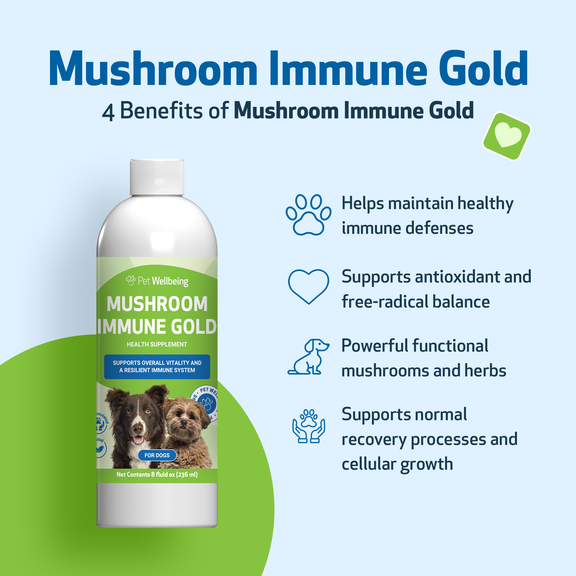
Credit: petwellbeing.ca
Comparing Functional Mushrooms For Post-surgery Recovery
To help you choose the right functional mushroom, here is a comparison of their main immune-boosting effects:
| Mushroom | Main Compound | Primary Benefit | Typical Dose (per day) |
|---|---|---|---|
| Reishi | Beta-glucans, triterpenes | Immune balance, stress relief | 1–3 g |
| Shiitake | Lentinan | Boosts immunity, wound healing | 1–2 g |
| Maitake | D-fraction | Immune activation, energy | 1–3 g |
| Lion’s Mane | Hericenones, erinacines | Nerve repair, focus | 0.5–1.5 g |
| Turkey Tail | PSK, PSP | Gut health, immune boost | 2–3 g |
| Cordyceps | Cordycepin | Energy, oxygen usage | 1–2 g |
| Chaga | Antioxidants, betulinic acid | Cell protection, healing | 1–2 g |
The Science Behind Functional Mushrooms And Surgery Recovery
Many people ask if there is real proof that functional mushrooms work. Modern research is now catching up with ancient wisdom.
- A clinical study in Japan found that patients taking shiitake extract had a lower rate of post-surgery infections.
- Another study showed that reishi reduced inflammation markers and improved healing time in surgical wounds.
- Research on turkey tail shows it helps restore gut bacteria after antibiotics, which is important for overall immune health.
Animal studies also show maitake and cordyceps can speed up recovery and improve immune cell numbers. While not every study is large or perfect, the trend is clear: functional mushrooms help the body recover and fight off problems after surgery.
It’s important to note that mushrooms are not a magic cure. They work best as part of a healthy recovery plan, not as a replacement for medical care.
How To Safely Add Functional Mushrooms To Your Post-surgery Routine
If you want to use functional mushrooms for recovery, follow these steps:
- Talk to your doctor. Not all mushrooms are right for everyone, especially if you have allergies, take blood thinners, or have immune diseases.
- Choose quality products. Look for supplements that are tested for purity and labeled with the amount of active compounds (like beta-glucans or PSK).
- Start small. Try a low dose first to make sure you do not react badly.
- Monitor your body. Watch for any side effects like rash, stomach upset, or changes in bleeding.
- Combine with a healthy diet. Mushrooms work best with good food, rest, and medical advice.
Here’s a simple sample plan for adding functional mushrooms after surgery:
| Week | Mushroom | Dosage | Purpose |
|---|---|---|---|
| Week 1 | Reishi | 1 g/day | Reduce stress, support sleep |
| Week 2 | Shiitake | 1 g/day | Boost immune cells, wound healing |
| Week 3 | Turkey Tail | 2 g/day | Restore gut health, fight infection |
| Week 4+ | Cordyceps/Chaga | 1 g/day | Increase energy, protect cells |
This plan is just an example. Always adjust based on your needs and your doctor’s advice.
Common Mistakes When Using Functional Mushrooms After Surgery
Even though functional mushrooms are natural, people make some common mistakes:
- Taking too much too soon. High doses can upset the stomach or interact with medicines.
- Using poor-quality products. Cheap supplements may have heavy metals or no active compounds.
- Ignoring allergies. Some people are allergic to mushrooms, so always try a small amount first.
- Stopping other treatments. Mushrooms are a support, not a replacement for antibiotics or doctor’s orders.
- Not reading labels. Always check for the type of mushroom, extraction method, and active compound content.
Real-world Examples: Functional Mushrooms In Post-surgery Recovery
Many people have seen positive results with functional mushrooms. Here are a few real-world cases:
- Jane, age 54, hip surgery: After her surgery, Jane struggled with fatigue and slow healing. Her doctor approved reishi and turkey tail supplements. Within two weeks, her energy improved, and her wound healed faster than expected.
- Carlos, age 39, appendix removal: Carlos used maitake and shiitake extracts. He noticed less swelling and was back to work in three weeks instead of the usual four.
- Anna, age 65, cancer surgery: Anna’s care team included turkey tail to help restore gut health after antibiotics. She had fewer digestive problems and avoided infections.
While these stories are encouraging, remember that everyone’s body is different. What works for one person may not work the same for another.
Combining Functional Mushrooms With Other Immune-supporting Strategies
Functional mushrooms work best as part of a bigger recovery plan. Here are other ways to boost your immune system after surgery:
- Eat protein-rich foods (eggs, chicken, tofu) to support healing.
- Stay hydrated to help the body flush out toxins.
- Get enough sleep so the body can repair itself.
- Take probiotics to protect gut health, especially after antibiotics.
- Do gentle movement (as your doctor allows) to improve blood flow.
Functional mushrooms add another layer of protection and support when used together with these strategies.
Who Should Avoid Functional Mushrooms?
While functional mushrooms are safe for most people, some should be careful:
- People with mushroom allergies.
- Those taking blood thinners or immune-suppressing drugs.
- People with autoimmune diseases (unless a doctor says it’s okay).
- Pregnant or breastfeeding women should ask their doctor first.
- Anyone with kidney or liver problems should choose products carefully.
Always start slow and watch for any side effects.
The Future Of Functional Mushrooms In Surgery Recovery
Research on mushrooms is growing quickly. Scientists are discovering new compounds and ways they help the immune system. Hospitals in some countries now include mushroom extracts in recovery plans, especially for cancer patients or those with weak immune systems.
New studies are looking at how mushrooms can:
- Speed up wound healing
- Lower infection rates in hospitals
- Reduce the need for antibiotics
There is also interest in combining different mushrooms to get the best effect. As more research is done, it’s likely that functional mushrooms will become a regular part of post-surgery care worldwide.
If you want to learn more, the National Institutes of Health (NIH) has summaries of the latest research on this topic.
Frequently Asked Questions
What Are The Best Functional Mushrooms For Post-surgery Immune Support?
Reishi, shiitake, maitake, and turkey tail are the most commonly used for boosting immunity after surgery. Each has special compounds that help the body heal, fight infection, and recover energy.
How Long Should I Take Functional Mushrooms After Surgery?
You can use functional mushrooms for several weeks to months, depending on your recovery. It’s best to start right after surgery (with your doctor’s approval) and continue until you feel back to normal. Always follow product guidelines and medical advice.
Can I Eat Regular Mushrooms For The Same Benefits?
While eating regular mushrooms like white button or portobello is healthy, they do not have the same high levels of immune-supporting compounds as functional mushrooms like reishi or turkey tail. For the best effects, use extracts or supplements.
Are Functional Mushrooms Safe With Antibiotics And Other Medicines?
In most cases, yes. But always check with your doctor, as some mushrooms can interact with blood thinners or immune drugs. Start with a low dose and monitor for side effects.
Do Functional Mushrooms Have Side Effects?
Side effects are rare but can include stomach upset, rash, or changes in bleeding. People with allergies or certain health conditions should be especially careful. If you notice any bad effects, stop using the product and talk to your doctor.
Supporting your body after surgery is about more than just medicine. With the right approach, including functional mushrooms, you can help your immune system recover, lower your risk of problems, and get back to feeling your best. Listen to your body, work with your healthcare team, and use nature’s wisdom as part of your healing journey.