
Polycystic Ovary Syndrome (PCOS) affects millions of women worldwide, bringing a mix of symptoms like irregular periods, excess hair growth, weight gain, and fertility challenges. But what many don’t realize is that PCOS is also deeply linked to blood sugar imbalance, hormonal disruption, and chronic inflammation. While many turn to medication, there’s a growing interest in natural approaches. One area getting a lot of attention is medicinal mushrooms. These unique fungi have been used for centuries in traditional medicine. Today, science is starting to catch up, exploring how they might help women manage PCOS—especially when it comes to blood sugar, hormones, and inflammation.
This article dives deep into the potential of medicinal mushrooms for PCOS. We’ll look at which mushrooms are most effective, the science behind their benefits, how they may help balance your body, and what to keep in mind if you want to try them.
You’ll also find practical tips, examples, and answers to common questions. Whether you’re newly diagnosed or looking for extra ways to support your health, you’ll find clear guidance here.
Understanding Pcos: The Role Of Blood Sugar, Hormones, And Inflammation
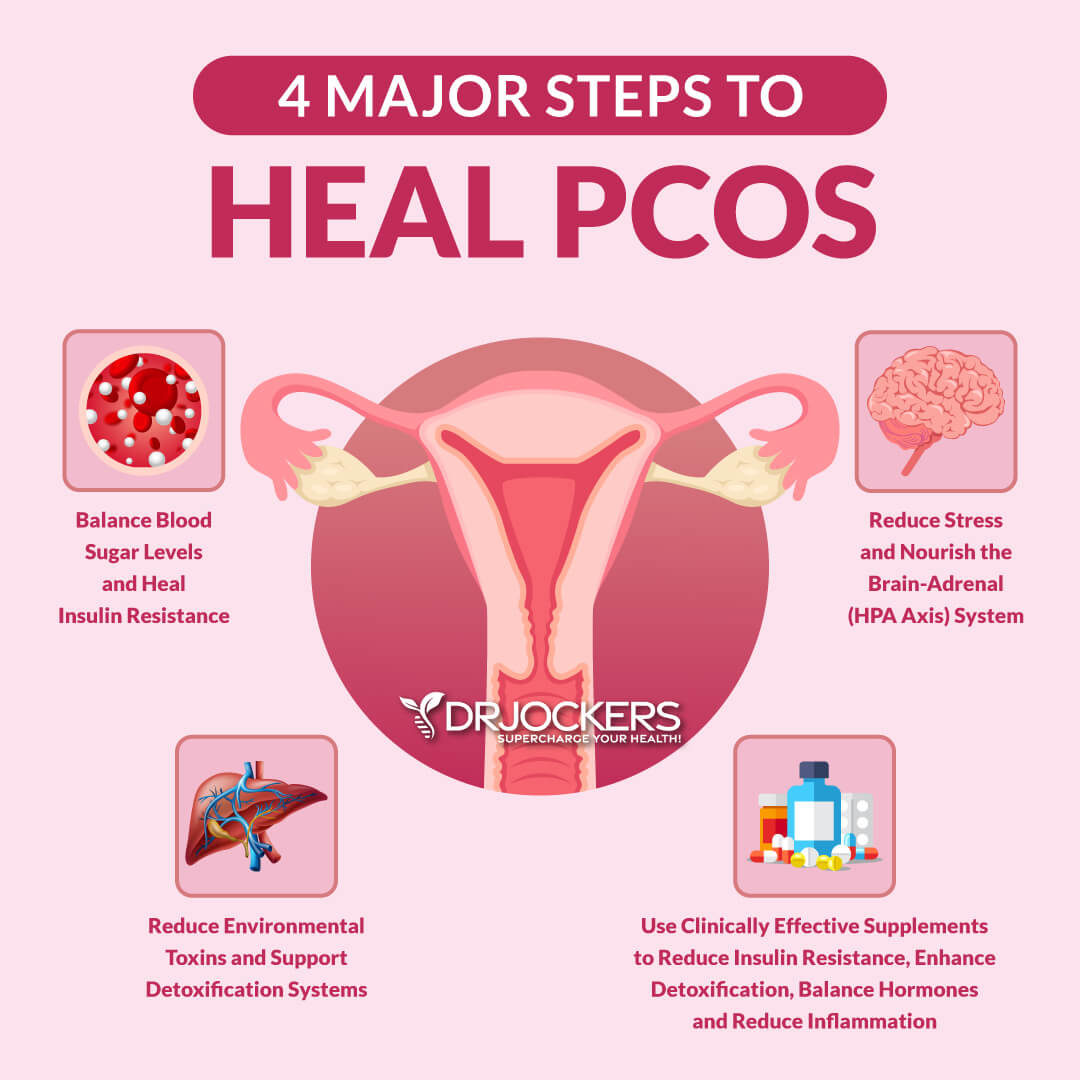
PCOS is a complex condition. Doctors don’t always know what causes it, but three key factors stand out: insulin resistance, hormone imbalance, and chronic inflammation.
Insulin resistance means your cells don’t respond well to insulin, a hormone that helps control blood sugar. When this happens, your body makes more insulin to compensate. High insulin levels can trigger your ovaries to produce more androgens (male hormones), which disrupts ovulation and causes many PCOS symptoms.
Hormone imbalance in PCOS is mostly about too much androgen and irregular levels of estrogen and progesterone. This leads to missed or irregular periods, acne, and excess hair growth.
Inflammation is another silent driver. Many women with PCOS have higher levels of inflammatory markers in their blood. Chronic inflammation can worsen insulin resistance and hormone problems, making symptoms harder to manage.
Modern treatments often focus on managing symptoms—like birth control pills for periods or metformin for blood sugar. But these don’t always address the root causes. That’s why many women look for natural options, hoping to bring their bodies back into balance.
What Are Medicinal Mushrooms?
Medicinal mushrooms are not the same as the mushrooms you put on pizza. They are special types of fungi used in traditional healing systems, especially Chinese and Ayurvedic medicine. Some of the most famous are Reishi, Lion’s Mane, Cordyceps, Chaga, Maitake, and Shiitake.
These mushrooms contain powerful compounds like beta-glucans, triterpenoids, polysaccharides, and antioxidants. Together, these can support the immune system, reduce inflammation, and help with blood sugar and hormone balance.
Unlike regular supplements, medicinal mushrooms work in a gentle, adaptogenic way. They help the body adjust to stress and restore balance rather than pushing one system too hard.

Credit: www.sciencedirect.com
How Medicinal Mushrooms May Help Pcos
Let’s look at how medicinal mushrooms can target the main problems in PCOS: blood sugar, hormones, and inflammation.
Blood Sugar Regulation
Many women with PCOS struggle with insulin resistance. This means their bodies can’t use insulin well, so blood sugar stays high. Over time, this can lead to weight gain, fatigue, and a higher risk of diabetes.
Medicinal mushrooms like Maitake and Reishi have shown promise for blood sugar control. They contain compounds that can make cells more sensitive to insulin, helping the body use glucose better.
Example:
- Maitake has a compound called SX-fraction, which has been shown in studies to lower blood sugar and improve insulin sensitivity.
- In a small clinical trial, diabetic women who took Maitake extract saw better blood sugar control compared to those who didn’t.
Hormonal Balance
High androgens are a big part of PCOS. This causes symptoms like acne, hair loss, and irregular cycles.
Medicinal mushrooms can support hormone balance in several ways:
- Reishi may help lower androgens naturally because it contains triterpenoids that block the enzyme needed to produce DHT, a strong male hormone.
- Cordyceps can support the adrenal glands, which helps reduce the stress response and calm hormone swings.
- Shiitake and Lion’s Mane may also support general endocrine health, though the evidence is less direct.
Inflammation Control
Chronic inflammation is often invisible, but it can make all PCOS symptoms worse.
Mushrooms like Chaga and Reishi are packed with antioxidants and anti-inflammatory compounds. They can help lower inflammatory markers in the blood and protect cells from damage.
Example:
- Chaga contains high levels of superoxide dismutase, an enzyme that breaks down harmful free radicals.
- Studies show that Reishi can reduce CRP and other signs of inflammation in the body.
Key Medicinal Mushrooms For Pcos
Let’s explore the top mushrooms that may help with PCOS, focusing on how each one supports blood sugar, hormones, and inflammation.
1. Reishi (ganoderma Lucidum)
Reishi is called the “mushroom of immortality” in Chinese medicine. It’s known for its calming effects and ability to support the immune system.
- Blood Sugar: Some studies show Reishi can lower blood sugar in diabetic animals and possibly humans.
- Hormones: Reishi’s triterpenoids may block DHT, helping with hair loss and acne.
- Inflammation: Reishi is one of the most powerful anti-inflammatory mushrooms, reducing CRP and other markers.
Non-obvious insight: Reishi can also support deep sleep, which is critical for hormone regulation and stress reduction—often overlooked in PCOS management.
2. Maitake (grifola Frondosa)
Maitake is sometimes called the “dancing mushroom.” It is especially famous for its effect on blood sugar.
- Blood Sugar: Contains SX-fraction, which boosts insulin sensitivity.
- Hormones: May help with ovulation and menstrual regularity, according to some Japanese studies.
- Inflammation: Contains D-fraction, which is anti-inflammatory and supports the immune system.
Practical tip: Maitake is often used as a food in Japan, so it can be added to meals as well as taken as a supplement.
3. Cordyceps (cordyceps Sinensis/militaris)
Cordyceps grows on insects in the wild, but most supplements use lab-grown varieties. It is known for boosting energy and stamina.
- Blood Sugar: May help regulate blood sugar and improve exercise performance.
- Hormones: Supports adrenal function, which helps the body handle stress and keeps hormones more stable.
- Inflammation: Reduces cytokines and other inflammatory markers.
Non-obvious insight: Cordyceps can be especially helpful for women who feel tired all the time due to PCOS-related fatigue.
4. Chaga (inonotus Obliquus)
Chaga grows on birch trees and looks like burnt charcoal on the outside.
- Blood Sugar: Some early studies show it may lower fasting blood sugar.
- Hormones: Less direct effect, but by lowering inflammation, it can indirectly support hormone balance.
- Inflammation: One of the highest antioxidant foods known, fights free radical damage.
Practical tip: Chaga tea is a popular way to use this mushroom, but quality can vary widely—choose a trusted source.
5. Lion’s Mane (hericium Erinaceus)
Lion’s Mane is famous for its effects on the brain and nerves, but it can also support overall health.
- Blood Sugar: May improve insulin sensitivity, especially in animal studies.
- Hormones: Supports the nervous system, which can help regulate the HPA axis (the body’s stress system).
- Inflammation: Contains hericenones and erinacines, which reduce inflammation and oxidative stress.
Non-obvious insight: Lion’s Mane may also help with anxiety and depression, which are common but often ignored in PCOS.
6. Shiitake (lentinula Edodes)
Shiitake is a common food mushroom with medicinal benefits.
- Blood Sugar: Contains eritadenine, which may help lower cholesterol and support heart health—a common concern in PCOS.
- Hormones: Supports the liver, which helps process hormones more efficiently.
- Inflammation: Rich in beta-glucans, which lower inflammation and support immunity.
Practical tip: Shiitake can be cooked easily and added to many dishes for both taste and health benefits.
Credit: drjockers.com
Comparing Medicinal Mushrooms For Pcos
To help you see how these mushrooms stack up, here’s a comparison of their main benefits for blood sugar, hormones, and inflammation.
| Mushroom | Blood Sugar | Hormonal Support | Inflammation |
|---|---|---|---|
| Reishi | Moderate | Strong (anti-androgen) | Very strong |
| Maitake | Very strong | Moderate (supports ovulation) | Strong |
| Cordyceps | Moderate | Strong (adrenal support) | Moderate |
| Chaga | Moderate | Weak | Very strong |
| Lion’s Mane | Moderate | Moderate (HPA axis) | Strong |
| Shiitake | Moderate | Moderate (liver support) | Strong |
Scientific Evidence: What Does Research Say?
The use of medicinal mushrooms for PCOS is still new in Western science, but there is growing research on how these mushrooms affect blood sugar, hormones, and inflammation.
Blood Sugar
- Maitake: A Japanese study found that 76% of women with PCOS who took Maitake extract had improved ovulation rates compared to 41% in the control group.
- Reishi: Animal studies show Reishi can lower fasting blood glucose and improve insulin sensitivity.
- Cordyceps: Some clinical trials show Cordyceps helps reduce blood sugar spikes after meals.
Hormones
- Reishi: Research shows it can lower 5-alpha-reductase activity, the enzyme that makes DHT, a strong androgen.
- Maitake: Studies in Japan suggest it may help with menstrual regularity, possibly by lowering insulin.
- Cordyceps: Can improve adrenal health and balance cortisol, which supports overall hormone health.
Inflammation
- Chaga: Contains large amounts of antioxidants, including superoxide dismutase, which protects against oxidative stress.
- Reishi: Clinical studies show reductions in CRP and TNF-alpha, both markers of inflammation.
- Lion’s Mane: Animal studies show reduced cytokine levels and better immune function.
Non-obvious insight: Most clinical studies use concentrated extracts. Eating mushrooms as food offers some benefits, but supplements are often more powerful for therapeutic effects.
Credit: www.etsy.com
How To Use Medicinal Mushrooms For Pcos
If you’re considering medicinal mushrooms, here’s how to get started safely and effectively.
Choosing The Right Mushroom
- For blood sugar, try Maitake or Reishi.
- For hormonal support, focus on Reishi and Cordyceps.
- For inflammation, use Chaga, Reishi, or Lion’s Mane.
Many women use a blend for broader support.
Forms Available
Medicinal mushrooms come in several forms:
- Powders: Easy to add to smoothies or coffee.
- Capsules/Tablets: Convenient and tasteless.
- Extracts/Tinctures: Stronger, absorbed quickly.
- Teas: Especially common for Chaga and Reishi.
For best results, choose extracts standardized for beta-glucans or key compounds. Always buy from reputable brands, as quality varies.
Dosage And Safety
There’s no one-size-fits-all dose, but common ranges are:
- Reishi: 1–3 grams daily (extract)
- Maitake: 500–1,500 mg daily (extract)
- Cordyceps: 1–2 grams daily (extract)
- Chaga: 1–2 grams daily (extract or tea)
- Lion’s Mane: 500–3,000 mg daily (extract)
- Shiitake: 3–5 grams daily (fresh or dried)
Start low and increase gradually. Listen to your body and watch for any side effects.
Practical tip: Take mushrooms with food to reduce stomach upset.
Possible Side Effects
Medicinal mushrooms are generally safe but can cause:
- Digestive upset (nausea, bloating)
- Allergic reactions (rare)
- Lowered blood sugar (caution if on diabetes meds)
Stop use if you experience itching, rash, or breathing problems. Talk to your doctor before starting, especially if pregnant, breastfeeding, or on medication.
Non-obvious insight: Mushrooms can interact with immune-suppressing drugs, so check with your healthcare provider if you have autoimmune conditions.
Real-life Examples
Women with PCOS have used medicinal mushrooms with positive results. Here are two stories (names changed for privacy):
- Anna, 29, struggled with irregular periods and fatigue. After adding Reishi and Maitake to her routine, she noticed more regular cycles and better energy. Her blood sugar readings also improved.
- Sara, 34, faced stubborn acne and high stress. She started using Cordyceps and Lion’s Mane. Over three months, her skin cleared, and she felt less anxious and more focused at work.
These stories are not a guarantee, but they show how mushrooms can be part of a holistic PCOS plan.
Integrating Medicinal Mushrooms Into A Pcos Lifestyle
Medicinal mushrooms work best as part of a bigger plan. Here’s how to build a PCOS-friendly lifestyle:
Diet
- Focus on whole foods, lots of vegetables, lean proteins, and healthy fats.
- Limit sugar and processed carbs.
- Include fiber-rich foods to support gut health.
Exercise
- Combine aerobic (walking, cycling) with strength training.
- Regular exercise helps insulin sensitivity and hormone balance.
Stress Management
- Practice deep breathing, meditation, or yoga.
- Chronic stress raises cortisol, worsening PCOS symptoms.
Sleep
- Aim for 7–9 hours per night.
- Good sleep is essential for hormone health.
Adding medicinal mushrooms can be a helpful “booster,” but won’t replace these basics.
Common Mistakes To Avoid
- Expecting instant results: Mushrooms work slowly and gently. Allow several weeks to notice changes.
- Using poor-quality products: Some supplements are low in active compounds or contaminated. Always choose trusted brands.
- Ignoring the basics: Mushrooms help most when combined with healthy lifestyle changes.
- Overdosing: More is not always better. Start low and increase if needed.
- Skipping medical advice: Never use mushrooms as a total replacement for medication without talking to your doctor.
Non-obvious insight: Combining different mushrooms can offer more balanced support, but don’t mix too many at once—start with one or two.
Comparing Medicinal Mushrooms To Other Natural Approaches
How do medicinal mushrooms compare with other common natural strategies for PCOS, like herbs or supplements? Here’s a quick look:
| Approach | Main Target | Evidence | Notes |
|---|---|---|---|
| Medicinal Mushrooms | Blood sugar, hormones, inflammation | Growing, but limited for PCOS | Adaptogenic, broad benefits |
| Inositol | Blood sugar, ovulation | Strong for PCOS | Well-tolerated, widely used |
| Berberine | Blood sugar, lipids | Strong for blood sugar | May cause GI upset |
| Spearmint tea | Androgens | Some evidence | Mild, easy to use |
| Vitex (Chasteberry) | Hormones | Mixed evidence | Best for cycle regulation |
Non-obvious insight: Mushrooms stand out for their adaptogenic effect—they don’t force the body in one direction, but gently support balance across systems.
What To Look For When Buying Medicinal Mushrooms
Not all mushroom products are created equal. Here’s how to choose the best ones:
- Look for extracts standardized for beta-glucans (at least 20%).
- Check the source: Are the mushrooms grown on wood, grain, or wild-harvested? Wood-grown is usually higher quality.
- Read the label: Avoid fillers like maltodextrin or rice flour.
- Third-party testing: Choose brands that test for heavy metals and contaminants.
- Capsules vs. powder: Capsules are convenient, but powders can be mixed into food for better absorption.
Non-obvious insight: Many cheap products use only mycelium (the root part) grown on grain, which contains less active compounds than the fruiting body (the actual mushroom).
For more on identifying quality supplements, see this comprehensive research summary.
Who Should Not Use Medicinal Mushrooms?
While medicinal mushrooms are safe for most people, some should avoid them:
- Those on immune-suppressing drugs: Mushrooms boost immunity, which can interfere with these medications.
- Pregnant or breastfeeding women: Not enough safety data.
- People with mushroom allergies: Obvious, but important.
If you have a health condition or take prescription drugs, always check with your doctor.
Frequently Asked Questions
Can Medicinal Mushrooms Cure Pcos?
No, medicinal mushrooms cannot cure PCOS. They may help manage symptoms like blood sugar imbalance, hormonal swings, and inflammation. PCOS is a complex condition with no known cure. Mushrooms are best used as part of a holistic approach.
How Long Does It Take To See Results From Medicinal Mushrooms?
Most people need to use medicinal mushrooms for at least 4–12 weeks to notice effects. Results are usually gradual. Consistency is key—don’t expect overnight changes.
Are Medicinal Mushrooms Safe With Metformin Or Birth Control?
In most cases, medicinal mushrooms can be used alongside metformin or birth control. However, because they can lower blood sugar, monitor levels closely if you take diabetes medication. Always talk to your doctor before combining supplements with prescription drugs.
What Is The Best Way To Take Medicinal Mushrooms For Pcos?
Extracts (powder or capsules) are usually best, as they provide higher concentrations of active compounds. Choose products standardized for beta-glucans or other key ingredients. Take with food and start with a low dose.
Can I Use More Than One Medicinal Mushroom At A Time?
Yes, many people use blends for broader support. Start with one to check for reactions, then add another if needed. Don’t overcomplicate things—simple combinations are often best.
Medicinal mushrooms offer new hope for managing PCOS, especially when it comes to blood sugar regulation, hormonal balance, and inflammation control. While they aren’t a magic bullet, they can be a powerful addition to a healthy lifestyle. With the right approach, quality products, and realistic expectations, many women find more energy, better cycles, and improved well-being. If you’re considering this path, start slowly, consult your healthcare provider, and listen to your body. The journey to balance is personal, but nature’s wisdom may help you find your way.