
Many people are surprised to learn that valuable medicine doesn’t always come from a pharmacy. In the forests, meadows, and even your backyard, you can find mushrooms that have helped people stay healthy for centuries. These fungi are more than food—they are packed with compounds that support your body in unique ways.
Knowing how to find and use medicinal mushrooms can give you a powerful tool for health. In North America, some of the most effective medicinal mushrooms are also surprisingly common.
But before you set out with a basket, remember: mushroom foraging requires care. Picking the wrong mushroom can be dangerous. However, with the right knowledge and a cautious approach, you can safely enjoy the benefits of these natural remedies. Below, you’ll discover five easy-to-find medicinal mushrooms, how to identify them, their health benefits, and tips for beginners. Each section will equip you with practical guidance and insider tips so you not only stay safe, but also get the most from your foraging experience.
Why Forage Medicinal Mushrooms?
Foraging for medicinal mushrooms isn’t just a hobby. It’s a way to reconnect with nature and take charge of your wellness. Many cultures have used mushrooms as medicine for thousands of years. Today, scientists are finding evidence that these traditional uses have a real basis. Mushrooms can help your immune system, fight infection, reduce inflammation, and even support mental health.
When you search for mushrooms yourself, you get to experience the sights, smells, and sounds of the forest. Foraging encourages you to slow down and observe small details, such as the shape of a tree’s bark or the texture of a mushroom’s surface.
Many foragers say these moments of quiet attention are as valuable as the mushrooms themselves.
Foraging also means you get the freshest possible mushrooms—often with more active compounds than store-bought supplements. Mushrooms start to lose potency after picking, so gathering them yourself ensures the highest quality. Plus, learning about these fungi helps you understand the local ecosystem and appreciate the environment.
Over time, you begin to notice how mushrooms interact with trees, insects, and even weather patterns. This deeper understanding can turn a simple walk in the woods into a journey of discovery.
Another benefit: foraging is an affordable way to access premium natural health products. Medicinal mushroom supplements can be expensive, especially for high-quality extracts. By harvesting your own, you can create teas, tinctures, and powders for a fraction of the cost.
Safety First: What Every Forager Must Know
Before you start, understand that some mushrooms look alike, but only a few are safe and effective. Misidentification can cause illness or worse. Always use a reliable field guide, and if you’re not sure, ask an expert. Try to find a local mushroom club or take a foraging course.
In some regions, poisonous mushrooms grow side-by-side with safe ones. For example, the deadly Galerina marginata sometimes grows on the same logs as edible or medicinal species. This is why careful observation and double-checking are essential. Even experienced foragers sometimes bring home mushrooms they later decide not to eat, just to be safe.
A few safety tips:
- Never eat a wild mushroom unless you are 100% sure of its identity.
- Start with small amounts to test your body’s reaction.
- Avoid foraging near polluted areas (roads, factories), as mushrooms can absorb toxins.
- Learn about any toxic lookalikes for each mushroom you want to collect.
- Use more than one source for identification—compare field guides, apps, and expert advice.
- Wash your hands after handling unknown mushrooms, as some toxins can be absorbed through the skin or transferred to food.
Finally, respect the environment. Don’t trample sensitive plants or disturb wildlife. Harvest only what you need, and leave enough mushrooms behind to allow for regrowth and for animals that depend on them for food.
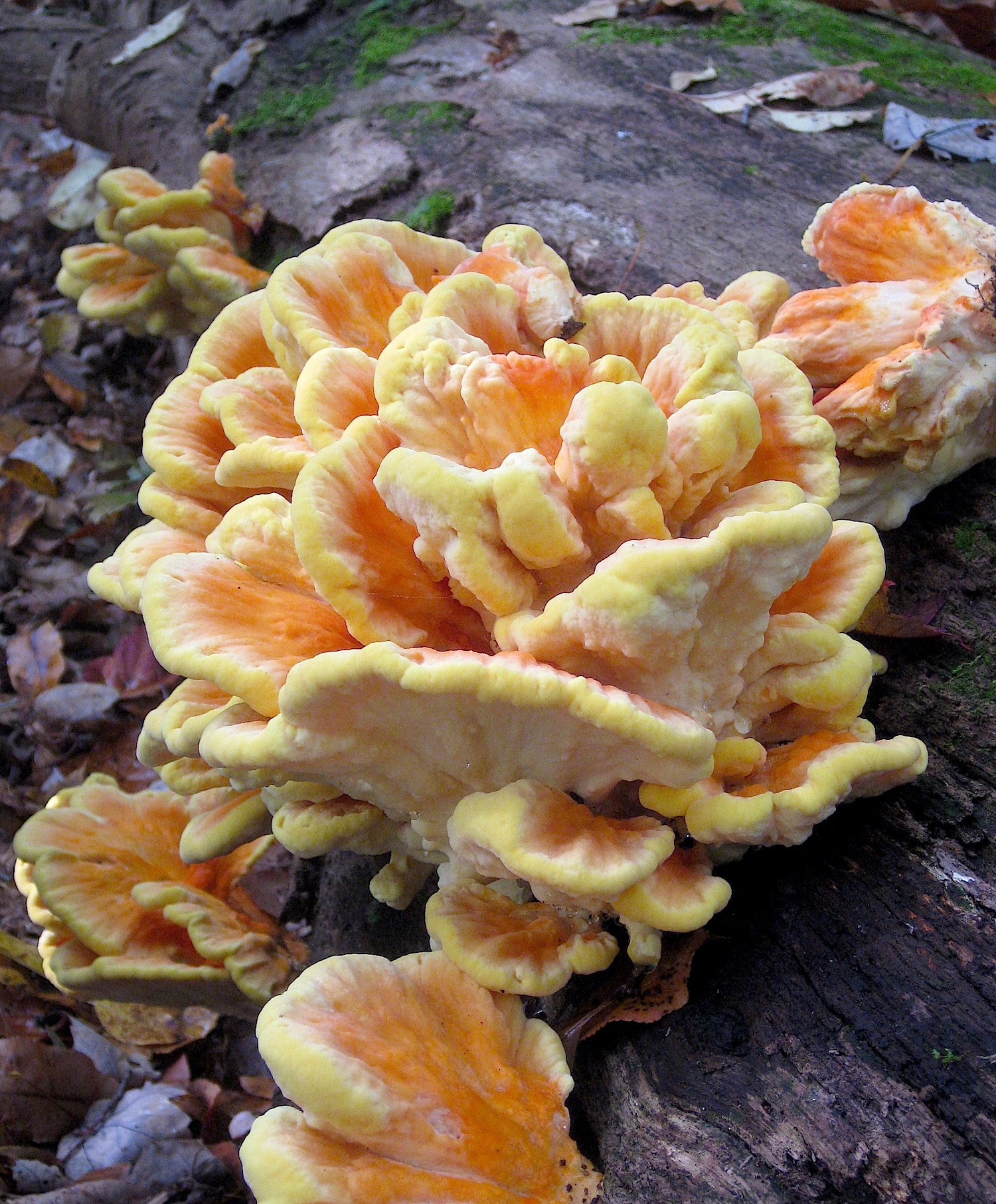
Credit: wildfoodism.com
The 5 Easy-to-find Medicinal Mushrooms In North America
Let’s explore the five most accessible and beneficial medicinal mushrooms. Each one has a long history of use, is well-researched, and can be found in many parts of North America.
—
1. Turkey Tail (trametes Versicolor)
Turkey Tail is one of the most recognizable and widely studied medicinal mushrooms. Its beautiful, fan-shaped caps display concentric rings of brown, tan, and white—just like a wild turkey’s tail.
How To Identify
Turkey Tail grows on dead or dying hardwood logs and stumps. The mushroom is thin, flexible, and forms shelves or rosettes. The upper surface has colored zones, while the underside is white with tiny pores (not gills).
Key features:
- Colorful, striped caps with shades of brown, blue, orange, and white
- White pore surface underneath (no gills)
- Grows in overlapping layers on wood
Turkey Tail is present almost year-round, even in cold weather. In winter, you can often find dried-out Turkey Tail, which still retains its medicinal value if it is not moldy. Its tough, leathery texture makes it resistant to decay, so it often persists after softer mushrooms have disappeared.
Caution: Some lookalikes, like False Turkey Tail, lack the white pores.
Health Benefits
Turkey Tail is famous for its immune-boosting properties. It contains polysaccharide-K (PSK) and polysaccharopeptide (PSP), which are used in cancer therapy in some countries. Studies show it can help:
- Support the immune system during cancer treatment
- Fight infections, especially in the gut
- Improve recovery after illness
Turkey Tail’s antioxidants help protect cells from damage. Some research suggests it may balance gut bacteria, which affects digestion and overall immunity. In Japan, extracts are prescribed alongside chemotherapy to support recovery and reduce side effects.
How To Use
Turkey Tail is too tough to eat, but you can make teas, tinctures, or powders. To make tea, simmer dried slices for at least one hour.
For extracts, many people grind the dried mushroom into powder and add it to smoothies or soups, although the taste is earthy and strong. Alcohol tinctures can be made by soaking dried Turkey Tail in high-proof alcohol for several weeks, then straining and using a few drops at a time.
Practical Insight
Many beginners think all shelf mushrooms are the same. But only Turkey Tail has the right active compounds. Always check for the white pore surface and the furry texture on top.
Another detail: the surface of Turkey Tail is slightly fuzzy to the touch, especially when fresh. False Turkey Tail feels smooth. If you’re in doubt, gently rub the top with your finger.
—

Credit: www.blueridgebotanic.com
2. Reishi (ganoderma Tsugae And Ganoderma Lucidum)
Known as the “mushroom of immortality,” Reishi has a shiny, red-brown cap and a long history in Eastern medicine. In North America, the native species Ganoderma tsugae grows on hemlock trees, while Ganoderma lucidum prefers hardwoods.
How To Identify
Reishi forms kidney-shaped or fan-shaped caps. The surface is shiny, almost varnished, with colors from red to orange. The underside is white, with tiny pores, and the stem is often off-center or absent.
Key features:
- Shiny, varnished cap
- Kidney or fan shape
- Grows on dead or dying wood (hemlock or hardwood)
Reishi grows most often in late spring to early fall. It can persist into winter, but older specimens may be dry or infested with bugs.
Caution: Some Ganoderma species are not medicinal, so learn the differences.
Health Benefits
Reishi is known for its adaptogenic effects. It helps the body manage stress and supports long-term health. Main benefits include:
- Balancing the immune system (can boost or calm as needed)
- Reducing anxiety and improving sleep
- Supporting heart and liver health
Reishi contains triterpenes and beta-glucans, which are powerful antioxidants.
Studies suggest Reishi can help regulate blood pressure, reduce allergic responses, and even slow tumor growth in laboratory settings. Regular use is said to promote a sense of calm and well-being, which is why it’s a favorite in traditional medicine for meditation and deep sleep.
How To Use
Reishi is too woody to eat directly. Slice and simmer to make tea, or use alcohol tinctures. Some people dry and powder it for capsules.
Simmering Reishi for at least 2 hours is recommended to extract the most beneficial compounds. The taste is bitter, so mixing with ginger, honey, or other herbs can help.
Non-obvious Tip
Fresh Reishi is softer and easier to slice, but older mushrooms become tough. Harvest young caps for home use.
Also, if you find Reishi growing on a stump that is not hemlock or hardwood, it may be a less potent Ganoderma. Checking the host tree is a key step in identification.
—
3. Chaga (inonotus Obliquus)
Chaga is a black, coal-like fungus found on birch trees in cold climates. It doesn’t look like a typical mushroom but grows as a dense, cracked mass.
How To Identify
Chaga looks like a rough, black clump (like burnt charcoal) on living birch trees. The inside is orange-brown and crumbly. It only grows on birch, not other trees.
Key features:
- Black, cracked exterior
- Orange-brown interior
- Found on living birch trees (especially white or yellow birch)
Chaga can be found at any time of year, but winter is ideal because the sap is down, and the mushroom is more concentrated.
Caution: Never harvest from dead trees, as the fungus loses potency.
Health Benefits
Chaga is full of antioxidants—more than almost any other food. It is studied for:
- Boosting immune response
- Reducing inflammation
- Supporting gut health
- Possible anti-cancer effects
Chaga contains betulinic acid, which comes from the birch bark.
Some users report increased energy and reduced cold symptoms after regular use. Chaga is also being studied for its antiviral properties and support for healthy cholesterol levels.
How To Use
Break Chaga into chunks, then simmer in water for several hours to make tea. You can dry and store it for months.
Chaga’s flavor is earthy and slightly vanilla-like. Some people brew it alone, while others add cinnamon or citrus peel. Boiling for several hours is needed to get the full benefit.
Common Beginner Mistake
Many people try to harvest all the Chaga from a tree. Leave at least 30% so the fungus can regrow and keep the tree healthy.
Also, cutting too deeply can damage the tree. Use a sharp knife and avoid removing bark beyond the mushroom itself.
—
4. Lion’s Mane (hericium Erinaceus)
Lion’s Mane looks like a white, shaggy ball or a frozen waterfall. It’s one of the easiest medicinal mushrooms to spot and has a mild, seafood-like flavor.
How To Identify
Lion’s Mane grows on hardwood trees—often high up on wounds or dead trunks. It forms a single mass of dangling, icicle-like spines (no cap or stem).
Key features:
- Long, white spines (more than 1 cm)
- Grows as a single clump (not shelves)
- Found on hardwoods (oak, beech, maple)
It can sometimes be found in the same spots year after year, making it a favorite foragers’ secret.
Caution: Don’t confuse with comb tooth fungi, which look similar but are smaller.
Health Benefits
Lion’s Mane is famous for supporting the brain and nerves. Research shows it can:
- Stimulate nerve growth factor (NGF), helping brain function
- Improve memory and focus
- Reduce symptoms of anxiety and depression
- Support gut and heart health
It contains hericenones and erinacines, unique compounds for nerve health.
Some studies suggest Lion’s Mane may help people with mild cognitive decline, and some users report better focus and mood after a few weeks of use. It also appears to help nerve recovery after injury in animal studies.
How To Use
Lion’s Mane is edible and delicious. Slice and cook like seafood, or dry for tea and extracts.
You can sauté fresh Lion’s Mane in butter or oil for a “crab cake” taste. Drying and powdering works well for adding to coffee or smoothies. Extracts made with both alcohol and water can pull out a wider range of beneficial compounds.
Insight For Foragers
Many mushrooms look white and shaggy, but only Lion’s Mane has the long, hanging spines. Always check for these before harvesting.
Also, Lion’s Mane bruises brown when handled. This is normal and does not reduce its quality, but it can help confirm identification.
—
5. Maitake (grifola Frondosa)
Maitake, or “Hen of the Woods,” forms large, ruffled clusters at the base of trees. It’s both a prized edible and a medicinal powerhouse.
How To Identify
Maitake forms dense clusters of spoon-shaped, gray-brown caps. The whole cluster can weigh several kilograms and looks like a fluffed-up chicken.
Key features:
- Gray or brown, wavy caps
- Grows at the base of oaks and other hardwoods
- Large, bushy clusters
Maitake usually appears in late summer to early fall, sometimes after heavy rain. It grows in the same spot for years if not over-harvested.
Caution: Don’t confuse with black-staining polypore, which bruises black.
Health Benefits
Maitake is valued for its effects on blood sugar and immunity. Studies show it can:
- Lower blood sugar and support insulin sensitivity
- Enhance immune function
- Help manage weight and cholesterol
It contains the D-fraction, a polysaccharide tested for cancer support.
People with type 2 diabetes sometimes use Maitake to help manage blood sugar, but always consult your doctor first. In Asia, Maitake is also a traditional food for boosting vitality and resilience during illness.
How To Use
Maitake is tender and tasty—saute or add to soups. You can also dry and powder for supplements.
Fresh Maitake can be gently torn into pieces and cooked like chicken or used in stir-fries. Dried Maitake can be rehydrated and used in broths, or ground into powder for capsules.
Extra Tip
Young Maitake is more tender. As it ages, the base becomes tough, but you can still use the caps for cooking.
Don’t throw away older, woody parts—they can be simmered for broth or dried for extracts.
—

Credit: www.amazon.com
Side-by-side Comparison Of The Five Mushrooms
To help you quickly compare these mushrooms, here’s a summary of their key features and main benefits:
| Mushroom | Key Identifier | Main Benefit | Edible? | Common Habitat |
|---|---|---|---|---|
| Turkey Tail | Colorful, striped shelves, white pores | Immune support | No (only for tea) | Dead hardwood |
| Reishi | Shiny, red cap, kidney shape | Stress reduction, adaptogen | No (tea/tincture only) | Dead wood (hemlock/hardwood) |
| Chaga | Black, cracked lump, orange inside | Antioxidant, immune | No (tea only) | Living birch trees |
| Lion’s Mane | White, shaggy spines | Brain, nerves | Yes | Hardwood wounds |
| Maitake | Large, ruffled cluster | Blood sugar, immune | Yes | Base of hardwoods |
This table can be saved on your phone or printed for quick reference during foraging trips.
—
How To Safely Harvest And Prepare Medicinal Mushrooms
Even when you know what to look for, harvesting and using mushrooms properly is crucial for safety and effectiveness.
- Harvest Responsibly: Cut or gently remove the mushroom, leaving part behind to allow for regrowth.
- Clean Carefully: Remove dirt, bugs, and woody parts. Some mushrooms need brushing, others can be wiped with a damp cloth.
- Dry or Cook: Most medicinal mushrooms are best dried for storage. Use a dehydrator or air-dry in a well-ventilated space.
- Prepare for Use: For tough mushrooms (Turkey Tail, Reishi, Chaga), simmer in water for tea or make tinctures. For edible types (Lion’s Mane, Maitake), cook fresh or dry for later use.
Never wash mushrooms in water before drying, as this can cause mold. Slice larger mushrooms thinly to speed up drying. Store dried mushrooms in airtight jars away from sunlight.
Key Drying And Storage Data
| Mushroom | Best Drying Method | Storage Life (Dried) | Common Preparation |
|---|---|---|---|
| Turkey Tail | Dehydrator | 2 years | Tea, powder |
| Reishi | Air-dry/Dehydrator | 2 years | Tea, tincture |
| Chaga | Air-dry | 2 years | Tea |
| Lion’s Mane | Dehydrator | 1 year | Cook, powder |
| Maitake | Dehydrator | 1 year | Cook, powder |
If you plan to make tinctures, use high-proof alcohol (at least 40%) and let the mushrooms soak for 4–6 weeks. Store finished tinctures in dark glass bottles.
—
Non-obvious Tips For Beginner Foragers
- Learn Mushroom Seasons: Not all mushrooms fruit at the same time. Lion’s Mane and Maitake appear in late summer and fall. Turkey Tail and Reishi can be found spring through fall, sometimes even in winter. Chaga can be found year-round, but winter is best for harvesting.
- Photograph Your Finds: Take pictures from all angles—top, bottom, and where the mushroom meets the wood. This helps with identification and builds your confidence.
- Join a Mycology Group: Local clubs or online forums can help you learn from experts and avoid mistakes.
- Start Small: Don’t try to find all five mushrooms in your first season. Focus on one or two that are common in your area.
- Record Your Locations: Mushrooms often return to the same spot. Keep notes or mark GPS points to revisit productive sites.
- Understand Legal and Ethical Harvesting: Some parks and forests prohibit foraging. Always check local regulations. Never over-harvest—leave some for wildlife and future years.
- Bring Proper Tools: A folding knife, soft brush, and paper bags are useful for harvesting and keeping mushrooms separate. Plastic bags can cause mushrooms to sweat and spoil.
- Check for Bugs: Some mushrooms, especially Lion’s Mane and Maitake, can harbor insects or larvae. Slice open large specimens in the field to check for infestations before bringing them home.
- Practice “Leave No Trace”: Avoid damaging the tree or log when harvesting, and scatter any mushroom trimmings back in the woods to help spores spread.
—
Common Mistakes And How To Avoid Them
- Confusing Lookalikes: Many mushrooms have similar shapes or colors. Always check multiple features: color, shape, where it grows, and the structure under the cap.
- Foraging in Polluted Areas: Mushrooms absorb heavy metals and chemicals from the soil and air. Pick only in clean, wild places.
- Improper Storage: Fresh mushrooms spoil quickly. Dry or cook them the same day if possible.
- Using Too Much Too Soon: Start with small doses to see how your body reacts, especially if you have allergies or medical conditions.
- Not Rotating Foraging Sites: Over-harvesting one area can damage future crops. Rotate spots and take only what you need.
- Ignoring Weather Conditions: Wet weather can cause mushrooms to rot or harbor bacteria. Choose firm, healthy specimens.
- Skipping the Spore Print: For some mushrooms, taking a spore print (placing the cap gills-down on paper overnight) can help confirm identification.
—
Real-world Examples And Research
- Turkey Tail: Used in clinical trials for cancer support in Japan and China. A study in the journal “Global Advances in Health and Medicine” found improved immune response in breast cancer patients.
- Reishi: Over 400 bioactive compounds found. Research from “Frontiers in Pharmacology” shows benefits for stress and sleep.
- Chaga: Contains more antioxidants than blueberries. A study published in “Nutrients” highlights its anti-inflammatory effects.
- Lion’s Mane: Shown to improve mild cognitive impairment in adults in a Japanese trial (“Phytotherapy Research,” 2009).
- Maitake: The D-fraction is under investigation for its role in managing blood sugar and supporting the immune system.
In addition to clinical studies, many people report positive experiences with these mushrooms for long-term resilience, better recovery after illness, and improved focus. However, effects can be subtle and may take weeks or months of use to notice.
For deeper research, see this Medicinal Mushrooms Wikipedia page.
—
Frequently Asked Questions
What Is The Easiest Medicinal Mushroom To Identify For Beginners?
Among the five, Lion’s Mane is usually the easiest for beginners. Its long, shaggy white spines are unique—no other North American mushroom looks quite like it. It grows as a single clump on hardwood trees, making it hard to confuse with anything dangerous.
Are There Any Poisonous Lookalikes For These Mushrooms?
Each mushroom has some possible lookalikes, but most are not deadly. The biggest risk is with Turkey Tail, which can be confused with False Turkey Tail (Stereum ostrea). False Turkey Tail lacks the white pores underneath. Always check several features and use a field guide.
Can I Sell Wild-foraged Medicinal Mushrooms?
Selling wild mushrooms is allowed in some areas but regulated in others. You may need a permit and must follow safety rules. Check your local laws before selling or distributing wild mushrooms.
What Is The Best Way To Store Medicinal Mushrooms Long-term?
Drying is the best method. Use a dehydrator or air-dry in a clean space. Store in a cool, dry, airtight container. Properly dried mushrooms can last for 1–2 years without losing potency.
Can I Grow These Medicinal Mushrooms At Home?
Yes, several of these mushrooms—especially Lion’s Mane and Maitake—can be grown at home using kits or on logs. This can be a safer option for beginners and ensures a steady supply.
How Much Should I Use At First?
Start with a small amount—such as one cup of tea or a few cooked pieces. Wait 24 hours to see how your body reacts. Increase the amount slowly, and always consult a healthcare provider if you have medical conditions or take medication.
—
Medicinal mushrooms are a gift from nature, offering powerful health benefits and a connection to the outdoors. With careful study and respect for the environment, you can safely find and use these five remarkable fungi. Foraging is both a science and an art, and each mushroom you learn brings you closer to the natural world.
Take your time, learn from others, and enjoy your journey into the world of medicinal mushrooms. The experience will reward your patience—with health, knowledge, and a deeper appreciation for the wild places around you.