
Foraging Morel Mushrooms: Where to Look And How to Identify Them
Every spring, a quiet excitement spreads among outdoor lovers and mushroom enthusiasts. The reason? The chance to find morel mushrooms—one of the most prized wild fungi in the world. Their unique taste and honeycomb appearance make them a favorite for chefs and home cooks alike. Yet, foraging morels is not just about the thrill of the hunt or the promise of a delicious meal. It’s a journey that connects you to nature, demands patience, and rewards you with surprises.
But before you grab your basket and head into the woods, you need more than just enthusiasm. Knowing where to look, how to spot real morels, and what to avoid is crucial. Mistakes can lead to disappointment, wasted hours, or worse—dangerous health risks. This guide will give you everything you need, from understanding morel habitats to expert tips on identification, safety, and even how to cook your finds. You’ll also learn about common mistakes, myths, and get answers to questions beginners often ask.
Whether you want to fill your dinner plate or just enjoy a walk in the woods, this article will help you forage morels with confidence and care.
Understanding Morel Mushrooms
Morel mushrooms, or Morchella, belong to a group of wild fungi famous for their distinctive look and exquisite flavor. Unlike many store-bought mushrooms, morels have a hollow, honeycomb cap with a sponge-like texture. They grow in many parts of the world, but are especially treasured in North America and Europe.
There are several types of morels, including yellow morels (Morchella esculenta), black morels (Morchella elata), and half-free morels (Morchella semilibera). Each type has slight differences in appearance and preferred habitat, but all are considered edible and delicious.
Morels are mycorrhizal fungi, which means they form symbiotic relationships with trees. This connection influences where they grow, when they appear, and even how abundant they will be in a given year. Their lifecycle is short, making their foraging season highly anticipated and sometimes unpredictable.
A common mistake is confusing true morels with “false morels,” which can be toxic. The knowledge you gain here will help you avoid such dangers and enjoy the safe, rewarding adventure of morel hunting.
The Life Cycle And Season Of Morels
Morels have a fascinating life cycle that influences when and where they appear. Unlike other mushrooms, morels spend most of their lives underground as a network of filaments called mycelium. The mushroom cap—the part you see and pick—is only the reproductive stage, which appears briefly each year.
The morel season depends on temperature, moisture, and geography. In North America, morels usually emerge from late March to early June, with the exact timing varying by region. In southern states, the season can start as early as March. In northern areas, it may not begin until late April or May.
Morels need daytime temperatures in the 60s (15–20°C) and nighttime temperatures in the 40s (4–10°C). Rainfall is also crucial—wet soil encourages growth, but too much water can rot the mushrooms or delay their appearance.
Here’s a comparison of morel seasons in different US regions:
| Region | Typical Start | Typical End | Peak Weeks |
|---|---|---|---|
| Midwest (e.g., Michigan, Illinois) | Mid April | Late May | Late April–Early May |
| Pacific Northwest | Late March | Late June | May–Early June |
| Southeast (e.g., Tennessee, Georgia) | Early March | Late April | Late March–Mid April |
| Northeast | Late April | Early June | May |
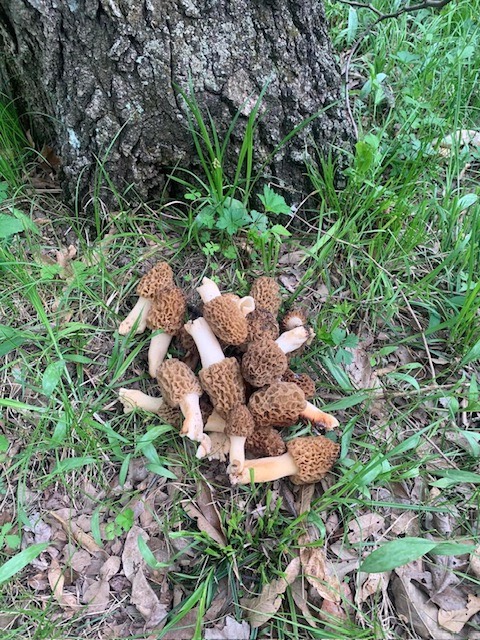
A non-obvious fact: In areas hit by forest fires the previous year, morels often appear in huge numbers. These are called “burn morels.” Checking recent burn maps can reveal hidden hotspots most beginners miss.
Credit: www.mossyoak.com
Where To Look For Morel Mushrooms
Finding morels is part science, part art. Their growth depends on a mix of soil, trees, moisture, and even past disturbances like fire or logging. Here’s where to start your search:
1. Forest Edges And Openings
Morels love the transition zone between dense woods and open spaces. The edges of forests, riverbanks, and clearings often warm up first in spring, encouraging early mushroom growth. Sunny slopes and spots near fallen logs or rocks are also worth checking.
2. Deciduous Trees
Morels form relationships with specific trees. In North America, look for:
- Elm trees (especially dying or dead)
- Ash trees
- Apple orchards (old, untended)
- Sycamore
- Cottonwood
Dying or recently dead trees are prime spots. Morels often appear around the base or “drip line”—the area under the outer branches.
3. Burn Sites
Areas that burned in the past year are famous for producing “fire morels. ” The nutrients released by fire, and the lack of ground cover, create perfect conditions for morels. Check forest service websites for maps of recent burns.
4. Old Orchards
Abandoned apple orchards can be a gold mine for morels. The soil, tree roots, and decomposing wood create ideal conditions. Be cautious, though—old orchards may have pesticide residues.
5. Moist, Well-drained Soil
Morels like moist but not soggy ground. Low areas that hold morning dew, north-facing slopes, or valleys near streams are often productive. However, standing water or swampy soil is usually too wet.
6. Disturbed Ground
Recently logged areas, construction sites, or places where the ground was dug up can surprise you with morels. The disturbance exposes nutrients and creates space for mushrooms to grow.
7. Leaf Litter
A carpet of decaying leaves provides food and shelter for young morels. Check under layers of leaves, especially after warm rain.
8. Elevation And Slope
In hilly regions, morels often move “up the slope” as spring progresses. Start at lower elevations early in the season, then move higher as temperatures warm. South-facing slopes warm first, but north-facing slopes hold more moisture later.
9. Urban And Suburban Areas
Don’t ignore parks, wooded backyards, or greenbelts in cities. Morels have been found in surprising places, even near sidewalks and playgrounds.
10. Local Knowledge
Ask local mushroom clubs, hunters, or park rangers for tips. Some areas are famous for morels, while others rarely produce. Experienced foragers often know the best times and places, but be respectful—many keep their spots secret!
An important tip: Morels rarely grow alone. If you find one, search the area carefully. Often, several are hidden nearby, camouflaged among leaves and branches.
How To Identify True Morel Mushrooms
Correct identification is essential. Some mushrooms look like morels but are toxic. Here’s how to tell the difference:
Key Features Of True Morels
1. Honeycomb Cap
The cap is covered in deep pits and ridges, resembling a honeycomb or sponge.
2. Cap Fully Attached
The cap is attached directly to the stem at the base. There is no “skirt” or separation.
3. Hollow Inside
Both the stem and cap are completely hollow. When sliced lengthwise, you should see a clear, empty tube from top to bottom.
4. Shape
Morel caps are usually oval, elongated, or conical. They range from 2 to 6 inches tall.
5. Color
Colors range from blonde to yellow, gray, or black, depending on species and age.
Comparison: True Morels Vs. False Morels
Here’s a side-by-side look at the main differences:
| Feature | True Morel | False Morel |
|---|---|---|
| Cap Texture | Deep pits and ridges | Wrinkled, lobed, or irregular |
| Cap Attachment | Fully attached to stem | Hangs freely or partially attached |
| Interior | Completely hollow | Often has cottony or chambered interior |
| Shape | Uniform, conical/oval | Brain-like, irregular |
| Toxicity | Edible (when cooked) | Can be poisonous |
Dangerous Look-alikes
The main imposters are Gyromitra (false morels) and Verpa species. Gyromitra can be deadly, causing severe illness or death.
- False morels have caps that look “brainy” or wrinkled instead of honeycombed.
- When sliced, false morels are NOT hollow inside.
- Some Verpa species have a skirt-like cap that hangs loose from the stem.
Never eat a mushroom unless you are 100% sure of its identity. When in doubt, ask a local expert or mushroom club.
A subtle detail: The base of the true morel’s stem is usually wider and sometimes slightly bulbous. Beginners often overlook this.
The Best Weather And Timing For Morel Hunting
Timing is everything with morels. Missing the right weather by a week can mean finding nothing. Here’s how to maximize your chances:
Ideal Conditions
- Soil temperature: 50–60°F (10–16°C) at 2–4 inches deep
- Daytime air: 60–70°F (15–21°C)
- Nighttime air: Above 40°F (4°C)
- Moisture: After a warm rain is ideal
Use a soil thermometer to check temperature under leaf litter—often more reliable than air temperature.
Reading Natural Signs
Experienced hunters use nature’s “signals”:
- Lilacs beginning to bloom
- May apples unfolding
- Dogwoods in flower
When these plants appear, morels are usually up in your area.
Time Of Day
Morels often appear overnight or early morning. Foraging at sunrise gives you first pick and avoids crowds. Mushrooms picked in the morning are often firmer and less buggy.
How Long Do Morels Last?
Morels grow quickly—sometimes doubling in size in a day or two—but also decay fast. A patch may last only a week, depending on weather. Check your favorite spots every few days during the peak season.
A less-known tip: Morels can “flush” more than once in a season, especially after a cool spell followed by warm rain. Don’t give up after one hunt—revisit your spots.
Tools And Gear For Morel Foraging
You don’t need fancy equipment, but the right tools make foraging safer and more productive.
Must-have Items
1. Mesh Bag Or Basket
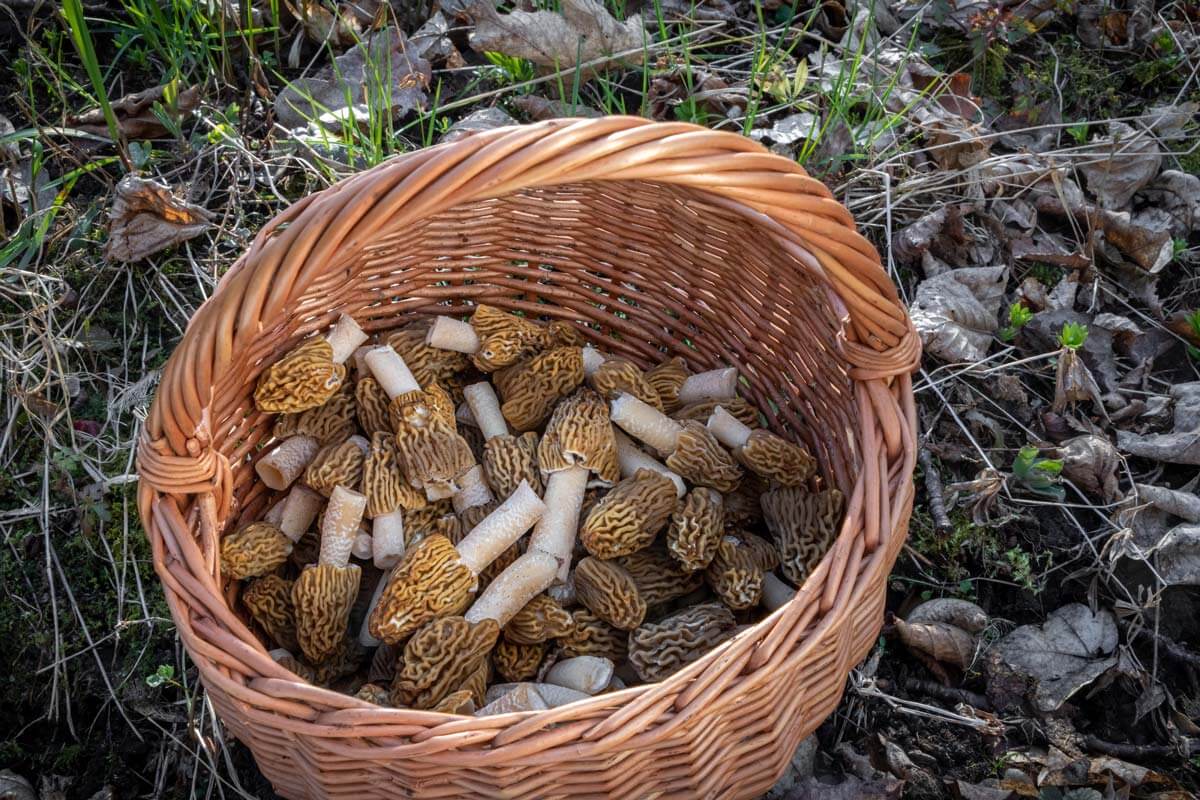
A mesh bag lets spores fall out as you walk, helping spread morels for future years. Baskets also keep mushrooms from getting crushed.
2. Small Knife
For cleanly cutting mushrooms at the base.
3. Walking Stick
Useful for poking under leaves or checking uneven ground.
4. Field Guide
A good mushroom book with photos for double-checking your finds.
5. Sturdy Shoes And Clothes
Long pants and sleeves protect from ticks, thorns, and poison ivy.
6. Gps Or Phone
To mark good spots (if allowed) and avoid getting lost.
7. Water And Snacks
For energy during long hunts.
Optional Extras
- Soil thermometer for checking ground temperature
- Magnifying glass for close inspection
- Insect repellent (ticks are common in morel country)
- First-aid kit
A non-obvious tool: Flagging tape can mark found mushrooms you want to photograph or show to others later.
Safe And Sustainable Harvesting
Morel hunting is about respect—both for the mushrooms and the environment. Overharvesting or careless picking can damage wild populations.
Harvesting Tips
- Cut or pinch the stem just above ground. Avoid pulling, which can damage the underground mycelium.
- Leave small or overripe morels to drop spores and maintain the population.
- Don’t trample the area. Walk gently and avoid disturbing soil more than necessary.
- Carry out all trash and respect private property.
- Follow local rules—some parks or forests have limits or permits for collecting mushrooms.
Spreading Spores
Using a mesh bag helps release spores as you walk. Some foragers shake picked morels gently to spread spores in the same area.
Leave No Trace
Good mushroom hunters leave the woods as they found them. Pick only what you’ll use, and don’t share exact locations online—this protects both the habitat and your favorite spots.
A practical tip: After a rain, morels may be hidden under leaves or grass. Use your stick or hands to gently lift debris and look underneath.
Cleaning And Preparing Morel Mushrooms
Freshly picked morels almost always contain dirt, bugs, or debris. Proper cleaning is essential before eating.
Cleaning Steps
1. Brush Off Dirt
Use a soft brush or cloth to gently remove soil from the cap and stem.
2. Rinse Briefly
Rinse quickly in cool water—don’t soak for long or morels become mushy.
3. Slice Lengthwise
Cut each mushroom in half to check for insects or hidden dirt.
4. Soak In Salt Water (optional)
For stubborn bugs, a short soak in lightly salted water can help. Drain and pat dry.
Storing Fresh Morels
- Store in a paper bag in the fridge. Avoid plastic—it traps moisture and causes rot.
- Use within a few days for best flavor.
Preserving Your Harvest
Morels can be preserved by drying, freezing, or pickling.
- Drying: Slice and air dry, or use a food dehydrator. Dried morels keep for months and rehydrate well.
- Freezing: Blanch briefly in boiling water, then freeze.
- Pickling: A tasty way to preserve small amounts.
A mistake beginners make: Washing morels too long. Extended soaking destroys their delicate texture.
_1200_900_90.jpg)
Credit: ggwash.org
Cooking And Enjoying Morel Mushrooms
Cooking morels unlocks their rich, nutty flavor. Never eat morels raw—they can cause stomach upset. Here’s how to enjoy them:
Simple Sautéed Morels
- Slice cleaned morels.
- Heat butter (or oil) in a skillet.
- Add morels and cook on medium heat for 5–7 minutes until golden.
- Season with salt, pepper, and fresh herbs if desired.
Morels pair well with eggs, pasta, steak, or risotto. Their flavor is strong, so simple recipes let them shine.
Classic Morel Recipes
- Creamy morel sauce: Serve over chicken or fish.
- Stuffed morels: Fill with cheese or sausage, then bake.
- Morel omelet: Add sautéed morels to eggs.
A chef’s trick: Don’t crowd the pan. Cook morels in a single layer for best browning.
Cooking Safety
- Always cook morels thoroughly. Even true morels can cause illness if undercooked.
- Discard any morels with a bad smell, mushy texture, or signs of spoilage.
Common Mistakes And Myths In Morel Foraging
Mistakes can ruin your hunt or put your health at risk. Here’s what to watch out for:
1. Misidentifying Mushrooms
Never eat anything unless you are certain it’s a true morel. False morels can look similar but are dangerous.
2. Overharvesting
Taking every mushroom you see can damage future populations. Leave some to spread spores.
3. Not Checking For Bugs
Morels often have insects inside. Always slice and inspect each one.
4. Using Plastic Bags
Plastic causes mushrooms to rot quickly. Use mesh or paper bags only.
5. Ignoring Local Laws
Some states and parks have strict rules. Fines for illegal picking can be steep.
6. Believing Old Wives’ Tales
Stories like “all morels are safe” or “if animals eat it, it’s safe for humans” are dangerous myths.
7. Not Respecting Private Property
Always get permission before foraging on private land.
A subtle myth: Morels grow only in the same spot every year. In fact, they can “move” as tree roots die or soil changes, so explore new areas each season.
Morel Foraging Around The World
Morels are not just a North American treasure. They’re found across Europe, Asia, and even parts of Africa. In France and Switzerland, morels are a prized ingredient in gourmet cuisine. In India’s Himalayas, “gucchi” morels are collected by hand and sold at high prices.
- In Europe, morels appear in mixed hardwood forests, often with ash, poplar, or hornbeam.
- In Asia, morels are found in pine and oak woods.
- Commercial morel harvests are common in the Pacific Northwest and Europe, but these often focus on burn sites after wildfires.
Global demand keeps prices high—dried morels can sell for $200–$300 per pound in some markets.
A unique fact: In some cultures, foraging morels is a family tradition, with knowledge passed down through generations.
Health And Nutrition: Are Morels Good For You?
Morel mushrooms are not just tasty—they’re also nutritious.
- Protein: Morels contain 3–4 grams per cup (cooked)—more than most vegetables.
- Vitamins: Rich in vitamin D, iron, copper, and manganese.
- Low calorie: About 20 calories per cup.
- Antioxidants: Morels have compounds that may help fight inflammation.
However, morels must be cooked to destroy mild toxins found in raw mushrooms. People with allergies to other mushrooms should try a small amount first.
A little-known caution: Some people react to alcohol when eating morels, especially black morels. Try a small amount if it’s your first time.
How To Get Started: Beginner’s Checklist
If you’re new to foraging, start safe and simple:
- Learn from an expert. Join a local mushroom club or take a guided walk.
- Get a good field guide. Choose one with clear photos and regional info.
- Know the rules. Check local laws before picking.
- Practice with photos. Study pictures of true and false morels before you go.
- Start slow. Only eat mushrooms you are 100% sure about.
- Record your finds. Take notes or photos of locations, trees, and weather.
- Respect nature. Pick gently and leave some behind.
Joining a community is one of the best ways to learn and stay safe. For more, visit the North American Mycological Association.
Frequently Asked Questions
What Is The Difference Between A True Morel And A False Morel?
True morels have a honeycomb cap with deep pits and are completely hollow from top to bottom. False morels usually have wrinkled, lobed caps, and their insides are not hollow. Some false morels are toxic and can cause severe illness or death. Always slice mushrooms lengthwise to check.
When Is The Best Time To Hunt For Morels?
The best time is spring, when daytime temperatures are in the 60s°F (15–20°C), nights are above 40°F (4°C), and the soil is moist but not wet. Watch for natural signs like blooming lilacs and may apples. Timing can vary by region, so check local reports.
Are All Morel Mushrooms Edible?
All true morel species are considered edible when cooked, but never eat them raw. False morels are not safe and can be poisonous. Even true morels may cause stomach upset if undercooked or eaten in large amounts.
How Do I Store Morel Mushrooms After Picking?
Store morels in a paper bag in the refrigerator. Do not use plastic—it traps moisture and causes rot. Use within a few days or dry/freeze for longer storage. Always clean and inspect for bugs before storing.
Where Can I Learn More About Morel Foraging?
You can join a local mushroom club, attend foraging workshops, or read guides from trusted sources. The North American Mycological Association offers resources and safety tips for beginners.
Morel foraging is a rewarding hobby that connects you to the outdoors and your local environment. With knowledge, patience, and respect for nature, you’ll soon be enjoying one of spring’s greatest wild treasures. Happy hunting!
Credit: melissaknorris.com