
Mushroom Log Inoculation: Plug Spawn, Sawdust Spawn, And Dowel Methods
Growing mushrooms on logs is a practice that connects us with nature and provides delicious rewards. Whether you are a hobby gardener or want to farm mushrooms for profit, learning how to inoculate logs is the first big step. The methods and materials you choose will affect your harvest, your workload, and your success. In this guide, you’ll discover everything about plug spawn, sawdust spawn, and the dowel method. We’ll walk through what they are, how they work, and how to avoid the most common mistakes. You’ll get real examples, practical steps, and expert tips to help you turn logs into productive mushroom beds.
Understanding Mushroom Log Inoculation
Inoculation is the process of introducing mushroom spawn (mycelium grown on a carrier) into a fresh log. Mycelium is the living body of the fungus, and it spreads through the wood, eventually producing mushrooms. The log acts as food and shelter for the growing fungus.
Why use logs? Compared to growing mushrooms on straw or in bags, logs offer a natural, long-lasting environment. Some logs can produce mushrooms for up to five years. The main types of mushrooms grown this way include shiitake, oyster, lion’s mane, and reishi.
There are three main spawn types and methods for inoculating logs:
- Plug spawn
- Sawdust spawn
- Dowel method (sometimes used interchangeably with plug spawn, but with unique details)
Each has different tools, steps, and best-use cases.
The Role Of Log Selection
Your results depend heavily on the type and condition of the logs you use. Freshly cut hardwoods like oak, maple, and beech work best. Avoid logs from trees treated with chemicals or cut from dead/rotting wood. Ideal log sizes are 3-8 inches in diameter and 3-4 feet long.
Logs should be cut while trees are dormant (late fall through early spring) and used within 2-8 weeks. This ensures the wood is not too dry or colonized by wild fungi.
Plug Spawn Method
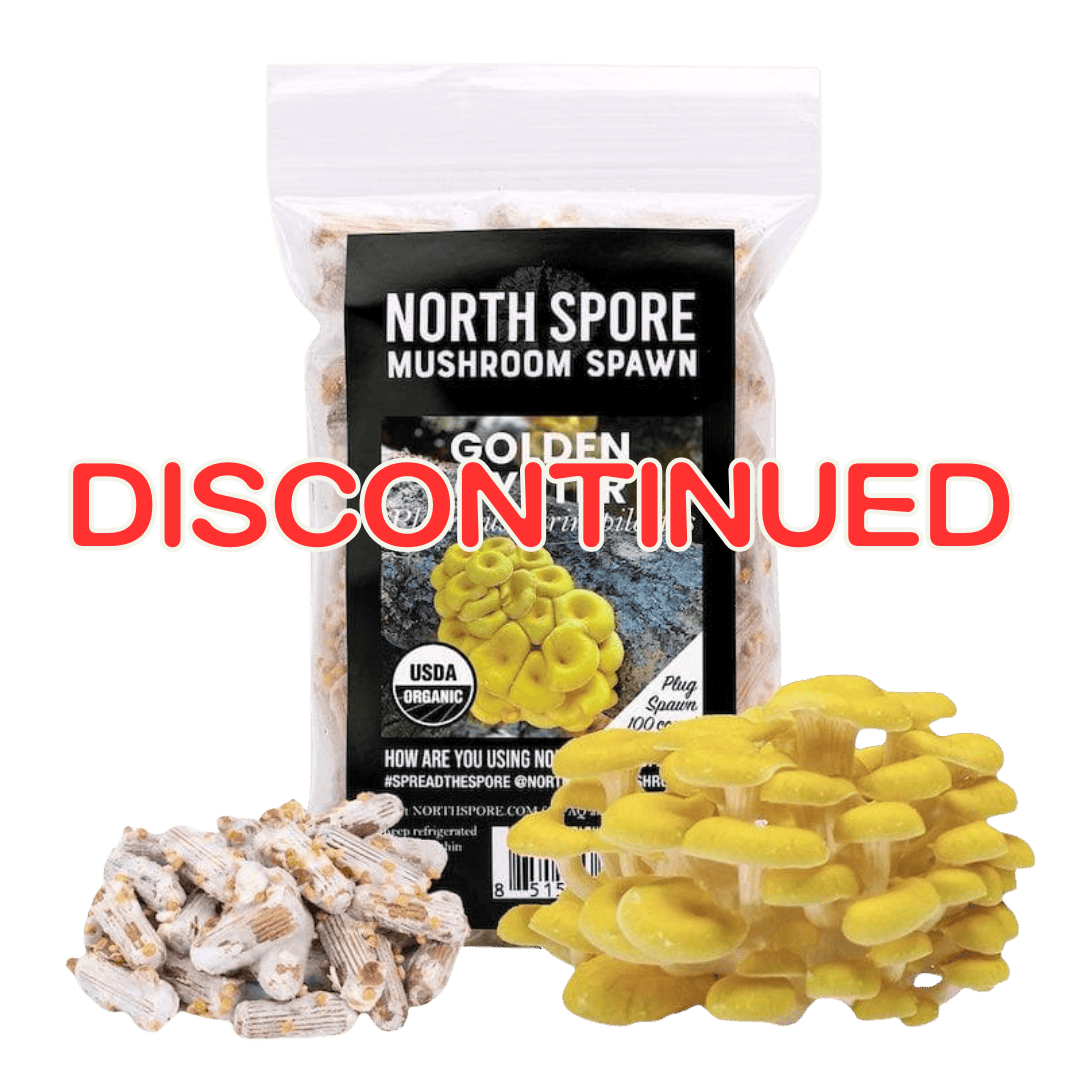
Plug spawn is one of the most beginner-friendly ways to start mushroom logs. Here, you use wooden dowels that have been colonized by mushroom mycelium. These dowels are inserted into holes drilled into the logs.
How Plug Spawn Works
The manufacturer grows mycelium onto small hardwood dowels (about 1 inch long and 5/16 inch in diameter). These dowels are then kept cool and moist until you buy them. When you insert them into your log, the mycelium starts to grow out of the dowel and into the wood.
Step-by-step Guide To Plug Spawn Inoculation
- Drill Holes:
- Use a 5/16-inch drill bit to make holes about 1 to 1.5 inches deep.
- Space holes 4-6 inches apart in rows along the length of the log, with rows about 2 inches apart. Stagger the rows to create a diamond pattern.
- Insert Plug Spawn:
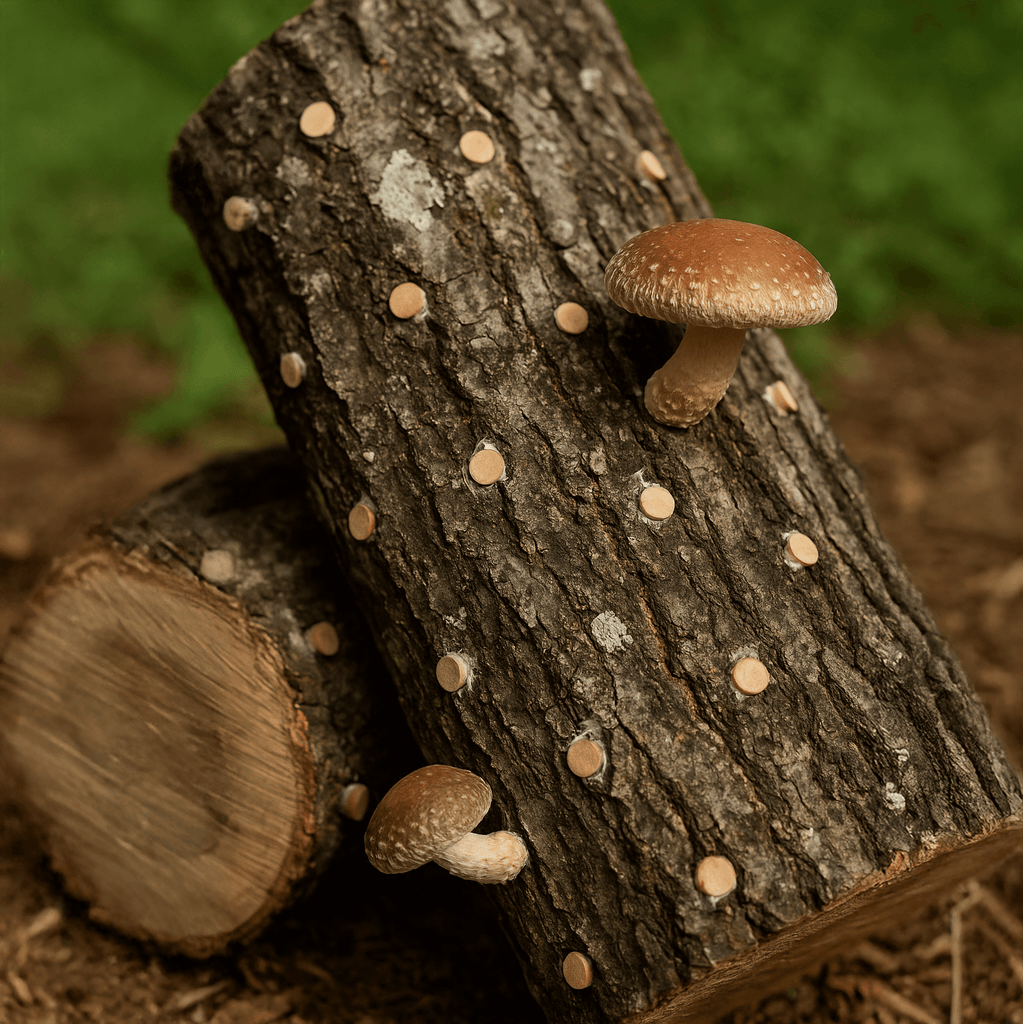
- Place one plug into each hole. You may need a small hammer or mallet to tap them in so they are flush with the log surface.
- Seal the Holes:
- Melt food-grade wax (beeswax or cheese wax works well).
- Use a brush or dauber to seal each plug. This keeps moisture in and pests out.
- Label the Log:
- Write the mushroom variety and inoculation date on a tag or the end of the log.
- Stack and Incubate:
- Arrange logs off the ground in a shady, humid place. Stacking in a “crib” formation or leaning logs against a fence works well.
Advantages Of Plug Spawn
- Easy to handle and almost mess-free
- Little specialized equipment required
- Lower risk of contamination compared to loose spawn
- Good for small batches and learning
Drawbacks Of Plug Spawn
- More expensive per unit compared to sawdust spawn
- Slower colonization time (usually 12-18 months before first harvest)
- Labor-intensive if working with many logs
Common Mistakes With Plug Spawn
- Not sealing the holes properly, leading to contamination
- Using old or dried-out plugs
- Placing logs in direct sunlight or dry areas
- Forgetting to label logs, which leads to confusion later
Practical Example
If you want to grow shiitake mushrooms on 10 logs, you’ll need about 25 plugs per log (250 plugs total). One pound of plug spawn usually has around 100-150 plugs, so plan your order accordingly.
Credit: northspore.com
Sawdust Spawn Method
Sawdust spawn uses loose, sterilized wood shavings colonized by mushroom mycelium. This method is popular with commercial growers and those wanting faster colonization.
How Sawdust Spawn Works
Instead of dowels, you inject or tamp the loose mycelium-rich sawdust into the drilled holes. The mycelium quickly spreads from the spawn into the log.
Step-by-step Guide To Sawdust Spawn Inoculation
- Drill Holes:
- Use a 7/16-inch drill bit to make holes 1 to 1.5 inches deep. This wider hole allows for more spawn.
- Space and stagger as you would with plug spawn.
- Fill Holes with Sawdust Spawn:
- Use an inoculation tool or plunger (sometimes called a palm inoculator) to pack spawn tightly into each hole.
- Make sure each hole is fully filled.
- Seal the Holes:
- Apply melted wax over each filled hole, just as with plug spawn.
- Label and Stack:
- Mark logs clearly and stack in a shady, moist place.
Advantages Of Sawdust Spawn
- Faster colonization (sometimes 6-12 months to first fruiting)
- Cheaper per log for large batches
- Good for large-scale operations
Drawbacks Of Sawdust Spawn
- More equipment needed (inoculation tools)
- Can be messy and harder for beginners
- Higher risk of contamination if not handled properly
Common Mistakes With Sawdust Spawn
- Not packing holes tightly enough, leaving air gaps
- Allowing spawn to dry out during inoculation
- Not cleaning tools between logs, spreading contaminants
Practical Example
A 5. 5-pound bag of sawdust spawn is enough for 20-25 logs. If inoculating 50 logs, plan to buy two or three bags.
Sawdust Vs Plug Spawn: Key Data
Here’s a direct comparison for clarity:
| Feature | Plug Spawn | Sawdust Spawn |
|---|---|---|
| Cost per log (approx.) | $2-3 | $1-2 |
| Colonization speed | 12-18 months | 6-12 months |
| Best for | Hobbyists, small scale | Large scale, faster harvest |
| Tools needed | Drill, mallet, wax | Drill, inoculator, wax |
| Contamination risk | Low | Medium |
Dowel Method
The dowel method is closely related to plug spawn but can use slightly different dowel sizes, materials, or treatments. Sometimes, growers prepare their own dowels and inoculate them with sawdust spawn at home. This hybrid approach can combine benefits from both plug and sawdust methods.
How The Dowel Method Works
You either purchase pre-colonized dowels or prepare your own by soaking hardwood dowels and inoculating them with sawdust spawn. These are then incubated until fully covered with mycelium. The process for inserting dowels into logs is the same as with plug spawn.
Diy Dowel Preparation Steps
- Soak hardwood dowels (maple or birch work well) in water for 24 hours.
- Drain and sterilize the dowels by boiling for one hour or pressure cooking.
- Cool and inoculate: Mix with sawdust spawn in a clean bag or container.
- Incubate: Keep at 20-24°C (68-75°F) in a dark place for 2-3 weeks until mycelium covers the dowels.
Inserting Dowels Into Logs
- Drill 5/16-inch holes, insert dowels, and seal with wax as previously described.
Advantages Of The Dowel Method
- Lower cost if preparing your own dowels
- Customizable for different mushrooms
- Good learning experience for advanced growers
Drawbacks Of The Dowel Method
- More labor and time required
- Higher risk of contamination if not sterile
- Results can be inconsistent if dowels are not fully colonized
When To Use The Dowel Method
This method is best for those who want to experiment, save money on large batches, or cannot source commercial plug spawn. It’s also popular in areas where mushroom supplies are limited.
Dowel Preparation Vs Plug Spawn: Quick Overview
| Aspect | DIY Dowel | Commercial Plug Spawn |
|---|---|---|
| Preparation time | 2-3 weeks | Ready to use |
| Skill level | Intermediate/Advanced | Beginner |
| Cost | Lower | Higher |
| Contamination risk | Higher | Lower |
Credit: www.out-grow.com
Choosing The Right Method For Your Needs
Making the best choice depends on your goals, resources, and experience.
For Beginners
Plug spawn is the safest choice. It’s easy, low risk, and requires few tools. You can focus on learning the basics of log handling, moisture control, and mushroom identification.
For Small To Medium Growers
Sawdust spawn offers faster results, especially if you inoculate more than 10 logs. The cost savings and speed make it popular with market gardeners.
For Experimenters And Diy Enthusiasts
The dowel method lets you customize and save money in the long run, but it requires more patience and careful work. It’s a great step up if you want to learn the full process from start to finish.
Factors To Consider
- Budget: Plug spawn costs more but is more convenient. Sawdust spawn and DIY dowels cut costs for larger projects.
- Time: Sawdust spawn produces mushrooms faster.
- Scale: Plug spawn is practical for up to 20 logs; sawdust or dowel methods are better for larger numbers.
- Tools: If you already own an inoculation tool, sawdust spawn makes sense.
- Learning goals: Beginners should start simple; advanced growers can explore DIY options.
Practical Tips For Successful Log Inoculation
Getting good results is not just about the method you choose. Small details make a big difference.
Log Care Before And After Inoculation
- Keep logs moist: If logs dry out before inoculation, soak them in water for 24 hours.
- Avoid contamination: Work quickly and keep spawn and tools clean.
- Choose the right location: Shade, humidity, and airflow are critical. Under trees or beside a north wall is best.
- Stack off the ground: Use bricks, stones, or pallets to avoid soil contact.
Watering And Maintenance
- Water logs during dry periods, especially in the first 6-12 months.
- Mist logs or use a sprinkler if rain is scarce.
- Don’t overwater; too much moisture can attract mold.
Monitoring Colonization
- White mycelium patches may appear at the log ends after a few months.
- If logs stay green or black, they may be contaminated or too wet.
Harvesting Mushrooms
- Fruiting usually starts 6-18 months after inoculation, depending on the method and mushroom type.
- Mushrooms appear after heavy rain or soaking.
- Harvest by twisting or cutting at the base; avoid pulling, which can damage the log.
Common Problems And Solutions
- Log not fruiting after 2 years: Check if the log is too dry or contaminated. Try soaking for 24 hours to trigger fruiting.
- Mold growth: Remove visible mold and improve airflow.
- Insect damage: Wax logs well and avoid stacking in areas with lots of beetles or termites.
Mushroom Types And Method Compatibility
Not all mushrooms grow equally well with all methods. Here’s a quick summary:
| Mushroom Type | Plug Spawn | Sawdust Spawn | Dowel Method |
|---|---|---|---|
| Shiitake | Excellent | Excellent | Good |
| Oyster | Good | Excellent | Good |
| Lion’s Mane | Good | Excellent | Fair |
| Reishi | Fair | Good | Fair |
| Nameko | Excellent | Good | Good |
Non-obvious insight: Some rare mushrooms, such as maitake (hen of the woods), need special care and are best grown with sawdust spawn for better mycelium contact. Also, logs with thick bark (like oak) help prevent drying and contamination, giving you better yields regardless of method.
Safety And Hygiene In Log Inoculation
Keeping your workspace and materials clean is often overlooked but is critical for success.
- Sterilize tools before and between logs using alcohol or flame.
- Wear gloves to protect both yourself and the spawn.
- Keep spawn cool (refrigerated until use) to avoid premature growth or death.
Non-obvious insight: Even a small cut or nick on the log surface, if not used for inoculation, can become a site for unwanted fungi. Always seal wounds with wax, even if you don’t fill them with spawn.
Seasonality And Timing
Timing your log inoculation can mean the difference between a lush harvest and disappointment.
- Best time: Late winter to early spring, when trees are dormant, but before warm weather.
- Avoid inoculating in extreme heat or cold. Mycelium prefers 10-24°C (50-75°F).
- Logs cut in fall or early winter can be inoculated in early spring if kept moist.
Detailed Example: Shiitake On Oak Using Plug Spawn
Let’s walk through a full example for clarity.
- Select 5 oak logs, each about 4 feet long and 6 inches in diameter.
- Drill about 25 holes per log in a diamond pattern, 1.5 inches deep.
- Insert one shiitake plug per hole, tapping flush with a mallet.
- Melt beeswax and brush over each plug and any bark wounds.
- Label logs with the date and mushroom species.
- Stack the logs on cinder blocks under a shady tree.
- Mist logs weekly if rain is scarce.
- Check after 12 months for mycelium at the cut ends.
- Harvest mushrooms after a heavy rain, 12-18 months after inoculation.
Yield Expectations
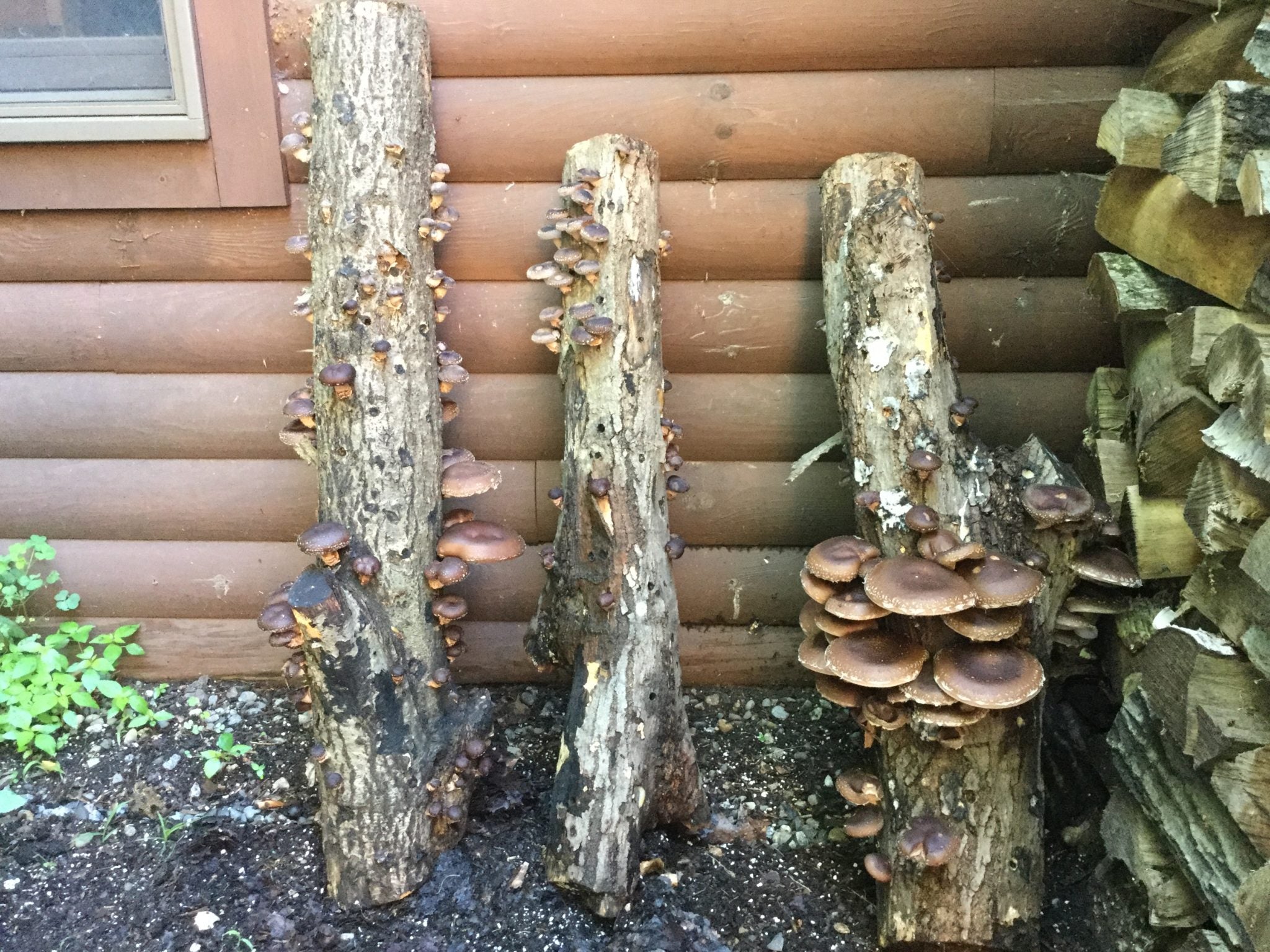
A well-inoculated log may produce 1-2 pounds of mushrooms per year for 3-5 years. That means your 5 logs could yield up to 10 pounds of fresh shiitake mushrooms annually.
Credit: www.fungially.com
Environmental And Economic Benefits
Inoculating logs for mushrooms is not just a hobby; it offers real ecological and financial value.
- Low waste: Uses tree cuttings, storm-damaged branches, or small-diameter wood that would otherwise go unused.
- Soil improvement: After years, old logs break down and enrich your soil.
- Income potential: Specialty mushrooms like shiitake and lion’s mane can fetch $10-20 per pound at farmer’s markets.
- Biodiversity: Growing mushrooms increases beneficial fungi in your garden.
Real-world Case Studies
Backyard Grower
Maria, a home gardener, inoculated 12 logs with oyster mushroom plug spawn. She harvested her first mushrooms after 14 months, getting over 15 pounds in the first year. Her main challenge was keeping logs moist during the summer. She solved this by adding a drip irrigation line.
Small Farm
A small farm in Vermont used sawdust spawn with a palm inoculator to process 100 oak logs in one weekend. Their first flush came in just 8 months. They noted that logs stacked in a “crib” allowed for better airflow and higher yields than those leaned against trees.
Advanced Grower
James, an experienced grower, prepares his own dowels using sterilized birch. He inoculates 200 logs per year, saving nearly $500 in spawn costs compared to buying plugs. However, his failure rate is higher (about 10%) due to occasional contamination.
Sustainability And Future Trends
Interest in sustainable food production is growing. Mushroom logs are a renewable way to turn local wood into protein-rich food. Some growers now experiment with native mushroom species, creating new flavors and adapting methods for different climates.
Technology is also making things easier. Pre-inoculated logs, improved spawn strains, and online communities help more people succeed. Research continues on optimizing incubation times and finding better wax alternatives for sealing holes.
For more in-depth scientific reading, visit the Wikipedia page on mushroom cultivation.
Frequently Asked Questions
How Long Do Mushroom Logs Produce Mushrooms?
Most logs will produce mushrooms for 3 to 5 years, depending on the wood type and care. Hardwoods like oak last longer, while softer woods like poplar may only last 2-3 years.
Can I Use Conifer Logs For Mushroom Inoculation?
Conifer woods (pine, spruce, fir) are not recommended for most edible mushrooms. The resins and saps can inhibit mycelium growth. Stick to hardwoods like oak, beech, or maple.
Do I Need To Water My Logs All The Time?
No, but keep logs moist, especially during the first year. If rainfall is low, water or mist logs once a week. Dry logs can slow or stop mycelium growth.
How Soon Can I Harvest Mushrooms After Inoculation?
It depends on the method and mushroom type. Sawdust spawn is fastest—sometimes 6-12 months. Plug spawn can take 12-18 months. Patience is key.
What Is The Best Way To Prevent Contamination?
Work cleanly. Sterilize your tools, wash your hands, and keep spawn cool. Seal all holes and wounds with wax immediately after inoculation. Keep logs off the ground and in a shady, breezy spot.
Growing mushrooms on logs is an art and a science, but with the right method, patience, and care, it’s a rewarding project for any grower. Whether you choose plug spawn, sawdust spawn, or the dowel method, remember that close attention to detail and regular log care will bring you the best harvests for years to come.