
Understanding Beta-glucan Testing: How To Verify Supplement Quality
Many people today are looking for ways to support their immune health, lower cholesterol, or improve overall well-being. One ingredient that appears often in these conversations is beta-glucan. Found in oats, barley, yeast, and certain mushrooms, beta-glucan is a type of soluble fiber known for its health benefits. But as the supplement market grows, so does confusion: not all beta-glucan supplements are equal, and sometimes the label does not match what’s inside the bottle.
How can you trust that the beta-glucan you’re buying is high quality and effective? The answer lies in proper beta-glucan testing. This process is not simple, and many consumers and even supplement makers misunderstand how it works. Knowing how beta-glucan content is measured, what tests matter, and what certifications to look for can save you money—and protect your health.
This guide explains everything you need to know about beta-glucan testing, from the science behind it to the practical steps for verifying supplement quality. If you want to make sure you’re getting real value from your supplements, keep reading.
What Is Beta-glucan And Why Does It Matter?
Beta-glucans are a family of polysaccharides—complex sugars made of many glucose units. They exist in the cell walls of cereals (like oats and barley), fungi, bacteria, and seaweed. What makes them special is their unique structure, which gives them different health properties depending on the source.
For example:
- Oat and barley beta-glucans are mainly used to lower cholesterol and control blood sugar.
- Yeast and mushroom beta-glucans are valued for immune-modulating effects.
These benefits are supported by research and have led to approved health claims in countries like the US and EU. But these effects only appear when you get the right type and enough amount of beta-glucan.
The problem? Many supplements contain little active beta-glucan, or the wrong type. That’s why testing is so important—it separates real supplements from empty promises.
The Science Of Beta-glucan Testing
Testing beta-glucan is more complicated than many people think. It’s not enough to just measure “fiber.” Accurate testing is needed to confirm:
- The actual beta-glucan content
- The purity (how much of the product is beta-glucan, versus filler)
- The structure (because not all beta-glucans act the same in the body)
How Do Scientists Measure Beta-glucan?
There are several lab methods, but the most commonly used are:
- Enzymatic methods (AOAC 995.16, AOAC 2002.02, and AACC 32-23.01)
- Colorimetric methods
- Chromatography (HPLC and GC)
The AOAC methods are the gold standard for cereal beta-glucan. They use enzymes that break down everything except beta-glucan, which is then measured.
For yeast and fungal beta-glucans, slightly different enzyme kits and protocols are used, since their structure is not exactly the same as cereal beta-glucans.
Why Structure Matters
Not all beta-glucans are equal. The health effects depend on:
- Source (oat, barley, yeast, mushroom)
- Branching and linkage patterns (called “beta-1,3” or “beta-1,4” types)
- Purity and solubility
For example, oat beta-glucan is mostly beta-1,3/1,4. Yeast beta-glucan is mainly beta-1,3/1,6. The body reacts differently to each type.
A high-quality supplement should clearly state the source, type, and amount of beta-glucan, and ideally provide lab test results.
Key Methods For Beta-glucan Testing
Testing labs use advanced techniques to check beta-glucan content. Here’s an overview of the main methods:
1. Enzymatic Assays (aoac/aacc)
- How it works: Lab technicians add enzymes that digest other parts of the sample, leaving only beta-glucan. This is then measured.
- Best for: Cereal (oat/barley) beta-glucans.
- Accuracy: High, if performed correctly. Official methods used by governments and large food companies.
2. Megazyme Beta-glucan Kit
- How it works: Uses specific enzymes and color reactions to measure beta-glucan.
- Best for: Both cereals and some yeast/fungal extracts.
- Accuracy: Validated in many peer-reviewed studies.
3. Hplc (high-performance Liquid Chromatography)
- How it works: Separates and identifies sugars in the sample, giving a detailed profile.
- Best for: Confirming purity and finding unwanted sugars or contaminants.
- Accuracy: Excellent, but more complex and expensive.
4. Congo Red And Calcofluor White Staining
- How it works: Special dyes bind to beta-glucan, changing color or glowing under a microscope.
- Best for: Checking if beta-glucan is present and its structure.
- Accuracy: Qualitative (shows presence), not quantitative (exact amount).
5. Infrared Spectroscopy
- How it works: Infrared light is passed through the sample, and the pattern is analyzed.
- Best for: Fast screening in manufacturing.
- Accuracy: Good for rough estimates, but less precise than enzymatic/HPLC methods.
Comparing Beta-glucan Testing Methods
To help you see the main differences, here is a comparison of popular methods:
| Method | Best For | Accuracy | Speed | Cost |
|---|---|---|---|---|
| Enzymatic (AOAC/AACC) | Cereal beta-glucan | High | Medium | Medium |
| Megazyme Kit | Cereal, yeast, fungi | High | Medium | Medium |
| HPLC | Purity, contaminants | Very High | Slow | High |
| Congo Red/Calcofluor | Presence/structure | Medium (Qualitative) | Fast | Low |
| Infrared Spectroscopy | Screening | Medium | Very Fast | Low |
Each method has advantages and disadvantages. High-quality supplement makers may use more than one method to ensure their product is both pure and correctly labeled.
Why Is Beta-glucan Testing Important For Supplements?
The supplement market is not as tightly regulated as the pharmaceutical industry. Independent studies often find that what’s on the label does not match what’s inside. This is especially true for beta-glucan supplements because:
- Beta-glucan is expensive to extract and purify.
- Some products contain cheaper fillers (like starch or cellulose) instead of real beta-glucan.
- Different sources provide different health effects, but labels may not be clear.
A 2017 study found that over 30% of beta-glucan supplements tested contained less than half the claimed amount. Some had almost none. This is a waste of money and can be dangerous if you rely on supplements for health.
Proper testing is your best protection. It confirms that the active ingredient is present, in the right form, and at the right dose.

Credit: www.amazon.com
What Should You Look For In A Beta-glucan Supplement?
Not all beta-glucan supplements are created equal. Here’s what matters most when choosing:
1. Clear Labeling
- The label should state:
- Source (oat, barley, yeast, mushroom)
- Amount of beta-glucan per serving (not just “fiber”)
- Type (e.g., “beta-1,3/1,4-glucan”)
- Avoid products that use vague terms like “mushroom polysaccharides” without details.
2. Third-party Testing
- Look for brands that share lab test results (Certificates of Analysis, or COA).
- Prefer supplements tested by independent labs, not just the manufacturer.
- Check if the tests include enzymatic or HPLC methods, not just “fiber content.”
3. Purity And Potency
- High-quality products should have at least 70% beta-glucan purity for yeast and mushroom extracts, and at least 20% for oat/barley (since the rest is often natural fiber).
- Lower purity can mean more fillers or less effectiveness.
4. Manufacturing Standards
- Look for GMP-certified (Good Manufacturing Practices) or NSF-certified facilities.
- These certifications show care in production and testing.
5. No Unwanted Additives
- The best supplements have simple ingredient lists.
- Avoid products with lots of “other ingredients” like sugars, artificial colors, or preservatives.
6. Batch Numbers And Expiry Dates
- Trustworthy brands print batch numbers and expiry dates on their bottles.
- This allows tracking and recall if a problem is found.
7. Proper Dosage
- For cholesterol support, most research uses 3 grams of oat beta-glucan per day.
- For immune health, yeast beta-glucan studies often use 250–500 mg per day.
Be wary of supplements that do not meet these dosage levels, unless your doctor advises otherwise.
Real-world Examples: Analyzing Supplement Labels
Let’s look at two example labels and see how they measure up.
Example 1: High-Quality Oat Beta-Glucan
- Label says: “Oat Beta-Glucan (from Avena sativa): 1,000 mg, providing 220 mg beta-glucan per capsule. Tested by Megazyme AOAC 995.16.”
- Batch number and expiry date present.
- COA available on website.
- Manufactured in GMP-certified facility.
Example 2: Low-Quality Mushroom Blend
- Label says: “Mushroom Complex, 2,000 mg polysaccharides.”
- No mention of beta-glucan percentage.
- No source details (which mushrooms? ).
- No testing method given.
- No batch number or expiry date.
- No COA.
The first example is much more reliable. The second is a red flag—lack of detail makes it impossible to verify quality.
Common Mistakes When Choosing Beta-glucan Supplements
Even careful buyers can be misled. Here are mistakes people often make:
- Assuming all “fiber” is beta-glucan.
- Many products list “fiber” but do not specify beta-glucan content. Other fibers do not have the same health effects.
- Trusting “mushroom polysaccharide” without percentage.
- Polysaccharide is a general word. Only a part of it is beta-glucan, and not all types are active.
- Believing in “proprietary blends.”
- These blends hide the actual amount of each ingredient. You might get only a tiny dose.
- Ignoring the source.
- Oat, barley, yeast, and mushroom beta-glucans have different health effects. For immune support, yeast or certain mushrooms are best.
- Choosing the cheapest product.
- Low price often means low purity or no real testing.
- Forgetting about expiry dates.
- Beta-glucan can degrade over time, especially if not stored properly.
How To Read A Certificate Of Analysis (coa) For Beta-glucan
A COA is a lab report showing what was found in a product batch. Not all COAs are equal—here’s what to check:
- Test method: Look for AOAC, AACC, Megazyme, or HPLC.
- Result: Should state beta-glucan content as a percentage, not just “present.”
- Batch number: Matches the supplement bottle.
- Date: Recent (within 1-2 years).
- Lab: Third-party, with name and contact details.
Tip: Some brands only show COAs with “total polysaccharides,” which is not the same as beta-glucan.
Beta-glucan Testing In Research And Regulations
Beta-glucan’s health claims are only accepted in some countries if the product passes strict testing. For example:
- The US FDA allows the claim “may reduce cholesterol” only for oat/barley products with proven beta-glucan content.
- The EU has similar rules, based on AOAC or AACC test methods.
- In Japan, “Food for Specified Health Use” (FOSHU) approval for beta-glucan needs certified lab results.
These regulations are based on strict testing, not just marketing claims. If you want a supplement with real benefits, it should meet these standards.
How Supplement Makers Test Their Products
Reputable manufacturers use several steps to ensure quality:
- Raw material testing: Check incoming oats, yeast, or mushrooms for starting beta-glucan content.
- Process controls: Monitor extraction and purification steps.
- Final product testing: Use enzymatic or HPLC methods to confirm the finished batch.
- Stability testing: Check if beta-glucan content stays stable over shelf life.
Some brands do extra testing for heavy metals, microbes, or allergens. This is a sign of high standards.
The Role Of Accreditation And Certification
Look for supplements made in facilities with ISO 17025 (testing labs) or GMP/NSF (manufacturing) certification. These standards mean:
- Staff are trained and audited.
- Equipment is calibrated.
- Results are traceable and repeatable.
Supplements from uncertified factories are more likely to have poor quality or fake test results.
Beta-glucan Testing For Special Diets And Needs
Some people have special concerns—such as gluten-free diets, vegan needs, or allergies.
- Gluten-free: Oat beta-glucan can be made gluten-free, but only if tested for contamination. Check for “gluten-free” certification.
- Vegan: Yeast and mushroom beta-glucans are always vegan. Some capsules, however, use gelatin, which is not.
- Allergies: Supplements should test for common allergens if cross-contamination is possible.
High-quality brands will mention these details and show supporting test results.
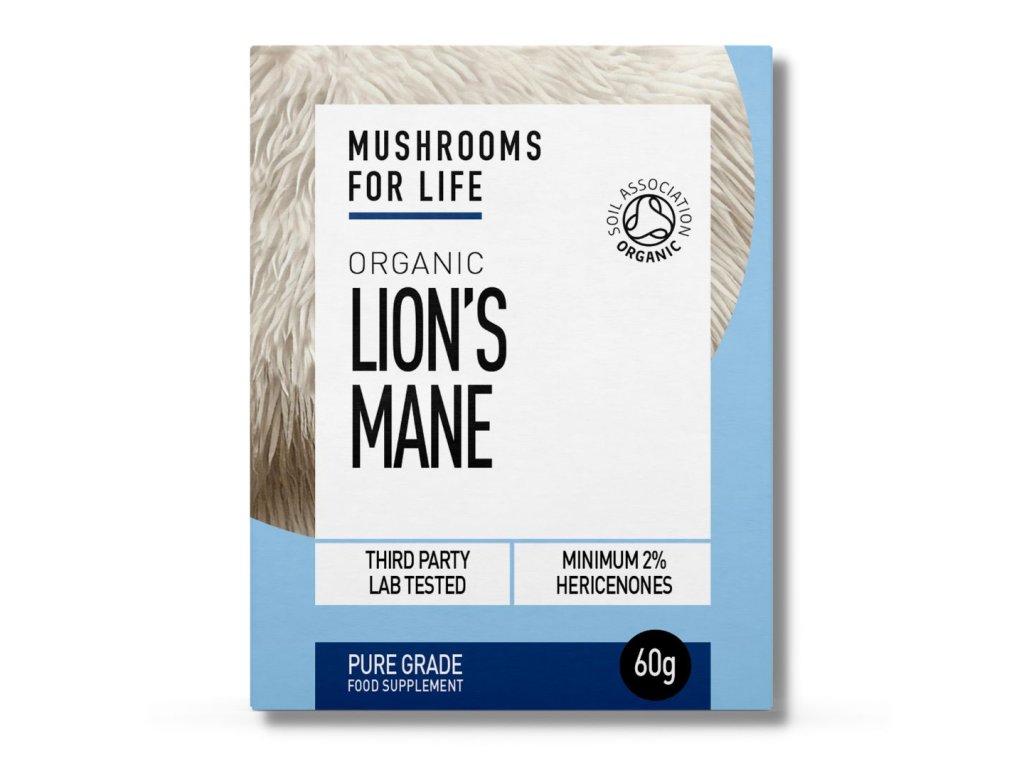
Credit: www.pravebio.cz
Beyond The Label: Spotting Quality In The Real World
Even with all the testing, a real-world check is useful:
- Contact the company: Ask for a COA or details about their testing methods. Trustworthy brands reply quickly.
- Check reviews: See if other users mention lab results or consistency.
- Ask your pharmacist or doctor: Some professionals have access to independent supplement testing databases.
If a company refuses to share testing data or gives vague answers, consider another brand.
How To Test Beta-glucan Supplements At Home
Most consumers cannot do full lab tests at home, but you can do some simple checks:
- Mixability: Pure beta-glucan powder is very viscous when mixed with water. If your “beta-glucan” powder dissolves like sugar, it may be mostly filler.
- Taste and smell: Real oat beta-glucan is bland, slightly nutty, and not sweet. Yeast beta-glucan may taste earthy. Strong flavors or sweeteners are red flags.
- Color: Oat beta-glucan is pale cream. Yeast/mushroom beta-glucan is off-white to light brown. Bright white or colored powders may be heavily processed or contain additives.
These checks are not scientific but can help spot obvious fakes.
The Future Of Beta-glucan Testing
With the rise of personalized nutrition, beta-glucan testing is becoming even more important. Advances in technology are making tests faster and cheaper. Some trends to watch:
- Portable testers: Small devices for in-store or home testing.
- Blockchain tracking: Digital records of every batch, viewable by consumers.
- DNA barcoding: Confirming the plant or mushroom source by DNA.
These changes could make supplement quality more transparent and give buyers more power.
Data: How Common Are Fake Or Low-quality Beta-glucan Supplements?
Several studies have tested the quality of beta-glucan supplements on the market. Here’s what they found:
| Study (Year) | Region | Supplements Tested | Failed to Meet Label Claims |
|---|---|---|---|
| Smith et al. (2017) | USA | 30 | 10 (33%) |
| Wang et al. (2019) | Europe | 25 | 7 (28%) |
| Kumar et al. (2020) | Asia | 40 | 13 (32.5%) |
Across studies, about 1 in 3 beta-glucan supplements fail to deliver what they claim. This shows the importance of buying from trusted sources and checking for real testing.
Two Insights Most Beginners Miss
- Beta-glucan percentage is more important than total amount. Some supplements boast “1,000 mg per serving,” but if only 10% is real beta-glucan, you get just 100 mg. Always look for the percentage of beta-glucan, not just the weight of the powder.
- Source and structure matter for health benefits. Oat beta-glucan lowers cholesterol. Yeast beta-glucan supports the immune system. A supplement’s effectiveness depends on matching the source and structure to your health goal—not just buying any “beta-glucan.”
Summary: How To Verify Beta-glucan Supplement Quality
- Choose supplements with clear labeling: Source, amount, type.
- Look for third-party testing and Certificates of Analysis.
- Check for GMP/NSF or ISO-certified manufacturing.
- Avoid vague products or proprietary blends.
- Confirm batch numbers and expiry dates.
- Be aware of the real dosage used in research.
- Test at home for obvious fakes, but rely on lab data for certainty.
If you want to learn more about beta-glucan and its health benefits, you can visit the Wikipedia page on beta-glucans for deeper scientific information.
Choosing a high-quality beta-glucan supplement takes a little effort, but the reward is real health benefits and peace of mind.

Credit: antioxi-supplements.com
Frequently Asked Questions
What Is The Difference Between Beta-glucan From Oats And Yeast?
Oat beta-glucan mainly helps lower cholesterol and control blood sugar, thanks to its beta-1,3/1,4 structure. Yeast beta-glucan is mostly beta-1,3/1,6 and is used for immune support. The health benefits depend on both the source and the molecular structure.
How Much Beta-glucan Do I Need Per Day?
For cholesterol health, studies use 3 grams of oat beta-glucan daily. For immune support, the typical dose is 250–500 mg of yeast beta-glucan per day. Always check that the supplement provides this amount of active beta-glucan, not just total powder.
How Can I Tell If A Beta-glucan Supplement Is Real?
Check the label for the source, amount, and type of beta-glucan. Look for third-party lab test results (COA) showing the actual beta-glucan content, verified by methods like AOAC or HPLC. Avoid products with vague descriptions or no testing information.
Are There Side Effects Or Risks With Beta-glucan Supplements?
Beta-glucan is generally safe for most people. Some may experience mild digestive upset, especially at high doses. People with severe immune disorders or allergies should consult a doctor before use.
Why Are Some Beta-glucan Supplements So Much More Expensive?
High-quality beta-glucan is expensive to extract and purify. Cheap products often have low purity or little real beta-glucan. Paying more for trusted brands with real testing usually means a safer, more effective supplement.