
Growing mushrooms at home or commercially can be very rewarding. But it’s not as easy as planting a seed and adding water. Mushrooms are sensitive organisms. They need the right temperature and humidity to grow well. If you miss these requirements, your mushrooms might grow slowly, become deformed, or not grow at all. Even worse, you could lose your entire crop to mold or bacteria.
Understanding the best conditions for different mushroom species is vital. Each type of mushroom has its own favorite temperature and humidity range at each stage of growth. Some need cool, moist air. Others like it warm and humid. Getting these details right can make the difference between a bountiful harvest and total disappointment.
This guide covers the most popular edible and medicinal mushrooms. You’ll learn their exact needs for temperature and humidity, why these conditions matter, and how to control them in practice. Whether you’re a beginner or experienced grower, this guide will help you avoid mistakes and grow healthy, high-yield mushrooms.
Why Temperature And Humidity Matter For Mushrooms
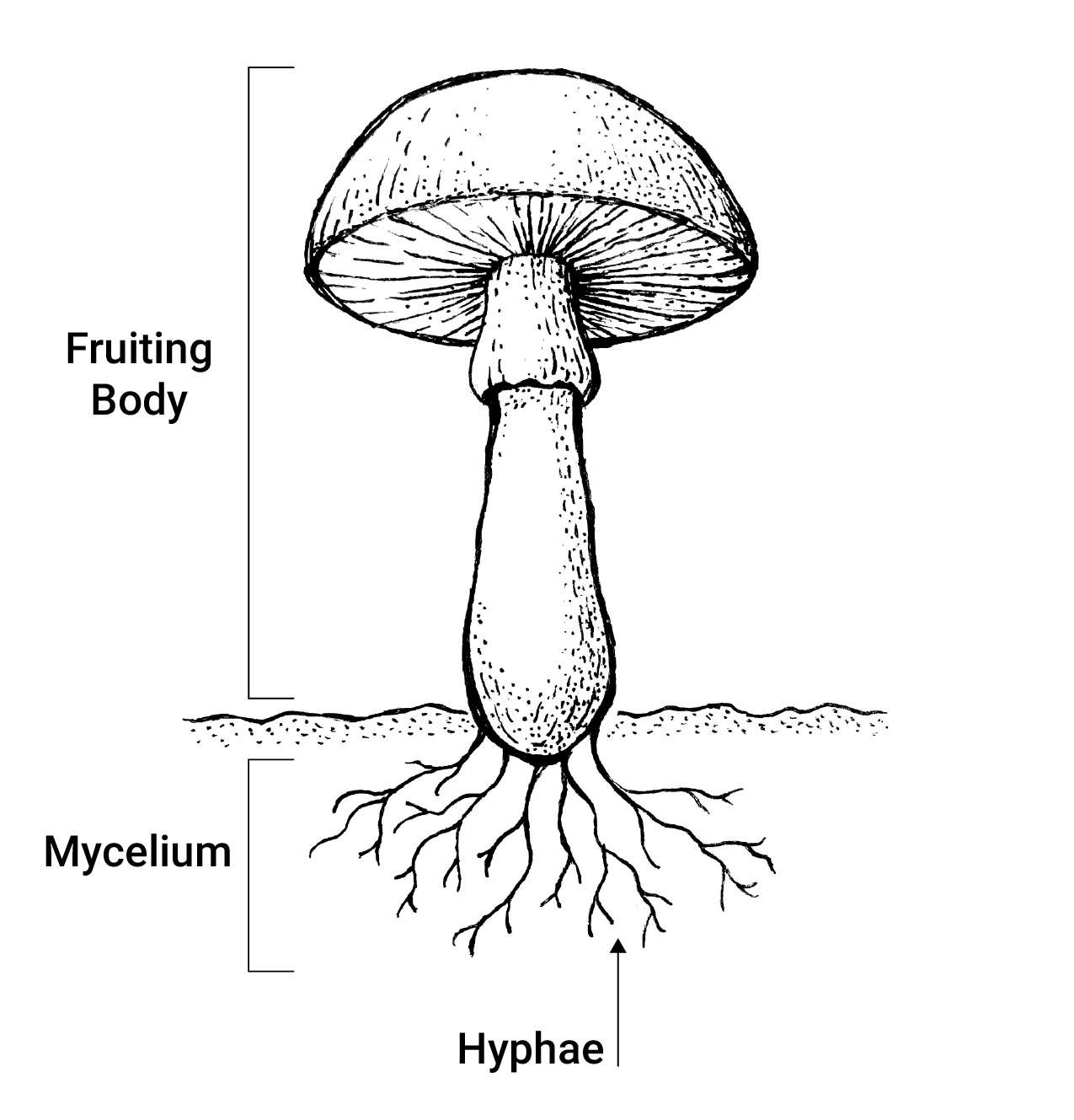
Mushrooms are the fruiting bodies of fungi. Unlike plants, they don’t use sunlight to grow. Instead, they need the right mix of moisture, air, and temperature to develop. If the environment is too dry or hot, mushrooms dry out or stop growing. If it’s too wet or cold, they can rot or be overtaken by other fungi and bacteria.
Temperature affects how fast mushrooms develop. Each species has a “sweet spot” where growth is fastest and strongest. Humidity keeps the air moist, which mushrooms need to form their delicate fruiting bodies. Too little humidity causes mushrooms to shrivel or crack. Too much can promote contamination and disease.
Common mistake: Many beginners think one setting fits all mushrooms. In reality, different mushrooms have evolved for different climates. Copying the wrong conditions leads to poor results.
The Two Main Stages: Colonization And Fruiting
Every mushroom species goes through two main stages:
- Colonization (Spawn Run): The fungus spreads through the growing medium (substrate). No mushrooms form yet. The goal is fast, healthy mycelium growth.
- Fruiting: The fungus forms visible mushrooms. This stage needs special triggers—usually a change in temperature, humidity, light, or fresh air.
Each stage often needs different temperature and humidity levels.

Credit: www.maxapress.com
Oyster Mushrooms (pleurotus Spp.)
Oyster mushrooms are popular for beginners because they grow fast and tolerate a range of conditions. There are several species, but the most common are Pleurotus ostreatus (Pearl oyster), Pleurotus pulmonarius (Phoenix oyster), and Pleurotus djamor (Pink oyster).
| Species | Colonization Temp (°C) | Fruiting Temp (°C) | Humidity (%) |
|---|---|---|---|
| Pearl Oyster | 24–28 | 13–18 | 85–95 |
| Phoenix Oyster | 24–28 | 18–24 | 85–95 |
| Pink Oyster | 24–30 | 18–30 | 80–95 |
- Colonization: Warm (24–28°C), dark, and humid (70–80%).
- Fruiting: Lower temperature triggers fruiting in most species. Keep humidity high (85–95%). Mist often or use a humidifier.
- Extra tip: Pink oyster needs warmer fruiting (18–30°C) but is less tolerant to low humidity. Pearl oyster fruits best in cooler rooms.
Mistake to avoid: Letting humidity drop below 80% causes caps to crack or stop growing.
Shiitake (lentinula Edodes)
Shiitake is famous for its rich, savory taste. It grows best on hardwood logs but also on sawdust blocks.
| Stage | Temperature (°C) | Humidity (%) |
|---|---|---|
| Colonization | 22–27 | 65–75 |
| Fruiting | 13–18 | 85–95 |
- Colonization: Warm (22–27°C), moderate humidity (65–75%). Lower humidity than most mushrooms.
- Fruiting: Needs a drop in temperature (13–18°C) and shock (soaking logs in cold water, or lowering temp for sawdust blocks). Humidity must be high (85–95%).
- Pro insight: Shiitake mycelium needs a rest period after colonizing before it will fruit well. Don’t rush to fruiting.
Mistake to avoid: Fruiting at high temperatures causes small, thin mushrooms.
Button, Cremini, And Portobello (agaricus Bisporus)
These three mushrooms are actually the same species at different stages. Button is picked young, cremini is a little older, and portobello is fully mature.
- Colonization: 24–27°C, 70–75% humidity.
- Fruiting: 16–19°C, 85–90% humidity. Lower temperatures produce denser, firmer mushrooms.
- Special note: Agaricus needs a “casing layer” (moist soil or peat) on top of the substrate to trigger fruiting.
- Pro tip: For large portobellos, keep fruiting at 16°C with steady humidity for several days.
Mistake to avoid: High humidity above 90% promotes bacterial blotch and mold.
Lion’s Mane (hericium Erinaceus)
Lion’s Mane is unique for its shaggy, white appearance and is loved for its taste and health benefits.
- Colonization: 21–24°C, 70–75% humidity.
- Fruiting: 15–21°C, 85–95% humidity. Needs very high humidity to prevent drying and browning.
- Non-obvious insight: Lion’s Mane needs lots of fresh air during fruiting. Without enough air exchange, it forms long “teeth” and grows misshapen.
Mistake to avoid: Low humidity causes yellowing and premature drying.
Enoki (flammulina Velutipes)
Enoki mushrooms are famous for their long, thin stems and tiny caps. They need cold temperatures for the best shape and taste.
- Colonization: 22–25°C, 70–75% humidity.
- Fruiting: 10–15°C, 80–90% humidity. Colder temperatures make whiter, thicker stems.
- Extra tip: Enoki is grown in bottles or jars in the dark, with high CO2, to encourage long stems.
Mistake to avoid: Fruiting above 18°C makes short, fat stems and poor flavor.
King Oyster (pleurotus Eryngii)
King Oyster is the largest oyster species. It’s grown for its thick, meaty stems.
- Colonization: 24–28°C, 70–80% humidity.
- Fruiting: 13–18°C, 85–90% humidity. Needs a temperature drop to fruit well.
- Advanced tip: King oyster needs more fresh air than other oysters during fruiting, or it gets long, skinny stems.
Mistake to avoid: Fruiting at high temperature makes soft, watery stems.
Maitake (grifola Frondosa)
Maitake, or “Hen of the Woods,” is valued for its texture and health properties.
- Colonization: 20–24°C, 65–75% humidity.
- Fruiting: 13–18°C, 85–95% humidity. Needs lots of humidity for large clusters.
- Non-obvious insight: Maitake is slow to colonize. Be patient—it often takes over a month before it is ready to fruit.
Mistake to avoid: Low humidity leads to small, thin clusters.
Nameko (pholiota Nameko)
Nameko is a slippery, amber mushroom popular in Japanese cuisine.
- Colonization: 21–24°C, 65–75% humidity.
- Fruiting: 13–17°C, 85–95% humidity. Needs high humidity for the sticky cap.
- Special note: Nameko requires a sharp drop in temperature to trigger fruiting.
Mistake to avoid: Fruiting at warm temperatures stops mushroom formation.
Reishi (ganoderma Lucidum)
Reishi is grown mainly for medicinal use. Its fruiting needs are very different from most mushrooms.
- Colonization: 24–28°C, 75–85% humidity.
- Fruiting: 18–27°C, 80–90% humidity. Higher humidity favors antler shapes; lower humidity makes more traditional cap shapes.
- Pro tip: For “antler” (long, finger-like) Reishi, keep CO2 high and humidity up.
Mistake to avoid: Fruiting in dry air leads to cracked, low-quality fruit bodies.
Shimeji (hypsizygus Tessellatus And H. Marmoreus)
Shimeji mushrooms are common in Asian cooking.
- Colonization: 22–25°C, 70–75% humidity.
- Fruiting: 13–18°C, 85–95% humidity. Needs a cold shock for best fruiting.
- Advanced insight: Shimeji likes slow, steady changes in environment—avoid sudden drops or rises.
Mistake to avoid: Fruiting with poor air flow causes long, thin stems.
Morel (morchella Spp.)
Morels are one of the most prized wild mushrooms. They are difficult to cultivate, but temperature and humidity still matter.
- Colonization: 18–21°C, 60–70% humidity.
- Fruiting: 10–15°C, 80–90% humidity. Needs spring-like conditions and variable temperatures.
- Pro tip: Morels need a period of cold before fruiting, similar to overwintering.
Mistake to avoid: Fruiting at high temperature almost never works.
Pioppino (agrocybe Aegerita)
Pioppino is a crunchy, nutty mushroom that grows on wood.
- Colonization: 22–26°C, 70–80% humidity.
- Fruiting: 15–18°C, 85–95% humidity. Needs high humidity for best cap development.
- Advanced insight: Pioppino benefits from a light breeze during fruiting.
Mistake to avoid: Fruiting in stagnant air leads to poor shape.
Credit: extension.usu.edu
Chanterelle (cantharellus Cibarius)
Chanterelles are not widely cultivated but understanding their needs helps with indoor experiments.
- Colonization: 18–22°C, 60–70% humidity.
- Fruiting: 12–16°C, 80–90% humidity. Needs well-drained, moist substrate.
- Important tip: Chanterelles are mycorrhizal and need living plants to grow, which makes them hard to fruit indoors.
Mistake to avoid: Fruiting on wet, poorly drained substrate leads to rot.
Cordyceps (cordyceps Militaris)
Cordyceps is famous for medicinal use and its unique orange fruiting bodies.
- Colonization: 18–22°C, 70–80% humidity.
- Fruiting: 18–22°C, 80–90% humidity. Needs light for good color.
- Special advice: Cordyceps fruits best with daily light exposure (12 hours/day).
Mistake to avoid: Fruiting in darkness produces pale mushrooms.
Wood Ear (auricularia Auricula-judae)
Wood Ear is common in Asian soups.
- Colonization: 24–28°C, 75–85% humidity.
- Fruiting: 18–24°C, 85–95% humidity. High humidity is essential for the jelly texture.
- Non-obvious insight: Wood Ear tolerates higher temperatures than most mushrooms.
Mistake to avoid: Fruiting below 80% humidity produces tough, dry mushrooms.
Paddy Straw (volvariella Volvacea)
Paddy Straw is popular in tropical climates and grows best in warm, wet environments.
- Colonization: 30–35°C, 70–80% humidity.
- Fruiting: 28–35°C, 85–95% humidity. One of the few mushrooms that likes very high temperatures.
- Pro tip: Paddy Straw needs fast cycles—fruiting starts just days after colonization.
Mistake to avoid: Fruiting at low temperatures (below 28°C) stops growth.
Milky Mushroom (calocybe Indica)
Milky Mushroom is widely grown in India and other hot regions.
- Colonization: 28–35°C, 70–80% humidity.
- Fruiting: 25–35°C, 85–90% humidity. Needs strong light during fruiting.
- Advanced insight: Milky mushrooms need a “casing” layer for best yield.
Mistake to avoid: Fruiting in the dark gives thin, weak mushrooms.
Common Problems With Temperature And Humidity
Growing mushrooms is not just about setting and forgetting. Problems arise if you don’t monitor your growing environment closely.
- Too Low Humidity: Mushrooms stop growing, crack, or dry out.
- Too High Humidity: Mold, bacteria, and “wet spot” diseases.
- Too High Temperature: Fast, weak growth and contamination risk.
- Too Low Temperature: Slow growth, low yields, or no fruiting at all.
- Unstable Conditions: Sudden changes in temperature or humidity shock the mycelium and reduce yield.
Non-obvious insight: “Good enough” conditions might give you some mushrooms, but stable, precise control gives much higher yields and better quality.
How To Measure And Control Temperature And Humidity
Thermometers and hygrometers are essential tools. Place them at mushroom level, not just in the room. Digital versions with memory can help track trends.
Ways to control temperature:
- Use space heaters or air conditioners for rooms.
- For small spaces, aquarium heaters or heating pads can help.
- Ventilation fans can remove hot air.
Ways to control humidity:
- Ultrasonic humidifiers for large spaces.
- Manual misting for small setups.
- Covering containers with plastic to retain moisture.
Extra tip: Always allow some fresh air exchange. Stale, still air breeds contaminants.
Comparison Of Fruiting Conditions For Popular Mushrooms
Here’s a summary of fruiting conditions for the most common edible mushrooms:
| Mushroom | Fruiting Temp (°C) | Humidity (%) | Special Needs |
|---|---|---|---|
| Pearl Oyster | 13–18 | 85–95 | Cool room, high humidity |
| Shiitake | 13–18 | 85–95 | Cold shock, casing |
| Button | 16–19 | 85–90 | Casing layer |
| Lion’s Mane | 15–21 | 85–95 | High fresh air |
| King Oyster | 13–18 | 85–90 | Cool, ventilated |
| Paddy Straw | 28–35 | 85–95 | Very warm, fast fruiting |
This table shows why it’s important to match your mushroom species to the climate or equipment you have.
Matching Mushroom Species To Your Climate
Not every mushroom can be grown everywhere. Choose mushrooms that fit your local climate or what you can control indoors.
- Tropical climates: Paddy Straw, Milky, Pink Oyster.
- Cool climates: Shiitake, Button, Enoki, Pearl Oyster.
- Variable climates or indoors: Oyster, Lion’s Mane, King Oyster.
If you have no way to control temperature, stick to mushrooms that match your natural conditions.
Setting Up A Simple Mushroom Grow Room
You don’t need a high-tech lab to grow mushrooms. Many people succeed with simple setups:
- Plastic tent or closet: Keeps humidity high. Use a small humidifier and thermometer.
- Greenhouse shelf: Works for bigger crops. Cover with plastic sheeting.
- Garage or basement: Good for cool-loving species.
- Outdoor logs: For Shiitake, Maitake, and Oyster in suitable climates.
Practical example: A small tent with a humidifier, fan, and LED light can support fruiting for oysters, shiitake, and lion’s mane all year.
Troubleshooting Poor Mushroom Growth
If your mushrooms are not growing well, first check:
- Is the temperature in the recommended range for your species and stage?
- Is humidity at the right level and stable?
- Are you getting enough fresh air exchange?
- Are there signs of contamination (unusual colors, smells)?
Practical advice: Fix one variable at a time. For example, increase humidity before lowering temperature.
How To Adjust Conditions For Different Stages
Remember, colonization and fruiting often need different environments.
- After colonization is complete, lower temperature and raise humidity.
- For fruiting, add some light and increase fresh air.
- To trigger fruiting in hard-to-fruit species, use a “shock” (cold water soak, temperature drop, or change in CO2).
Pro tip: Sudden changes should be gentle. Extreme shocks can damage the mycelium.
Species-specific Tips For Success
Oyster Mushrooms
- Grow fastest with steady humidity and at least 12 hours of light.
- Can be fruited in open air if humidity is high.
Shiitake
- Needs to “rest” after colonization. Don’t rush into fruiting.
- Fruiting logs outdoors is possible in cool, wet seasons.
Lion’s Mane
- Needs lots of air and moisture; otherwise, it dries and yellows quickly.
- Use a fine mist sprayer to avoid damaging delicate spines.
Enoki
- Best grown in bottles in the dark for long stems.
- Needs cold fruiting room (as low as 10°C).
King Oyster
- Needs more fresh air for thick, short stems.
- Fruiting at warmer temperatures makes long, thin stems.
Paddy Straw
- One of the fastest mushrooms. Colonization to harvest in under 10 days.
- Best for hot, wet climates.
Why Monitoring Matters
Even small changes in temperature or humidity can quickly ruin a crop. Use digital sensors with alarms if possible. Record daily readings to spot trends.
- Example: If humidity drops at night, mushrooms shrink or crack. If temperature rises above the species range, contamination appears.
Extra tip: Many growers improve yields simply by keeping better records and adjusting settings as needed.
When To Harvest Mushrooms
The right time to harvest depends on the species, but the main sign is:
- Caps are fully formed but not yet flat or upturned.
- For oysters, pick before the edges curl up.
- For shiitake, harvest when the cap is 70–90% open.
- For button and portobello, pick before the gills are fully exposed.
Harvesting late often reduces taste and shelf life.
Scaling Up: Commercial Vs. Home Growing
For commercial growers:
- Use climate-controlled rooms with automated humidifiers and fans.
- Monitor every batch with digital logs.
- Match species to market demand and your equipment.
For home growers:
- Pick species that fit your room temperature and humidity.
- Start small and scale up as you learn.
- Expect some trial and error; mushrooms are living organisms.
Where To Find Accurate Information
Mushroom cultivation books, university extension services, and reputable online sources are best. For in-depth species guides, the Wikipedia Mushroom Cultivation page is a good start.
Frequently Asked Questions
What Happens If Temperature Or Humidity Is Too Low For Mushrooms?
Low temperature slows growth or stops fruiting. Low humidity causes mushrooms to dry out, crack, or not form at all. Most species will not recover if these conditions last too long.
Can I Use A Regular Humidifier For Mushrooms?
Yes, small ultrasonic humidifiers work for home setups. For larger rooms, use industrial models or misting systems. Always pair with a hygrometer to avoid over- or under-humidifying.
Do All Mushrooms Need A Temperature Drop To Fruit?
No. Some, like Paddy Straw and Pink Oyster, fruit at high temperatures. Others, like Shiitake and Enoki, need a cold shock. Always check your mushroom’s needs before starting.
How Can I Keep Humidity High In A Dry Climate?
Use a closed growing area (tent, greenhouse, plastic box), a humidifier, and regular misting. Adding a wet towel or water tray helps in small spaces. Avoid direct heat or fans blowing on mushrooms.
What Is The Best Mushroom For Beginners With Only Basic Equipment?
Oyster mushrooms are the easiest. They tolerate a wide range of conditions and fruit quickly. You can grow them in a bag or bucket with a simple tent and misting.
Growing mushrooms is both an art and a science. By understanding and controlling temperature and humidity for your chosen species, you can enjoy healthy harvests and avoid most problems. Start simple, pay attention to your environment, and adjust as you learn—success will follow.

Credit: www.researchgate.net