
Building A Mushroom Foraging Community: Clubs, Walks, And Online Groups
Curiosity about wild mushrooms is growing fast. Across the world, people are stepping into forests and fields, searching for edible and fascinating fungi. But mushroom foraging isn’t just about finding tasty food. It’s also about discovery, safety, and friendship. When you join with others, you gain knowledge, experience, and a sense of belonging. That’s why building a mushroom foraging community—through clubs, group walks, and online groups—matters so much.
This guide will show you how these communities form, what you gain by joining, and how to start or strengthen a group yourself. Whether you’re a beginner wanting guidance or an expert hoping to share wisdom, you’ll find practical tips, real-world examples, and honest advice.
Let’s explore the world of mushroom foraging together—step by step, safely, and with open minds.
Why Mushroom Foraging Communities Matter
Looking for mushrooms alone can be risky. Mistakes are easy, and some wild mushrooms are deadly. But in a group, you learn from others, check each other’s finds, and swap stories. The benefits of being part of a foraging community go far beyond just safety.
- Shared knowledge: Everyone brings different experiences. One person may know local edible species, another might teach you about poisonous look-alikes.
- Skill-building: Group walks help you see, touch, and discuss mushrooms in real time.
- Motivation and fun: Foraging is more enjoyable with friends who share your passion.
- Protection of nature: Many groups teach about sustainable harvesting and ecosystem care.
- Local discoveries: Clubs and groups often know secret spots and seasonal hotspots.
- Community support: Members help each other with identification and celebrate each other’s finds.
Joining a community also keeps you up-to-date. You’ll hear about rare finds, scientific news, and changes in local regulations. In many countries, foraging laws are complex. A good community helps you forage legally and respectfully.
Mushroom Foraging Clubs: Building The Roots
What Is A Mushroom Foraging Club?
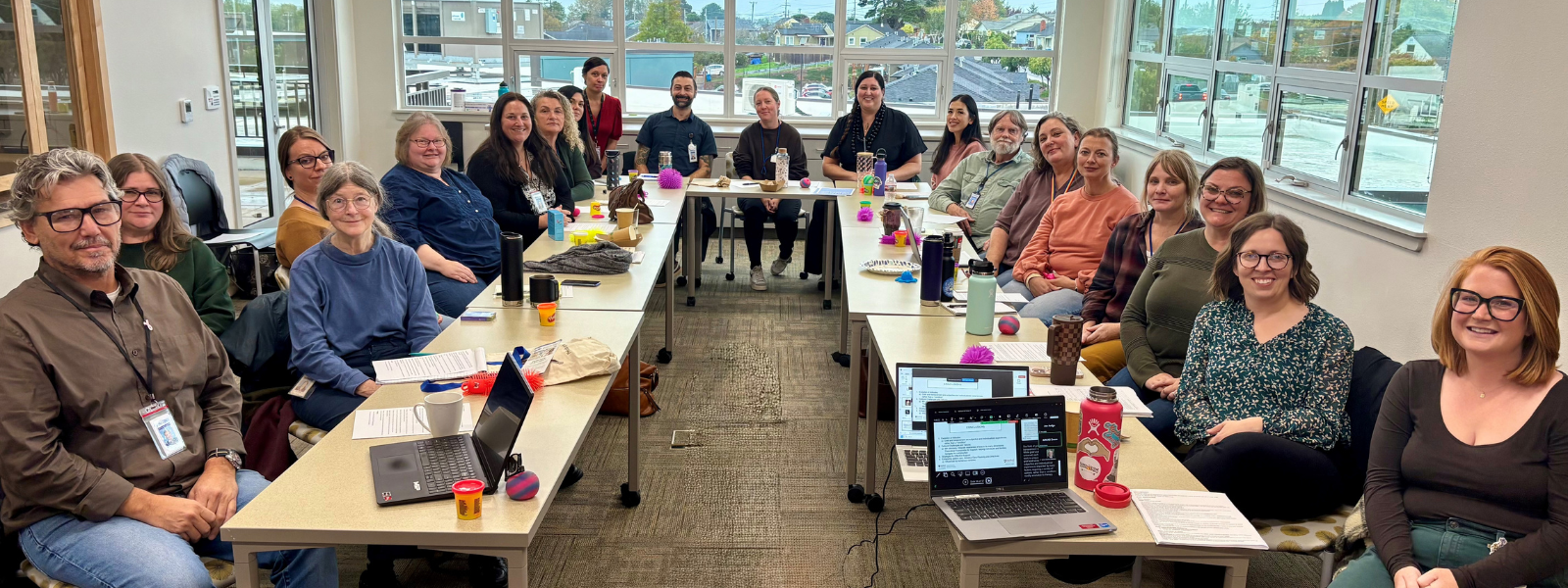
A mushroom foraging club is a group of people who meet, usually in person, to explore, learn, and share their love for mushrooms. Some clubs are small and informal—a few friends with baskets and guidebooks. Others have hundreds of members, regular meetings, newsletters, and ties to local scientists.
Most clubs offer:
- Monthly walks or forays
- Guest speakers or workshops
- Identification sessions
- Annual mushroom shows
These activities help you improve your skills and meet people who love fungi as much as you do.
How Clubs Are Structured
Clubs usually have a basic structure:
- Leadership team: President, secretary, and other roles.
- Membership system: Annual fees, sign-ups, or open invitations.
- Regular meetings: Often at a community center or nature reserve.
- Group walks/forays: Outings where members search for mushrooms together.
- Education programs: Workshops, children’s events, and safety talks.
Some clubs are nonprofit organizations, while others are informal groups. The structure depends on the region, size, and goals.
How To Find A Club Near You
Most countries have national or regional mycological societies. Search online for “mushroom club” plus your city or region. Libraries, botanical gardens, and local nature groups can also help.
Here are a few well-known examples:
- North America: North American Mycological Association (NAMA)
- UK: British Mycological Society
- Australia: Fungimap
Joining is usually easy—just pay a small fee or fill out a form. Some clubs offer discounts for students or families.
What To Expect As A Member
Don’t worry if you’re a beginner. Clubs welcome all skill levels. At first, you may feel overwhelmed by Latin names or technical terms. But most members are happy to explain things simply.
- Bring an open mind: You’ll learn as much from questions as from answers.
- Respect nature: Many clubs teach responsible foraging—take only what you need, and leave rare species.
- Participate: Attend walks, ask questions, and share your finds.
- Volunteer: Help with events or leadership if you can.
Real-world Club Activities
Here’s what a typical season might look like:
- Spring: First walks to find morels. Workshops on mushroom identification.
- Summer: Forays in mixed forests. Guest talks on mushroom photography.
- Autumn: Peak season. Big group walks, mushroom shows, and cooking nights.
- Winter: Indoor meetings, slide shows, and planning for next year.
Some clubs also run spore print exchanges, children’s education days, or citizen science projects. The more involved you become, the more you get back.
Credit: opendoorhealth.com
Group Forays And Mushroom Walks
What Are Mushroom Walks?
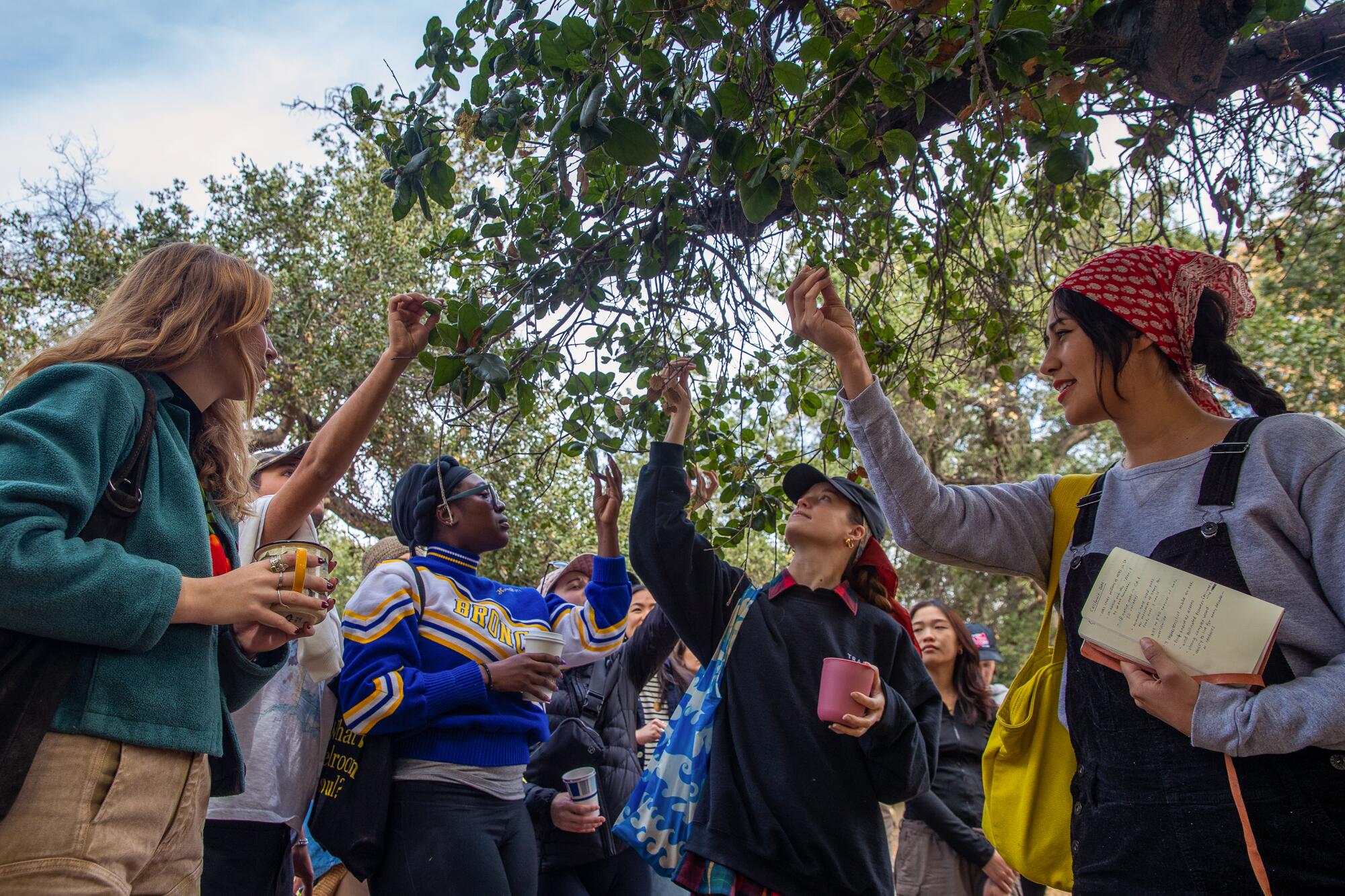
A mushroom walk is a guided outing in nature, focused on finding, identifying, and discussing wild mushrooms. These walks are the heart of many foraging groups. They bring people together, help beginners learn, and make foraging safer.
Walks can be small (a handful of friends) or large (dozens of people with expert guides). The key is sharing—everyone looks, learns, and talks about what they find.
How A Typical Foray Works
Most walks follow a simple plan:
- Meet at a set location: Usually a forest parking lot or nature reserve.
- Safety briefing: Leaders explain rules, safety tips, and local regulations.
- Walk and search: The group spreads out, looking for mushrooms.
- Gather and discuss: Everyone brings their finds to a central spot.
- Identification session: Experts help sort and name the mushrooms.
- Wrap-up: Sometimes, the group cooks or tastes safe, identified mushrooms.
Many forays are family-friendly. Some clubs have special walks for children or beginners.
Preparing For A Walk
Success and safety depend on good preparation:
- Clothing: Wear boots and long sleeves. Forests can be muddy and full of ticks.
- Basket or mesh bag: These let spores drop, helping mushrooms reproduce.
- Small knife: For cutting mushrooms at the base.
- Field guide: A book or phone app for quick reference.
- Notebook: Jot down what you find and where.
- Camera: Photos help with identification later.
Some clubs provide group equipment, but it’s best to bring your own.
Safety And Rules
Mushroom walks should always put safety first. Here are the basics:
- Never eat wild mushrooms unless 100% sure: Many edible mushrooms have poisonous look-alikes.
- Ask experts: Use group knowledge. Don’t rely on one person.
- Learn the dangerous species: Most regions have a few deadly mushrooms—know them well.
- Respect the law: Some parks ban picking. Always check before you forage.
- Leave rare species: Don’t over-harvest or damage ecosystems.
Experienced groups often have a safety officer or expert leader. Don’t be afraid to ask questions, and never feel pressured to eat something you’re unsure about.
The Social Side
Walks aren’t just educational—they’re social. You’ll meet people from all walks of life: scientists, chefs, teachers, families, and hobbyists. Many friendships start on a mushroom walk.
Some groups end the day with a picnic or potluck. Sharing mushroom dishes lets you taste new flavors and swap recipes. Foraging together builds trust and lasting memories.
Example: A Day On A Group Foray
Let’s picture a typical autumn foray:
- At 9 a.m., about twenty people meet in a forest car park.
- The leader explains the plan: Stick together, watch for poison ivy, and bring all mushrooms to the meeting point.
- The group spreads out, baskets in hand. Some find colorful Amanitas, others spot clusters of chanterelles.
- After two hours, everyone gathers. The expert goes through the finds, showing how to tell edible boletes from bitter or toxic ones.
- The walk ends with photos, a few tastings, and new friends made.
Moments like these turn beginners into lifelong foragers.
Online Groups: Connecting Beyond Your Region
Why Online Communities Matter
Not everyone lives near a club or can attend walks. This is where online groups make a huge difference. On the internet, mushroom lovers connect across countries and continents. Beginners get help instantly, and experts share rare finds.
Online communities take many forms:
- Facebook groups
- Reddit forums
- Discord servers
- WhatsApp or Telegram chats
- Specialized websites
Some groups focus on local mushrooms, others are global. The largest have tens of thousands of members.
Benefits Of Online Foraging Groups
- Quick identification help: Post a photo, and you might get expert advice in minutes.
- Learning resources: Many groups collect guides, videos, and articles.
- Year-round activity: Even in winter, you can chat, learn, and share.
- Event organization: Announce walks, workshops, or mushroom festivals.
- Diversity: Meet people from all backgrounds and skill levels.
One big advantage is exposure to global knowledge. For example, a member in Sweden might recognize a mushroom you found in Canada, because some species are widespread.
How To Join And Participate
Most online groups are easy to join:
- Search by platform: Try “mushroom ID” or “foraging” plus your region.
- Check group rules: Most have guidelines about posting, safety, and identification.
- Introduce yourself: Say where you’re from and your experience level.
- Post clear photos: Good lighting and multiple angles help with identification.
- Be patient and polite: Not every answer will be right—always double-check.
Many groups have pinned posts about poisonous mushrooms, foraging laws, and common mistakes.
Example Of A Popular Online Group
The “Mushroom Identification” group on Facebook has over 200,000 members. Every day, hundreds of people post photos, ask questions, and share recipes. Moderators check for safety and remove dangerous advice.
Reddit’s r/mycology and r/shroomID are also active, with scientists and hobbyists helping each other.
Online Vs. In-person Groups
Here’s a comparison of what you get from each:
| Feature | Online Groups | In-Person Clubs/Walks |
|---|---|---|
| Accessibility | Anywhere, anytime | Location-based, scheduled |
| Speed of Answers | Very fast (often minutes) | Slower, often only during meetings |
| Hands-on Learning | Limited (photos, videos) | High (touch, smell, taste) |
| Social Bonding | Moderate (chat-based) | Strong (face-to-face) |
| Local Knowledge | Mixed | Deep local expertise |
Both types of community have strengths. Many foragers use both—learning online and meeting up in person when possible.
Safety In Online Groups
A word of caution: never trust a single online identification if you plan to eat a wild mushroom. Even experts can make mistakes with photos. Always cross-check, and when in doubt, don’t eat it.
Some groups have “no eating” policies—advice is for learning, not for dinner. Respect these rules and never pressure others to taste wild finds.
Credit: www.latimes.com
Starting Your Own Mushroom Foraging Group
Maybe there’s no club near you, or you want to bring people together. Starting a mushroom foraging group is easier than you think—but it takes care and planning.
Step 1: Find Like-minded People
Begin by reaching out:
- Friends and family: Often, someone is interested but shy.
- Community boards: Post at libraries, cafes, and parks.
- Social media: Start a Facebook group or WhatsApp chat.
You only need 3-5 people for your first walk.
Step 2: Set Simple Goals
Decide what your group wants:
- Regular walks?
- Learning and identification?
- Cooking and recipe sharing?
- Conservation and nature care?
Clear goals make it easier to attract new members.
Step 3: Plan Safe Walks
Safety is the top priority:
- Research local poisonous mushrooms.
- Pick easy, safe trails.
- Invite an experienced forager if possible.
- Remind everyone: Don’t eat anything unless confirmed safe.
Always check local rules about foraging. Some parks require permits or ban mushroom picking.
Step 4: Share Knowledge And Fun
Keep the group friendly and open:
- Celebrate everyone’s finds—even if they’re common or inedible.
- Swap recipes, stories, and photos.
- Organize talks, slideshows, or cooking sessions.
If your group grows, consider inviting guest experts or partnering with local schools.
Step 5: Grow Your Community
As more people join:
- Create a simple website or social media page.
- Collect contact info and send out walk schedules.
- Start a group newsletter or WhatsApp list.
You can also join wider networks. Many national mycological societies welcome small local groups.
Example: A Small Group Becomes A Club
In 2014, three friends in a small town in Oregon started a monthly foraging walk. They posted photos on Facebook and shared their finds at a local café. In two years, their group grew to 50 members, with regular guest speakers and an annual mushroom fair.
Today, they work with local schools and nature reserves, sharing their passion with hundreds.
Organizing Mushroom Events And Festivals
Larger communities often organize special events. These attract both beginners and experts, raise money, and spread fungal knowledge.
Types Of Events
- Mushroom festivals: Public fairs with displays, talks, and tastings.
- Identification days: Bring your mushrooms for expert advice.
- Cooking competitions: Who can make the best mushroom dish?
- Art and photography shows: Celebrating the beauty of fungi.
- Children’s days: Games, crafts, and safe foraging walks.
What Makes A Successful Event
- Good planning: Book venues, invite speakers, and get permits early.
- Safety: Clear labels for edible and poisonous mushrooms.
- Diversity: Mix science, art, and fun to attract all ages.
- Partners: Work with nature groups, chefs, and schools.
- Promotion: Use social media, local news, and posters.
Events are a powerful way to build excitement and recruit new members.
Example: The Telluride Mushroom Festival
Each year, Telluride, Colorado hosts one of the world’s most famous mushroom festivals. Thousands attend for workshops, guided walks, and wild mushroom tastings. Scientists, chefs, and artists come together to celebrate fungi—and teach the public about their importance.
The Role Of Education In Foraging Communities
Learning is at the heart of every mushroom group. Even the experts are always discovering something new. Good communities make education central.
Teaching Beginners
Most groups start with the basics:
- How to identify common edible and poisonous mushrooms
- Safe foraging tips
- Using field guides and apps
- Making spore prints
- Basic cooking and preservation
Many clubs offer beginner walks or special classes. Some have “mushroom mentors” to guide new members.
Advanced Learning
For those who want more, there are:
- Workshops on microscopy: Using microscopes to study spores.
- DNA analysis sessions: For scientific identification.
- Talks by mycologists: Professional scientists share their research.
- Citizen science projects: Help track rare species or record climate effects.
Learning together builds trust and keeps the community strong.
Sharing Mistakes And Successes
A healthy group talks openly about mistakes. Many experienced foragers recall their first misidentification. Sharing these stories helps others avoid danger.
For example, a well-known error is confusing false morels (toxic) with true morels (delicious). Clubs often display both side by side and teach the differences.
Table: Common Educational Activities In Mushroom Groups
| Activity | Purpose | Who Benefits |
|---|---|---|
| Guided Walks | Hands-on learning, safety | Beginners and all members |
| Workshops | Deepen knowledge, special skills | Intermediate/advanced members |
| Slide Shows | Visual identification, inspiration | All members |
| Recipe Sharing | Culinary skills, enjoyment | All members |
| Children’s Programs | Education, safety, fun | Families, kids |
Diversity, Inclusion, And Respect
Mushroom foraging brings together people from many backgrounds. The best communities are open to all—regardless of age, ability, or experience.
Why Inclusion Matters
- More perspectives: Different cultures and backgrounds enrich group knowledge.
- Stronger community: Inclusion builds trust and lasting connections.
- Wider impact: More people learn about fungi and nature.
For example, in some cultures, wild mushroom picking is a family tradition. In others, it’s new and exciting. Learning from each other adds depth and color to group activities.
Practical Steps For Inclusion
- Welcome beginners: No question is too simple.
- Use clear language: Avoid jargon or explain scientific terms.
- Family-friendly events: Make walks accessible to children and elders.
- Accessible locations: Choose places everyone can reach.
- Respect differences: Be open to new recipes, stories, and beliefs.
Some groups translate materials or offer events in multiple languages. Others partner with schools or community centers to reach wider audiences.

Credit: amherststudent.com
The Science And Conservation Side
Foraging isn’t just a hobby—it can help science and protect nature.
Citizen Science Projects
Many clubs join projects to record mushroom species, track changes, and help researchers. You can:
- Log finds on websites like iNaturalist
- Take part in fungus mapping events
- Help spot rare or endangered species
These efforts help scientists understand fungi and their ecosystems. Sometimes, new species are discovered by amateurs!
Conservation And Sustainable Foraging
A good community teaches members to:
- Pick only what you need
- Leave rare or protected species
- Use baskets that spread spores
- Respect habitats and other wildlife
Some groups work with parks to restore habitats or educate the public. Foragers can be nature’s guardians, not just collectors.
Table: Sustainable Foraging Tips
| Tip | Why It Matters |
|---|---|
| Harvest less than 10% in an area | Leaves enough for wildlife and regrowth |
| Use a basket, not plastic | Allows spores to spread and mushrooms to reproduce |
| Don’t disturb the ground | Protects fungal networks (mycelium) |
| Follow local laws | Prevents fines and protects rare species |
Being part of a group means being responsible. Teaching and following these practices makes foraging sustainable for everyone.
Common Challenges And How To Overcome Them
Building and maintaining a foraging community isn’t always easy. Here’s how to tackle common problems.
Finding Experts
Some regions lack professional mycologists. Solution: invite experienced amateurs, connect with national societies, or use online help.
Safety Concerns
Worried about poisonings? Always stress caution. Never pressure anyone to eat wild mushrooms. Share safety guides at every meeting.
Conflicting Opinions
Mushroom identification can be controversial. Encourage respectful debate, and remind members that it’s okay to disagree.
Legal Issues
Laws about foraging vary. Some parks ban collecting, others limit amounts. Always check rules and teach members to respect them.
Group Growth
If your group gets too big, consider splitting into smaller teams or holding more walks. Large events need more planning and volunteers.
Non-obvious Insights For Building A Strong Community
Many guides skip these, but experienced foragers know:
- Document everything: Photos, notes, and maps from your walks create a valuable archive. Over time, you’ll see patterns—like which mushrooms fruit after certain weather or in specific spots.
- Celebrate failures: Share stories of mistaken IDs, missed walks, or bad weather. These build trust and teach humility.
- Connect with other nature groups: Birdwatchers, plant enthusiasts, and hikers often share your interests. Joint events bring new friends and ideas.
- Keep it fun: Serious science is great, but laughter and friendship keep people coming back.
Frequently Asked Questions
What Are The Risks Of Mushroom Foraging?
The main risks are poisoning from toxic mushrooms, getting lost in the woods, or breaking local laws. Always forage with others, double-check IDs, and respect park rules.
How Can I Safely Identify Mushrooms?
Use multiple sources: field guides, group experts, and online help. Never rely on one opinion. Don’t eat any mushroom unless you are 100% sure of its identity.
Are There Online Tools For Mushroom Identification?
Yes. Many use apps like iNaturalist, Mushroom Observer, or consult active groups on Facebook and Reddit. These can help, but always confirm with an expert before eating wild mushrooms.
Can Children Join Mushroom Foraging Walks?
Absolutely! Many clubs welcome families and have special events for kids. Always supervise children, teach them not to touch unknown mushrooms, and focus on learning, not just collecting.
Where Can I Learn More About Mushroom Foraging Laws?
Check your country’s or region’s official websites. For the US, the US Forest Service explains rules for public lands.
Foraging communities are growing, and everyone is welcome. Whether you join a club, step into the woods with friends, or connect online, you’ll find new knowledge, safety, and friendships. With care, curiosity, and respect, you can help fungi—and the people who love them—thrive for years to come.