Harvesting mushrooms can be one of the most rewarding parts of growing fungi, but it also comes with responsibility. If you want a healthy, productive patch year after year, you need to protect the mycelium—the living network under the surface that produces the mushrooms. Many beginners accidentally harm this vital structure, which can reduce future harvests or even kill the colony. Understanding how to gather mushrooms while keeping the mycelium safe is key to long-term success, whether you’re foraging in the wild or tending your own mushroom bed.
In this guide, you’ll learn the full process of harvesting mushrooms without damaging the mycelium. We’ll cover why the mycelium matters, the best techniques, what tools to use, and common mistakes to avoid. You’ll also find practical tips for different types of mushrooms, advice on when to harvest, and answers to the most common questions.
With these strategies, you’ll not only enjoy fresh mushrooms now but also keep your patch productive for years.
Understanding Mycelium And Its Role
Before you pick your first mushroom, it’s important to know what you’re working with. Mycelium is the main part of the fungus, hidden beneath the soil, wood, or other growing material. It looks like a network of fine white threads, sometimes compared to plant roots, but it’s actually the living body of the fungus. The mushrooms you see above ground are just the fruiting bodies—similar to apples on a tree.
The mycelium absorbs nutrients, breaks down organic matter, and sends up mushrooms when conditions are right. If you damage it, you’re harming the whole organism, not just the current crop. Healthy mycelium means more mushrooms in the future, while damaged mycelium may stop producing or even die off.
That’s why careful harvesting is so important.
Many people don’t realize that the majority of the fungus’s life and activity is underground or hidden in the substrate. This is why you can visit a patch and see nothing for weeks, and then suddenly mushrooms appear after rain or when conditions are good.
The mycelium is always working, even when you don’t see mushrooms.
How Mycelium Grows
Mycelium spreads by sending out tiny filaments called hyphae. These connect, branch, and form a complex web. In the wild, mycelium can cover huge areas—sometimes several square miles in mature forests. In home cultivation, it’s usually a smaller patch, but the principle is the same.
The mycelium grows through:
- Colonization: Spreading into new substrate (soil, wood, compost). This is where healthy, undisturbed mycelium will quickly take over available resources, increasing your chances for bigger harvests.
- Digestion: Releasing enzymes to break down material. The mycelium is constantly digesting organic matter, breaking it down into smaller particles, and absorbing nutrients. This process is ongoing and depends on the health and spread of the network.
- Reproduction: Sending up mushrooms to release spores. The fruiting bodies are just a part of the life cycle, aimed at spreading spores for new colonies.
Disturbing or cutting the mycelium can interrupt all these steps. Even small breaks in the network can slow colonization or give an advantage to molds or bacteria.
Why Protecting Mycelium Matters
If you harvest mushrooms roughly, especially by digging or pulling, you can break the mycelial threads. This slows growth, reduces nutrient absorption, and can open the patch to disease or competing fungi. Careful harvesting ensures that the mycelium stays strong and continues to produce.
It’s easy to overlook how sensitive the mycelial network is. For example, a heavy step or too much digging can crush the fine threads, leading to dead zones in your patch. In the wild, this is one reason why some mushroom patches seem to “disappear” after heavy foraging.
An often-overlooked fact: some mushroom patches in nature are thousands of years old, continually fruiting because the mycelium is undisturbed. With proper care, your own mushroom bed can keep producing for many seasons.
The Best Time To Harvest Mushrooms
Getting the timing right is essential for both quality and mycelium health. Mushrooms change quickly, sometimes doubling in size in just one day.
Signs A Mushroom Is Ready
- Cap shape: Most edible mushrooms are best when the cap is fully formed but not yet flat or upturned. For example, shiitake should be picked when the cap is 70–90% open.
- Gills or pores: These should be visible, but not yet releasing large amounts of spores. Overripe mushrooms drop spores, which can signal the mycelium to stop fruiting.
- Texture: The mushroom should feel firm, not soft or spongy.
- Size: Each species has an ideal size for taste and texture. For example, oyster mushrooms are tender when the caps are 5–10 cm across.
Another sign to watch for is the appearance of a veil or membrane under the cap. For some species, like button mushrooms, the veil breaks as the mushroom matures, which is a key indicator of ripeness.
Harvesting Windows
Some mushrooms, like button mushrooms, have a short window when they’re at peak flavor. Others, such as morels or chanterelles, can be harvested over several days. Watch your patch daily during fruiting season, as waiting too long can mean missing your best harvest.
Weather also affects harvesting windows. After rain, mushrooms can grow very fast, so checking twice daily during peak season can result in more consistent quality.
Early Vs. Late Harvest
Harvesting early generally means better texture and taste, but smaller size. Late harvest gives bigger mushrooms but often at the cost of flavor or shelf life. For mycelium health, either is fine as long as you harvest gently.
Another detail: If you want to encourage more flushes in cultivated beds, harvesting promptly can sometimes trigger the mycelium to send up new mushrooms sooner.
Tools For Safe Mushroom Harvesting
You don’t need many tools, but the right ones make a difference. The main goal is to minimize disturbance to the substrate and mycelium.
Essential Tools
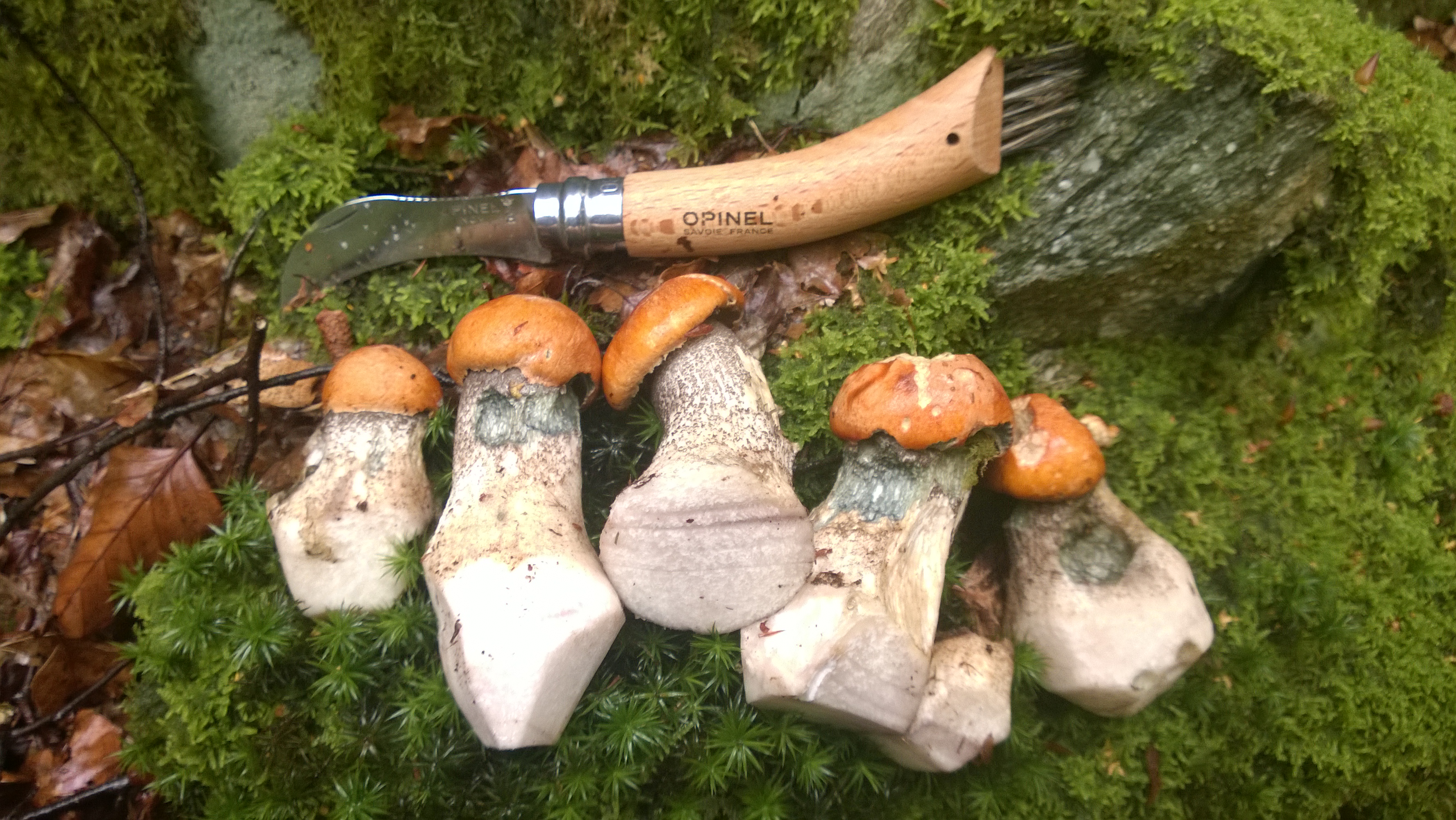
- Sharp knife: A small, clean blade allows for precise cuts. Folding knives or mushroom knives with a brush are ideal.
- Soft brush: To remove dirt and debris from the mushroom cap or base.
- Basket or mesh bag: For collecting mushrooms. Mesh allows spores to fall out, which can help spread fungi in the wild.
- Gloves: Optional, but useful for handling certain species or protecting your hands.
Using a mesh bag is a small action with a big impact in the wild. As you walk, spores fall to the ground, increasing the chances for new patches next season.
Why Not Pull Mushrooms?
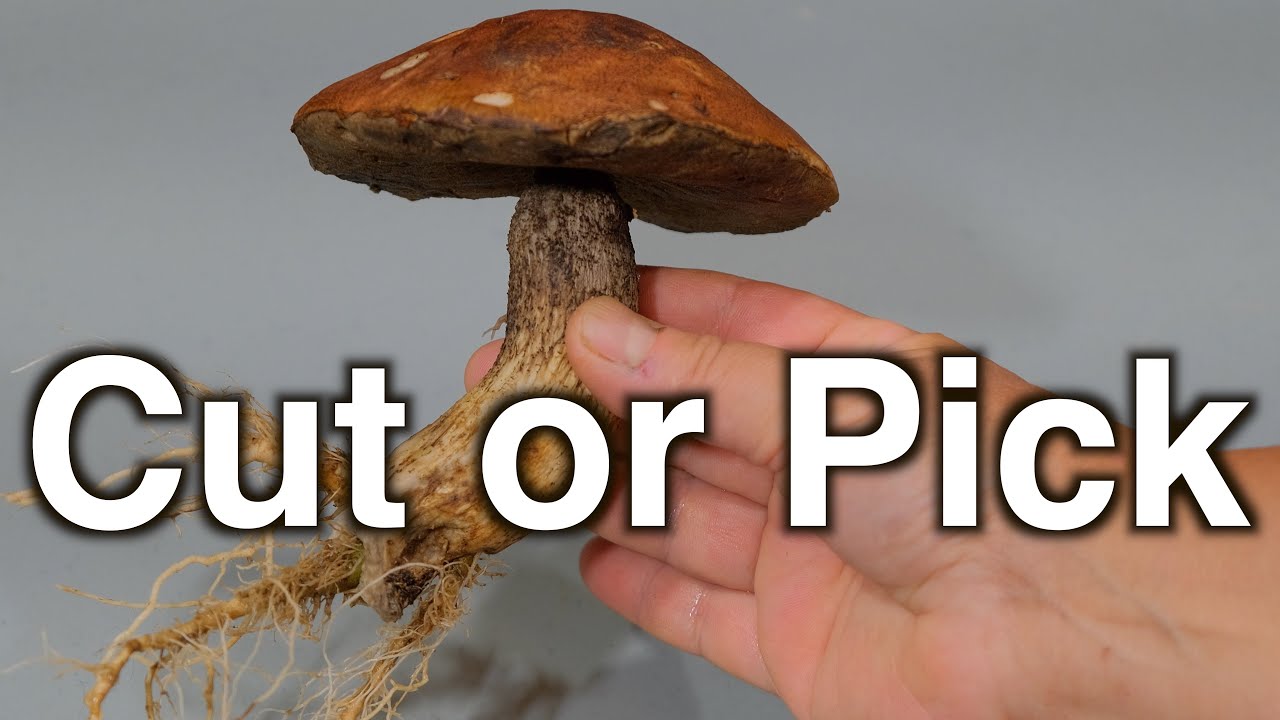
Pulling mushrooms by hand is a common beginner mistake. This often rips the mycelium, especially with deep-rooted species like stropharia or shiitake. Using a knife to cut at the base is safer and cleaner.
With some mushrooms, pulling can even bring up clumps of substrate, damaging roots and disturbing nearby mycelium. This can create openings for weeds, pests, or contamination.
Keeping Tools Clean
Dirty tools can carry disease or other fungi. Always clean your knife before and after each harvest, especially if you work in different patches.
A simple tip is to carry a small bottle of alcohol or sanitizer and wipe your knife between patches. This is especially important if you notice any signs of mold or rot in your patch.
Step-by-step Guide: How To Harvest Mushrooms Properly
Here is a detailed method to harvest mushrooms while keeping the mycelium unharmed.
1. Identify The Right Mushrooms
Never harvest mushrooms unless you are sure of their identity. Some edible species grow alongside poisonous lookalikes. Use a reliable field guide or seek expert advice if you are unsure.
Mushroom identification is a skill that takes time to develop. Beginners often make mistakes with mushrooms like false morels, which look similar to true morels but can be toxic.
2. Locate The Base Of The Mushroom
Gently brush away any leaves or debris so you can see where the mushroom meets the substrate. Do not dig into the soil—just clear the surface.
This step is important because some mushrooms grow in clusters, and you want to avoid accidentally damaging nearby stems or the surrounding mycelium.
3. Make A Clean Cut
With your sharp knife, cut the mushroom as close to the base as possible. The cut should be straight and smooth, not jagged. This leaves the mycelium and underground stem intact.
A clean cut also helps prevent disease from entering the mycelium through a torn or ragged wound.
4. Gently Lift The Mushroom
After cutting, gently lift the mushroom cap and stem away. Avoid twisting or pulling, which can still disturb the mycelium.
If you feel resistance, check for hidden roots or connections and cut again rather than forcefully pulling.
5. Brush Off Dirt
Use a soft brush to remove soil or debris from the mushroom. Do this on-site, so you don’t bring dirt into your basket or kitchen.
This also reduces the risk of spreading soil-borne pests or contaminants between patches.
6. Leave The Site Tidy
Cover the spot with leaves or substrate. This helps protect the exposed mycelium and keeps humidity stable.
Replacing the cover also helps prevent weeds or unwanted organisms from taking hold in your mushroom patch.
7. Check For Remaining Parts
If a piece of stem breaks off, leave it. The mycelium will absorb it, and it may even help future growth.
Some growers believe that leftover stems can even trigger more mushroom formation in the same spot, as they decompose and feed the network.
Example: Harvesting Oyster Mushrooms
- Wait until the caps are broad but not upturned.
- Cut the whole cluster at the base with a knife.
- Do not pull; oyster mushrooms are especially prone to tearing the mycelium.
- Clean and collect in a mesh bag.
Oyster mushrooms bruise and dry out quickly, so handle them gently and store them with space to breathe.
Example: Harvesting Shiitake Mushrooms
- Harvest when the cap edge is still curved down.
- Use a knife to cut the stem near the log or block.
- Shiitake stems are tough, so cutting is always better than pulling.
With shiitake, it’s also wise to rotate where you harvest on a log, so one area isn’t stressed repeatedly.
Cut Vs. Pull Technique Comparison
Here’s a quick look at the results of cutting versus pulling mushrooms.
| Method | Mycelium Impact | Future Yield | Cleanliness |
|---|---|---|---|
| Cutting with Knife | Minimal Disturbance | High | Clean |
| Pulling by Hand | Significant Damage | Reduced | Often Dirty |
Credit: gallowaywildfoods.com
Harvesting Wild Mushrooms Vs. Cultivated Mushrooms
While the core technique is the same, there are extra points to consider for wild and home-grown mushrooms.
Wild Mushrooms
- Conservation: Only harvest what you need, usually no more than a third of a patch.
- Legal rules: Some areas restrict wild mushroom picking. Always check local regulations.
- Spore spreading: Use a mesh bag in the wild, so spores can fall and help new mushrooms grow.
Wild mushrooms can sometimes be a food source for wildlife, so leaving some behind supports the ecosystem.
Cultivated Mushrooms
- More control: You can harvest all mature mushrooms, as the patch will continue to fruit if the mycelium is healthy.
- Sanitation: Cleanliness is critical in indoor setups to prevent disease.
- Harvest schedule: Some species fruit in flushes, so check daily and harvest promptly.
In cultivation, you can also monitor and adjust humidity, temperature, and substrate, which helps keep the mycelium productive for longer.
Wild Vs. Cultivated Harvesting Differences
| Aspect | Wild Mushrooms | Cultivated Mushrooms |
|---|---|---|
| Harvest Amount | Partial (for sustainability) | Full (if mature) |
| Tools Needed | Knife, brush, mesh bag | Knife, brush, clean basket |
| Sanitation Importance | Moderate | Very High |
| Spore Return | Encouraged | Not necessary |
Special Tips For Different Mushroom Types
Different mushrooms need slightly different handling. Here’s how to approach some of the most common types.
Button Mushrooms (agaricus Bisporus)
- Grown in compost or trays.
- Cut at the base with a knife.
- Harvest when caps are closed for best flavor.
If you wait too long, the caps open and the flavor changes. This also exposes the gills, which shortens shelf life.
Oyster Mushrooms (pleurotus Spp.)
- Grow in clusters.
- Cut the whole cluster at the base.
- Handle gently; oyster mushrooms bruise easily.
Oyster mushrooms can continue to fruit from the same spot, so never pull the base out.
Shiitake Mushrooms (lentinula Edodes)
- Grown on logs or blocks.
- Use a knife to cut the stem close to the substrate.
- Do not pull; logs can be damaged.
Shiitake logs can fruit for years with gentle harvesting and regular soaking.
Morel Mushrooms (morchella Spp.)
- Found in forests, often under trees.
- Cut at the base with a knife.
- Leave a portion behind to help spore spread.
Because morels are hollow and delicate, handle them with care to avoid crushing.
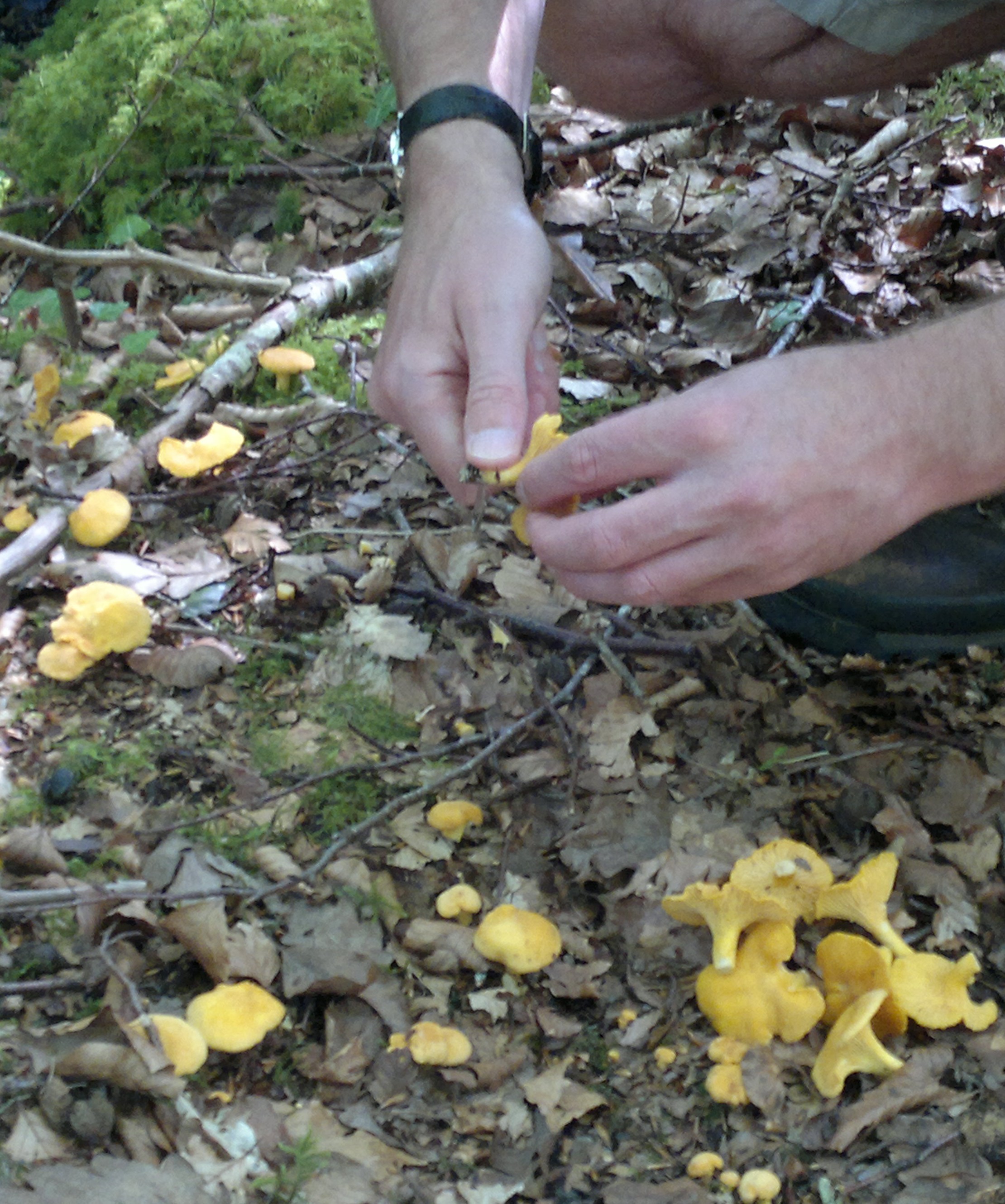
Chanterelle Mushrooms (cantharellus Spp.)
- Grow on soil or moss.
- Cut or pinch at the base.
- Handle carefully; they are delicate.
Chanterelles often grow in the same spot year after year if undisturbed.
Lion’s Mane (hericium Erinaceus)
- Grows on wood.
- Slice at the base with a clean knife.
- Avoid breaking the substrate.
Lion’s Mane can be large and heavy, so support the fruiting body with your hand while cutting.
Harvesting Tips For Popular Mushrooms
| Mushroom | Harvest Method | Best Stage |
|---|---|---|
| Button | Cut at base | Cap closed |
| Oyster | Cut cluster | Cap flat, not upturned |
| Shiitake | Cut stem | Cap 70–90% open |
| Morel | Cut at base | Fully grown, before soft |
| Chanterelle | Cut or pinch | Bright color, firm |
| Lion’s Mane | Slice at base | White, dense |
Credit: gallowaywildfoods.com
Mistakes To Avoid When Harvesting
Even experienced mushroom pickers can make mistakes that hurt the mycelium. Here are some of the most common errors and how to avoid them.
1. Pulling Instead Of Cutting
Pulling mushrooms seems quick, but it often rips the mycelium. Always use a sharp knife and cut at the base.
2. Digging Into The Substrate
Removing too much soil or substrate exposes the mycelium to air and disease. Only clear what you need to see the base.
3. Harvesting All Mushrooms
In the wild, leave some mushrooms behind. This allows the mycelium to keep spreading and ensures spores are released.
4. Ignoring Tool Cleanliness
Dirty tools can introduce competing fungi or bacteria. Clean your knife and basket between uses.
5. Walking On The Patch
Trampling the area can crush the mycelium. Step carefully, and avoid compacting the soil.
6. Overharvesting
Taking too many mushrooms from a wild patch can weaken the mycelium. Follow local guidelines and only take what you need.
7. Not Covering The Patch
Leaving the substrate exposed dries out the mycelium. Replace leaves or substrate after harvesting.
Non-obvious Insights
- Mushrooms are mostly water. If you harvest during dry weather, the mycelium can be stressed. Water the patch lightly (in cultivation) after picking to help recovery.
- Cutting mushrooms can sometimes trigger the mycelium to produce more fruiting bodies, especially in controlled environments.
- In some wild environments, leaving older mushrooms in place can help attract insects and wildlife that contribute to the forest’s health, indirectly supporting the mycelium.
Caring For The Patch After Harvest
After harvesting, a little care can make a big difference in future yields.
Replace Substrate Cover
Always cover the cut spot with leaves, straw, or other substrate. This keeps humidity up and protects the mycelium from sunlight and wind.
This also helps moderate temperature swings, which can stress the mycelium, especially in outdoor patches.
Water If Needed
If the weather is dry or the substrate feels light, water gently to keep moisture levels stable. Mycelium needs consistent humidity for best results.
Aim for damp, not soggy, conditions. Overwatering can encourage mold or rot.
Remove Debris
Old or rotting mushrooms should be removed, as they can attract pests or disease.
Don’t compost diseased mushrooms near your patch, as spores may carry back problems.
Watch For Pests Or Disease
Check your patch regularly for signs of slugs, mold, or strange colors. Early action can prevent bigger problems.
If you see contamination, remove affected mushrooms and substrate immediately.
Credit: www.youtube.com
Long-term Patch Management
Harvesting is just one part of the cycle. To keep your mushroom bed healthy year after year, follow these practices.
Rotate Harvest Areas
If you have a large patch, rotate where you harvest to avoid stressing one spot. This gives the mycelium time to recover.
For logs or blocks, mark or remember which sections you’ve harvested recently.
Add Fresh Substrate
Over time, the substrate is used up. Add fresh compost, straw, or wood chips as needed to feed the mycelium.
In cultivated beds, a thin layer added after each flush can extend the productive life of the patch.
Monitor Patch Health
Look for signs of healthy growth: new white mycelium, regular mushroom flushes, and minimal pests. If growth slows, check for compaction or contamination.
Healthy patches often have a sweet, earthy smell. A sour or sharp odor can mean problems.
Avoid Chemicals
Do not use pesticides, herbicides, or chemical fertilizers near your patch. These can kill the mycelium.
Even some natural sprays can be harmful, so use caution with anything not intended for mushrooms.
Let Some Mushrooms Mature
Allow some mushrooms to fully mature and release spores. This helps the mycelium expand and keeps the patch producing.
This is especially important in wild areas, where the patch relies on natural reproduction.
When To Leave Mushrooms Alone
Sometimes, the best thing you can do is not harvest at all.
- Endangered species: If you find rare or threatened mushrooms, leave them to grow and spread.
- Sick or contaminated patches: If you see mold or rot, avoid harvesting until the problem is solved.
- Very small patches: Let the mycelium build strength before taking any mushrooms.
By waiting, you allow the mycelium to recover and potentially produce larger or more frequent flushes in the future.
Storing And Using Fresh Mushrooms
Once you’ve harvested carefully, handle your mushrooms gently to preserve their quality.
Cleaning
Brush off dirt in the field. Avoid washing mushrooms until just before cooking, as they absorb water.
If you must clean them, use a slightly damp cloth instead of soaking in water.
Storage
- Store in a paper bag in the fridge for up to a week.
- Do not use plastic bags—they trap moisture and cause spoilage.
For best results, place the bag in the vegetable drawer, where humidity is slightly higher but airflow is good.
Drying
Some mushrooms, like morels and shiitake, can be dried for long-term storage. Slice and air dry or use a dehydrator.
Dried mushrooms can be stored for months and rehydrated in water before cooking.
Cooking
Fresh mushrooms are best cooked soon after harvest. They can be sautéed, grilled, or added to soups and stews.
Some mushrooms, like morels, must be cooked before eating to remove toxins. Always check preparation advice for your chosen species.
The Importance Of Community And Regulations
If you forage wild mushrooms, you are part of a larger community. Follow local rules, respect private land, and harvest sustainably. Many countries have laws about mushroom picking—always check before you collect.
If you find a new or interesting mushroom, share information with local mycological groups. This helps track rare species and supports conservation.
For more details on mushroom laws and identification, the Mushroom Hunting Wikipedia page is a helpful resource.
Frequently Asked Questions
What Happens If I Damage The Mycelium While Harvesting?
Damaging the mycelium can reduce future mushroom harvests and make the patch more vulnerable to disease. Small cuts usually heal, but pulling or digging can kill parts of the mycelium. Always use a knife and gentle technique.
Is It Better To Cut Or Twist Mushrooms When Harvesting?
Cutting with a sharp knife is the best method. Twisting can tear the mycelium, especially with mushrooms that have thick stems or are rooted deeply.
How Much Of The Patch Should I Harvest At Once?
In wild patches, only harvest about one-third of the available mushrooms. In cultivated beds, you can harvest all mature mushrooms, as long as the mycelium is healthy and the substrate is maintained.
Can I Harvest Mushrooms In The Rain?
Yes, but be careful. Wet mushrooms can bruise easily, and the substrate may be soft, making it easier to disturb the mycelium. Wear gloves and step lightly.
How Do I Tell If Mycelium Is Healthy After Harvesting?
Healthy mycelium looks white and spreads across the substrate. If it turns yellow, brown, or develops a foul smell, it may be contaminated. Regular mushroom flushes are also a good sign.
Harvesting mushrooms without damaging the mycelium is both an art and a science. With the right knowledge, tools, and respect for the process, you can enjoy fresh mushrooms season after season. Each careful harvest strengthens your connection to the hidden world beneath the surface and ensures a thriving patch for years to come.