
When you buy a mushroom supplement, you expect it to support your health and give you the benefits you paid for. But how long do these supplements actually stay effective? Many people worry about expiration dates and whether their mushroom capsules or powders lose power over time. Some even ask if expired mushroom supplements can be harmful or just less potent.
Understanding how long mushroom supplements stay potent is important for your health and your wallet. Throwing out good supplements wastes money, but using weak or spoiled ones wastes your efforts. The truth is, supplement potency depends on several factors—type of mushroom, how it’s processed, how you store it, and the form (capsule, powder, tincture).
If you want to get the most from your mushroom supplements, it pays to know what affects their shelf life, how to spot potency loss, and the best ways to store them. This guide covers everything you need to know about mushroom supplement expiration—from science to practical tips, with answers to questions even experienced users sometimes miss.
What Makes Mushroom Supplements Lose Potency?
Mushroom supplements are made to deliver specific benefits—immune support, brain health, energy, and more. But what actually makes these supplements lose their strength over time? The main factors are:
- Exposure to air (oxygen): Oxidation breaks down active compounds.
- Light exposure: UV light can degrade polysaccharides and other nutrients.
- Moisture: Humidity invites mold and bacteria, damaging the product.
- Heat: High temperatures speed up chemical reactions that destroy potency.
- Time: Even in perfect conditions, all supplements slowly lose strength.
Mushroom supplements contain unique compounds like beta-glucans, triterpenes, and ergothioneine. These are sensitive to their environment. For example, heat and moisture can lower the amount of beta-glucans, which are key for immune support. Over time, the mushroom’s active ingredients break down, so you get less benefit.
Typical Shelf Life Of Different Mushroom Supplements
Different mushroom supplements last for different lengths of time. Here’s what you need to know about the most common forms:
Capsules And Tablets
Most mushroom capsules and tablets have a shelf life of 18 to 36 months from the manufacturing date if unopened and stored properly. This is due to their low moisture content and protective packaging. After opening, exposure to air and moisture can reduce potency, so it’s best to use them within 6-12 months.
Powders
Mushroom powders, like reishi or lion’s mane, usually last 12 to 24 months unopened. Powders are more sensitive to air and moisture than capsules. Once opened, the shelf life can drop to 6-9 months if not stored tightly.
Tinctures And Liquid Extracts
Alcohol-based tinctures are the most stable form, often lasting 2 to 5 years. Alcohol preserves the mushroom’s compounds, protecting them from bacteria and oxidation. However, glycerin-based or water-based extracts may last only 12-18 months.
Gummies And Chews
Mushroom gummies have a shorter shelf life, usually 6 to 12 months. The high sugar and moisture content makes them more likely to spoil or lose strength.
Ready-to-drink Beverages
Pre-mixed drinks with mushrooms may only last 3 to 9 months, depending on preservatives and packaging.
Here’s a quick comparison:
| Supplement Form | Typical Shelf Life (Unopened) | After Opening |
|---|---|---|
| Capsules/Tablets | 18-36 months | 6-12 months |
| Powders | 12-24 months | 6-9 months |
| Alcohol Tinctures | 2-5 years | 1-3 years |
| Gummies/Chews | 6-12 months | 3-6 months |
| Ready Drinks | 3-9 months | 1-2 months |
Factors That Affect Potency And Expiration
Not all mushroom supplements are the same. Several key factors change how long your supplement stays effective:
1. Type Of Mushroom
Some mushrooms have compounds that are more stable. Chaga and reishi tend to last longer because their active ingredients are less sensitive to oxidation. Cordyceps and lion’s mane may lose potency faster, especially as powders.
2. Processing Method
Supplements made with hot water extraction or dual extraction are often more stable. They remove moisture and concentrate active ingredients, which helps shelf life. Whole dried mushrooms, on the other hand, may spoil faster if not fully dried.
3. Packaging Quality
High-quality packaging protects against air, light, and moisture. Dark glass bottles, foil pouches, and desiccant packs help maintain potency much longer than clear plastic or paper packaging.
4. Storage Conditions
Supplements kept in cool, dark, and dry places hold their potency far longer. Storing them in the kitchen or bathroom exposes them to heat and humidity, which speeds up expiration.
5. Preservatives And Additives
Some supplements add antioxidants or preservatives. This can slow down the loss of potency, but too many additives may lower supplement quality.
6. Frequency Of Opening
Each time you open a container, air and moisture can get in. If you use your supplement every day, consider transferring a small amount to another container and keeping the main batch sealed tightly.
How To Read Expiration Dates And Lot Numbers
Every supplement should have an expiration date printed on the bottle. But what does it mean?
- The expiration date is the last day the maker guarantees full potency and safety.
- “Best by” or “Use by” dates are similar, but sometimes mean the product is still safe afterward, just less potent.
- Lot numbers help track the batch and production date. If the product is recalled, this number is important.
Some companies use codes, like “EXP 06/2025” (expires end of June 2025) or “MFG 03/2023” (made in March 2023). Always check before buying—older products have less time left.
If you buy from a store with slow sales, check the date carefully. Some stores keep supplements long after they should be sold.
What Happens When Mushroom Supplements Expire?
Taking expired mushroom supplements is usually not dangerous if the product looks and smells normal. But you may notice:
- Reduced potency: Key compounds like beta-glucans and polysaccharides break down. Benefits for immunity, focus, or energy will be lower.
- Taste and smell changes: Old supplements may taste bitter, sour, or musty.
- Texture changes: Powders may clump, capsules might get soft or sticky.
- Possible mold or spoilage: If moisture got in, there may be mold, unusual smells, or visible spoilage.
If you see, smell, or taste anything off, throw the supplement away. Do not risk your health for a weak or spoiled product.
Signs Your Mushroom Supplement Has Lost Potency
It’s not always easy to tell if a supplement has gone bad. Look for these signs:
- Color fading: Fresh powders are usually rich brown, cream, or tan. Faded or grayish color may mean breakdown.
- Clumping: Powders that stick together or get hard have absorbed moisture.
- Unusual odor: A musty, sour, or chemical smell is a warning.
- Mold or spots: Any dark or fuzzy patches mean contamination.
- Loss of effect: If you no longer feel the benefits, the active compounds may be gone.
If you’re not sure, compare with a new batch or check the company’s website for more info.
How To Store Mushroom Supplements For Maximum Potency
Proper storage is the best way to keep your supplement fresh and potent. Here’s what works:
- Keep them airtight: Always close the container tightly after each use.
- Store in a cool, dry place: A pantry or cupboard away from heat sources works best.
- Avoid sunlight: Use dark bottles or store away from windows.
- Use desiccant packs: Keep the small silica gel packs inside with the product.
- Do not refrigerate powders: Fridge moisture can cause clumping.
- Avoid kitchens and bathrooms: These rooms have heat and humidity.
If you live in a very humid area, consider a small dehumidifier for your supplement storage.
Are There Differences Between Brands?
Yes, not all brands are equal when it comes to shelf life and potency. Some key differences:
- Premium brands invest in better extraction, packaging, and quality control.
- Cheaper brands may use lower quality mushrooms or poor processing.
- Some brands add unnecessary fillers or sweeteners, which can spoil faster.
Always check reviews, reputation, and lab testing. Look for brands that publish third-party test results showing their supplement’s beta-glucan or triterpene content. A well-known example is the US Pharmacopeia (USP) or NSF certification.

Credit: www.miraculix-lab.de
Common Myths About Mushroom Supplement Expiration
Many people believe things about supplement expiration that simply aren’t true. Here are a few myths, and the real facts:
- Myth: Expired supplements are dangerous.
Fact: Most expired mushroom supplements are just less potent, not harmful, unless spoiled.
- Myth: Freezing extends shelf life.
Fact: Freezers cause condensation and moisture, which can damage powders and capsules.
- Myth: “Natural” means longer lasting.
Fact: Natural supplements without preservatives can spoil faster if not stored right.
- Myth: If it smells fine, it’s 100% effective.
Fact: You can’t always see or smell a loss in potency.
Two insights beginners often miss: First, even if your supplement looks and smells normal, the key health compounds can still be gone. Second, some brands underdose their supplements from the start—so an “expired” supplement may never have been potent to begin with.
Real Data: How Fast Do Mushroom Compounds Break Down?
Scientific studies have measured how fast mushroom compounds degrade. One study found that beta-glucans in reishi mushrooms lost about 15% potency after 12 months at room temperature. Another showed that polysaccharides in lion’s mane dropped by 25% after 18 months if exposed to air and light.
Here’s a summary of real-world data:
| Mushroom Type | Main Compound | Potency Loss (12 Months, Room Temp) | Best Storage |
|---|---|---|---|
| Reishi | Beta-glucans | 15% | Dark, dry, cool |
| Lion’s Mane | Polysaccharides | 20-25% | Air-tight, low light |
| Chaga | Triterpenes | 10% | Sealed container |
| Cordyceps | Cordycepin | 18% | Cool, dry |
What does this mean for you? Even under good conditions, mushroom supplements slowly lose power. The longer you keep them, the less benefit you get.
How To Test If Your Mushroom Supplement Is Still Potent
If you want to know if your supplement is still effective, here are some simple steps:
- Check the expiration date: If it’s past the date, potency is likely lower.
- Inspect the product: Look for color, smell, and texture changes.
- Review your results: Are you feeling the same effects as before?
- Contact the company: Some brands will test older batches for you.
- Compare with a new batch: Try a fresh product and see if you notice a difference.
Remember, the most reliable way is to use your supplement before the expiration date.
When Should You Throw Away Your Mushroom Supplements?
Throw away your supplement if:
- There’s any sign of mold, odd smell, or discoloration.
- The powder or capsules are damp, sticky, or clumped.
- You feel sick after using it.
- It’s more than 6 months past expiration, even if it looks fine.
If you’re not sure, it’s safer to buy a new batch. The cost of a new bottle is far less than the risk of getting sick.
Maximizing The Value Of Your Mushroom Supplements
To get the most out of your investment:
- Buy in smaller amounts: Don’t stock up more than a 3-6 month supply.
- Label opened products: Write the date you opened the container.
- Finish opened products first: Use the oldest ones before newer batches.
- Store correctly: Keep them in the best possible conditions.
- Check for third-party testing: Choose brands that test for potency and purity.
Many people waste money by buying big containers that expire before they’re finished. Buy what you’ll use, and store it right.
Does Formulation Type Affect Shelf Life?
The way your supplement is made can change how long it lasts.
Whole Mushroom Vs. Extract
- Extracts (like hot water or alcohol-extracted powders) usually last longer because they’re more concentrated and have less moisture.
- Whole mushroom powders can spoil faster, especially if not fully dried.
Single-mushroom Vs. Multi-mushroom Blends
- Blends may have a shorter shelf life, since one weaker ingredient can lower the stability of the whole mix.
Added Ingredients
- Supplements with sweeteners, fruit powders, or other nutrients can spoil quicker. Check the label for added ingredients.
Are Organic Mushroom Supplements More Stable?
Organic supplements are popular for their clean sourcing, but they do not always last longer. In fact:
- Organic products may have fewer preservatives, which can lower shelf life.
- They must be stored more carefully to prevent spoilage.
Still, many people prefer organic for health and environmental reasons. Just remember to keep them in ideal conditions.
The Role Of Extraction In Potency And Shelf Life
The method used to extract mushroom compounds affects both the potency and how long it lasts.
- Hot water extraction: Best for beta-glucans, creates a stable powder.
- Alcohol extraction: Good for triterpenes and other fat-soluble compounds, very stable.
- Dual extraction: Combines both, creating a supplement with a broad spectrum of actives and good shelf life.
Supplements that only grind whole mushrooms without extraction usually lose potency faster, because the active compounds are trapped in the cell walls and break down over time.

Credit: www.eversiowellness.com
Should You Refrigerate Or Freeze Mushroom Supplements?
For most supplements, refrigeration is not needed and can actually cause problems. Powders and capsules can absorb moisture and clump in the fridge. Freezing is not recommended, as condensation can destroy potency and invite mold.
The only exception is liquid tinctures, which can sometimes be kept in the fridge if you live in a very hot climate. Always follow the label.
How Manufacturers Test For Potency And Expiration
Reputable brands use lab tests to measure the amount of active compounds over time. Tests include:
- HPLC (High-performance liquid chromatography): Measures beta-glucans, triterpenes, and polysaccharides.
- Microbial testing: Checks for bacteria, yeast, and mold.
- Moisture content: Ensures the product is dry enough to last.
Companies set expiration dates based on these tests. If you’re curious, ask the company for a Certificate of Analysis (COA).
Are There Risks In Using Expired Mushroom Supplements?
For most healthy adults, expired supplements are not dangerous if stored well. But risks increase if:
- You have a weak immune system.
- The product was exposed to moisture or heat.
- There are visible signs of spoilage.
In rare cases, spoiled supplements can cause stomach upset, nausea, or allergic reactions. When in doubt, play it safe.
How To Choose Mushroom Supplements With Longer Shelf Life
When shopping, look for:
- Opaque, sealed packaging (dark glass or foil).
- Low moisture content (check for a dry, free-flowing powder).
- Manufacture and expiration dates clearly printed.
- Third-party tested for potency and contaminants.
- No unnecessary fillers or sweeteners.
Avoid buying bulk supplements from open bins or markets, as these spoil fastest.
Examples Of How Expiration Affects Real Benefits
Imagine you buy a lion’s mane powder for brain support. If the supplement is already 18 months old, studies suggest it may have 20% less active compound. That means you’d need to take more to get the same effect—or you might not feel any difference at all.
Or, if you buy a reishi tincture that’s 4 years old, it may still be safe but could have lost much of its immune support power.
Always check the date, especially if you depend on the supplement for a health concern.
How Mushroom Supplements Compare To Other Supplements
Compared to vitamins and minerals, mushroom supplements are a bit more sensitive to storage and expiration.
- Vitamins like C and B12 are stable for years if kept dry.
- Mushroom polysaccharides and triterpenes break down faster if exposed to air or moisture.
- Probiotics are even more sensitive than mushrooms—often dying within months if not refrigerated.
So, treat your mushroom supplements with care, but don’t panic if you find an older bottle. Just check for freshness.
What The Research Says
Current research shows that mushroom supplements lose about 10-25% potency per year under normal conditions. Heat, light, and moisture speed this up.
A 2021 review published in the Journal of Food Science noted that proper packaging and storage can double the shelf life of mushroom powders. For more scientific details, see the Wikipedia page on mushrooms.
Final Thoughts: Getting The Most From Your Mushroom Supplements
The bottom line: Mushroom supplement expiration is real, and potency does fade over time. How fast this happens depends on the type of supplement, how it’s made, and especially how you store it. For best results, buy only what you’ll use in a few months, keep it in a cool, dry, dark place, and always check the expiration date. If you notice any changes in smell, color, or effect, it’s time for a new batch.
Treat your supplements with care and you’ll get the most benefit for your health and your money.
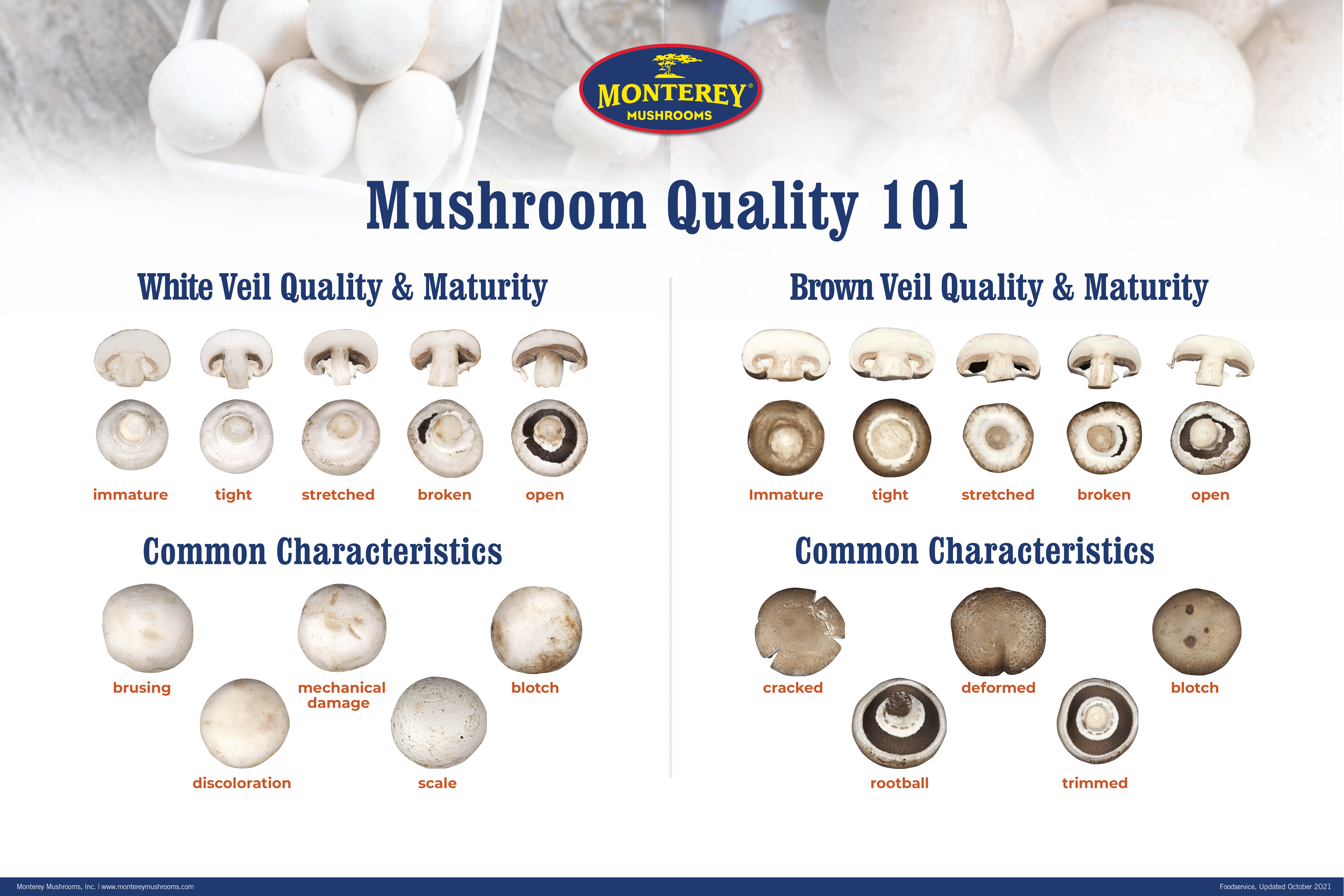
Credit: www.montereymushrooms.com
Frequently Asked Questions
How Long Do Mushroom Supplements Last After Opening?
Most mushroom supplements last 6 to 12 months after opening, if stored properly in a cool, dry place. Powders may lose potency faster, so aim to finish them within 6-9 months. Always close the container tightly and avoid exposing it to air and moisture.
Is It Safe To Take Expired Mushroom Supplements?
Expired mushroom supplements are usually not harmful if they look, smell, and taste normal. However, they may have lost potency, so you won’t get the full benefits. If there’s any sign of spoilage (mold, sour smell, clumping), do not use them.
Can I Store Mushroom Supplements In The Refrigerator Or Freezer?
It’s best not to refrigerate or freeze mushroom powders or capsules. Moisture can cause clumping and spoilage. Keep them in a cool, dry, dark cupboard instead. Liquid tinctures may be stored in the fridge if the label allows.
How Do I Know If My Mushroom Supplement Is Still Potent?
Check the expiration date, look for changes in color, smell, and texture, and note if you still feel the usual effects. If the supplement seems weak or off in any way, it may have lost its potency. Comparing with a new batch can help you decide.
What Is The Best Way To Store Mushroom Supplements For Maximum Shelf Life?
Store mushroom supplements airtight, in a cool, dry, dark place—like a cupboard away from the stove or bathroom. Keep desiccant packs inside, and avoid frequent opening. Proper storage is the key to keeping your supplement potent until the expiration date.