
Making your own mushroom tinctures at home can feel both empowering and rewarding. If you want to get the most out of medicinal mushrooms, there’s one technique that stands above the rest: the dual extraction method. This process brings out both water-soluble and alcohol-soluble compounds, giving you a broad spectrum of benefits in just a few drops.
Many people buy commercial mushroom tinctures, but homemade versions let you control the ingredients, strength, and quality. Whether you’re interested in reishi, chaga, lion’s mane, or other healing fungi, learning how to make your own tincture is a skill that serves you for life.
In this detailed guide, you’ll discover what dual extraction means, why it matters, and exactly how to create mushroom tinctures at home. Along the way, you’ll pick up tips, avoid common mistakes, and understand the science behind the process. By the end, you’ll feel confident enough to start your own batch and enjoy the deep benefits of mushrooms in their purest form.
What Is The Dual Extraction Method?
The dual extraction method is a process that uses both alcohol and water to extract the active compounds from mushrooms. Most medicinal mushrooms contain two main types of beneficial elements:
- Polysaccharides (like beta-glucans): Water-soluble compounds known for immune support.
- Triterpenoids, sterols, and other alcohol-soluble compounds: Linked to anti-inflammatory, adaptogenic, and neuroprotective effects.
A single extraction—just using alcohol or just water—leaves out a significant portion of these health-promoting chemicals. Dual extraction ensures you get the full spectrum.
In simple terms, the dual extraction method means:
- Soaking dried mushrooms in alcohol to draw out alcohol-soluble compounds.
- Boiling the same mushrooms in water to draw out water-soluble compounds.
- Combining both extracts for a powerful, well-rounded tincture.
This method is preferred by herbalists and functional medicine practitioners because it maximizes the range of active compounds you ingest. It’s also more cost-effective, as you get more value from your raw materials. Some people find that dual-extracted tinctures taste richer and have a more noticeable effect, especially when used daily for wellness routines.
Why Dual Extraction Matters
Many beginners wonder if dual extraction is really necessary. Let’s look at why it’s so important for medicinal mushroom tinctures:
- Complete profile: Some compounds dissolve only in water, others only in alcohol. Single extractions miss half the benefits.
- Stronger effects: Studies show that dual-extracted tinctures have higher concentrations of both beta-glucans and triterpenes.
- Tradition meets science: Ancient herbalists used decoctions (water) and infusions (alcohol) for different ailments. Modern research confirms that both are needed for full potency.
For example, reishi contains triterpenes that support liver health. These are only released through alcohol extraction. Its beta-glucans, which boost the immune system, require hot water extraction. Skipping either step gives you an incomplete remedy.
Another good example is chaga. Chaga is famous for its antioxidant content, especially the pigment melanin and betulinic acid, which are best extracted with alcohol. Meanwhile, its polysaccharides that support immune health only come out with hot water. This means that without dual extraction, you would miss out on chaga’s full potential.
Some new users try to shortcut the process by only making a tea or a simple alcohol tincture. While these methods have value, they don’t provide the full range of mushroom benefits. If you’re investing in high-quality mushrooms, it makes sense to use a method that extracts everything you’re hoping to get.

Credit: www.amazon.com
Choosing Your Mushrooms
Picking the right mushrooms is the first step in making a powerful tincture. Not all mushrooms are suitable for dual extraction.
Popular Medicinal Mushrooms For Tinctures
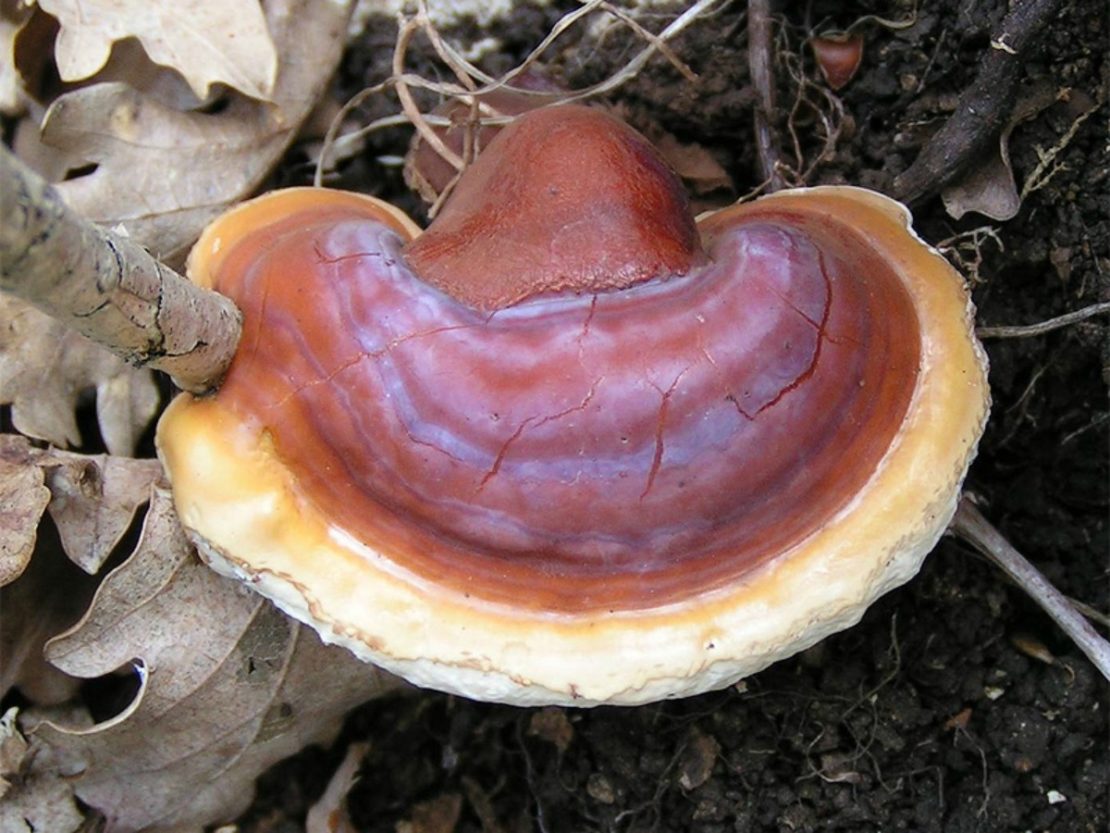
1. Reishi (ganoderma Lucidum)
Known for its calming effects, immune support, and liver protection. Reishi tincture is often used for better sleep and stress relief.
2. Chaga (inonotus Obliquus)
Rich in antioxidants and studied for anti-inflammatory properties. Chaga grows on birch trees and is sometimes called the “King of Medicinal Mushrooms. ”
3. Lion’s Mane (hericium Erinaceus)
Supports brain health, memory, and nerve regeneration. Lion’s mane is popular among students and professionals for its potential cognitive benefits.
4. Turkey Tail (trametes Versicolor)
Famous for immune-boosting polysaccharides. It’s also being studied as a supportive therapy for cancer patients.
5. Cordyceps (cordyceps Militaris/sinensis)
Used for energy, stamina, and respiratory health. Cordyceps tincture is favored by athletes and those recovering from illness.
6. Maitake (grifola Frondosa)
Supports blood sugar regulation and immune function. Maitake is sometimes called “Hen of the Woods. ”
7. Shiitake (lentinula Edodes)
Contains lentinan, a compound known for immune enhancement. Shiitake is common in Asian cuisine and offers both flavor and health benefits.
Each mushroom has a unique profile. For example, reishi is bitter and works well in small doses, while lion’s mane has a milder taste and can be used more generously. Beginners often start with one type but later experiment with blends for more complex effects.
Selecting High-quality Mushrooms
- Use dried mushrooms for tinctures. Drying breaks down cell walls, making compounds easier to extract.
- Look for whole fruiting bodies rather than mycelium on grain. Fruiting bodies have a higher concentration of active ingredients.
- Choose organic and well-sourced mushrooms. Wild-harvested mushrooms should be identified with care, as some species are toxic.
When buying mushrooms, check for transparency from the supplier. They should be able to tell you if the product is made from fruiting bodies or mycelium, and provide testing data if possible. Fruiting bodies are usually denser, darker, and more aromatic.
If you’re using wild mushrooms, be aware of possible contamination from heavy metals, especially with chaga, which absorbs compounds from its environment. You can also grow your own mushrooms at home for greater control over purity and freshness.
Warning On Foraging
If you pick wild mushrooms, work with a knowledgeable forager or mycologist. Some edible mushrooms have toxic lookalikes.
Never guess if a mushroom is safe. Just one mistake can lead to serious illness. For example, the deadly “Galerina” species look similar to some edible mushrooms. A misidentification could turn a health remedy into a dangerous situation. When in doubt, buy from reputable sources or join a local mycology club for guidance.
What You Need: Tools And Ingredients
Before you start, gather your materials. Clean tools and quality ingredients make a big difference.
Tools
- Glass jars with tight lids (Mason jars work well)
- Strainers or cheesecloth
- Saucepan or small pot
- Measuring cups and spoons
- Sharp knife or scissors
- Dropper bottles for storage
- Labels and a permanent marker
A few extra items can make the process smoother. A funnel helps when pouring liquids into dropper bottles, and a kitchen scale makes measuring mushrooms more precise. If you plan to make tinctures often, investing in stainless steel strainers and good glassware will pay off.
Ingredients
- Dried medicinal mushrooms (see above)
- High-proof alcohol (like 40% vodka or higher)
- Filtered water
Tip: Never use rubbing alcohol or denatured alcohol. Only use food-safe spirits.
Some people prefer using organic vodka or grain alcohol, which is less likely to have additives. Vodka is a popular choice because it has little taste and won’t overpower the mushroom flavor. If you want a higher alcohol content, you can use Everclear, but be careful—it’s very strong and must be diluted for use and safety.
How Much Mushroom To Use
A common ratio is 1 part dried mushroom to 5 parts alcohol (by weight to volume). For example, 50 grams of dried mushroom to 250 milliliters of alcohol.
For water extraction, use enough water to fully cover the mushrooms, usually about 500 milliliters per 50 grams of mushroom.
This ratio creates a tincture that is strong but not overwhelming. If you prefer a lighter tincture, you can use a 1:10 ratio, but most people find 1:5 offers a good balance between potency and taste. Write down your ratio for each batch so you can adjust over time.
Step-by-step Guide: Dual Extraction Mushroom Tincture
Making a dual extraction tincture takes patience, but each step is simple. Here’s how to do it at home.
Step 1: Prepare The Mushrooms
- Clean your mushrooms: Wipe off any dirt with a dry brush or cloth.
- Chop or break into small pieces: The smaller the pieces, the better the extraction.
Tip: Do not powder the mushrooms. Fine powder can be hard to filter later.
If the mushrooms are very tough (like reishi or chaga), a sharp knife or kitchen scissors work best. For mushrooms like lion’s mane, you can tear them by hand. Cutting increases the surface area, allowing alcohol and water to reach more of the active compounds.
Step 2: Alcohol Extraction
- Fill your glass jar with chopped mushrooms.
- Pour alcohol over the mushrooms, making sure they’re fully submerged.
- Seal the jar tightly.
- Label the jar with the date and type of mushroom.
- Store the jar in a cool, dark place for 3-4 weeks.
- Shake the jar once a day to mix.
The alcohol will slowly pull out all the alcohol-soluble compounds.
During this period, you may notice the alcohol changing color, often becoming darker or reddish-brown, depending on the mushroom. If you see any floating pieces, push them down with a clean spoon or add more alcohol to keep everything submerged.
If any part is exposed to air, it can spoil or grow mold.
Step 3: Strain The Alcohol
After 3-4 weeks:
- Strain the liquid through a cheesecloth or fine mesh strainer into a clean container.
- Squeeze out as much liquid as possible from the mushroom pieces.
- Save the mushroom solids for the next step (do not discard! ).
The strained alcohol is now a mushroom tincture, but only half-finished.
Take your time with this step. If you rush, you’ll leave valuable extract in the solids. Some people use a potato ricer or French press to squeeze out extra liquid. Cleanliness matters—make sure your strainer and containers are sanitized.
Step 4: Water Extraction (decoction)
- Place the strained mushroom solids into a saucepan.
- Add filtered water—enough to fully cover the mushrooms.
- Simmer gently (do not boil hard) for 2-4 hours. Keep the lid on to prevent water loss.
- Check water level every 30 minutes. Add more water if needed.
- After simmering, let cool slightly.
The water pulls out the beta-glucans and other water-soluble elements.
Avoid boiling too hard. A gentle simmer is best to prevent breaking down beneficial compounds. You’ll notice the water turning a deep color. For tough mushrooms like chaga, you may need to simmer closer to 4 hours. For softer types, 2 hours is enough.
Step 5: Strain And Reduce
- Strain the liquid again with a fine strainer or cheesecloth.
- Squeeze out all liquid from the mushrooms.
- Optional: Simmer the liquid further to reduce volume by half. This makes the extract stronger.
If you want a thicker, more concentrated tincture, reducing the water extract is a good idea. Be careful not to let it burn. Always taste a small amount to check for bitterness—over-reducing can intensify the flavor in ways you may not enjoy.
Step 6: Combine Alcohol And Water Extracts
- Measure both extracts. The alcohol and water portions should be roughly equal.
- Mix the alcohol and water extracts together. This is now your dual-extracted mushroom tincture.
- Check alcohol content. The final tincture should have at least 25% alcohol to prevent spoilage.
If your water extract is much larger than the alcohol portion, you can reduce it by simmering more, or use more alcohol in your initial extraction. Use a simple calculator or online tool to check the final alcohol percentage—this step is often missed by beginners.
Step 7: Bottle And Label
- Pour tincture into dropper bottles for easy use.
- Label each bottle with the mushroom type, extraction date, and alcohol content.
- Store in a cool, dark place.
Your Tincture Is Ready To Use!
Consider using amber or blue glass bottles, as these help protect the tincture from light. A good label includes the mushroom name, extraction date, and alcohol percentage. This information is helpful if you make several tinctures or share them with friends.
Example: Reishi Mushroom Dual Extraction Tincture
Let’s walk through a real-world example using reishi mushrooms.
Ingredients
- 50 grams dried reishi slices
- 250 ml 40% vodka
- 500 ml filtered water
Process
- Chop reishi into small pieces.
- Combine with vodka in a jar and steep for 4 weeks, shaking daily.
- Strain alcohol and save mushroom pieces.
- Simmer mushrooms in water for 3 hours, let cool, and strain.
- Mix alcohol and water extracts in equal parts.
- Bottle, label, and store.
Yield
You’ll get about 400-450 ml of tincture from this batch.
Practical Insights
Reishi’s taste is very bitter, so it’s usually taken in small amounts. Some people add a few drops to herbal tea or coffee to mask the flavor. If you’re sensitive to bitterness, start with a lower dose and increase as you adjust.
If you want to make larger batches, simply scale up the ingredients. Keep in mind that the drying process reduces the weight of mushrooms by up to 90%, so always measure dried, not fresh, for accuracy.

Credit: prairiedoctorbrand.com
Understanding The Science: What Gets Extracted
It’s helpful to know what’s actually being pulled out during dual extraction.
Alcohol-soluble Compounds
- Triterpenes: Anti-inflammatory, liver-protective, adaptogenic effects.
- Sterols and phenolics: Antioxidant, anti-cancer potential.
Alcohol also extracts smaller molecules like flavonoids and certain pigments. These compounds often have unique effects, such as calming the nervous system or protecting cells from oxidative damage.
Water-soluble Compounds
- Beta-glucans: Immune-modulating and anti-tumor properties.
- Polysaccharides: Support gut health, energy, and overall wellness.
Water extracts are often thick and cloudy because of these complex sugars. They are especially important for immune health and may help with inflammation, allergies, and recovery from illness.
Non-obvious insight: Many mushroom compounds are locked inside chitin—a tough fiber in cell walls that humans can’t digest. Both drying and dual extraction help break down chitin, making the beneficial ingredients more available to your body.
Another insight: The final tincture may look layered or cloudy. This is normal and shows you have both water- and alcohol-soluble compounds. Shake well before each use.
By using both alcohol and water, you capture a broader range of these powerful molecules.
Safety And Dosage Guidelines
Homemade tinctures are strong. Using them safely is important.
Safe Dosage
- Start with 10-20 drops (about 0.5-1 ml) once or twice daily.
- You can add tincture to water, tea, or under the tongue.
Start with a small dose and observe your body’s reaction. Increase slowly if you feel comfortable and want stronger effects. Some people notice changes in energy, mood, or digestion within a few days; for others, it takes longer.
Precautions
- Do not exceed recommended doses without consulting a healthcare provider.
- Not all mushrooms are safe for everyone. Pregnant, breastfeeding, or immunocompromised people should check with a doctor first.
- If you notice any allergic reactions, stop use immediately.
People with mushroom allergies should avoid tinctures, even if the mushrooms are cooked or extracted. Alcohol-based tinctures are not suitable for children or people avoiding alcohol for health, religious, or personal reasons.
Alcohol Content
The final tincture should contain at least 25% alcohol for preservation. Lower percentages can allow bacteria or mold to grow.
If you’re unsure, calculate the total volume of alcohol and water in your mix. For example, if you have 100 ml alcohol and 100 ml water, with 40% alcohol, your final tincture is about 20% alcohol—too low. In this case, reduce the water extract or add more alcohol to reach a safe level.
Shelf Life
Properly stored dual-extracted tinctures last up to 2 years.
Keep tinctures tightly sealed, away from direct sunlight and heat. Over time, you may notice a change in flavor or color—this is normal, but discard if you see mold, separation, or an off smell.
Comparing Extraction Methods
It’s easy to get confused by the different ways to make mushroom tinctures. Here’s a side-by-side look at the main options:
| Method | Compounds Extracted | Time Needed | Shelf Life |
|---|---|---|---|
| Alcohol Only | Triterpenes, sterols, phenolics | 3-4 weeks | 2+ years |
| Water Only | Beta-glucans, polysaccharides | 2-4 hours | Few days (unless preserved) |
| Dual Extraction | Full spectrum (alcohol + water) | 3-4 weeks (total) | 2 years |
Dual extraction stands out for its full-spectrum potency.
If you only use water, you’re making a tea or decoction, which has a short shelf life. Alcohol tinctures last longer but don’t include all immune-boosting compounds. Dual extraction combines the best of both. For people who value potency and shelf life, dual extraction is the gold standard.
Real-world Tips For Better Tinctures
Even experienced makers can improve their tinctures with a few extra tips.
- Use high-proof alcohol: 40% vodka is common, but 50-60% is better if available. Higher proof means better preservation and extraction.
- Don’t powder mushrooms before extraction: Tiny particles clog filters and make straining difficult.
- Keep notes on each batch: Record dates, ratios, and any changes you make. This helps you improve your process.
- Be patient: Rushing the alcohol step results in weaker tincture.
- Check for sediment: If your tincture looks cloudy, let it sit and decant the clear liquid into a new bottle.
- Store away from sunlight: Light and heat can degrade active compounds.
- Always label: After a few months, you might forget which tincture is which.
Non-obvious tip: If you want to blend mushrooms (like reishi and lion’s mane), extract each separately, then mix the finished tinctures. This gives better control over ratios and potency.
Another tip: When making large batches, use wide-mouth jars for easier handling. For even more control, use a pH strip to test your water extract—neutral or slightly acidic is best for most mushrooms.
Mistakes Beginners Often Make
If you’re new to dual extraction, watch out for these common errors.
- Using raw, fresh mushrooms: These contain water, which can cause spoilage during alcohol extraction. Always dry mushrooms first.
- Not using enough alcohol: Mushrooms must be fully submerged at all times during alcohol extraction.
- Over-boiling during water extraction: Too much heat can break down some beneficial compounds. Use a gentle simmer, not a rolling boil.
- Mixing up ratios: Final tincture should have enough alcohol for preservation. Too much water can make it go bad.
- Skipping labels: You’ll regret not labeling—trust the experts on this one.
Extra insight: Beginners sometimes use tap water, which can add unwanted minerals or chemicals. Always use filtered or spring water for best results.
Another mistake: Throwing away mushroom solids too soon. After both extractions, you can compost them or add to your garden—mushroom-rich compost is great for soil health!
How To Use Your Mushroom Tincture
Dual-extracted mushroom tinctures are versatile.
Common Ways To Take Tincture
- Directly under the tongue: Most effective for fast absorption.
- Mixed into tea or coffee: The taste blends well with hot drinks.
- Added to smoothies or food: Easy to include in daily routines.
If you dislike the taste, add the tincture to a spoonful of honey or juice. For children or those avoiding alcohol, simmer the tincture in hot water for a few minutes to evaporate most of the alcohol (but this will reduce shelf life).
How Much To Take
- General wellness: 10-20 drops, once or twice a day.
- For specific support (like stress or immunity): Up to 40 drops, but check with a healthcare professional.
Some people use mushroom tinctures seasonally, increasing their dose during times of stress, travel, or illness. For long-term use, take regular breaks—one week off every two months is a common pattern.
Who Should Not Use Mushroom Tincture?
- Children under 12, unless advised by a doctor.
- Pregnant or breastfeeding women without medical advice.
- Those allergic to mushrooms.
People with auto-immune disorders should use caution, as mushrooms can stimulate the immune system. Always check for possible interactions with medications, especially blood thinners or immune-modulating drugs.
Credit: theherbalacademy.com
Storage, Shelf Life, And Preservation
Proper storage makes your tincture last longer and stay potent.
| Storage Condition | Expected Shelf Life | Notes |
|---|---|---|
| Cool, dark place | Up to 2 years | Best for potency |
| Room temperature | 1.5-2 years | Keep away from sunlight |
| Refrigerator | 2+ years | Not required but extends life |
Tip: If you see mold, cloudiness, or a bad smell, discard the tincture.
Extra insight: Never store tinctures near heat or electronics, as repeated warming and cooling can degrade the compounds. For long-term storage, fill bottles up to the neck to minimize air contact.
Frequently Asked Questions
What Is The Main Benefit Of Dual-extracted Mushroom Tinctures?
Dual extraction gives you the full spectrum of beneficial compounds. Water gets the beta-glucans (immune support), while alcohol pulls out triterpenes and sterols (anti-inflammatory, adaptogenic effects). Using both means you get a stronger, more complete tincture than with a single method.
How Long Does It Take To Make A Dual-extracted Tincture?
The full process usually takes 3-4 weeks. The alcohol extraction is the longest step (3-4 weeks), while the water extraction (decoction) takes 2-4 hours. It’s a slow process, but the results are worth it.
Can I Use Fresh Mushrooms Instead Of Dried Ones?
It’s best to use dried mushrooms. Fresh mushrooms have a lot of water, which can dilute the alcohol and cause spoilage. Drying mushrooms also breaks down tough cell walls, making extraction more efficient.
How Do I Know If My Tincture Is Strong Enough?
A good sign is a deep color and strong mushroom aroma. For more accuracy, use the 1:5 ratio (1 part dried mushroom to 5 parts alcohol by weight to volume). If you want to be sure, some labs offer testing for beta-glucan and triterpene content.
Where Can I Learn More About Medicinal Mushrooms And Tinctures?
A great place to start is the Wikipedia entry on medicinal mushrooms. This covers history, research, and different preparation methods.
What If I Don’t Like The Taste?
Mushroom tinctures can be bitter or earthy. Mix your dose into juice, tea, or a smoothie to mask the flavor. Some people use a few drops in soups or salad dressing.
Is It Safe To Mix Different Mushroom Tinctures?
Yes, but start slow and observe how your body responds. Some blends (like reishi, chaga, and lion’s mane) are popular, but everyone’s body is different. By extracting each mushroom separately, you can create custom blends that suit your needs.
Bringing It All Together
Making your own dual-extracted mushroom tincture is a rewarding project that connects you to centuries of traditional wisdom and the latest science. With care, patience, and attention to detail, you can produce a potent, shelf-stable tincture from reishi, chaga, lion’s mane, or other medicinal mushrooms. Remember to use dried, high-quality mushrooms, follow the steps for both alcohol and water extraction, and store your tincture properly.
The process may seem long, but the health benefits and satisfaction of homemade remedies are well worth the effort. You now have all the knowledge you need to make safe, effective mushroom tinctures for yourself and your loved ones. Enjoy the journey and the wellness that comes with it!