
Thinking about growing your own mushrooms at home? You’re not alone. Mushroom growing kits have become very popular in recent years. They promise an easy way to grow fresh, edible mushrooms—even if you have no gardening experience. But with prices ranging from $15 to over $50 per kit, many people wonder: Are mushroom growing kits really worth the money? This article takes a deep look at what you get, how these kits work, what to expect, and whether they deliver on their promise. You’ll find honest reviews, real-life examples, common mistakes, and what beginners usually miss. If you’re considering buying a mushroom growing kit, you’ll have all the facts you need to make a smart decision.
What Are Mushroom Growing Kits?
Mushroom growing kits are all-in-one packages that include everything you need to grow mushrooms at home. Most kits contain a substrate (the material mushrooms grow in), mushroom spores or live mycelium, and easy-to-follow instructions. Some even include a small spray bottle or humidity tent.
The main idea is to make mushroom cultivation simple—even for people who have never grown anything before. Kits are designed for use indoors, so you don’t need a garden or special equipment. Just open the box, follow the steps, and wait for your mushrooms to appear.
Kits are available for many types of mushrooms. The most common are oyster, shiitake, lion’s mane, and button mushrooms. There are also kits for more exotic varieties like enoki or pink oyster.
How Do Mushroom Growing Kits Work?
At the heart of every kit is the substrate—usually sawdust, straw, or a mix—pre-colonized with mycelium (the white root-like threads that grow into mushrooms). The kit keeps the mycelium alive and dormant until you’re ready to start.
Here’s a typical process:
- Open the box and cut a hole in the substrate bag.
- Mist the exposed area with water daily.
- Place the kit in a suitable location (out of direct sunlight, with good air circulation).
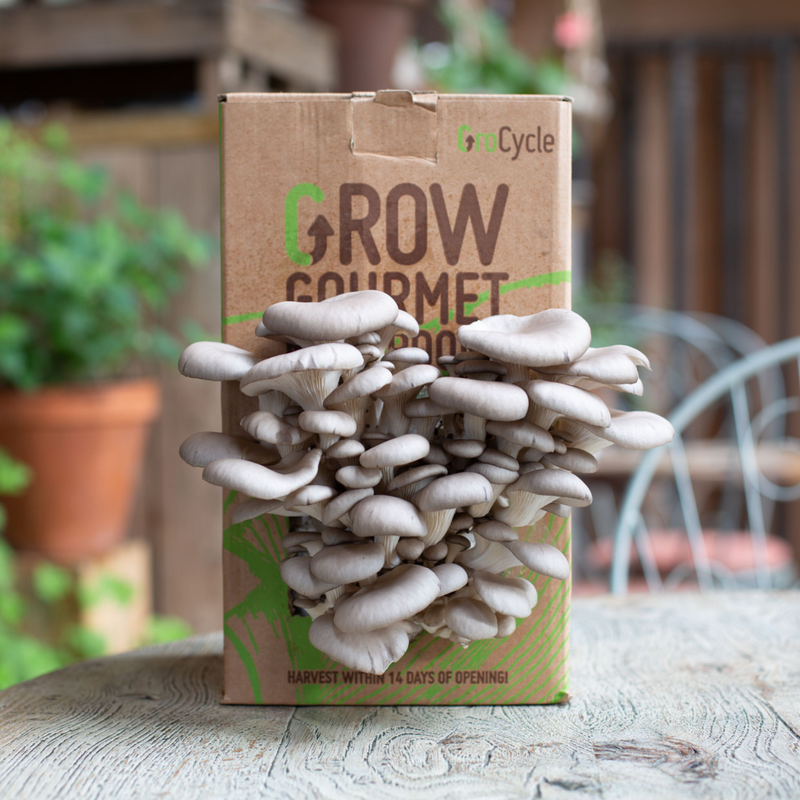
- Wait for small mushroom “pins” to appear (usually within 7–14 days).
- Harvest mushrooms when they reach full size (another 5–7 days).
Some kits require soaking the substrate before starting. Others may need a humidity tent (often provided) to keep moisture levels high.
Kits can usually produce one to three flushes—meaning you can harvest mushrooms multiple times before the kit is finished. Afterward, the used substrate can sometimes be composted or used in the garden.
Types Of Mushrooms You Can Grow
Not all mushrooms are easy to grow at home. Kits are made only for species that grow quickly, tolerate indoor conditions, and don’t need complex setups.
Let’s look at the most popular options:
- Oyster Mushrooms: Fast-growing, forgiving, and can tolerate a range of temperatures. Good yield and mild flavor.
- Lion’s Mane: Unique “pom-pom” shape, delicate seafood-like taste. Grows well indoors.
- Shiitake: Rich, umami flavor. Takes longer to fruit but worth the wait.
- Button/White Mushrooms: Common in supermarkets. Kits are available but less productive at home.
- Pink Oyster: Colorful and fast, but needs warmer temps.
- Enoki: Small, delicate, best for cooler conditions.
Some sellers offer more exotic types, but these are less reliable for beginners. Always check if the mushroom type matches your local climate and home temperature.
What’s Included In A Typical Kit?
While brands vary, most mushroom growing kits include:
- Pre-colonized substrate block (1–5 lbs)
- Outer bag or box (holds humidity)
- Instructions (step-by-step, sometimes with photos)
- Spray bottle (not always)
- Humidity tent (plastic bag or dome for covering)
Some kits may add extra items like recipe cards or links to online help. The quality and amount of substrate is important—it affects how many mushrooms you’ll harvest.
Here’s a quick comparison of what different kits offer:
| Brand | Weight of Substrate | Type of Mushroom | Extras Included |
|---|---|---|---|
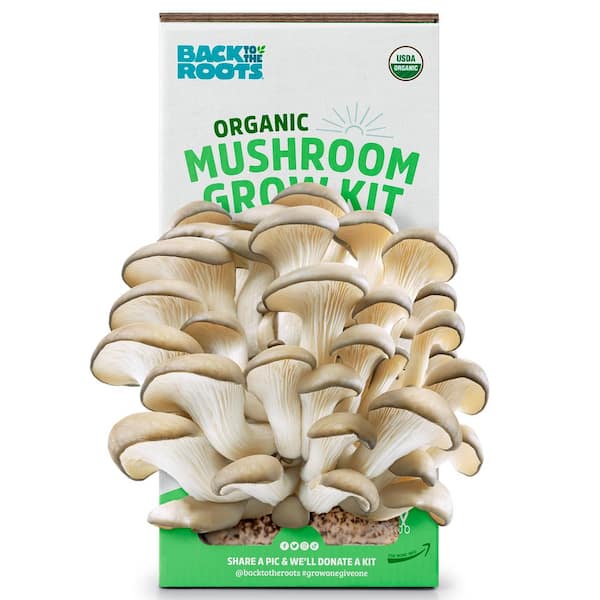
| Back to the Roots | 1.5 lbs | Oyster | Spray bottle, instructions |
| North Spore | 3 lbs | Lion’s Mane | Humidity tent, guidebook |
| Root Mushroom Farm | 5 lbs | Shiitake | Humidity tent, recipes |
Always read the product details before buying. Some kits look cheaper but contain much less substrate.
Step-by-step: Using A Mushroom Growing Kit
To help you understand the process, here’s how most kits are used from start to finish:
- Open the kit and inspect the substrate. Look for white mycelium—this means it’s alive.
- Cut or peel back the front as directed (some kits need a slice, others a full opening).
- Mist daily with clean water. Mushrooms need high humidity to fruit. If your home is dry, place the kit in a kitchen or bathroom.
- Wait for pins—tiny mushroom “babies” that appear first. This can take 7–14 days.
- Keep misting and avoid touching the substrate. Mushrooms double in size every day once they start.
- Harvest carefully by twisting or cutting mushrooms at the base. Don’t pull hard, or you may damage the kit.
- Continue misting for a second or third flush. If nothing happens after harvest, soak the substrate for 24 hours, then try again.
Many beginners miss the importance of humidity. If the kit dries out, mushrooms won’t grow. Using a humidity tent or plastic bag (with holes for air) helps a lot.
Another tip: Don’t keep the kit in direct sunlight. Mushrooms prefer diffused light, like a shady windowsill.
How Much Do Mushroom Kits Cost?
Prices can vary widely. Here’s what you can expect:
- Small kits (1–2 lbs): $15–$25
- Medium kits (3–5 lbs): $25–$40
- Large kits (5+ lbs): $40–$60
Exotic mushrooms (like lion’s mane or rare oysters) may cost a bit more. Shipping can add $5–$15, especially for larger kits.
Is it cheaper to grow mushrooms from scratch? Yes, but it’s much more complex. Kits are about convenience and learning, not saving money.
Here’s a side-by-side price comparison:
| Kit Size | Average Price | Expected Yield | Cost per Ounce |
|---|---|---|---|
| Small | $20 | 6 oz | $3.33 |
| Medium | $30 | 12 oz | $2.50 |
| Large | $50 | 20 oz | $2.50 |
By comparison, fresh oyster mushrooms at the store cost $4–$8 per 8 oz. So kits are not always a bargain, but they do offer freshness and the fun of growing at home.
Credit: www.homedepot.com
Pros And Cons Of Mushroom Growing Kits
Let’s look at what makes these kits great—and where they fall short.
Pros
- Beginner-friendly: No special skills or gear needed.
- Fast results: Most kits produce mushrooms in 2–4 weeks.
- Educational: Learn about fungi, biology, and food production.
- Freshness: Harvest right before cooking for best flavor.
- Variety: Try mushrooms not always found in stores.
- Low space needed: Fits on a shelf or countertop.
Cons
- Yield is limited: Most kits produce 1–2 meals’ worth, not pounds and pounds.
- Cost per ounce is high: More expensive than buying mushrooms in bulk.
- Not always reliable: Some kits fail due to shipping damage or dry substrate.
- Short shelf life: Kits must be used soon after arrival.
- Mess potential: Mushrooms drop spores and substrate can crumble.
Many beginners expect huge harvests, but most kits only make enough for a few meals. Also, the process is not always “set and forget”—you need to mist and monitor daily for best results.
Real User Experiences: Successes And Failures
Online reviews show a wide range of experiences. Some people get big flushes of mushrooms, while others see only a few or none at all.
Common Success Stories
- “My lion’s mane kit fruited in a week and gave me two big harvests.”
- “Kids loved watching the mushrooms grow—great for science projects.”
- “Flavor is much better than store-bought. I harvested twice as much as the package promised.”
Typical Problems
- “Kit arrived dried out, didn’t grow.”
- “Only got one flush of mushrooms, then nothing.”
- “Mushrooms stopped growing after I forgot to mist for a day.”
- “Mold appeared on the substrate, had to throw it away.”
A common insight: Location and humidity make a big difference. If your home is dry or cold, results will be poor unless you add a humidity tent or keep the kit in a moist area.
Another point: Not all kits are equal. Cheaper kits sometimes use less substrate or lower-quality spawn, leading to small yields.

Credit: zombiemyco.com
Are Kits Cheaper Than Store Mushrooms?
A key question: Will you save money by using a mushroom kit? The answer is usually no—unless you value the experience or want to try unique varieties.
Let’s break it down:
- A typical oyster kit costs $25 and yields 8 oz of mushrooms (about $3.12/oz).
- Supermarket mushrooms cost $2–$4 per 8 oz (button) or $4–$7 (oyster).
- The kit’s cost per ounce is often higher, especially after shipping.
Where kits shine is with rare mushrooms (like lion’s mane or pink oyster), which are hard to find and expensive in stores.
If you want lots of mushrooms for a low price, it’s better to learn full mushroom cultivation (buying spores, making your own substrate, etc. ), but this takes time and research.
Who Should Buy A Mushroom Growing Kit?
Mushroom growing kits are best for:
- Beginners who want to try growing mushrooms with no risk.
- Kids and families looking for a fun science activity.
- People without gardens—apartment dwellers, city residents.
- Cooks who want the freshest mushrooms possible.
- Gift givers—kits make unique presents for foodies.
They are less useful if you want bulk mushrooms for canning, freezing, or selling. For serious growers, buying spawn and making your own substrate is much cheaper.
What To Look For When Choosing A Kit
Not all kits are created equal. Here’s what matters:
- Mushroom Species: Choose one that matches your taste and skill level. Oyster and lion’s mane are easiest for beginners.
- Substrate Amount: More substrate = more mushrooms. Compare weight, not just box size.
- Freshness: Kits with live mycelium don’t last long in storage. Buy from sellers with high turnover.
- Instructions: Good guides make all the difference, especially for first-timers.
- Humidity Tent Included: If your home is dry, this is a must.
- Reviews: Look for real user photos and honest feedback.
- Refund Policy: Kits can fail—pick a company that replaces duds.
A surprising detail: Some kits are sold as “spore-injected” but not yet colonized. These take much longer to fruit and have higher failure rates. Always check if the kit is “ready to fruit”—this means mycelium has already grown through the substrate.
How Do Mushroom Kits Compare To Diy Growing?
Making your own mushroom setup from scratch is cheaper, but it takes more work.
Kits:
- Ready to use, no special tools needed
- Higher price per ounce of mushroom
- Lower risk of contamination (if fresh)
- Good for learning and small batches
DIY:
- Buy spores or spawn, prepare substrate
- Much cheaper per pound of mushrooms
- More room for error (sterilization is key)
- Can scale up for larger harvests
If you’re serious about growing mushrooms long-term, start with a kit to learn the basics, then move to DIY methods. This way, you’ll know what healthy mycelium looks like and understand what mushrooms need.
Common Mistakes Beginners Make
Even with a kit, some things can go wrong. Here are mistakes to avoid:
- Letting the kit dry out: Mushrooms need high humidity. Mist 2–3 times daily.
- Placing in sunlight: Direct sun heats and dries the substrate.
- Handling the substrate: Touching with dirty hands can introduce mold.
- Ignoring temperature: Most mushrooms need 60–75°F (15–24°C).
- Skipping instructions: Each kit is a bit different—read the guide.
Another insight: Don’t throw out the substrate after one harvest. Soak it, keep misting, and you might get another flush.
Environmental Impact: Are Kits Sustainable?
Compared to store-bought mushrooms, kits have both pros and cons for the environment.
Positives:
- Less transport and packaging than store mushrooms.
- Can use spent substrate as compost or soil amendment.
- Some companies use recycled or organic materials.
Negatives:
- Kits are often shipped long distances.
- Plastic packaging is common (though some use compostable bags).
- The carbon footprint is higher for single-use kits than for bulk mushroom farming.
If sustainability is a big concern, look for kits that use recycled materials and local shipping. Compost the substrate after use instead of sending it to landfill.
Credit: shop.grocycle.com
Popular Brands Reviewed
Let’s look at some top-selling mushroom kit brands and their reputation:
Back To The Roots
A well-known brand, often found in supermarkets. Focuses on oyster mushrooms and easy setup. Customer service is responsive, and kits work well if started soon after purchase.
North Spore
Known for high-quality lion’s mane and oyster kits. Substrate blocks are larger than most, and instructions are detailed. Slightly more expensive but better yield.
Root Mushroom Farm
Offers shiitake, oyster, and specialty kits. Includes recipes and good customer support. Shiitake kits take longer but give strong flavor.
Forest Origins
Eco-friendly packaging and organic substrate. Good for pink oyster and blue oyster mushrooms. Slightly smaller substrate blocks.
Myco Labs
Focuses on rare and gourmet mushrooms. Kits are less common in stores, but online reviews are positive for yield and quality.
When choosing a brand, check freshness and recent reviews, as quality can change over time.
Long-term Value: Is It Worth Repeating?
After your first kit, you might be tempted to buy another. Here’s what to consider:
- The learning curve is steepest with your first kit. Later kits won’t teach you much more.
- For repeat grows, moving to bulk spawn and homemade substrate saves money.
- Kits make sense as gifts or for occasional fun—but not for regular mushroom eating.
A smart approach: Use a kit to learn, then decide if you want to go deeper into mycology (the study of fungi). There are many free guides online for growing mushrooms at larger scales, such as those found on Wikipedia.
How To Get The Most From Your Kit
To maximize your harvest and enjoyment:
- Start the kit as soon as it arrives. Don’t let it sit for weeks.
- Place it where you’ll see it daily—this helps you remember to mist.
- Use filtered or boiled water for misting to avoid introducing contaminants.
- If you see mold (green, black, or pink fuzz), remove affected parts with a clean spoon and increase airflow.
- Keep a photo log. Watching the daily growth is surprisingly fun and motivates you to care for the kit.
Practical Alternatives To Kits
If you want more mushrooms for less money, consider:
- Buying mushroom spawn (not a full kit) and using your own substrate (coffee grounds, straw, sawdust).
- Joining a local mushroom club—members often trade spawn and advice.
- Attending a workshop to learn hands-on techniques.
But for most first-timers, a kit is still the easiest way to start.
Frequently Asked Questions
How Long Does A Mushroom Growing Kit Last?
Most kits will produce mushrooms for 2 to 4 weeks. After the first flush, you may get 1–2 more if you keep the substrate moist and in the right conditions. Once the kit stops producing, the substrate can be composted.
Can I Reuse The Kit Or Regrow Mushrooms?
You can sometimes get extra flushes by soaking the block and continuing to mist. However, after 2–3 harvests, the nutrients are used up and it won’t regrow. For ongoing harvests, you’ll need a new kit or start growing with bulk spawn and fresh substrate.
Is It Safe To Eat The Mushrooms From These Kits?
Yes, as long as you follow the instructions and only harvest mushrooms that look like the ones pictured in your kit. Do not eat any mushrooms that look strange, moldy, or different from the guide. Kits are designed for food safety.
What Should I Do If Mold Appears?
Small amounts of white fuzz are normal (that’s mycelium). If you see green, black, or pink mold, remove the affected area with a clean utensil and improve ventilation. If mold spreads or you’re not sure, it’s safer to stop using the kit.
Are Mushroom Kits Good For Kids Or Classrooms?
Absolutely. Mushroom kits are a favorite for classroom science projects. They show fast, visible growth and teach about biology, ecology, and food. Just supervise young children when handling the kit and be careful with misting.
Growing your own mushrooms is a unique and rewarding experience. Mushroom growing kits make it easy, fun, and educational. While they may not save you money compared to buying mushrooms at the store, they offer freshness, variety, and a sense of achievement.
If you value learning and want a simple start, a mushroom kit is well worth trying. For those who want to harvest mushrooms regularly or in bulk, learning full cultivation methods is the next step. Either way, mushrooms have never been easier to grow at home.