
Mushroom Growing In Tropical Climates: Species, Substrates, And Tips
Growing mushrooms in tropical climates offers unique opportunities and challenges. The constant warmth, high humidity, and rich organic materials make many tropical regions perfect for mushroom cultivation. Yet, these same conditions can also create problems—like increased contamination risk and rapid substrate decay. Whether you are a hobbyist or planning a commercial mushroom farm, understanding the best species, ideal substrates, and practical methods is essential for success.
This guide explores everything you need to know about mushroom growing in tropical climates—from choosing the right species and substrates to advanced growing strategies and common pitfalls. You’ll also discover practical tips and expert insights that even many experienced growers miss. Let’s dive in and unlock the potential of mushroom cultivation under the tropical sun.
Why Grow Mushrooms In Tropical Climates?
Tropical climates offer several advantages for mushroom cultivation. Temperatures typically range from 20°C to 35°C (68°F to 95°F), which suits many species. High humidity, often between 70% and 95%, helps mushrooms thrive and reduces the need for artificial humidification. There’s also an abundance of agricultural byproducts—like rice straw, banana leaves, coconut coir, and sawdust—that make excellent mushroom substrates.
These conditions make it possible to grow mushrooms all year, without waiting for a cool season. In many temperate regions, mushroom production is limited to certain months, but in the tropics, you can harvest multiple times throughout the year. This means a more steady supply, better market opportunities, and less risk of losing a whole crop to seasonal changes.
However, the same heat and humidity that favor mushrooms can also speed up the growth of contaminants like molds and bacteria. Insects and pests are also more active in warm, moist environments, sometimes leading to infestations that are rare in cooler climates.
Substrate materials break down faster, so timing and cleanliness become even more important.
Managing these risks is crucial, but with careful planning, tropical growers can enjoy consistent yields, year-round production, and access to fresh gourmet and medicinal mushrooms. This is one reason why mushroom farming is becoming popular in countries like Thailand, Indonesia, Brazil, and Nigeria, where both the climate and raw materials are ideal.
Best Mushroom Species For Tropical Climates
Not all mushrooms can handle the heat and moisture of the tropics. Some species require cool temperatures and are prone to contamination or poor fruiting when it’s hot. Here are the most reliable and productive mushrooms for tropical conditions:
1. Oyster Mushrooms (pleurotus Spp.)
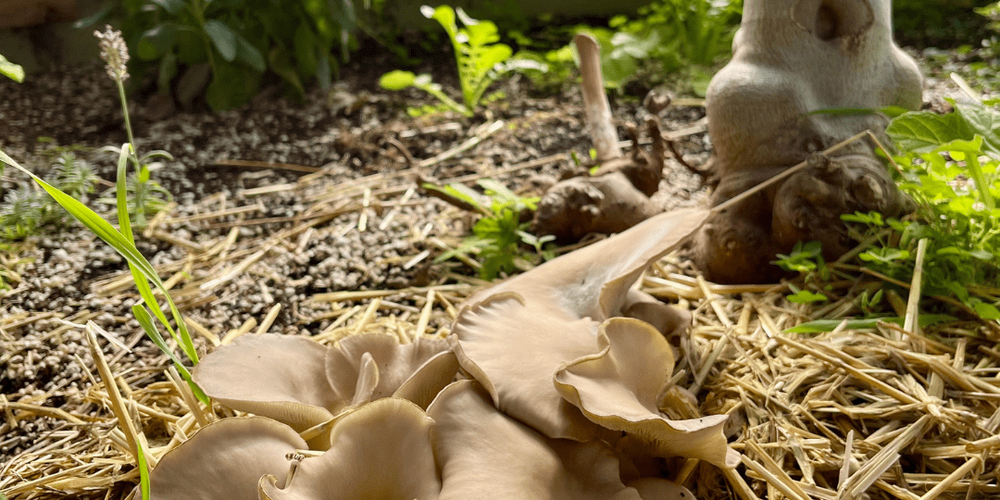
Oyster mushrooms are among the easiest and most adaptable species for the tropics. Varieties like Pleurotus sajor-caju and Pleurotus pulmonarius tolerate high temperatures and humidity. They grow quickly, fruit abundantly, and are forgiving for beginners.
- Optimal temperature: 25°C–34°C (77°F–93°F)
- Common substrates: Rice straw, banana leaves, sugarcane bagasse, sawdust
Oyster mushrooms are also highly resilient to minor mistakes, making them perfect for people new to mushroom cultivation. They can produce their first flush (harvest) in as little as two weeks after inoculation, and many growers report multiple harvests from the same substrate.
Their delicate flavor is loved worldwide and they fetch a good price at local markets.
2. Straw Mushrooms (volvariella Volvacea)
The straw mushroom is native to Asia and thrives in hot, humid weather. It’s a staple in Asian cuisine and is one of the most commercially grown mushrooms in tropical regions.
- Optimal temperature: 28°C–38°C (82°F–100°F)
- Common substrates: Rice straw, cotton waste, banana leaves
Straw mushrooms are unique because they require even higher temperatures than oysters and can be grown outdoors with little protection. They are fast-growing—sometimes fruiting in just 10 to 14 days. However, they are more sensitive to contamination, so cleanliness during preparation is very important.
3. Milky Mushrooms (calocybe Indica)
Milky mushrooms are well-suited to the heat and can tolerate temperatures up to 40°C (104°F). They have a firm texture and good shelf life, making them popular in South Asia.
- Optimal temperature: 28°C–38°C (82°F–100°F)
- Common substrates: Paddy straw, sugarcane bagasse, coconut coir
Milky mushrooms have a distinctive white color and are valued for their crunchy texture, which holds up well in cooking. One non-obvious benefit of milky mushrooms is their ability to grow on a wider range of substrates compared to some other types.
This flexibility can help tropical farmers adapt to whatever material is most easily available.
4. Wood Ear Mushrooms (auricularia Spp.)
Wood ear mushrooms, known for their ear-like shape and crunchy texture, love warmth and humidity. They’re grown throughout Southeast Asia and can be cultivated on a variety of woody substrates.
- Optimal temperature: 24°C–32°C (75°F–90°F)
- Common substrates: Sawdust, hardwood logs, palm trunks
Wood ear mushrooms are especially popular in Chinese and Vietnamese dishes. They can also be grown on logs left in shaded, moist areas of a garden—making them a good choice for agroforestry systems or backyard gardens in the tropics.
5. Reishi Mushrooms (ganoderma Lucidum)
Reishi is famous for its medicinal value. Tropical strains grow well in warm, moist environments and are often cultivated on logs or enriched sawdust.
- Optimal temperature: 25°C–33°C (77°F–91°F)
- Common substrates: Hardwood sawdust, logs, coconut husk
Reishi mushrooms require patience because they take longer to mature than most edible species—often several months. Their striking reddish color and shiny surface make them easy to identify. In tropical areas, reishi often needs more careful management of humidity to prevent surface molds, especially during the rainy season.
6. Button Mushrooms (agaricus Bisporus)
While typically grown in temperate climates, button mushrooms can be cultivated in tropical regions with careful temperature control, especially at higher elevations or during cooler months.
- Optimal temperature: 18°C–25°C (64°F–77°F)
- Common substrates: Compost, straw, manure
If you live in the tropics but at a higher altitude (above 1,000 meters), you may have the right conditions for growing button mushrooms naturally. Otherwise, controlled environments like air-conditioned rooms or cooled greenhouses are needed.
7. Lion’s Mane (hericium Erinaceus)
Lion’s mane prefers cooler ends of the tropical spectrum but can be grown indoors with temperature management. Its unique appearance and medicinal properties make it a high-value crop.
- Optimal temperature: 20°C–28°C (68°F–82°F)
- Common substrates: Sawdust, palm waste, coconut coir
Lion’s mane is gaining popularity for its reported brain-boosting effects and seafood-like flavor. In tropical climates, it’s best grown in small-scale, indoor setups where you can control the environment.
8. Shiitake Mushrooms (lentinula Edodes)
Shiitake usually needs cooler conditions, but tropical strains have been developed and can be grown on logs in shaded, moist environments.
- Optimal temperature: 20°C–28°C (68°F–82°F)
- Common substrates: Hardwood logs, sawdust
Growing shiitake on logs may take 6–12 months before the first mushrooms appear, but the logs can keep producing for years, making them a good long-term investment for tropical farmers with access to hardwood.
9. Enoki Mushrooms (flammulina Velutipes)
Enoki is rarely grown outdoors in the tropics due to its preference for cool, low-light conditions. However, indoor cultivation is possible using air conditioning and careful humidity management.
- Optimal temperature: 12°C–22°C (54°F–72°F)
- Common substrates: Sawdust, corn cobs, agricultural waste
Enoki mushrooms are not a practical choice for most tropical growers unless you have controlled indoor facilities. If you do, they can be a valuable specialty crop for restaurants and export markets.
10. Termitomyces (wild Edible Mushrooms)
These unique mushrooms grow naturally in the tropics, often in symbiosis with termites. They are highly prized but difficult to cultivate commercially.
- Optimal temperature: 25°C–35°C (77°F–95°F)
- Common substrates: Termite mounds, decaying wood
Some local farmers in Africa and Asia collect Termitomyces from the wild during rainy seasons. Research is ongoing to make commercial cultivation possible, but for now, they remain a special treat for foragers.
Comparing Tropical Mushroom Species
To help you choose, here’s a comparison of key features for the most popular tropical mushrooms:
| Mushroom | Temperature Range (°C) | Best Substrate | Growing Difficulty | Yield Potential |
|---|---|---|---|---|
| Oyster | 25–34 | Rice straw, banana leaves | Easy | High |
| Straw | 28–38 | Rice straw | Medium | Very High |
| Milky | 28–38 | Paddy straw | Easy | High |
| Wood Ear | 24–32 | Hardwood logs | Medium | Medium |
| Reishi | 25–33 | Hardwood sawdust | Hard | Low-Medium |

Credit: www.researchgate.net
Choosing The Right Substrate For The Tropics
The substrate is the food source for mushrooms. In the tropics, there’s a rich variety of agricultural waste that makes excellent mushroom food. The choice of substrate depends on the mushroom species, what’s locally available, and cost.
If you’re a beginner, start with materials that are cheap and easy to find locally. This keeps costs low and lets you experiment without big financial risk. For advanced growers, mixing different substrates or adding supplements can increase yields, but also raises the risk of contamination if not managed well.
Common Tropical Substrates
- Rice Straw: Widely available in Asia, rice straw is perfect for oyster, straw, and milky mushrooms. It’s cheap, easy to prepare, and produces high yields.
- Banana Leaves and Stems: Abundant in many tropical countries, banana waste is a good substrate for oyster and straw mushrooms.
- Coconut Coir: The fibrous husk of coconuts, coir is good for oyster, milky, and lion’s mane mushrooms. It holds moisture well and resists contamination.
- Sugarcane Bagasse: The dry pulp from sugarcane is common in India, Brazil, and other sugar-producing countries. It works well for oyster, milky, and some medicinal mushrooms.
- Sawdust: Hardwood sawdust is a universal substrate and supports a wide range of mushrooms, including reishi, shiitake, and oyster species.
- Palm Waste: In palm oil regions, empty fruit bunches and fronds provide a good substrate for oyster and wood ear mushrooms.
- Corn Cobs: After harvest, corn cobs can be shredded and used for mushrooms like enoki and oyster.
Other possible substrates include coffee grounds, peanut shells, or even shredded paper—though these are less common in the tropics. If you try unusual materials, always test with small amounts to see how they perform before scaling up.
Substrate Comparison For The Tropics
Here’s a quick look at how different substrates perform for mushroom growing:
| Substrate | Availability | Cost | Suitability | Contamination Risk |
|---|---|---|---|---|
| Rice Straw | Very High | Low | Oyster, Straw, Milky | Medium |
| Banana Leaves | High | Low | Oyster, Straw | Medium |
| Coconut Coir | Medium | Medium | Oyster, Milky, Lion’s Mane | Low |
| Sugarcane Bagasse | High | Low | Oyster, Milky | Medium |
| Sawdust | Medium | Low-Medium | Oyster, Shiitake, Reishi | Low |
How To Prepare Substrates In The Tropics
Preparing substrates in a hot, humid environment needs special attention. Here are some steps and tips:
- Pasteurization: Most tropical substrates (like straw and banana leaves) need pasteurization. This usually means soaking in hot water (60°C–80°C) for 1–2 hours. This kills off harmful microbes but leaves some good bacteria to help mushrooms grow.
- Sterilization: For sawdust and high-nutrient substrates, sterilization is best. This uses pressure (autoclaves or pressure cookers) and is more common in commercial farms.
- Moisture Adjustment: The substrate should be moist but not dripping wet. Squeeze a handful—if only a few drops come out, it’s right.
- Supplementation: Adding wheat bran, rice bran, or other nutrients can boost yields but also raises contamination risk in the tropics.
If you don’t have access to a thermometer, another practical way to pasteurize is to bring water to a boil and let the substrate soak until the water cools enough to touch, usually after an hour or so. Always drain the substrate well before use.
A common mistake is leaving the substrate too wet, which encourages mold and bacteria.
Non-obvious insight: In many tropical areas, it’s better to use substrates with lower nutrient content (like plain rice straw or coir) if you don’t have access to sterile facilities. This reduces contamination by molds, especially in open-air or low-tech setups.
Step-by-step Mushroom Cultivation Process In The Tropics
The basic steps of mushroom cultivation are similar worldwide, but tropical conditions demand some special practices. Here’s how to grow mushrooms successfully:
1. Selecting The Species And Substrate
Choose the mushroom type that matches your climate and available substrate. For beginners, oyster mushrooms on rice straw or banana leaves are a smart choice.
Advanced growers can experiment with mixing substrates or testing specialty species, but always start with a small batch first. If you’re unsure which species do best in your area, try several in parallel and track their performance.
2. Substrate Preparation
- Chop straw, leaves, or other plant material into 3–5 cm pieces.
- Soak in clean water to soften (4–12 hours).
- Pasteurize (hot water bath) or sterilize as described above.
- Drain the substrate to the right moisture level.
Chopping increases the surface area for mycelium to spread and makes packing bags or trays easier. Avoid using dirty or stagnant water, as this can introduce harmful microbes. For larger farms, barrel pasteurization or steam tunnels are often used to treat big batches of substrate at once.
3. Inoculation (spawning)
- Cool the substrate to room temperature.
- Mix mushroom spawn (seed) evenly through the substrate. Wear clean gloves.
- Fill into plastic bags, baskets, or trays. Pack loosely to allow airflow.
Spawn is like the “seed” for mushrooms. Too little spawn slows growth, while too much is wasteful. A common ratio is 5–10% spawn by weight of wet substrate. In the tropics, work quickly to avoid letting the substrate sit for too long in the open, which can attract contaminants.
4. Incubation
- Store the inoculated substrate in a clean, shaded space.
- Maintain temperature and humidity based on the mushroom species.
- Wait for the substrate to turn white with mycelium (2–4 weeks).
During incubation, avoid direct sunlight and heavy winds, which can dry out or overheat the bags. Some farmers use old chicken coops, bamboo huts, or even unused bathrooms for this stage. If the substrate doesn’t colonize fully after 3–4 weeks, check for contamination or temperature issues.
5. Fruiting
- Move bags or trays to a fruiting area with indirect sunlight and good airflow.
- Raise humidity by spraying water or using wet sacks on the floor.
- Cut slits in bags or open them to let mushrooms grow out.
- Harvest when mushrooms reach the right size.
For most tropical mushrooms, indirect sunlight helps trigger fruiting. Too much light can dry out the crop, while too little may slow growth. In very humid places, you may not need to spray much, but in drier months, frequent misting is essential.
6. Post-harvest
- Clean hands and tools before picking.
- Harvest early in the morning when it’s cool.
- Store in a cool, dry place or sell immediately.
Some mushrooms, like straw mushrooms, deteriorate quickly after harvest, so plan to sell or process them the same day. For longer shelf life, try drying or refrigerating the harvest.
Expert tip: In the tropics, daily cleaning and frequent monitoring are critical. Contaminants grow faster in heat, so check your crops every day and remove any infected bags immediately.
Common Problems And Solutions In Tropical Mushroom Growing
Growing mushrooms in the tropics brings unique challenges. Here’s how to overcome the most frequent issues:
1. Contamination By Molds And Bacteria
- Problem: Green, black, or pink patches appear; mushrooms stop growing.
- Solution: Improve pasteurization or sterilization. Use cleaner water. Work quickly and in a clean space. Lower substrate nutrition if contamination is constant.
It’s easy to overlook ventilation. Stale air can encourage mold, so make sure your growing area has fresh airflow, but not so much that it dries out the substrate.
2. High Temperature Stress
- Problem: Mushrooms wilt, turn yellow, or abort.
- Solution: Move to shaded, airy locations. Water the floor for evaporative cooling. Use reflective materials to block direct sunlight.
Some growers hang wet cloths or sacks near the beds to reduce temperature by evaporation. A simple thermometer is a great investment to monitor conditions.
3. Low Yield Or Small Mushrooms
- Problem: Mushrooms are stunted or few in number.
- Solution: Check for proper moisture and nutrition. Avoid over-packing substrate. Use fresh, high-quality spawn.
Old or poor-quality spawn can cause weak growth. If possible, always test spawn on a small scale before using it for the whole batch.
4. Pest Attacks (insects, Nematodes)
- Problem: Small flies or worms in substrate and mushrooms.
- Solution: Cover openings with fine mesh. Keep area clean. Remove waste quickly. Use natural repellents like neem if needed.
Keeping the growing area free from fallen leaves, fruit scraps, or compost piles reduces pests. If pests are a persistent problem, try using yellow sticky traps to monitor and reduce fly populations.
5. Fast Substrate Decay
- Problem: Substrate rots before mushrooms finish growing.
- Solution: Use drier substrates like coir or sawdust. Reduce substrate thickness. Increase airflow.
Substrate that is too thick or wet breaks down quickly in tropical heat. Using thinner layers or turning the substrate can help extend its productive life.
Non-obvious insight: In rainy tropical seasons, it’s often better to grow mushrooms in raised beds or shelves to avoid waterlogged substrates and rapid decay.
Advanced Tips For High Success In The Tropics
To get the best results, consider these advanced strategies:
Use Local Microclimates
Even within a small farm, temperature and humidity can vary. Place your mushroom beds in spots with natural shade (under trees, next to a wall) for more stable conditions.
If you have access to a pond, canal, or water tank, placing the growing area nearby can help keep humidity higher without extra effort.
Simple Low-cost Structures
Building a simple shade house with a bamboo frame and plastic mesh can make a big difference. This keeps rain off, blocks direct sun, and maintains humidity.
Inexpensive materials like palm fronds, old sacks, or recycled roofing can also be used for temporary shelters. Remember, airflow is just as important as shade.
Water Management
Overwatering is a common mistake. Mushrooms need high humidity, not wet substrate. Use hand sprayers, foggers, or wet sacks to raise humidity without soaking the substrate.
If you see puddles or standing water, reduce watering. In some cases, putting trays of water on the floor (not touching the substrate) can help raise humidity passively.
Spawn Quality
Always buy spawn from a reputable supplier or learn to make your own in a clean environment. Weak or contaminated spawn will ruin your crop.
If you make your own spawn, sterilize all materials and avoid using grain that’s more than a few months old, as it may not colonize well.
Staggered Production
To ensure a steady supply, start new batches every week or two. This way, you’re always harvesting, not just once per season.
This method keeps your income regular and helps you respond to changing market demand.
Record Keeping
Track your substrate types, spawn dates, yields, and problems. Over time, you’ll discover which combinations work best in your location.
A simple notebook or spreadsheet is enough. This information is especially valuable if you want to expand or troubleshoot your operation later.
Community Knowledge
Join local grower groups or online forums. Tropical mushroom farming is growing fast—sharing experiences and solutions helps everyone.
Some of the best tips and tricks come from talking to other farmers at markets or community events.
Case Study: Oyster Mushroom Farm In The Philippines
Let’s look at a real-world example. In Laguna, Philippines, a small farm produces oyster mushrooms year-round using rice straw and banana leaves. They use simple bamboo racks, mesh shading, and daily watering. By staggering production, they harvest fresh mushrooms every day—even in the hottest months.
Key results:
- Average yield: 20–25 kg per week from 100 substrate bags
- Contamination rate: Less than 5%
- Market price: $2.50 per kg (local)
- Profit margin: 35–40%, after costs
Their success comes from using local materials, low-tech methods, and strict cleanliness. They avoid expensive equipment and focus on consistent, daily routines.
Another important factor is their relationship with buyers. By delivering mushrooms to local restaurants and supermarkets early in the morning, they get better prices and build loyal customers. They also use mushroom stems and trimmings to make vegetarian patties, reducing waste and increasing total profit.
Economic Potential Of Tropical Mushroom Growing
Mushroom farming is increasingly profitable in tropical countries. Demand for fresh mushrooms is rising due to their taste, nutrition, and health benefits. With proper management, even small farms can earn a solid income.
- Startup cost: Low to moderate, especially with local materials
- Yield: 1–2 kg mushrooms per 1 kg dry substrate (oyster and straw mushrooms)
- Market: Fresh, dried, or processed mushrooms for local markets, restaurants, and export
- Value addition: Some growers make mushroom chips, powder, or supplements for higher profits
According to a report by the Food and Agriculture Organization (FAO), global mushroom production exceeded 10 million tons in 2022, with Asia as the largest producer. Many tropical countries are expanding their mushroom industries due to strong market growth.
A less obvious opportunity is in agritourism and education. Some tropical farms offer workshops or farm tours, teaching visitors about mushrooms and selling fresh products directly. This adds value and increases income, especially in regions with high tourist numbers or urban populations.

Credit: www.researchgate.net
Local Adaptation: Making Mushroom Growing Work In Your Area
Success depends on adapting methods to your location:
- Test several substrates and species before scaling up.
- Observe how your mushrooms react to local weather, pests, and water quality.
- Experiment with small batches using different shade levels, watering routines, and substrate mixes.
- Learn from local farmers, extension officers, or agricultural colleges. Every region has its own best practices.
For example, some places have very hard water, which can affect mushroom growth. Others may have unique pests or diseases. By testing and recording your results, you’ll find the best practices for your area.
Remember: There’s no single “right way” in tropical mushroom growing. Flexibility and learning from small experiments are more valuable than copying a set formula.
Frequently Asked Questions
What Mushrooms Are Easiest To Grow In Tropical Climates?
Oyster mushrooms (Pleurotus spp.) are the easiest for beginners. They tolerate heat and humidity, grow on many substrates, and are forgiving if you make minor mistakes. Milky mushrooms and straw mushrooms are also well-suited for the tropics.
How Do I Prevent Mold And Contamination In The Tropics?
Work in the cleanest space possible. Use boiled or pasteurized water, clean tools, and wear gloves. Don’t over-supplement the substrate unless you have sterile conditions. Remove contaminated bags immediately to stop the spread.
A less obvious tip is to start with smaller, more frequent batches—this limits your losses if contamination strikes.
Can I Grow Mushrooms Outdoors In The Rainy Season?
Yes, but with caution. Use raised beds or shelves to avoid waterlogging. Protect beds with a simple roof or mesh to keep heavy rain off. Increase airflow to prevent fast substrate decay and mold growth.
If you must grow outdoors, try to time your substrate preparation for dry days, or use tarps to keep rain off during critical stages.
Is It Possible To Make My Own Mushroom Spawn In The Tropics?
Yes, but it requires a very clean space and practice. Many beginners start with purchased spawn from a reputable supplier. Once you gain experience, you can learn to make spawn using pressure cookers and grain in a clean room.
For small-scale growers, learning to make spawn can reduce costs and ensure a steady supply, but only if you can maintain good hygiene.
Where Can I Learn More About Tropical Mushroom Growing?
You can find reliable information from agricultural universities, local farmer groups, and trusted online sources like the Wikipedia Mushroom Cultivation page. Joining community forums and attending workshops can also be very helpful.
Growing mushrooms in tropical climates is both rewarding and practical. With the right species, substrates, and local adaptation, you can enjoy fresh mushrooms year-round and create a valuable source of food and income. Start small, learn from experience, and you’ll soon be harvesting your own delicious and healthy mushrooms under the tropical sun.
Credit: growingspaces.com