
Many people today are searching for ways to boost their health naturally. Mushroom supplements have become a top choice for their claimed benefits, from improving immunity to helping the mind stay sharp. But as you look through products, you might notice some are labeled “organic” and others are not. Some even come with official certification badges, while others do not mention certification at all. This leads to a big question: Does choosing organic, certified mushroom supplements actually matter, or is it just marketing?
This article will break down the differences between organic and non-organic mushroom supplements. You will learn what certification really means, how it affects quality and safety, and whether it’s worth paying extra for that organic label. Along the way, we’ll look at scientific evidence, share real examples, and highlight what most beginners miss when shopping for mushroom supplements. If you want to make a confident and informed choice for your health, keep reading. You’ll find every answer here.
Understanding Mushroom Supplements
Mushroom supplements are made from different types of edible or medicinal mushrooms. They can come in powders, capsules, extracts, or even teas. Popular mushrooms used include Reishi, Lion’s Mane, Cordyceps, Chaga, and Shiitake. People use these supplements for many reasons, such as:
- Supporting the immune system
- Enhancing memory and focus
- Increasing energy and endurance
- Managing stress
What makes mushroom supplements special is their active compounds, like beta-glucans, triterpenes, and polysaccharides. These substances are believed to give mushrooms their health effects.
But not all mushroom supplements are the same. How they are grown, processed, and tested can change their safety, purity, and how well they work. This is where the difference between organic and non-organic matters.
What Does “organic” Mean For Mushrooms?
The word organic is used a lot, but what does it really mean for mushroom supplements? In simple terms, organic mushrooms are grown and processed without:
- Synthetic pesticides
- Chemical fertilizers
- Genetically modified organisms (GMOs)
- Artificial growth enhancers
Instead, organic farming uses natural methods to control pests, enrich the soil, and support plant (or mushroom) health.
Organic Certification Explained
For a mushroom supplement to be truly organic, it must follow strict rules set by official agencies. In the United States, this is usually the USDA (United States Department of Agriculture) Organic program. In Europe, it’s the EU Organic Certification. These bodies check:
- The substrate (material mushrooms grow on) is organic
- No banned chemicals are used at any stage
- Farms keep detailed records
- Regular inspections happen
When a supplement is certified organic, it means an outside agency has confirmed that every step, from growing to packaging, meets organic standards. The product can then display a certification badge, like the green USDA Organic seal.
Non-organic Mushroom Supplements
Non-organic mushroom supplements may use conventional farming methods. This can include:
- Synthetic pesticides and fertilizers
- Non-organic growing substrates (like straw or sawdust treated with chemicals)
- Less strict record-keeping
- No third-party inspections
Some non-organic products still follow good practices, but they don’t have to prove it with paperwork or testing.
Key Differences: Organic Vs Non-organic Mushroom Supplements
It’s not just about a label. The way mushrooms are grown and processed can affect their quality, safety, and even their power to help your health. Here are the main differences to consider.
| Aspect | Organic Supplements | Non-Organic Supplements |
|---|---|---|
| Farming Methods | No synthetic chemicals, natural pest control | May use chemical fertilizers, pesticides |
| Certification | Third-party inspected and certified | No required certification |
| Residue Risk | Low risk of chemical residues | Higher risk of pesticide or heavy metal residues |
| Environmental Impact | Lower, uses sustainable practices | May harm soil, water, and wildlife |
| Price | Usually higher | Often cheaper |
| Traceability | Detailed records, batch tracing | Often limited record-keeping |
Non-obvious Insight 1
Most people don’t realize that organic certification also covers the water used to grow mushrooms. In some regions, water can be a source of contamination with heavy metals or chemicals. Organic farms must prove their water is clean and safe.
Non-obvious Insight 2
Another hidden factor: the substrate is as important as the mushroom itself. Mushrooms absorb nutrients from their growing medium. If the substrate contains chemical residues, these can end up in your supplement. Organic standards require the substrate to be chemical-free.
Does Organic Certification Guarantee Safety And Quality?
It’s easy to think that a certified organic label means a product is always safe and high-quality. But is this really true?
What Certification Really Checks
Organic certification is mainly about the farming and processing practices. It confirms:
- No banned chemicals are used
- Clean water and substrate are used
- Records are kept for every batch
- Farms are inspected regularly
Certification does not guarantee that the supplement is completely free of all contaminants. For example, mushrooms can still absorb heavy metals from the air or natural soil. Also, the certification process does not check for all possible toxins or verify the supplement’s potency.
Testing For Contaminants
Some top mushroom supplement companies go beyond organic certification. They test each batch for things like:
- Heavy metals (lead, mercury, arsenic, cadmium)
- Microbes (bacteria, mold)
- Pesticide residues
But this extra testing is not required for organic certification. Always check if the company shares lab test results (often called Certificates of Analysis or COAs).
Quality Can Still Vary
Even among certified organic supplements, quality can change based on:
- The mushroom species and part used (fruiting body vs. mycelium)
- How the mushrooms are dried and extracted
- Storage and packaging methods
A supplement can be organic but poorly made, losing much of its health power.
The Science: Are Organic Mushroom Supplements Healthier?
A common belief is that organic foods are always healthier. But what does the science say about mushroom supplements?
Nutrient Content
Some research on vegetables and fruits shows organic products can have more antioxidants and lower pesticide levels. For mushrooms, studies are fewer, but a few findings stand out:
- One study found organic mushrooms had slightly higher levels of ergothioneine, a powerful antioxidant.
- Another study reported lower nitrate and pesticide residues in organic mushrooms.
But the difference in nutrients is often small. The bigger advantage is likely the reduced risk of unwanted chemicals.
Safety
Pesticide and heavy metal contamination is a real concern in mushrooms, which act as natural “sponges” in the environment. Organic mushrooms usually have lower levels of these contaminants. A 2019 study in the *Journal of Food Science* found that organic mushrooms had significantly lower pesticide residues compared to non-organic samples.
Effectiveness
Most of the research on the health benefits of mushrooms uses extracts made from mushrooms grown in controlled, clean environments—often organic, but not always. The key factor is the amount and type of active compounds (like beta-glucans), not just whether the mushroom is organic.
Real-world Example
Some consumers have reported allergic reactions or stomach upset after using non-organic mushroom supplements. While this is rare, it may be linked to higher levels of residual chemicals or poor processing.
How To Tell If A Mushroom Supplement Is Truly Organic
With so many products using the word “organic,” it’s important to know how to spot real certification.
Look For Official Badges
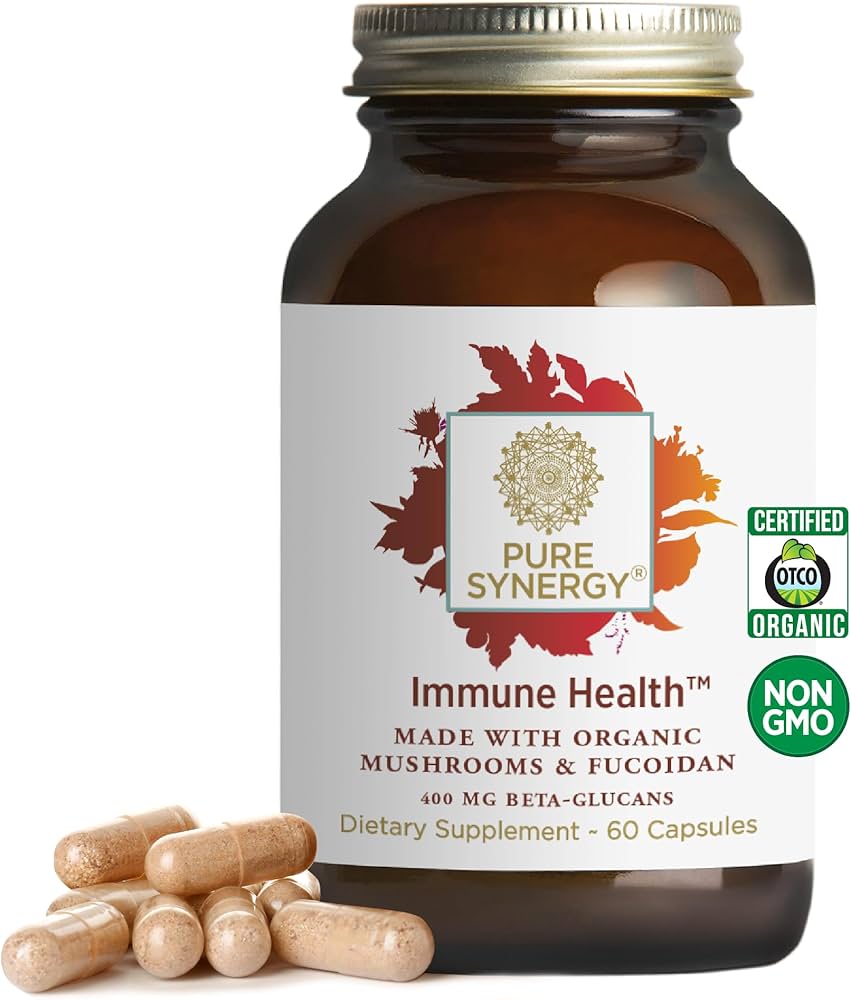
Trustworthy organic supplements display a certification seal, such as:
- USDA Organic (United States)
- EU Organic (Europe)
- JAS (Japan)
These seals are not just pictures. The certifying agency is usually listed on the label.
Check The Ingredients
The ingredient list should specify organic mushroom powder or organic mushroom extract. If only one or two ingredients are organic, the label might say “made with organic…” instead of fully organic.
Research The Brand
Reliable brands often publish their certification documents and explain their sourcing. Some also share independent lab test results for each batch.
Watch For Red Flags
- Vague claims like “all-natural” or “pure” without proof
- No mention of certification agency
- Very low prices (real organic farming is more costly)
Price: Is Organic Worth The Extra Cost?
Organic mushroom supplements almost always cost more than non-organic options. The price can be 20–50% higher, sometimes even double. Why is this?
- Organic farming costs more: No cheap chemicals, more manual work
- Certification fees: Farms pay for inspections and paperwork
- Lower yields: Organic methods often produce fewer mushrooms per batch
But Does The Higher Price Mean Better Value?
When Organic Is Worth It
- If you are sensitive to chemicals or have allergies
- If you want to avoid pesticide residues
- If you care about the environment and sustainability
- If you want full traceability and transparency
When Non-organic May Be Fine
- If the product is from a trusted brand with independent lab testing
- If price is a major concern and the supplement is for short-term use
- If you’re mainly interested in the active compounds, and purity is proven
Environmental Impact: Organic Vs Non-organic Mushroom Farming
Many people choose organic not just for health, but also for the environment.
Organic Farming Benefits
- Less pollution: No chemical runoff into water or soil
- Healthier soil: Natural fertilizers and compost keep soil alive
- Wildlife protection: Fewer toxic chemicals harming insects, birds, and animals
- Lower carbon footprint: Often uses less energy and resources
Non-organic Farming Problems
- Chemical fertilizers can pollute rivers and lakes
- Pesticides may harm pollinators and other animals
- Overuse of chemicals can lead to resistant pests and degraded soil
Mushrooms themselves are a sustainable crop, but organic farming makes them even greener.
Mycelium Vs. Fruiting Body: Does Organic Matter More For One?
Mushroom supplements are made from either the fruiting body (the part you see above ground) or the mycelium (the root-like network). Some products use both.
Key Differences
- Fruiting body: Contains higher levels of beta-glucans and other active compounds.
- Mycelium: Easier and cheaper to grow, but often grown on grain (rice, oats) that ends up in the supplement.
For mycelium-based supplements, organic certification is especially important. This is because:
- The grain substrate can contain pesticide residues if not organic.
- Mycelium absorbs more from its growing medium than the fruiting body.
If you want a pure fruiting body extract, organic is still a plus, but not as critical as for mycelium-based products.
Does Country Of Origin Matter?
Most mushroom supplements sold in the US and Europe are grown in China. China is a world leader in mushroom farming, but not all farms follow the same standards.
Risks With Imported Mushrooms
- Inconsistent quality control between farms
- Possible contamination with heavy metals or chemicals in some regions
- Faked or unreliable certification in rare cases
How To Protect Yourself
- Choose brands that use third-party certification and testing, not just a claim on the label.
- Look for transparency: Does the company share their farm location, growing methods, and test results?
- When in doubt, reach out and ask for proof.
Credit: realmushrooms.com
Common Mistakes When Choosing Mushroom Supplements
- Confusing “natural” with “organic”: “Natural” is not a regulated term and does not mean chemical-free.
- Not checking for certification: Some brands use the word “organic” without real certification.
- Ignoring the substrate: For mycelium-based products, the growing grain is as important as the mushroom.
- Not looking for lab results: Certification is good, but batch-specific lab tests are better.
- Assuming more expensive means better: Some overpriced brands don’t offer better quality or purity.
How To Choose The Best Mushroom Supplement For You
Making a smart choice requires a little homework. Here’s a simple process:
- Decide what benefits you want: Immunity, focus, energy, etc.
- Choose the right mushroom type: Different species have different effects.
- Check for organic certification: Look for real seals and certifying agency names.
- Look for lab testing: Batch-specific COAs are best.
- Read ingredient labels carefully: Note if it’s fruiting body, mycelium, or both.
- Research the brand: Check reviews, company background, and sourcing info.
- Compare prices: Don’t overpay for fancy packaging.
- Start with a small size: Try a small package first to see how your body reacts.
Real-life Case Studies: Organic Vs Non-organic In Practice
To see the differences more clearly, let’s look at two real product examples.
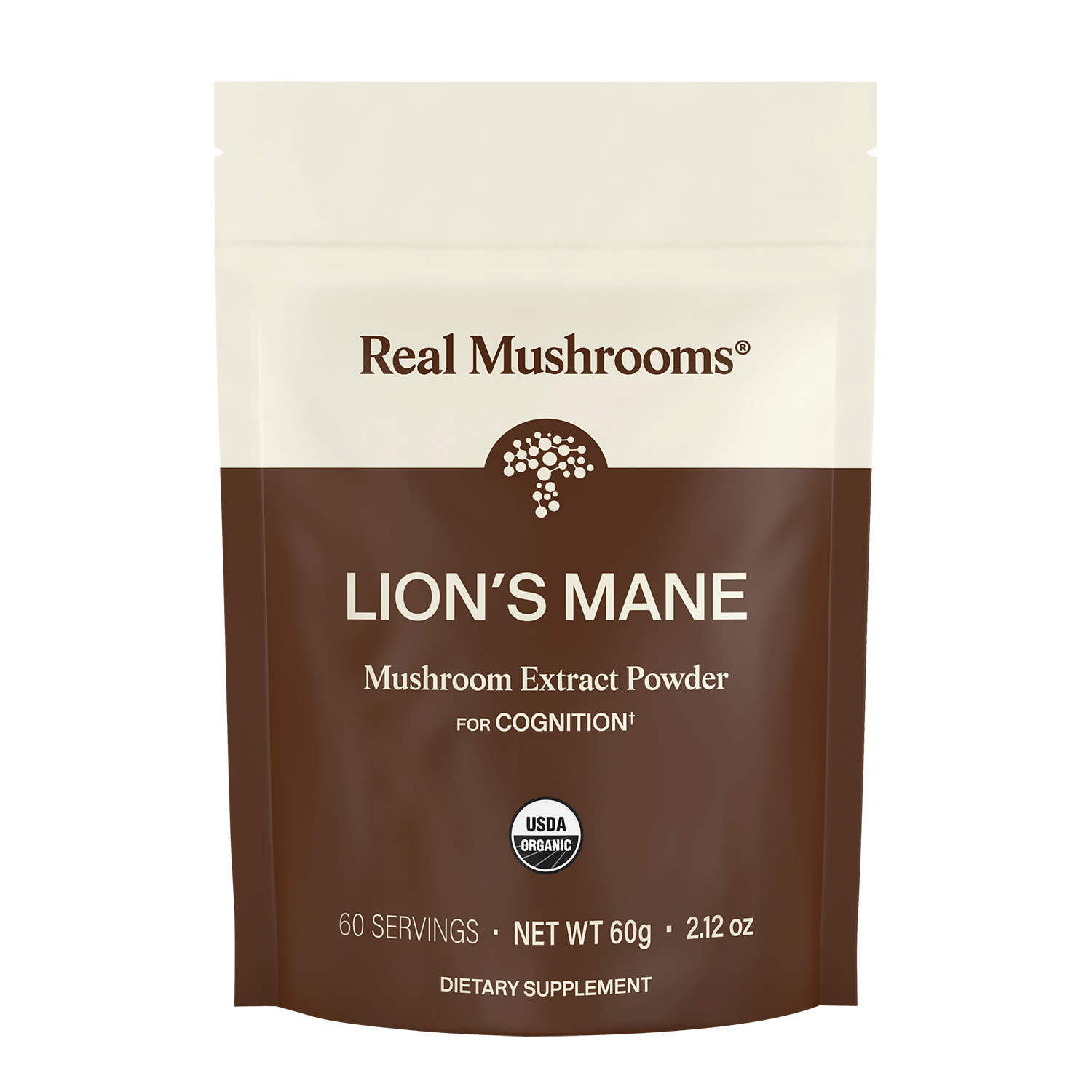
Example 1: Organic Lion’s Mane Capsule
- Certified USDA Organic
- Made from 100% fruiting body
- No fillers or grain
- Third-party tested for heavy metals and purity
- Price: $32 for 60 capsules
Example 2: Non-organic Cordyceps Powder
- No certification, but claims “all natural”
- Contains mycelium grown on rice
- No batch-specific test results
- Price: $18 for 100g powder
Which is better? The organic Lion’s Mane is more expensive, but offers clearer sourcing, full certification, and lab testing. The non-organic Cordyceps is cheaper, but may contain rice fillers, possible pesticide residues, and less transparency. For someone with allergies or who wants high purity, the first option is likely safer and more effective.
Data Comparison: Market Trends And Consumer Preferences
Organic supplements have become more popular, but do most people really choose organic over non-organic? Here is a comparison based on recent market research.
| Year | Organic Mushroom Supplement Sales ($ million) | Non-Organic Mushroom Supplement Sales ($ million) | % Market Share (Organic) |
|---|---|---|---|
| 2018 | 120 | 340 | 26% |
| 2020 | 185 | 355 | 34% |
| 2022 | 255 | 370 | 41% |
Organic options are gaining ground, but non-organic still holds a larger share due to lower price and wider availability.
Credit: www.amazon.com
Certification: Different Standards Around The World
Organic standards are not the same in every country. Here’s a summary of major differences.
| Certification Body | Region | Key Standards |
|---|---|---|
| USDA Organic | United States | No synthetic chemicals, certified substrate and water, annual inspections |
| EU Organic | Europe | Strict substrate rules, no GMOs, regular audits, traceability |
| JAS | Japan | No chemical pesticides or fertilizers, soil and water purity checked |
Some smaller countries may have less strict rules or allow some exceptions. If you see a certification you don’t recognize, research the agency.
Do Organic Mushroom Supplements Taste Or Smell Better?
Many people notice that organic mushroom powders or capsules have a richer, earthier smell and taste. This is often due to:
- No masking from chemicals or fillers
- More careful drying and processing
- Use of real fruiting body, not just mycelium on grain
If you’re sensitive to taste or plan to add mushroom powder to food or drinks, organic options may offer a more pleasant experience.
Should You Always Buy Organic Mushroom Supplements?
The answer depends on your personal needs, budget, and values.
Buy organic if:
- You want the lowest possible risk of chemical contamination
- You have allergies or sensitivities
- You care about the environment
- You value transparency and traceability
Non-organic may be fine if:
- The brand provides independent lab test results for every batch
- You are using the supplement short-term
- Price is a major concern
A good compromise is to choose non-organic supplements from highly reputable brands that offer full testing and transparency.
What Most Beginners Miss About Certification
- Certification is about process, not always about the final product. It confirms the right steps were followed, but does not always test the end result.
- Organic does not mean “better” for everyone. Some people may not need the extra assurance if they trust the brand and have no sensitivities.
- You can ask for proof. Brands should provide certification documents or lab tests on request. If they refuse or make excuses, look elsewhere.

Credit: www.eversiowellness.com
Where To Learn More
If you want to dive deeper into organic certification rules and standards, visit the USDA Organic website. It explains the process, what is checked, and how to report fraud.
The Bottom Line
The debate over organic vs non-organic mushroom supplements is not just about a label. Organic certification means stricter controls, fewer chemicals, and better traceability. This can lower the risk of contamination and may help the environment. But it does not guarantee that every product is pure, powerful, or right for your needs. Smart shoppers look for both certification and independent testing. By understanding what organic really means, checking labels carefully, and researching brands, you can choose the best mushroom supplement for your health and peace of mind.
Frequently Asked Questions
What Are The Main Benefits Of Choosing Organic Mushroom Supplements?
The biggest benefits are lower risk of chemical residues, better traceability, and more environmentally friendly farming. Organic supplements are less likely to contain pesticides or heavy metals, and their certification shows that strict growing standards were followed.
Is Organic Certification The Same Worldwide?
No. Organic standards differ by country. The USDA, EU, and JAS (Japan) each have their own rules. Some are stricter about water quality, substrate, or inspections. Always look for a well-known certification agency on the product.
Are Non-organic Mushroom Supplements Unsafe?
Not always. Many non-organic supplements are safe and effective, especially if the brand tests for contaminants. However, there is a higher risk of unwanted chemicals or fillers. Always check for independent lab test results.
Do Organic Mushroom Supplements Work Better?
There is no strong evidence that organic supplements are more effective for health benefits. The main advantage is lower risk of contamination. The health effects depend more on the mushroom species, extraction method, and active compounds.
How Can I Check If A Mushroom Supplement Is Really Organic?
Look for a real certification seal (like USDA Organic), check the ingredient list for “organic” ingredients, and research the certifying agency. Reputable brands will show their certificates and may share lab test results. If in doubt, contact the company for proof.