
Foraging Chicken Of The Woods: Identification And Safe Preparation
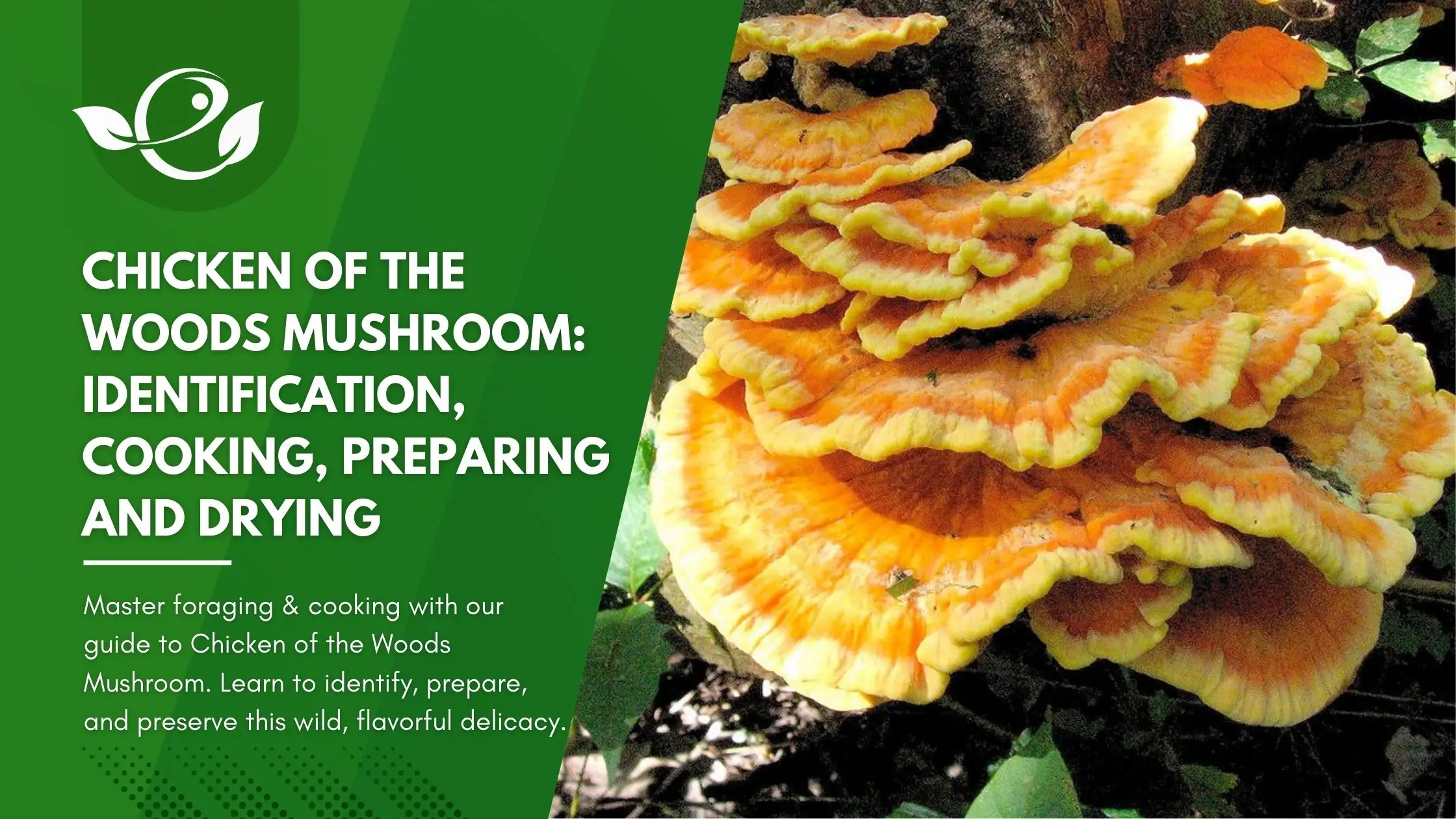
If you’re drawn to the world of wild mushrooms, few discoveries are as thrilling or rewarding as finding the Chicken of the Woods. This striking fungus, with its bright orange and yellow colors, stands out in the forest and often brings a smile to both beginners and seasoned foragers. But before you sauté your harvest, it’s important to know exactly what you’ve found, how to handle it safely, and what to expect when you cook and eat it. Learning these steps will help you enjoy a delicious, safe, and satisfying foraging experience.
What Is Chicken Of The Woods?
Chicken of the Woods is the common name for several species of the genus Laetiporus. These fungi grow on trees and fallen logs, and are known for their meaty texture and flavor that many say resembles chicken or crab. Unlike many mushrooms that have a typical cap and stem, Chicken of the Woods forms shelves or brackets, often stacked in clusters.
The most common species in North America and Europe are Laetiporus sulphureus and Laetiporus cincinnatus. Some other species exist, but these are the most widely recognized and sought after. Their bright, vibrant color and unique growth pattern make them easy to spot, but also easy to confuse with lookalikes if you’re not careful.
Unique Qualities
One thing that sets Chicken of the Woods apart is its texture. When fresh, it is juicy and tender, making it excellent for recipes that call for a meaty feel. It’s also one of the few wild mushrooms that can act as a true meat substitute. Its mild, savory flavor works in a variety of dishes, from stir fries to tacos.
Another benefit is its abundance. When you find one flush, you might collect several pounds at once, enough to feed a family or store for later. However, knowing how to identify it is crucial, as some people experience digestive upset if it’s misidentified or cooked incorrectly.
Where And When To Find Chicken Of The Woods
Spotting Chicken of the Woods starts with knowing where and when to look. This mushroom is common in temperate forests across North America, Europe, and parts of Asia.
Habitat
You’ll most often find Chicken of the Woods on:
- Dead or dying hardwood trees, especially oak
- Occasionally on cherry, beech, chestnut, and willow
- Rarely on conifers like yew, eucalyptus, or cedar (these species are more likely to cause stomach upset)
- Fallen logs, large stumps, or standing deadwood
It’s important to note the type of tree, as this can affect both the safety and flavor of the mushroom. Mushrooms growing on conifers or eucalyptus are best avoided due to the risk of toxins.
Season
Chicken of the Woods typically appears from late spring through early autumn. In some areas, it may flush several times in a season, especially after rain or during warm, humid periods. The best time to look is after a week of steady moisture followed by warm temperatures.
How To Spot It
- Bright orange to yellow coloring
- Large, overlapping fan-shaped shelves
- Growth directly on wood (not on the ground)
- No gills; the underside is smooth or finely pored, often bright yellow or white

Credit: lykyn.com
How To Identify Chicken Of The Woods
Knowing how to identify Chicken of the Woods is essential for safe foraging. It’s one of the easier mushrooms for beginners, but there are still important details to check.
Key Identification Features
- Color: The top surface is bright orange to salmon, often fading toward the edge. The underside is usually yellow or white, depending on age and species.
- Shape: Grows in shelf-like brackets, sometimes in layered rosettes. Each shelf is 2–12 inches wide.
- Texture: When young, the flesh is soft, moist, and flexible. Older specimens become tough and crumbly.
- Pores: The underside has tiny pores (not gills), which are yellow or white.
- Smell: A mild, mushroomy or slightly lemony scent.
- Location: Always grows on wood, never from the soil.
Common Lookalikes
While Chicken of the Woods is distinctive, some mushrooms can look similar. Here’s a comparison:
| Mushroom | Key Differences | Edibility |
|---|---|---|
| Chicken of the Woods (Laetiporus) | Bright orange/yellow, shelf-like, no gills, grows on wood | Edible (with caution, see below) |
| Jack-O’-Lantern (Omphalotus) | Grows on wood, bright orange, but has true gills and glows in the dark | Toxic |
| Young Dryad’s Saddle (Polyporus squamosus) | Pale with brown scales, not as bright, cucumber smell | Edible when young |
Two Non-obvious Insights For Beginners
- Check the Underside: Beginners often focus on color and forget to look underneath. True Chicken of the Woods never has gills—only tiny pores.
- Test Texture: Only pick young, flexible brackets. Old, tough specimens are not just hard to eat, but may cause stomach upset.
Safety Considerations: Poisonous Lookalikes And Toxic Trees
Most foragers consider Chicken of the Woods a safe edible, but caution is necessary. Some risks come from similar-looking species or the type of wood the mushroom is growing on.
Toxic Lookalikes
The most common confusion is with the Jack-O’-Lantern mushroom, which is poisonous. It is usually more fragile, grows in clusters at the base of hardwoods, and has true gills, unlike Chicken of the Woods.
Problematic Host Trees
Some Chicken of the Woods species grow on conifers (yew, cedar, eucalyptus), and can absorb compounds that cause gastric upset in humans. Most guides recommend only eating mushrooms found on hardwoods.
Allergic Reactions
Some people—especially those trying Chicken of the Woods for the first time—may experience:
- Nausea
- Vomiting
- Swelling of the lips or face
Start with a small amount (one or two bites) the first time, and wait 24 hours to check for reactions.
Safe Foraging Checklist
- Confirm bright orange/yellow color and shelf-like growth.
- Check for pores on the underside, not gills.
- Make sure the mushroom grows on hardwoods, not conifers.
- Only pick young, tender specimens.
- Try a small portion first.
Harvesting Chicken Of The Woods
Harvesting this mushroom is straightforward, but a few tips will help you collect the best specimens and keep the forest healthy.
Tools And Techniques
- Use a sharp knife or foldable saw to cut the mushroom at the base of the shelf.
- Avoid tearing, as this can damage the tree and leave a mess.
- Carry a basket or mesh bag for your harvest. Avoid plastic, which causes sweating and spoiling.
What To Look For
- Young, moist, and flexible shelves
- Bright color with little or no browning
- Avoid old, tough, or bug-eaten pieces
Harvest Size And Sustainability
Take only what you can use. Leaving some behind allows the fungus to reproduce and feed wildlife. Large flushes can provide several pounds at once.
Cleaning In The Field
- Brush off dirt, leaves, or bugs.
- If possible, remove tough or dirty parts before putting in your basket.
Safe Preparation: Cleaning And Cooking
Bringing Chicken of the Woods into your kitchen is exciting, but it’s important to prepare it properly for the best flavor and safety.
Cleaning
- Place the mushroom on a clean surface.
- Use a damp cloth or soft brush to wipe away dirt.
- Cut off tough stem ends and any bruised or insect-damaged parts.
- Inspect for bugs, as larvae sometimes burrow into the flesh.
Avoid soaking the mushroom in water, which can make it soggy. If you must wash, do it quickly and dry with a towel.
Slicing
- Slice into strips or chunks, about ¼–½ inch thick.
- Discard any woody or fibrous parts.
Cooking Methods
Chicken of the Woods should always be cooked before eating. Raw consumption increases the risk of stomach upset.
Popular cooking methods include:
- Sautéing: Cook in butter or oil until golden brown and tender.
- Stir-frying: Add to vegetable or meat stir-fries for a meaty texture.
- Deep-frying: Coat in batter and fry for a crispy treat.
- Simmering: Add to soups or stews for extra flavor.
Cooking time varies, but 10–20 minutes is usually enough. Well-cooked pieces are tender and juicy, not chewy.
Two Non-obvious Preparation Tips
- Pre-cook in Water: Simmering slices for 5 minutes before sautéing can make them even more tender and reduce the risk of reactions.
- Freeze Before Cooking: Freezing sliced, raw Chicken of the Woods for a few days can help break down tough fibers, making it softer after cooking.
Chicken Of The Woods Recipes
This mushroom’s flavor and texture make it a versatile ingredient. Here are some popular ways to prepare it.
Simple Sauté
- 1 pound Chicken of the Woods, sliced
- 2 tablespoons butter or olive oil
- Salt and pepper to taste
- 1 clove garlic, minced (optional)
- Heat butter or oil in a large pan over medium heat.
- Add mushrooms and sauté until golden brown, about 8–10 minutes.
- Add garlic (if using) and cook for another 2 minutes.
- Season with salt and pepper, serve hot.
Vegan “chicken” Tacos
- 1 pound Chicken of the Woods, sliced
- 1 tablespoon olive oil
- 1 teaspoon smoked paprika
- 1 teaspoon cumin
- ½ teaspoon chili powder
- Salt to taste
- 8 small corn tortillas
- Fresh toppings (lettuce, tomato, salsa)
- Heat oil in a pan, add mushrooms and spices.
- Cook until lightly browned and tender, about 10 minutes.
- Fill tortillas with mushroom mix, add toppings, and enjoy.
Creamy Mushroom Soup
- 1 pound Chicken of the Woods, chopped
- 1 onion, diced
- 2 cloves garlic, minced
- 2 tablespoons butter
- 3 cups vegetable broth
- 1 cup cream (or coconut milk for vegan)
- Salt, pepper, and thyme
- Sauté onion and garlic in butter until soft.
- Add mushrooms, cook until golden.
- Pour in broth, simmer 15 minutes.
- Add cream, season, simmer 5 more minutes.
Roasted Chicken Of The Woods
- 1 pound mushrooms, broken into bite-size pieces
- 3 tablespoons olive oil
- 1 teaspoon rosemary or thyme
- Salt and pepper
- Toss mushrooms with oil, herbs, salt, and pepper.
- Spread on a baking sheet, roast at 400°F (200°C) for 20 minutes, turning once.
Storage And Preservation
Chicken of the Woods doesn’t keep as long as some mushrooms, but you can extend its shelf life with these tips.
Refrigeration
- Store in a paper bag in the fridge.
- Use within 3–5 days.
Freezing
- Slice and blanch for 2–3 minutes in boiling water.
- Cool, dry, and freeze in airtight bags.
- Keeps for up to 6 months.
Drying
- Slice thin, arrange on racks or trays.
- Air dry or use a dehydrator.
- Rehydrate in water or broth before cooking.
Pickling
- Blanch and pack into jars with vinegar, salt, and spices.
- Keeps in the fridge for several months.
Nutritional Value And Health Benefits
Chicken of the Woods is not just tasty—it’s also nutritious.
Nutritional Breakdown (per 100g, Raw)
| Nutrient | Amount | % Daily Value |
|---|---|---|
| Calories | 33 kcal | 2% |
| Protein | 3.1 g | 6% |
| Carbohydrate | 6.7 g | 2% |
| Fat | 0.4 g | 1% |
| Fiber | 3.9 g | 16% |
Health Benefits
- High in fiber: Supports healthy digestion.
- Low in fat and calories: Good for weight management.
- Source of protein: Useful for vegan and vegetarian diets.
- Rich in antioxidants: May help reduce inflammation.
Some studies suggest Laetiporus species have antimicrobial properties, but more research is needed.
Common Mistakes When Foraging Or Preparing
Foraging for Chicken of the Woods is rewarding, but beginners often make avoidable errors.
Foraging Mistakes
- Misidentifying mushrooms: Always double-check features, especially the underside.
- Picking from conifers: Increases risk of stomach upset.
- Harvesting old specimens: Tough, bitter, and more likely to cause digestive problems.
Preparation Mistakes
- Eating raw or undercooked: Leads to stomach upset.
- Skipping taste test: Try a small bite first; some people react even to “safe” mushrooms.
- Not cleaning well: Bugs and dirt can hide in folds.
Two Non-obvious Insights
- Timing matters: The best flushes often appear 2–3 days after heavy rain.
- Regrowth is possible: If you harvest carefully, the same spot may produce more mushrooms later in the season.
Legal And Ethical Foraging
Before you head out, check the rules for your area. Foraging laws vary and you should always practice ethical harvesting.
Legal Considerations
- Public lands: Some parks allow personal foraging, others do not.
- Private property: Always ask permission.
- Permits: Some regions require a foraging permit.
Ethical Tips
- Harvest only what you need.
- Leave some mushrooms to mature and spread spores.
- Avoid damaging the host tree.
Responsible foraging ensures mushrooms will be around for future generations.

Credit: envirevoagritech.com
Comparing Chicken Of The Woods To Other Edible Mushrooms
If you’re curious how Chicken of the Woods stacks up against other popular edible mushrooms, here’s a quick comparison:
| Mushroom | Texture | Flavor | Common Uses |
|---|---|---|---|
| Chicken of the Woods | Meaty, tender | Mild, savory, sometimes lemony | Sauté, fry, stew |
| Morel | Spongy, delicate | Earthy, nutty | Fried, stuffed |
| Chanterelle | Firm, chewy | Fruity, peppery | Sauté, soup |
| Puffball | Soft, marshmallow-like | Mild, eggy | Sliced and fried |
Chicken of the Woods is one of the best meat substitutes and has a longer harvest window than morels or chanterelles.
Foraging Safety And Best Practices
Foraging is fun, but it’s important to keep safety in mind, both for you and the environment.
Personal Safety
- Forage with a friend, especially if you’re new.
- Bring a mushroom field guide or use a reputable app.
- Never eat any wild mushroom unless you are 100% certain of the identification.
- Tell someone where you’re going and when you’ll return.
Environmental Awareness
- Stay on trails to avoid disturbing fragile ecosystems.
- Avoid over-harvesting.
- Don’t pick in protected areas without permission.
Two More Insights
- Check for local fungal clubs: Many areas have groups that offer guided walks and identification classes—a great way to learn safely.
- Document your finds: Taking photos (top, underside, and where it’s growing) helps with later identification and sharing your experience.
Credit: envirevoagritech.com
Advanced Tips For Experienced Foragers
Once you’re comfortable with Chicken of the Woods, you can take your foraging and cooking to the next level.
Finding The Best Spots
- Look for old hardwood forests with lots of dead or dying trees.
- Visit known spots after each heavy rain.
- Mushrooms often fruit in the same place year after year.
Advanced Cooking Techniques
- Use in vegan “chicken” nuggets by breading and frying.
- Add to risottos or pasta for a rich, meaty texture.
- Marinate strips overnight for extra flavor depth.
Preserving For The Off-season
- Make and freeze mushroom stocks for soups and sauces.
- Dry and powder for use as a seasoning.
Cultural And Historical Notes
Chicken of the Woods has been used by many cultures. Native Americans used the fungus for both food and medicine, and European foragers have prized it for centuries. Its bright color was also used as a natural dye.
The popularity of Chicken of the Woods continues today, with chefs and home cooks using it in creative, plant-based dishes.
For more in-depth information and scientific research on wild mushrooms, you can visit the Wikipedia entry on Laetiporus.
Frequently Asked Questions
What Does Chicken Of The Woods Taste Like?
Most people describe the flavor as mild and savory, similar to chicken or crab. The texture is meaty and juicy, especially when young and freshly cooked. Some varieties have a slightly lemony or tangy note.
Can I Eat Chicken Of The Woods Raw?
No, you should always cook Chicken of the Woods before eating. Raw specimens can cause stomach upset or mild poisoning. Cooking also improves flavor and texture.
How Do I Know If Chicken Of The Woods Is Safe To Eat?
Check that it grows on hardwoods (like oak), has no gills, only pores, and is young and tender. Avoid mushrooms from conifers, eucalyptus, or old, tough specimens. Always try a small amount first if it’s your first time.
How Long Does Chicken Of The Woods Keep After Harvesting?
Fresh mushrooms last 3–5 days in the refrigerator in a paper bag. For longer storage, slice and freeze or dry them. Properly preserved Chicken of the Woods can last for several months.
Can I Forage Chicken Of The Woods In City Parks Or Public Land?
Rules vary. Some public lands allow personal foraging, some don’t. Always check local regulations and get permission if needed before collecting mushrooms.
Foraging for Chicken of the Woods is an exciting journey into the world of wild food. With careful identification, safe preparation, and a little respect for nature, you can enjoy one of the forest’s tastiest and most beautiful mushrooms. Happy foraging!