The human brain is both powerful and delicate. When it faces an injury like a concussion, recovery can be slow and unpredictable. In recent years, Lion’s Mane mushroom has gained attention as a possible aid for brain healing, especially after concussions. With new research on its neuroprotective effects, people are asking: can Lion’s Mane really help the brain recover faster or more fully? This article explores the science, real-world stories, and practical questions around using Lion’s Mane for concussion recovery—so you can make informed decisions about brain health.
Understanding Concussions And Recovery Challenges
A concussion is a mild traumatic brain injury (TBI), usually caused by a blow or jolt to the head. Even though “mild” is in the name, the effects can be serious. Symptoms include headaches, dizziness, confusion, memory problems, sensitivity to light or noise, and mood changes. Most people recover in a few weeks, but some experience lingering issues for months or longer.
The core problem is that a concussion disrupts brain cell function. After the injury, the brain goes through inflammation, chemical changes, and sometimes physical damage to nerve fibers. This can make it hard for the brain to work as before. Doctors often recommend rest, hydration, and avoiding further head injuries, but there are few proven ways to speed up brain healing. This gap has led both scientists and patients to look for new solutions.
What Makes Brain Recovery So Difficult?
- Complex Brain Structure: The brain has billions of nerve cells, each with unique connections. Damage can disrupt communication across many areas. For example, injury to the frontal lobe can affect decision-making and emotional control, while damage to the temporal lobe might impact memory or language. Even small injuries can cause widespread problems because of the brain’s complex wiring.
- Limited Regeneration: Unlike skin or blood, brain cells (neurons) do not easily regrow or repair themselves. While some brain regions show plasticity—meaning they can adapt or rewire—this process is slow. Unlike a broken bone, which usually heals in weeks, some brain injuries may take months or even years to show full recovery. In some cases, symptoms may never fully disappear.
- Ongoing Symptoms: Some effects, like brain fog or mood swings, are hard to measure and treat. Many patients describe subtle changes, such as difficulty concentrating, forgetting simple tasks, or feeling “not like themselves.” These symptoms can be frustrating because they may not show up on medical scans, making it hard for others to understand the struggle.
- No “Quick Fix”: Most treatments focus on symptoms, not on healing the brain tissue itself. Medications may help with headaches or sleep, but they don’t repair nerves or restore lost connections. This is why so many people turn to supplements, nutrition, and alternative therapies, searching for something that addresses the root cause.
These challenges highlight why new approaches—like neuroprotective supplements—have become an area of intense research.
Lion’s Mane Mushroom: An Overview
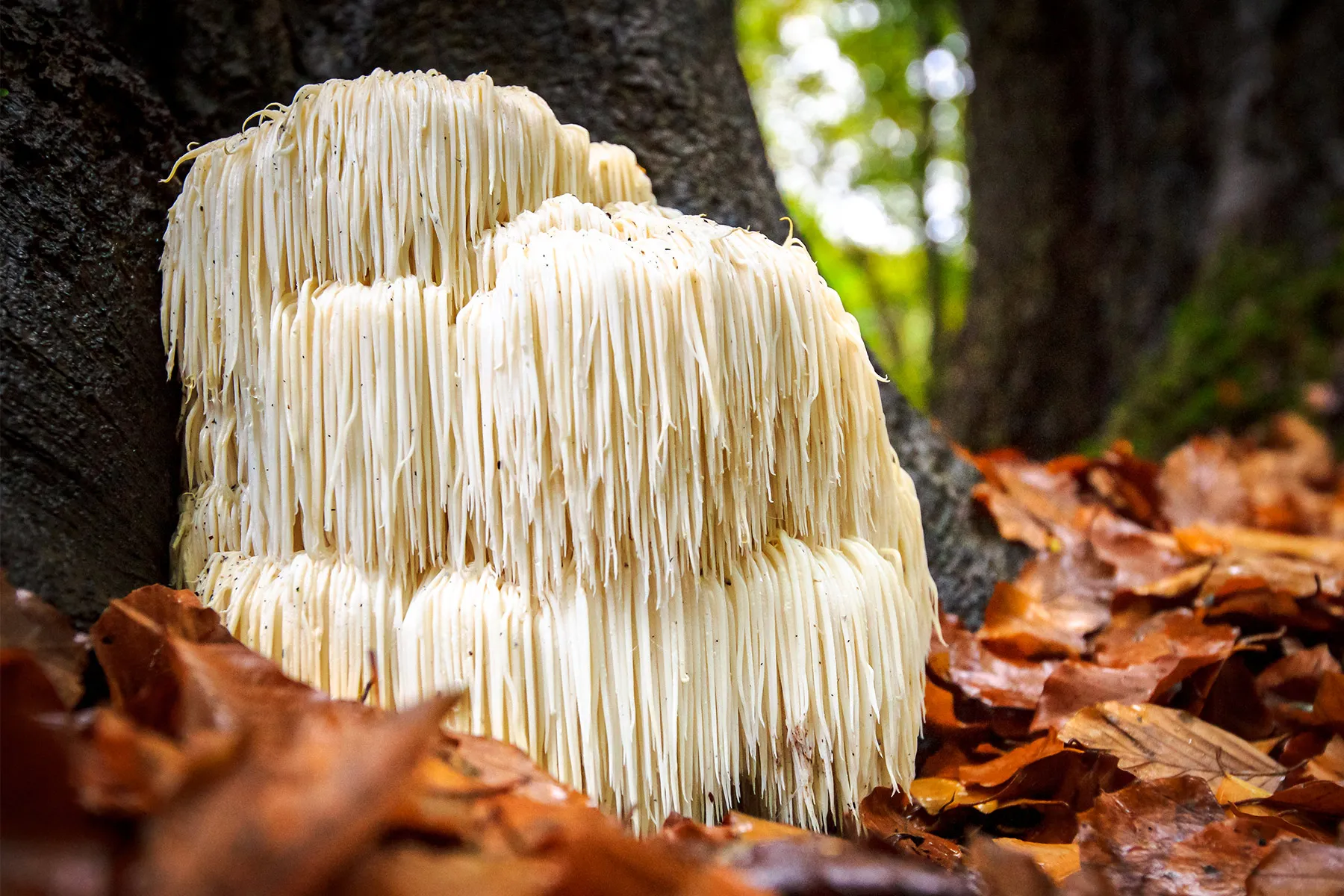
Lion’s Mane (Hericium erinaceus) is a white, shaggy mushroom found in North America, Europe, and Asia. In traditional Chinese medicine, it has been used for centuries for digestive, immune, and cognitive health. Today, it is widely available as capsules, powders, teas, and even fresh mushrooms.
Lion’s Mane stands out among medicinal mushrooms because of its unique appearance—its long, white “spines” look like a lion’s mane—and its reputation for supporting the nervous system. In Japan, it is called “yamabushitake” and is valued both as food and medicine.
Key Active Compounds
Lion’s Mane contains unique molecules called hericenones and erinacines. These compounds appear to stimulate nerve growth factor (NGF) and brain-derived neurotrophic factor (BDNF)—both essential for brain cell health and regeneration.
These molecules are found mainly in the fruiting body (the part you see above ground) and, in the case of erinacines, in the mycelium (the underground part). Hericenones are more common in the mushroom itself, while erinacines are produced in a laboratory setting from the mycelium.
Both types are believed to play a role in brain health, but research suggests fruiting body extracts may be more effective for cognitive support.
Traditional Uses Vs. Modern Interest
Traditionally, Lion’s Mane was used for stomach health and to support general well-being. Modern interest has shifted to its potential for:
- Supporting memory and focus
- Reducing anxiety and depression symptoms
- Protecting the brain from aging and injury
Its reputation as a “brain mushroom” is now underpinned by emerging lab and human studies. For example, some studies suggest that Lion’s Mane may help protect against Alzheimer’s disease, reduce mild symptoms of depression and anxiety, and improve nerve function in people with peripheral neuropathy.
This range of effects shows that Lion’s Mane’s benefits go beyond just concussion recovery.
The Science: How Lion’s Mane May Help Concussion Recovery
Researchers are starting to uncover how Lion’s Mane might protect and heal the brain after an injury. Here’s a closer look at the main mechanisms.
Stimulating Nerve Growth
Lion’s Mane extracts have been shown to increase NGF and BDNF in animal studies. These proteins help the brain:
- Repair damaged neurons
- Form new connections (synapses)
- Support overall brain plasticity
After a concussion, raising NGF and BDNF could speed up the brain’s natural healing processes. For example, in a rat study, animals treated with Lion’s Mane after brain injury formed new neural pathways faster and performed better in memory tests compared to untreated rats.
This suggests that Lion’s Mane might help the brain “rewire” itself after injury, which is key for long-term recovery.
Reducing Inflammation
Concussions trigger brain inflammation, which can damage cells and slow recovery. Lion’s Mane contains antioxidants and anti-inflammatory compounds that may:
- Lower inflammation markers
- Protect neurons from further harm
- Balance immune responses in the brain
Animal studies show that Lion’s Mane can reduce swelling and cell death after brain injuries. For example, in one study, rats given Lion’s Mane after a brain injury had much lower levels of inflammatory cytokines—proteins that signal inflammation—compared to those not given the supplement.
Lower inflammation means less secondary damage, which is important because much of the harm from a concussion happens hours or days after the initial injury.
Protecting Against Oxidative Stress
After a concussion, the brain produces extra free radicals—unstable molecules that harm cells. Lion’s Mane’s antioxidants can neutralize these free radicals, possibly limiting long-term damage.
Oxidative stress is a major reason why brain injuries can have lasting effects. The antioxidants in Lion’s Mane work by “donating” electrons to these unstable molecules, making them harmless. Over time, less oxidative damage may translate into better memory and thinking skills.
Supporting Myelin Repair
Some studies suggest that Lion’s Mane may help remyelinate neurons. Myelin is the protective coating around nerve fibers, and damage to it is common after concussions. Better myelin repair means improved nerve signaling and faster cognitive recovery.
Demyelination, or loss of myelin, can slow down information transfer in the brain, leading to “brain fog” and slower reflexes. Lion’s Mane’s potential to help rebuild myelin is especially exciting for athletes or anyone who needs to return to high mental performance after an injury.
Human Studies And Limitations
While most research is still in animals or test tubes, a few small human studies show promise. For example, older adults with mild memory problems have reported better focus and recall after taking Lion’s Mane for several weeks. However, there are no large, high-quality clinical trials focused on concussion recovery—yet.
Key Studies At A Glance
| Study Type | Subjects | Main Findings |
|---|---|---|
| Animal (rats) | Brain injury model | Reduced inflammation, improved neuron repair |
| Animal (mice) | Memory impairment | Improved learning and memory tests |
| Human (elderly) | Age-related cognitive decline | Better cognitive scores after 4 months |
It’s important to remember that while these results are encouraging, more studies are needed, especially in people recovering from concussions. The brain’s response to injury is complicated, and what works for age-related decline may not be exactly the same after trauma.
Still, the overlap in mechanisms suggests real potential.
Comparing Lion’s Mane To Other Neuroprotective Strategies
Many people wonder how Lion’s Mane stacks up against other supplements and treatments for concussion recovery. Here’s a comparison of popular options:
| Approach | Main Benefits | Main Drawbacks |
|---|---|---|
| Lion’s Mane Mushroom | Supports NGF/BDNF, reduces inflammation, antioxidant effects | Limited human data, quality varies by brand |
| Omega-3 Fatty Acids | Reduces inflammation, supports membrane repair | Can interact with blood thinners |
| Curcumin (from turmeric) | Strong anti-inflammatory, antioxidant | Poor absorption without added piperine |
| Rest & Cognitive Therapy | Directly addresses symptoms, no side effects | May not speed up underlying brain healing |
| Prescription Medications | Target specific symptoms (pain, sleep) | Potential side effects, do not heal brain tissue |
Lion’s Mane stands out for its possible role in nerve growth and brain repair, though strong clinical proof is still developing. Unlike medications, Lion’s Mane is not intended to mask symptoms but to support the healing process. Compared to omega-3s or curcumin, Lion’s Mane is unique in its potential to directly encourage nerve regeneration.

Credit: www.ons.org
Practical Guide: Using Lion’s Mane For Concussion Recovery
If you’re considering Lion’s Mane as part of a concussion recovery plan, it’s important to use it safely and effectively. Here’s what you need to know.
Choosing A Quality Lion’s Mane Product
Not all supplements are equal. Look for:
- Hot water-extracted products (better for hericenone/erinacine levels)
- Capsule or powder from fruiting body, not just mycelium
- No fillers or additives
- Clear labeling of dose (usually 500–1000 mg per serving)
- Third-party testing for purity
You can also look for certifications like USDA Organic or Non-GMO. Avoid products that do not list the source of Lion’s Mane or use vague terms like “mushroom complex,” as these may contain very little of the active compounds.
How To Use Lion’s Mane
There is no universal dose for concussion recovery. Most studies use 500–3000 mg per day, divided into 1–3 servings. It can be taken with or without food. Always start with a lower dose to check for any side effects.
Example Daily Routine
- Morning: 500 mg Lion’s Mane with breakfast
- Afternoon: 500 mg Lion’s Mane with lunch
- Evening: Optional extra 500 mg with dinner
Some people prefer powder mixed into coffee or smoothies, while others like the convenience of capsules. For those sensitive to new supplements, starting with one dose per day for the first week is a good idea.
How Long To Take It
Benefits are usually gradual. Most people use Lion’s Mane for 4–12 weeks, sometimes longer. It’s wise to track symptoms and progress with a journal or symptom checklist.
Documenting changes in energy, focus, headaches, or mood can help you and your doctor decide if it’s helping. If you notice no change after two months, it may not be the right supplement for you.
Potential Side Effects
Lion’s Mane is considered very safe, but rare side effects can include:
- Mild digestive upset (gas, bloating)
- Allergic reactions (rash, itching) in sensitive individuals
- Headache or dizziness (uncommon)
People with asthma or severe allergies should be extra cautious. If you develop new symptoms like breathing trouble or hives, stop taking the supplement and seek medical advice.
Combining Lion’s Mane With Other Approaches
Lion’s Mane can be used alongside other recovery strategies, such as:
- Rest and sleep
- Light exercise (as recommended by a doctor)
- Omega-3 supplements
- Cognitive or physical therapy
Avoid combining it with unknown herbal products or prescription drugs without medical advice. Adding too many new things at once can make it hard to know what’s helping or causing side effects.
Real-world Example
Sarah, a 32-year-old soccer player, used Lion’s Mane after her third concussion. She paired it with omega-3 fish oil, daily walks, and brain games. After eight weeks, she noticed better focus and less brain fog, though she still paced herself with physical activity.
Her experience shows that Lion’s Mane is not a miracle cure but can be a supportive tool.
Others have reported similar stories—some find Lion’s Mane helpful for mental clarity, while others see little effect. The key is to combine it with proven methods like rest, good nutrition, and medical follow-up.
Non-obvious Insights For Beginners
While many guides focus on the basics, here are two important insights often missed:
- Quality and origin matter: Many Lion’s Mane supplements are made with only the mushroom’s “mycelium” grown on grain, not the true fruiting body. These products may be lower in active compounds, so always check labels. Products using “fruiting body only” often cost more but may provide more consistent results.
- Timing with brain rest: Taking Lion’s Mane during the brain’s natural rest and recovery phase (first 1–3 weeks after injury) may give the best results, but it is not a replacement for medical care or rest. Trying to “do too much” too soon can slow down recovery, no matter what supplement you use.
A third insight: Individual response varies. Some people are “non-responders” to Lion’s Mane. Genetics, diet, and other factors all play a role. Pay attention to your own experience rather than relying only on reviews or studies.
The Limits Of Lion’s Mane: What It Can And Cannot Do
It’s important to have realistic expectations about what Lion’s Mane can offer for concussion recovery.
What Lion’s Mane Can Do
- Support brain cell repair by boosting NGF and BDNF
- Reduce inflammation and oxidative stress
- Provide gentle, long-term support for cognitive function
Lion’s Mane fits best as a “supportive” tool, not a primary therapy. It’s helpful for people who want to give their brain extra support as it heals.
What Lion’s Mane Cannot Do
- Replace medical treatment for severe concussions or traumatic brain injuries
- Provide immediate relief—results are gradual
- Guarantee full recovery for every person
Lion’s Mane should be viewed as part of a broad recovery plan, not a stand-alone solution. For example, if you experience vision changes, severe headaches, or ongoing confusion, medical evaluation is always more important than any supplement.
Emerging Research: Neuroprotective Evidence In Detail
The most exciting area of Lion’s Mane research is its potential as a neuroprotective agent—something that shields brain cells from injury and helps them recover.
Animal Models
In several studies, rats given Lion’s Mane extract after brain injury showed:
- Less neuron death and better tissue preservation
- Improved performance in memory and maze tests
- Lower levels of inflammatory cytokines
One study found that rats treated with Lion’s Mane had 35% fewer damaged neurons compared to untreated controls after a concussion-like injury.
Some animal research has also looked at Lion’s Mane’s effects on nerve crush injuries and diseases like multiple sclerosis. The mushroom often helps reduce disability and speed recovery, suggesting its effects are not limited to concussions alone.
Human Studies
While large trials are lacking, some small human studies have found:
- Adults with mild cognitive impairment improved memory and focus after 16 weeks of Lion’s Mane
- No serious side effects reported
A Japanese study with older adults found that daily Lion’s Mane improved cognitive function, but benefits faded after stopping the supplement—suggesting ongoing use may be needed for lasting effects.
Molecular Mechanisms
Lion’s Mane acts on several brain pathways:
- NGF/BDNF stimulation: Encourages neuron survival and growth
- Antioxidant pathways: Reduces damage from free radicals
- Anti-inflammatory actions: Lowers harmful immune activity in the brain
These combined effects may explain why it helps both in animal brain injury models and in early human trials for cognitive decline. Scientists are also studying if Lion’s Mane can help with conditions like Parkinson’s, stroke, or even depression.
Comparing Evidence Strength
The evidence for Lion’s Mane is strongest in animal models and test tubes. Human data is encouraging but still early. Compared to established treatments like rest and therapy, Lion’s Mane offers a new direction, but it should not be seen as a replacement for proven care.
Risks, Precautions, And When To Seek Medical Help
No supplement is completely risk-free. Here are key points to remember:
- Allergic reactions are rare but possible, especially for people allergic to mushrooms.
- Drug interactions: There is little data, but Lion’s Mane may interact with blood thinners or immune drugs. Check with your doctor if you take other medications.
- Medical emergencies: If you have symptoms like vomiting, severe headache, loss of consciousness, or seizures after a concussion, seek emergency care immediately. Supplements should never delay urgent treatment.
Also, be aware of the risk of using low-quality products. Some Lion’s Mane supplements are contaminated with heavy metals or pesticides. Third-party testing is essential for safety.
Myths And Misconceptions About Lion’s Mane For Concussions
As Lion’s Mane becomes popular, some myths spread online. Here’s the truth:
Myth 1: Lion’s Mane Heals All Brain Injuries
Fact: Results vary by person and injury type. Lion’s Mane is promising but not a miracle cure.
Myth 2: More Is Always Better
Fact: Higher doses may cause more side effects without extra benefits. Stick to proven amounts.
Myth 3: It Works Instantly
Fact: Most users need several weeks to notice a difference.
Myth 4: Any Mushroom Supplement Will Do
Fact: Only true Lion’s Mane (Hericium erinaceus) with high hericenones and erinacines is backed by research.
Myth 5: Lion’s Mane Can Replace Medical Care
Fact: Always follow your doctor’s advice for concussion treatment.
Another myth is that Lion’s Mane will make you “smarter” overnight. The effects are usually subtle—better focus, less brain fog—not dramatic changes in intelligence.

Credit: www.mdpi.com
Comparing Different Lion’s Mane Supplements
With many options on the market, choosing the right supplement can be confusing. Here’s a comparison of popular types:
| Type | Main Features | Best For |
|---|---|---|
| Capsules (fruiting body) | Easy dosing, consistent quality, higher active compounds | Most users, beginners |
| Powders | Mix into smoothies or drinks, can adjust dose | People who dislike pills |
| Tea/Extract drinks | Milder flavor, lower dose per serving | Gentle daily use |
| Fresh mushrooms | Cook as food, may have variable potency | Food lovers, those wanting whole food benefits |
| Mycelium-based supplements | Cheaper, often lower in active ingredients | Budget buyers (less effective for brain health) |
For those wanting maximum brain support, fruiting body extracts are recommended. Fresh mushrooms are tasty and nutritious but may not provide consistent amounts of the key compounds for nerve growth.
Key Takeaways For People Considering Lion’s Mane
If you are thinking about using Lion’s Mane for concussion recovery, keep these points in mind:
- Choose high-quality, fruiting body-based products with no fillers.
- Start with a low dose, and track your symptoms.
- Use Lion’s Mane as one part of a broader recovery plan—including rest, nutrition, and therapy.
- Consult with a medical professional, especially if you are on medication or have other health issues.
- Set realistic expectations: Benefits are gradual and vary by person.
Also, remember that supplements are just one piece of the puzzle. Good sleep, stress management, and time are equally important for brain healing.
Credit: www.webmd.com
The Future Of Lion’s Mane And Brain Health
Interest in Lion’s Mane is only growing. Scientists are working on larger human studies, new extraction methods, and even combining Lion’s Mane with other neuroprotective compounds. If results continue to be positive, Lion’s Mane could become a regular part of brain injury recovery programs.
Some researchers are also exploring how Lion’s Mane works with other mushrooms, like Reishi or Cordyceps, for synergistic effects. As brain injuries become more common in sports and daily life, having safe, natural options for support is more important than ever.
For now, it offers a promising but not guaranteed way to support brain healing after a concussion. Its safety profile makes it worth considering—especially as an addition to, not a replacement for, current best practices.
For more on the science behind Lion’s Mane and brain health, you can explore resources from the National Institutes of Health.
Frequently Asked Questions
What Is The Best Time To Start Lion’s Mane After A Concussion?
The ideal time is during the early recovery phase—usually within the first 1–3 weeks after injury, once any medical emergencies are managed. This is when the brain’s natural repair systems are most active, and supplements like Lion’s Mane may be most helpful.
Can Lion’s Mane Replace Rest And Medical Care?
No, Lion’s Mane should not be used as a substitute for rest, medical evaluation, or therapy. It is best used as a supportive tool within a full recovery plan.
How Long Does It Take To Notice Effects From Lion’s Mane?
Most people notice gradual changes in focus, mood, or energy after 4–8 weeks of daily use. Some may notice benefits sooner, while others may not feel a difference.
Are There Any Groups Who Should Avoid Lion’s Mane?
People with mushroom allergies, bleeding disorders, or those on certain immune or blood-thinning medications should use caution. Always check with a healthcare provider before starting any new supplement.
Can Children Or Teenagers Use Lion’s Mane For Concussion Recovery?
There is little research on Lion’s Mane in children or teens. Parents should consult with a pediatrician before considering it for younger people with concussions.
Lion’s Mane mushroom offers hope for people looking to support their brain after a concussion. While it is not a cure-all, its combination of nerve growth, anti-inflammatory, and antioxidant benefits make it a compelling option as part of a modern, science-backed recovery plan.
Always use it wisely, and let your journey to brain health be guided by both evidence and professional advice.