
Runners everywhere are always searching for the next advantage. Whether you run for fitness, competition, or adventure, pushing your limits is part of the passion. Many athletes now turn to natural supplements to boost endurance and performance. Among these, cordyceps stands out, promising real benefits for VO2 max and overall stamina. But does it live up to the hype? What exactly is cordyceps, and how can it support your running journey? Let’s dive deep into the science, experiences, and practical advice so you can decide if cordyceps should be part of your training plan.
What Are Cordyceps?
Cordyceps are a group of medicinal mushrooms with a long history in Chinese and Tibetan medicine. Traditionally, they were rare and grew only on caterpillars high in the Himalayas. This original species, Cordyceps sinensis, was so rare that it became known as “Himalayan gold,” valued for its supposed ability to restore vitality and treat fatigue. Because wild cordyceps are extremely expensive and difficult to find, today most supplements use a cultivated form called Cordyceps militaris, which grows without insects but contains similar compounds.
In traditional use, cordyceps were brewed into teas or added to soups for people recovering from illness or intense physical activity. Their reputation spread among mountain communities for helping with breathing in thin air and for boosting energy.
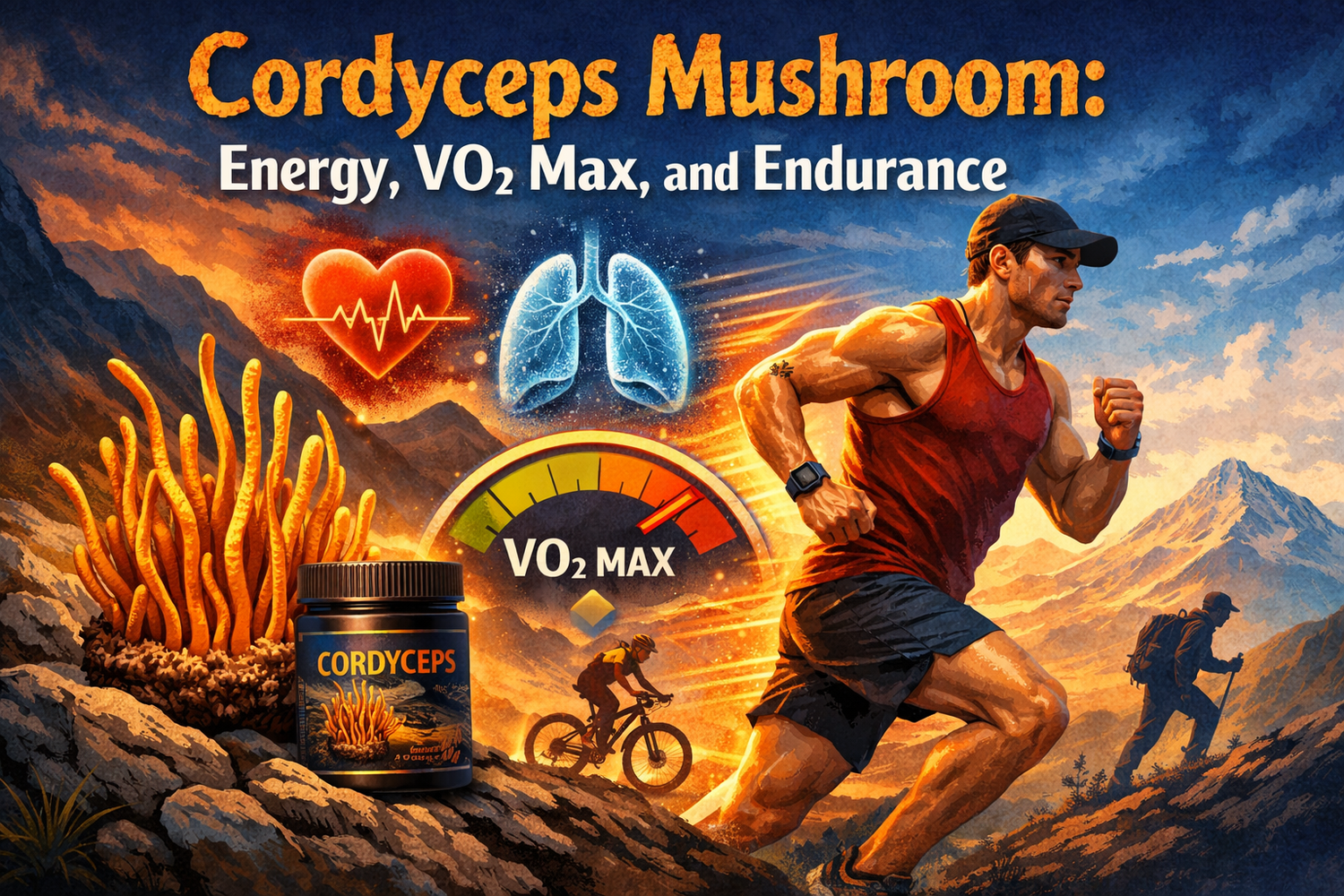
Runners are interested in cordyceps because of their reputation for increasing energy, oxygen use, and stamina. In Asia, they have been used for centuries to fight fatigue and boost lung health. Modern science is starting to catch up, with studies exploring their effects on athletic performance. One non-obvious insight is that cordyceps are also considered adaptogens, which means they help your body handle stress—physical, mental, or environmental. This adaptogenic property is useful for runners who face tough training, changing weather, and even the psychological stress of races.
Today, you can find cordyceps in capsules, powders, and even energy drinks. Some high-altitude athletes in the Himalayas still rely on traditional preparations, blending ancient knowledge with modern sports science.
How Cordyceps Work In The Body
Cordyceps contain several unique compounds that are believed to drive their health effects:
- Cordycepin: This is an adenosine analogue. It may play a role in supporting cellular energy and improving how the body uses oxygen.
- Polysaccharides: These complex sugars can boost the immune system and may help reduce fatigue by stabilizing blood sugar.
- Adenosine: Naturally found in both cordyceps and your body, adenosine helps expand blood vessels and improve blood flow, delivering more oxygen to working muscles.
Cordyceps work mainly by helping your body use oxygen more efficiently. This means that for every breath you take during a run, your muscles can use more of the oxygen you inhale. They may also increase ATP production (the main energy source for your muscles) and support better blood flow. ATP, or adenosine triphosphate, is like gasoline for your muscles. When you run out, your muscles slow down and fatigue sets in.
The Mitochondria Connection
Your cells have tiny energy factories called mitochondria. Cordyceps have been shown to improve how these mitochondria produce energy, which is vital for endurance. This effect is especially important for distance runners, because the longer you run, the more you rely on efficient energy production. Scientific studies show that cordyceps can increase the number and efficiency of mitochondria in muscle cells. For example, in animal studies, rats fed cordyceps extract showed higher mitochondrial activity in their leg muscles, which translated into better stamina and longer running times.
A practical example: Imagine two runners with the same training, but one has more efficient mitochondria. That runner will use less energy per step, tire less quickly, and recover faster after sprints or hills. Cordyceps may help tip the balance in your favor by supporting these cellular powerhouses.
Oxygen Utilization
Studies suggest cordyceps can raise the maximum amount of oxygen your body can use during exercise—known as VO2 max. This is a key measure for runners. The higher your VO2 max, the longer and faster you can run before fatigue sets in. Cordyceps do this by increasing the elasticity of blood vessels, improving lung function, and helping red blood cells carry more oxygen. In real terms, this could mean running the same distance at a faster pace, or holding your current pace with less effort.
Another non-obvious insight: Cordyceps may also help with oxygen utilization in polluted or high-altitude environments, where oxygen is harder to absorb. Runners training in cities or mountains could notice an even bigger benefit.
What Is Vo2 Max And Why Does It Matter For Runners?
VO2 max stands for “maximal oxygen uptake.” It measures how much oxygen your body can use during intense exercise. The number is usually expressed in milliliters of oxygen per kilogram of body weight per minute (ml/kg/min). This is not just a “runner’s number”—it’s a key indicator of your heart, lung, and muscle health.
A higher VO2 max means:
- You can run faster without getting as tired, because your muscles get more oxygen.
- Your heart and lungs are stronger and more efficient.
- Your body recovers more quickly after workouts, since you clear out waste products faster.
For runners, VO2 max is one of the most important numbers. It sets the ceiling for your endurance and speed. If you want to run a marathon, win a 5K, or just beat your personal best, improving VO2 max is a smart goal.
Typical Vo2 Max Values
Here’s a quick look at average VO2 max values for different groups:
| Group | VO2 Max (ml/kg/min) |
|---|---|
| Untrained Male | 35–40 |
| Untrained Female | 27–31 |
| Trained Male Runner | 50–60 |
| Elite Male Runner | 70–85 |
| Elite Female Runner | 60–75 |
Many runners use cordyceps with the goal of moving up in these categories.
To put this in context: if you’re an untrained male with a VO2 max of 38, and you start running regularly and using cordyceps, you might see that number climb to the high 40s or low 50s over months or years. That translates to better race times, easier long runs, and more energy for everyday life.
Cordyceps And Endurance: What The Research Shows
Can a mushroom really help you run farther? Scientific studies are starting to give us answers.
Human Studies
Several small studies suggest that cordyceps can improve endurance:
- A study in 2016 gave trained cyclists 4 grams of cordyceps per day for three weeks. The athletes increased their VO2 max by an average of 7%. This is a significant improvement—enough to move some athletes into a higher performance category.
- Another study found that older adults who took cordyceps for 12 weeks improved their exercise tolerance and reduced fatigue. These participants could walk farther and felt less exhausted after activity.
- In a trial with healthy young adults, cordyceps supplementation improved time-to-exhaustion during high-intensity exercise by about 12%. This means the runners could keep up a hard pace longer before needing to stop.
Some studies also note improvements in respiratory function, which is especially helpful for runners with mild asthma or those training in cold weather.
However, it’s worth noting that not all studies show dramatic effects. Results can depend on the dose, the quality of the supplement, and individual differences in metabolism. But the trend is clear—cordyceps seem to offer real benefits for endurance.
Animal Studies
Animal studies show similar results. Mice given cordyceps ran longer on treadmills and had higher muscle ATP levels. These findings suggest cordyceps can boost endurance in different species. In one study, rats given cordyceps extract showed a 29% increase in swimming time before exhaustion, along with better energy reserves in muscle tissue.
While animal research doesn’t always translate directly to humans, these studies help explain how cordyceps might work at the cellular level, providing extra energy and delaying fatigue.
Real-world Runner Experiences
Many runners report feeling less tired and able to train harder when using cordyceps. Some say they recover faster between runs. However, effects can vary from person to person. For example, some runners notice a quick boost in daily energy, while others see gradual improvement in their long-run stamina over several weeks.
It’s also common for runners to combine cordyceps with other healthy habits—like better sleep, hydration, and structured training—which can make it hard to know what’s causing the improvement. Still, the number of positive reports suggests that cordyceps are worth trying, especially for those who have hit a plateau in their training.
How Cordyceps Improve Vo2 Max And Endurance
Cordyceps may support runners in several ways:
- Boosting Oxygen Uptake: Cordyceps help your lungs and muscles use oxygen better, which means you can run at a higher intensity with the same effort.
- Increasing ATP Production: More energy is available for each stride. This effect is especially noticeable during sprints or hill repeats.
- Reducing Lactic Acid: Your muscles can work longer before feeling sore. Lactic acid is what makes your legs burn during hard efforts; lowering it means you can push further before the pain sets in.
- Improving Blood Flow: More oxygen-rich blood reaches your muscles. This reduces the feeling of “heavy legs” and helps clear out waste products.
- Decreasing Fatigue: Cordyceps have anti-fatigue properties, so you can push further. They do this by reducing oxidative stress and helping your body recover faster after workouts.
In addition to these, cordyceps may help regulate blood sugar, which prevents energy crashes during long runs. Some studies also suggest an anti-inflammatory effect, which can help with recovery and reduce post-run soreness.
These effects combine to help runners train longer, recover faster, and potentially race at higher intensities. For example, one experienced ultramarathoner found that after a month of cordyceps use, she could add an extra long run each week without feeling overtrained.
Cordyceps Vs. Other Endurance Supplements
Many athletes use supplements to improve performance. How does cordyceps compare to other popular options?
| Supplement | Main Benefit | VO2 Max Impact | Common Side Effects |
|---|---|---|---|
| Cordyceps | Endurance, oxygen use | Moderate increase (5–10%) | Rare, mild (digestive) |
| Beetroot Juice | Nitric oxide, blood flow | Small increase (2–4%) | Pink urine, stomach upset |
| Caffeine | Alertness, reduced perceived effort | Minimal direct effect | Jitters, heart rate up |
| Beta-Alanine | Lactic acid buffer | Helps at high intensity | Paresthesia (tingling) |
| BCAAs | Muscle recovery | No direct effect | Rare |
Cordyceps stand out for their direct impact on VO2 max and overall endurance. Unlike caffeine, they do not cause jitters or dependency. Another advantage: cordyceps are adaptogenic, helping your body adjust to stress, while most other supplements target just one area (like blood flow or muscle recovery).
If you are looking for a supplement that supports both performance and recovery, cordyceps is unique. For beginners, this means you’re less likely to overdo it and injure yourself, and more likely to stick with your training plan.
Choosing The Right Cordyceps Supplement
If you want to try cordyceps, choosing a quality product is essential. Not all supplements are equal. Low-quality supplements may have little active ingredient, contain unwanted fillers, or even lack real cordyceps.
What To Look For
- Species: Preferably Cordyceps militaris or Cordyceps sinensis (most supplements use militaris because it is easier to cultivate and still effective).
- Standardization: Look for products standardized to at least 25% polysaccharides. This ensures you get enough active compounds.
- Testing: Choose brands that test for heavy metals and contaminants. Mushrooms can absorb toxins from the soil, so testing is important for safety.
- Form: Capsules and powders are popular. Powders can be mixed into shakes, smoothies, or even soups. Capsules are more convenient for travel or if you dislike the taste.
Check for certifications like USDA Organic or Non-GMO when possible. Some brands also offer dual-extract formulas, which use both water and alcohol extraction to maximize the range of active compounds.
Trusted Brands
Some well-known brands with good reputations include:
- Real Mushrooms
- Host Defense
- Aloha Medicinals
- Om Mushroom
Always check for independent lab testing.
Dosage And Timing
Most studies use 3–4 grams per day. Some runners split the dose: half in the morning, half before running. Start with a lower dose to check for tolerance.
If you have a sensitive stomach, try taking cordyceps with food. Some people find that the effect is stronger if taken on an empty stomach, but this varies. It’s smart to start low and increase slowly to see how your body responds.
How To Use Cordyceps For Running
Adding cordyceps to your routine is simple, but a few tips can help you get the most benefit.
Step-by-step Guide
- Start Small: Begin with 1 gram per day for the first week. This lets your body adjust and helps you spot any side effects.
- Monitor Effects: Note any changes in energy, recovery, or performance. Consider keeping a training diary to track subtle differences.
- Increase Gradually: Move up to 3–4 grams if you feel good. Most people settle at 2 grams for maintenance and 3–4 grams for peak training.
- Timing: Take cordyceps 30–60 minutes before running for an energy boost. If you prefer, split the dose between morning and pre-workout.
- Be Consistent: Effects build over time. Use daily for at least 2–3 weeks before judging results.
If you train in the evenings, try taking cordyceps earlier in the day to avoid possible sleep disruption, though most users do not notice this effect.
Mixing Cordyceps With Food Or Drink
Cordyceps powder has a mild, earthy taste. You can blend it into:
- Protein shakes
- Coffee or tea (it mixes well in hot liquids)
- Oatmeal or yogurt
- Smoothies with banana or berries
Capsules are a good choice if you dislike the taste. Some athletes even mix cordyceps into homemade energy bars or bites for a pre-run snack.
A tip: If you make your own running fuel, try combining cordyceps powder with oats, honey, and nut butter for a performance-boosting treat.

Credit: antioxi-supplements.com
Common Beginner Mistakes With Cordyceps
Many new users make avoidable errors. Watch for these:
- Expecting Instant Results: Cordyceps work gradually. Give them at least 2 weeks to build up in your system. Some subtle benefits, like improved sleep or mental clarity, may appear before endurance gains.
- Using Poor-Quality Brands: Cheap products may contain fillers or low active compounds. Read ingredient labels and check for third-party testing.
- Taking Too Much Too Soon: Start with a lower dose to avoid stomach upset. More is not always better.
- Ignoring Overall Training: Supplements help most when combined with good sleep, nutrition, and training. Cordyceps cannot replace quality workouts or a balanced diet.
Another mistake: stopping use too soon. Some runners try cordyceps for only a few days and quit if they don’t feel a big difference. Remember, real change takes consistency and patience.
Practical Tips For Runners Using Cordyceps
You can boost your results with a few smart practices:
- Stay Hydrated: Cordyceps support energy, but dehydration will still slow you down. Drink enough water before, during, and after your runs.
- Pair with Interval Training: Combine cordyceps with interval runs to maximize VO2 max gains. For example, try a weekly workout of 400-meter repeats at race pace.
- Track Your Progress: Use a running app or log to note changes in pace, distance, or recovery. Look for trends over 3–4 weeks, not just single runs.
- Cycle Your Use: After 8–12 weeks, take a 1–2 week break to reset. This helps prevent your body from adapting too much and keeps the benefits strong.
Another tip: If you race at different distances, experiment with when you take cordyceps. Some runners find the best results for long runs, while others notice an edge in short, high-intensity races.

Credit: www.amazon.com
Real Runner Stories: Cordyceps In Action
Hearing from other runners can provide insight and motivation.
Case 1: Marathoner’s Experience
Sara, a 38-year-old marathoner, added cordyceps to her routine 8 weeks before her next race. She noticed her recovery time between hard runs dropped from 3 days to 1. 5 days. By race day, she improved her half-marathon personal best by nearly 3 minutes.
Sara also reported better sleep and fewer muscle cramps after long training sessions.
Case 2: New Runner Boost
David, a new runner, struggled with stamina and often felt exhausted after 5 km. After using cordyceps for 4 weeks, he found he could run 7 km with less fatigue and recovered more quickly. David said his energy was more stable and he felt motivated to keep training, even after long workdays.
Case 3: Trail Runner Recovery
Jin, a trail runner in his 50s, used cordyceps to help with altitude training. He noticed less shortness of breath during mountain runs and better sleep quality. Jin felt less muscle soreness the day after tough climbs and said he could run back-to-back days without as much fatigue.
Non-obvious Insights
- Cordyceps May Improve Sleep: Better sleep helps muscle repair and mental focus. Several runners notice deeper rest, which adds up to better performance.
- Altitude Training Support: Runners training at high elevations may benefit more, as cordyceps improve oxygen use in low-oxygen settings. This effect is especially valued by athletes traveling for mountain races.
One more non-obvious insight: Some runners find that cordyceps help with mental clarity and focus, making them less likely to “zone out” during long solo runs.
Are Cordyceps Safe For Runners?
Cordyceps are generally safe for most people. Side effects are rare and usually mild:
- Upset stomach
- Dry mouth
- Loose stool (uncommon)
People with autoimmune diseases, bleeding disorders, or those taking blood thinners should talk to a doctor before starting cordyceps.
Pregnant or breastfeeding women should also consult a healthcare provider, since research in these groups is limited.
Quality Control Matters
Because supplements are not tightly regulated, always buy from trusted brands and check for third-party testing. Fake or contaminated supplements can cause unexpected side effects or offer no benefits at all.
If you have allergies to mushrooms, avoid cordyceps or test with a very small dose.
Credit: synchronicity.health
Combining Cordyceps With Other Supplements
Can you use cordyceps with other endurance boosters? Most runners safely combine cordyceps with:
- Beta-alanine: For high-intensity performance
- Beetroot juice: For nitric oxide and blood flow
- Electrolytes: For hydration
- Protein powders: For muscle recovery
Avoid combining with multiple new supplements at once; introduce changes gradually. This way, you can monitor your body’s reaction and spot any side effects.
Some runners stack cordyceps with adaptogens like ashwagandha or rhodiola for extra stress resistance. If you want to try this, start with low doses and check how you feel.
Frequently Asked Questions
What Is The Best Time To Take Cordyceps For Running Performance?
The best time is 30–60 minutes before your run. This gives your body time to absorb the active compounds. Some runners split their dose, taking half in the morning and half pre-workout for steady energy.
How Long Does It Take To See Results From Cordyceps?
Most people notice benefits after 2–4 weeks of daily use. Some effects, like better recovery, can appear sooner. Consistency is important—cordyceps work best when used regularly.
Can Cordyceps Help With Altitude Training?
Yes, cordyceps can support runners at high altitudes. They help your body use oxygen more efficiently, which is especially valuable in low-oxygen environments. Many mountain and trail runners use cordyceps for this reason.
Are There Any Side Effects Of Cordyceps?
Side effects are rare and mild, but can include stomach upset or dry mouth. Start with a small dose and increase slowly. If you have health concerns or take medication, check with your doctor before starting.
How Can I Tell If My Cordyceps Supplement Is High Quality?
Look for supplements that list the species (preferably Cordyceps militaris), provide at least 25% polysaccharides, and use third-party testing to confirm purity. Check for customer reviews and avoid very cheap or unlabeled products.
Can I Take Cordyceps Every Day?
Yes, cordyceps are safe for daily use for most people. Some athletes use them only during peak training or racing seasons, while others use them year-round. If you notice any side effects, lower your dose or take a break.
Should I Cycle Cordyceps?
Many experts recommend cycling supplements, including cordyceps, to maintain effectiveness. For example, use for 8–12 weeks, then take a 1–2 week break.
Final Thoughts: Should Runners Use Cordyceps?
For runners seeking an edge in endurance and VO2 max, cordyceps offer a promising, natural solution. They have a unique ability to help the body use oxygen more efficiently, boost energy production, and speed recovery. While not a magic bullet, the science and real-world experiences suggest real benefits, especially when used alongside good training and nutrition.
If you’re ready to try cordyceps, start slowly, choose a reputable brand, and track your progress. Over a few weeks, you may notice stronger runs, faster recovery, and greater stamina. As always, listen to your body and consult a health professional if you have concerns.
For more on the science behind cordyceps and endurance, visit the official research summary at Wikipedia.
With smart use, cordyceps could be the extra boost your running routine needs. Stay curious, train hard, and keep exploring new ways to reach your goals.