
Maitake Dosage Guide: How Much to Take for Immunity And Blood Sugar
Maitake mushroom, also called “Hen of the Woods”, is a functional food with a long history in traditional Japanese and Chinese medicine. In recent years, it has caught the attention of Western science for its potential benefits on immunity and blood sugar control. Many people want to use maitake for better health, but they often wonder: How much maitake should you really take? Is there a safe and effective dose? And do the needs change for immunity versus blood sugar support?
This article offers a complete, clear, and practical guide to maitake dosage for these two important health goals. You’ll learn how much maitake is used in research, what forms are best, how to start, what to expect, safety concerns, and how to avoid common mistakes.
Whether you’re new to maitake or looking to optimize your routine, this guide will help you make informed decisions for your well-being.
Understanding Maitake Mushroom
Maitake (Grifola frondosa) grows in clusters at the base of trees, especially oaks. It is prized for its unique taste and frilly appearance, but its real power comes from its bioactive compounds. The most studied is beta-glucan, a type of polysaccharide known for immune-modulating effects.
Beta-glucans are not the only interesting compounds in maitake. The mushroom also contains ergothioneine (an antioxidant), niacin, and vitamin D2, which are all important for overall health. These compounds work together to support your body, not just your immune system.
Traditional use focused on general health and longevity. For centuries, maitake was valued as a “tonic” food—meaning it was eaten regularly, not just as medicine for illness. In Japanese culture, maitake was so prized that stories say people would dance with happiness upon finding it in the wild.
Modern research suggests maitake may support the immune system, lower blood sugar, and even help with cancer care. Clinical studies are still ongoing, but early results are promising. The form—fresh, dried, extract, or supplement—affects dosage and potency.
It’s also important to know that different parts of the mushroom (cap, stem, or mycelium) can have slightly different profiles of active compounds. Most supplements use fruiting bodies (the part you see above ground), which contain the highest concentration of beta-glucans.
How Maitake Supports Immunity
Maitake’s claim to fame is its beta-glucan content. These natural sugars interact with immune cells like macrophages, natural killer (NK) cells, and T-cells. Beta-glucans act like signals, helping your immune system recognize and respond to threats—without overstimulating it.
Studies show maitake can:
- Increase production of immune cells
- Boost activity against viruses and bacteria
- Support immune balance (not overstimulate)
In addition to boosting the number of immune cells, maitake appears to help your body coordinate its response. This means a more efficient defense against infection, but also less risk of “overreaction” (which can be a problem with some immune boosters).
Animal and human studies link maitake use to improved resistance to infection, faster recovery, and help for people with weakened immune systems. For example, some cancer patients using maitake extracts showed better immune parameters during chemotherapy, though more research is needed for clear recommendations.
The D-fraction, a specific maitake extract, is especially known for immune support. D-fraction is a highly purified beta-glucan-protein complex that has been studied in both lab and clinical settings. It’s thought to be the most active part of maitake for the immune system, so you’ll see it in many specialized supplements.
Insight: One fact beginners often miss is that maitake’s immune effects are not just about boosting. In some cases, maitake helps bring an overactive immune system back into balance. This means it may support people with both weak and overly reactive immune function.
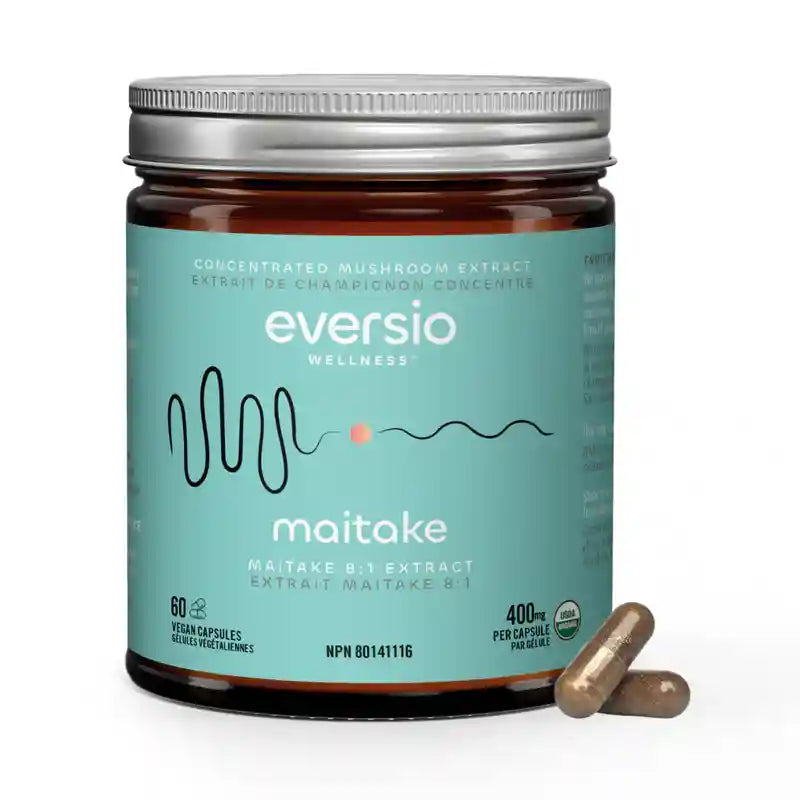
Credit: www.eversiowellness.com
Maitake And Blood Sugar Control
Maitake may help regulate blood sugar thanks to a compound called SX-fraction. SX-fraction is a protein-bound polysaccharide that seems to improve how your cells respond to insulin.
Research highlights include:
- Improved insulin sensitivity
- Lowered fasting glucose levels
- Reduced spikes after meals
Animal studies and small human trials suggest maitake can be a helpful addition for people with prediabetes or type 2 diabetes—but it should not replace medical treatment. One human study found that people who took SX-fraction had lower blood sugar after meals compared to placebo. However, results can vary between individuals, and larger studies are still needed.
Doses and responses vary, making the right starting point essential. Some people respond more strongly to maitake, especially if they have mild to moderate blood sugar problems. If you already use medicine that lowers blood sugar, be extra careful and monitor your levels to avoid hypoglycemia.
Non-obvious insight: Maitake’s effect on blood sugar is not immediate. It usually takes several days to weeks of consistent use to notice a difference. Don’t expect dramatic changes overnight—track your progress over time.
Forms Of Maitake: What Matters For Dosage
Before talking about numbers, it’s important to know the main forms of maitake:
- Whole fresh or dried mushroom: Used as food or tea. Potency is lower per gram.
- Powdered maitake: Dried and ground, can be used in smoothies or capsules.
- Extracts (D-fraction, SX-fraction, etc. ): Concentrated, standardized for certain compounds. Most used in research.
- Capsules/tablets: Contain powder or extract, easy to dose.
The form you choose changes the effective dose. Extracts are far more potent per gram than fresh or powdered mushrooms. Always check the label for “standardized to X% beta-glucan” or specific fraction.
Some products combine different forms to cover a wider range of compounds. For example, a capsule might have both powder (for broad nutrition) and extract (for a targeted effect). There’s no “best” form for everyone—it depends on your needs, budget, and how you like to take supplements.
If you want to use maitake as food, remember that cooking can reduce some heat-sensitive compounds. Steaming or adding maitake at the end of cooking helps preserve more active ingredients.
Maitake Dosage For Immunity
What Studies Suggest
Clinical research on maitake for immune support uses a wide range of doses, usually:
- Fresh maitake mushroom: 50–100 grams per day (cooked as food)
- Powdered form: 3–7 grams per day
- Maitake extract (D-fraction): 1–3 milligrams per kilogram of body weight per day, often standardized
Many supplements provide 500–1000 mg extract per capsule, usually taken 1–3 times daily.
In studies with cancer patients, doses of D-fraction up to 100 mg per day have been used for several months with good safety. For healthy adults, lower doses are usually enough for daily immune support.
Practical Dosage Guidelines
For general immune support in healthy adults:
- Powdered maitake: 3–5 grams daily
- Extract (D-fraction): 20–40 mg standardized extract per day, divided into 2–3 doses
If you are recovering from illness, under stress, or at high risk (such as during flu season), the upper end of the range is more appropriate. For those with chronic immune challenges, work with a healthcare provider.
Example: If your supplement contains 500 mg D-fraction per capsule, one capsule twice per day is a good starting point. Adjust based on your response.
How To Take Maitake For Immunity
- Take with meals to aid absorption.
- Drink plenty of water.
- Cycle use: 4–6 weeks on, then take 1–2 weeks off to avoid potential tolerance.
Some people find it helpful to take maitake in the morning and at lunch, especially if they feel a slight increase in energy. Taking maitake late at night may be too stimulating for sensitive individuals.
Pro tip: Combining maitake with vitamin C or other immune-supportive foods (like garlic or ginger) may boost its effect. However, do not mix with other immune-boosting mushrooms right away—start with maitake alone to see how your body reacts.
Not-so-obvious Insight
Many people focus only on beta-glucan percentage, but the synergy of other compounds (like vitamin D2 and minor polysaccharides) in whole maitake also matters. If you take only isolated beta-glucan, you may miss this effect. Whenever possible, combine whole mushroom powder with a standardized extract.
Example: Adding 2 grams of powder plus a 20 mg D-fraction capsule covers both bases. This approach copies the “whole food plus targeted extract” strategy used in many research studies.
Maitake Dosage For Blood Sugar Control
Research-based Doses
Studies on maitake and blood sugar use both whole mushroom and extracts:
- Whole maitake: 50–100 grams cooked, daily
- SX-fraction extract: 10–30 mg per kg body weight per day, often divided into 2–3 doses
Most commercial SX-fraction supplements contain 150–300 mg per capsule.
In one small human study, people with type 2 diabetes who took 900 mg SX-fraction daily saw better fasting blood sugar after 4 weeks. However, individual responses varied, and not everyone had the same improvement.
Typical Dosage For Adults
For blood sugar support:
- Powdered maitake: 5–7 grams daily, divided into two doses (before main meals)
- SX-fraction extract: 300–900 mg daily, divided into 2–3 doses
Start at the lower end if you are new to maitake. Increase only if well tolerated and monitor your blood sugar closely, especially if you use medication.
Example: If your supplement has 300 mg SX-fraction per capsule, try one capsule before breakfast and one before dinner. Adjust if needed based on your blood sugar readings.
When To Take Maitake For Blood Sugar
- Take before or with meals (not on an empty stomach).
- Combine with other lifestyle measures (diet, exercise).
- Check blood sugar 1–2 hours after eating to track effects.
Pro tip: For best results, pair maitake with a high-fiber, low-sugar meal. This slows absorption and supports steadier blood sugar.
Hidden Tip
SX-fraction is sensitive to heat. If you use maitake as food, avoid overcooking—light sautéing or adding to soups at the end preserves more active compounds.
Example: Add maitake mushrooms to miso soup just before serving, or stir into a warm salad after cooking. This preserves the delicate SX-fraction and maximizes the benefit.
How To Choose The Right Maitake Supplement
Not all maitake products are created equal. Here’s what you need to look for:
- Standardization: Choose extracts labeled with the amount of D-fraction or SX-fraction, or at least % beta-glucan.
- Third-party testing: Look for brands that test for purity, heavy metals, and potency.
- Reputable source: Buy from trusted companies with transparent supply chains.
- Form matters: Extracts give more reliable dosing for targeted support; powders/whole mushroom offer broader nutrition.
Non-obvious insight: Some supplements use mycelium (the root-like structure) instead of fruiting bodies. Mycelium is cheaper, but usually contains less beta-glucan and more filler. Check the label for “fruiting body” if you want the benefits found in research.
Sample Comparison Of Maitake Supplements
Below is a comparison of three common maitake supplement types:
| Form | Typical Dose | Beta-Glucan Content | Best For |
|---|---|---|---|
| Whole Mushroom Powder | 3–7 g/day | 15–25% | General health, mild support |
| D-fraction Extract | 20–40 mg/day | 30–60% | Immune support |
| SX-fraction Extract | 300–900 mg/day | Varies | Blood sugar control |
Tip: If you’re not sure where to start, choose a powder for broad support, and add an extract if you want stronger or more targeted effects.
How To Start Maitake: Step-by-step
If you’ve never used maitake before, follow these steps:
- Check with your healthcare provider if you have chronic illness or take medication.
- Start low: For powder, begin with 1–2 grams daily; for extract, half the standard dose.
- Increase gradually every 3–5 days, watching for digestive upset or allergic reaction.
- Stick to one form at first (powder or extract), so you know what works for you.
- Take consistently for at least 4 weeks to notice benefits.
- Monitor your body: For blood sugar, track levels before and after meals; for immunity, watch for changes in energy, frequency of colds, etc.
Example: If you’re healthy and want immune support, try 1 gram powder with breakfast for 3 days. If you feel fine, increase to 2 grams, then 3 grams. Stay at this level for 1 month.
Extra tip: Some people find maitake works better when combined with a consistent sleep schedule and regular exercise. Immune and blood sugar effects are stronger when your body is already in balance.
Who Should Avoid Maitake Or Use With Caution
While maitake is generally safe, some groups should be careful:
- People on blood sugar medication: Risk of hypoglycemia.
- Those with mushroom allergies: Risk of reaction.
- Pregnant or breastfeeding women: Lack of safety data.
- People before surgery: Maitake may affect blood clotting.
- Immunosuppressed individuals: Consult a doctor, as strong immune modulation could be risky.
If you’re unsure, start small and observe any changes, or seek medical advice.
Insight: Some people with autoimmune diseases wonder if maitake is safe. There is no simple answer—immune-modulating mushrooms can sometimes help, but they may also increase autoimmune symptoms in rare cases. Always check with your doctor if you have autoimmune conditions.
Practical Tips For Maitake Use
- Mix powdered maitake into soups, stews, or smoothies for easy daily use.
- Store extracts in a cool, dry place—heat and moisture reduce potency.
- Track results with a symptom journal (energy, infections, blood sugar readings).
- Combine maitake with a healthy lifestyle—diet, sleep, exercise—for best results.
- Don’t rely on maitake alone for serious conditions; use as part of a care plan.
Another tip: If you don’t like the taste of maitake, capsules or tablets are a good alternative. For children or sensitive adults, mix a small amount of powder into applesauce or yogurt to mask the flavor.
Potential Side Effects And What To Watch For
Maitake is well tolerated by most, but possible side effects include:
- Mild stomach upset, gas, or diarrhea (especially at high doses)
- Allergic reactions (rare, but possible)
- Blood sugar drops (watch for dizziness, sweating if on medication)
- Headache or rash (very uncommon)
If symptoms persist, lower your dose or stop use and consult your doctor.
Non-obvious insight: Digestive side effects are more likely if you suddenly increase your maitake intake. Gradual dosing gives your gut time to adjust, and drinking extra water helps reduce discomfort.
Maitake Dosage: Common Mistakes To Avoid
Even experienced supplement users make mistakes with maitake. Watch out for these:
- Starting with high doses—this raises side effect risk without extra benefit.
- Mixing too many mushroom types at once—hard to tell what works.
- Ignoring product quality—cheap or untested supplements may have little active ingredient.
- Not cycling—using maitake continuously for months can reduce effect. Take breaks.
- Forgetting to track—without a diary or blood sugar monitor, you can’t know what’s working.
Extra tip: Some people forget to read the supplement label carefully. Always check serving size, standardization, and instructions. If in doubt, contact the manufacturer.

Credit: lolahemp.com
Maitake In Combination With Other Supplements
Some people combine maitake with other mushrooms (shiitake, reishi, cordyceps) or herbs for broader health effects. This can work well if done carefully, but start maitake alone to see your response first.
Vitamin D enhances the effect of beta-glucans on the immune system. If you are low in vitamin D, maitake’s benefits may be reduced.
Example: During winter, adding a vitamin D supplement or getting safe sun exposure can help you get the most from maitake.
Non-obvious insight: Avoid taking maitake with high doses of immune-suppressing drugs or herbs (like corticosteroids) unless your doctor approves. The effects can cancel each other or create unpredictable results.
Maitake Vs Other Medicinal Mushrooms For Immunity And Blood Sugar
How does maitake compare to other popular medicinal mushrooms? Here is a quick summary:
| Mushroom | Best Known For | Immune Support | Blood Sugar Support | Typical Dose |
|---|---|---|---|---|
| Maitake | Beta-glucans, D-fraction | Strong | Moderate to strong | 3–7g powder, 20–40mg extract |
| Reishi | Triterpenes, beta-glucans | Moderate | Mild | 1–3g powder, 10–30mg extract |
| Shiitake | Lentinan, polysaccharides | Moderate | Mild | 5–10g powder |
| Cordyceps | Cordycepin, adenosine | Mild | Moderate | 1–3g powder |
Key insight: Maitake stands out for immune and blood sugar support, but each mushroom has unique compounds. Blends may offer broad effects, but single-mushroom use allows clearer dosing.
Example: If you want to experiment with blends, try maitake and shiitake for immunity, or maitake and cordyceps for energy and blood sugar. Always introduce new mushrooms one at a time.
Real-world Examples: Maitake Dosage In Action
Case 1: Immunity Support
Maria, age 44, gets frequent colds. She starts with 2 grams of maitake powder daily, increasing to 4 grams after one week. She mixes it into her morning oatmeal. After 2 months, she reports fewer colds and higher energy. She cycles off for 2 weeks every 2 months.
Added detail: Maria also notes better digestion and less fatigue after three months. She adds a vitamin D supplement in winter, which seems to improve results further.
Case 2: Blood Sugar Management
James, age 58, has prediabetes. With his doctor’s approval, he starts 300 mg SX-fraction extract before breakfast and dinner. He monitors his blood sugar daily. After 6 weeks, his post-meal spikes are lower. He continues with diet and exercise as main therapy.
Added detail: James occasionally skips a dose and notices slightly higher blood sugar the next day. He finds that combining maitake with a fiber-rich breakfast gives the smoothest results.
Case 3: Combining Forms
Lina, age 34, wants both immune and blood sugar support. She takes 2 grams maitake powder in the morning and 300 mg D-fraction extract with dinner. She feels more balanced energy and has fewer sugar cravings.
Added detail: Lina experiments with adding maitake to soups and smoothies, which helps her stay consistent. She keeps a health journal to track changes in energy, focus, and appetite.
What To Expect When Starting Maitake
- First 1–2 weeks: You may notice more energy, better digestion, or no effect yet.
- Weeks 2–4: Immune changes are subtle—fewer colds, better recovery. Blood sugar changes may show up on your monitor.
- After 1 month: Benefits are clearer. If no effect, check your product quality and dosage.
Some people notice mild digestive changes at the beginning, which usually fade with regular use. Others find that maitake helps with stress or sleep, though these effects are less researched.
Remember, maitake is not a magic pill. Effects are gentle but real when used consistently.
Non-obvious insight: If you feel no effect after 6–8 weeks, try switching to a different brand or form, or combine powder with extract for a broader range of compounds.
Common Questions About Maitake Dosage
- How fast does maitake work for immunity?
- Most people notice some effect within 2–4 weeks. For best results, use consistently and combine with healthy habits.
- Can I use maitake with prescription medicine?
- Often yes, but always check with your doctor, especially for blood sugar or immune drugs.
- Is more always better with maitake?
- No. Higher doses may cause digestive upset without extra benefit. Stick to research-backed ranges.
- Can children use maitake?
- Some use low doses for immune support, but always ask a pediatrician. Safe doses are lower: 0.5–1 gram powder per day.
- What if I miss a dose?
- It’s safe to resume with your next meal. Don’t double up to catch up.
Bonus Q&A:
- Can I take maitake long-term?
- Yes, but cycle every few months to avoid tolerance. Take a 1–2 week break after every 8–12 weeks of use.
- Is maitake safe for pets?
- Some vets use maitake for dogs or cats with immune problems, but dosing is different. Always ask your vet first.
Frequently Asked Questions
How Long Should I Take Maitake For Immunity?
Most people use maitake for 4–8 weeks during cold and flu season, then take a break for 1–2 weeks. This cycling prevents tolerance and supports lasting effects. For ongoing immune support, repeat these cycles throughout the year.
Is Maitake Safe For People With Diabetes?
Maitake can help with blood sugar, but it may lower blood glucose too much if combined with diabetes medication. Always start with a low dose and monitor your levels closely. Talk to your doctor before adding maitake if you use insulin or other medications.
Can I Cook Maitake And Still Get Benefits?
Yes, but light cooking preserves more active compounds. Avoid long boiling or frying at high temperatures. Add maitake at the end of soup cooking, or sauté briefly, to keep beta-glucans and SX-fraction intact.
What’s The Best Time Of Day To Take Maitake?
For blood sugar, take before or with main meals. For immune support, spread doses throughout the day with food. Consistency matters more than exact timing.
Where Can I Find More Research On Maitake?
A great resource is the scientific literature and trusted health websites. For example, the Memorial Sloan Kettering Cancer Center has a detailed summary of maitake’s benefits, dosing, and research at MSKCC Maitake Resource.
Maitake offers real potential for supporting your immune system and blood sugar naturally. With the right dosage, quality product, and smart use, you can experience its benefits safely and effectively. Start small, be consistent, and always work with your healthcare provider for the best results.

Credit: antioxi-supplements.com