
Every athlete knows the thrill of pushing past limits. But sometimes, the body pays a price for constant hard work. Overtrained athletes often experience fatigue, low energy, and even mood changes. The underlying cause is often stress on the adrenal glands—tiny organs with a big job. In recent years, cordyceps, a unique medicinal mushroom, has gained attention for its ability to support adrenal health. In this article, you’ll discover how cordyceps works, why it matters for overtrained athletes, and how to use it safely and effectively.
Understanding Adrenal Health In Athletes
The adrenal glands sit above your kidneys. They release hormones like cortisol and adrenaline, which help your body respond to stress. During intense training, your adrenals work overtime. If you do not rest enough, these glands can become overworked. This condition is sometimes called adrenal fatigue.
You might not notice adrenal fatigue right away. Many athletes dismiss early signs as just “working hard” or “training through a slump. ” But as the stress on the adrenals builds, the symptoms become harder to ignore.
Signs Of Adrenal Stress In Overtrained Athletes
- Persistent tiredness, even after sleep
- Difficulty recovering from workouts
- Lowered motivation or mood swings
- Craving salty or sweet foods
- Increased injuries or illness
Some athletes also notice feeling unusually cold, especially in the hands and feet, or waking up at night with a racing heart. These subtle signs can be easy to miss, but they often point to deeper adrenal stress.
When the adrenal glands cannot keep up, performance drops. Some athletes struggle to get through basic training. Others may feel anxious or “burnt out. ” This is not just physical; it affects your mind and motivation.
Why Adrenal Health Is Critical
For athletes, adrenal health is about more than energy. It affects:
- Hormone balance (cortisol, DHEA, adrenaline)
- Metabolism (how your body uses energy)
- Immune system (fighting off illness)
- Mental focus (clarity, alertness)
Hormones like cortisol control not just how your body handles stress, but also how you repair muscles, build endurance, and recover after a hard workout. If these hormones become imbalanced, you might notice muscle loss, stubborn fat gain, or even trouble concentrating.
Chronic adrenal stress can lead to longer recovery times and even injury. For athletes who want longevity and peak performance, supporting the adrenals is essential. Ignoring adrenal health can turn a short-term slump into a long-term setback.
What Is Cordyceps?
Cordyceps is a genus of mushrooms with a long history in Traditional Chinese Medicine. The most famous species is Cordyceps sinensis, but Cordyceps militaris is also widely used today. These mushrooms grow at high altitudes and were once rare, but now they are cultivated for supplements.
Cordyceps have a unique lifecycle, growing on insects in the wild. Now, most supplements use cultivated forms that are suitable for vegetarians. This makes them safer and easier to produce.
Unique Properties Of Cordyceps
Cordyceps contains compounds called cordycepin and adenosine. These can help with:
- Increasing ATP (the body’s energy currency)
- Supporting oxygen uptake
- Modulating stress hormones
Cordycepin has been studied for its ability to support cellular energy and may even help with inflammation. Adenosine is involved in how your body makes energy and manages stress.
Cordyceps is known as an adaptogen—a natural substance that helps the body adapt to stress. This is especially important for athletes facing both physical and mental demands.
History Of Use
For centuries, cordyceps was used by Tibetan herders and Chinese royalty to boost stamina. Traditional healers recommended it for people recovering from illness or exhaustion. In the 1990s, Chinese athletes who used cordyceps broke multiple world records, drawing global attention to its potential benefits.
Modern research now supports many traditional claims. Today, cordyceps is popular among endurance athletes, weightlifters, and anyone looking to recover better.
How Overtraining Affects The Adrenal Glands
Training hard is good, but too much can overwhelm your body. Overtraining happens when rest is not balanced with exercise.
Your body is designed to handle bursts of stress followed by recovery. When stress becomes constant, the adrenal glands cannot keep up with demand.
The Adrenal Response To Stress
During training, the body increases production of cortisol and adrenaline. These hormones:
- Mobilize energy stores (sugar and fat)
- Increase heart rate
- Heighten alertness
Cortisol also helps reduce inflammation after exercise, but too much for too long can be harmful. If you do not allow time for recovery, your adrenals work harder and harder, eventually becoming less effective.
But with chronic overtraining, the adrenals cannot keep up. Cortisol stays high, then drops too low. The body cannot respond to stress as well, leading to adrenal exhaustion.
Consequences For Athletes
- Slower muscle recovery
- Increased risk of colds and infections
- Hormonal imbalances (testosterone, estrogen, etc.)
- Poor sleep and mood
Long-term overtraining can lead to more serious health problems. For example, some athletes develop chronic inflammation or even autoimmune issues. Women may notice irregular periods. Men may see lower testosterone levels.
Some athletes ignore these signs, trying to “push through. ” This often leads to injury or long-term burnout. Recognizing the early signals is key to preventing bigger problems down the road.
Data On Overtraining And Hormones
Studies show that athletes with overtraining syndrome often have lower cortisol and DHEA levels. For example, research in the Journal of Sports Sciences found a 20% drop in morning cortisol in overtrained runners compared to healthy controls. This means the body is less able to handle stress, physical or mental.
Other studies have found that overtrained athletes may have a blunted (weaker) response to exercise, meaning their bodies cannot produce the hormones needed for peak performance. This can explain why some athletes suddenly plateau, despite training harder.
Cordyceps And The Adrenal Glands: The Science
Cordyceps is more than a traditional remedy. Modern research shows several ways it can support adrenal health.
Supporting Cortisol Balance
Cordyceps helps regulate cortisol—keeping it from getting too high or too low. In animal studies, cordyceps extract reduced the rise in cortisol after stress. This means it can buffer the body’s stress response, protecting the adrenals.
By helping cortisol return to a healthy baseline, cordyceps may help athletes avoid the “roller coaster” effect—feeling wired and tired, then suddenly crashing.
Enhancing Cellular Energy (atp)
Cordyceps increases production of ATP (adenosine triphosphate), the main energy molecule in cells. For athletes, this means:
- Better endurance
- Faster recovery
- Less fatigue
Research published in the Journal of Alternative and Complementary Medicine showed that older adults taking cordyceps improved their exercise performance by 7%. For overtrained athletes, this can help restore energy without overstimulating the adrenals.
Some scientists believe that boosting ATP is one of the reasons why cordyceps supports both physical and mental performance.
Modulating Inflammation
Chronic stress leads to inflammation, which stresses the adrenals further. Cordyceps contains polysaccharides and antioxidants that lower inflammation. In studies on mice, cordyceps reduced markers of inflammation in the blood.
Lower inflammation not only helps the adrenals but also supports muscle repair and overall recovery.
Protecting Against Oxidative Stress
Overtraining increases free radicals, which can damage the adrenal glands. Cordyceps is a natural antioxidant, helping to neutralize these harmful molecules.
Athletes are exposed to more oxidative stress due to intense exercise, making antioxidants like those in cordyceps especially useful.
Human Studies
While many studies are in animals, some human trials show benefits. In a 2016 study, healthy adults taking cordyceps for two weeks had improved exercise endurance and lower blood lactate (a sign of better recovery).
Another trial with cyclists found that cordyceps improved their time to exhaustion, letting them train longer before getting tired.
How Cordyceps Supports Recovery For Overtrained Athletes
Cordyceps does not just help the adrenals—it supports the whole athlete.
1. Boosts Energy Without Stimulants
Unlike caffeine or energy drinks, cordyceps supports natural energy. It works by improving oxygen use and ATP production, not by overstimulating the nervous system. This means you get energy without the crash.
You can expect a steady, stable energy boost, not a spike and crash. This is especially helpful during heavy training blocks when you need to train hard without feeling jittery or exhausted afterward.
2. Shortens Recovery Time
Cordyceps can reduce muscle soreness and speed up recovery. Studies show athletes report less fatigue and better performance after intense training.
Some coaches use cordyceps during “peak” training phases to help their athletes bounce back faster between sessions. This can be the difference between making steady progress and stalling out.
3. Balances Hormones
Healthy adrenals mean better hormone balance. Cordyceps supports both cortisol and DHEA, which are key for performance and mood.
Athletes who use cordyceps often report fewer mood swings and more stable motivation, especially during demanding parts of their training schedule.
4. Strengthens Immunity
Overtrained athletes get sick more often. Cordyceps boosts the immune system, making it easier to stay healthy during heavy training blocks.
Some research suggests that cordyceps increases the activity of natural killer cells—immune cells that help the body fight infections and repair tissues.
5. Improves Mental Focus
Chronic stress affects the brain. Cordyceps helps improve mental clarity, focus, and even mood—important for athletes under pressure.
Athletes often notice they can concentrate better during long or technical workouts. This mental edge can help in both training and competition.
6. Promotes Restful Sleep
Good sleep is essential for adrenal recovery. Cordyceps may help regulate sleep cycles, making it easier to rest deeply.
Better sleep also means faster muscle repair, improved mood, and a stronger immune system. If you struggle with falling asleep after evening workouts, cordyceps may help restore a more natural sleep rhythm over time.
Comparing Cordyceps To Other Adaptogens
Many athletes use adaptogens like ashwagandha, rhodiola, and ginseng. How does cordyceps compare?
| Adaptogen | Main Benefit | Best For |
|---|---|---|
| Cordyceps | Energy, recovery, adrenal support | Endurance, overtraining |
| Ashwagandha | Stress reduction, cortisol control | Anxiety, chronic stress |
| Rhodiola | Stamina, mental clarity | Brain fog, high-altitude sports |
| Ginseng | Immune support, vitality | General wellness |
Cordyceps is unique because it boosts energy and recovery without overstimulating. For athletes dealing with overtraining, it offers a gentler, more balanced approach.
While ashwagandha is great for emotional stress, cordyceps is often better for physical fatigue and energy. Some athletes combine cordyceps with other adaptogens for a more complete effect, but each one has its strengths.
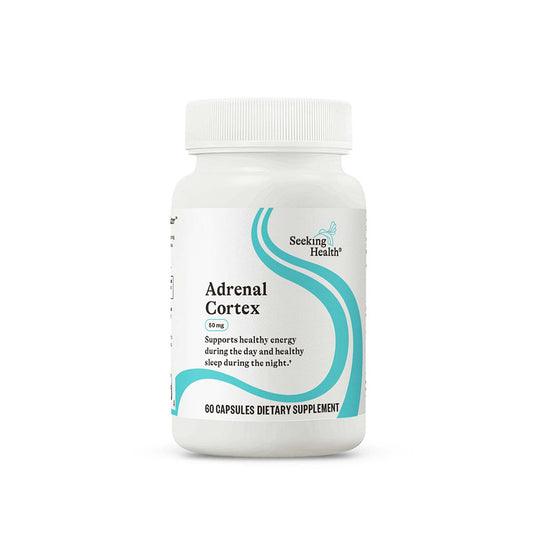
Credit: www.seekinghealth.com
Choosing The Right Cordyceps Supplement
Not all cordyceps products are equal. Here’s what matters when choosing a supplement:
1. Species Used
The two main types are Cordyceps sinensis and Cordyceps militaris. Sinensis is rare and expensive. Militaris is more common and also effective. Both contain key active compounds, but concentrations can vary.
Cordyceps militaris often has higher levels of cordycepin, while sinensis is known for a broader range of active substances. For most athletes, militaris is effective and more affordable.
2. Quality And Purity
Look for supplements that are:
- Third-party tested for contaminants
- Free of fillers and artificial additives
- Produced by reputable companies
Always check for a certificate of analysis (COA) to verify quality.
Many cheap supplements use only a small amount of real cordyceps and fill the rest with grain. A good product will state the percentage of active ingredients, like cordycepin or polysaccharides.
3. Extract Vs. Whole Mushroom
Extracts usually have higher levels of active ingredients. Look for standardized extracts that guarantee a certain percentage of cordycepin or polysaccharides.
Whole mushroom powders can be useful but may require higher doses to see the same results. Extracts are often more potent and easier to dose accurately.
4. Dosage
Most studies use 1,000-3,000 mg per day. Start with a lower dose to see how your body reacts. Consult a health professional if you have medical conditions or take medications.
You may notice more benefits at higher doses, but always start slow to check for any side effects. If you are combining cordyceps with other adaptogens, consider starting at the lower end of the dosing range.
5. Form
Cordyceps comes as:
- Capsules or tablets
- Powders (add to smoothies)
- Liquid extracts or tinctures
Choose a form that fits your routine.
| Form | Pros | Cons |
|---|---|---|
| Capsules | Easy, precise dosing | Less flexible, slower absorption |
| Powder | Versatile, mix with drinks | Taste may not suit everyone |
| Liquid extract | Fast absorption | May be less convenient |
If you’re always on the go, capsules might be best. For those who like to customize, powders or liquids can be added to shakes or teas.
6. Price Vs. Value
Higher price does not always mean better quality. Compare the active ingredient content (like cordycepin percent) per serving, not just the total price.
It’s easy to overpay for fancy packaging or marketing, so always check the label for real ingredient amounts.
How To Take Cordyceps For Adrenal Support
Timing and consistency matter when using cordyceps.
When To Take
- Morning or early afternoon: Best for most people, as it supports energy.
- With food: May improve absorption and reduce stomach upset.
Some athletes find it helpful to take a small dose before a workout for extra stamina, but avoid taking it late in the day if you are sensitive to energy boosts.
How Long To Use
Cordyceps works best when taken consistently for several weeks. Many studies run for 2–12 weeks. Take breaks every few months to avoid building a tolerance.
A common approach is to use cordyceps for 8–12 weeks, then take a 2–4 week break. This helps your body “reset” and respond well when you resume.
Combining With Other Supplements
Cordyceps pairs well with:
- Vitamin C (for immune support)
- Magnesium (for muscle recovery)
- Ashwagandha (for stress)
If you’re using multiple supplements, keep a simple log to track how each one affects your body. This can help you identify what works best for you.
Always introduce one supplement at a time to monitor your body’s response.
Common Mistakes To Avoid
- Taking very high doses at first—start low and build up
- Expecting instant results—cordyceps works gradually
- Using poor-quality products—always check sourcing and testing
Another mistake is relying on supplements instead of addressing training, sleep, or nutrition problems. Cordyceps works best as part of a balanced recovery plan.

Credit: antioxi-supplements.com
Cordyceps: Safety And Side Effects
Cordyceps is generally safe for most people. But there are a few things to consider:
Possible Side Effects
- Mild digestive upset
- Dry mouth
- Dizziness (rare)
These are usually mild and go away after a few days. If you have allergies to mushrooms, avoid cordyceps.
A small number of people may notice changes in bowel habits or a mild headache when starting cordyceps. If symptoms last, stop use and consult a doctor.
Who Should Not Use Cordyceps
- People taking blood thinners (it may increase bleeding risk)
- Those with autoimmune diseases (may stimulate immune system)
- Pregnant or breastfeeding women (not enough safety data)
Always talk to a doctor if you have health concerns.
Interactions With Medications
Cordyceps may interact with:
- Blood pressure medications
- Diabetes drugs
- Immunosuppressants
If you are on medication, consult your healthcare provider before use.
Real-world Examples: Athletes Using Cordyceps
Case Study 1: Endurance Runner
A marathon runner noticed constant fatigue and slow recovery after switching to daily high-mileage runs. Blood tests showed low cortisol. After adding 2,000 mg of cordyceps daily, energy improved within three weeks. Recovery time shortened and mood stabilized. The athlete also improved race times over the next season.
Case Study 2: Crossfit Competitor
A CrossFit athlete faced frequent colds and muscle soreness. Rest alone was not enough. With guidance, they started cordyceps (1,500 mg per day) and reported fewer illnesses and better workout performance within a month.
Case Study 3: Cyclist With Adrenal Fatigue
A competitive cyclist experienced burnout and poor sleep after a long race season. Testing showed high evening cortisol—a sign of adrenal stress. After three months on cordyceps (3,000 mg daily), sleep patterns improved, and the cyclist returned to training without previous fatigue.
Data From Sports Teams
Some professional sports teams now include cordyceps in recovery protocols. Coaches notice improved athlete resilience and fewer overuse injuries during intense training blocks.
Anecdotally, athletes say they feel less “beat up” after hard sessions. While every athlete is different, these real-world examples show that cordyceps can be a helpful tool for recovery.
Practical Tips For Overtrained Athletes Using Cordyceps
1. Monitor Your Symptoms
Keep a simple journal to track energy, sleep, and mood. Note changes after starting cordyceps.
Recording your resting heart rate and sleep quality can also help you spot improvements over time.
2. Combine With Good Habits
Cordyceps works best with:
- Adequate sleep (7–9 hours per night)
- Balanced nutrition (enough protein, healthy fats, and carbs)
- Smart training (built-in rest days)
Try to include at least one full rest day per week. Balance intense workouts with lighter sessions to avoid overloading your adrenals.
3. Listen To Your Body
Do not ignore signs of overtraining—fatigue, illness, poor performance. Cordyceps can help, but rest is still vital.
If you feel unusually tired or irritable, it may be a sign to scale back and focus on recovery.
4. Consult Experts
Work with a sports nutritionist or doctor who understands supplements. They can help you find the best dose and monitor for side effects.
You might also consider lab testing (like checking cortisol levels) to get a clearer picture of your adrenal health.
5. Set Realistic Goals
Cordyceps is not a “magic bullet. ” It supports recovery, but results take time. Be patient and consistent.
Set small, trackable goals—such as improved sleep or less post-workout soreness—to measure progress.
Cordyceps And Long-term Athletic Health
Supporting the adrenals is not just for now—it helps you enjoy sports for years to come.
Preventing Burnout
Regular use of cordyceps can help athletes avoid burnout, keeping training enjoyable and sustainable.
Burnout is one of the top reasons athletes quit. By supporting adrenal health, cordyceps may help you maintain passion and motivation for your sport.
Enhancing Longevity
Healthy adrenals mean fewer injuries, better hormone balance, and stronger immunity. This adds up to a longer, healthier athletic career.
Consistent care for your adrenals can delay or prevent the long-term effects of overtraining, such as chronic fatigue or hormonal problems.
Building Resilience
Cordyceps helps the body adapt to stress, making you more resilient to both physical and mental challenges.
This resilience not only improves performance but also helps athletes handle life’s stresses outside of training—work, family, and more.
Scientific Evidence And Research
Many studies support the use of cordyceps for energy, endurance, and adrenal support.
- In a 2010 study, athletes taking cordyceps for six weeks improved their VO2 max (maximum oxygen uptake) by an average of 6.2%.
- A review in Phytotherapy Research found that cordyceps boosts ATP production and reduces fatigue, especially in older adults and athletes.
- Animal studies show reduced adrenal gland enlargement and better hormone balance with cordyceps supplementation.
One overlooked insight: Some studies suggest cordyceps may also help regulate blood sugar and lower cholesterol, adding another layer of support for athletes who train hard and need balanced metabolism.
For an in-depth review of cordyceps’ benefits and safety, see the Wikipedia page on Cordyceps.
Common Myths About Cordyceps And Adrenal Health
Myth 1: Cordyceps Works Instantly
Fact: Most people notice benefits after 2–4 weeks. It builds up gradually.
Myth 2: All Cordyceps Are The Same
Fact: Quality varies by species, growing conditions, and extraction methods.
Myth 3: Cordyceps Is Only For Endurance Athletes
Fact: Cordyceps supports all types of athletes, including strength and team sports.
Myth 4: Cordyceps Replaces Good Habits
Fact: It’s a tool, not a replacement for rest, nutrition, and smart training.
Myth 5: More Is Always Better
Fact: High doses do not always give better results and may cause side effects.
Some also believe that cordyceps is only useful when you are already overtrained, but using it proactively can help you stay balanced and avoid reaching that point.
Credit: www.naturalathleteclinic.com
Practical Comparison: Cordyceps Vs. Caffeine For Energy
Many athletes reach for caffeine for a quick boost. How does cordyceps compare?
| Energy Booster | How It Works | Pros | Cons |
|---|---|---|---|
| Cordyceps | Boosts ATP, balances stress hormones | No crash, supports recovery | Gradual effect, not instant |
| Caffeine | Blocks adenosine, stimulates nervous system | Fast energy, increased alertness | Crash, can stress adrenals |
Cordyceps offers a more sustainable boost, especially for athletes looking to avoid adrenal overload.
A non-obvious insight: Overuse of caffeine can actually make adrenal fatigue worse, while cordyceps works with your body’s natural rhythms for more balanced energy.
Frequently Asked Questions
What Is The Best Time Of Day To Take Cordyceps For Adrenal Health?
The best time is usually in the morning or early afternoon. This supports natural energy and avoids interfering with sleep. Taking cordyceps with food can help with absorption.
How Long Does It Take To Feel The Effects Of Cordyceps?
Most athletes notice benefits after 2–4 weeks of consistent use. Energy, recovery, and mental clarity improve gradually. It is not a quick fix but works over time.
Can I Combine Cordyceps With Other Adaptogens Or Supplements?
Yes, cordyceps combines well with other adaptogens like ashwagandha or rhodiola. It also works with vitamins and minerals. Always introduce one new supplement at a time and consult a health professional if you use medication.
Are There Risks Or Side Effects For Athletes?
Cordyceps is safe for most people. Mild side effects like digestive upset or dry mouth can happen but are rare. Avoid if you have mushroom allergies, take blood thinners, or have an autoimmune disease. Always check with your doctor if you have medical concerns.
Does Cordyceps Show Up On Drug Tests For Athletes?
No, cordyceps is not a banned substance in sports. It is a natural supplement and does not contain stimulants or steroids. Always use products from trusted companies to avoid contamination.
Athletes who train hard deserve the right support for their bodies. Cordyceps offers a powerful, natural way to help the adrenals recover and thrive. When used with good habits—rest, nutrition, and smart training—it can make a real difference in performance, resilience, and long-term health.
For those feeling stuck in a cycle of fatigue, cordyceps may be the missing piece to bounce back, train smarter, and enjoy sports again.