
Cordyceps mushrooms have captured the curiosity of people all over the world, not just for their unusual life cycle but also for their reputation as a superfood and natural medicine. These unique fungi have been a part of traditional Asian medicine for centuries, but in recent years, their popularity has exploded globally.
People are eager to know if the bold claims about energy, immunity, and longevity are true, and whether Cordyceps is safe and effective for everyday use.
Understanding Cordyceps can be confusing, especially with so much information—and misinformation—online. If you’re new to this mushroom or thinking of adding it to your routine, you probably have questions about its benefits, risks, and how to use it properly. This article answers the 10 most frequently asked questions about Cordyceps mushrooms, using clear language, scientific data, and practical advice. By the end, you’ll know exactly what Cordyceps is, what it can (and can’t) do, and how to make informed decisions about using it.
What Are Cordyceps Mushrooms?
Cordyceps are a group of parasitic fungi that have fascinated scientists and herbalists for generations. The most famous species is Cordyceps sinensis, which grows in the high mountains of Tibet and China. It invades the bodies of caterpillars, eventually sprouting from their remains. Another important species is Cordyceps militaris, which is easier to grow and commonly used in supplements.
Cordyceps has been used for over 1,000 years in traditional Chinese medicine for energy, stamina, and treating illnesses. Ancient healers believed Cordyceps could restore vitality and treat conditions such as respiratory weakness, kidney problems, and even sexual dysfunction. In Tibetan and Chinese culture, wild Cordyceps was so highly prized that it was reserved for emperors and the wealthy.
Today, most Cordyceps used in supplements is grown in labs, not harvested from wild caterpillars. This makes it more affordable and safer, but some people believe wild Cordyceps is stronger (though research does not clearly prove this). Wild Cordyceps is also extremely rare and can cost thousands of dollars per kilogram, which leads to issues like overharvesting and even counterfeit products in the market.
Most people now use Cordyceps militaris, which offers similar benefits and is more sustainable.
Cordyceps mushrooms contain unique compounds like cordycepin and adenosine, which may help explain their effects on the human body. Cordycepin is especially interesting to researchers because it can affect the way cells use energy and fight stress. These compounds are being studied for their possible benefits in energy production, immune support, and even anti-aging.
A detail that surprises many: there are over 400 species of Cordyceps, but only a handful are used in traditional medicine or supplements. The rest live out their strange lives in the wild, often targeting different insect hosts.
How Do Cordyceps Mushrooms Work In The Body?
Cordyceps mushrooms affect the body in several ways, mainly through their active compounds. The most important are cordycepin, a natural analog of adenosine, and polysaccharides, which are complex sugars with immune benefits.
Here’s how Cordyceps works:
- Energy Production: Cordyceps may help cells produce more ATP, the molecule that carries energy inside cells. This is why many athletes and tired people try Cordyceps, hoping for more stamina and less fatigue. Cordycepin can mimic adenosine in the body, which is involved in energy transfer and cellular signaling.
- Immune Support: Polysaccharides in Cordyceps can boost the activity of white blood cells, helping the body fight infections. They may help balance the immune system—not just stimulating it, but also modulating it if it’s overactive.
- Antioxidant Effects: The mushroom has antioxidants that reduce oxidative stress, which is linked to aging and many diseases. Cordyceps helps neutralize free radicals, reducing cell damage.
- Anti-Inflammatory: Cordyceps can reduce inflammation, which is part of the body’s healing process but can be harmful if it’s chronic. This may help with conditions like arthritis, asthma, or even muscle soreness after exercise.
A non-obvious fact: Cordyceps doesn’t act as a stimulant like caffeine. Instead, it helps the body use oxygen and energy more efficiently. Many users notice a gradual increase in endurance, not a quick “buzz.” Unlike stimulants, Cordyceps is less likely to cause jitters, anxiety, or sleep problems.
Another detail beginners often miss: Cordyceps’ effects may be more noticeable if you are already physically active or under stress. If your lifestyle is very sedentary, the benefits might be less dramatic.
What Are The Health Benefits Of Cordyceps Mushrooms?
Cordyceps mushrooms are associated with a range of potential health benefits. While many claims come from traditional medicine and animal studies, some human research supports their use. Here are the main benefits people seek:
- Improved Exercise Performance: Studies show Cordyceps can help increase VO2 max (how much oxygen your body uses), which is important for athletes. A 2016 study in elderly adults found that Cordyceps improved exercise performance after 12 weeks. Athletes and those recovering from illness often report less fatigue and quicker recovery.
- Boosted Immune System: Cordyceps can stimulate immune cells, helping the body resist infections. This effect is especially useful for people with weakened immune systems. For example, some cancer patients in China use Cordyceps alongside chemotherapy to support their immune function, though more research is needed.
- Anti-Aging Properties: Because of its antioxidants, Cordyceps may slow signs of aging and help keep the skin and brain healthy. Some research suggests that Cordyceps can improve memory and learning in older adults. It’s not a miracle cure, but it may help protect cells from age-related damage.
- Better Heart Health: Cordyceps may help lower “bad” LDL cholesterol and reduce the risk of heart disease. Some research also suggests it can help regulate heartbeat and blood pressure. In China, Cordyceps has been used as an adjunct treatment for arrhythmia (irregular heartbeat).
- Blood Sugar Control: A few studies show Cordyceps can help lower blood sugar levels, which is promising for people with diabetes. It may also protect the pancreas, the organ that makes insulin.
- Liver and Kidney Support: Cordyceps has been used in China to support liver and kidney health, especially in people with chronic disease. Animal studies show that Cordyceps can reduce fibrosis (scarring) and improve organ function.
Not all benefits are guaranteed. Most research is early-stage, and effects can vary from person to person. Still, Cordyceps is one of the few mushrooms with both traditional use and modern science behind it.
A practical example: A middle-aged person who starts taking Cordyceps may notice fewer colds during winter, or an athlete may recover faster between workouts. Effects are often subtle but meaningful over time.
Are There Any Side Effects Or Risks With Cordyceps Mushrooms?
Cordyceps is generally safe for most people when used in normal amounts. However, like any supplement, there are possible side effects and risks, especially if you have health problems or take certain medications.
Possible side effects include:
- Digestive upset: Some people report nausea, diarrhea, or dry mouth. This usually happens with high doses or on an empty stomach.
- Allergic reactions: Rare, but possible—watch for itching, rash, or swelling. If you are allergic to other mushrooms, be extra careful.
- Low blood sugar: If you take diabetes medication, Cordyceps may lower your blood sugar too much.
Cordyceps can also affect the immune system. If you have an autoimmune disease, talk to your doctor before using it. Pregnant or breastfeeding women, and children, should avoid Cordyceps unless a health professional says it’s safe.
A common beginner mistake is to assume “natural” means risk-free. Cordyceps can interact with some drugs, such as blood thinners (like warfarin) and immunosuppressants, so always check with your doctor first.
Another risk: Because Cordyceps supplements are not strictly regulated, contaminated or mislabeled products sometimes appear on the market. Choose reputable brands and look for third-party testing for safety.
How Should You Take Cordyceps Mushrooms?
Cordyceps comes in several forms, and the best way to take it depends on your goals and lifestyle. The most popular options are:
- Powder: Easy to mix into drinks or food. Good for people who want flexible dosing. Some people add Cordyceps powder to smoothies, oatmeal, or even baking recipes.
- Capsules/Tablets: Convenient for travel or busy people. Dosage is precise. If you dislike the taste of mushrooms, capsules are a good choice.
- Tinctures: Liquid extracts that are absorbed quickly. Useful if you dislike swallowing pills. Tinctures can be added to water or juice for easier consumption.
- Whole dried mushrooms: Used in teas or soups in traditional medicine, but less common in the West. If you want to try the traditional approach, simmer a few pieces in hot water for 30 minutes to make a nourishing tea.
Typical doses range from 500 mg to 2,000 mg per day, but there is no official recommended dose. Most studies use about 1,000 mg daily. It’s smart to start low and increase slowly to see how your body reacts.
A non-obvious tip: Always check the label for the species used. Cordyceps militaris is most common in supplements and has a higher amount of cordycepin, while Cordyceps sinensis is much more expensive and rare.
Some products use “mycelium on grain,” which means the fungus is grown with grain, and the final product contains both. This isn’t harmful, but it can dilute the amount of active compounds compared to pure fruiting body extracts.
Here’s a helpful comparison of Cordyceps forms:
| Form | How to Use | Best For | Notes |
|---|---|---|---|
| Powder | Mix with water, smoothies, coffee | Flexible dosing | May taste earthy |
| Capsules/Tablets | Swallow with water | Convenience | Easy to travel |
| Tinctures | Drop under tongue or add to drinks | Quick absorption | Alcohol-based |
| Whole Dried Mushrooms | Brew in tea or cook in soup | Traditional use | Hard to find |
Another practical tip: For best absorption, take Cordyceps with food, especially something containing a little fat (like nuts or avocado). This helps your body use the fat-soluble compounds more efficiently.
Is There Scientific Evidence Supporting Cordyceps Benefits?
Yes, there is real scientific evidence for some Cordyceps benefits, but it’s important to understand the details. Most studies are small, short-term, or done on animals, but a few have been done with humans.
Examples of scientific findings:
- Exercise Performance: A 2010 study in “High Altitude Medicine & Biology” found that Cordyceps improved exercise tolerance in healthy older adults. Athletes in other studies reported less fatigue after intense activity.
- Immune System: Research in the “Journal of Ethnopharmacology” shows Cordyceps can increase the number and activity of natural killer (NK) cells, which fight infections and cancer. Some studies in animals found that Cordyceps can help the body recover faster from illnesses.
- Blood Sugar: Some clinical studies show Cordyceps may help reduce fasting blood glucose in people with type 2 diabetes. In animal models, Cordyceps helped regulate insulin and reduce complications from diabetes.
However, results can vary. Many studies use Cordyceps militaris, not the rare C. sinensis, and the quality of supplements is not always controlled. Always look for brands that test their products for purity and active ingredients.
Another insight: Some studies suggest Cordyceps may have mild anti-tumor effects, but this is only in lab or animal models so far. It’s not a replacement for cancer treatment, but it is an area of active research.
For more detailed research, check resources like the Wikipedia Cordyceps page.
How Do Cordyceps Mushrooms Compare To Other Medicinal Mushrooms?
Cordyceps is often compared to other medicinal mushrooms like Reishi, Lion’s Mane, and Chaga. Each mushroom has its strengths, and understanding these differences helps you choose the right one.
Here’s a comparison:
| Mushroom | Main Benefit | Best For | Notable Compound |
|---|---|---|---|
| Cordyceps | Energy, stamina, immune support | Active people, athletes | Cordycepin, polysaccharides |
| Reishi | Calm, stress relief, immune support | Stress, sleep issues | Triterpenes, beta-glucans |
| Lion’s Mane | Brain health, memory | Focus, cognitive support | Hericenones, erinacines |
| Chaga | Antioxidants, immune support | General health | Betulinic acid, melanin |
Cordyceps stands out for its impact on physical energy and endurance. Reishi is better for calming and stress, while Lion’s Mane is popular for mental clarity. Some people combine two or more mushrooms for a broader effect, but it’s wise to start with one to see how your body responds.
A common mistake is thinking all medicinal mushrooms work the same way. Each has unique compounds and effects, so choose based on your needs.
Another detail: If you’re sensitive to caffeine or stimulants, Cordyceps is a good choice since it doesn’t act as a stimulant but still supports energy.
What Should You Look For When Buying Cordyceps Supplements?
Choosing a good Cordyceps supplement can be confusing, with so many products and bold marketing claims. Here’s what really matters:
- Species Used: Look for Cordyceps militaris or Cordyceps sinensis. Militaris is more common and potent in cordycepin.
- Source: Lab-grown Cordyceps is safer and more sustainable. Wild Cordyceps is rare and often very expensive. Wild Cordyceps is sometimes counterfeited with dyed or adulterated fungi, so be cautious.
- Form: Capsules, powders, and tinctures are all effective if made well. Avoid blends with very low Cordyceps content.
- Extraction Method: Hot water or alcohol extraction is best for getting active compounds. “Mycelium on grain” products may contain more filler.
- Testing and Purity: Choose brands that test for heavy metals, pesticides, and active ingredient levels.
Look for third-party lab results (often called COAs—Certificates of Analysis). Avoid products with unclear labeling or exaggerated claims.
A practical tip: Price is not always a sign of quality. Some expensive brands sell low-dose or low-purity Cordyceps. Check how much actual mushroom extract is in each serving. If a product only lists “proprietary blend” without specifics, it’s best to avoid it.
Another beginner mistake: Buying Cordyceps mixed with lots of other ingredients (like coffee or chocolate) can lower the actual mushroom dose. If you want real benefits, choose pure extracts or products where Cordyceps is the main ingredient.

Credit: www.paiskincare.com
Who Should Avoid Cordyceps Mushrooms?
While Cordyceps is safe for most healthy adults, some people should avoid it or use it only with medical supervision:
- Pregnant and breastfeeding women: Safety is not proven.
- Children: Not enough research exists.
- People with autoimmune diseases: Cordyceps may boost the immune system and worsen symptoms.
- People on immune-suppressing drugs: Cordyceps could reduce the effect of these medications.
- Those with mushroom allergies: Rare, but possible.
If you have chronic illness, are taking regular medication, or have surgery planned, talk to your doctor before using Cordyceps.
A less obvious risk: If you have trouble with blood sugar control, Cordyceps may lower it further. Always monitor your blood sugar closely if you have diabetes.
Another group to be careful: People with bleeding disorders or those on blood thinners, as Cordyceps might increase bleeding risk.
Can Cordyceps Help With Athletic Performance?
Cordyceps is popular among athletes and fitness fans because of claims that it can boost energy, stamina, and recovery. There’s some science behind this idea.
How Cordyceps helps athletes:
- Increases VO2 max: This means your body uses oxygen better during exercise, delaying fatigue.
- Boosts ATP production: More ATP means more cellular energy for muscles.
- Reduces inflammation: This may help with faster recovery after workouts.
Several studies support these effects. For example, a 2016 trial in the “Journal of Dietary Supplements” found that Cordyceps militaris improved endurance in healthy adults after just three weeks.
However, results are not dramatic for everyone. Cordyceps is not a steroid or a stimulant, so don’t expect instant huge gains. It works best as a long-term addition to a healthy lifestyle.
A practical insight: Combining Cordyceps with other good habits (hydration, sleep, and a balanced diet) gives the best results. Also, consistency matters more than high doses.
A less obvious tip: Some athletes use Cordyceps to help with high-altitude training or sports, since it may support better oxygen use and adaptation to lower oxygen levels. This is one reason why Cordyceps was popularized among endurance athletes in China.

Credit: www.amazon.com
How Quickly Can You Expect Results From Cordyceps Mushrooms?
One of the most common questions is how soon you’ll feel the effects of Cordyceps. The answer depends on your health, the dose, and what you’re hoping to achieve.
- Short-term effects: Some people notice more energy or less fatigue within a few days, but this is not universal. The effect is often mild at first.
- Medium-term effects: Most studies find benefits after 2–4 weeks of daily use. For athletes, exercise performance may improve steadily during this period.
- Long-term effects: For anti-aging, immune support, or blood sugar control, results may take months and are often subtle.
A non-obvious tip: Effects are often gradual, not sudden. Many users only realize the benefits after stopping Cordyceps and feeling the difference. For example, you might notice you get sick less often or recover faster from physical stress.
Another factor is the quality of the supplement. Low-quality products or low doses may not give noticeable results at all.
If you’re looking for a natural energy boost or better endurance, give Cordyceps at least one month. Track changes in your energy, exercise performance, and overall well-being.
Also, keep in mind that Cordyceps is not a quick fix for serious health issues. If you have significant fatigue, chronic illness, or symptoms that don’t improve, consult a healthcare professional rather than relying on supplements alone.
Frequently Asked Questions
Is Cordyceps Safe For Long-term Use?
Current research suggests that Cordyceps is safe for most people when used for several months. There are few reports of serious side effects. However, because long-term studies are limited, it’s smart to take breaks every few months and consult with a healthcare provider if you plan to use Cordyceps for a long time.
This “cycling” approach is common with herbal supplements to avoid building tolerance or unknown risks.
Can Cordyceps Interact With Medications?
Yes, Cordyceps may interact with medications, especially those that affect the immune system (like steroids or immune-suppressing drugs) or blood sugar. Always talk to your doctor if you take regular medication. If you’re on blood thinners, diabetes drugs, or have a planned surgery, get medical advice before starting Cordyceps.
Are All Cordyceps Supplements The Same?
No, supplements vary widely in quality, strength, and purity. Always choose products that clearly state the species, extraction method, and have third-party testing. Avoid products with unclear labels or proprietary blends with low Cordyceps content. The best products use fruiting bodies, not just mycelium, and are transparent about their sourcing.
Can You Take Cordyceps With Coffee Or Tea?
Yes, Cordyceps powder mixes well with coffee or tea and is a popular way to consume it. The mushroom’s earthy flavor blends with coffee, and it won’t give the “jitters” that caffeine can cause. Many people use this combination for a balanced energy boost.
Adding Cordyceps to a hot drink can also help with absorption.
Is Cordyceps Vegan Or Vegetarian?
Most Cordyceps supplements today are vegan because they are grown on plant-based substrates in labs, not collected from insects. Always check the packaging to confirm, but Cordyceps militaris is almost always vegan-friendly. If you want to avoid animal products, look for “vegan” or “plant-based” clearly stated on the label.
Cordyceps mushrooms are more than a trendy superfood; they are a fascinating, well-studied natural remedy with a long history and real scientific interest. Whether you’re seeking more energy, better immunity, or just curious about adding something new to your wellness routine, Cordyceps offers benefits for many people.
Remember to choose supplements wisely, start slowly, and listen to your body for the best results. If you have health conditions or take medicine, a quick talk with your doctor is always a good idea before starting anything new. With smart use, Cordyceps could become a valuable part of your healthy lifestyle.
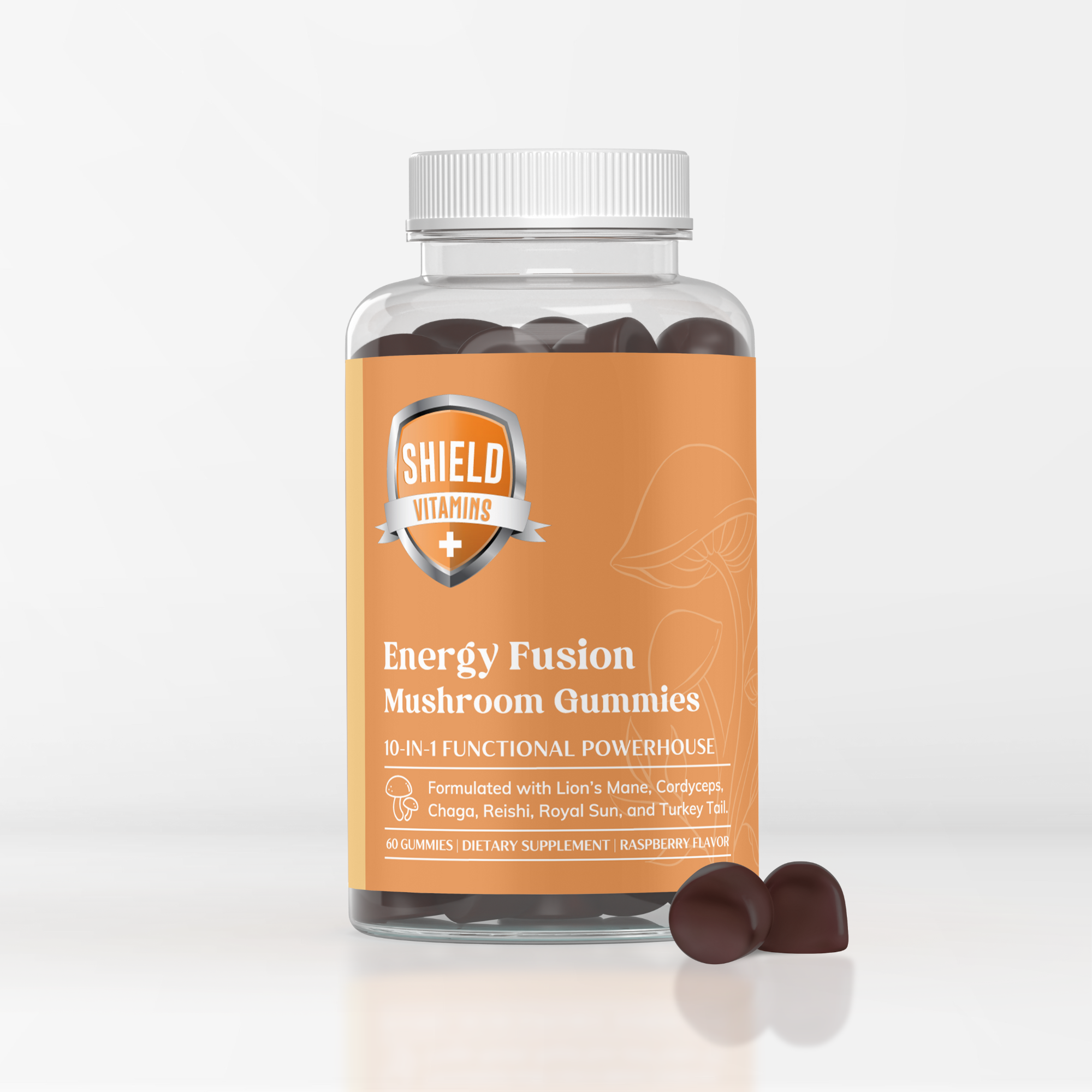
Credit: shieldvitamins.com