
Cooking with mushrooms like maitake, shiitake, and other so-called performance mushrooms is gaining popularity in kitchens around the world. These unique fungi not only add flavor and texture to dishes, but they also bring nutrition and potential health benefits. Whether you want to boost your immune system, add umami to your meals, or just try something new, learning how to use these mushrooms can transform your cooking experience.
But how do you actually cook with them? What makes each mushroom different, and how can you maximize their flavors? This guide will take you through everything you need to know, from understanding what performance mushrooms are, to cooking techniques, recipes, and even tips that most beginners miss.
What Are Performance Mushrooms?
Performance mushrooms are not just any mushrooms. They are types of edible fungi known for their potential to boost health and energy. Some are well-known in Asian cooking, while others are just now being discovered in the West. The most common include maitake, shiitake, lion’s mane, reishi, cordyceps, and turkey tail.
These mushrooms get the name “performance” because they have been used in traditional medicine for centuries and are now being studied for their possible effects on the immune system, brain function, and physical endurance.
Key Types Of Performance Mushrooms
- Maitake (Hen of the Woods): Frilly, earthy, and rich in flavor.
- Shiitake: Firm, meaty texture with deep umami notes.
- Lion’s Mane: Looks like a white pom-pom, said to support brain health.
- Reishi: Tough and bitter, often used in teas and supplements.
- Cordyceps: Known for energy and endurance, usually dried.
- Turkey Tail: Colorful bands, used more for tea than direct cooking.
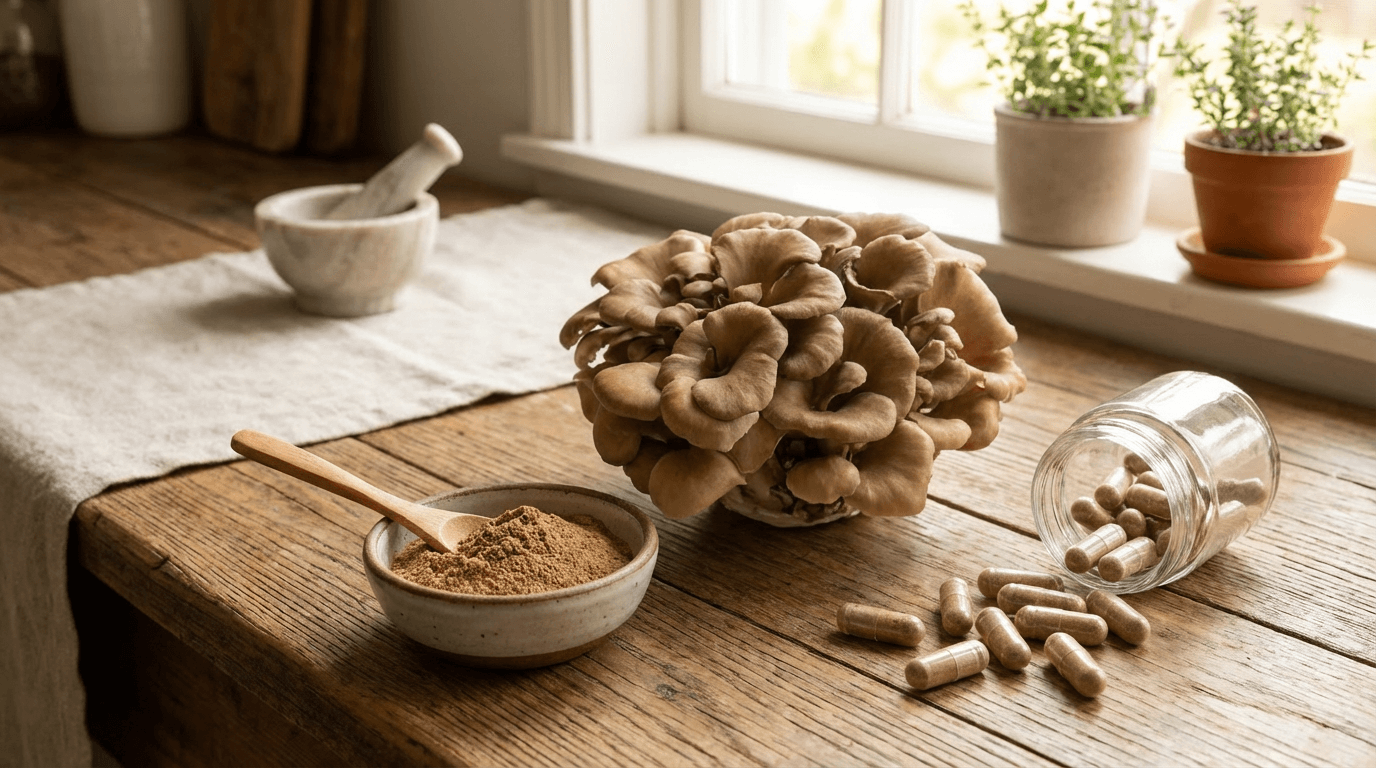
These mushrooms are often found fresh at specialty stores or farmers’ markets, but you can also buy them dried or powdered.
Why Cook With Maitake, Shiitake, And Other Performance Mushrooms?
Adding these mushrooms to your kitchen can change your cooking in several ways.
First, they bring unique flavors that you won’t get from button or portobello mushrooms. Shiitake offers a smoky richness, maitake brings woodsy, peppery notes, and lion’s mane is mild and almost seafood-like.
Second, these mushrooms have nutritional benefits. They are high in beta-glucans, antioxidants, and vitamins like B and D. Some studies show they may help reduce inflammation, support the immune system, and provide energy.
Lastly, using performance mushrooms is a way to experiment with global cuisines. Japanese, Chinese, and Korean dishes often feature these mushrooms, but they also work well in pastas, risottos, and even tacos.
How To Select And Store Performance Mushrooms
Getting the best out of these mushrooms starts with proper selection and storage.
Choosing Fresh Mushrooms
- Look for firmness. Fresh mushrooms should be plump, not slimy or wrinkled.
- Check the color. Maitake should look gray-brown, shiitake caps should be light to dark brown, and lion’s mane should be creamy white.
- Smell them. They should have an earthy, pleasant aroma.
If you can’t find fresh, dried mushrooms are a good alternative, especially for shiitake, maitake, and reishi.
Storing Mushrooms
- Refrigerate fresh mushrooms in a paper bag. Avoid plastic, which traps moisture and causes spoilage.
- Dried mushrooms should be kept in an airtight container in a cool, dark place.
- Powdered mushrooms are best stored away from heat and moisture.
Fresh mushrooms usually last 3-7 days in the fridge, while dried forms can last several months.
Preparing Mushrooms For Cooking
Many beginners simply wash mushrooms under water, but this can make them soggy. Instead, follow these steps for preparation.
Cleaning
- Use a damp paper towel or a soft brush to wipe off dirt.
- For maitake and shiitake, trim off tough stems.
- If mushrooms are very dirty, a quick rinse is okay, but dry them immediately.
Rehydrating Dried Mushrooms
- Place dried mushrooms in a bowl and cover with hot water.
- Soak for 20-30 minutes until soft.
- Reserve the soaking water – it’s full of flavor and can be used in soups or sauces.
Cutting And Portioning
- Maitake: Tear into bite-sized clusters.
- Shiitake: Slice or leave caps whole.
- Lion’s Mane: Pull apart with your hands for a crab-meat texture.
Expert tip: Don’t throw away the stems! While shiitake stems are tough, they add flavor to stocks.
Credit: antioxi-supplements.com
Cooking Techniques For Maitake, Shiitake, And Other Performance Mushrooms
Each mushroom responds best to different cooking methods. Below are some key techniques to bring out their best qualities.
Sautéing
Sautéing is the most popular way to cook mushrooms, and it works especially well for maitake and shiitake.
- Heat a pan over medium-high with a little oil or butter.
- Add mushrooms in a single layer. Don’t overcrowd the pan.
- Let them cook undisturbed for 2-3 minutes to brown.
- Stir and cook another 2-3 minutes until golden.
Pro tip: Mushrooms release a lot of water. Letting them brown first helps concentrate their flavor.
Roasting
Roasting brings out a deep, rich taste and crispy edges.
- Preheat oven to 400°F (200°C).
- Toss mushrooms with olive oil, salt, and pepper.
- Spread on a baking sheet in a single layer.
- Roast for 20-25 minutes, tossing halfway.
Maitake and lion’s mane get especially crispy, while shiitake becomes meaty and savory.
Grilling
Grilling gives mushrooms a smoky flavor. Use skewers or a grill basket.
- Brush mushrooms with oil.
- Grill over medium heat for 3-5 minutes per side.
Stir-frying
Common in Asian recipes, stir-frying uses high heat to cook mushrooms quickly.
- Cut mushrooms into even pieces.
- Heat a wok or skillet with oil.
- Add mushrooms and toss for 2-4 minutes.
Simmering
Dried mushrooms like reishi and turkey tail are often simmered to make tea or broth.
- Simmer in water for 30-60 minutes.
- Strain and use the liquid as a base for soups.
Steaming
Steaming is gentle and keeps the mushrooms’ texture.
- Place mushrooms in a steamer basket over boiling water.
- Steam for 5-7 minutes.
Unexpected tip: Try steaming lion’s mane before sautéing – it makes the texture extra tender.
Recipes Featuring Maitake, Shiitake, And Other Performance Mushrooms
Now let’s look at some practical recipes that highlight these mushrooms. Each recipe includes easy steps and tips for best results.
1. Maitake Mushroom Stir-fry
Serves: 2-3
Time: 20 minutes
Ingredients:
- 200g maitake mushrooms, torn into pieces
- 1 tbsp vegetable oil
- 2 garlic cloves, sliced
- 1 tbsp soy sauce
- 1 tsp toasted sesame oil
- 2 scallions, sliced
- Pinch of chili flakes (optional)
Steps:
- Heat oil in a large pan over medium-high heat.
- Add garlic, cook 30 seconds.
- Add maitake mushrooms, cook 4-5 minutes, stirring.
- Add soy sauce and sesame oil.
- Top with scallions and chili flakes.
Tip: Maitake soaks up flavors – add extra soy or a splash of rice vinegar for more punch.
2. Shiitake Mushroom Risotto
Serves: 4
Time: 40 minutes
Ingredients:
- 1 cup Arborio rice
- 200g shiitake mushrooms, sliced
- 1 small onion, diced
- 2 tbsp olive oil
- 1/2 cup white wine (optional)
- 4 cups vegetable broth (keep warm)
- 1/2 cup grated Parmesan
- Salt and pepper
Steps:
- Heat 1 tbsp oil in a large pan, cook onions 3 minutes.
- Add shiitake, cook 5 minutes.
- Add rice, cook 1 minute, stir.
- Pour in wine, let it absorb.
- Add broth 1/2 cup at a time, stirring until absorbed.
- Repeat with all broth, about 20 minutes.
- Stir in Parmesan, salt, and pepper.
Non-obvious insight: For more depth, use some mushroom soaking liquid as part of the broth.
3. Lion’s Mane “crab” Cakes
Serves: 2
Time: 30 minutes
Ingredients:
- 200g lion’s mane mushrooms, shredded
- 1 egg
- 2 tbsp mayonnaise
- 1 tsp Dijon mustard
- 1/2 cup breadcrumbs
- 2 tbsp chopped parsley
- 1 tbsp oil
Steps:
- Sauté lion’s mane in oil until lightly browned, 5 minutes.
- Cool, then mix with egg, mayo, mustard, breadcrumbs, parsley.
- Form into cakes.
- Pan-fry 3-4 minutes per side.
Tip: Lion’s mane’s texture is similar to crab – don’t overmix, or the cakes get gummy.
4. Reishi Mushroom Tea
Serves: 2
Time: 1 hour
Ingredients:
- 10g dried reishi slices
- 4 cups water
- Honey or lemon (optional)
Steps:
- Add reishi and water to a pot.
- Simmer gently for 1 hour.
- Strain and serve with honey or lemon.
Note: Reishi is bitter. Adding ginger or other herbs can balance the taste.
5. Cordyceps Chicken Soup
Serves: 4
Time: 1.5 hours
Ingredients:
- 10g dried cordyceps mushrooms
- 1 whole chicken (about 1.2kg), cut into pieces
- 2 slices ginger
- 6 cups water
- Salt to taste
Steps:
- Add chicken, cordyceps, ginger, and water to a large pot.
- Bring to a boil, skim foam.
- Simmer for 1 hour.
- Add salt before serving.
Non-obvious insight: Cordyceps gives a slightly sweet, earthy flavor and is used in traditional Chinese cooking for energy.
6. Maitake Mushroom Tacos
Serves: 2
Time: 25 minutes
Ingredients:
- 200g maitake mushrooms, torn
- 1 tbsp oil
- 1 tsp smoked paprika
- 1/2 tsp cumin
- 4 corn tortillas
- Salsa, avocado, and cilantro for topping
Steps:
- Toss maitake with oil, paprika, and cumin.
- Sauté in a hot pan until crispy, 6-8 minutes.
- Fill tortillas with mushrooms, top with salsa, avocado, and cilantro.
7. Shiitake Miso Soup
Serves: 2
Time: 20 minutes
Ingredients:
- 100g shiitake, sliced
- 3 cups water
- 2 tbsp white miso paste
- 1 block tofu, cubed
- 2 scallions, sliced
Steps:
- Simmer shiitake in water 10 minutes.
- Add tofu, cook 2 minutes.
- Remove from heat, stir in miso paste.
- Top with scallions.
Tip: Never boil miso paste. Add it at the end to keep probiotics alive.
Comparing Maitake, Shiitake, And Other Mushrooms
Choosing which performance mushroom to use can be confusing. Here’s a quick comparison to help you decide:
| Mushroom | Flavor | Best Cooking Method | Main Benefit |
|---|---|---|---|
| Maitake | Earthy, peppery | Roasting, sautéing | Immunity, energy |
| Shiitake | Umami, smoky | Sautéing, soups | Antioxidants, heart health |
| Lion’s Mane | Mild, seafood-like | Pan-frying, roasting | Brain support |
| Reishi | Bitter, woody | Teas, broths | Stress, sleep |
| Cordyceps | Earthy, mild | Soups | Energy, stamina |
| Turkey Tail | Mild, woody | Teas | Immunity |
Common Mistakes When Cooking With Performance Mushrooms
Many home cooks miss out on the full potential of these mushrooms because of a few common errors.
- Overcrowding the pan: Mushrooms need space to brown. Too many in one pan cause steaming and sogginess.
- Skipping the soak for dried mushrooms: Always rehydrate dried mushrooms and use the soaking liquid for extra flavor.
- Using too much water when washing: Mushrooms absorb water, which weakens their taste and texture.
- Overcooking delicate mushrooms: Lion’s mane and maitake cook quickly—watch carefully to avoid mushiness.
- Not seasoning enough: Mushrooms can handle bold flavors. Salt, garlic, and herbs bring out their best.
Insider tip: For even more umami, add a dash of soy sauce, miso, or fish sauce when sautéing.
Nutritional And Health Benefits
Performance mushrooms are not only delicious but also packed with nutrients.
Key Nutrients
- Beta-glucans: Support immune function.
- B vitamins: Aid energy production.
- Vitamin D: Found in sun-exposed mushrooms.
- Antioxidants: Fight cell damage.
Health Studies
Research links shiitake to cholesterol reduction, maitake to blood sugar support, and lion’s mane to improved memory and focus. While more human trials are needed, the evidence is promising.
Serving Size And Frequency
- Standard portion: 100-150g cooked mushrooms per person.
- Frequency: 2-3 times a week is a good start for most people.
Note: Some mushrooms (like reishi) are best consumed in teas or extracts due to their tough texture.
How To Incorporate Performance Mushrooms Into Everyday Meals
You don’t have to cook complicated recipes to enjoy these mushrooms. Try these ideas:
- Add to omelets, frittatas, or scrambled eggs for breakfast.
- Mix into pasta sauces or risottos.
- Top pizzas or flatbreads with sautéed shiitake or maitake.
- Stir into soups or stews for extra depth.
- Blend dried or powdered mushrooms into smoothies or coffee (for reishi or cordyceps).
Unexpected use: Lion’s mane makes a great meat substitute in vegetarian tacos or sliders.
Where To Buy Maitake, Shiitake, And Other Performance Mushrooms
Finding these mushrooms is easier than ever.
- Supermarkets: Shiitake is common. Maitake and lion’s mane are growing in popularity.
- Asian grocery stores: Great for fresh and dried mushrooms.
- Farmers’ markets: Look for local, organic varieties.
- Online: Many specialty shops offer dried, powdered, and even grow-at-home kits.
Always check for freshness, and buy from trusted sources.
Cleaning And Prepping: Key Differences
Not all performance mushrooms are cleaned and prepped the same way. Here’s a quick guide:
| Mushroom | Cleaning Method | Prep Needed |
|---|---|---|
| Maitake | Brush or wipe | Tear into clusters, trim base |
| Shiitake | Wipe with damp cloth | Slice, remove stems |
| Lion’s Mane | Brush gently | Pull apart by hand |
| Reishi | Rinse briefly | Slice for tea or broth |
| Cordyceps | Rinse dried form | Use whole in soups |
| Turkey Tail | Rinse dried form | Use whole for tea |
Pro insight: Lion’s mane bruises easily, so handle with care. For dried mushrooms, always check for mold before soaking.

Credit: www.amazon.com
Advanced Tips For Getting The Most Out Of Performance Mushrooms
Layering Flavors
Use two or more types of mushrooms in one dish. For example, mix maitake and shiitake in a stir-fry for complex flavor.
Mushroom Powders
Powdered mushrooms are perfect for adding nutrition to smoothies, coffee, or even baked goods. Start with 1/2 teaspoon per serving.
Umami Bombs
To boost the savory quality, combine mushrooms with:
- Soy sauce or tamari
- Miso paste
- Aged cheese (like Parmesan)
- Seaweed
Storage For Maximum Freshness
- Clean only what you need. Unwashed mushrooms last longer.
- Store in the coldest part of your fridge.
- For dried mushrooms, add a silica gel packet to prevent moisture.
Cooking With Kids
Mushrooms like lion’s mane are fun for children to tear apart and cook. Use them as a teaching moment about food origins and healthy eating.
Pairing Mushrooms With Other Ingredients
Pairing mushrooms correctly can elevate your dish. Here are some classic matches:
- Maitake: Pairs with garlic, thyme, beef, or sweet potatoes.
- Shiitake: Loves ginger, soy sauce, noodles, or bok choy.
- Lion’s Mane: Goes well with lemon, parsley, eggs, or seafood.
- Reishi: Best with ginger, cinnamon, or honey in teas.
- Cordyceps: Compliments chicken, ginseng, or carrots.
Unexpected pairing: Try maitake with roasted grapes or apples for a sweet-savory contrast.

Credit: lairdsuperfood.com
Cooking For Special Diets
Performance mushrooms are naturally:
- Gluten-free
- Vegan (unless cooked with butter or cheese)
- Low calorie
For keto or low-carb diets, mushrooms make a hearty base for stir-fries or “meaty” tacos.
Note: Always check for allergies, and try a small portion if eating a new mushroom for the first time.
Sustainability And Mushroom Sourcing
Most performance mushrooms are grown on logs or sawdust, making them eco-friendly. Look for organic or sustainably grown mushrooms to support the environment.
Fun fact: Mushrooms help decompose organic matter, returning nutrients to the soil.
To learn more about mushroom sustainability, visit the Mushroom Cultivation Wikipedia page.
Frequently Asked Questions
How Do I Know If A Mushroom Is Safe To Eat?
Always buy edible mushrooms from trusted stores, not foraged in the wild unless you are trained. Never eat mushrooms with an unknown identity.
Can I Freeze Maitake Or Shiitake Mushrooms?
Yes, but it’s best to cook them first. Sauté, cool, and then freeze in airtight bags. Raw mushrooms can become mushy when thawed.
What’s The Difference Between Dried And Fresh Mushrooms In Recipes?
Dried mushrooms have a more concentrated flavor. Rehydrate before use and add the soaking liquid to soups or sauces for extra depth.
Can I Use Performance Mushrooms In Desserts?
Some, like reishi or lion’s mane powder, can be added to smoothies, energy bars, or baked goods. Their taste is mild when used in small amounts.
Is It Okay To Eat Mushrooms Every Day?
For most people, yes. Mushrooms are low in calories and rich in nutrients. However, if you have allergies or health conditions, check with your doctor first.
Cooking with maitake, shiitake, and other performance mushrooms is not just about flavor—it’s about adding nutrition, variety, and creativity to your kitchen. Try different mushrooms, experiment with recipes, and don’t be afraid to mix and match. With the right techniques, these unique fungi can become a staple in your everyday cooking, supporting both taste and well-being.