
For many hikers and mountaineers, the dream of reaching high altitudes comes with real challenges. Thin air makes every step harder, and the body struggles to get enough oxygen. Over the years, athletes and explorers have searched for natural ways to improve their endurance and adjust better to altitude. One ancient remedy, cordyceps, is now gaining attention as a possible solution. But what does science say? Can a mushroom really help you breathe easier on the world’s highest trails?
Let’s explore the real-world benefits of cordyceps for hiking and mountaineering. We’ll look at the history, the science, how it’s used, safety tips, and practical advice for anyone heading into the mountains.
What Is Cordyceps?
Cordyceps is a unique fungus that grows mainly in the high mountain regions of Asia, including the Himalayas and the Tibetan Plateau. There are over 400 species, but the two most popular for health use are Cordyceps sinensis and Cordyceps militaris. Traditionally, cordyceps was used in Chinese and Tibetan medicine to fight fatigue, increase stamina, and boost the immune system.
Cordyceps is sometimes called the “caterpillar fungus” because it grows on the larvae of insects, eventually taking over their bodies. Don’t worry, most supplements today use lab-grown cordyceps, which is more ethical and reliable.
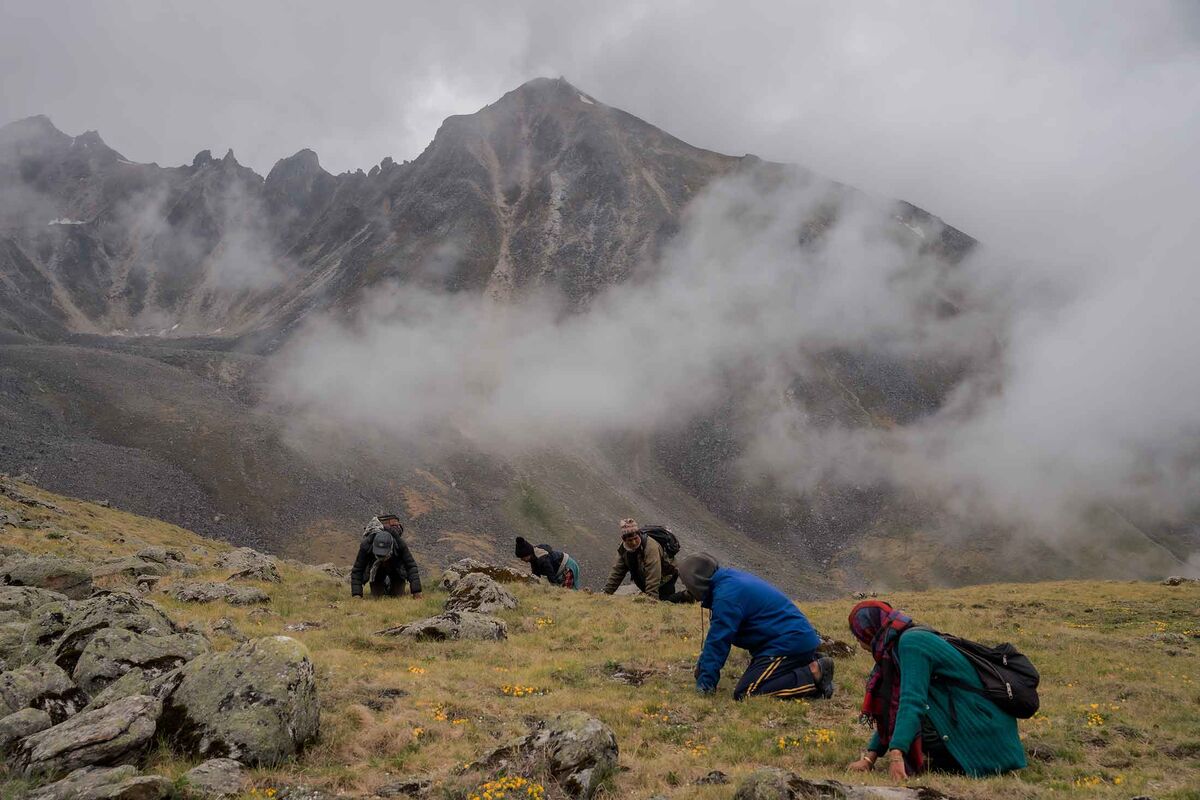
Wild cordyceps is extremely rare and valuable. In fact, it’s sometimes called “Himalayan gold” in local markets. For centuries, people would trek through cold, high-altitude grasslands to gather even a few pieces. This made it almost as prized as precious metals and a key part of mountain economies.
Lab-grown cordyceps, especially Cordyceps militaris, is now widely available. Modern cultivation means more people can access its health benefits without harming the environment or depleting wild stocks. This version is also more consistent in potency, so you know what you’re getting with each dose.
Cordyceps contains several active compounds, including polysaccharides, nucleosides, and sterols, each contributing to its potential effects. One interesting fact: cordyceps is not a true mushroom, but a parasitic fungus. Despite this, it’s often grouped with medicinal mushrooms due to similar health properties.
Why Altitude Is A Challenge For Hikers And Climbers
When you climb above 2,500 meters (about 8,200 feet), the air pressure drops and there is less oxygen in every breath. This is called hypoxia. Symptoms can include:
- Tiredness and low energy
- Headache and dizziness
- Trouble sleeping
- Nausea or loss of appetite
Serious cases can become Acute Mountain Sickness (AMS), which sometimes leads to high-altitude pulmonary or cerebral edema—both life-threatening if not treated.
Your body needs time to adjust to altitude. But some people never fully adapt, and even the fittest athletes can struggle. That’s why many look for extra help—natural supplements, better nutrition, and special training.
It’s important to know that altitude affects everyone differently. Some people can climb quickly to 3,500 meters with little trouble, while others feel sick even at 2,800 meters. Genetics, hydration, how fast you climb, and even your sleep quality all play a role.
Also, past experience does not guarantee future performance—someone who did fine on one trek can get sick on another.
Another hidden challenge is dehydration. The air at altitude is dry, and you lose water quickly when you breathe. Dehydration can make altitude sickness worse, slow your thinking, and sap your energy. That’s why smart climbers focus not only on oxygen but also on drinking enough fluids.
Some hikers try “pre-acclimatization” by sleeping in altitude tents or training in hypoxic gyms before their trip. These methods help, but most people still need extra tools for high performance. This is where cordyceps and other adaptogens come in.
.webp)
Credit: www.himalayanrecreation.com
The Science Behind Cordyceps And Altitude Performance
Cordyceps has a long tradition, but what does modern science say? Researchers have studied cordyceps for its effects on oxygen use, endurance, and recovery. Here’s what we know:
Improved Oxygen Utilization
One of the key benefits of cordyceps is its ability to help the body use oxygen more efficiently. Several studies show that cordyceps increases VO2 max—the maximum amount of oxygen the body can use during hard exercise. For example, a 2004 study in the journal “Medicine & Science in Sports & Exercise” found that people taking cordyceps saw a 7% increase in VO2 max after six weeks.
Some researchers believe cordyceps helps the mitochondria (the “powerhouse” of your cells) work better. This means that when you climb a steep path or carry a heavy pack, your muscles get more energy from each breath. This effect is valuable at altitude, where every bit of oxygen counts.
Boosted Atp Production
Cordyceps contains compounds called cordycepin and adenosine, which may help the body produce more ATP (adenosine triphosphate). ATP is the main energy source for our cells. More ATP means muscles can work harder and recover faster.
In fact, cordyceps is one of the few natural substances shown to increase ATP output in human studies. This boost is not just theoretical—athletes using cordyceps often report a real difference in stamina during long, tough sessions.
Reduced Fatigue
In one experiment, older adults taking cordyceps reported higher energy levels and less tiredness during daily activities. While these studies were not always done in high-altitude conditions, the results suggest cordyceps could help reduce fatigue—a key problem for climbers and hikers.
Fatigue at altitude is not only physical but also mental. Cordyceps may help with both, possibly by reducing buildup of lactic acid (a waste product that causes muscle soreness). Some studies show people feel less “heavy” after training when they use cordyceps, which may mean faster recovery between climbs or trekking days.
Enhanced Lung Function
Cordyceps has also been shown to improve lung capacity and reduce inflammation. For people at altitude, this could mean easier breathing and less coughing or chest tightness.
Researchers have found that cordyceps may relax the airways, making it easier for air to move in and out of the lungs. This is especially helpful for people with asthma or those who get “Khumbu cough” (a common problem in the Himalayas due to dry, dusty air).
Support For Red Blood Cells
Some research suggests cordyceps can help the body make more erythropoietin (EPO), a hormone that boosts red blood cell production. More red blood cells carry more oxygen, which is exactly what the body needs at high altitudes.
This is the same process that some endurance athletes try to boost through “blood doping” (illegally increasing red blood cell count). The difference is cordyceps supports this naturally, with a lower risk of side effects.
Real-world Evidence
While lab studies are promising, real-world results matter most to hikers. Some expeditions in Tibet and Nepal have reported better stamina and faster recovery with cordyceps use. However, individual responses vary, and not everyone experiences dramatic improvements.
A less obvious benefit: some guides in Nepal say cordyceps tea helps them avoid the “afternoon crash” and keeps their appetite steady, even when altitude usually makes eating hard. These practical effects are valuable, as eating enough food is critical for performance above 3,000 meters.
Cordyceps In Traditional Himalayan Cultures
Cordyceps has been used for centuries by people living at high altitudes. In Tibet, Nepal, and Bhutan, herders and mountain communities collected wild cordyceps as both medicine and a valuable trade item. Traditionally, it was boiled in soups or steeped as tea to fight tiredness and illness.
Local athletes, including famous Sherpa guides, have credited cordyceps as a secret weapon for endurance. While this doesn’t replace scientific research, it suggests a strong link between cordyceps and altitude adaptation in real life.
Cordyceps is also considered a powerful “yang” tonic in Chinese medicine, believed to balance body energy and support the lungs and kidneys. Families often keep a small amount for use during illness or after childbirth, showing its importance in mountain life.
In some Himalayan villages, cordyceps collecting is a major event. Entire families join the hunt, and schools even close during harvest season. The trade value of wild cordyceps supports local economies—sometimes more than tourism or farming.
A traditional recipe: cordyceps is simmered with yak meat, spices, and wild herbs to make a nourishing soup for people recovering from illness or exhaustion. This practice continues today, blending ancient wisdom with modern needs.
How Cordyceps Works In The Body
To understand why cordyceps might help at altitude, it’s useful to see how it works:
- Increases oxygen uptake: Cordyceps may help the lungs absorb more oxygen from the air, which is crucial where oxygen is scarce.
- Improves blood flow: By relaxing blood vessels, cordyceps allows more oxygen to reach muscles and organs.
- Reduces inflammation: High altitudes can trigger inflammation; cordyceps contains antioxidants that may protect cells from damage.
- Supports immune health: Stress from altitude can weaken the immune system. Cordyceps helps maintain balance and reduce the risk of illness.
These effects combine to help the body perform better and recover faster at altitude.
There’s another potential benefit: cordyceps may help the body manage stress hormones like cortisol. At altitude, your body is under constant physical stress, which can weaken immunity and slow recovery. By regulating these hormones, cordyceps may support mood, sleep, and mental sharpness.
Finally, cordyceps may boost nitric oxide levels. This gas helps widen blood vessels, improving circulation even when oxygen is low. For mountaineers, better blood flow means warmer fingers and toes, and possibly a lower risk of frostbite.
Comparing Cordyceps To Other Altitude Supplements
Many hikers and climbers use supplements to prepare for high elevations. Let’s see how cordyceps stacks up against some common options.
| Supplement | Main Benefit | How It Works | Common Side Effects |
|---|---|---|---|
| Cordyceps | Increases oxygen use, reduces fatigue | Boosts ATP, supports lungs and blood cells | Rare (mild stomach upset) |
| Ginkgo Biloba | Improves memory and circulation | Increases blood flow to brain | Possible headaches, stomach upset |
| Iron | Prevents anemia | Helps make red blood cells | Constipation, nausea |
| Rhodiola | Boosts energy, reduces stress | Balances stress hormones | Dry mouth, dizziness |
| Acetazolamide | Prevents altitude sickness | Changes blood chemistry for faster acclimatization | Tingling, frequent urination |
Cordyceps stands out for its low risk of side effects and its broad benefits for both oxygen use and energy.
Unlike acetazolamide, which is a prescription drug with clear side effects (like tingling fingers and increased urination), cordyceps is gentle enough for long-term use. Also, while iron is important, it only helps if you are already low in iron. Cordyceps, on the other hand, may support everyone’s performance, even if you have normal iron levels.
Some athletes combine cordyceps with rhodiola for extra stamina. However, always test combinations at home before your trip, as even safe supplements can cause stomach upset or other reactions for some people.
How To Use Cordyceps For Hiking And Mountaineering
If you’re considering cordyceps for your next high-altitude adventure, here’s what you need to know.
Choosing The Right Form
Cordyceps is available in several forms:
- Capsules or tablets: Easiest for travel and consistent dosing.
- Powder: Can be mixed into smoothies or water.
- Extracts: Often more concentrated, sometimes added to tea or coffee.
- Whole dried cordyceps: Traditional, but rare and expensive.
Most modern supplements use Cordyceps militaris grown in labs. This is safe and effective for most users.
Some hikers prefer powders because they can adjust the dose or mix it into morning oatmeal. Others like extracts for their stronger taste and fast action. If you use a powder or extract, pay attention to the concentration—some products are 10:1 or 20:1, meaning they are much stronger per gram.
When To Start Taking Cordyceps
For the best results, start taking cordyceps at least 2–4 weeks before your trip. This gives your body time to adjust and build up any benefits. Continue using it daily while at altitude.
If you’re training for a big climb, add cordyceps to your routine early. This helps you notice any side effects and ensures your body can use it well when you need it most. Some athletes use cordyceps all year, cycling every few months to keep its effects strong.
Typical Dosage
Most studies use a dose of 1,000 to 3,000 mg per day of cordyceps extract. Always follow the instructions on your supplement, as concentrations can vary.
For beginners, it’s wise to start at the lower end (around 1,000 mg) and increase slowly. Pay attention to how your body feels—more is not always better. If you notice stomach upset, try splitting the dose into two or three smaller servings.
Combining With Other Supplements
Cordyceps can be safely combined with most other altitude supplements, such as iron, vitamin C, or ginkgo. However, don’t mix too many new supplements at once. Start with one, see how your body reacts, and add others only if needed.
Some people use cordyceps with beetroot powder or L-citrulline to further boost blood flow. These combinations are popular among high-altitude runners and cyclists, but always test at home first.
How To Take It
- Take cordyceps with food to avoid stomach upset.
- Split the dose into morning and afternoon for steady energy.
- Drink plenty of water, as altitude can dehydrate you.
If you’re using a powder, try adding it to hot drinks (but not boiling water, which may damage some compounds). Many mountaineers add cordyceps to their breakfast or recovery shake.
Cycling Cordyceps
Some experts recommend cycling—using cordyceps for 4–6 weeks, then taking a break for 1–2 weeks. This may help maintain its effectiveness.
Cycling also reduces the chance of your body “getting used to” the supplement, which could make it less effective over time. Use the off-weeks to focus on other aspects of training, like sleep and nutrition.
Potential Side Effects And Safety
Cordyceps is considered very safe for most people. Side effects are rare but can include mild digestive upset, diarrhea, or dry mouth. People with mushroom allergies should avoid cordyceps.
If you have an autoimmune disease or take immune-suppressing drugs, check with your doctor first. Cordyceps can stimulate the immune system, which may not be safe for everyone.
Pregnant or breastfeeding women should avoid cordyceps unless their doctor approves it.
It’s also important to watch for interactions with blood-thinning medications, as cordyceps may increase bleeding risk in some people. If you have a surgery planned, stop cordyceps at least two weeks before.
One non-obvious safety tip: if you forage or buy wild cordyceps, be cautious. Some wild-harvested cordyceps is mixed with lookalike fungi that are not safe. Always buy from trusted sources with third-party testing.
Credit: www.mountaineers.org
Real Stories: Hikers And Climbers Using Cordyceps
Many outdoor enthusiasts now add cordyceps to their training and expedition routines. Here are some real-world examples:
- Anna, a trekker from Poland, used cordyceps before hiking in the Andes. She reported less muscle soreness and better sleep at 4,000 meters.
- Lhakpa, a Sherpa guide in Nepal, says cordyceps tea is common among guides. He believes it helps with cold tolerance and faster recovery after long days.
- Tom, a climber from the UK, started using cordyceps capsules during his Kilimanjaro ascent. He felt less shortness of breath compared to his first attempt without supplements.
While these are personal stories, they match what many athletes and guides have reported in online forums and blogs.
Some Himalayan trail runners say cordyceps helps them keep a steady pace even late in races, when most people slow down. Others notice less swelling in hands and feet—a common problem on long, high treks.
One interesting trend: some mountain rescue teams now include cordyceps in their kits for team members, believing it helps with fast response at altitude. While not medical proof, this shows growing trust in its benefits.
Cordyceps And Sports Performance Data
Let’s look at some numbers from published research:
| Study | Participants | Duration | Outcome |
|---|---|---|---|
| Medicine & Science in Sports & Exercise (2004) | 30 adults | 6 weeks | +7% VO2 max, less fatigue |
| Journal of Alternative & Complementary Medicine (2010) | 20 elderly adults | 12 weeks | Better exercise tolerance, lower tiredness |
| Chinese Journal of Integrative Medicine (2015) | 48 athletes | 8 weeks | Faster recovery, improved lung function |
While not all studies were at altitude, the improvements in oxygen use, fatigue, and recovery are promising for mountain sports.
It’s worth noting that many studies use untrained or older adults, showing that cordyceps can help a wide range of people—not just elite athletes. Some research also reports improved sleep quality, a huge benefit at altitude where rest is often hard to get.
Practical Tips For Using Cordyceps On The Trail
Getting the most out of cordyceps requires more than just taking a pill. Here are some expert tips:
- Pair with acclimatization: Cordyceps is not a magic bullet. Always plan for slow climbs and proper rest.
- Watch for signs of altitude sickness: If you have symptoms, descend or seek medical help, even if you’re taking cordyceps.
- Maintain nutrition: Eat a balanced diet high in carbs and protein to support energy and recovery.
- Stay hydrated: Dehydration makes altitude problems worse. Drink more water than you think you need.
- Listen to your body: Everyone reacts differently. Track your response to cordyceps and adjust if needed.
If you trek in remote regions, bring extra cordyceps in case you need to share with a group member who is struggling. Some guides suggest keeping a log of your energy, sleep, and appetite—this helps track the real impact of the supplement.
Another tip: if you use a powder or extract, store it in a dry, airtight container. Moisture can reduce potency, especially in wet mountain weather.
Non-obvious Insights Beginners Often Miss
- Quality matters: Not all cordyceps supplements are equal. Some brands use very little active ingredient or mix in fillers. Look for products that state the amount of cordycepin and polysaccharides—these are the main active compounds.
- Cordyceps is not a cure-all: While it helps with energy and oxygen use, it does not prevent all altitude problems. You still need to prepare, train, and respect the risks of high mountains.
- Lab-grown cordyceps is often better: Wild cordyceps is expensive and sometimes contaminated with heavy metals or pesticides. Lab-grown cordyceps militaris contains more active compounds and is safer for regular use.
Another key insight: cordyceps works best when combined with a healthy sleep schedule. Altitude can disrupt your sleep cycle, and poor sleep will blunt any supplement’s benefits. Try to rest well before your trip and keep a regular bedtime, even in basecamp.
How To Choose The Best Cordyceps Supplement
With so many options on the market, picking the right cordyceps can feel confusing. Here’s how to make a smart choice:
Check For Active Ingredients
Look for supplements that list the amount of cordycepin and polysaccharides. Higher levels mean more potential benefits.
Source And Purity
Prefer lab-grown cordyceps militaris. It’s more sustainable and usually has higher purity than wild varieties.
Third-party Testing
Choose brands that have their products tested by independent labs. This ensures you get what’s promised and nothing harmful.
Dosage And Form
Capsules are easiest for travel and have the most reliable dosing. Powders can be good for adding to food, but make sure you know how much you’re taking.
Price Vs. Quality
Very cheap supplements often cut corners. Expect to pay more for real cordyceps with proven active ingredients.
Also, check if the product is organic and free from additives. Some supplements use rice or grain fillers, which may lower potency. If possible, read customer reviews from verified buyers, especially those who used cordyceps for hiking or climbing.
Common Mistakes When Using Cordyceps At Altitude
- Starting too late: Many hikers begin taking cordyceps only after arriving at high altitude. For best results, start 2–4 weeks before your trip.
- Ignoring medical advice: Cordyceps is not a replacement for medical treatments or proper acclimatization. Don’t skip safety measures.
- Taking too much: More is not always better. Stick to recommended dosages to avoid side effects.
- Buying low-quality brands: Some supplements contain little or no real cordyceps. Research your brand carefully.
- Expecting instant results: Cordyceps works best as part of a long-term approach, not as a quick fix.
One more common mistake: not checking for allergies. If you’ve never eaten mushrooms or fungal supplements, test cordyceps at home first, well before your trip.
Credit: www.bloomberg.com
Frequently Asked Questions
What Is The Best Way To Take Cordyceps For Altitude Adaptation?
The best approach is to start taking cordyceps in capsule or extract form about 2–4 weeks before your trip. Use a dose of 1,000–3,000 mg daily, split into two servings. Continue while at altitude for ongoing benefits.
Can Cordyceps Prevent Altitude Sickness Completely?
No supplement can fully prevent altitude sickness. Cordyceps may help your body use oxygen better and reduce fatigue, but you still need to acclimatize slowly and watch for symptoms. If you feel unwell, descend to a lower altitude.
Are There Any Known Drug Interactions With Cordyceps?
Cordyceps is generally safe and interacts with few medications. However, people taking immune-suppressing drugs, blood thinners, or diabetes medications should consult a doctor first, as cordyceps can affect immunity and blood sugar.
Is Wild Cordyceps Better Than Lab-grown Varieties?
Not always. Wild cordyceps is traditional but often expensive and sometimes contaminated. Lab-grown cordyceps militaris usually has more active compounds and is safer for regular use. Look for third-party tested brands.
Where Can I Find Scientific Studies On Cordyceps And Altitude?
You can explore research papers and reviews at Wikipedia, which lists sources and links to published studies on cordyceps, sports performance, and altitude adaptation.
Cordyceps is not a miracle, but it’s a valuable tool for hikers and mountaineers aiming to perform their best at high altitude. Combined with good training, smart planning, and respect for the mountains, it may help you breathe easier and go further—step by step, above the clouds.