
Maitake For Blood Sugar Control: How It Supports Insulin Sensitivity
Many people today struggle to keep their blood sugar balanced. Modern diets, stress, and lack of exercise can make blood sugar spikes and crashes common, especially for people with prediabetes or type 2 diabetes. While medications and lifestyle changes are crucial, many are searching for natural ways to support their health. One mushroom, the maitake, is gaining attention for its possible benefits on blood sugar and insulin.
Maitake, also known as the “hen of the woods,” is not just a tasty mushroom found in Asian cuisine. It is now studied for how it may help regulate blood sugar and support insulin sensitivity. With more people wanting natural solutions, understanding maitake’s role in blood sugar control is more important than ever.
This article will explore how maitake works in the body, what scientific research says, practical tips for using it, and what you need to know before adding it to your routine. Whether you are simply curious or looking for another tool to help manage your blood sugar, you will find clear, useful information here.
What Is Maitake?
Maitake (Grifola frondosa) is a large, leafy mushroom that grows in clusters at the base of trees, especially oaks. It is native to Japan, China, and North America. In Japanese, “maitake” means “dancing mushroom” – a name given because people would dance with joy when they found it in the wild.
For centuries, maitake has been used in traditional Eastern medicine. It is famous for its rich, earthy flavor and is often cooked in soups, stir-fries, and teas. But what makes maitake stand out is not just taste. It contains unique bioactive compounds that may offer health benefits.
The main active components are beta-glucans—special types of complex sugars found in the cell walls of the mushroom. These beta-glucans are thought to be responsible for many of maitake’s health effects, including supporting the immune system and possibly helping with blood sugar control.
Beyond beta-glucans, maitake also contains:
- Vitamins: B2, B3, D, and others
- Minerals: Potassium, phosphorus, copper
- Amino acids and fiber
These nutrients work together to make maitake both a healthy food and a promising supplement.
Understanding Blood Sugar And Insulin Sensitivity
To see how maitake can help, it is important to understand how blood sugar and insulin sensitivity work in the body.
Blood sugar (glucose) is the main source of energy for your body’s cells. After you eat, carbohydrates are broken down into glucose, which enters your bloodstream. Your pancreas responds by releasing insulin, a hormone that helps cells take in glucose for energy or storage.
Insulin sensitivity refers to how effectively your cells respond to insulin. If your cells are sensitive, they easily absorb glucose from the blood, keeping blood sugar levels balanced. When cells become less sensitive (insulin resistance), glucose stays in the blood. This can lead to high blood sugar levels, also known as hyperglycemia.
Insulin resistance is the main problem in prediabetes and type 2 diabetes. Over time, it can cause serious health issues like nerve damage, heart disease, and vision problems. Managing blood sugar and improving insulin sensitivity is key for both prevention and treatment.
Factors that affect blood sugar and insulin sensitivity include:
- Diet (especially sugar and processed carbs)
- Physical activity
- Stress
- Sleep quality
- Genetics
- Certain medications
Maitake’s possible role in supporting healthy blood sugar and insulin sensitivity has drawn the interest of both scientists and the general public.
How Maitake Affects Blood Sugar
The main reason maitake is being studied for blood sugar control is its beta-glucans—especially a type called Maitake D-fraction. These compounds appear to influence several parts of the blood sugar process.
1. Slowing Glucose Absorption
Beta-glucans in maitake form a gel-like substance in the digestive tract. This can slow the absorption of glucose from food, which helps prevent sharp spikes in blood sugar after eating. Instead, glucose enters the bloodstream more gradually.
2. Improving Insulin Sensitivity
Maitake seems to help cells respond better to insulin. This means less insulin is needed to move glucose into cells, and blood sugar stays in a healthier range. Some animal studies show that maitake extracts can improve insulin sensitivity similar to some diabetes medications.
3. Supporting Pancreas Health
The pancreas is the organ that produces insulin. Some research suggests that maitake may protect pancreatic cells from damage or help them function better, which is important for long-term blood sugar control.
4. Reducing Inflammation
Chronic inflammation is linked to insulin resistance. Maitake contains antioxidants and anti-inflammatory compounds, which may help reduce inflammation in the body and support better blood sugar control.
5. Supporting Healthy Weight
Although not a direct effect, maitake is low in calories and high in fiber. Eating more fiber-rich foods can help with weight management, which is closely linked to improved insulin sensitivity.
These effects are backed by some early studies, but more human research is needed to fully understand how maitake works for blood sugar control.
Research: What Science Says About Maitake And Blood Sugar
When looking at natural remedies, it is important to separate hype from evidence. So, what does the research say about maitake and blood sugar?
Animal Studies
Most studies so far have been done in animals. These studies offer important clues but cannot always be applied directly to humans.
- In one study, diabetic rats given maitake extract had up to 25% lower blood sugar levels compared to rats not given the extract.
- Another study found that maitake D-fraction improved insulin sensitivity in mice with insulin resistance, almost matching the effects of metformin, a common diabetes drug.
- Some research shows that maitake may help protect the pancreas from damage in diabetic animals.
Human Studies
Human research is more limited, but there are some promising results.
- A small study in Japan found that people with type 2 diabetes who took maitake extracts for eight weeks had improved fasting blood sugar and better insulin sensitivity compared to those given a placebo.
- In another clinical trial, people who ate maitake mushrooms as part of their diet showed lower post-meal blood sugar spikes than those who did not.
However, these studies are small and more research is needed to confirm the effects.
Comparison With Other Mushrooms
How does maitake compare to other mushrooms for blood sugar control? The table below shows some key differences.
| Mushroom | Main Active Compound | Evidence for Blood Sugar Control | Notes |
|---|---|---|---|
| Maitake | Beta-glucans (D-fraction) | Good animal data, limited human data | May improve insulin sensitivity |
| Shiitake | Lentinan | Some animal studies | Mostly immune benefits |
| Reishi | Ganoderic acids | Some effect in animal models | More research needed |
| Cordyceps | Cordycepin | Some effect, mainly energy support | Not as strong for blood sugar |
Notable Study
One of the most cited studies looked at the effects of maitake D-fraction on diabetic mice. Over 10 weeks, mice given D-fraction had:
- 30% lower fasting blood sugar
- Improved insulin levels
- Less inflammation in pancreas tissue
While these results are promising, remember that mice are not humans. Still, the evidence is strong enough that maitake is being studied as a possible natural support for blood sugar management.

Credit: firesidebrew.co
How Maitake Supports Insulin Sensitivity
The way maitake helps with blood sugar is closely linked to how it affects insulin sensitivity. Here’s a deeper look at the mechanisms.
1. Activating Insulin Receptors
For insulin to work, it must attach to special sites on cells called insulin receptors. Maitake’s beta-glucans may help these receptors work better, so cells open up and take in glucose more easily.
2. Enhancing Glucose Transport
Inside the cell, glucose is moved by proteins called GLUT4 transporters. Some studies show that maitake can boost the activity of these transporters, allowing more glucose to leave the blood and enter the cells.
3. Reducing Stress Hormones
High stress and high cortisol (a stress hormone) can worsen insulin resistance. Maitake may help lower cortisol levels and protect against stress-related spikes in blood sugar.
4. Supporting Gut Health
A healthy gut is linked to better insulin sensitivity. The fiber and prebiotics in maitake may feed good bacteria in your gut, which can help with inflammation and blood sugar control.
These effects are complex and often work together. Maitake does not act in just one way—it supports the whole system that keeps blood sugar balanced.
Maitake Vs. Medications For Blood Sugar
Some people wonder if maitake can replace diabetes drugs. The answer is no—it is not a replacement for medication, but it may be a helpful complement.
- Medications like metformin, sulfonylureas, and insulin work through strong and direct effects to lower blood sugar. They are essential for many people.
- Maitake works more gently, by supporting your body’s own systems.
Here is a simple comparison:
| Factor | Maitake | Typical Diabetes Medication |
|---|---|---|
| How it works | Supports insulin sensitivity, reduces absorption | Directly lowers blood sugar or increases insulin |
| Speed of effect | Gradual | Fast (hours to days) |
| Side effects | Generally mild (digestive upset) | Possible (low blood sugar, weight gain, others) |
| Used for | Support, prevention, mild cases | Treatment of diagnosed diabetes |
Important: Always talk to your doctor before adding maitake if you are already taking blood sugar medication. Combining both can sometimes cause blood sugar to go too low.
How To Use Maitake For Blood Sugar Support
If you want to try maitake for blood sugar and insulin sensitivity, there are several ways to add it to your routine.
1. Eating Maitake Mushrooms
Fresh maitake mushrooms can be used in cooking, just like other mushrooms. They have a mild, woodsy taste and work well in:
- Soups
- Stir-fries
- Roasted dishes
- Omelets
Eating maitake as food is safe for most people, and you get all the fiber and nutrients.
Tip: Cook maitake well to soften the tough fibers and bring out the flavor.
2. Maitake Extracts And Supplements
Many people use maitake in the form of:
- Capsules
- Powders
- Liquid extracts
These contain concentrated forms of the active beta-glucans, especially D-fraction. This may be more convenient for people who do not like mushrooms or want a more consistent dose.
Common dosage: 500–1500 mg per day of extract (check labels for beta-glucan content).
3. Maitake Tea
Maitake can also be brewed as a tea. Simply steep dried maitake slices in hot water for 10–15 minutes. This is a gentle way to enjoy the benefits.
4. Combining With Other Foods
Some people combine maitake with other foods or supplements known for blood sugar support, such as cinnamon or chromium. Just be cautious and introduce one new thing at a time to watch for effects.
How Much Maitake Should You Take?
There is no official recommended dose for maitake, but most studies use these amounts:
- Fresh maitake: 50–100 grams per day (as food)
- Maitake extract: 500–1500 mg per day (standardized to beta-glucans)
- Maitake D-fraction: 20–30 mg per day (highly concentrated extract)
If you are new to maitake, start with a low dose and increase slowly to see how your body reacts.
Note: Supplements are not regulated the same way as drugs. Choose reputable brands that test for quality and purity.
Who Should Not Use Maitake?
Maitake is safe for most people, but some groups should be careful:
- People with low blood sugar (hypoglycemia): Maitake may lower blood sugar further.
- Those taking diabetes medications: Combining can sometimes cause blood sugar to drop too low.
- People with mushroom allergies: Avoid maitake if you are allergic to other mushrooms.
- Pregnant or breastfeeding women: There is not enough research to know if maitake is safe.
If you have a medical condition or take medication, always talk to your doctor before using maitake.
Practical Tips For Adding Maitake To Your Life
Here are some ways to get the most from maitake for blood sugar support:
- Use as part of a healthy diet: Maitake works best with whole grains, lean proteins, healthy fats, and plenty of vegetables.
- Cook with other blood sugar-friendly foods: Add maitake to brown rice dishes, quinoa, or vegetable soups.
- Watch for changes: Keep a blood sugar log if you have diabetes or prediabetes. Track how you feel and any changes in your readings.
- Try different forms: If you do not enjoy the taste of the mushroom, try capsules or powders.
- Don’t overdo it: More is not always better. Stick to recommended amounts and increase slowly.
- Talk to your healthcare provider: Especially if you are on medication or have any medical concerns.
Non-obvious Insights About Maitake And Blood Sugar
Many beginners miss these key points when first exploring maitake:
- Beta-glucan quality matters: Not all maitake supplements have the same amount or type of beta-glucans. Look for “standardized” extracts with clear information about D-fraction content.
- Cooking method changes effects: Cooking maitake in high heat for too long can reduce some sensitive nutrients. Lightly sautéing or steaming is best for keeping health benefits.
- Gut health link: Maitake’s fiber supports good bacteria in your gut, which can influence blood sugar. If you also eat a lot of processed foods or take antibiotics, maitake’s benefits may be reduced.
- Consistency is key: One serving will not change blood sugar overnight. Benefits come with regular, long-term use.
- Interactions with other herbs: Maitake may interact with other herbs that lower blood sugar, like berberine or bitter melon. Always monitor your response when combining.
Common Mistakes When Using Maitake
While maitake is generally safe, here are mistakes to avoid:
- Using maitake as a replacement for medication: It is a support, not a substitute.
- Not checking supplement quality: Some products contain fillers or low-quality extracts.
- Ignoring possible side effects: Even natural products can cause stomach upset, diarrhea, or allergic reactions.
- Expecting instant results: Natural remedies take time.
- Not tracking changes: If you do not monitor your blood sugar, you may miss both benefits and side effects.

Credit: its.uark.edu
Real-life Examples And Testimonials
People use maitake in different ways, and experiences can vary. Here are a few real-world stories:
- Anna, age 54, prediabetes: “I started taking maitake capsules alongside my usual diet. After three months, my morning blood sugar dropped from 110 mg/dL to 98 mg/dL. I also felt more energy.”
- James, age 43, type 2 diabetes: “Adding maitake mushrooms to my weekly meals helped me feel full and kept my blood sugar steady after eating. I still need my medicine, but I feel more in control.”
- Li, age 37, no diabetes: “I like maitake for immune support, but I noticed I no longer feel tired after carb-heavy meals. I think it helps with sugar swings.”
Everyone is different. The key is to use maitake as one part of a balanced approach.
What To Look For In A Maitake Supplement
Choosing the right maitake supplement can be confusing. Here are factors that matter:
- Standardization: Look for extracts standardized to a certain percentage of beta-glucans or D-fraction.
- Source: Choose mushrooms grown organically and away from pollution.
- Purity: Select brands that provide third-party testing for heavy metals and contaminants.
- Form: Decide if you prefer capsules, powders, or liquids.
- Company reputation: Choose brands with good reviews and clear contact information.
Red flag: Avoid supplements that do not list the amount of beta-glucans or have unclear labeling.
Maitake And Diet: Smart Combinations
Maitake works best when combined with other healthy foods that support blood sugar balance. Here are some smart pairings:
- With oats: Both are high in beta-glucans and can help slow glucose absorption.
- With lean proteins: Chicken, tofu, or fish with maitake can stabilize meals and prevent sugar spikes.
- With leafy greens: Add maitake to spinach or kale salads for extra fiber.
A sample meal:
- Grilled chicken breast
- Sautéed maitake mushrooms with garlic
- Steamed broccoli
- Brown rice
This meal is high in fiber, low in added sugars, and supports healthy blood sugar.
Are Maitake’s Effects Backed By Traditional Medicine?
Maitake has been used in traditional Chinese and Japanese medicine for hundreds of years. It is seen as a “tonic” for energy, immunity, and metabolism.
- In Chinese medicine, maitake is believed to support the spleen and stomach, which are linked to energy and digestion.
- In Japanese Kampo, maitake is used to balance the body and strengthen defenses.
Modern research is now catching up with these old practices. However, traditional use alone does not guarantee safety or effectiveness—scientific studies are still essential.
Maitake For Prevention Vs. Treatment
Maitake may have different roles depending on your health status:
- Prevention: For people at risk of diabetes or with mild blood sugar issues, maitake may help keep levels in a healthy range.
- Support: For those already diagnosed, maitake can be used alongside medication and lifestyle changes to support better control.
- Not a cure: Maitake will not reverse diabetes, but it may help prevent complications.
Tip: The earlier you start healthy habits, the better your long-term results.
Potential Side Effects And Safety
Most people tolerate maitake well, especially when eaten as food. However, side effects can happen, especially with high-dose extracts.
Possible side effects include:
- Upset stomach or diarrhea
- Allergic reactions (rash, itching, swelling)
- Lowered blood sugar (hypoglycemia)
Rarely, people may have more serious reactions, especially if allergic to mushrooms.
To reduce risk:
- Start with a low dose
- Take with food
- Watch for any new symptoms
If you feel dizzy, weak, or confused, check your blood sugar and see a doctor.
Maitake And Other Health Benefits
Besides blood sugar and insulin, maitake may offer other health benefits:
- Immune support: Maitake’s beta-glucans may boost the immune system.
- Anti-cancer effects: Some early studies suggest maitake D-fraction may help slow tumor growth, but more research is needed.
- Cholesterol reduction: Maitake may help lower “bad” LDL cholesterol, another risk factor for heart disease.
- Weight management: Its fiber helps with fullness and digestion.
These benefits make maitake a good choice for overall wellness, not just blood sugar.
Can Maitake Be Used With Other Natural Remedies?
Many people combine maitake with other mushrooms or herbs. Some common combinations include:
- Maitake + Reishi: For immune and stress support
- Maitake + Cinnamon: For extra blood sugar help
- Maitake + Berberine: For stronger effects (but watch for low blood sugar)
Always introduce new supplements one at a time and monitor your body’s response.
Maitake In Cooking: Easy Recipes
If you want to use maitake in your kitchen, try these ideas:
- Maitake Stir-Fry: Sauté maitake with onions, peppers, and a splash of low-sodium soy sauce.
- Maitake Soup: Add sliced maitake to chicken or vegetable broth with garlic and ginger.
- Maitake Omelet: Fold cooked maitake into eggs with spinach for a high-protein breakfast.
- Roasted Maitake: Toss with olive oil and roast at 400°F (200°C) for 15–20 minutes until crispy.
Cooking maitake makes the nutrients more available and is easy to add to meals.
What To Expect When You Start Maitake
If you begin using maitake, here is what you might notice:
- Gradual improvement in blood sugar numbers (especially fasting and after meals)
- More stable energy and fewer sugar “crashes”
- Feeling fuller after meals
- Possible mild digestive changes as your body adjusts
Note: Results take time—give it at least 4–8 weeks for best results.
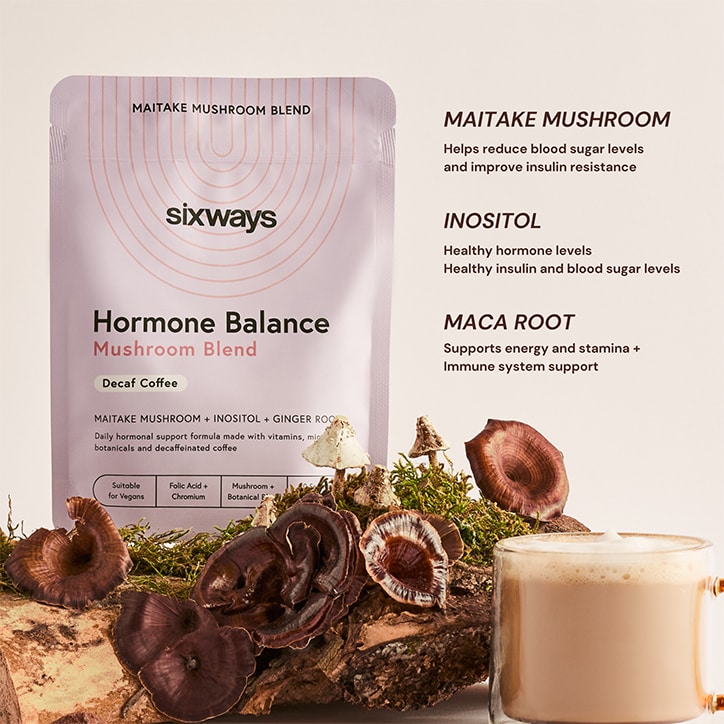
Credit: www.hollandandbarrett.com
Important Points To Remember
- Maitake supports blood sugar and insulin sensitivity mainly through its beta-glucans.
- It is not a cure or replacement for medical treatment.
- Consistency, dosage, and supplement quality are all important.
- Use maitake as part of a balanced diet and healthy lifestyle.
- Work with your healthcare provider, especially if you are on other medications.
For more in-depth information on maitake and its health benefits, see this scientific review.
Frequently Asked Questions
What Is The Best Way To Take Maitake For Blood Sugar Control?
The best way depends on your preference. Fresh maitake mushrooms can be eaten as part of meals, which is both safe and nutritious. Maitake extracts or capsules offer a more concentrated dose and are convenient if you do not like the taste.
Always choose a supplement standardized for beta-glucans or D-fraction for blood sugar support.
How Long Does It Take For Maitake To Affect Blood Sugar?
Changes are usually gradual. Most people see results in 4–8 weeks of regular use. Keeping a blood sugar log helps you track improvements. Remember, maitake works best alongside other healthy habits like diet and exercise.
Are There Any Side Effects Or Risks With Maitake?
Maitake is safe for most people but can cause mild stomach upset, diarrhea, or allergic reactions. It may lower blood sugar too much if taken with diabetes medications. Start with a low dose and talk to your doctor if you have any concerns.
Can I Use Maitake If I Am Already Taking Diabetes Medicine?
Yes, but with caution. Maitake can add to the effects of your medication and cause low blood sugar. Always inform your doctor before starting maitake. Regularly monitor your blood sugar and adjust your medicine if needed.
How Do I Know If My Maitake Supplement Is High Quality?
Look for supplements that are standardized for beta-glucans or D-fraction, made from organically grown mushrooms, and tested by a third party for purity. Avoid products without clear labeling or information about active ingredients.
Maitake is a promising natural support for blood sugar and insulin sensitivity. By understanding how it works and using it wisely, you can make maitake a valuable part of your healthy lifestyle.