Cycling is more than just a sport or a way to commute; for many, it’s a passion that pushes the limits of human endurance and willpower. As cyclists chase new personal records, train for long races, or simply enjoy the freedom of the open road, they’re always searching for ways to perform better and recover faster. In recent years, a unique natural supplement has caught the attention of athletes: Cordyceps. Known as a “fungal fuel,” Cordyceps has been used in traditional medicine for centuries, but its reputation among cyclists is growing rapidly. Is this mushroom extract really the secret to pedaling harder, or is it just another fad? Let’s dive deep into what Cordyceps can offer cyclists, how it works, and how to use it for maximum results.
What Is Cordyceps?
Cordyceps is a type of medicinal mushroom found mainly in the high mountain regions of China, Nepal, and Tibet. There are over 400 species, but the most famous is Cordyceps sinensis. Traditionally, Cordyceps grows on insect larvae, but today, most supplements use a lab-grown variety called Cordyceps militaris. This method is safer, eco-friendly, and produces high levels of the active compounds that athletes are interested in.
Cordyceps has been used in traditional Chinese medicine for hundreds of years to treat fatigue, improve stamina, and boost overall health. Its popularity among modern athletes is due to research suggesting it can help the body use oxygen more efficiently, enhance endurance, and speed up recovery after hard workouts.
Why Cyclists Are Interested In Cordyceps
Cycling demands a mix of endurance, speed, and quick recovery. Every cyclist, from weekend warriors to pros, knows the challenge of pushing up a steep hill or sprinting to the finish line. Oxygen delivery, energy production, and muscle recovery are key to performing well.
Cordyceps is believed to support all these areas.
Many cyclists turn to Cordyceps supplements because of their potential to:
- Increase energy without caffeine
- Improve VO2 max (the maximum amount of oxygen your body can use during exercise)
- Reduce fatigue and muscle soreness
- Speed up recovery after rides
These benefits can make a real difference, especially during long training sessions or multi-day events.
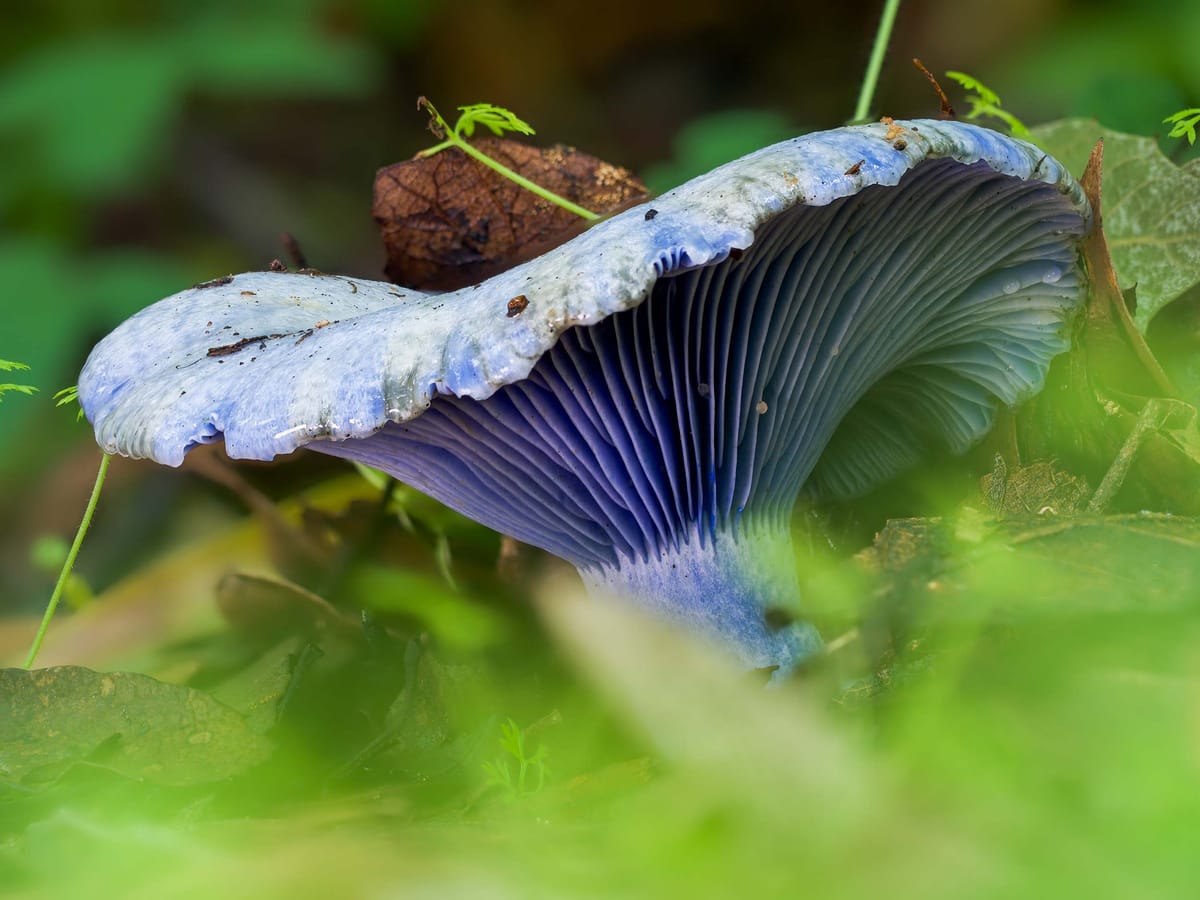
Credit: www.rewildingmag.com
The Science Behind Cordyceps: How It Works
Cordyceps contains several bioactive compounds such as cordycepin, adenosine, and polysaccharides. These compounds are thought to have effects on the body that are especially useful for cyclists.
Oxygen Utilization
One of the main reasons Cordyceps is popular among athletes is its ability to improve how the body uses oxygen. Studies suggest Cordyceps may:
- Boost the production of adenosine triphosphate (ATP), which is the main energy source for muscles
- Increase VO2 max, helping you ride longer before feeling tired
- Improve lung function, making breathing easier during intense effort
For cyclists, this means you may be able to ride at a higher intensity for longer, especially during climbs or sprints.
Energy Production
Cordyceps appears to enhance the body’s natural energy production. By supporting ATP synthesis, it helps your muscles get the fuel they need when you’re pushing hard.
Anti-fatigue And Recovery
Cordyceps also has antioxidant and anti-inflammatory effects, which may help reduce muscle soreness and protect the body from stress caused by intense exercise. This means faster recovery, less downtime, and more consistent training.
Real-world Studies
Research on Cordyceps and athletic performance is promising but still growing. Some studies show improvement in endurance and oxygen use, while others report only mild effects. The results may depend on the type of Cordyceps, the dose, and individual factors like fitness level or age.
For example, a study published in the Journal of Alternative and Complementary Medicine found that older adults who took Cordyceps improved their exercise performance by 7%. Another study with trained cyclists showed better time-trial results after taking Cordyceps for several weeks.
However, not every study has found dramatic results, and some suggest the benefits may be most noticeable during high-altitude or high-intensity exercise.
Key Benefits Of Cordyceps For Cyclists
Cordyceps offers a range of potential benefits for cyclists. Here’s what you might notice when you add it to your routine:
1. Enhanced Endurance
By increasing oxygen use and energy production, Cordyceps may help you ride longer and recover faster.
2. Reduced Fatigue
Cordyceps supports quicker recovery and less muscle soreness, allowing for more frequent and intense rides.
3. Improved Vo2 Max
A higher VO2 max means your body can use more oxygen, which is crucial for cycling performance, especially during races or hard efforts.
4. Greater Lung Capacity
Some research suggests Cordyceps can support respiratory function. This is helpful for cyclists who ride in challenging conditions or at high altitude.
5. Natural Energy Boost
Unlike caffeine or sugar, Cordyceps provides a steady source of energy without jitters or a crash.
6. Immune System Support
Intense training can weaken the immune system. Cordyceps may help keep you healthy and reduce downtime from illness.
7. Antioxidant Protection
Cordyceps fights free radicals produced during exercise, protecting muscles and speeding recovery.
8. Possible Altitude Adaptation
Some athletes use Cordyceps to help adjust to high-altitude conditions, where oxygen is lower and fatigue sets in faster.
How To Use Cordyceps For Cycling Performance
Knowing how to use Cordyceps is important for getting the best results. Here’s what cyclists should consider:
Choosing The Right Cordyceps Supplement
Not all supplements are created equal. The most common forms are:
- Cordyceps militaris (lab-grown): High in active compounds, widely available, and consistent in quality.
- Cordyceps sinensis (wild): Rare and expensive; often used in traditional medicine but not always practical for athletes.
When choosing a supplement, look for:
- Verified third-party testing
- Clear labeling of the species and amount of active compounds (cordycepin or polysaccharides)
- Reputable brands with positive reviews
Check for certifications like USP or NSF to ensure safety and quality.
Dosage Guidelines
Typical doses for performance benefits range from 1,000 mg to 3,000 mg per day. Some studies use higher doses, but it’s best to start low and increase slowly. Take Cordyceps daily for at least 2-4 weeks to see noticeable effects.
Timing Your Intake
- Daily Use: For general endurance and recovery, take your dose in the morning or before training.
- Pre-Event: Some cyclists take Cordyceps 30-60 minutes before a race or intense workout for a potential boost.
- With Food: Cordyceps is usually well-absorbed with or without food, but taking it with a small meal can help sensitive stomachs.
Forms Of Cordyceps
Cordyceps is available as capsules, powders, and tinctures. Powders can be mixed into smoothies or shakes. Capsules are convenient for travel or quick use.
Cycling And Supplement Stack
Some cyclists combine Cordyceps with other supplements like beetroot juice, beta-alanine, or electrolytes for added effects. Always add one new supplement at a time to track how your body responds.
Potential Side Effects And Safety
Cordyceps is considered safe for most people when taken in recommended amounts. However, there are some things to keep in mind:
- Mild Side Effects: Some may notice digestive upset, dry mouth, or diarrhea, especially at high doses.
- Allergies: If you have a mushroom allergy, avoid Cordyceps.
- Medical Conditions: People with autoimmune diseases or on immune-suppressing drugs should talk to a doctor before using Cordyceps.
- Pregnant or Breastfeeding: Not enough data exists to confirm safety, so it’s best to avoid Cordyceps during these times.
Always check with a healthcare provider if you have any underlying health concerns or take regular medication.
Cordyceps Vs. Other Endurance Supplements
Cyclists often use different supplements to boost performance. How does Cordyceps compare with more familiar options?
| Supplement | Main Benefit | Energy Crash | Natural Source | Best For |
|---|---|---|---|---|
| Cordyceps | Endurance, Recovery | No | Yes | Long Rides, Altitude |
| Caffeine | Short-term Alertness | Yes | Yes | Sprints, Early Rides |
| Beta-Alanine | Lactic Acid Buffer | No | Yes | High Intensity |
| Beetroot Juice | Oxygen Efficiency | No | Yes | Endurance Events |
Cordyceps stands out for its long-term support of endurance and recovery, without the jitters or crash of caffeine. It also works well alongside other natural supplements.
Real Experiences: Cyclists Using Cordyceps
The best way to understand Cordyceps is through the stories of real cyclists who use it. Here are some examples:
- Amateur Racer: After adding Cordyceps to his pre-race routine, one cyclist reported feeling less winded on long climbs and recovering faster between races.
- Endurance Rider: A female cyclist training for a 200 km event used Cordyceps daily for a month and noticed improved stamina and less muscle soreness, especially during back-to-back training sessions.
- High-Altitude Specialist: Another rider found Cordyceps helpful when racing at altitude, feeling less shortness of breath and more consistent power output.
While these stories are not scientific proof, they show the practical benefits cyclists can experience when Cordyceps is used correctly.
How Cordyceps Fits In A Cyclist’s Training Plan
Cordyceps is not a magic pill that will turn a beginner into a champion overnight. However, it can be a valuable part of a well-rounded training plan. Here’s how to make it work for you:
1. Set Realistic Expectations
Cordyceps supports, but doesn’t replace, a solid training program, good nutrition, and rest.
2. Use Consistently
Daily use over several weeks is key. Track your rides and note any changes in endurance, recovery, or energy.
3. Combine With Smart Recovery
Cordyceps works best when paired with proper sleep, hydration, and stretching.
4. Adjust For Race Day
If you notice positive effects, use Cordyceps before important events, but never try something new for the first time on race day.
5. Listen To Your Body
Everyone responds differently. If you feel any side effects, lower the dose or take a break.
Common Myths And Misunderstandings About Cordyceps
With the rise of Cordyceps in cycling culture, some myths have also appeared. Here’s what you should know:
- “Cordyceps will give me instant results.”
While some notice benefits quickly, most cyclists need 2-4 weeks of regular use to see real changes.
- “Wild Cordyceps is always better.”
Lab-grown Cordyceps militaris is just as effective, safer, and more affordable for most users.
- “More is always better.”
Higher doses don’t always lead to better results and may increase side effects.
- “Cordyceps replaces hard work.”
No supplement can replace proper training, sleep, and nutrition.
Understanding these points helps cyclists use Cordyceps wisely and avoid disappointment.
Cordyceps And Nutrition: What To Eat For Maximum Gains
Supplements like Cordyceps work best when your overall nutrition supports your training. For cyclists, this means focusing on:
- Complex Carbohydrates: Oats, brown rice, sweet potatoes for sustained energy.
- Lean Proteins: Chicken, tofu, fish, or eggs to help muscles recover and grow.
- Healthy Fats: Nuts, seeds, avocados for long-term energy and joint health.
- Hydration: Water, electrolyte drinks, and fruits to stay hydrated during long rides.
- Antioxidant-Rich Foods: Berries, leafy greens, and Cordyceps itself to fight exercise-related stress.
Try adding Cordyceps powder to a morning smoothie with bananas, spinach, and berries for a simple, effective start.
Practical Tips For Cyclists Trying Cordyceps
If you’re ready to try Cordyceps, keep these tips in mind for the best results:
- Start Small: Begin with the lowest recommended dose to see how your body reacts.
- Track Your Progress: Write down how you feel during and after rides for a few weeks.
- Use Quality Products: Choose brands with third-party testing and clear labels.
- Be Patient: Give it at least a month before judging the results.
- Stay Balanced: Remember, Cordyceps is just one part of your overall health plan.
A common mistake is expecting dramatic overnight changes. Instead, look for steady improvements in stamina, recovery, and overall energy.

Credit: ezmushroom.com
How Cordyceps Works In The Body: A Closer Look
Cordyceps’ effects are due to its unique active compounds. Here’s how they support cyclists:
Cordycepin
Cordycepin is a compound that resembles adenosine, a building block of ATP (energy). It helps:
- Boost cellular energy production
- Reduce the buildup of lactic acid, which causes muscle fatigue
Polysaccharides
These complex sugars are linked to:
- Enhanced immune function
- Antioxidant effects that protect muscles during long rides
Adenosine
Adenosine helps widen blood vessels, improving blood flow and oxygen delivery to muscles. Better blood flow means less fatigue and faster recovery.
Cordyceps And High-altitude Cycling
Many cyclists dream of riding in the mountains, where thin air makes every pedal stroke harder. Cordyceps may be especially helpful here. Traditional use in Tibet and Nepal focused on improving energy and breathing at high elevations.
Studies suggest Cordyceps can help the body adapt to low-oxygen environments by:
- Supporting red blood cell production
- Enhancing lung function
- Reducing symptoms of altitude sickness
For those planning mountain rides or races, Cordyceps could provide a natural advantage.
Are There Any Downsides To Cordyceps?
While Cordyceps is generally safe, it’s important to be aware of a few things:
- Price: High-quality Cordyceps can be expensive compared to other supplements.
- Quality Variation: Not all products are equal; some may contain fillers or low levels of active compounds.
- Individual Response: Some cyclists may notice big benefits, while others feel little change.
To avoid disappointment, buy from trusted brands and manage expectations.
How To Spot A Good Cordyceps Supplement
With so many options, finding a high-quality Cordyceps product is crucial. Look for:
- Transparent ingredient lists
- Lab-tested purity and potency
- Clear species identification (militaris or sinensis)
- No unnecessary fillers or additives
A reputable supplement should provide batch numbers and certificates of analysis on their website.
Sample Cordyceps Supplement Routine For Cyclists
Here’s an example of how a cyclist might use Cordyceps during a typical week:
| Day | Time | Dose | Notes |
|---|---|---|---|
| Monday | Morning | 1,000 mg | Rest day, focus on recovery |
| Tuesday | 30 min before ride | 1,500 mg | Interval training |
| Wednesday | Morning | 1,000 mg | Easy ride or cross-training |
| Thursday | 30 min before ride | 2,000 mg | Long endurance ride |
| Friday | Morning | 1,000 mg | Active recovery |
| Saturday | 1 hour before event | 2,000 mg | Race day or group ride |
| Sunday | Morning | 1,000 mg | Rest and nutrition focus |
This routine can be adjusted based on your riding schedule and how your body responds.
Cordyceps: Beyond Cycling
While this article focuses on cycling, Cordyceps is also popular with runners, triathletes, and even mountain climbers. Its effects on energy, endurance, and recovery make it useful for almost any endurance sport. Some research even suggests benefits for brain health and anti-aging, but more studies are needed.
For cyclists, the most important gains are in oxygen use, stamina, and post-ride recovery.
Cordyceps And Doping: Is It Allowed?
Cyclists must be careful with supplements due to strict anti-doping rules. Cordyceps is not on the World Anti-Doping Agency (WADA) banned list and is allowed in competition. However, always check the latest rules, as regulations can change.
Choose products with third-party testing to avoid accidental contamination with banned substances. This is especially important for elite or competitive cyclists.
Practical Mistakes Cyclists Make With Cordyceps
Even with the best intentions, it’s easy to make common errors. Here are a few to avoid:
- Ignoring Product Quality: Cheap or poorly labeled products may not work and could contain unwanted substances.
- Using Only Before Races: Cordyceps works best when used consistently, not just as a one-off.
- Overdosing: More is not always better and can lead to side effects.
- Neglecting Diet and Rest: Cordyceps cannot make up for poor nutrition or lack of sleep.
Be patient and focus on a balanced approach for the best results.
What The Pros Say: Expert Opinions
Many sports nutritionists and coaches see Cordyceps as a promising, natural tool for athletes. According to the International Society of Sports Nutrition, Cordyceps may support endurance and recovery, especially for those who train hard or at altitude.
However, experts also agree that more research is needed. Individual results can vary, and supplements should support—not replace—a solid training plan.
For more on the science and background, see this overview from Wikipedia.
Frequently Asked Questions
What Is The Best Time To Take Cordyceps For Cycling Performance?
The best time to take Cordyceps is 30-60 minutes before training or a race for a possible energy boost. For general benefits, take it daily in the morning. Consistency is more important than timing.
How Long Does It Take To See Results From Cordyceps?
Most cyclists notice improvements in 2-4 weeks of regular use. Effects may appear sooner for some, especially with daily training, but patience is key.
Can I Mix Cordyceps With Other Supplements?
Yes, Cordyceps can be safely combined with most other natural supplements like beetroot juice or beta-alanine. Always add one new supplement at a time and watch for side effects.
Is Cordyceps Safe For Long-term Use?
Cordyceps is generally safe when used as directed. There are no reports of serious long-term side effects, but take breaks every few months and consult a doctor if you have health issues.
Do Professional Cyclists Use Cordyceps?
Some professional cyclists use Cordyceps, especially for altitude training or endurance events. However, not all pros rely on supplements, and results can vary.
Cycling is a sport of endurance, passion, and constant improvement. Cordyceps offers a natural, well-researched way to support your performance, especially if you train hard, race often, or dream of conquering mountain passes. By choosing quality supplements, using them consistently, and focusing on overall health, you can pedal harder—with a little help from fungal fuel.

Credit: www.rewildingmag.com