
Radiation therapy has become a powerful weapon against many cancers. Yet, while it destroys cancer cells, it can also damage healthy tissues—especially the sensitive lining of the gut. Many people experience digestive problems, fatigue, and discomfort long after treatment ends. In this search for recovery, a humble mushroom called Turkey Tail has emerged as a promising ally for gut health. But what makes Turkey Tail so special, and how can it help people recovering from radiation therapy? This article dives deep into the science, practical use, and real benefits of Turkey Tail for gut health after radiation therapy.
Understanding The Gut After Radiation Therapy
Radiation therapy targets cancer cells, but it cannot always distinguish them from healthy cells. The gastrointestinal tract—especially the intestines—is often affected when abdominal or pelvic regions are treated. This can lead to a set of side effects known as radiation-induced enteritis.
Common Gut Problems After Radiation
People often experience:
- Diarrhea
- Nausea and vomiting
- Bloating
- Abdominal pain
- Loss of appetite
- Malabsorption (difficulty absorbing nutrients)
- Increased risk of infection
The gut lining, or mucosa, is delicate and regenerates quickly. Radiation can disrupt this process, thinning the lining, causing inflammation, and reducing the population of beneficial gut bacteria. Damage may last weeks, months, or even longer.
Besides the obvious symptoms, there are subtler issues many people overlook. For example, disrupted gut health can lead to poor absorption of key vitamins like B12 and folate. This can make fatigue worse, slow wound healing, and even affect mood.
Some cancer survivors also notice changes in their bowel habits that never fully return to normal, especially if their microbiome diversity remains low.
Why Gut Health Is Crucial For Recovery
A healthy gut does more than digest food. It:
- Supports the immune system
- Protects against pathogens
- Helps produce vitamins
- Regulates inflammation
When the gut is damaged, the whole body can feel the effects. Poor gut health can slow healing, lead to more infections, and make cancer recovery harder.
Additionally, the gut is sometimes called the “second brain” because of its role in producing neurotransmitters like serotonin. Damage to the gut can increase the risk of anxiety and depression after cancer treatment. Many survivors find that their overall well-being improves when their digestion and gut function get better, highlighting just how interconnected gut health is with the rest of the body.
What Is Turkey Tail?
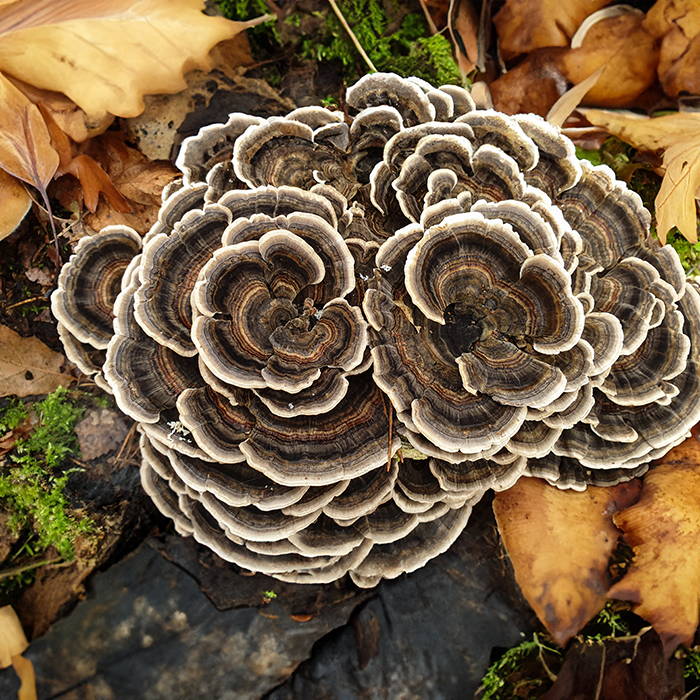
Turkey Tail is the common name for *Trametes versicolor*, a colorful mushroom found on decaying wood in forests all over the world. Its fan-shaped, multicolored caps resemble the tail of a wild turkey, which is how it got its name.
The History Of Turkey Tail
Turkey Tail has been used for centuries in Traditional Chinese Medicine (TCM) and Japanese Kampo medicine. In these traditions, it is known as Yun Zhi or Kawaratake and is valued for boosting vitality and fighting infections.
In Japan, extracts of Turkey Tail have even been approved as part of cancer care, especially as an add-on to chemotherapy or radiation. Practitioners believed it helped patients recover faster, with fewer side effects. This tradition continues today and has influenced research around the world.
Key Active Compounds
Turkey Tail is rich in unique molecules called polysaccharides. Two of the most studied are:
- Polysaccharide Krestin (PSK)
- Polysaccharide Peptide (PSP)
These compounds are believed to support immune function and help repair tissues. Turkey Tail also contains beta-glucans, antioxidants, and prebiotic fibers.
Another important compound is ergothioneine, a rare antioxidant found in only a few foods. Ergothioneine has been studied for its role in reducing oxidative stress, which is common after radiation exposure. Together, these compounds give Turkey Tail a unique profile not found in other mushrooms or supplements.
:max_bytes(150000):strip_icc()/VWH-Nutrition-Turkey-Tail-f13883db219d42f289388b12569c150c.jpg)
Credit: www.verywellhealth.com
How Radiation Therapy Impacts Gut Health
To understand why Turkey Tail may help, it’s useful to see how radiation harms the gut:
Damage To Gut Lining
Radiation causes DNA damage in cells lining the intestines. This leads to cell death, ulcers, and thinning of the protective mucous layer. The result: pain, inflammation, and an open door for harmful microbes.
Some people develop tiny breaks in the gut lining, known as “microperforations. ” These are too small to see but can let toxins and bacteria leak into the body, causing “leaky gut syndrome. ” This can make fatigue and brain fog worse after treatment.
Loss Of Good Bacteria
The gut is home to trillions of bacteria—called the microbiome—that support digestion, immunity, and overall health. Radiation often wipes out many of these good bacteria. The result can be an overgrowth of harmful bacteria and less production of short-chain fatty acids (SCFAs), which are vital for gut healing.
This disruption can change how you digest food. Some people become sensitive to dairy or high-fiber foods after radiation. Others may notice more gas or discomfort after meals, a sign that their microbiome is still out of balance.
Increased Inflammation
Radiation triggers an immune response. While this helps fight cancer, it also increases inflammatory cytokines—chemical messengers that can worsen gut symptoms and slow healing.
Chronic inflammation can lead to scar tissue in the intestines, known as fibrosis, which may cause long-term digestive problems. It can also weaken the immune system, increasing the risk of infections or even new cancers later on.
Why Turkey Tail Supports Gut Health
The interest in Turkey Tail for gut healing is based on both ancient wisdom and modern science. Here’s what research and experience suggest:
1. Immune Modulation
Turkey Tail’s PSK and PSP are known to balance the immune system. They can help calm excessive inflammation while also boosting the ability to fight infections—important after the gut lining is damaged.
For example, PSK has been shown to increase the activity of Natural Killer (NK) cells, which are important for fighting infections and clearing damaged cells. PSP can regulate T-cells, which help control inflammation without overreacting.
2. Gut Microbiome Support
Turkey Tail acts as a prebiotic. This means it feeds the beneficial bacteria in your gut, helping them grow back after being damaged by radiation. Studies show that polysaccharides in Turkey Tail increase the diversity and number of helpful microbes like Lactobacillus and Bifidobacterium.
This prebiotic effect is not instant. It may take a few weeks to months of regular use to notice big changes, but with time, the gut environment can shift back toward balance. Some research also suggests that prebiotics like those in Turkey Tail help “train” the immune system in the gut, reducing allergy risk and improving tolerance to foods.
3. Tissue Repair And Antioxidants
Turkey Tail contains natural antioxidants that fight free radicals produced by radiation. These can protect cells from further damage and support the repair of the gut lining.
Antioxidants in Turkey Tail also help preserve vitamin C and E levels in the body, which are important for healing. This can be especially valuable if your diet is limited during recovery.
4. Supporting Scientific Evidence
Multiple studies—mainly in animals and cell cultures, but also some in humans—suggest that Turkey Tail extracts can:
- Reduce gut inflammation
- Increase beneficial gut bacteria
- Help restore the gut lining
- Improve overall immune function
For example, a 2017 study in mice found that Turkey Tail polysaccharides increased the diversity of gut bacteria and reduced inflammation after radiation exposure.
Human studies are still catching up, but the results so far are promising. In Japan, cancer patients given Turkey Tail extract during radiation reported better energy and fewer infections. More research is needed in different populations, but these early results are encouraging.
5. Non-obvious Insights For Gut Healing
- Timing matters: Taking Turkey Tail during and after radiation may help protect the gut better than starting only after symptoms appear.
- Combination with diet: Turkey Tail works best when combined with a fiber-rich, gut-friendly diet.
Some people also find that splitting their daily Turkey Tail dose into two or three small amounts is easier on digestion and may help keep blood levels of active compounds more stable.
Comparing Turkey Tail To Other Gut Health Supplements
Many people use probiotics, glutamine, or aloe vera after radiation. How does Turkey Tail stack up?
| Supplement | Main Benefit | Mode of Action | Evidence for Radiation Recovery |
|---|---|---|---|
| Turkey Tail | Gut lining repair, immune support | Prebiotic, antioxidant, immune modulator | Moderate (animal & some human studies) |
| Probiotics | Replaces good bacteria | Directly adds microbes | Mixed (strain-specific effects) |
| Glutamine | Intestinal cell fuel | Amino acid, repairs lining | Good (many human studies) |
| Aloe Vera | Soothes inflammation | Anti-inflammatory gel | Low (few studies for radiation) |
Turkey Tail stands out because it does not just add new bacteria (like probiotics), but helps your own beneficial bacteria regrow. Its immune effects are also broader than just soothing inflammation.
Unlike glutamine, which is best for short-term repair, Turkey Tail can be used longer-term as part of a maintenance routine. It also does not thin the blood or interact with most common medicines, unlike some herbal supplements.
Real-world Use: How To Take Turkey Tail
For people interested in trying Turkey Tail after radiation therapy, here’s how to use it safely and effectively.
Forms Of Turkey Tail
Turkey Tail can be found as:
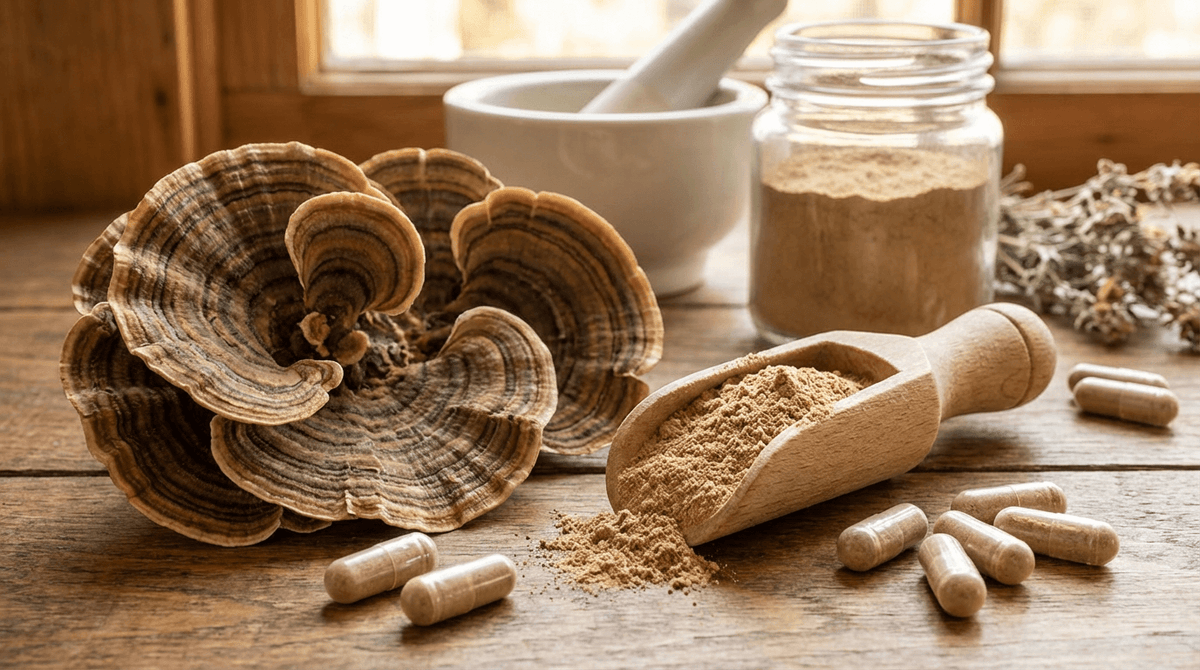
- Capsules (powdered extract)
- Powder (to add to smoothies or food)
- Teas
- Liquid extracts/tinctures
- Whole dried mushrooms (less common outside Asia)
Most studies use standardized extracts with a set amount of PSK or PSP.
Some people enjoy Turkey Tail as a tea, especially if they have trouble swallowing pills. To make the tea, simmer 2–3 grams of dried mushroom in hot water for 30–60 minutes, then strain and drink. Adding a slice of ginger or a bit of honey can improve the flavor.
Typical Dosage
- Standardized extract: 1,000 mg to 3,000 mg per day (split into 2 or 3 doses)
- Powder: 1 to 3 grams per day
- Tea: 1-2 cups daily (using 2-3 grams dried mushroom per cup)
It’s best to start at the lower end and increase slowly, watching for any side effects.
If you are sensitive to mushrooms, start with a half dose for the first week and see how your body responds.
When To Take It
- With food is generally best to avoid stomach upset.
- Taking Turkey Tail at the same time each day helps build a routine.
Some find that taking Turkey Tail in the morning supports energy, while others prefer to take it with an evening meal. There is no strict rule—choose what fits your schedule.
How Long To Use
- Research on cancer survivors often lasts 6 weeks to 6 months.
- For gut recovery, at least 8-12 weeks is recommended, but some people benefit from longer use.
If you notice big improvements, you may continue Turkey Tail at a maintenance dose (e. g. , half the original amount) for several months.
Combining With Other Supplements
Turkey Tail is often safe to combine with:
- Probiotics
- Glutamine
- Gentle fiber supplements (e.g., partially hydrolyzed guar gum)
- Multivitamins
But always check with your doctor or dietitian, especially if you are on medications or have a weakened immune system.
If you use more than one supplement, space them out by 1–2 hours to reduce any risk of stomach upset.
Potential Side Effects And Safety
Turkey Tail is generally well tolerated. But, as with any supplement, there are important points to consider:
Common Side Effects
- Mild digestive upset (gas, bloating)
- Darkening of stool (due to mushroom pigments)
- Allergic reactions (rare)
Some people report mild headaches or dry mouth, especially when starting Turkey Tail. These usually go away with time or by reducing the dose.
Who Should Avoid It?
- People with mushroom allergies
- Those with severely compromised immunity (unless supervised by a doctor)
- People on immunosuppressant drugs
If you have an autoimmune disease, check with your doctor before starting Turkey Tail, as it could affect your immune balance.
Interactions With Medications
Turkey Tail may boost immune function, so it could interact with:
- Immunosuppressants (e.g., after organ transplant)
- Some chemotherapy drugs (may increase or decrease their effect)
Always talk to your healthcare provider before starting Turkey Tail, especially if you are still undergoing cancer treatment.
Insights Most Beginners Miss
- Not all Turkey Tail supplements are equal: Some are mixed with other mushrooms or grown on grain, which may dilute the active compounds.
- Look for lab-tested products: This ensures purity and correct identification of the mushroom.
Also, be aware that the benefits of Turkey Tail build over time—it is not a “quick fix” supplement.
Scientific Research On Turkey Tail After Radiation
While Turkey Tail has a long history and promising animal studies, human research after radiation therapy is still emerging. Here’s what we know:
Key Studies
- Immune Recovery in Cancer Patients: Studies in Japan and China used PSK as an add-on to radiation and chemotherapy. Patients had improved survival and fewer infections.
- Gut Microbiome Studies: Animal research shows that Turkey Tail polysaccharides can restore beneficial gut bacteria and reduce inflammation after radiation injury.
- Pilot Human Trials: Small studies in people with digestive disorders (not all post-radiation) show improved symptoms and gut function.
More recently, research has focused on Turkey Tail’s effect on “microbiome resilience”—how well the gut bacteria recover after a major stressor like radiation. Early findings suggest Turkey Tail not only helps restore numbers but also brings back a healthier balance of species.
What’s Still Unknown
- The best dose for gut healing after radiation
- How Turkey Tail works in people with different types of cancer
- Long-term effects and optimal timing
It is also unclear whether Turkey Tail is more effective as a tea, capsule, or powder, since few head-to-head studies have been done.
Future Research Directions
Ongoing studies are looking at Turkey Tail in combination with other therapies, and its effect on microbiome diversity in cancer survivors.
There is also interest in using Turkey Tail alongside new treatments like immunotherapy, to see if it helps reduce gut side effects without interfering with cancer control.
Practical Tips For Choosing A Turkey Tail Supplement
Choosing a good supplement is not always easy. Here are steps to get the best quality:
- Check for standardized PSK or PSP content
- Look for “Polysaccharide Krestin” or “Polysaccharide Peptide” on the label.
- Choose hot-water extracts
- Traditional methods (like tea or hot water extracts) pull out the beneficial polysaccharides better than alcohol extracts.
- Check for third-party testing
- This ensures the product is free from heavy metals, pesticides, and contaminants.
- Avoid “mycelium on grain” products
- Some cheap products use only the mushroom’s root-like part grown on rice or oats, which can dilute the active compounds.
- Look for clear labeling
- The label should say “Trametes versicolor” and list the amount of extract per serving.
- Buy from reputable brands
- Brands that provide batch testing and transparency are safest.
- Be cautious with wild-harvested products
- Mushrooms can absorb pollutants from the environment.
- Price is not always quality
- Some expensive brands offer little more than a fancy label.
If you are unsure about a brand, ask your pharmacist or a registered dietitian for advice. Reading online reviews from cancer support communities can also help identify trustworthy products.
Turkey Tail And The Gut Microbiome: A Deeper Look
The gut microbiome is a living ecosystem. After radiation, the loss of diversity is a major problem. Turkey Tail’s unique prebiotic fibers feed specific bacteria that support healing.
How It Works
- Beta-glucans in Turkey Tail are fermented by good bacteria, producing SCFAs like butyrate.
- Butyrate helps repair the gut lining and calm inflammation.
- Turkey Tail also helps restore the “mucus barrier,” a layer that keeps harmful bacteria away from intestinal cells.
Butyrate production also helps maintain healthy blood sugar and cholesterol levels—an added benefit for long-term health after cancer treatment.
Example: Microbiome Recovery Timeline
| Time After Radiation | Gut Bacteria Diversity | Turkey Tail Impact (with supplement) |
|---|---|---|
| Week 1 | Low (30-50% of normal) | Slows loss, supports early regrowth |
| Week 4 | Moderate (60-70% of normal) | Improved diversity, more SCFA producers |
| Week 12 | High (80-90% of normal) | Near full recovery, less inflammation |
These numbers are based on animal studies and may vary in humans, but they show the potential for faster recovery with Turkey Tail.
Some research suggests Turkey Tail can also reduce “opportunistic” bacteria that may cause infections, which is important when the immune system is weak.
Real-life Experience: What People Report
Many cancer survivors who use Turkey Tail after radiation therapy report:
- Better digestion and less bloating
- Faster recovery from diarrhea
- Improved energy and appetite
- Fewer infections and less fatigue
Some people notice benefits within 2-4 weeks, but deeper healing may take several months.
In support groups, people often share that Turkey Tail helps them tolerate more foods again. One survivor described finally being able to eat salads without pain, after months of restriction. Others mention fewer colds or infections, which can be common after radiation.
Two Insights From Survivors
- Consistency is key: Skipping doses reduces benefits.
- Diet makes a big difference: Processed foods can slow gut recovery, even with Turkey Tail.
A small but important tip: some survivors keep a “gut journal,” noting symptoms, food, and supplements to track what works best for them.
Combining Turkey Tail With Lifestyle Changes
Supplements alone are not magic. For best results, Turkey Tail should be part of a broader gut health plan:
Eat Gut-healing Foods
- Cooked vegetables
- Oats, brown rice, and other whole grains
- Fermented foods (yogurt, kefir, kimchi)
- Lean proteins (chicken, fish, eggs)
If you are sensitive to fiber, start with small amounts and increase slowly. Bone broth is another gentle food that can soothe the gut.
Stay Hydrated
Drink enough water to help your gut function and flush out toxins.
Aim for at least 1. 5 to 2 liters of water per day, unless your doctor advises otherwise.
Get Enough Rest
Healing takes energy. Aim for 7-9 hours of sleep per night.
Quality sleep also supports immune recovery and helps control inflammation.
Manage Stress
Stress can worsen gut symptoms. Try meditation, gentle exercise, or breathing exercises.
Even simple activities like listening to calming music or spending time outdoors can help.
Move Your Body
Gentle walks, stretching, or yoga support digestion and reduce fatigue.
Physical activity also promotes regular bowel movements and improves mood, both important after cancer treatment.
Credit: northspore.com
Who Should Consider Turkey Tail After Radiation Therapy?
Turkey Tail is not for everyone. It may be helpful if you:
- Had abdominal or pelvic radiation
- Have ongoing gut symptoms (diarrhea, pain, bloating)
- Want to support immune recovery
- Are able to eat and digest most foods
- Are not on strong immunosuppressants
It may not be as useful if you:
- Are still on high-dose chemotherapy
- Have ongoing severe infections
- Have a known allergy to mushrooms
If you are unsure, start a conversation with your healthcare team. Some cancer centers have integrative medicine specialists who can help guide supplement use.
Common Mistakes To Avoid
- Assuming all Turkey Tail products are the same: Quality varies widely.
- Taking huge doses hoping for faster results: More is not always better—may cause stomach upset.
- Ignoring diet and lifestyle: Supplements work best with healthy habits.
- Not informing your healthcare team: Always share new supplements with your doctor.
A less obvious mistake is stopping Turkey Tail too soon. Gut healing is gradual, and consistency matters.
How Turkey Tail Fits Into A Whole-body Recovery Plan
Gut healing after radiation is a journey, not a quick fix. Turkey Tail can be an important part of the toolkit, but not the only tool.
Other Supportive Steps
- Medical follow-up: Keep all appointments and screenings.
- Nutrition counseling: Work with a dietitian for a custom plan.
- Regular bloodwork: Checks for nutrient levels and healing progress.
Consider joining a cancer survivor support group—sharing experiences can offer tips and moral support.
Frequently Asked Questions
What Is Turkey Tail, And How Does It Help After Radiation Therapy?
Turkey Tail is a medicinal mushroom rich in compounds like PSK and PSP. These act as prebiotics, supporting the growth of good gut bacteria, calming inflammation, and helping repair the gut lining after radiation therapy.
Is Turkey Tail Safe To Use With Other Gut Health Supplements?
Yes, Turkey Tail can usually be combined with probiotics, glutamine, and fiber supplements. However, always check with your doctor if you’re on medications or have a weakened immune system.
Credit: antioxi-supplements.com
How Long Does It Take To See Results From Turkey Tail?
Many people notice some improvement in gut symptoms within 2-4 weeks, but full benefits—such as improved digestion and immune function—may take 8-12 weeks or longer.
Are There Risks Or Side Effects With Turkey Tail?
Most people tolerate Turkey Tail well, but mild digestive upset is possible. Avoid Turkey Tail if you are allergic to mushrooms or are on immunosuppressant drugs without medical advice.
Where Can I Find Scientific Studies About Turkey Tail?
You can find reliable research on Turkey Tail and gut health through sources like PubMed Central, which hosts peer-reviewed studies.
—
Recovering gut health after radiation therapy is challenging, but not hopeless. With careful use, Turkey Tail mushroom can play a valuable role in healing the gut lining, restoring healthy bacteria, and supporting the immune system. By focusing on quality supplements, combining with a gut-friendly diet, and working with your healthcare team, you can give your body the best chance for a strong recovery. Don’t rush—gut healing takes time. Listen to your body, stay consistent, and let nature’s wisdom—backed by modern research—help you move forward.