Mushrooms and oats both contain a unique kind of fiber called beta-glucans. You might have seen these ingredients in health foods, supplements, or breakfast products. But what many people do not know is that the beta-glucans from mushrooms and from oats are not the same. They affect your body in different ways—especially when it comes to supporting your immune system. If you are curious about how these two types of beta-glucans compare, you are not alone. Many people want to know which one is better for immune health and how each works.
Let’s explore the real science behind mushroom beta-glucans and oat beta-glucans. We will see what makes them different, how they interact with your body, and what you should consider if you want to boost your immune system naturally.
What Are Beta-glucans?
Beta-glucans are a type of soluble fiber found in the cell walls of certain plants and fungi. They are made from glucose molecules linked together in a special way. This structure is important—it’s what gives beta-glucans their health-boosting abilities.
Sources of beta-glucans include:
- Cereal grains (like oats and barley)
- Mushrooms (such as shiitake, maitake, and reishi)
- Yeast
- Seaweed
You will find beta-glucans in many functional foods, health supplements, and even skincare products.
Beta-glucans are not just a simple fiber. Their presence in nature is quite strategic. For example, in grains like oats, beta-glucans help the plant retain water and resist disease. In mushrooms, beta-glucans form part of the protective structure, keeping the fungi strong against bacteria and other threats.
When humans eat these foods, we benefit from these same protective qualities in different ways.
There’s another interesting point: beta-glucans are one of the few fibers that can interact directly with our immune cells. This is why researchers have studied them for decades, looking for ways to support human health naturally.
The Structure: Why It Matters
Not all beta-glucans are the same. Their structure—how the glucose units connect—changes their function in the body. This is a key point for immune health.
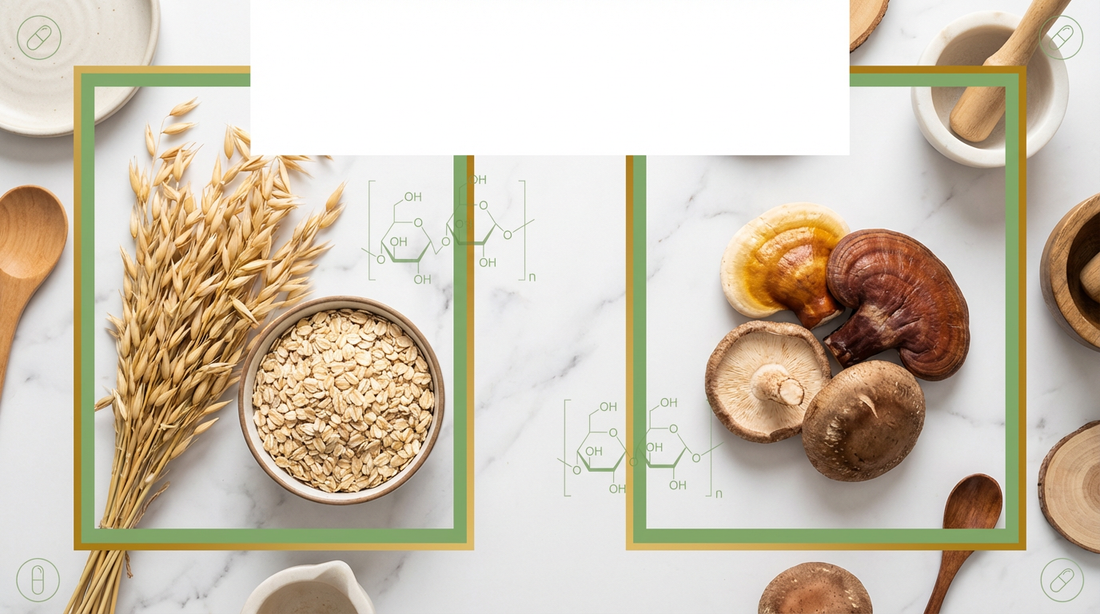
- Oat beta-glucans have a (1,3/1,4)-β-D-glucan linkage. This means the glucose units are linked by 1,3 and 1,4 bonds.
- Mushroom beta-glucans have a (1,3/1,6)-β-D-glucan linkage. Here, the main chain is 1,3-linked, with 1,6-linked branches.
These differences might sound technical, but they are important. The immune system recognizes the mushroom-type structure more strongly. This means mushroom beta-glucans and oat beta-glucans behave differently in your body.
The reason structure matters so much is because your body’s immune cells are trained to detect shapes that look like invaders. The complex, branched structure of mushroom beta-glucans looks similar to the cell walls of harmful bacteria or fungi. This “tricks” your immune system into being more alert.
Oat beta-glucans, with their straighter shape, simply do not trigger this kind of response.
A Visual Comparison
Here’s a simple comparison of their structures:
| Source | Main Linkage | Branch Points | Shape |
|---|---|---|---|
| Oats | 1,3 / 1,4 | Few | Linear |
| Mushrooms | 1,3 | Many 1,6 | Branched |
To picture the difference, imagine oat beta-glucans as a straight rope and mushroom beta-glucans as a rope with many side branches. The branched shape means more “contact points” with immune cells.
How Oat Beta-glucans Work In The Body
Oats are famous for their heart health benefits. The beta-glucans in oats form a gel-like substance in your digestive system. This helps:
- Slow down the absorption of sugar into the blood
- Lower cholesterol by trapping it in the gut
- Feed good gut bacteria
But what about the immune system? Oat beta-glucans do interact with the immune system, but not as strongly as mushroom beta-glucans.
One unique thing about oat beta-glucans is their effect on the thickness of the food in your stomach and intestines. This is called viscosity. Higher viscosity slows down digestion, which is why oats keep you feeling full longer. This slow-down is also why blood sugar rises less after you eat oats compared to white bread or sugary foods.
Main Benefits Of Oat Beta-glucans
- Cholesterol Reduction: Oat beta-glucans can reduce LDL (“bad”) cholesterol. The FDA allows oats to carry a heart health claim.
- Blood Sugar Control: They slow the rise of blood sugar after meals.
- Gut Health: Oat beta-glucans act as prebiotics, feeding healthy gut bacteria.
There’s another non-obvious benefit: by feeding your gut bacteria, oat beta-glucans help produce short-chain fatty acids (SCFAs). These SCFAs are important for maintaining the lining of your gut and reducing inflammation.
Immune Health Role
Oat beta-glucans interact with immune cells in the gut. They can increase the activity of macrophages and natural killer cells (cells that fight infection). However, the effect is milder compared to mushroom beta-glucans.
Some studies show that oat beta-glucans can help the immune system respond better to certain bacteria in the gut. This may be one reason why people who eat more fiber, especially from oats, tend to get fewer infections, but the effect is less dramatic than with mushroom beta-glucans.
Example: Oats In Daily Diet
A bowl of oatmeal (about 40 grams of oats) contains roughly 2 grams of beta-glucans. This amount is enough to support heart health but has only modest effects on the immune system.
If you want to increase the beta-glucan content, choose steel-cut or rolled oats over instant oats. The less processed the oats, the higher the beta-glucan content. Adding fruit or nuts does not change the beta-glucan amount, but it can make the meal healthier.
How Mushroom Beta-glucans Work In The Body
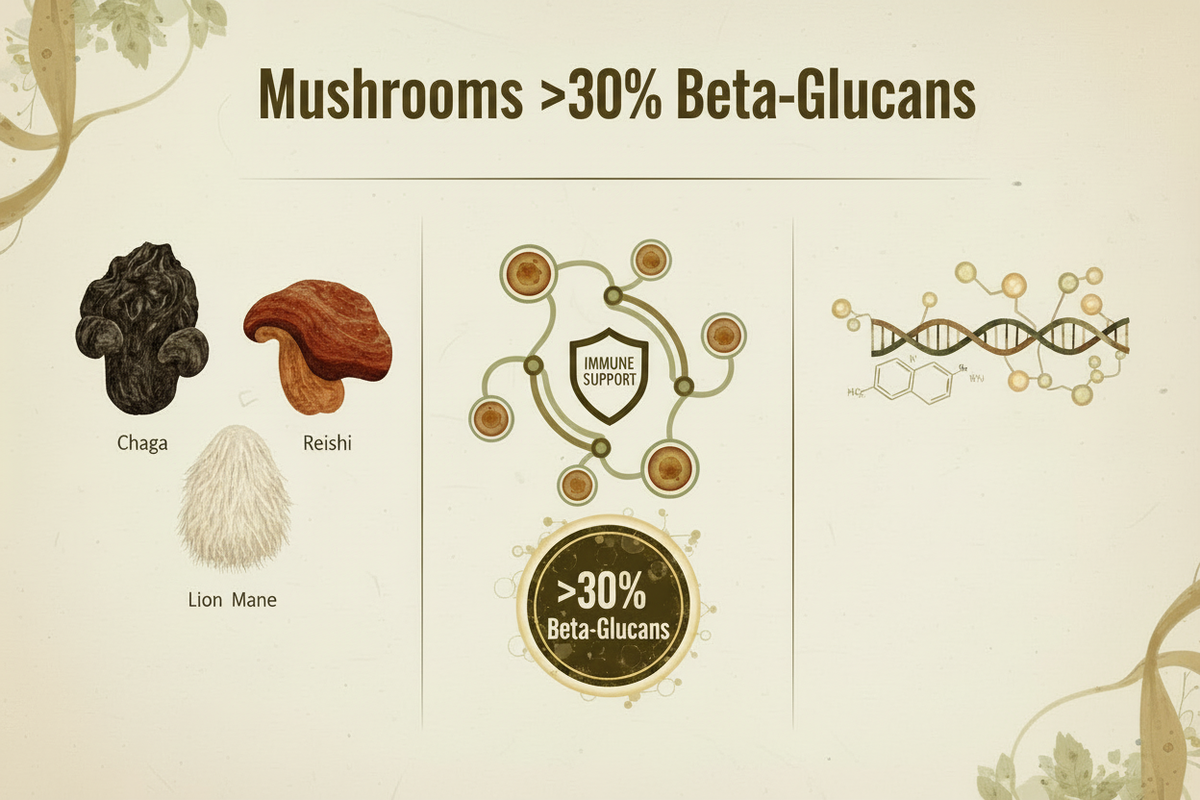
Mushrooms like shiitake, maitake, and reishi are rich in branched beta-glucans. These beta-glucans are recognized as “foreign” by the body’s immune cells, which triggers a strong immune response.
Another difference is that mushroom beta-glucans can “train” the immune system. This means that over time, your body becomes better at noticing and fighting germs, not just when you are sick but also when exposed to new infections.
Main Benefits Of Mushroom Beta-glucans
- Immune Modulation: They activate immune cells such as macrophages, dendritic cells, and T-cells.
- Enhanced Pathogen Defense: The body becomes better at fighting viruses, bacteria, and even abnormal cells.
- Balanced Immunity: They do not overstimulate the immune system, but help it respond better when needed.
Some research suggests mushroom beta-glucans may help balance the immune system—making it stronger when you need protection, but not making it “overreact,” which is important for people worried about autoimmune problems.
Example: Mushroom Supplements
A typical supplement might provide 250-500 mg of purified mushroom beta-glucans per dose. Studies show that even small amounts can boost immune function, especially in people under stress or with weakened immunity.
A good example: In a study of marathon runners, those who took mushroom beta-glucans got fewer colds after races. Physical stress can lower immunity, so this effect is especially valuable for athletes and active people.
How The Immune System Recognizes Mushroom Beta-glucans
Your body has pattern recognition receptors (PRRs) on immune cells. Mushroom beta-glucans fit these receptors perfectly—like a key in a lock. This sends a signal to wake up your immune defenses. Oat beta-glucans do not fit as well, so the immune boost is weaker.
This “lock and key” match is why you see mushroom beta-glucans used in immune support products, while oat beta-glucans are more common in foods for heart health.
Credit: qnwellness.com
Comparing Effects On Immune Health
Both types of beta-glucans are good for you, but they act in different ways. Here is a direct comparison:
| Feature | Mushroom Beta-Glucans | Oat Beta-Glucans |
|---|---|---|
| Immune Activation | Strong (modulates innate and adaptive immunity) | Mild (mainly gut-associated immunity) |
| Cholesterol Reduction | Minimal | Significant |
| Blood Sugar Control | Minimal | Strong |
| Main Use | Immune support, infection defense | Heart health, gut health |
A less obvious difference: while both support health, only mushroom beta-glucans have been used in medical settings (like cancer care in Japan and China) for their immune effects.
Real-world Evidence: What Do Studies Show?
Many clinical studies compare the health effects of mushroom beta-glucans and oat beta-glucans.
Oat Beta-glucans In Research
A large review in the American Journal of Clinical Nutrition found that eating 3 grams per day of oat beta-glucans can lower LDL cholesterol by 5-10%. Another study showed improved blood sugar control in people with diabetes. However, effects on the immune system are small and mostly limited to better gut health.
A practical example: People who eat oatmeal regularly often see lower cholesterol in blood tests after a few weeks. In people with mild high cholesterol, switching to oats for breakfast can sometimes avoid the need for medicine.
Mushroom Beta-glucans In Research
Clinical trials show that mushroom beta-glucans can:
- Reduce the risk of upper respiratory tract infections in athletes and stressed adults
- Improve immune recovery in cancer patients after chemotherapy
- Boost the body’s defense against viruses and bacteria
One study on maitake mushroom beta-glucans found a 30% increase in natural killer cell activity after 4 weeks of use.
Another interesting finding: in children, mushroom beta-glucans have been shown to reduce the number of sick days from school. This suggests these compounds support both adults and younger people, although dosage for kids should be lower.
A Surprising Insight
While oat beta-glucans mostly work in the digestive tract, mushroom beta-glucans can have effects throughout the body. This “systemic” effect is because the immune system recognizes mushroom beta-glucans as an alert signal, not just as fiber.
Few people realize that immune cells in the gut communicate with the rest of the immune system. This “cross-talk” is why mushroom beta-glucans, even when eaten, can help with protection in the lungs and other parts of the body.
Credit: www.annandachaga.com
The Science Of Absorption: How The Body Takes Them In
There is a common myth that all beta-glucans are absorbed the same way. In reality, there are key differences.
Oat Beta-glucans
- Mostly stay in the gut
- Form a gel to trap cholesterol and sugars
- Only small fragments may reach immune cells
Mushroom Beta-glucans
- Some fragments can cross the gut wall
- Reach immune cells in the gut-associated lymphoid tissue (GALT)
- Trigger immune signaling throughout the body
One detail beginners miss: even though only small pieces of mushroom beta-glucans enter the bloodstream, these are enough to signal the immune system. You do not need the full molecule to pass through the gut.
This is also why some mushroom supplements use smaller, “pre-digested” beta-glucans—making them easier for your body to use.
Dosage And Practical Use
How much beta-glucan should you take? The answer depends on your goal.
For Cholesterol And Blood Sugar
- Oat beta-glucans: 3 grams per day (found in about 60 grams of oats)
For Immune Health
- Mushroom beta-glucans: 250-500 mg per day (from supplements or concentrated mushroom extracts)
Combining Both
Some people use both types together for broader benefits. For example, eating oats for heart health and taking a mushroom supplement for immune support.
Tip For Beginners
- Do not expect instant results. Immune effects build up over several weeks.
- Look for supplements that list the amount of beta-glucans (not just “mushroom powder”).
Another insight: For oats, consistency is more important than amount. Eating a small amount every day is better than eating a large amount only once in a while.

Credit: www.frontiersin.org
Potential Side Effects And Safety
Both oat and mushroom beta-glucans are considered safe for most people.
Oat Beta-glucans
- Usually very well tolerated
- Can cause bloating or gas in large amounts
- Not suitable for people with celiac disease or gluten sensitivity (unless gluten-free oats are used)
Most people can increase oat intake slowly to avoid digestive discomfort. If you rarely eat fiber, start with small portions and add more each week.
Mushroom Beta-glucans
- Safe when used as directed
- Rare side effects: Mild digestive upset, rash, or headache
- People with mushroom allergies should avoid them
If you have never tried mushroom supplements, take them with food at first to reduce the chance of stomach upset.
Common Mistakes
- Assuming all mushroom supplements are rich in beta-glucans (some cheap brands use only ground mushroom, which is less potent)
- Taking very high doses, expecting faster results (more is not always better)
Another beginner mistake: Not realizing that some “mushroom” coffees and drinks contain very little beta-glucan. Always check for real content, not just the word “mushroom” on the label.
How To Choose The Right Beta-glucan Product
If you want to try beta-glucans for immune health, here are important tips:
- Check the label: Look for the amount of “1,3/1,6-beta-glucans” for mushroom products.
- Source matters: Reputable brands provide details about the mushroom species and extraction methods.
- Purity: Good products standardize the beta-glucan content (e.g., “30% beta-glucans”).
- Certification: Third-party testing adds trust.
For oat products, the focus should be on the total beta-glucan content and whether the oats are certified gluten-free if you are sensitive.
A useful example: If a product says “contains 500 mg of beta-glucans per capsule,” check if it lists the type (for immunity, it should be 1,3/1,6 from mushrooms). If it just says “mushroom powder,” it may not provide enough.
Who Should Use Mushroom Beta-glucans Vs. Oat Beta-glucans?
Mushroom Beta-glucans Are Best For:
- People who want to support their immune system
- Those prone to frequent colds or infections
- Individuals under high stress (students, athletes, shift workers)
- Older adults with weaker immunity
Oat Beta-glucans Are Best For:
- People with high cholesterol
- Anyone managing blood sugar or risk of diabetes
- Those wanting to improve gut health
Can You Use Both?
Yes, many nutritionists recommend including both in your diet for maximum benefit. There is no evidence that they interact negatively.
It is also possible to rotate your focus depending on the season. For example, you might use more mushroom beta-glucans during cold and flu season, and focus on oats the rest of the year for general health.
Mushroom Species: Does It Matter?
Not all mushrooms have the same type or amount of beta-glucans. Some of the most studied are:
- Shiitake: Contains lentinan, a well-known immune-activating beta-glucan
- Maitake: Contains grifolan, used in clinical studies for cancer and immunity
- Reishi: Known for immune modulation and anti-inflammatory effects
- Turkey Tail (Trametes versicolor): Rich in polysaccharide-K (PSK), used in cancer therapy in Asia
The species and extraction method affect how well the beta-glucan works. Some supplements blend several mushrooms for a broader effect.
For example, maitake is known for helping balance blood sugar as well as supporting immunity. Reishi is often used for calming inflammation and supporting sleep, in addition to its immune effects.
Insight: Why Not All “mushroom” Supplements Work
Many cheap mushroom products contain mostly grain filler or ground mushroom with little active beta-glucan. Look for products that use hot water extraction or other methods that concentrate the 1,3/1,6-beta-glucans.
For immune health, a high-quality extract is more effective than just eating mushrooms. Cooking can destroy some of the active compounds, but not all.
A tip: If you cook mushrooms at home, slicing them and simmering in water (as in soups) preserves more beta-glucans than frying at high heat.
Oat Beta-glucans: Beyond Immune Health
While mushroom beta-glucans are stronger for immunity, oat beta-glucans still play a role in overall health:
- They help reduce inflammation in the gut, which indirectly supports immune balance.
- They feed “good” gut bacteria, which is linked to better resistance to illness.
- People who eat more oats tend to have lower rates of heart disease.
Some studies even suggest oat beta-glucans can help lower blood pressure slightly, especially when combined with a diet rich in fruits and vegetables.
Special Populations: Who Should Be Careful?
Both mushroom and oat beta-glucans are safe for most people, but some should use caution:
- People with autoimmune diseases: Talk to a doctor before using high-dose mushroom beta-glucans, as they stimulate the immune system.
- Transplant patients: Should avoid immune-activating supplements unless approved by their medical team.
- People with mushroom allergies: Should avoid all mushroom-based products.
It’s also smart for anyone with a sensitive digestive system to start with low doses and increase slowly.
Beta-glucans And Modern Medicine
In Japan and China, mushroom beta-glucans are used as part of cancer therapy. They help patients recover after chemotherapy by improving immune function. Oat beta-glucans are not used this way.
Western medicine recognizes oat beta-glucans as effective for lowering cholesterol and reducing heart disease risk. This is why you see oat beta-glucans in many “heart healthy” foods.
In some hospitals, immune-supportive beta-glucans are given to patients at high risk of infections, especially those with weakened immune systems.
Debunking Myths: What Beginners Usually Miss
Myth 1: All Beta-glucans Are The Same
As you have seen, the source and structure make a big difference. Only mushroom beta-glucans have the branched structure that strongly activates the immune system.
Even within mushrooms, the effect can change depending on the species and how the extract is made.
Myth 2: You Can Get Enough Mushroom Beta-glucans From Food Alone
While eating mushrooms is healthy, most of the research uses concentrated extracts. You would need to eat large amounts of mushrooms daily to get the same effect as a supplement.
A person would have to eat about half a pound (200–250 grams) of shiitake mushrooms daily to get as much beta-glucan as a single supplement capsule. That’s a lot!
Myth 3: More Is Always Better
Taking very high doses does not mean faster or stronger results. The immune system works best with steady, moderate support.
Some people think doubling the dose will make them “super-immune. ” In reality, your body can only use so much, and extra is simply wasted.
The Bottom Line: Which Is Better For Immune Health?
If your main goal is immune support, mushroom beta-glucans are the clear winner. Their unique structure is recognized by the immune system and can help your body respond more effectively to threats.
Oat beta-glucans are still valuable for overall health, especially for your heart and gut, but their effect on immunity is weaker.
For most people, combining both in the diet is a smart choice. Eat oats for breakfast and add a high-quality mushroom beta-glucan supplement if you want extra immune support.
Remember, results take time. Beta-glucans are not quick fixes, but part of a long-term healthy routine.
Where To Learn More
To dive deeper into the science of beta-glucans, you can explore this summary from the Wikipedia: Beta-glucan entry.
Frequently Asked Questions
What Are Beta-glucans Made Of?
Beta-glucans are chains of glucose molecules. The way these chains are linked (1,3, 1,4, or 1,6 bonds) changes their shape and how they work in your body. Oat beta-glucans are mostly linear, while mushroom beta-glucans are branched.
Can I Use Both Oat And Mushroom Beta-glucans Together?
Yes. There is no evidence that using both types together causes problems. In fact, you may get the heart and gut benefits of oats plus the immune support from mushrooms.
Are Mushroom Beta-glucans Safe For Children?
Mushroom beta-glucans are generally safe for children in food amounts, but supplements should be used with care. Always check with a healthcare provider before giving mushroom extracts to children.
How Long Does It Take To See Immune Benefits From Mushroom Beta-glucans?
Most people notice a difference after 2–4 weeks of daily use. The effects build up gradually. Do not expect overnight changes.
Do Beta-glucans Help With Allergies?
There is some evidence that mushroom beta-glucans can help balance immune responses, which may reduce allergy symptoms. However, results are mixed, and more research is needed.
What Happens If I Stop Taking Beta-glucans?
The benefits fade over time. The immune system returns to its normal state, and cholesterol or blood sugar may rise again if you do not keep up other healthy habits. Beta-glucans work best as part of a regular routine.
Mushroom and oat beta-glucans each play a special role in health. By understanding their differences, you can make better choices for your immune system and overall wellbeing. Always use high-quality products, and remember that a healthy lifestyle matters just as much as any supplement.