
When you experience neuropathy, everyday life can become a struggle. Tingling, numbness, burning pain, and weakness—these nerve problems affect millions of people worldwide. Doctors often prescribe medications, but many patients are searching for additional ways to repair their nerves and get back their quality of life. Recently, there’s been growing interest in a unique mushroom: Lion’s Mane. People claim that this natural supplement can help repair damaged nerves and reduce neuropathy symptoms. But does science support these claims? Let’s explore what Lion’s Mane is, how it may work for neuropathy, and what you need to know before considering it.
What Is Neuropathy?
Neuropathy is a medical term for nerve damage. It most often affects the peripheral nerves, which run from your spinal cord to your hands, feet, and organs. When these nerves are damaged, they can’t send signals properly.
Causes Of Neuropathy
Many health conditions can lead to neuropathy. The most common causes include:
- Diabetes – High blood sugar damages nerves over time.
- Infections – Shingles, Lyme disease, or HIV can harm nerves.
- Chemotherapy – Cancer drugs sometimes have nerve side effects.
- Autoimmune diseases – Like lupus or rheumatoid arthritis.
- Injuries – Physical trauma can crush or cut nerves.
- Vitamin deficiencies – Especially B12 or B6.
- Alcohol abuse – Excessive drinking is toxic to nerves.
Symptoms Of Neuropathy
Symptoms depend on which nerves are affected. Most people feel:
- Tingling or “pins and needles”
- Burning pain or stabbing sensations
- Numbness or loss of feeling
- Muscle weakness
- Trouble with balance and coordination
For some, these symptoms are mild and manageable. For others, they can be severe and disabling.
Standard Treatments For Neuropathy
Doctors often treat neuropathy by addressing the underlying cause. For example, controlling diabetes or stopping a medication that harms nerves. But if nerve damage is advanced, it’s not always reversible.
Medications
Common drugs for neuropathy include:
- Pain relievers (acetaminophen, ibuprofen)
- Antidepressants (amitriptyline, duloxetine)
- Anti-seizure drugs (gabapentin, pregabalin)
- Topical creams (capsaicin, lidocaine)
These medications mostly help with pain but do not repair the nerves.
Lifestyle Changes
Doctors also recommend:
- Physical therapy
- Gentle exercise
- Healthy diet rich in B vitamins
- Foot care (especially for diabetics)
But many patients want more—something that can actually help nerves heal.
What Is Lion’s Mane?
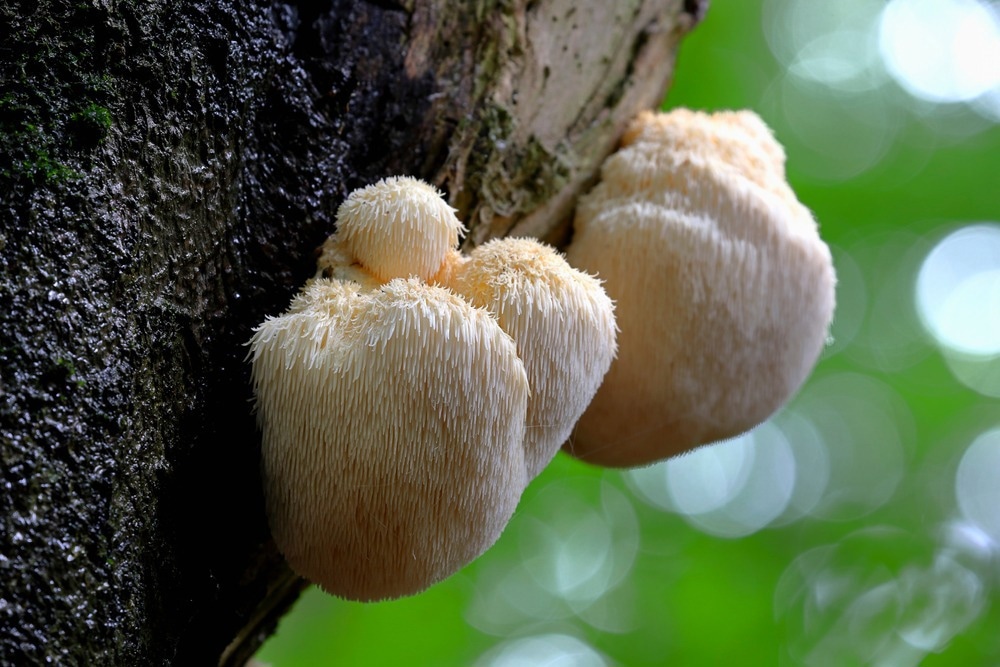
Lion’s Mane (Hericium erinaceus) is an edible mushroom found in North America, Europe, and Asia. Its white, shaggy appearance looks like a lion’s mane, which is how it got its name. For centuries, it has been used in traditional Chinese medicine to support brain health and overall vitality.
Key Nutrients And Compounds
Lion’s Mane contains several beneficial compounds, including:
- Hericenones and erinacines – Believed to stimulate nerve growth.
- Beta-glucans – Support the immune system.
- Antioxidants – Help fight inflammation and damage.
These unique substances are why scientists are interested in Lion’s Mane for nerve repair and brain health.
How Lion’s Mane May Help With Neuropathy
The main reason Lion’s Mane stands out is its potential to support nerve growth factor (NGF) production. NGF is a protein your body needs to repair damaged nerves and keep them healthy.
Stimulating Nerve Growth
Studies show that hericenones and erinacines (main Lion’s Mane compounds) may increase NGF levels in the brain and nervous system. This could:
- Promote growth of new nerves (neurogenesis)
- Help existing nerves repair themselves
- Support myelin, the protective coating around nerves
Reducing Inflammation
Neuropathy often involves chronic inflammation. Lion’s Mane has anti-inflammatory and antioxidant effects, which may help reduce swelling and protect nerves from further damage.
Easing Pain And Symptoms
Some research suggests Lion’s Mane may directly reduce pain signals in damaged nerves. This could be useful for people with burning or stabbing neuropathic pain.
Credit: www.news-medical.net
What Does The Science Say?
Many people want clear answers: Does Lion’s Mane actually help with neuropathy? Let’s look at what research has found so far.
Animal Studies
Most studies on Lion’s Mane and nerve repair have been done on animals. Here are some highlights:
- In one study, rats with crushed sciatic nerves healed faster and had better movement when given Lion’s Mane extract.
- Mice with diabetic neuropathy showed less pain and healthier nerve structure after taking Lion’s Mane.
- Another study found that Lion’s Mane sped up healing after nerve injury in rats.
These results are promising, but animal research does not always translate directly to humans.
Human Studies
Human trials are limited, but a few small studies have explored Lion’s Mane’s effects:
- In a 2009 Japanese study, older adults with mild cognitive impairment took Lion’s Mane for 16 weeks. They showed improved brain function and no major side effects.
- A 2020 pilot study tested Lion’s Mane on people with nerve damage from carpal tunnel syndrome. Participants reported less pain and better nerve function.
While these studies are encouraging, more research is needed to know if Lion’s Mane truly repairs nerves in people with neuropathy.
Data Overview: Animal Vs. Human Research
Here’s a look at how the evidence stacks up:
| Type of Study | Number of Studies | Main Findings | Limitations |
|---|---|---|---|
| Animal Studies | 10+ | Faster nerve healing, less pain, nerve regeneration | Not tested in humans, dose differences |
| Human Studies | 3-5 | Some improvement in nerve function and pain | Small sample size, short duration, no large trials |
How Lion’s Mane Compares To Standard Neuropathy Treatments
If you’re considering Lion’s Mane, it helps to see how it compares with other therapies.
| Treatment | Effect on Nerve Repair | Effect on Pain | Main Drawbacks |
|---|---|---|---|
| Medications (gabapentin, etc.) | None | Good for pain relief | Side effects, does not heal nerves |
| Lifestyle (diet, exercise) | Supports nerve health | Helps prevent worsening | Slow progress |
| Lion’s Mane | May promote nerve repair | Possible mild pain relief | Limited human research |
How To Use Lion’s Mane For Neuropathy
If you want to try Lion’s Mane, it’s important to use it safely and effectively. Here are some practical tips based on current research and experience.
Forms Of Lion’s Mane
Lion’s Mane is available in several forms:
- Powder – Can be mixed into drinks or food.
- Capsules/Tablets – Easy to take, precise dosing.
- Liquid Extracts/Tinctures – Often more concentrated.
- Fresh or Dried Mushrooms – Used in cooking, though less common.
Most clinical studies use extracts, which have higher concentrations of active compounds than fresh mushrooms.
Typical Dosage
There’s no official recommended dose for neuropathy, but studies and supplements usually suggest:
- 500 mg to 3,000 mg per day (of extract)
- Divided into 1-3 doses per day
Start at a lower dose to check for any side effects.
How Long To Use It
Nerve repair takes time. Most research and users report noticeable effects after 6–16 weeks of consistent use. Some may need longer.
How To Take Lion’s Mane
- Take with food for better absorption.
- Drink plenty of water.
- If you’re using powder, mix it in smoothies, coffee, or soup.
Possible Side Effects
Lion’s Mane is generally safe, but some people may experience:
- Upset stomach
- Skin rashes or itchiness
- Nausea
Stop use and consult your doctor if you notice allergic reactions or severe symptoms.
Who Should Not Take Lion’s Mane?
Lion’s Mane is not for everyone. Avoid or speak to your doctor first if you:
- Are allergic to mushrooms
- Are pregnant or breastfeeding
- Have bleeding disorders (may slow blood clotting)
- Take diabetes or blood-thinning medications
Real Experiences: What Users Say
Many people with neuropathy have tried Lion’s Mane and shared their stories online. Here’s what some report:
- “After three months, my foot tingling and pain are less intense.”
- “I noticed sharper thinking and better sleep, but nerve pain is about the same.”
- “Didn’t work for me, but my friend swears by it.”
It’s important to remember that responses are personal. What works for one person may not work for another.
Insights Beginners Often Miss
- Consistency matters – Lion’s Mane is not a quick fix. Regular, daily use over months is needed to see results.
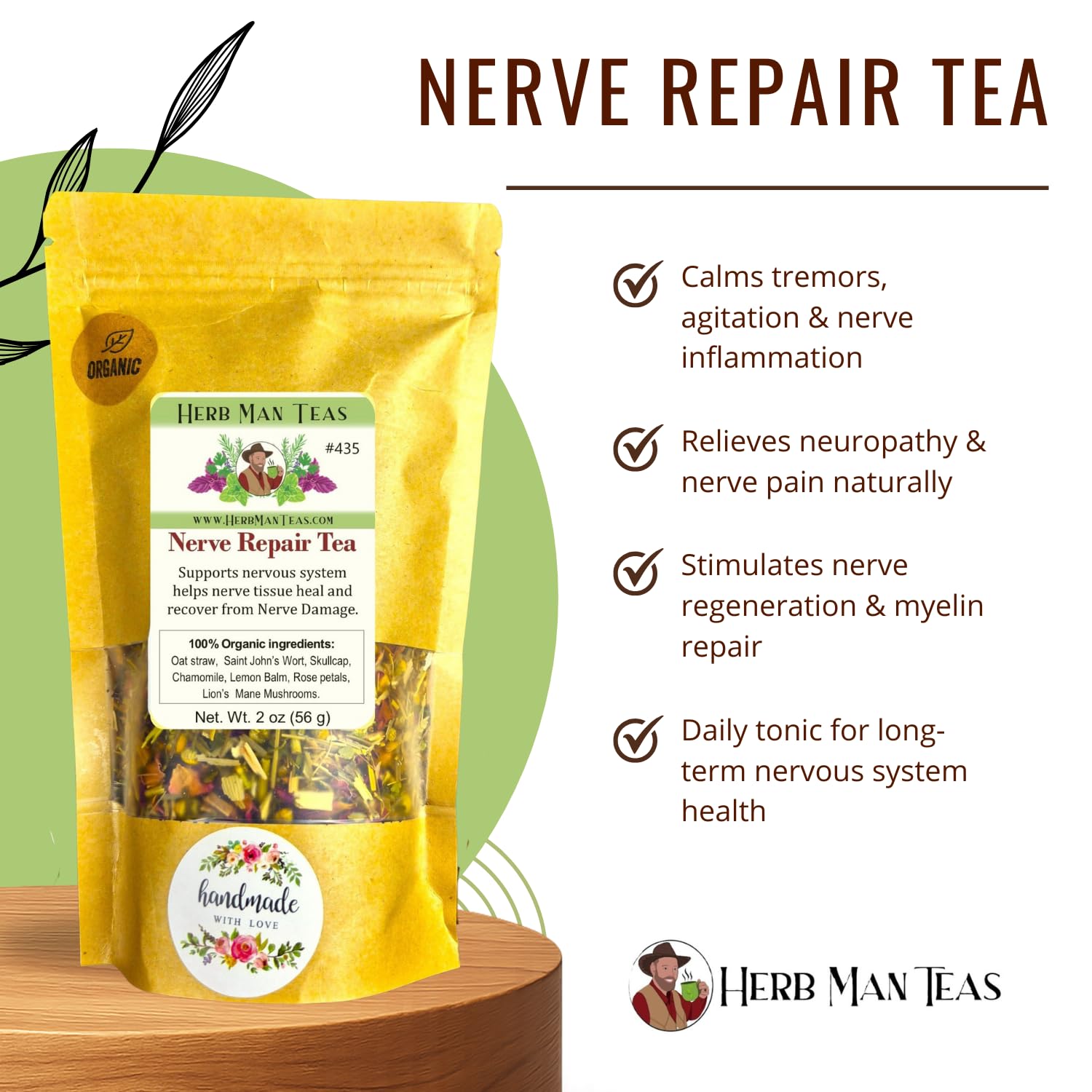
- Quality varies – Not all Lion’s Mane supplements are equal. Extracts with high hericenones and erinacines are more likely to work.
Credit: www.amazon.com
Choosing A Quality Lion’s Mane Supplement
With so many products on the market, picking the right one can be tricky. Here’s how to choose wisely.
What To Look For
- Standardized extracts – Look for products that list the amount of hericenones and erinacines.
- Organic certification – Reduces risk of pesticides or heavy metals.
- Third-party testing – Ensures purity and potency.
- Reputable brands – Check reviews and company history.
Common Buyer Mistakes
- Buying cheap, low-quality powder – These may not contain active compounds.
- Ignoring dosage information – Some products don’t list how much active Lion’s Mane is inside.
- Falling for “proprietary blends” – These often hide actual ingredient amounts.
Practical Ways To Support Nerve Repair Alongside Lion’s Mane
Lion’s Mane can be part of a bigger plan to heal your nerves. Here’s what experts recommend:
- Manage blood sugar – Especially important if you have diabetes.
- Eat a balanced diet – Focus on B vitamins, omega-3s, and antioxidants.
- Stay active – Gentle exercise increases blood flow to nerves.
- Avoid alcohol and smoking – Both slow nerve healing.
- Get enough sleep – Rest is key for nerve repair.
Combining Lion’s Mane with these healthy habits gives you the best chance for improvement.
The Science Of Nerve Repair: Why It’s So Difficult
Nerve repair is a slow process. Unlike skin or muscle, nerves regenerate very slowly—sometimes only 1 millimeter per day. In serious cases, nerves may not recover at all.
Why Are Nerves Hard To Heal?
- Limited blood flow – Nerves don’t get as many nutrients as other tissues.
- Myelin damage – Loss of this protective layer makes repair slower.
- Chronic inflammation – Ongoing swelling stops nerves from regrowing.
Lion’s Mane’s unique ability to stimulate NGF may help overcome some of these barriers, but it is not a miracle cure.
Lion’s Mane In Traditional And Modern Medicine
Lion’s Mane is well-known in traditional Chinese medicine as a tonic for the mind and nerves. Today, it’s being studied for many uses.
Other Potential Benefits
- Cognitive health – May slow memory loss and support focus.
- Mood support – Possible benefits for anxiety and depression.
- Immune boost – Supports the body’s natural defenses.
While these are not directly related to neuropathy, overall health improvements can help your body heal.
Lion’s Mane Vs. Other “natural” Neuropathy Supplements
You may see other supplements for nerve repair, such as alpha-lipoic acid, acetyl-L-carnitine, or vitamin B12. How does Lion’s Mane compare?
| Supplement | Main Benefit | Evidence for Nerve Repair | Best For |
|---|---|---|---|
| Lion’s Mane | Stimulates nerve growth, reduces inflammation | Animal studies strong; human studies limited | General neuropathy, brain health |
| Alpha-Lipoic Acid | Antioxidant, improves blood sugar | Good evidence for diabetic neuropathy | Diabetic nerve pain |
| Vitamin B12 | Essential for nerve health | Strong evidence for deficiency-related neuropathy | B12 deficiency, vegan diets |
| Acetyl-L-Carnitine | Supports nerve energy | Some evidence in chemotherapy-induced neuropathy | Chemo patients |
What Experts Say About Lion’s Mane And Neuropathy
Most neurologists and integrative medicine doctors agree on these points:
- Lion’s Mane is promising for nerve repair, but not yet proven.
- It is safe for most people when used as directed.
- It should be used as part of a bigger plan, not a substitute for medical care.
Dr. Andrew Weil, a well-known integrative medicine expert, says Lion’s Mane “shows real potential for supporting nerve health, but more human research is needed. ”

Credit: antioxi-supplements.com
What To Expect If You Try Lion’s Mane
If you decide to try Lion’s Mane for neuropathy, here’s what you might expect:
Timeline
- First 2–4 weeks: Likely no major changes. Some may notice better mood or focus.
- 4–12 weeks: Possible reduction in tingling, burning, or pain. Some see improved sensation or muscle strength.
- 3–6 months: Best for evaluating full effects. Nerve repair is a slow process.
Signs It’s Working
- Reduced pain intensity or frequency
- Less numbness or tingling
- Improved coordination or balance
- Better sleep or mood
If you see no benefit after 3–6 months, it may not be right for you.
Safety And Drug Interactions
Lion’s Mane is considered low-risk, but it’s always smart to check for interactions.
Possible Interactions
- Blood thinners: Lion’s Mane may slow blood clotting.
- Diabetes medications: Can lower blood sugar, so monitor levels closely.
- Immunosuppressants: May stimulate immune function, so use caution.
Always talk to your doctor or pharmacist before starting a new supplement.
Legal And Regulatory Status
In most countries, Lion’s Mane is sold as a dietary supplement. It is not regulated as a medicine, so quality can vary.
- In the US, the FDA does not approve Lion’s Mane to treat neuropathy.
- In Europe and Asia, it is widely available in health stores.
Buy only from trusted sellers and look for third-party testing.
How To Combine Lion’s Mane With Other Neuropathy Therapies
For most people, the best approach is combining Lion’s Mane with standard care. Here’s how:
- Continue prescribed medications.
- Add Lion’s Mane as a daily supplement.
- Maintain healthy lifestyle habits (exercise, nutrition, foot care).
- Monitor symptoms and report changes to your doctor.
Never stop prescribed medications without medical advice.
Cost And Accessibility
Lion’s Mane supplements are widely available online and in health stores.
- Average price: $20–$50 per month depending on brand and dose.
- Insurance does not cover Lion’s Mane, as it is a supplement.
- Fresh Lion’s Mane mushrooms are seasonal and may cost more.
Look for fair prices but avoid very cheap products—they may be low quality.
Lion’s Mane And Different Types Of Neuropathy
Not all neuropathies are the same. Here’s how Lion’s Mane may fit different types:
Diabetic Neuropathy
- May help repair nerves and reduce pain.
- Combine with strict blood sugar control.
Chemotherapy-induced Neuropathy
- May support nerve healing and reduce tingling.
- Safe to use with most cancer drugs, but always check with your doctor.
Compressive Neuropathy (like Carpal Tunnel)
- May speed up recovery after surgery or injury.
- Works best as part of a rehab plan.
Autoimmune Neuropathy
- May help with inflammation, but not a cure.
The Future Of Lion’s Mane For Nerve Repair
Researchers are planning larger, better-designed human trials. If results are positive, Lion’s Mane could become a regular part of neuropathy treatment in the future.
For now, it offers hope, but also requires patience and realistic expectations.
For more scientific details, you can check this research review on Lion’s Mane and nerve regeneration.
Frequently Asked Questions
Can Lion’s Mane Cure Neuropathy?
No, Lion’s Mane is not a cure. It may help support nerve repair and reduce symptoms, but it does not reverse severe or long-standing nerve damage. It works best as part of an overall plan with healthy habits and medical care.
How Long Does It Take To See Results From Lion’s Mane?
Most people need to take Lion’s Mane for at least 8–12 weeks to notice any effect. Nerve healing is slow, so patience is important. Some notice benefits in mood or sleep before nerve symptoms improve.
Is Lion’s Mane Safe To Take With Other Neuropathy Medications?
Lion’s Mane is generally safe, but it can interact with blood thinners and diabetes drugs. Always talk to your doctor before adding new supplements, especially if you take prescription medications.
What Is The Best Form Of Lion’s Mane For Neuropathy?
Extracts (capsules, tinctures) with standardized levels of hericenones and erinacines are usually best. They are more concentrated than powders or whole mushrooms, so you get more active compounds in each dose.
Are There Any Risks Or Side Effects With Lion’s Mane?
Most people tolerate Lion’s Mane well, but some may get stomach upset, allergies, or skin rash. Rarely, it may affect blood clotting. If you notice any unusual symptoms, stop use and consult a healthcare professional.
Lion’s Mane offers a new option for people dealing with neuropathy. While it’s not a miracle cure, it has a good safety profile and promising early evidence. If you want to give your nerves the best chance to heal, consider Lion’s Mane as part of a complete, healthy approach—and always work closely with your medical team.