
Many people today struggle with digestive problems that affect their daily lives. One condition that has become more known is leaky gut syndrome. This term describes a situation where the lining of the intestines becomes damaged, allowing harmful substances to pass into the bloodstream. Although research is still ongoing, more people are searching for safe, natural ways to support gut health. One natural supplement that is getting attention is Turkey Tail mushroom.
Turkey Tail, known scientifically as *Trametes versicolor*, is a colorful mushroom found in forests around the world. For centuries, it has been used in traditional medicine, especially in Asia. Only recently have scientists started to discover how Turkey Tail could help repair the intestinal barrier and support people with leaky gut. This article explores how Turkey Tail works, the science behind it, how to use it, and what to expect.
Understanding Leaky Gut And The Intestinal Barrier
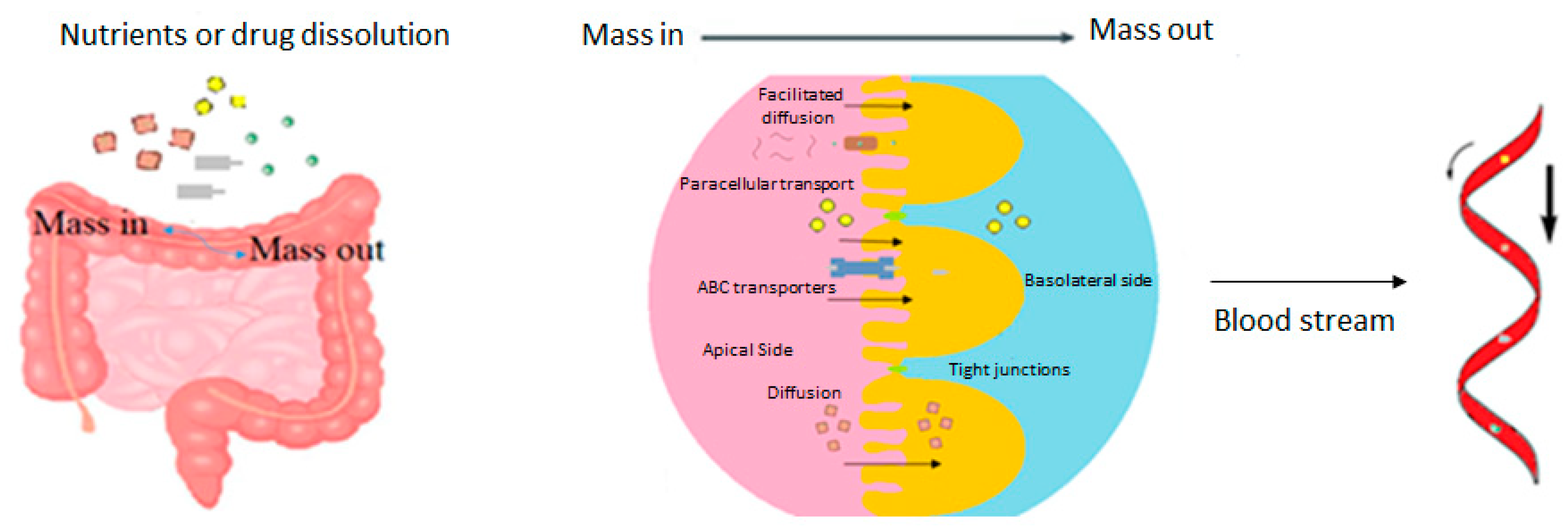
Before looking at Turkey Tail, it’s important to understand what leaky gut really means. The gut is not just a tube for food; it is a complex organ with many layers of protection. The inner lining, known as the intestinal barrier, is made of cells tightly joined together. These cells keep harmful bacteria, toxins, and undigested food particles out of the bloodstream.
When this barrier becomes weak or “leaky,” small gaps form between the cells. This allows unwanted substances to pass through. The immune system reacts, causing inflammation and, sometimes, a range of symptoms such as:
- Bloating and abdominal pain
- Food sensitivities
- Skin problems
- Fatigue
- Brain fog
Doctors are still debating whether leaky gut is a disease by itself or a sign of other problems. However, research shows that it is linked to conditions like irritable bowel syndrome (IBS), inflammatory bowel disease (IBD), and even autoimmune diseases.
The causes of leaky gut are often a combination of factors. Diets high in processed foods, chronic stress, use of antibiotics, and alcohol intake can all weaken the gut lining over time. Even lack of sleep and ongoing infections contribute to this breakdown.
Sometimes, people are surprised to learn that environmental factors—such as exposure to pesticides or pollutants—may also play a role in damaging the intestinal barrier.
What many people miss is that the gut barrier is not a static wall; it is always changing and repairing itself. The health of the gut lining depends on a steady supply of nutrients, healthy bacteria, and a balanced immune response.
When this balance is lost, the repair process slows down, and the barrier becomes more vulnerable.
What Is Turkey Tail Mushroom?
Turkey Tail is a type of medicinal mushroom. It gets its name from its colorful, fan-shaped appearance, which looks like the tail of a wild turkey. Turkey Tail is found on dead logs and trees, especially in moist forests.
People in China and Japan have used Turkey Tail in teas and soups for hundreds of years. They believed it could boost energy, support the immune system, and help people recover from illness. Now, modern science is beginning to explain why this mushroom is so respected.
Turkey Tail contains unique compounds called polysaccharopeptides (PSP and PSK), as well as other substances like beta-glucans, antioxidants, and prebiotics. These compounds have special effects on the body, especially on the immune system and the gut.
One interesting point is that Turkey Tail mushrooms are not eaten whole like button mushrooms. Instead, they are usually dried and made into extracts or teas, since the raw mushroom is tough and woody. The process of hot water extraction, used for thousands of years, is still the most effective way to release the beneficial compounds.
Turkey Tail is also one of the best-studied medicinal mushrooms. In Japan, PSK (a protein-bound polysaccharide from Turkey Tail) has even been used as a prescription medicine for cancer support, showing how powerful and safe this mushroom can be when prepared correctly.
How Turkey Tail Supports Gut Health
Powerful Prebiotic Action
The health of the gut depends a lot on the balance of bacteria living inside it. A good balance means more good bacteria and fewer harmful ones. Turkey Tail acts as a prebiotic—it feeds the friendly bacteria in the gut, helping them grow and crowd out the bad ones.
Studies show that Turkey Tail can increase the amount of Bifidobacteria and Lactobacillus, two types of bacteria linked with a healthy gut barrier. These bacteria help produce short-chain fatty acids (SCFAs), which are important for healing the gut lining.
What’s especially notable is that Turkey Tail feeds certain rare strains of bacteria that are often low in people with digestive issues. By increasing their numbers, Turkey Tail helps restore a gut environment similar to that of healthy individuals. For example, some studies show that Turkey Tail increases the levels of *Faecalibacterium prausnitzii*, a bacterium known for its anti-inflammatory effects.
Reducing Inflammation
Chronic inflammation is a main reason why the gut barrier gets damaged. Turkey Tail contains antioxidants and special molecules that can reduce inflammation in the gut. By calming inflammation, Turkey Tail may help the cells of the gut lining repair themselves.
Beta-glucans and phenolic compounds in Turkey Tail help control inflammatory signals. These compounds stop the overproduction of cytokines—chemicals that can make inflammation worse. Over time, less inflammation means less damage to the gut wall and a better environment for healing.
A non-obvious insight here: inflammation in the gut can be “silent.” You may not feel pain, but your gut lining could still be under stress. Turkey Tail’s ability to calm this hidden inflammation is part of why some people notice better energy or mood, even before their digestive symptoms improve.
Strengthening The Intestinal Barrier
Turkey Tail’s compounds, especially beta-glucans and polysaccharopeptides, appear to help strengthen the tight junctions between cells in the gut wall. This makes it harder for toxins and bacteria to slip through, reducing “leakiness.”
Some research suggests that Turkey Tail not only repairs existing gaps but may also help prevent future breakdown of the barrier. This “maintenance” effect is something that many supplements do not offer. It’s important because gut health is always changing due to stress, diet, and other factors.
Supporting The Immune System
Most of the body’s immune system is found in the gut. Turkey Tail helps balance the immune response, making it strong enough to fight infections but not so strong that it causes unnecessary inflammation. This is important for people with leaky gut, because an overactive immune system can make symptoms worse.
Unlike some immune boosters that simply “turn up” immunity, Turkey Tail seems to help the immune system adapt. It can increase the response to threats while also calming unnecessary reactions. For people with autoimmune issues or frequent infections, this balancing act is key.
Promoting Mucosal Healing
The gut lining is covered with a layer of mucus that protects it. Turkey Tail may help increase the production of this protective mucus, giving the barrier time to heal and grow stronger.
A healthy mucus layer also helps trap and remove harmful bacteria before they can reach the gut wall. By supporting both the mucus and the cells beneath it, Turkey Tail addresses two layers of gut defense at once.
The Science: Research On Turkey Tail And Leaky Gut
Scientists have only recently started to study how Turkey Tail affects the gut, but early results are promising. Here are some highlights from recent research:
- A 2020 animal study found that Turkey Tail extract improved the tightness of the intestinal barrier in mice with gut inflammation.
- Another study published in 2019 showed that people who took Turkey Tail had higher levels of beneficial gut bacteria and lower levels of harmful bacteria within 8 weeks.
- Research in 2018 on beta-glucans from Turkey Tail showed they could reduce markers of inflammation and increase the production of short-chain fatty acids, which help repair the gut lining.
In addition, some pilot studies in humans have shown that Turkey Tail can help after antibiotic use by speeding up the recovery of the microbiome. This is important because antibiotics, while sometimes necessary, can cause long-term harm to gut bacteria and barrier function.
It is also worth mentioning that a few small studies have looked at Turkey Tail in people with IBS or IBD. Early results show reduced symptoms, better bowel regularity, and improved quality of life. These findings are exciting for anyone struggling with chronic gut problems.
While more human studies are needed, these results suggest that Turkey Tail may be a helpful addition to a gut-healing plan.
How Does Turkey Tail Compare With Other Gut Support Supplements?
Many people use other supplements for leaky gut, such as L-glutamine, probiotics, and collagen. It’s useful to see how Turkey Tail compares to these.
| Supplement | Main Action | Supports Gut Bacteria? | Reduces Inflammation? | Strengthens Barrier? |
|---|---|---|---|---|
| Turkey Tail | Prebiotic, immune support, anti-inflammatory | Yes | Yes | Yes |
| L-Glutamine | Gut cell repair | No | Some | Yes |
| Probiotics | Replaces good bacteria | Yes | Some | Some |
| Collagen | Supports tissue repair | No | No | Yes |
Turkey Tail stands out because it acts as both a prebiotic and an immune modulator. It doesn’t just add good bacteria—it helps them grow and thrive while calming inflammation.
An extra point to consider: Turkey Tail has a unique effect on the gut’s “ecosystem.” While L-glutamine and collagen focus on rebuilding the structure, and probiotics add new bacteria, Turkey Tail feeds and strengthens what is already there. This makes it a valuable foundation for any gut repair program.
How To Use Turkey Tail For Leaky Gut
Choosing The Right Product
Turkey Tail is available in different forms, such as:
- Powdered extracts
- Capsules
- Teas
- Tinctures (liquid extracts)
The most popular form for gut health is a hot water extract in capsule or powder. This method pulls out the beta-glucans and polysaccharides that are most helpful for the gut.
When choosing a Turkey Tail supplement, look for:
- Products that use the fruiting body (the main part of the mushroom), not just the mycelium.
- Standardized beta-glucan content (at least 30%).
- Third-party testing for purity and heavy metals.
If you see a product that lists “mycelium on grain” as the main ingredient, be cautious. Mycelium contains fewer active compounds and may be mixed with cheap fillers. Always check for lab test results and, if possible, choose brands that provide these results openly.
Typical Dosage
There is no “official” dosage for Turkey Tail, but studies and traditional use suggest the following amounts:
- 1,000 mg to 3,000 mg per day for adults, split into two or three doses.
It’s best to start with a lower dose and increase slowly, especially if you have a sensitive stomach.
Some people, especially those with autoimmune issues, may benefit from starting at 500 mg per day and increasing over time. This helps the body adjust and reduces the risk of mild digestive upset.
How To Take Turkey Tail
- Mix powder into hot water, coffee, or smoothies.
- Take capsules with meals.
- Use Turkey Tail tea once or twice per day.
Always follow the instructions on your product label.
For best absorption, take Turkey Tail with food that contains a little fat, such as avocado, nuts, or a small amount of oil. This helps your body use the mushroom’s fat-soluble compounds more effectively.
How Long Before Results?
Most people notice changes in digestion and energy within 2 to 4 weeks. For deeper gut healing, it may take 2 to 3 months of regular use.
Remember that gut healing is a gradual process. Even if you don’t notice big changes right away, improvements are often happening “behind the scenes. ” Keep a journal of your symptoms to track small changes over time.
Possible Side Effects And Safety
Turkey Tail is considered very safe for most people when used in the right amounts. Side effects are rare but can include:
- Mild digestive upset (gas, bloating, diarrhea)
- Dark-colored stool (from mushroom pigments)
- Allergic reactions (very rare)
People with mushroom allergies should avoid Turkey Tail. If you are taking medications that affect the immune system, speak with a doctor before starting Turkey Tail.
Pregnant or breastfeeding women should also consult a healthcare provider before use.
If you experience new symptoms—such as rashes, severe headaches, or lasting digestive upset—stop using Turkey Tail and consult your healthcare provider. This is rare, but it’s important to listen to your body. Most people tolerate Turkey Tail well, especially when starting with a small dose and increasing gradually.
Real-life Experiences: What Users Report
Many people with digestive problems have tried Turkey Tail and share their experiences online. Here are some common themes:
- Improved digestion: Many say they feel less bloated and have more regular bowel movements after using Turkey Tail for a few weeks.
- More energy: Some users report feeling less tired and more clear-headed.
- Fewer food reactions: People with food sensitivities sometimes notice that they can eat a wider range of foods without discomfort.
- Better mood: Because gut health is linked to mental health, some users say their mood improves after taking Turkey Tail.
Other people mention better skin health, fewer colds, or improved sleep. While these effects are not guaranteed, they show how deeply gut health is connected to overall wellness.
Of course, results vary from person to person. Some people notice quick changes, while others need to use Turkey Tail longer to see results.
One non-obvious benefit is that some people find their cravings for sugar or processed foods decrease. This may be because Turkey Tail helps balance gut bacteria, which can influence what you want to eat.

Credit: antioxi-supplements.com
Turkey Tail And The Microbiome: A Closer Look
Turkey Tail is unique because it acts directly on the microbiome—the community of bacteria living in your gut.
How Turkey Tail Changes Gut Bacteria
Research shows that Turkey Tail increases the diversity of gut bacteria, which is a sign of good health. A 2019 study showed that after 8 weeks of Turkey Tail use, the number of good bacteria went up by 25–30%, while harmful bacteria dropped by 15%.
Turkey Tail’s prebiotic fibers act as food for select bacteria, encouraging their growth. At the same time, the mushroom’s antioxidants help create a gut environment that favors good bacteria and discourages harmful ones.
Another insight is that Turkey Tail may help prevent harmful bacteria from sticking to the gut wall. By supporting a healthy mucus layer and friendly bacteria, it creates a defense system that makes it harder for “bad” microbes to cause trouble.
Why Microbiome Diversity Matters
A more diverse microbiome means:
- Better digestion of fiber and plant foods
- Stronger immune system
- Less inflammation
- Lower risk of allergies and autoimmunity
Low diversity is linked to many chronic conditions, including obesity, diabetes, and even depression. Turkey Tail’s ability to restore and maintain diversity makes it a valuable ally for overall health, not just for the gut.
Turkey Tail supports this diversity by feeding the right bacteria, making it a powerful tool for gut repair.
Key Compounds In Turkey Tail That Support The Gut
Turkey Tail’s effects come from several special compounds:
- Beta-glucans: These are complex sugars that boost immune function and help repair the gut lining.
- Polysaccharopeptides (PSP, PSK): These compounds modulate the immune system and may help fight infections and inflammation.
- Antioxidants: Turkey Tail contains phenols and flavonoids that protect gut cells from damage.
- Prebiotic fibers: These feed good bacteria, helping them grow.
Here’s a quick comparison of Turkey Tail’s main compounds and their actions in the gut:
| Compound | Main Action | Gut Benefit |
|---|---|---|
| Beta-glucans | Immune support | Strengthens gut barrier |
| PSP / PSK | Immune modulation | Reduces inflammation |
| Antioxidants | Protects cells | Prevents cell damage |
| Prebiotic fibers | Feeds good bacteria | Improves microbiome |
An overlooked fact: The combination of these compounds means that Turkey Tail works at several levels—immune balance, direct gut repair, and microbiome support. Most supplements focus on only one or two of these areas.
These compounds work together to help the gut heal and stay strong.
Common Mistakes When Using Turkey Tail For Leaky Gut
Many people make mistakes when starting Turkey Tail. Here are the most common ones—and how to avoid them:
- Choosing low-quality products: Not all Turkey Tail supplements are created equal. Some use only mycelium (the root-like part) grown on grain, which is less effective than the fruiting body. Always look for “fruiting body” on the label.
- Taking too little: Some people use a very small dose and expect big results. It’s important to use the right amount, as shown in studies.
- Expecting instant results: Turkey Tail works slowly by changing the microbiome and healing the gut. Give it at least 4–8 weeks before deciding if it helps.
- Not combining with other healthy habits: Turkey Tail works best as part of a gut-healing plan that includes a healthy diet, stress management, and enough sleep.
- Ignoring food sensitivities: Some people continue to eat foods that irritate their gut. Removing trigger foods while using Turkey Tail speeds up healing.
Another mistake is stopping use too soon when mild digestive upset occurs. For many, these symptoms pass after a few days as the gut adjusts. Reducing the dose and building up slowly can help.
Who Should Consider Turkey Tail For Leaky Gut?
Turkey Tail may be helpful for people who:
- Have symptoms of leaky gut (bloating, brain fog, skin problems, food sensitivities)
- Have been diagnosed with IBS or IBD
- Want to support their gut after antibiotics or illness
- Are looking for a natural way to strengthen their immune system
It is not a replacement for medical treatment, but it can be a useful tool for many people. Always check with your healthcare provider if you have a medical condition or take prescription drugs.
People recovering from frequent infections, travel-related stomach problems, or who have used a lot of painkillers (NSAIDs) may find Turkey Tail especially helpful. These situations all put extra stress on the gut barrier.
How To Combine Turkey Tail With Other Gut-healing Strategies
Turkey Tail works best when used alongside other healthy habits. Here are some practical tips:
- Eat more fiber: Foods like vegetables, fruits, and oats feed good bacteria.
- Avoid added sugars: Sugar can feed harmful bacteria.
- Reduce stress: Chronic stress weakens the gut barrier.
- Get enough sleep: Sleep helps repair the gut.
- Stay hydrated: Water supports digestion and healing.
Some people also combine Turkey Tail with probiotics or other mushrooms like Lion’s Mane and Reishi for even better results.
A common strategy is to use Turkey Tail in the morning and probiotics in the evening. This spreads out the support for your gut and may give more noticeable benefits.
For those with more serious gut issues, working with a nutritionist or functional medicine doctor can help create a plan that includes Turkey Tail, food changes, and other supplements.
Turkey Tail And Autoimmunity
People with autoimmune diseases often have a leaky gut. Turkey Tail’s immune-balancing properties make it an interesting option for these people. By calming inflammation and improving the gut barrier, Turkey Tail could help reduce the triggers that make autoimmune symptoms worse.
However, anyone with an autoimmune condition should start Turkey Tail slowly and watch for any changes in symptoms.
It’s important to remember that while Turkey Tail can help calm the immune system, it does not cure autoimmunity. Instead, it may help reduce flares and improve quality of life by supporting the gut, where much of the immune system lives.
How To Tell If Turkey Tail Is Working
It’s not always easy to know if your gut is healing. Here are signs that Turkey Tail may be helping:
- More regular bowel movements
- Less bloating and gas
- Fewer food reactions
- Improved mood and energy
- Better skin health
Some people also notice that they get sick less often or recover from colds more quickly. This is a sign that both the gut and the immune system are getting stronger.
For people working with a doctor, lab tests for zonulin (a marker of gut permeability) or stool tests can track changes in the gut barrier.
The Future Of Turkey Tail Research
Researchers are studying Turkey Tail for many uses, including cancer support, immune health, and gut repair. As more studies are published, we will learn more about the best ways to use Turkey Tail for leaky gut.
Some early research is exploring the use of Turkey Tail in combination with other mushrooms or fibers to see if there is a “synergy”—where the effects are even stronger together.
One area of interest is whether Turkey Tail can help prevent gut problems in people at risk, not just treat existing issues. If proven, Turkey Tail could become a daily supplement for anyone who wants to maintain gut health as they age or deal with stress.

Credit: antioxi-supplements.com
Where To Learn More
If you want to dive deeper into the science of Turkey Tail and gut health, reliable sources include research journals, university websites, and respected health organizations. For example, the National Center for Complementary and Integrative Health (NCCIH) offers a summary of Turkey Tail’s uses and safety at NCCIH.
Frequently Asked Questions
What Is The Best Way To Take Turkey Tail For Leaky Gut?
The best way is to use a hot water extract in capsule or powder form. This method contains the most active compounds. Take it with food and follow the dosage on your product label, usually 1,000–3,000 mg per day.
How Long Does It Take For Turkey Tail To Work On The Gut?
Most people see results within 2 to 8 weeks. Improvements may include better digestion, less bloating, and more energy. For deeper gut repair, use Turkey Tail consistently for at least 2 to 3 months.
Can Turkey Tail Be Combined With Probiotics Or Other Supplements?
Yes, Turkey Tail works well with probiotics, other medicinal mushrooms, and gut-healing nutrients like L-glutamine. Combining these can give faster and stronger results, but introduce new supplements one at a time.
Are There Any People Who Should Not Take Turkey Tail?
People with mushroom allergies, those on immune-suppressing drugs, and pregnant or breastfeeding women should check with a healthcare provider before using Turkey Tail. Most healthy adults can use it safely.
Is Turkey Tail Better Than Other Mushrooms For Gut Health?
Turkey Tail is especially good for gut health because of its prebiotic and immune-balancing effects. Other mushrooms, like Lion’s Mane and Reishi, also help the gut but in different ways. Some people use a blend for the best results.
Turkey Tail is a promising, natural way to support a healthy intestinal barrier. When used with other healthy habits, it can help repair a leaky gut and improve overall well-being. With more research and careful use, Turkey Tail may become a key part of gut health for many people.
Credit: www.mdpi.com