
Chaga mushroom has gained attention as one of the most powerful natural antioxidants on Earth. Known as Inonotus obliquus, chaga grows mainly on birch trees in cold climates. People use it as a tea, powder, or supplement, hoping to boost health and slow aging. But what makes chaga so special? The answer lies in its impressive antioxidant power—often measured by something called the ORAC score.
You may have heard about antioxidants in foods like blueberries or green tea. But chaga outshines most of them. In fact, chaga’s ORAC score is so high, it has surprised even some scientists. Yet, many people do not really know what ORAC means, how it is measured, or why it matters for health.
Some even believe high ORAC foods are always better, but that is not always true. To understand chaga’s true value, it is important to look deeper into what these scores reveal—and what they do not.
Let’s explore the antioxidant power of chaga, the science behind ORAC scores, and what this all means for your health. We will compare chaga with other antioxidant-rich foods, examine the real benefits, look at potential risks, and answer common questions.
By the end, you will know exactly how chaga fits into the world of antioxidants and if it deserves a place in your daily routine.
What Is Chaga Mushroom?
Chaga is a fungus that grows mainly on birch trees in the Northern Hemisphere, especially in Russia, Scandinavia, Canada, and parts of the United States. Unlike most mushrooms, chaga does not look like a typical cap and stem. Instead, it forms a hard, black, cracked mass called a conk. Inside, it is orange-brown and corky.
For centuries, chaga has been used in folk medicine, especially in Siberia and Eastern Europe. It is usually made into a tea or extract and is said to boost energy, fight infections, and support longevity.
The main reasons people use chaga today include:
- Supporting the immune system
- Reducing inflammation
- Fighting oxidative stress
- Supporting general wellness
Chaga is packed with compounds like polysaccharides, polyphenols, triterpenes, and melanin. But its true claim to fame is its antioxidant content, which is among the highest of any natural food or herb.
Understanding Antioxidants: What Do They Do?
Antioxidants are natural substances that help protect the body from oxidative stress. This is a process where unstable molecules, known as free radicals, damage cells and tissues. Over time, oxidative stress can lead to aging, inflammation, and chronic diseases such as cancer, diabetes, and heart disease.
Your body produces some antioxidants naturally, but you also get them from foods. The most well-known antioxidants include vitamin C, vitamin E, polyphenols, flavonoids, and selenium.
Here’s how antioxidants work:
- Neutralize free radicals: Antioxidants give electrons to free radicals, making them stable and stopping further damage.
- Prevent cell damage: By controlling free radicals, antioxidants help protect DNA, proteins, and cell membranes.
- Support overall health: Antioxidants may slow aging, boost immunity, and lower the risk of chronic diseases.
Not all antioxidants are the same. Some are water-soluble, while others are fat-soluble. They work in different parts of the body and have unique benefits.
Orac Scores: What Do They Measure?
ORAC stands for Oxygen Radical Absorbance Capacity. It is a scientific method developed by the U.S. Department of Agriculture (USDA) to measure how well a food or supplement can neutralize free radicals in a test tube.
The higher the ORAC score, the stronger the substance’s ability to fight oxidation in the lab. ORAC is measured in units called micromoles of Trolox equivalents per 100 grams (μmol TE/100g). Trolox is a vitamin E-like antioxidant used as a standard.
For example:
- A food with an ORAC of 1,000 μmol TE/100g is less potent than one with 10,000 μmol TE/100g.
- Chaga mushroom has been reported to have ORAC scores as high as 146,700 μmol TE/100g—far higher than most berries, nuts, or vegetables.
It is important to know that ORAC measures antioxidant power *in vitro* (in the lab), not necessarily in the human body. Still, it provides a useful way to compare the antioxidant potential of different foods.
How Are Orac Scores Calculated?
Scientists measure ORAC scores by adding a sample to a solution with free radicals. They see how well the sample stops the radicals from damaging a fluorescent molecule. The longer the molecule stays undamaged, the higher the antioxidant power.
This method gives a single number—the ORAC value—which is easy to compare across different foods and supplements.
Limits Of Orac Scores
While ORAC scores are helpful, they have some limitations:
- They do not show how well the body absorbs or uses antioxidants.
- Lab results may not match what happens inside the body.
- Some antioxidants work better together than alone.
In 2012, the USDA even removed the ORAC database from its website, saying people misused the scores for marketing. Still, ORAC remains a common measure for antioxidant strength, especially in the supplement world.
The Antioxidant Power Of Chaga: How Does It Compare?
Chaga is often called the “king of medicinal mushrooms” because of its exceptional antioxidant content. But how does it compare to other popular antioxidant foods?
Here is a comparison of ORAC scores for chaga and other well-known foods (values are approximate and may vary based on source and preparation):
| Food | ORAC Score (μmol TE/100g) |
|---|---|
| Chaga Mushroom (extract) | 146,700 |
| Acai Berry (freeze-dried) | 102,700 |
| Goji Berry (dried) | 25,300 |
| Blueberry (wild) | 9,621 |
| Dark Chocolate (70-85% cacao) | 20,816 |
| Pecans | 17,940 |
| Red Kidney Beans | 8,459 |
| Broccoli | 1,510 |
| Apple (with skin) | 2,568 |
As you can see, chaga’s ORAC score is in a league of its own. Even compared to antioxidant superstars like acai and goji berries, chaga is far stronger per 100 grams.
Why Is Chaga So Potent?
Chaga’s antioxidant strength comes from several unique compounds:
- Melanin: Gives chaga its dark color and provides powerful free-radical defense.
- Polyphenols: Plant chemicals known for their antioxidant effects.
- Triterpenes: Bioactive compounds that help reduce inflammation and protect cells.
- Beta-glucans: Complex sugars that support immunity and may reduce oxidative stress.
These compounds work together, giving chaga its reputation as a “super-antioxidant. ”
What Do High Orac Scores Really Mean For Health?
Seeing a high ORAC score on a food or supplement is impressive. But what does it actually mean for your health? The answer is more complex than many people think.
Orac In The Body Vs. The Lab
Most ORAC testing happens in vitro (outside the body). But your digestive system, metabolism, and other factors can change how antioxidants work in vivo (inside the body). Some antioxidants are broken down before they reach your cells, while others are absorbed quickly.
For example:
- The bioavailability (absorption and use by the body) of chaga’s antioxidants may be different from those in berries or tea.
- Some antioxidants are more effective in certain organs or tissues.
Synergy: The Power Of Whole Foods
Antioxidants often work better together. Eating a mix of fruits, vegetables, mushrooms, and nuts provides a range of antioxidants that can support your health in different ways.
For example, vitamin C helps regenerate vitamin E, and polyphenols can boost the effects of other plant compounds. Chaga’s mix of melanin, polyphenols, and triterpenes may be more powerful together than alone.
More Is Not Always Better
Some people think that if a little is good, more is better. But consuming extremely high doses of antioxidants—especially from supplements—can sometimes have negative effects. Too many antioxidants can actually lower your body’s own defense systems or interact with medications.
The best approach is usually to get antioxidants from a balanced diet, including a variety of whole foods—not just one “superfood.”
Health Benefits Of Chaga’s Antioxidants
Research on chaga is still growing, but scientists have found several ways its antioxidants may support health.
1. Supports Immune Function
Chaga’s beta-glucans and polyphenols help stimulate the immune system. They may increase the activity of certain white blood cells, helping the body fight off bacteria and viruses. Some studies show chaga can boost the production of cytokines—proteins that help regulate immune response.
2. Reduces Inflammation
Chronic inflammation is linked to heart disease, diabetes, and cancer. Chaga’s antioxidants can help lower levels of inflammatory markers in the body. Animal studies show that chaga extract reduces swelling and slows down inflammation pathways.
3. Fights Oxidative Stress
Chaga’s high ORAC score means it is very effective at neutralizing free radicals. This protects cells from damage and may slow aging. Some research suggests chaga can help prevent DNA damage, which is linked to cancer and other diseases.
4. May Lower Cancer Risk
Early studies in lab animals and cells show that chaga extracts can slow the growth of cancer cells. The antioxidants may help kill harmful cells or stop tumors from spreading. However, much more research is needed before chaga can be considered a cancer treatment.
5. Supports Healthy Blood Sugar
Some animal studies show that chaga can help lower blood sugar levels. The antioxidants may help improve insulin sensitivity and reduce complications from diabetes.
6. Protects The Liver
Chaga’s compounds seem to protect liver cells from damage caused by toxins or oxidative stress. This may help prevent liver disease and support overall detoxification.
7. Skin Health And Anti-aging
Chaga’s melanin and polyphenols may protect skin from UV damage, pollution, and aging. Some skincare products now include chaga extracts for their antioxidant and anti-inflammatory properties.
8. May Improve Endurance
Some athletes use chaga to boost energy and reduce fatigue. Animal studies suggest chaga can help muscles use oxygen more efficiently, though human research is limited.
How To Use Chaga For Antioxidant Benefits
Chaga is available in many forms, each with its own pros and cons. Here’s how people most often use it:
Chaga Tea
The traditional way to use chaga is as a tea. Chunks of dried chaga are simmered in hot water for several hours. The result is a dark, earthy beverage with a mild taste.
- How to make: Simmer 1-2 teaspoons of dried chaga chunks or powder in 2 cups of water for 1-2 hours.
- Benefits: Gentle, easy to absorb, and relaxing.
- Tip: Do not boil chaga too hard; gentle simmering keeps the antioxidants intact.
Chaga Powder
Chaga powder can be mixed into smoothies, coffee, or soups. It is convenient and easy to use.
- Dosage: Most people use 500-1,000 mg per day.
- Tip: Choose powders that are wild-harvested and tested for heavy metals.
Chaga Extracts And Supplements
Extracts are concentrated and usually come in capsules or tinctures. They may be dual-extracted (using both water and alcohol) to capture the full range of antioxidants.
- Strength: More potent than tea or powder.
- Tip: Look for extracts with clear labeling of polysaccharide and triterpene content.
Chaga In Skincare
Some creams and serums contain chaga extract. These may help protect skin and reduce redness.
Choosing High-quality Chaga
Not all chaga products are equal. Here are tips for getting the most antioxidant benefit:
- Wild-harvested: Chaga from wild birch trees has higher antioxidant content than farmed varieties.
- Source: Choose products from trusted regions like Siberia, Canada, or Scandinavia.
- Testing: Look for brands that test for heavy metals and purity.
- Dual extraction: Products using both water and alcohol extraction capture more antioxidants.
Common Myths And Misconceptions About Chaga And Orac
Chaga’s reputation as a super-antioxidant has led to some misunderstandings. Let’s clear up a few common myths:
Myth 1: High Orac Foods Always Lead To Better Health
Many people believe that eating only high-ORAC foods will guarantee great health. In reality, health depends on a mix of factors—diet, lifestyle, genetics, and more. ORAC is just one piece of the puzzle.
Myth 2: All Chaga Products Are The Same
The antioxidant content of chaga can vary greatly depending on where and how it is harvested, processed, and stored. Wild chaga tends to have higher ORAC values, but quality can drop if it is old or poorly processed.
Myth 3: More Antioxidants Are Always Better
While antioxidants are important, taking huge amounts from supplements can sometimes do more harm than good. The body has its own ways to balance oxidative stress. Overloading on any one nutrient may upset this balance.
Myth 4: Orac Is The Only Way To Measure Antioxidant Power
ORAC is useful, but it is not the only method. Other tests, like FRAP (Ferric Reducing Antioxidant Power) and DPPH (2,2-diphenyl-1-picrylhydrazyl), also measure antioxidant activity. These tests may give different results for the same food.
Myth 5: Chaga Has No Side Effects
Chaga is natural, but it can interact with medications and may not be safe for everyone. It may thin the blood or lower blood sugar—important if you take diabetes or blood-thinning medications.
Scientific Studies On Chaga’s Antioxidant Effects
Over the last two decades, researchers have studied chaga’s effects in labs, animals, and a few human trials. Here’s what the evidence says:
In Vitro And Animal Studies
- Cell protection: Chaga extracts protect human cells from oxidative damage and DNA mutations.
- Cancer cells: In lab studies, chaga extract slows the growth of certain cancer cells and increases cell death.
- Anti-inflammatory action: Animal studies show reduced swelling and lower levels of inflammation markers.
- Blood sugar: Mice given chaga extract have lower blood sugar after meals.
Human Research
Human studies are still limited, but some early trials show:
- Chaga tea increases antioxidant capacity in the blood after drinking.
- No major side effects have been reported in healthy adults taking chaga supplements for short periods.
- Some people report more energy and better immune function, but this is mostly anecdotal.
Gaps In Research
More long-term, large-scale human studies are needed. It is not fully clear how much chaga is needed for real health benefits, or how it interacts with other foods and medicines.
Comparing Chaga To Other Antioxidant Superfoods
It’s helpful to see how chaga stacks up against other popular antioxidant-rich foods.
| Food | Main Antioxidant Compounds | Typical Use | Bioavailability |
|---|---|---|---|
| Chaga | Melanin, polyphenols, triterpenes, beta-glucans | Tea, powder, extract, supplement | Medium (varies with extraction) |
| Acai Berry | Anthocyanins, polyphenols, vitamin C | Smoothies, bowls, powder, juice | Medium (higher in fresh/freeze-dried) |
| Blueberry | Anthocyanins, vitamin C, resveratrol | Fresh, frozen, juice | High (especially in whole fruit) |
| Green Tea | EGCG, catechins, polyphenols | Tea, extract | Medium (improves with vitamin C) |
| Dark Chocolate | Flavonoids, theobromine, polyphenols | Snacks, desserts, powder | Medium (depends on cacao content) |
Chaga’s unique mix of antioxidants sets it apart from fruits and teas. Its melanin content, in particular, is rare in the plant world and may offer special protective effects.
Absorption And Bioavailability: Do Chaga’s Antioxidants Reach Your Cells?
A common question is whether the antioxidants in chaga actually make it into your bloodstream and cells.
Factors That Affect Absorption
- Extraction method: Water extraction gets more polysaccharides; alcohol extraction gets more triterpenes. Dual extraction is best for full-spectrum benefits.
- Digestive health: A healthy gut helps you absorb more antioxidants.
- Food pairing: Some antioxidants are fat-soluble, so taking chaga with a small amount of healthy fat (like coconut oil) may increase absorption.
- Processing: Overheating or poor storage can lower antioxidant levels.
Practical Tips For Better Absorption
- Use dual-extracted chaga for a broader range of antioxidants.
- Drink chaga tea with meals that include a bit of healthy fat.
- Store chaga in a cool, dark place to preserve potency.
Potential Side Effects And Safety Of Chaga
Chaga is generally safe for most people, but it is not risk-free. Here are things to consider:
Possible Side Effects
- Blood thinning: Chaga contains compounds that may reduce blood clotting. Avoid if you take blood thinners.
- Low blood sugar: Chaga can lower blood sugar. Use caution if you are diabetic or on medication for blood sugar.
- Kidney stones: Chaga is high in oxalates, which can contribute to kidney stones in some people.
- Allergic reaction: Rare, but some may be sensitive to mushrooms.
Who Should Avoid Chaga?
- Pregnant or breastfeeding women (lack of safety data)
- People with autoimmune diseases (may overstimulate the immune system)
- People scheduled for surgery (stop at least 2 weeks before)
- Those with kidney issues
Drug Interactions
Chaga may interact with:
- Blood thinners (warfarin, aspirin)
- Diabetes medications (insulin, metformin)
- Immunosuppressants
Always consult your doctor before starting chaga, especially if you have health conditions or take medications.
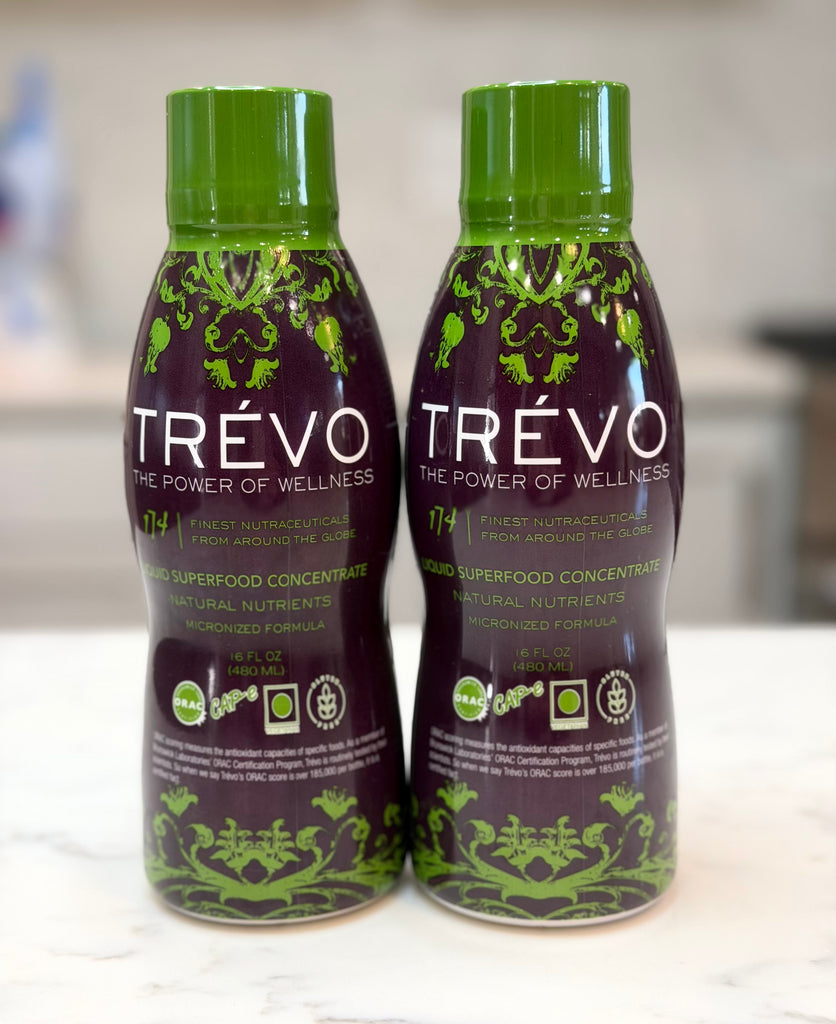
Credit: trevowellness.com
Practical Ways To Add Chaga To Your Diet
If you want to enjoy chaga’s antioxidant benefits, here are some easy ways to use it:
- Morning tea: Brew chaga tea as a coffee substitute for a gentle energy boost.
- Smoothies: Add chaga powder to your favorite fruit smoothie.
- Soup or broth: Stir chaga powder into soups for an earthy flavor and extra antioxidants.
- Coffee blend: Mix chaga powder with coffee for a mushroom mocha.
- Capsules: Take chaga extract capsules for convenience, especially when traveling.
How Much Chaga Should You Take?
There is no official recommended dose, but most supplements suggest 500–1,000 mg per day. For tea, 1–2 cups daily is common.
Start with a small amount to see how your body reacts. Increase slowly, but do not exceed recommended doses.
Quality Matters More Than Quantity
Always choose high-quality, wild-harvested chaga from a trusted brand. Poor-quality or contaminated chaga can do more harm than good.
Chaga And The Future Of Antioxidant Science
Chaga is not just a folk remedy—it is now the subject of serious scientific research. As studies continue, scientists are learning more about how chaga’s antioxidants work in the body and how they might help prevent disease.
Some new directions in chaga research include:
- Nano-extraction: Using new technology to get even more antioxidants from chaga.
- Clinical trials: Testing chaga’s effects on real health outcomes in humans.
- Combination formulas: Mixing chaga with other medicinal mushrooms or herbs for greater benefits.
As the science grows, we may discover even more ways to use chaga for health and wellness.

Credit: www.liberia.ubuy.com
Key Takeaways: What Chaga’s Orac Score Means For You
- Chaga mushroom has one of the highest antioxidant ORAC scores of any known food or herb.
- ORAC scores show lab antioxidant potential, but real health effects depend on absorption and bioavailability.
- Chaga’s unique mix of melanin, polyphenols, triterpenes, and beta-glucans gives it special health benefits.
- Eating a balanced diet with a range of antioxidants is better than relying on one “superfood.”
- Choose high-quality, wild-harvested chaga and use it as part of a healthy lifestyle.
- Always talk to your doctor before using chaga if you have health conditions or take medication.
For more scientific background on chaga and antioxidants, see this research overview on NCBI.
Frequently Asked Questions
What Is The Orac Score Of Chaga Compared To Blueberries?
Chaga’s ORAC score can reach up to 146,700 μmol TE/100g, while wild blueberries have around 9,621 μmol TE/100g. This means chaga has about 15 times more lab-measured antioxidant power per 100 grams than blueberries. However, you usually consume less chaga than blueberries, so practical benefits depend on serving size and absorption.
Does Chaga Lose Its Antioxidant Power When Heated?
Gentle simmering preserves most of chaga’s antioxidants. Boiling it too hard or for too long can break down some sensitive compounds. To keep its benefits, simmer chaga tea on low heat for 1–2 hours, and avoid using boiling water for powder or extracts.
Can I Take Chaga Every Day?
Most people can safely use chaga daily in moderate amounts, such as 1–2 cups of tea or 500–1,000 mg of powder. However, long-term safety studies are limited. If you have health issues, take medication, or are pregnant, talk to your doctor first.
Does Chaga Interact With Medications?
Yes, chaga can interact with blood thinners, diabetes medicines, and immunosuppressants. It may increase the risk of bleeding or lower blood sugar too much. If you take any regular medication, consult your healthcare provider before using chaga.
How Can I Be Sure I’m Getting High-antioxidant Chaga?
Look for wild-harvested chaga from trusted regions and brands. Check that the product is tested for purity and heavy metals. Dual-extracted chaga (using both water and alcohol) offers a broader range of antioxidants. Freshness and proper storage also help preserve chaga’s antioxidant power.
Chaga’s high ORAC score is impressive, but the real secret is making it part of a healthy, balanced diet. Used wisely, it can add powerful antioxidants to your wellness routine.
Credit: ebot250.community.uaf.edu