Perimenopause is a stage that can feel overwhelming for many women. It often brings sudden changes in mood, memory, and mental clarity. While hormone shifts are the main cause, it’s not just about hot flashes or irregular periods. The brain is affected in ways that can surprise even those prepared for perimenopause. This is where the Reishi mushroom steps in, offering a natural approach to support brain health during this transition.
You might hear about Reishi as a “superfood” or “adaptogen,” but the real story is deeper. Reishi has been used for centuries in Eastern medicine, praised for its effects on the mind and body. Today, modern research is starting to show why Reishi may help with memory, focus, and even emotional balance—especially during perimenopause.
Let’s explore how Reishi mushroom works, what science says, and how it may support your brain through this challenging phase. You’ll find practical advice, real-world examples, and answers to questions many women are afraid to ask. If you’re searching for a clear, honest guide about Reishi and perimenopause, you’re in the right place.
Understanding Perimenopause And Brain Health
Perimenopause is the period before menopause when hormone levels, mainly estrogen and progesterone, start to fluctuate. This transition can last from a few months to several years, usually starting in the early 40s but sometimes as early as the mid-30s.
For many, these years are confusing. Symptoms can come and go, making it hard to know what is normal. Some women feel perfectly fine one day, then experience brain fog or mood swings the next. This unpredictability is a big reason why perimenopause feels so challenging.
Common Brain Symptoms During Perimenopause
Many women notice changes like:
- Brain fog (trouble thinking clearly)
- Forgetfulness
- Difficulty focusing
- Mood swings
- Sleep problems
- Anxiety or depression
These symptoms are not imaginary—they’re linked to hormone changes that affect brain chemistry and structure.
It’s also common for women to feel frustrated or embarrassed about these changes. For example, forgetting simple words or losing track of conversations can make work and relationships harder. This often leads to self-doubt, but it’s important to remember that these symptoms are part of a normal process.
How Hormones Affect The Brain
Estrogen plays a big role in brain function. It helps with memory, protects neurons, and keeps mood stable. When estrogen drops or fluctuates, it can cause:
- Less blood flow to the brain
- Lower neurotransmitter levels (like serotonin and dopamine)
- More inflammation in brain tissue
All these changes can make thinking harder and moods less stable.
Recent research shows that estrogen helps the brain form new connections. When levels drop, mental flexibility decreases, making it harder to learn new things or multitask. Progesterone also affects the brain by calming nervous system activity, so when it falls, anxiety and restlessness can increase.
Why Natural Solutions Matter
Many women don’t want to use hormone therapy or strong medications. They look for gentle, safe ways to support their brains. This is where Reishi mushroom comes in—a natural option with a long history and growing scientific support.
Natural remedies are appealing because they often have fewer side effects. They work gradually, helping the body adjust without causing dramatic changes. For example, women who choose natural approaches often report feeling more “like themselves,” with gradual improvements instead of quick fixes that may not last.
What Is Reishi Mushroom?
Reishi mushroom (Ganoderma lucidum) is a fungus native to Asia. It’s known as “Lingzhi” in China and is often called the “mushroom of immortality.” For centuries, Reishi was used to boost health, calm the mind, and improve longevity.
Today, you can find Reishi in many forms, from dried mushrooms to capsules and teas. It’s grown in controlled environments to ensure quality and safety, which is important because wild Reishi can absorb toxins from the soil.
Main Components Of Reishi
Reishi contains:
- Polysaccharides (help immunity)
- Triterpenes (fight inflammation)
- Peptidoglycans (support cell health)
- Sterols (balance hormones)
- Antioxidants (protect cells)
These compounds work together to support the body’s defenses and brain health.
For example, triterpenes are unique to Reishi and give it a slightly bitter taste. These compounds are being studied for their ability to cross the blood-brain barrier, which means they can directly affect brain cells. Polysaccharides support the immune system, which is often weaker during perimenopause.
Traditional Uses
In traditional medicine, Reishi was used to:
- Calm nerves
- Improve sleep
- Boost memory
- Balance emotions
These uses match many perimenopause symptoms, making Reishi a promising option.
In some cultures, Reishi was reserved for royalty or those with serious health problems. Today, it’s available to everyone, but the respect for its power remains. Traditional healers believed Reishi could “nourish the spirit” and “settle the heart,” phrases that closely match modern ideas of brain health and emotional balance.
How Reishi Mushroom Supports Brain Health
Reishi’s effects on the brain are complex, but let’s break them down into clear benefits. Several studies and practical experiences show that Reishi may help in the following ways:
1. Reducing Inflammation
Chronic inflammation can damage brain cells and worsen perimenopause symptoms. Reishi contains triterpenes and polysaccharides, which lower inflammation.
For women in perimenopause, inflammation can increase due to hormonal changes and stress. Reducing this inflammation can protect memory and help the brain work better day to day.
Example:
A 2017 study found that Reishi extracts reduced inflammation in brain tissue of mice, helping preserve memory and learning ability.
This effect is especially important because inflammation is linked to long-term risks like dementia. By lowering inflammation early, Reishi may help protect the brain as women age.
2. Improving Sleep Quality
Sleep problems are common during perimenopause. Reishi is known for its calming effects, helping people fall asleep and stay asleep.
Sleep loss can make brain fog and mood swings worse. Reishi doesn’t act as a sedative but supports natural sleep cycles, making it easier to get restful, deep sleep.
Data:
- In a 2012 trial, Reishi extract improved sleep duration and quality in older adults.
- Better sleep means better memory, mood, and focus.
Many women find that after starting Reishi, they wake up feeling more refreshed—even if their total sleep time doesn’t change much. This shows that sleep quality can matter more than hours spent in bed.
3. Balancing Mood
Mood swings, anxiety, and depression often appear during perimenopause. Reishi helps balance neurotransmitters like serotonin and dopamine.
These brain chemicals control how you feel. When they are balanced, emotions are steadier and more positive.
Practical Example:
Women who use Reishi often report feeling calmer and more emotionally stable after a few weeks.
Some even notice less irritability with family or at work. This emotional steadiness can improve relationships and reduce stress at home.
4. Enhancing Memory And Focus
Reishi protects neurons and supports brain chemicals involved in learning and memory.
This effect is subtle but important. Rather than boosting energy artificially, Reishi helps the brain work more efficiently, making it easier to concentrate and remember details.
Research:
A study showed that mice given Reishi had better spatial memory and less cognitive decline.
For women who need to stay sharp at work or manage busy households, this kind of support can make a big difference in daily life.
5. Protecting Against Oxidative Stress
Oxidative stress harms cells and speeds up aging. Reishi is rich in antioxidants, which shield brain cells from damage.
This protection is important not just for memory, but for overall brain health over time.
Statistic:
- Reishi’s antioxidant content is higher than many other mushrooms, making it one of the best choices for brain protection.
Antioxidants in Reishi can also help the skin, heart, and immune system, offering a bonus for general health during perimenopause.
Reishi Mushroom Vs. Other Natural Remedies
Many natural remedies claim to help during perimenopause. Let’s compare Reishi to some common options.
| Remedy | Main Benefit | Brain Support | Safety |
|---|---|---|---|
| Reishi Mushroom | Immunity, calming, anti-inflammatory | Memory, mood, sleep | High (few side effects) |
| Ginkgo Biloba | Blood flow, memory | Focus, alertness | Medium (some risk for blood clot issues) |
| Ashwagandha | Stress, energy | Stress, mood | High |
| Valerian Root | Sleep, relaxation | Sleep | Medium (can cause drowsiness) |
| Black Cohosh | Hormone balance | Indirect | Medium (some risk for liver issues) |
Reishi stands out for its wide range of effects, gentle action, and strong safety record.
Another point: many herbs target just one symptom, like sleep or hot flashes. Reishi supports several areas at once, making it a flexible option. For example, someone struggling with both anxiety and memory lapses can benefit from Reishi’s combined effects.
Scientific Evidence For Reishi During Perimenopause
Research on Reishi and brain health is growing fast. While most studies focus on general brain protection or aging, some are starting to look at hormone changes and women’s health.
It’s also important to note that many traditional uses are now being confirmed by modern science. For example, the calming effect described in old texts matches today’s findings on neurotransmitter support.
Key Studies
- 2019 study: Women taking Reishi extract reported less anxiety and better sleep after 8 weeks.
- Animal studies: Mice with hormone changes (similar to perimenopause) showed improved memory and less depression with Reishi.
- Cell studies: Reishi compounds protected brain cells from stress and toxic chemicals.
One non-obvious insight: some studies show Reishi can even help the brain recover after stress or illness, not just protect it from new problems.
Real-world Results
Many women share stories about improved focus, calmer moods, and better sleep after using Reishi. These effects often appear within a few weeks, but some notice changes sooner.
It’s worth mentioning that women who combine Reishi with lifestyle changes—like better sleep habits, exercise, or meditation—often see faster and stronger results.
Limitations
Most research is still early, with small groups. Larger studies are needed to confirm results. However, the evidence so far is promising.
While not every woman will get dramatic results, most find at least some benefit, especially when they are patient and consistent.
How To Use Reishi Mushroom Safely
If you want to try Reishi, it’s important to use it correctly. Here’s what you need to know:
Types Of Reishi Products
- Capsules: Easy to take, standardized dose
- Powder: Can be mixed into drinks or food
- Tea: Traditional use, slower effect
- Extracts: Concentrated, faster action
Some products are “dual-extract,” meaning they contain both water- and alcohol-based compounds. These may offer broader benefits, but always check for quality.
Dosage Guidelines
Most studies use 1,000–2,000 mg daily for adults. Start with a lower dose (500 mg) and increase if needed.
If you are sensitive to new supplements, stay at the lowest dose for at least one week before increasing. This helps your body adjust and reduces the chance of side effects.
When To Take Reishi
- For sleep: Take in the evening
- For mood or focus: Morning or midday
- For overall health: Spread doses through the day
You can experiment with timing to see what works best. Some women find a split dose (morning and evening) gives the most stable energy and mood.
Safety And Side Effects
Reishi is considered safe for most people. Possible side effects include:
- Upset stomach
- Dry mouth
- Mild allergy (rare)
If you have immune disorders or take blood-thinning drugs, talk to your doctor first.
Also, if you notice unusual symptoms like rash, rapid heartbeat, or severe headache, stop and consult a healthcare provider.
Practical Tips
- Buy from trusted brands—look for purity and lab testing.
- Avoid wild Reishi (may contain toxins).
- Combine Reishi with a healthy diet for best results.
- Keep a journal to track changes in mood, memory, and sleep.
A non-obvious tip: Check for “fruiting body” on the label. This means the product uses the most active part of the mushroom, not just mycelium or filler.
Reishi And Hormone Balance: What You Should Know
Reishi doesn’t replace hormones, but it helps the body adapt to changes. It supports the adrenal glands and reduces stress on the body, which can ease hormone-related symptoms.
How Reishi Works With Hormones
- Reduces stress: Less strain on hormones
- Supports immunity: Balances hormone responses
- Protects organs: Keeps liver, kidneys, and brain healthy
This support helps the body handle hormone swings more smoothly. For example, if stress levels are lower, the body doesn’t need to produce as much cortisol, allowing other hormones to stay more balanced.
Difference From Hormone Therapy
Hormone therapy adds estrogen or progesterone directly. Reishi works indirectly, helping the body adjust naturally.
| Reishi Mushroom | Hormone Therapy |
|---|---|
| Natural, plant-based | Synthetic or bioidentical hormones |
| Supports adaptation | Directly changes hormone levels |
| Low risk, few side effects | Some risk (blood clots, cancer) |
| Safe long-term use | Limited long-term data |
Reishi offers gentle support, making it a good choice for women who want to avoid strong medications.
For women who can’t use hormone therapy due to family history or personal risk, Reishi provides a safe alternative to help manage symptoms.
The Adaptogen Advantage: Why Reishi Works Well During Perimenopause
Reishi is known as an adaptogen, a plant that helps the body handle stress. Adaptogens are special because they:
- Balance body systems
- Protect against stress damage
- Boost energy and mental clarity
During perimenopause, stress levels often rise. Adaptogens like Reishi help the body stay steady, even when hormones change.
This balancing effect means fewer “ups and downs” in mood and energy. You may not notice a dramatic shift, but a steady improvement over weeks.
Adaptogen Comparison
| Adaptogen | Main Effect | Perimenopause Benefit |
|---|---|---|
| Reishi Mushroom | Calm, protect, balance | Sleep, mood, memory |
| Rhodiola | Energy, focus | Fight fatigue |
| Ashwagandha | Stress, hormone support | Reduce anxiety |
| Maca Root | Hormone balance | Boost libido |
Reishi is unique because it supports both mind and body, making it ideal for women facing multiple symptoms.
Another insight: Unlike some adaptogens that are stimulating, Reishi is calming. This makes it safer for people with anxiety or trouble sleeping, as it won’t make symptoms worse.
Practical Ways To Add Reishi Mushroom To Your Routine
It’s easy to add Reishi to your daily life. Here are some suggestions:
Reishi Tea
- Boil 1–2 grams dried Reishi in water for 30–40 minutes.
- Drink before bed to improve sleep and calm the mind.
If you want a milder taste, add ginger or honey. Making tea this way extracts more of the calming compounds.
Reishi Capsules
- Take 1–2 capsules (500–1,000 mg each) daily.
- Good for busy people or those who dislike the taste.
Capsules are easy to travel with and ensure you get the right dose every time.
Reishi Powder
- Mix into smoothies, coffee, or soups.
- Start with ½ teaspoon daily and adjust as needed.
This method is flexible. You can add Reishi to almost any drink or dish. Just be aware of the bitter taste if you use a lot.
Reishi Extract
- Use drops or liquid extract as directed.
- Can be added to drinks or taken directly.
Extracts are stronger, so follow label instructions closely. Some people prefer extracts for fast results, especially when starting out.
Combining With Other Remedies
Some women use Reishi alongside magnesium, omega-3s, or other adaptogens. This can boost benefits but start slow and watch for reactions.
If you take multiple supplements, introduce one at a time. This makes it easier to spot any unwanted effects.
Real Example
Maria, age 45, started using Reishi capsules for brain fog and anxiety during perimenopause. After 3 weeks, she noticed better sleep and clearer thinking. She combined Reishi with yoga and a simple diet, showing that natural changes can make a big difference.
Maria also made a point to get outside for sunlight and fresh air, which further helped her mood. This shows that small changes add up, especially when combined with Reishi.
Common Mistakes When Using Reishi Mushroom
Many people make mistakes when trying new supplements. Avoid these pitfalls:
- Using too much too soon: Start with a low dose and increase slowly.
- Expecting instant results: Natural remedies take time—give Reishi at least 2–4 weeks.
- Ignoring quality: Cheap products may be weak or contaminated. Choose trusted brands.
- Skipping medical advice: If you have health issues, ask your doctor first.
- Not tracking progress: Keep notes on mood, memory, and sleep to see real changes.
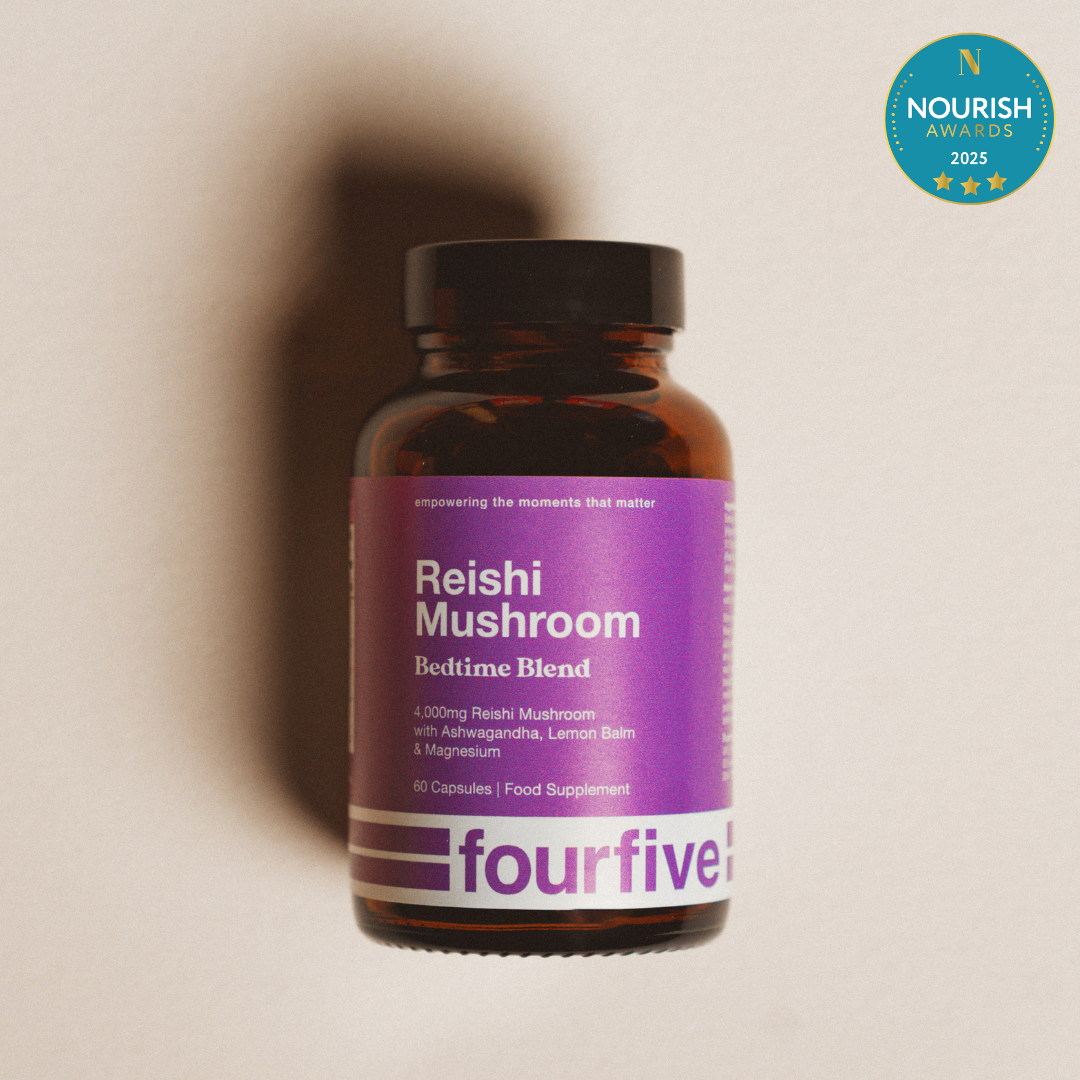
A less obvious mistake: Switching products or brands too often. Stick with one high-quality Reishi for a full month before deciding if it works.
Credit: fourfive.com
Myths And Misunderstandings About Reishi Mushroom
There are many myths about Reishi. Let’s clear up some common ones:
Myth 1: Reishi Is Only For Old People
Fact: Reishi helps people of all ages, especially women in perimenopause.
Myth 2: Reishi Is Addictive
Fact: Reishi is not addictive. You can use it safely without dependency.
Myth 3: Reishi Cures Everything
Fact: Reishi supports health but is not a magic cure. Combine with a healthy lifestyle for best results.
Myth 4: All Reishi Products Are The Same
Fact: Quality varies. Look for pure, lab-tested products.
Myth 5: Reishi Works Instantly
Fact: Most people need several weeks to see changes.
Another misunderstanding: Some people believe that if one mushroom is good, more is better. In reality, the right dose is more effective and safer than taking too much.
Reishi Mushroom: Real-world Success Stories
Hearing real stories can help you understand what to expect.
Story 1: Better Sleep And Less Anxiety
Linda, age 47, struggled with insomnia and panic attacks during perimenopause. She started using Reishi tea nightly. After a month, she reported deeper sleep and fewer anxious moments.
Linda also noticed that her morning headaches became less frequent, possibly because she was finally sleeping well through the night.
Story 2: Improved Focus At Work
Sonia, age 42, noticed brain fog and trouble concentrating. She added Reishi powder to her morning smoothie. Within weeks, she felt sharper and more productive.
She also found it easier to manage stress at her high-pressure job, which helped her confidence and performance.
Story 3: Calmer Mood And More Energy
Rachel, age 50, felt tired and moody. She took Reishi capsules daily. Over two months, her energy returned, and her mood stabilized.
Rachel was able to return to her favorite hobbies, like gardening and painting, which she had set aside because of fatigue.
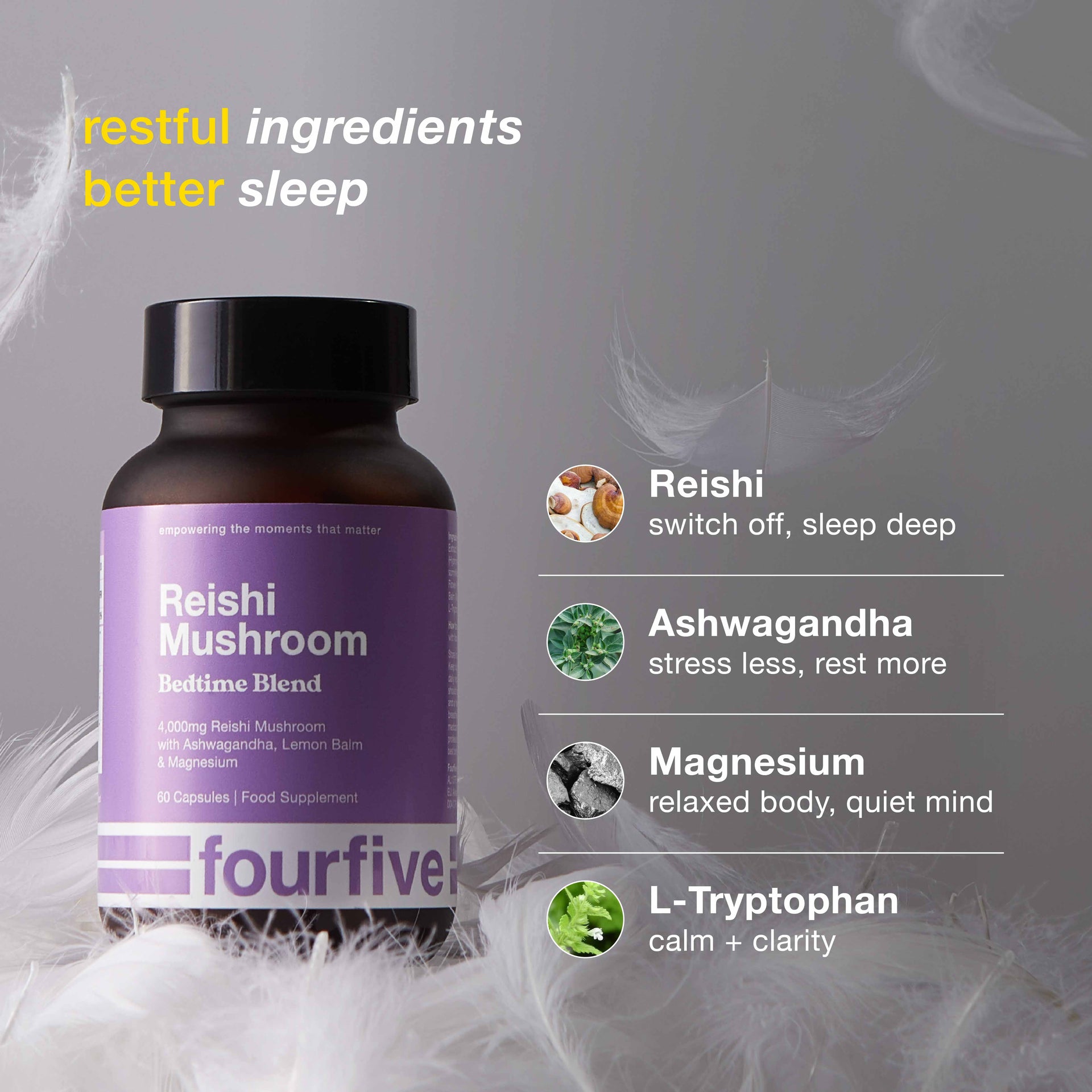
These stories show that Reishi can make a real difference, especially when used consistently.
Credit: fourfive.com
Key Points To Remember About Reishi Mushroom And Perimenopause
Let’s summarize the most important facts:
- Reishi mushroom helps brain health during perimenopause by reducing inflammation, improving sleep, balancing mood, and protecting memory.
- It’s safe, gentle, and works as an adaptogen to help the body handle stress.
- Real-world stories and scientific studies show positive effects, but results take time.
- Use high-quality products and start with low doses.
- Combine Reishi with healthy habits for best results.
Remember: Patience and consistency are key. Reishi works best as part of a bigger plan for health.
Comparing Reishi Mushroom To Modern Medicines
Some women consider medications for perimenopause symptoms. Let’s compare Reishi to common options.
Antidepressants
- Used for mood swings and depression.
- Can cause side effects like weight gain, drowsiness, or sexual problems.
- Reishi offers similar mood benefits with fewer risks.
Sleep Aids
- Help with insomnia but may cause dependence.
- Reishi improves sleep naturally, without addiction risk.
Hormone Therapy
- Treats hot flashes and brain symptoms.
- Has risks (blood clots, cancer).
- Reishi is safer for long-term use.
| Medicine | Benefit | Side Effects | Reishi Comparison |
|---|---|---|---|
| Antidepressant | Mood | Weight gain, drowsiness | Mood support, no major side effects |
| Sleep Aid | Sleep | Addiction, grogginess | Sleep support, no addiction |
| Hormone Therapy | Hormone balance, brain | Blood clots, cancer risk | Natural adaptation, low risk |
Reishi can’t replace medications if you need them, but it’s a strong natural option for many women.
One insight: Some women use Reishi as a “first step” before trying medicines, or as a way to reduce their dose of prescription drugs (with doctor guidance).
The Science Behind Reishi Mushroom’s Effects
Let’s look at the science in simple terms.
Polysaccharides
These compounds boost immunity and protect brain cells from damage. They help reduce inflammation, which is linked to brain fog and mood swings.
Triterpenes
Triterpenes fight stress and help balance hormones. They also calm the nervous system, easing anxiety and sleep problems.
Some experts believe triterpenes are responsible for Reishi’s unique adaptogenic power, helping the body adjust to new challenges.
Antioxidants
Antioxidants shield brain cells from aging and toxins. Reishi’s antioxidants are stronger than most other mushrooms.
Hormonal Support
Reishi supports the adrenal glands, helping manage stress hormones like cortisol. This reduces pressure on the brain and keeps mood stable.
Neuroprotection
Reishi helps keep neurons healthy, slowing memory loss and cognitive decline.
Emerging research also shows that Reishi may help the brain repair itself after injury or chronic stress—a benefit not seen in many other supplements.
Questions To Ask Before Using Reishi Mushroom
Before you start, consider these:
- What symptoms do I want to improve (sleep, mood, memory)?
- Do I have allergies to mushrooms?
- Am I taking medications that could interact with Reishi?
- What is the quality of the product I’m choosing?
- Can I combine Reishi with other natural remedies?
Knowing these answers helps you use Reishi safely and effectively.
Another useful question: How will I track my progress? For example, set a reminder to review your symptoms every two weeks.
Where To Find Reliable Information About Reishi
Many websites promote Reishi, but few are reliable. For true scientific details, visit official sites or research papers. For example, National Center for Biotechnology Information offers trusted medical research.
Look for articles and reviews from universities, hospitals, or government agencies. Avoid sites that promise “miracle cures” with no evidence.
Frequently Asked Questions
How Long Does It Take For Reishi Mushroom To Work?
Most people notice changes in sleep, mood, or focus within 2–4 weeks. For some, effects appear sooner, but natural remedies take time to build up in the body.
Is Reishi Mushroom Safe For Everyone?
Reishi is safe for most adults, but people with mushroom allergies, immune disorders, or who take blood-thinners should ask a doctor first.
Can I Use Reishi Mushroom With Other Supplements?
Yes, Reishi can be combined with vitamins, minerals, or other adaptogens. Start slowly and watch for any reactions.
Does Reishi Mushroom Help With Hot Flashes?
Reishi mainly supports brain health, mood, and sleep. Some women report fewer hot flashes, but it’s not the main benefit.
What Is The Best Form Of Reishi Mushroom To Use?
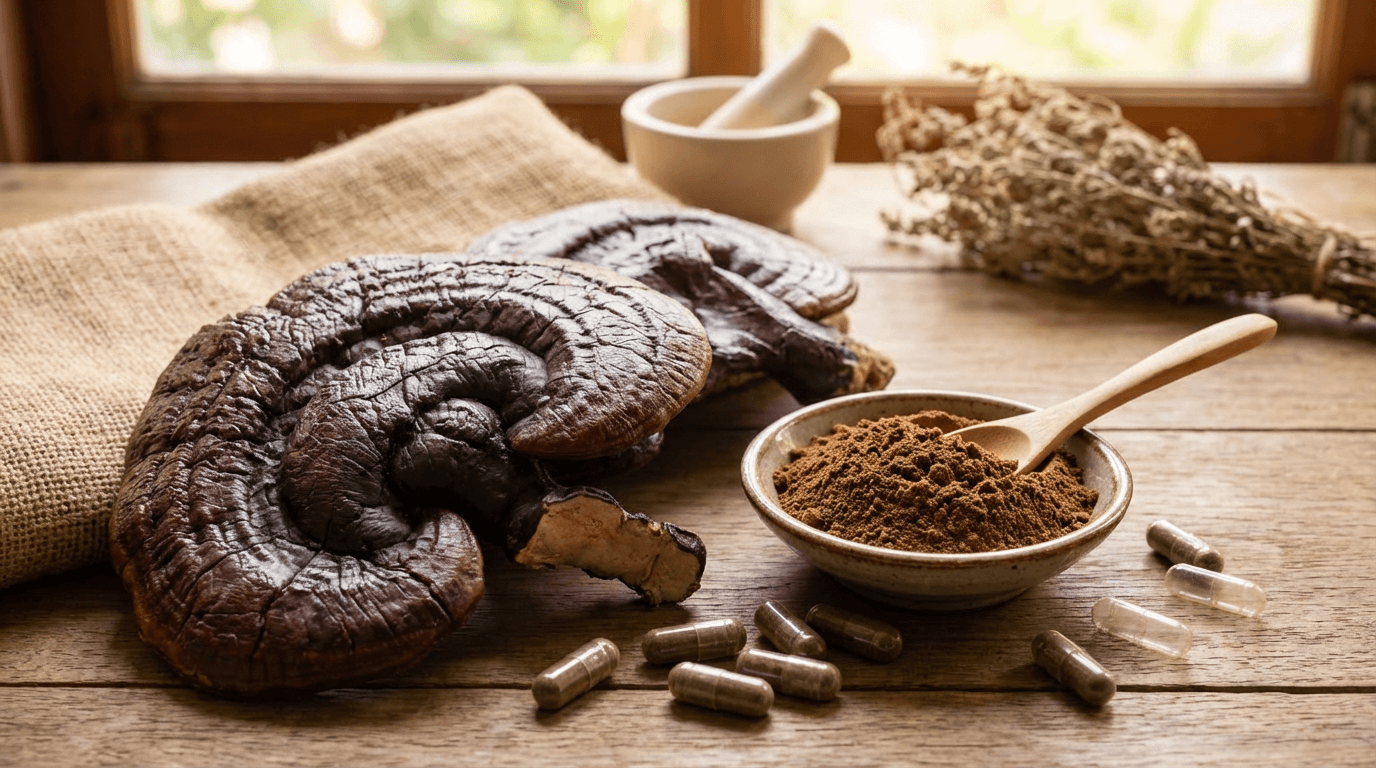
Capsules and extracts are the easiest and most effective for most people. Tea and powder work well for those who prefer natural, traditional methods.
If you are unsure, start with capsules for easy dosing, then explore other forms as you learn what works best for your body.
Credit: antioxi-supplements.com
Final Thoughts
Perimenopause is a challenging time, but you don’t have to face it alone. Reishi mushroom offers gentle, natural support for your brain, helping with memory, mood, and sleep. Its adaptogenic qualities make it ideal for women struggling with hormone changes and stress. By choosing high-quality Reishi, starting with low doses, and combining it with healthy habits, you can make this transition easier and improve your overall well-being. Always listen to your body and seek medical advice if you have concerns. With the right approach, Reishi can become a valuable ally for your brain during perimenopause.