
Many people are searching for natural ways to support their heart health. With heart disease being one of the leading causes of death worldwide, it’s easy to understand why. While modern medicine offers solutions, many are interested in herbal remedies and functional mushrooms. One in particular stands out: Chaga. This dark, woody fungus has been used for centuries in Siberia and other parts of the world, but only recently has science started to unlock its secrets. Can Chaga really help lower cholesterol and blood pressure? Let’s explore what Chaga is, how it works, and what you should know if you’re considering it for your heart.
Understanding Chaga: What Makes It Unique?
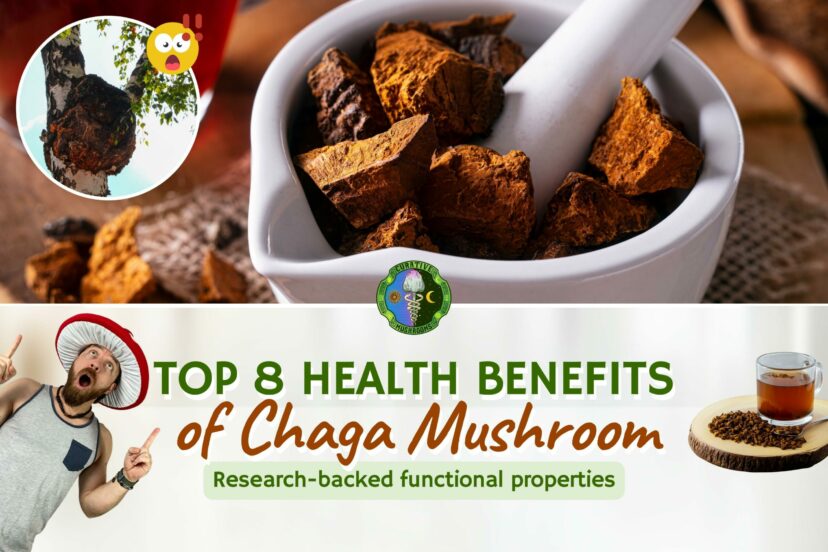
Chaga, scientifically known as Inonotus obliquus, grows mainly on birch trees in cold climates. It looks like a black, burnt clump more than a typical mushroom, but inside, it has a golden brown core filled with nutrients. Chaga has been used in traditional medicine for hundreds of years, especially in Russia, China, and Korea.
What makes Chaga special isn’t just its history. It’s rich in several compounds that may help the body fight inflammation and oxidative stress—two factors closely linked to heart disease. These include:
- Beta-glucans (special types of fiber)
- Polyphenols
- Melanin
- Triterpenoids
- SOD (Superoxide Dismutase)
All of these play a role in how Chaga affects the body, but not all are present in every Chaga product. Some methods of preparation are better than others for extracting these compounds.
Chaga’s appeal goes beyond its nutrient content. Unlike many herbs, Chaga is not bitter or difficult to consume. Its earthy, almost vanilla-like flavor makes it easy to add to drinks or food. In fact, many people who do not like the taste of other mushrooms find Chaga much more pleasant.
This makes it simpler to use daily, increasing the chance of getting consistent benefits.
Another unique aspect of Chaga is its ability to survive in extremely harsh climates. This resilience means that Chaga develops a high concentration of protective compounds, especially antioxidants, to defend itself from the cold and UV exposure. When you consume Chaga, you are benefiting from these same powerful compounds.
The Heart Health Crisis: Why Cholesterol And Blood Pressure Matter
Before diving into how Chaga helps, it’s important to understand why cholesterol and blood pressure are so important for heart health.
High cholesterol means too much “bad” LDL cholesterol in the blood. This can stick to artery walls, forming plaques that narrow blood vessels. Over time, this leads to heart attacks or strokes.
High blood pressure (hypertension) forces the heart to work harder, also damaging blood vessels. Both conditions are often silent—there are no symptoms until something serious happens.
Controlling these two factors is crucial for reducing the risk of heart problems. Diet, exercise, and sometimes medication are needed. But many people want natural support, and that’s where Chaga comes in.
Many people do not realize that even small improvements in cholesterol and blood pressure can have a big impact on heart health over the years. For example, lowering LDL cholesterol by just 10% can reduce the risk of heart disease by about 20%.
Similarly, reducing blood pressure by a few points can prevent strokes and heart attacks. This is why adding even gentle, natural helpers like Chaga can be meaningful, especially when used alongside other healthy habits.
It’s also important to remember that genetics, age, and lifestyle all play roles in heart health. While you cannot control your genes, you can control your daily choices—and that’s where functional foods like Chaga fit in.
Credit: blog.curativemushrooms.com
Chaga’s Potential For Lowering Cholesterol
What Science Says About Cholesterol And Chaga
Research on Chaga and cholesterol is still new, but the results are promising. Animal studies have shown that Chaga can help reduce total cholesterol, LDL (“bad”) cholesterol, and increase HDL (“good”) cholesterol.
For example, in a 2011 study published in the journal Phytotherapy Research, rats given Chaga extract saw a significant drop in their cholesterol levels compared to those who did not get Chaga. The researchers believe this is due to beta-glucans and triterpenoids, which may help the body process fats better.
A small human trial in Asia also found that people who took Chaga tea for eight weeks had lower cholesterol levels than those who did not. However, more research is needed with larger groups.
These studies are important because they show that Chaga works in the body in more than one way. Unlike some supplements that focus only on one marker, Chaga seems to improve both the quantity and the quality of cholesterol in the blood.
This dual effect is rare among natural products.
How Does Chaga Lower Cholesterol?
Chaga seems to help cholesterol levels in several ways:
- Blocking cholesterol absorption: Some compounds in Chaga may stop the intestines from absorbing as much cholesterol from food.
- Improving fat metabolism: By supporting the liver, Chaga can help the body break down fats more effectively.
- Reducing inflammation: Chronic inflammation is linked to high cholesterol. Chaga’s antioxidants fight this inflammation.
- Boosting “good” cholesterol: Some studies suggest Chaga can raise HDL cholesterol, which helps remove “bad” cholesterol from the blood.
It’s important to note that while these effects are promising, Chaga is not a replacement for medication if your doctor prescribes it.
Another detail beginners miss is that Chaga’s beta-glucans are not digested in the stomach. Instead, they travel to the gut, where they act as prebiotics, feeding healthy bacteria. This can lead to improvements in cholesterol by supporting a healthier gut microbiome, which is now known to influence cholesterol and fat metabolism in surprising ways.
Real-world Example: Chaga And Diet
Imagine someone who eats a high-fat diet. If they add Chaga tea to their daily routine, along with exercise and healthy food choices, their cholesterol numbers may improve faster. However, Chaga works best as part of a healthy lifestyle—not as a magic cure.
For example, someone who drinks Chaga tea each morning, chooses oatmeal for breakfast (another source of beta-glucans), and takes a short walk after dinner could see gradual improvements in blood markers. These changes may be small at first but can add up over time, helping to prevent more serious problems in the future.
Chaga’s Effect On Blood Pressure
Blood Pressure And The Body
Blood pressure is the force of blood pushing against artery walls. If it stays high, it can damage the heart, kidneys, and brain. Lowering blood pressure even a little can reduce the risk of heart attack or stroke.
What many people do not realize is that high blood pressure can start causing damage long before you feel any symptoms. It’s often called the “silent killer” for this reason. Even people who feel healthy may be at risk, so prevention is key.
Can Chaga Really Lower Blood Pressure?
Several animal studies suggest Chaga can help lower blood pressure. In 2015, Korean researchers found that rats with high blood pressure had lower readings after taking Chaga extract for a few weeks.
The effect seems to come from:
- Relaxing blood vessels: Some compounds in Chaga help widen blood vessels, making it easier for blood to flow.
- Reducing stress on the heart: With less resistance, the heart does not have to pump as hard.
- Decreasing inflammation: Chronic inflammation can make blood pressure worse; Chaga’s antioxidants help fight this.
Another possible mechanism is Chaga’s mild diuretic effect. Some users notice they urinate more often when taking Chaga. This can help the body get rid of extra sodium and water, which naturally lowers blood pressure. While this effect is gentle, it can still be helpful for people who retain fluid.
Mechanisms: How Chaga Helps The Heart
Chaga’s polyphenols and triterpenoids are believed to protect blood vessels from damage. They also help balance nitric oxide in the body, which relaxes blood vessels.
Some experts believe Chaga’s effect on blood pressure is similar to that of dark chocolate or garlic—gentle but noticeable over time.
Another non-obvious insight is that Chaga may help reduce stress hormones like cortisol. High stress can raise blood pressure, so this calming effect may be one reason why some users feel better after regular Chaga use.
Practical Use: Combining With Other Approaches
Chaga can be used with other heart-friendly habits, such as regular exercise, reducing salt intake, and managing stress. However, people already taking medication for high blood pressure should talk to their doctor before adding Chaga, as it may enhance the effect and cause blood pressure to go too low.
It’s also smart to monitor your blood pressure at home if you start using Chaga. This way, you can see if it is having an effect and catch any drops that might be too much, especially if you are on medication.
Chaga’s Key Nutrients And Their Role
Beta-glucans
These special fibers are known to help balance cholesterol and support the immune system. Beta-glucans from mushrooms like Chaga are more powerful than those from oats or barley.
The structure of mushroom beta-glucans is slightly different, making them more active in the body. This means you may get stronger cholesterol-lowering effects with less product compared to grain sources.
Antioxidants
Chaga is rich in antioxidants, especially superoxide dismutase (SOD) and melanin. These help protect cells from damage, including the lining of arteries. Healthier arteries mean lower risk for both high cholesterol and high blood pressure.
Chaga’s SOD content is especially impressive. SOD is one of the body’s main defense systems against oxidative stress, which is involved in both aging and heart disease. Few foods contain much SOD, so Chaga is a rare source.
Triterpenoids
These compounds may help lower cholesterol production in the liver and reduce inflammation. They are also being studied for their cancer-fighting properties.
Some triterpenoids in Chaga, such as inotodiol, are unique and not found in other mushrooms or plants. This means Chaga offers benefits you cannot get from other superfoods.
Polyphenols
Polyphenols are plant compounds that help relax blood vessels and improve overall circulation. They are one reason why green tea and red wine are considered heart-healthy; Chaga offers a unique type of polyphenols not found elsewhere.
Recent studies show that Chaga’s polyphenols can also support healthy gut bacteria, which in turn may help lower cholesterol—a benefit many people don’t expect from a mushroom.
Essential Minerals
Chaga contains small amounts of potassium, magnesium, and zinc—all minerals that support heart health. Potassium helps balance sodium in the body, which is important for blood pressure control.
Even though the amounts are not large, using Chaga regularly can contribute to your daily intake, especially if your diet is low in these minerals.
Below is a comparison of Chaga’s key heart-healthy nutrients with other popular superfoods.
| Superfood | Beta-glucans | Antioxidants | Triterpenoids | Polyphenols | Essential Minerals |
|---|---|---|---|---|---|
| Chaga | High | Very high | High | Moderate | Moderate |
| Oats | High | Low | None | Low | Moderate |
| Green Tea | None | High | None | High | Low |
| Blueberries | None | High | None | High | Low |
This shows why Chaga is unique compared to other heart-friendly foods. For those looking to cover multiple areas of heart health at once, Chaga’s nutrient profile is hard to beat.
The Science Behind Chaga: Clinical Evidence
While traditional use supports Chaga’s benefits, scientific studies are essential. Most studies so far have been done on animals, but the findings are encouraging.
A 2020 review in the journal Frontiers in Pharmacology analyzed several animal studies and found that Chaga extract:
- Lowered LDL cholesterol by up to 25%
- Raised HDL cholesterol by 12–18%
- Reduced systolic blood pressure by 10–15 mmHg
- Improved markers of artery health
However, human studies are still limited. A small pilot study in Russia involved 36 people with high cholesterol. Those who took Chaga tea daily for 12 weeks had significantly better cholesterol profiles than the control group.
More research is needed, but these early results suggest Chaga could become an important part of heart health routines.
One detail often overlooked is that studies use different types of Chaga extracts. Some use only water extracts, while others use alcohol extracts or a combination. The results can vary, which is why it’s important to choose a well-made product and be consistent with use.
Another promising area of research is Chaga’s effect on C-reactive protein (CRP), a marker of inflammation linked to heart disease. A few animal studies have found that Chaga can lower CRP, suggesting it may help reduce the underlying inflammation that drives many heart problems.
Credit: cbdstore.in
How To Use Chaga For Heart Health
Forms Of Chaga
Chaga can be used in several forms:
- Chaga tea: The most traditional method. Made by simmering dried Chaga chunks or powder in hot water.
- Chaga extract: Usually stronger than tea and easier to take. Found as tinctures or capsules.
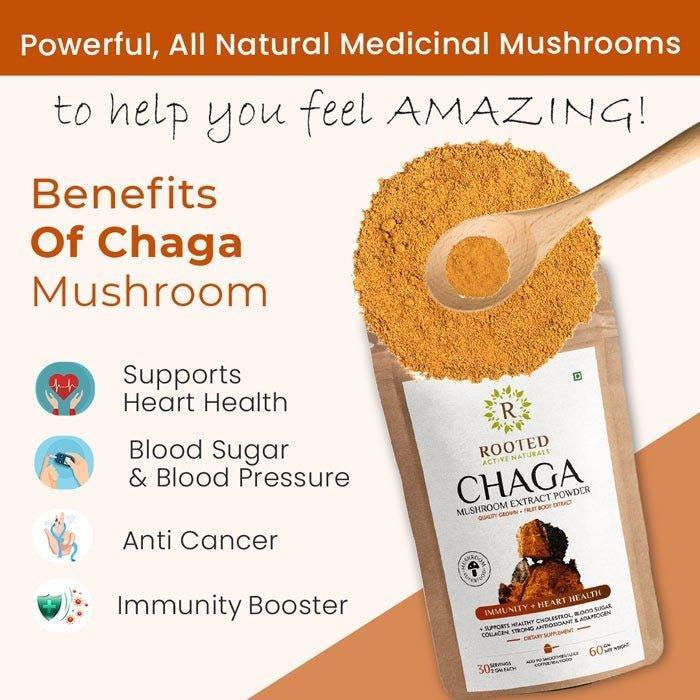
- Chaga powder: Can be added to smoothies, coffee, or food.
- Chaga supplements: Capsules or tablets, often combined with other mushrooms.
The best choice depends on your lifestyle and taste preferences.
If you enjoy a daily ritual, making Chaga tea can be relaxing and soothing. For those with busy schedules, capsules or tinctures are quicker and more convenient. Some people use both, drinking tea in the morning and taking a capsule later in the day.
How Much Chaga To Take
There is no official “dose” for Chaga, but most studies use between 500 mg and 2,000 mg per day of extract. For tea, 1–2 cups daily is common.
It’s wise to start with a small amount and see how your body reacts.
For people new to herbal remedies, starting slow helps avoid digestive upset. If you tolerate Chaga well, you can gradually increase the dose. Tracking your cholesterol and blood pressure before and during use can help you see if it’s making a difference.
Tips For Getting The Most Out Of Chaga
- Choose quality: Look for Chaga that is wild-harvested or certified organic. Avoid products with fillers.
- Check extraction method: Dual-extracted (water and alcohol) Chaga contains more active compounds.
- Store properly: Keep Chaga in a cool, dry place to protect its nutrients.
- Combine with other heart-healthy habits: Chaga works best with a good diet, exercise, and stress management.
A less obvious tip is to avoid boiling Chaga at very high temperatures for long periods, as this can destroy some beneficial compounds. Gentle simmering is enough to release the nutrients.
Possible Side Effects And Safety
Chaga is generally safe for most people, but some should be careful. Because Chaga can lower blood sugar and blood pressure, those on medication for diabetes or hypertension should consult their doctor first.
Possible side effects include:
- Upset stomach or diarrhea (rare)
- Allergic reactions (very rare)
- Lowered blood sugar (caution for diabetics)
- Increased risk of bleeding (Chaga contains natural blood-thinning compounds)
Pregnant or breastfeeding women should avoid Chaga, as there is not enough research on safety.
Another detail to know: Chaga is high in oxalates, which can contribute to kidney stone formation in sensitive people. If you have a history of kidney stones, use Chaga with caution and speak to your doctor.
Below is a comparison of side effects for Chaga versus common heart medications.
| Substance | Common Side Effects | Serious Risks | Drug Interactions |
|---|---|---|---|
| Chaga | Stomach upset, allergy | Bleeding, low blood sugar | Blood thinners, diabetes meds |
| Statins | Muscle pain, liver issues | Liver failure, rhabdomyolysis | Many, especially antibiotics |
| ACE Inhibitors | Cough, dizziness | Kidney failure, high potassium | Potassium supplements, NSAIDs |
This does not mean Chaga is risk-free, but side effects are usually milder compared to some prescription drugs.
What To Watch Out For: Common Mistakes With Chaga
Many beginners make mistakes when starting with Chaga. Avoiding these can help you get the best results for your heart health.
- Using low-quality Chaga: Some products use mycelium (the “roots”) grown on grain instead of real wild Chaga. Always check the label.
- Not using enough: Small doses may not be effective. Stick with the amounts used in studies.
- Expecting instant results: Chaga works slowly. Most people notice benefits after several weeks, not days.
- Ignoring other risk factors: Chaga is not a replacement for a healthy lifestyle or prescribed medication.
- Not checking for interactions: If you take medicine, always talk to your doctor first.
A less obvious mistake is storing Chaga in a humid or sunny place, which can cause it to lose potency or even spoil. Always keep it in a sealed container away from heat and moisture.
Chaga Compared To Other Natural Heart Remedies
There are many natural options for heart health. How does Chaga compare to more common choices?
Garlic is famous for lowering blood pressure, but can cause stomach upset and bad breath. Green tea helps cholesterol, but contains caffeine, which can raise blood pressure in some people. Red yeast rice is effective for cholesterol, but can cause muscle pain like statins.
Chaga is gentler, with fewer side effects. It also supports the immune system, which many heart herbs do not.
Here is a comparison:
| Remedy | Cholesterol Effect | Blood Pressure Effect | Common Side Effects | Other Benefits |
|---|---|---|---|---|
| Chaga | Strong | Moderate | Mild stomach upset | Immunity boost, antioxidant |
| Garlic | Moderate | Strong | Bad breath, stomach upset | Antimicrobial |
| Green Tea | Moderate | Weak | Caffeine effects | Weight loss |
| Red Yeast Rice | Strong | Weak | Muscle pain, liver issues | Natural statin |
It’s worth noting that Chaga is less likely to cause digestive upset than garlic or red yeast rice and does not contain caffeine like green tea. This makes it a good choice for those with sensitive stomachs or those looking to avoid extra stimulants.
Non-obvious Insights About Chaga And Heart Health
Many articles miss important details about Chaga:
- Preparation matters a lot: Hot water extracts draw out beta-glucans, but alcohol extracts are needed for triterpenoids. Some supplements combine both methods (“dual extraction”) for full benefits.
- Chaga may interact with immune system drugs: Because it boosts immunity, it might not be safe for people with autoimmune diseases or those taking immunosuppressants.
- Chaga’s mineral content can vary: Wild Chaga from birch trees has more minerals than Chaga grown on other trees or in labs.
Another overlooked point: the age of the Chaga matters. Older Chaga, harvested after several years on a birch tree, usually contains higher levels of beneficial compounds. Cheaper products may use younger Chaga, which is less potent.
Understanding these details can help you make better choices.
Combining Chaga With Lifestyle Changes For Maximum Benefit
No natural remedy can replace the basics of heart health: diet, exercise, stress management, and sleep. Chaga works best when it supports these key habits.
- Eat more fiber: Oats, beans, and fruits help lower cholesterol.
- Move daily: Even walking 30 minutes a day helps blood pressure.
- Manage stress: Meditation or deep breathing helps keep blood pressure in check.
- Avoid smoking and excess alcohol: These are major heart risks.
Chaga can be an extra tool, not the only answer.
A good practical approach is to set small, realistic goals. For example, commit to a daily walk, switch to whole grains, and enjoy a cup of Chaga tea every morning. Over time, these simple steps can have a big effect when added together.
Credit: pahadiamrut.com
Who Should Avoid Chaga?
While most adults can try Chaga safely, some should avoid it:
- People on blood thinners: Chaga may increase bleeding risk.
- Those with autoimmune diseases: Chaga can stimulate the immune system too much.
- Pregnant or breastfeeding women: Safety is not known.
- Those with kidney stones: Chaga is high in oxalates, which can worsen kidney stones.
If unsure, always check with a healthcare provider.
It’s also wise to avoid Chaga before surgery or dental work, since its blood-thinning properties could increase bleeding risk.
Where To Find High-quality Chaga
Chaga is sold online, in health food stores, and sometimes in pharmacies. Look for:
- “Wild-harvested” or “sustainably harvested” on the label
- “Dual-extracted” products for full-spectrum benefits
- Third-party testing for heavy metals or contaminants
- Clear labeling of beta-glucan and triterpenoid content
It’s best to buy from reputable brands with good reviews and transparent sourcing. If possible, choose Chaga that is harvested from remote, pollution-free forests.
If you’re interested in learning more about the science behind Chaga, Wikipedia has a detailed overview of the mushroom and its traditional uses.
Frequently Asked Questions
What Is The Best Way To Take Chaga For Heart Health?
The most effective way is to use a dual-extracted Chaga supplement or drink Chaga tea daily. Dual-extracted products contain both water- and alcohol-soluble compounds, giving you the full range of heart-healthy nutrients. For most people, 1–2 cups of tea or 500–1,000 mg of extract per day is enough.
If you don’t like the taste of tea, capsules or tinctures are a good alternative. Some people also add Chaga powder to smoothies or coffee for convenience.
How Long Does It Take To See Results With Chaga?
Chaga works slowly. Most people notice changes in cholesterol or blood pressure after 4 to 12 weeks of daily use. For best results, combine Chaga with a healthy lifestyle and keep track of your numbers with regular check-ups.
It’s a good idea to keep a simple log of your daily habits and any changes in how you feel. This can help you see small improvements that build over time.
Are There Any Side Effects With Chaga?
Most people tolerate Chaga well, but possible side effects include stomach upset, diarrhea, and allergic reactions. Because Chaga can lower blood sugar and thin the blood, people with diabetes or those on blood thinners should use caution.
If you notice any unusual symptoms, such as bruising or low energy, stop using Chaga and speak to your doctor.
Can I Take Chaga With My Heart Medication?
Chaga can interact with some medications, especially blood thinners, blood pressure drugs, and diabetes medication. Always talk to your doctor before adding Chaga to your routine to avoid possible interactions or side effects.
It’s also smart to start with a lower dose and gradually increase, watching for any changes in how you feel.
Is Chaga Safe For Long-term Use?
There are no reports of harm with long-term Chaga use in healthy adults, but studies on long-term safety are limited. It’s best to use Chaga as part of a balanced routine and take breaks every few months. If you experience any unusual symptoms, stop use and consult your healthcare provider.
Cycling your use (for example, using Chaga for 2–3 months and then taking a 1-month break) is a common strategy for herbal supplements and helps reduce the risk of side effects.
Chaga offers promising natural support for lowering cholesterol and blood pressure. With its rich blend of beta-glucans, antioxidants, and special nutrients, it can be a valuable part of a heart-healthy lifestyle. But as with all supplements, quality matters and it should never replace medical care.
Take your time, choose wisely, and let your heart benefit from the gifts of nature.