Chaga Mushroom And Inflammation: Silencing The Body’s Fire Alarm
Imagine your body as a house. When something goes wrong—like an infection or injury—your body’s alarm system triggers inflammation. This is a natural defense, but if the alarm keeps ringing for too long, it can damage the house itself. This is what happens with chronic inflammation. Many people today are searching for ways to “silence the fire alarm” without harsh medicines or side effects. In recent years, one ancient remedy has drawn a lot of attention: the Chaga mushroom.
Chaga is not new to the world. For centuries, people living in cold climates like Siberia and Northern Europe have brewed Chaga tea for health. Today, scientists are looking more closely at how this fungus might help lower inflammation and protect the body.
But does Chaga really work? Can it help with modern problems like arthritis, allergies, or even heart disease? This article will dive deeply into what Chaga is, how it relates to inflammation, what the science says, and how you can use it safely.
If you want to know if Chaga is right for you, keep reading.
What Is Chaga Mushroom?
Chaga mushroom (Inonotus obliquus) is a fungus that grows mainly on birch trees in cold climates—think Siberia, Canada, and Scandinavia. Unlike the typical mushrooms you see in supermarkets, Chaga looks like a black, burnt lump on the tree. Inside, it is a golden-brown color.
For hundreds of years, local people have used Chaga as a folk remedy. They slice off pieces, dry them, and make tea or powder. The taste is earthy and a bit bitter—like strong coffee, but with no caffeine. Chaga is not a culinary mushroom; you do not fry it in a pan. It is a functional food, valued for its health effects, not its flavor.
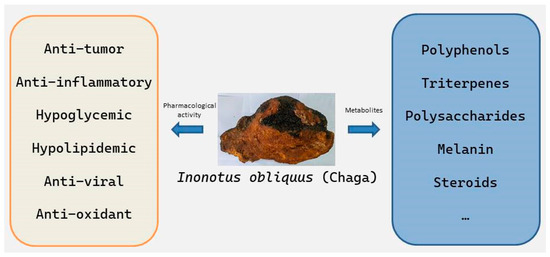
Why has Chaga become so popular? It is packed with bioactive compounds—natural chemicals believed to help health. Some of these are polysaccharides, betulinic acid, melanin, and antioxidants. Each of these plays a different role in the body.
Polysaccharides, for example, are a type of complex sugar. They support your immune system and help your body adapt to stress. Betulinic acid is taken from the birch tree’s bark, and Chaga absorbs it as it grows. This acid has been studied for its anti-inflammatory and anti-tumor properties.
Melanin is the same pigment that gives color to your skin, and in Chaga, it provides powerful antioxidant effects, protecting cells from damage.
Some people call Chaga the “King of Medicinal Mushrooms. ” That’s a big claim, but its long history and the new research behind it make it a star in the world of functional foods.
Understanding Inflammation: The Body’s Alarm System
Inflammation is the body’s way of fighting off harm. When you cut your finger, white blood cells rush to the area. You see swelling, redness, and feel pain—that’s acute inflammation. It is helpful and usually temporary.
But sometimes, inflammation does not shut off. It becomes chronic, lasting for months or years. Chronic inflammation is linked to many health problems:
- Arthritis: Pain and swelling in the joints
- Heart disease: Blood vessels become damaged
- Diabetes: The body cannot manage blood sugar
- Allergies and asthma: Constant irritation in airways or skin
Inflammation itself is not “bad. ” It keeps us alive by fighting infections and repairing injuries. The trouble comes when the response is too strong or lasts too long. For example, in arthritis, the immune system keeps attacking the joints even after the initial problem is gone.
Over time, this can wear down tissues and cause lasting pain.
Scientists now believe that chronic inflammation is a root cause of many modern diseases. It is the “silent fire” inside the body. Stopping this fire without causing other problems is a big goal for modern medicine.

Credit: www.wortsandcunning.com
The Science Behind Chaga’s Effects On Inflammation
Many studies have tested how Chaga affects inflammation. Most of these are laboratory or animal studies, but the results are promising.
Key Bioactive Compounds In Chaga
Chaga is rich in several active ingredients:
- Polysaccharides: Sugars that support the immune system
- Betulinic acid: A natural compound from birch bark
- Melanin: Gives Chaga its black color and antioxidant power
- Phenols and flavonoids: Plant chemicals that reduce oxidative stress
Each of these compounds works in a different way to lower inflammation.
To understand Chaga’s power, it helps to know that inflammation is controlled by a network of signals in the body. Some signals “turn up” the fire, while others “cool it down. ” Chaga seems to influence both sides, making it a unique tool for managing inflammation.
How Chaga Reduces Inflammation
Research shows Chaga can block key pathways that cause inflammation. For example:
- Suppresses Pro-inflammatory Cytokines: Cytokines are “messenger” proteins that tell the body to start inflammation. Chaga extracts can lower the production of cytokines like TNF-α, IL-6, and IL-1β. These are linked to chronic diseases.
- Reduces Oxidative Stress: Chaga is loaded with antioxidants, which protect cells from free radicals. Free radicals are unstable molecules that cause cell damage and inflammation.
- Supports Immune Balance: Instead of simply boosting the immune system, Chaga helps keep it balanced—active when needed, calm when not.
Another important pathway is the “NF-kB pathway,” a control center for inflammation in the body. Some animal studies show Chaga can slow down this pathway, which may help explain why it works against chronic inflammation.
Example Study
A study published in 2010 in “Bioorganic & Medicinal Chemistry” found that Chaga polysaccharides reduced inflammation in mice by blocking the release of nitric oxide and cytokines. The effect was similar to some anti-inflammatory medicines, but without the side effects.
Another study from China looked at Chaga’s effect on immune cells called macrophages. The researchers found that Chaga extract slowed down the production of inflammatory signals in these cells, suggesting that it can help the immune system “stand down” when it is overactive.
Table: Key Compounds In Chaga And Their Effects
| Compound | Main Effect | Anti-inflammatory Action |
|---|---|---|
| Polysaccharides | Immune support | Reduces cytokine release |
| Betulinic acid | Cell protection | Blocks enzyme activity linked to inflammation |
| Melanin | Antioxidant | Protects cells from free radicals |
| Phenols/Flavonoids | Antioxidant | Reduces oxidative stress |
Human Studies: What Do We Know?
Human research on Chaga is limited, but a few small studies show positive results. For example, a pilot study in Korea found that Chaga extract reduced swelling and pain in people with inflammatory skin conditions. However, more research is needed to confirm these benefits for larger groups and different diseases.
Another human trial observed people with digestive inflammation (like gastritis) who used Chaga tea daily. Many reported less pain and better digestion after a month. While these results are encouraging, scientists agree that larger, well-controlled studies are needed to prove Chaga’s effectiveness for everyone.
Chaga Vs. Other Anti-inflammatory Mushrooms
Chaga is not the only mushroom with anti-inflammatory powers. Reishi, Lion’s Mane, and Cordyceps are also popular. How does Chaga compare?
Table: Chaga Vs. Other Medicinal Mushrooms
| Mushroom | Main Benefit | Anti-inflammatory Power | Unique Feature |
|---|---|---|---|
| Chaga | Antioxidant, immune balance | Very high | High melanin content |
| Reishi | Immune support, stress relief | High | Adaptogen—calms stress |
| Lion’s Mane | Brain health, nerve repair | Moderate | Supports memory |
| Cordyceps | Energy, lung support | Moderate | Boosts stamina |
Chaga stands out for its strong antioxidant effects. If your main goal is lowering inflammation, Chaga is one of the top choices. But remember, each mushroom has unique benefits. Some people blend several types for a broader effect.
In practice, Chaga is often chosen for people struggling with long-term inflammation, while Reishi is favored for calming anxiety and sleep issues. Lion’s Mane is a great option if you are also concerned about focus or nerve health, and Cordyceps is popular with athletes for its energy-boosting effects.
How Chaga Is Used For Inflammation
You can take Chaga in several forms:
- Tea: The most traditional method. Dried chunks or powder are steeped in hot water for 10–15 minutes. Many people add honey or lemon.
- Powder: Chaga is ground into a fine powder. You can add this to smoothies, coffee, or food.
- Extracts: These are concentrated forms—often in liquid drops or capsules. Extracts are stronger than tea and easier to measure.
- Supplements: Capsules or tablets with measured doses.
Some traditional recipes call for simmering Chaga chunks for several hours to extract the most benefits. This slow process can release more of the polysaccharides and betulinic acid, making the tea richer and more potent. However, for daily use, most people stick to a 15–20 minute steep.
Table: Chaga Forms And Their Pros/cons
| Form | How to Use | Pros | Cons |
|---|---|---|---|
| Tea | Steep chunks or powder in hot water | Traditional, easy, warming | Weaker dose, taste is strong |
| Powder | Mix into food or drink | Versatile, easy to adjust dose | Some powder is poorly absorbed |
| Extract | Take drops or capsules | Concentrated, precise dosing | More expensive |
| Supplements | Swallow capsules | No taste, convenient | Quality varies by brand |
Practical Advice
For most beginners, starting with Chaga tea is safe and simple. If you want a stronger effect, consider extracts or supplements, but always check the source and dose.
Non-obvious tip: When making tea, never boil Chaga—gentle simmering protects the sensitive compounds. Also, using hot (not boiling) water extracts more antioxidants but avoids destroying them.
Another subtle point: Chaga’s benefits add up over time. Try to have your tea or supplement at the same time each day for best results.
Who Can Benefit From Chaga?
Chaga is popular among people with:
- Arthritis: To reduce joint pain and swelling
- Autoimmune diseases: Like lupus or psoriasis, to calm an overactive immune system
- Heart disease risk: To lower inflammation in blood vessels
- Frequent colds/flu: To balance immune function
Some athletes also use Chaga to recover faster after exercise, since physical stress causes minor inflammation.
Chaga may also help people with skin conditions like eczema or rosacea. These problems often flare up due to hidden inflammation. By calming the immune system, Chaga can reduce redness and itching.
Non-obvious Insight
People with allergies or asthma may notice fewer flare-ups, since Chaga can help calm over-reactive immune responses. However, always check with your doctor first.
Another lesser-known use: Some people who experience “brain fog” or low mental energy due to inflammation have reported clearer thinking after adding Chaga to their routine. While more research is needed, this could be due to Chaga’s effect on oxidative stress in the brain.
How Fast Does Chaga Work?
Chaga is not a quick fix. Most people need to take it daily for several weeks before noticing results. Effects build up slowly as your body absorbs the active compounds.
For mild inflammation, you might feel benefits—like reduced joint pain or less fatigue—in two to four weeks. For chronic or severe inflammation, it can take two to three months. Consistency is key.
Tracking your progress in a notebook can help you notice small changes—like less swelling in your hands or better sleep—over time.
Safety, Side Effects, And Who Should Avoid Chaga
Chaga is generally safe for most people, but there are some important things to consider.
Possible Side Effects
- Digestive upset: Some people get nausea or diarrhea, especially with high doses.
- Low blood sugar: Chaga can lower blood sugar, which may be risky for diabetics on medication.
- Kidney stones: Chaga is high in oxalates, which can contribute to kidney stones in sensitive people.
Some people notice dark stools after taking Chaga. This is usually harmless and due to the high melanin content.
Who Should Not Use Chaga?
- Pregnant or breastfeeding women: Safety is not proven.
- People on blood thinners: Chaga can affect blood clotting.
- Those with kidney disease: Because of the high oxalate content.
- Autoimmune disease patients: If you take immune-suppressing drugs, check with your doctor. Chaga may stimulate the immune system.
Children and teenagers should also be careful, as most research is focused on adults.
Common Mistakes
- Overdosing: More is not always better. Start with a low dose and watch for side effects.
- Poor quality products: Some Chaga is not real or is contaminated. Always buy from trusted sources.
- Skipping days: Inconsistent use means you won’t see full benefits.
Another easy-to-miss mistake: Mixing Chaga with very acidic foods or drinks (like citrus juice) can reduce its absorption. Try to take Chaga with plain water, tea, or a mild smoothie.
How To Choose The Best Chaga Product
Not all Chaga products are the same. Some are wild-harvested, others are farmed. Some are pure, others are mixed with fillers.
What To Look For:
- Wild-harvested Chaga: Grows naturally on birch trees—higher in betulinic acid than farmed Chaga.
- Third-party testing: Check for lab results showing the product is free from heavy metals, mold, or pesticides.
- Extract ratio: Look for “dual-extract” (water and alcohol)—these have both water- and fat-soluble compounds.
- No fillers: Read the label—avoid rice flour or other cheap fillers.
- Origin: Best sources are Siberia, Canada, Scandinavia, or Alaska.
Ask the company about their harvesting and testing practices. A reputable brand will be happy to share this information.
Buyer Mistakes
Many buyers choose the cheapest product, but this can lead to poor results or even harm. Always research the company and ask for lab reports.
A common pitfall is buying “Chaga blend” products that contain only a small amount of real Chaga mixed with other mushrooms or even grains. Look for products that clearly state the percentage of Chaga used.
Chaga And Modern Life: Stress, Pollution, And Diet
Inflammation is not just caused by injury or infection. Modern life—stress, bad diet, pollution, lack of sleep—keeps the body’s fire alarm on all the time.
Chaga’s high antioxidant power helps fight damage from air pollution, processed foods, and even emotional stress. People who eat a lot of sugar, fried foods, or drink often may benefit more from Chaga’s protective effects.
Practical Example
If you live in a big city with lots of pollution, Chaga can help reduce the extra inflammation caused by toxic chemicals in the air. If you work long hours and sleep poorly, Chaga’s immune-balancing properties may help your body recover.
Another example: People with high-stress jobs often experience more aches, headaches, and fatigue. Chronic stress increases inflammation, and Chaga can act as a buffer, helping you recover faster from stressful days.
Chaga In Traditional And Modern Medicine
Long before modern science, Chaga was used in folk medicine. Russian and Siberian healers called it the “Gift from God” or “Mushroom of Immortality.” It was used for:
- Stomach pain
- Colds and flu
- Skin problems
- General health and strength
Today, doctors and herbalists use Chaga mainly as a complementary therapy—meaning, alongside modern treatments. For example, some cancer patients use Chaga tea to ease side effects of chemotherapy, though it is not a cure.
In traditional medicine, Chaga was often boiled for hours with other herbs or roots. Some healers believed that this long brewing process made the tea more powerful. Today, most people prefer quicker methods, but the idea of slow, gentle extraction is still valued.
Non-obvious Insight
Chaga’s melanin content is not just for antioxidants. Melanin can help protect your DNA from radiation and sun damage, which is why some people use Chaga for skin health.
Another hidden benefit: Some practitioners use Chaga topically—as a skin wash or in creams—to help calm inflamed or irritated skin. While scientific proof is limited, traditional use supports this approach.
Chaga In Scientific Research: What’s Next?
There is a lot of excitement, but also caution. Most research is still in the early stages. Scientists are now doing more human trials to see how Chaga works for:
- Arthritis and joint pain
- Skin problems like eczema and psoriasis
- Heart disease risk factors
- Immune system disorders
The big question is: can Chaga be used as a medicine, or is it best as a daily supplement?
Researchers are also looking at how Chaga interacts with other herbs, foods, and medicines. This is important for safety and for getting the best results.
If you want to stay up to date on the latest Chaga research, you can check resources like the National Institutes of Health database.
Another research area is Chaga’s effect on gut health. Early findings suggest it might help improve the balance of good bacteria in the digestive system, which is closely linked to inflammation.

Credit: www.mdpi.com
Recipes: Simple Ways To Add Chaga To Your Day
You do not have to drink plain Chaga tea every day. Here are some easy ideas:
1. Chaga Latte
- 1 cup almond or oat milk
- 1 tsp Chaga powder or 1 Chaga tea bag
- 1/2 tsp cinnamon
- 1 tsp honey
Heat the milk (do not boil), steep the Chaga, whisk in cinnamon and honey. Enjoy warm.
2. Chaga Smoothie
- 1 cup Chaga tea (cooled)
- 1 banana
- 1/2 cup frozen berries
- 1 tbsp chia seeds
Blend all ingredients until smooth. Great for breakfast or after exercise.
3. Chaga Oatmeal
- 1/2 cup oats
- 1 cup Chaga tea (as the liquid)
- 1 tbsp nuts or seeds
Cook oats in Chaga tea instead of water. Add your favorite toppings.
Tip: Chaga’s earthy taste pairs well with chocolate, cinnamon, and vanilla.
4. Chaga Ice Cubes
Brew a strong batch of Chaga tea and freeze it in ice cube trays. Drop a cube into your smoothie, juice, or even water for a quick antioxidant boost.
5. Chaga Soup Base
Use Chaga tea as the liquid base for soups or stews. This is a traditional Siberian method and works well with root vegetables, beans, or grains.
Combining Chaga With Other Healthy Habits
Chaga is not magic. It works best as part of a healthy lifestyle. To lower inflammation, combine Chaga with:
- More vegetables and fruits
- Less sugar and fried food
- Regular movement (walking, stretching)
- Enough sleep
- Stress management (breathing, meditation)
You can also try pairing Chaga with other calming herbs, like turmeric or ginger, for even more anti-inflammatory effects. Some people find that journaling or practicing gratitude helps reduce stress, which works well alongside Chaga.
When you change several habits together, you lower the body’s fire alarm from many angles.
Credit: www.mdpi.com
Chaga And Immune Health: Beyond Inflammation
One reason Chaga is so helpful is that inflammation and immunity are deeply connected. Chronic inflammation weakens the immune system. By calming inflammation, Chaga can also help the body fight off viruses and bacteria more efficiently.
Some studies even show Chaga can help the body recognize and attack abnormal cells—like those found in infections or even cancer. This does not mean Chaga is a cancer cure, but it does explain why it is used for overall resilience.
A non-obvious benefit: Chaga may help reduce the length and severity of common colds, especially in people who get sick frequently. By supporting balanced immune responses, it can help your body recover more quickly.
Frequently Asked Questions
What Is The Best Way To Take Chaga For Inflammation?
Most people start with Chaga tea—it is easy to make and gentle on the stomach. For stronger effects, Chaga extract (dual-extract) in capsules or drops gives a higher dose of active compounds. Always follow the label instructions and start with a low dose.
How Long Does It Take To See Results With Chaga?
You may notice less joint pain, better energy, or improved skin after 2–4 weeks of daily use. For severe or chronic inflammation, give Chaga 2–3 months. Consistency is important for the best results.
Can I Use Chaga With Other Supplements Or Medicines?
Chaga is usually safe with other natural supplements. However, if you take blood thinners, diabetes medicines, or immune-suppressing drugs, talk to your doctor first—Chaga can interact with these.
Are There Risks Or Side Effects From Chaga?
Most people tolerate Chaga well. Possible side effects include digestive upset and low blood sugar. People with kidney disease, or those at risk for kidney stones, should avoid Chaga because of its oxalate content.
Is There Scientific Proof That Chaga Lowers Inflammation?
Animal and lab studies show strong anti-inflammatory effects. Early human studies are promising, but more research is needed. Chaga is best used as a supportive therapy, not a replacement for doctor-prescribed treatments. For in-depth scientific resources, visit the National Institutes of Health.
Chaga mushroom is a powerful, time-tested tool for calming the body’s fire alarm. Whether you want to support your joints, skin, or overall health, adding Chaga to your daily routine can make a difference. As with any supplement, quality matters—and Chaga works best alongside healthy habits.
If you are ready to silence inflammation and protect your “house” from within, Chaga is worth exploring.