Chitin is a word you may have heard in science or health news, especially when discussing mushrooms. But what is chitin, and why does it matter for our health? More importantly, how does the way we extract it from mushrooms change its power to activate the immune system?
If you are curious about the hidden benefits of mushrooms and want to understand why extraction matters, this article will guide you through every detail. We’ll explain the science in simple language and share practical advice, so you can make smart choices about mushroom products and supplements.
What Is Chitin And Why Is It Important?
Chitin is a natural substance found in the cell walls of fungi, including mushrooms. It is also present in the shells of crustaceans like shrimp and crabs, and even in the bodies of insects. Chemically, chitin is a polysaccharide—a long chain of sugar molecules linked together. It is similar to cellulose, which gives plants their structure.
In mushrooms, chitin plays a central role. It provides strength and shape to the mushroom, like a skeleton. But chitin is not just structural—it is also biologically active. When humans consume mushrooms, chitin can interact with our immune system. This interaction is what makes chitin so interesting for health and wellness.
Chitin is one of the most abundant biopolymers on earth, second only to cellulose. Its tough, flexible nature is the reason why mushrooms feel firm and sometimes chewy. If you slice a mushroom and look closely, you might notice a slight resistance—that’s chitin at work.
Not only does this make mushrooms sturdy, but it also gives them a special place in nature’s recycling system. Chitin is slow to break down, so it helps fungi survive in harsh environments.
Chitin In The Mushroom Cell Wall
To understand chitin’s function, picture a mushroom cell like a small box. The cell wall is the outer layer, and it is made of several parts:
- Chitin: The tough, fibrous framework.
- Beta-glucans: Another type of polysaccharide, famous for immune-boosting effects.
- Proteins and other sugars: Help with cell wall flexibility and function.
Chitin and beta-glucans are closely connected, sometimes forming a complex structure. This connection affects how easily we can access chitin for health benefits.
The cell wall is not just a simple barrier; it is a complex, multi-layered structure. Chitin forms the inner layer, acting like steel bars in concrete, while beta-glucans often surround it, creating a mesh. Proteins and other sugars fill spaces, adding flexibility.
This arrangement makes the wall both strong and adaptable, allowing the mushroom to grow while staying protected from bacteria and other threats.
Because chitin is woven so tightly with other molecules, it is difficult for our digestive system to break it apart. This is why extraction becomes necessary if we want to use chitin for health benefits.
Chitin Vs. Chitosan
You may also hear about chitosan, which is closely related to chitin. Chitosan is made by treating chitin with a chemical process called deacetylation. This process changes some of the molecule’s chemical groups, making chitosan more soluble in water. Chitosan is used in medical and food industries, but in mushrooms, the natural form—chitin—is more common.
Chitosan’s water solubility gives it different properties. For example, chitosan is often used as a fat blocker in weight loss supplements and as a wound dressing in medicine due to its ability to form gels. However, most mushroom supplements use chitin in its original form.
Knowing the difference helps you understand product labels and decide which type matches your needs. Chitosan is not usually present in significant amounts in edible mushrooms unless they are specially processed.
How Chitin Activates The Immune System
When you eat mushrooms, you are not just getting nutrients—you are also sending signals to your body’s immune defenses. Chitin is one of the key molecules involved in this process. But how does it work?
Chitin acts a bit like a “red flag” for the immune system. Our bodies are designed to recognize certain patterns that do not belong to us. Chitin, being a part of fungi and insects but not humans, is one of these “non-self” patterns.
Immune Recognition Of Chitin
Our immune system is always on the lookout for invaders. It uses special cells called macrophages and dendritic cells to detect foreign substances. These cells have pattern recognition receptors (PRRs) on their surfaces. PRRs can spot unique patterns found in bacteria, viruses, and fungi—including chitin.
When chitin enters the body, PRRs recognize its unique structure. This triggers a chain reaction:
- Detection: Macrophages and dendritic cells sense chitin as “non-self.”
- Activation: These cells release signaling molecules called cytokines.
- Response: Cytokines alert and direct other immune cells to the site.
- Inflammation or Healing: Depending on the size and form of chitin, the body may start inflammation (to fight pathogens) or promote healing.
This process is called immune modulation. It means that chitin can “train” your immune system to respond better to threats.
In practical terms, when you consume mushroom extracts with bioactive chitin, your immune system becomes more “alert. ” It can respond faster to infections or abnormal cells, such as those found in early cancer. The immune modulation effect is one reason why traditional medicine values mushrooms for health and longevity.
Size And Form Matter
One surprising fact: not all chitin has the same effect. The size and structure of chitin fragments can change how the immune system reacts. For example:
- Large chitin particles (over 70 micrometers) are often ignored or cause mild responses.
- Medium-sized particles (40–70 micrometers) can trigger inflammation.
- Small chitin fragments (less than 40 micrometers) tend to reduce inflammation.
This size-dependent effect is important for both research and health products.
For instance, if you take a supplement with mostly large chitin particles, you might not notice much immune benefit. But if the supplement uses advanced extraction to create small, uniform chitin fragments, it can help fine-tune your immune response, reducing unnecessary inflammation.
This is especially important for people with autoimmune problems, where the immune system is overactive.
Another detail: the shape of chitin matters, too. Some forms are flat and sheet-like, while others are fibrous or granular. The body responds differently to each, adding another layer of complexity to supplement design.
Chitin’s Synergy With Beta-glucans
Mushrooms contain both chitin and beta-glucans in their walls. Both can activate the immune system, but they do it in different ways. When combined, they may have a synergistic effect—working together to boost overall immune response. Some studies suggest this combination may help fight infections and support the body’s defenses against cancer cells.
Beta-glucans are well-known for “priming” the immune system, making it more efficient at detecting threats. When chitin is present alongside beta-glucans, the immune response is more balanced and less likely to cause excessive inflammation. This synergy is why whole-mushroom extracts are sometimes more effective than isolated compounds.
A simple way to think about it: beta-glucans are like the “alarm,” while chitin helps control how loud and long the alarm rings. Together, they provide a stronger, smarter immune response.
Credit: papanature.com.ua
Why Extraction Matters: Unlocking Chitin’s Power
If chitin is so beneficial, why not just eat raw mushrooms? The answer lies in bioavailability—how well your body can access and use a nutrient. The way chitin is extracted from mushrooms makes a big difference in how effective it is.
The Challenge Of Raw Chitin
Chitin in raw mushrooms is tightly packed and linked to other molecules like beta-glucans and proteins. Human digestive systems do not produce the enzyme chitinase, which breaks down chitin. As a result, most chitin in whole, uncooked mushrooms passes through the gut undigested. That means your immune system may not “see” it at all.
This is similar to how humans cannot digest cellulose from raw vegetables; we get fiber but not much nutrition from it unless it is processed. With chitin, unless it is broken into smaller pieces or chemically modified, it is mostly invisible to our bodies.
This is why traditional cultures often cook mushrooms for a long time or use fermentation, which helps break down chitin naturally.
Extraction Methods: Making Chitin Accessible
To unlock chitin’s benefits, it must be extracted from the cell wall. Different extraction methods change the size, structure, and purity of chitin:
- Hot Water Extraction: Common for mushroom supplements. It mainly extracts beta-glucans, but some chitin fragments may be released.
- Alkaline Extraction: Uses mild bases (like sodium hydroxide) to break down cell walls and release chitin. This method produces purer chitin but can change its structure.
- Enzymatic Extraction: Uses enzymes to gently break cell wall bonds. It can yield bioactive chitin fragments, but the process is slower and more expensive.
- Acid Extraction: Sometimes used to remove minerals and proteins before isolating chitin.
Each method produces chitin with different properties. The choice of method affects the size, solubility, and immune-activating power of the final product.
Some companies use a combination of these methods to maximize yield and bioactivity. For example, a supplement might be made with hot water and then treated with enzymes to break down remaining chitin. These multi-step processes cost more but often deliver a wider range of immune-activating compounds.
Table: Common Extraction Methods And Their Effects
Here’s a quick comparison of how different extraction methods affect chitin from mushrooms:
| Extraction Method | Chitin Size | Bioactivity | Common Use |
|---|---|---|---|
| Hot Water | Large fragments | Low-moderate | Dietary supplements |
| Alkaline | Medium-small fragments | High | Research, supplements |
| Enzymatic | Small fragments | Very high | Pharmaceuticals |
| Acid | Varies | Moderate | Industrial use |
Importance Of Extraction Purity
Another key point is purity. If chitin is not properly separated from proteins or glucans, it may not have predictable effects. Impurities can also cause unwanted immune reactions or allergies. High-quality extraction ensures safer and more effective products.
For example, chitin contaminated with protein fragments could cause allergic reactions, especially in people sensitive to mushrooms or shellfish. Purity is also important for research, where scientists need to know exactly what is causing an immune effect. In the supplement world, companies that invest in purity testing usually produce more reliable products.
The Impact On Supplements And Food Products
Most mushroom supplements and extracts are made using hot water or alcohol. These methods are great for extracting beta-glucans and other compounds, but often leave chitin untouched. Some advanced products use dual extraction (hot water plus alcohol) or even triple extraction (adding an alkaline or enzymatic step) to unlock more chitin.
If you are choosing a supplement for immune health, check if the product mentions the extraction process. Products that include “alkaline-extracted chitin” or “enzymatic-extracted chitin” may offer stronger immune-boosting effects.
Some reputable brands share lab results or certificates of analysis for each batch, showing chitin content and purity. This transparency is a good sign that the supplement is high quality.
Scientific Evidence: Chitin And Immune Activation
Research on chitin is growing, with many studies showing its positive effects on the immune system. Here are some important findings:
Studies On Chitin And Immunity
- Animal studies: Chitin fragments stimulate immune cells, increasing production of cytokines like interleukin-1 (IL-1) and tumor necrosis factor-alpha (TNF-α). These cytokines help fight infections and tumors.
- Human cell studies: Chitin can boost the activity of natural killer (NK) cells and macrophages, which are key to defending against viruses and cancer.
- Anti-inflammatory effects: Small chitin fragments may help control inflammation by activating specific immune pathways.
- Allergy research: Some studies show that chitin can help balance immune responses, reducing the risk of allergies.
For example, a 2021 study found that mice fed a diet containing fragmented chitin had higher counts of activated immune cells and were better protected against bacterial infections. In human cell cultures, chitin increased the “killing” activity of NK cells, which are important for destroying virus-infected or cancerous cells.
Another interesting finding: chitin can help the immune system distinguish between harmful and harmless substances. In allergy research, chitin seems to train immune cells not to overreact to pollen or dust, possibly lowering the risk of allergies. This effect is still being studied, but it may open the door to new treatments.
Data Table: Immune Effects Of Chitin Fragments
Below is a summary of research findings on chitin’s immune activity, depending on fragment size:
| Chitin Fragment Size | Immune Effect | Study Type |
|---|---|---|
| Large (>70 µm) | Low response | Animal, in vitro |
| Medium (40-70 µm) | Pro-inflammatory | Human cells, animal |
| Small (<40 µm) | Anti-inflammatory | Human cells, animal |
Practical Example: Chitin As An Immunostimulant
Some countries are testing chitin and chitosan as immunostimulants in medicine and agriculture. For example, adding chitin to animal feed has been shown to boost immune markers in chickens and fish, making them more resistant to infections.
In farming, chitin-based products are sprayed on crops to trigger their own immune defenses, making them less likely to get fungal diseases. In medicine, chitin nanoparticles are being tested to deliver drugs directly to immune cells, increasing treatment effectiveness while reducing side effects.
Non-obvious Insight: The Microbiome Link
Recent research hints that chitin may also affect the gut microbiome. Some gut bacteria can break down chitin, producing beneficial short-chain fatty acids (SCFAs). These SCFAs may further support immune health, showing that chitin’s effects go beyond direct immune activation.
For example, certain Bacteroides bacteria in the gut can digest chitin, creating SCFAs like butyrate. Butyrate helps keep the gut lining healthy and reduces inflammation throughout the body. This means that chitin-rich mushroom extracts not only activate immune cells directly, but also “feed” the right bacteria, supporting overall wellness.
Choosing The Right Mushroom Product: What Really Matters
With so many mushroom supplements available, how do you pick one that truly benefits your immune system? Here are key factors to consider:
1. Extraction Method
Look for products that describe their extraction method. Dual extraction or enzymatic extraction often means more bioactive chitin and beta-glucans.
2. Standardization
High-quality products list the percentage of polysaccharides or beta-glucans. Some advanced brands now also mention chitin content.
Standardization is essential for consistent results. Without it, you might buy one bottle with high chitin and another with almost none. Reliable companies invest in laboratory testing to guarantee each batch meets their quality standards.
3. Mushroom Species
Different mushrooms have different chitin and beta-glucan profiles. For example:
- Reishi (Ganoderma lucidum): High in beta-glucans, moderate chitin.
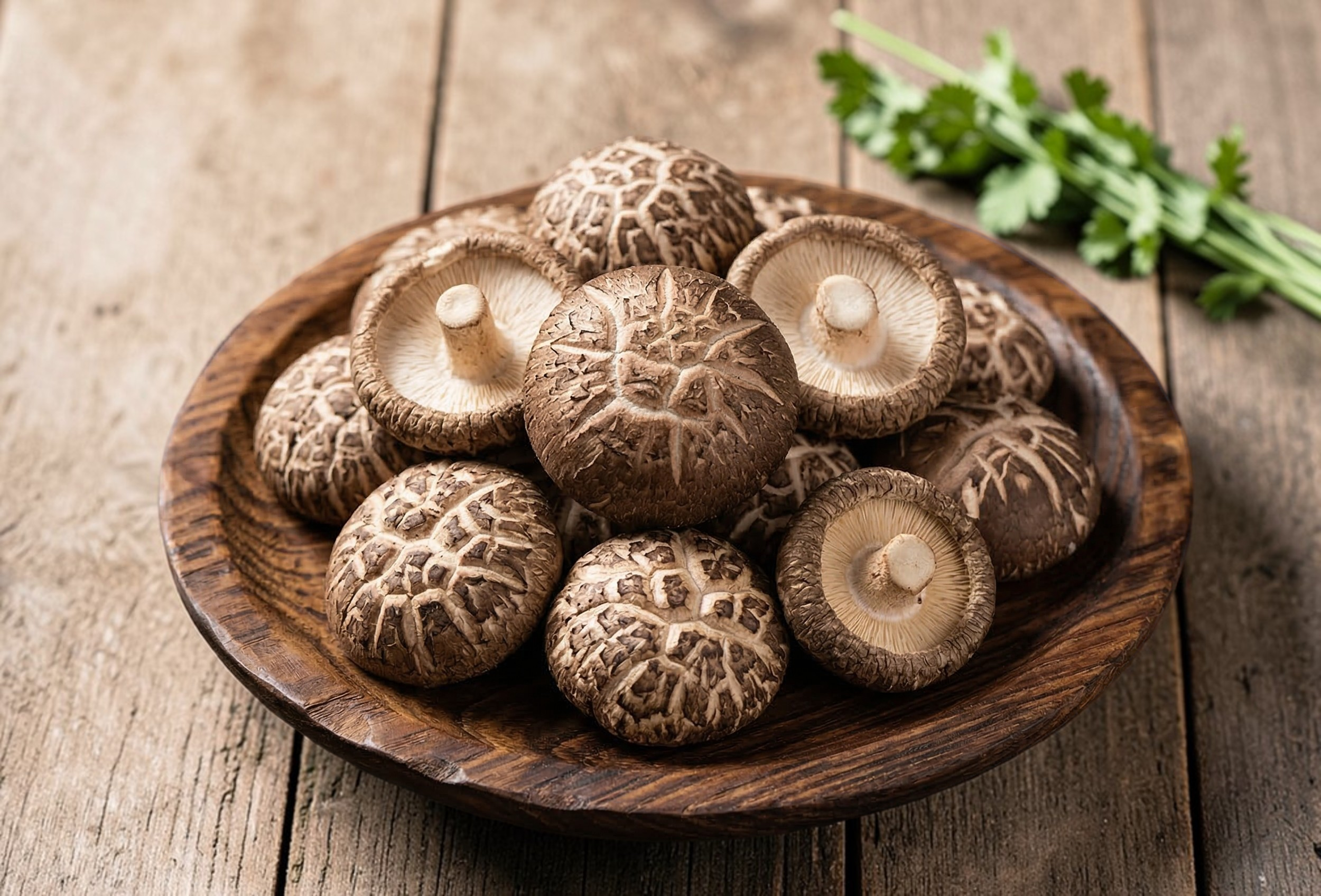
- Shiitake (Lentinula edodes): Good balance of chitin and other polysaccharides.
- Lion’s Mane (Hericium erinaceus): Contains special polysaccharides and moderate chitin.
Turkey Tail and Maitake are also popular for their immune benefits, each with slightly different chitin-betaglucan ratios. Some products blend several species for a broader effect.
4. Purity And Safety
Choose supplements tested for heavy metals, pesticides, and contaminants. Chitin from contaminated mushrooms can carry unwanted substances.
This is especially important if the mushrooms are wild-harvested or imported from areas with loose regulations. Pure, lab-tested supplements are usually safer and more effective.
5. Dosage And Form
Chitin works best in fragmented or partially hydrolyzed form. Look for powders, capsules, or extracts that mention “pre-digested” or “bioactive chitin.”
Liquid extracts can also be effective, as they often use advanced extraction to break down chitin into smaller, more active pieces. Follow dosage instructions carefully—more is not always better, and high doses may cause digestive upset.
6. Producer Transparency
Trustworthy brands share information about their extraction process and testing. Be wary of products with vague labels.
Check for third-party certifications, such as organic or non-GMO seals, and see if the company provides lab results on their website. Transparent companies are usually more reliable.
Table: Comparing Mushroom Supplement Features
This table compares three common supplement types for immune health:
| Product Type | Extraction | Chitin Content | Immune Benefits |
|---|---|---|---|
| Hot Water Extract | Hot water | Low | Beta-glucan focused |
| Dual Extract | Hot water + Alcohol | Moderate | Broader immune support |
| Enzymatic/Alkaline Extract | Enzyme/Alkaline | High | Strong chitin/beta-glucan synergy |
Non-obvious Insights For Beginners
Many beginners believe that any mushroom supplement will “boost” the immune system in the same way. But this is not true. Here are two important points most people miss:
- Chitin in raw mushrooms is mostly unavailable to the immune system, unless it is broken down or extracted. Just eating raw or lightly cooked mushrooms will not deliver the full immune benefits.
- Synergy is key: Chitin and beta-glucans often work better together than alone. Supplements that use advanced extraction methods can provide this synergy, leading to stronger and more balanced immune activation.
Another insight: the source of chitin matters. Chitin from crustaceans and insects is chemically similar, but mushroom chitin is less likely to cause allergies and is usually considered vegan. This makes mushroom-derived chitin a safer and more accessible choice for most people.
A second point: dosage and timing affect results. Chitin supplements are not “one size fits all.” For immune support, it is better to take smaller, regular doses rather than a large single dose. This keeps your immune system gently activated without overstimulation.

Credit: www.frontiersin.org
How To Maximize Chitin’s Benefits In Your Diet
If you want to get the most out of chitin in mushrooms, there are practical steps you can take.
Cooking Makes A Difference
Cooking mushrooms, especially with moist heat (like steaming or boiling), can soften the cell walls and make chitin slightly more available. However, most chitin still remains in large fragments, which your body cannot digest.
Sautéing or grilling mushrooms does not break down chitin much, but long simmering (as in soups or stews) can help release more bioactive compounds. Adding a splash of vinegar or lemon juice to the cooking water may also help break down cell walls, making nutrients more available.
Choose Extracts Over Whole Mushrooms For Immune Support
If your goal is immune activation, consider using mushroom extracts rather than whole mushrooms. Extracts are processed to break down cell walls, releasing chitin and beta-glucans in more bioactive forms.
A simple tip: try mixing extract powder into smoothies, tea, or soups. This can give you a steady daily dose of immune-supporting compounds. Always check for information on extraction and chitin content.
Combine With A Healthy Diet
Chitin’s interaction with the gut microbiome means it works best when you have a varied, plant-rich diet. Fiber from vegetables and fruits helps beneficial bacteria thrive, which in turn can help break down chitin.
For example, eating fermented foods like kimchi, sauerkraut, or yogurt can boost good bacteria that may help digest chitin. The combination of mushroom extracts and a plant-based diet supports both immune and gut health.
Watch For Allergic Reactions
Although rare, some people may be sensitive to chitin or chitosan. If you experience digestive upset, itching, or other allergic symptoms after taking mushroom extracts, stop use and consult a doctor.
People with severe shellfish allergies should be extra cautious, as cross-reactivity can occur, even though mushroom chitin is less allergenic.
The Future Of Chitin Research And Application
Scientists are only beginning to understand all the ways chitin can support health. New research areas include:
- Cancer therapy: Testing chitin as an adjuvant to make cancer immunotherapies more effective.
- Vaccine development: Using chitin particles to deliver vaccines and boost immune response.
- Gut health: Exploring how chitin shapes the gut microbiome and supports digestive health.
Researchers are also studying chitin for wound healing, as it can form a protective gel that speeds up recovery and lowers infection risk. In agriculture, chitin-based sprays may reduce pesticide use by making plants more resistant naturally.
Another exciting area is environmental sustainability. Chitin is biodegradable and renewable, so it could replace plastics in some packaging or medical products. As extraction technology improves, the cost of producing pure, bioactive chitin will go down, making it available for more uses.
As methods for extracting and purifying chitin improve, more targeted supplements and therapies will become available.

Credit: ecogenya.com
Frequently Asked Questions
What Is Chitin And Where Is It Found In Mushrooms?
Chitin is a natural polysaccharide that forms part of the mushroom cell wall. It provides strength and structure, much like cellulose does in plants. In mushrooms, chitin is closely linked with beta-glucans and other sugars, making the cell wall tough and resilient.
Can Eating Raw Mushrooms Provide Chitin’s Immune Benefits?
No, eating raw mushrooms does not deliver most of chitin’s immune-activating effects. Human digestion cannot break down the tough chitin structure, so it passes through the gut undigested. Extracted or fragmented chitin is needed for better immune activation.
How Does The Extraction Method Affect Chitin’s Bioactivity?
The extraction method determines chitin’s size, purity, and structure. Enzymatic and alkaline extractions usually produce smaller, more bioactive chitin fragments, which are better recognized by the immune system. Hot water extraction is less effective for chitin.
Are There Any Risks Or Side Effects From Chitin Supplements?
Chitin supplements are generally considered safe for most people. However, in rare cases, they may cause digestive upset or allergic reactions, especially in people with shellfish allergies. Always start with a low dose and monitor for any symptoms.
Where Can I Find More Scientific Information About Chitin And Mushroom Immune Activation?
For deeper reading, you can visit the Wikipedia page on Chitin, which provides links to scientific articles and references about its biology, extraction, and health effects.
Final Thoughts
Chitin is one of the unsung heroes of the mushroom world. When extracted properly, it can activate the immune system, balance inflammation, and even support gut health. But the key to unlocking these benefits is how chitin is extracted. Simply eating raw or lightly cooked mushrooms won’t provide the same effect as specialized extracts. If you are interested in immune health, look for mushroom products that use advanced extraction methods and list chitin content. As research advances, we may find even more uses for this fascinating molecule—both in health supplements and medical therapies. Choose wisely, and let mushrooms work their magic for your immune system.