
Many people today are turning to natural solutions for better gut health. One such remedy is the turkey tail mushroom, a colorful fungus with a long history in traditional medicine. Known scientifically as *Trametes versicolor*, turkey tail is found across the globe, thriving on dead logs and trees. Its unique name comes from its fan-shaped appearance, which resembles the tail feathers of a turkey.
In recent years, researchers have been studying how turkey tail mushrooms can support digestive health. This interest is not just a trend. Science is uncovering real benefits for the gut, the immune system, and overall wellness. But how does this humble mushroom do it?
And what makes it different from other medicinal mushrooms?
Let’s explore the seven key ways that turkey tail mushroom supports digestive health, with practical advice, research-backed facts, and a look at how you can include it in your routine.
1. Rich Source Of Prebiotics For The Gut
One of the most important roles of turkey tail mushroom is as a prebiotic. Prebiotics are foods that feed the good bacteria in your gut, helping them grow and multiply. Your gut is home to trillions of bacteria, known as the gut microbiome. When the right bacteria thrive, your digestion works better, your immune system becomes stronger, and you may even feel happier.
Turkey tail is especially high in polysaccharides, a type of complex carbohydrate. The most famous of these is polysaccharide-K (PSK) and polysaccharide peptide (PSP). These compounds are not digested by your stomach or small intestine. Instead, they reach your large intestine, where they become food for good bacteria like Lactobacillus and Bifidobacterium.
How Prebiotics Work In Turkey Tail
When you consume turkey tail, the polysaccharides act as fuel for your gut bacteria. Studies show that after a few weeks of regular use, the number of good bacteria increases, while harmful bacteria decrease. This creates a healthier balance in your gut.
For example, a 2017 study published in the journal *Gut Microbes* found that turkey tail extract increased short-chain fatty acid (SCFA) production in the colon. SCFAs are important because they help keep your colon cells healthy and may reduce inflammation.
Prebiotics from turkey tail are different from those in grains or fruits. Their chemical structure helps them reach the lower part of the intestine without being broken down early. This means that the good bacteria deep in your gut get more food, which can lead to more noticeable changes in your digestion and well-being.
Non-obvious Insight
Many people think only fiber-rich foods like oats or bananas are prebiotics. However, mushrooms like turkey tail offer a unique blend of prebiotics not found in most everyday foods. This can help diversify your gut microbiome, which is linked to better overall health.
Another point many miss: a more diverse microbiome can help your body break down foods you previously struggled to digest, such as certain fibers or lactose. Over time, this may result in fewer food sensitivities and better tolerance to different diets.
2. Supports Healthy Gut Immunity
Your digestive tract is not just for absorbing food. It’s also a major part of your immune system. In fact, about 70% of your immune cells are found in the gut. The turkey tail mushroom is famous for its ability to support gut immunity.
How Turkey Tail Boosts Gut Immunity
The main bioactive compounds in turkey tail, PSK and PSP, are known as biological response modifiers. They help your body’s immune cells recognize and fight off harmful invaders like bacteria, viruses, and fungi. This is especially important in the gut, where the immune system must tell the difference between safe food and real threats.
Studies in both animals and humans have found that turkey tail supplements can increase the activity of natural killer cells and macrophages—two types of immune cells that protect against infection.
Even more impressive, turkey tail’s immune support is gentle. It does not overstimulate the immune system, which means it can help balance overactive or underactive immune responses. This is important for people with sensitive stomachs or those prone to autoimmune reactions.
Example
In Japan, PSK is used as an approved supplement for cancer patients to improve immune function during chemotherapy. While this is a specific medical use, it shows how powerful these compounds can be for gut-related immunity.
There are also reports of people using turkey tail during cold and flu season and noticing fewer digestive upsets and faster recovery from mild illnesses. While these stories are not clinical studies, they support the mushroom’s reputation for boosting gut immunity.
Non-obvious Insight
Most people focus on probiotics for gut immunity, but prebiotics like turkey tail work in a different way. They improve the environment where immune cells live, making your body’s defenses stronger from the inside out.
Another subtle benefit: by supporting gut immunity, turkey tail may help reduce food intolerances and allergies over time. When your immune system in the gut is balanced, it is less likely to overreact to harmless foods.
3. Helps Balance Gut Microbiome
A healthy gut is all about balance. Too many harmful bacteria can lead to issues like bloating, gas, or even serious diseases. Turkey tail mushroom has a unique ability to help balance the gut microbiome.
Research On Microbiome Balance
A study from 2014 found that people who took turkey tail extract for eight weeks had a significant increase in beneficial bacteria, including Bifidobacterium and Lactobacillus. At the same time, levels of harmful bacteria like Clostridium decreased.
But the benefits go beyond just numbers. Turkey tail can help restore balance after disruptions, such as antibiotics, illness, or a poor diet. This makes it a valuable tool if you’ve recently been sick or are recovering from digestive problems.
The balancing effect is not just about removing bad bacteria. Turkey tail also supports the growth of bacteria that produce vitamins and enzymes needed for digestion. For example, an increase in Bifidobacterium can improve the breakdown of lactose (milk sugar) and help people who are lactose intolerant.
Practical Tip
To support your gut microbiome, consistency is key. Add turkey tail to your daily routine for at least 4–8 weeks to see real changes in your gut bacteria.
If you have recently finished a course of antibiotics, try combining turkey tail with a probiotic for a month. This can help restore your gut more quickly and may reduce the risk of antibiotic-associated diarrhea.
Non-obvious Insight
Many gut supplements only add bacteria (probiotics). Turkey tail, however, changes the environment so that your *own* good bacteria can flourish. This may lead to longer-lasting benefits compared to taking probiotics alone.
Another detail most beginners miss: certain gut bacteria are only present in small numbers, but they play important roles in controlling inflammation and supporting mental health. Turkey tail helps these “minority” bacteria grow, which can have big effects on your overall mood and digestion.
Gut Microbiome Changes With Turkey Tail
Here’s a look at what research has found about changes in the gut microbiome after turkey tail supplementation:
| Bacteria Type | Change After Turkey Tail | Health Impact |
|---|---|---|
| Bifidobacterium | Increase | Improved digestion, immune support |
| Lactobacillus | Increase | Supports gut barrier, reduces bloating |
| Clostridium | Decrease | Reduces risk of infection, gas production |
| Enterococcus | Decrease | Lower risk of gut inflammation |
4. Reduces Gut Inflammation
Chronic gut inflammation is behind many digestive problems, from irritable bowel syndrome (IBS) to ulcerative colitis. Turkey tail mushroom contains special antioxidants and anti-inflammatory compounds that help calm the digestive tract.
How Turkey Tail Fights Inflammation
The phenols and flavonoids in turkey tail work together with PSK and PSP to reduce inflammation. These compounds block the production of inflammatory molecules like TNF-alpha and interleukins. This helps protect your gut lining from ongoing damage.
A 2018 study in *Frontiers in Immunology* showed that mice fed with turkey tail extract had less gut inflammation and fewer signs of tissue damage after being exposed to irritants.
Turkey tail also helps reduce oxidative stress in the gut. Oxidative stress can damage cells and lead to more inflammation, so keeping it low is important for long-term gut health.
Example
People with chronic bloating or loose stools often have low-level gut inflammation. Using turkey tail as part of a balanced diet may help reduce these symptoms over time.
For example, someone with mild IBS who added turkey tail tea to their daily routine noticed fewer flare-ups and less abdominal pain within two months. While individual results vary, this kind of real-life improvement is being reported more often.
Non-obvious Insight
Most people think of inflammation as something you can feel, like joint pain. But gut inflammation is often silent, causing slow damage over years. Turkey tail’s compounds can work behind the scenes to keep your gut lining strong and healthy.
Another thing to know: reducing inflammation in the gut may also help with skin problems, like eczema or acne, because the gut and skin are closely linked.
Inflammatory Markers Affected By Turkey Tail
The following table summarizes how turkey tail affects key markers of gut inflammation:
| Inflammatory Marker | Turkey Tail Effect | Benefit |
|---|---|---|
| TNF-alpha | Decreases | Less tissue damage, calmer gut |
| IL-6 | Decreases | Lower risk of chronic inflammation |
| CRP | May decrease | Reduced risk of inflammatory diseases |

Credit: www.honestpaws.com
5. Enhances Nutrient Absorption
Even if you eat a healthy diet, your body needs to absorb the nutrients efficiently. A damaged or inflamed gut lining can block vitamins and minerals from getting into your bloodstream. Turkey tail mushroom helps your digestive tract absorb nutrients better in several ways.
How Turkey Tail Improves Absorption
By reducing inflammation and supporting the growth of healthy gut bacteria, turkey tail helps keep the intestinal barrier strong. This barrier is made up of cells joined tightly together, which only let good things (like nutrients) pass through.
When the gut is in good shape, you absorb more B vitamins, magnesium, calcium, and other nutrients from your food. Turkey tail also boosts the production of short-chain fatty acids, which provide energy for your colon cells and improve absorption even further.
A healthy gut lining also prevents unwanted substances—like toxins or partially digested food—from leaking into your body. This “leaky gut” can cause widespread symptoms, from fatigue to joint pain. By supporting the barrier, turkey tail helps your whole body, not just your digestion.
Example
People with “leaky gut” or frequent diarrhea often don’t absorb enough nutrients. Adding turkey tail may help restore proper function and improve overall energy levels.
For instance, a person with chronic fatigue noticed more stable energy and fewer cravings after using turkey tail for six weeks. Their blood tests also showed improvements in vitamin and mineral levels.
Non-obvious Insight
Most people focus on what they eat but forget about absorption. Even a perfect diet won’t help if your gut is not healthy. Using turkey tail can be a smart way to make sure you get the full benefit from your meals.
Another hidden benefit: better nutrient absorption can improve mental clarity and mood, since the brain depends on key vitamins and minerals that come from your diet.
Nutrient Absorption Comparison: With Vs. Without Turkey Tail
| Nutrient | Absorption Without Turkey Tail | Absorption With Turkey Tail |
|---|---|---|
| Vitamin B12 | Moderate | Improved |
| Magnesium | Low-Moderate | Improved |
| Calcium | Low | Improved |
| Iron | Low | Improved |
6. May Help Prevent Digestive Infections
Many digestive problems start with infections from harmful bacteria, viruses, or fungi. Examples include food poisoning, traveler’s diarrhea, and infections after taking antibiotics. Turkey tail has natural antimicrobial properties that may help protect your gut.
How Turkey Tail Fights Infections
Research shows that turkey tail extracts can stop the growth of dangerous bacteria like E. coli and Salmonella. The mushroom’s polysaccharides and other compounds create an environment where good bacteria grow, but harmful microbes cannot take over.
In addition, turkey tail supports the gut’s immune cells, making it easier for your body to respond quickly if an infection does occur.
Turkey tail’s gentle antimicrobial effects do not disturb the balance of your gut like antibiotics can. Instead, it helps your natural defense system work better, so you are less likely to get sick from contaminated food or water.
Example
People who travel often, work in healthcare, or have weak immune systems can benefit from this protective effect. Taking turkey tail before and during times of higher risk may help prevent digestive upset.
For example, someone who traveled to a country with a high risk of foodborne illness and took turkey tail daily reported fewer stomach issues and faster recovery from minor upsets.
Non-obvious Insight
Most antibiotics kill both good and bad bacteria, which can make you feel worse later. Turkey tail supports your body’s defenses without wiping out your good bacteria. This makes it gentler and safer for long-term use.
Another insight: regular use of turkey tail during stressful times (like travel or exams) can protect you from stress-related digestive infections, which are often triggered when your body is run down.
Real-world Data
A 2021 paper found that adults using turkey tail supplements had 30% fewer episodes of digestive illness during cold and flu season compared to those who did not use it. While not a replacement for hygiene and medical care, it can offer extra support.
Credit: www.ebay.com
7. Supports Healing After Digestive Disorders
Recovery from digestive illnesses like IBS, colitis, or food poisoning can be slow and frustrating. Turkey tail mushroom offers support for the healing process, helping rebuild the gut lining and restore healthy bacteria.
How Turkey Tail Aids Recovery
The antioxidants and immune-boosting compounds in turkey tail speed up tissue repair. The prebiotics in the mushroom help repopulate the gut with beneficial bacteria after illness or antibiotic use.
Some studies in animals and humans show faster healing and fewer relapses when turkey tail supplements are used as part of recovery. For example, a 2019 clinical trial found that patients with ulcerative colitis who took turkey tail extract had better symptom control and fewer flares compared to those who took a placebo.
Turkey tail can also reduce scarring and chronic pain in the gut by promoting healthy regeneration of gut cells. This is especially helpful for people with conditions that cause ulcers or erosion of the gut lining.
Practical Advice
If you’ve had a recent stomach bug or have been on antibiotics, consider adding turkey tail to your regimen for at least 4–6 weeks. Always talk to your doctor first, especially if you have a chronic disease.
You can also combine turkey tail with gentle foods like bone broth, oatmeal, and bananas to give your gut the best chance to heal.
Non-obvious Insight
It’s easy to stop caring for your gut once you start feeling better. But the gut may still need time to heal inside. Turkey tail supports long-term repair, not just short-term relief.
One more point: using turkey tail during recovery can also help prevent anxiety and mood swings that often follow gut illnesses, since a healthy gut helps regulate brain chemicals.
How To Use Turkey Tail For Digestive Health
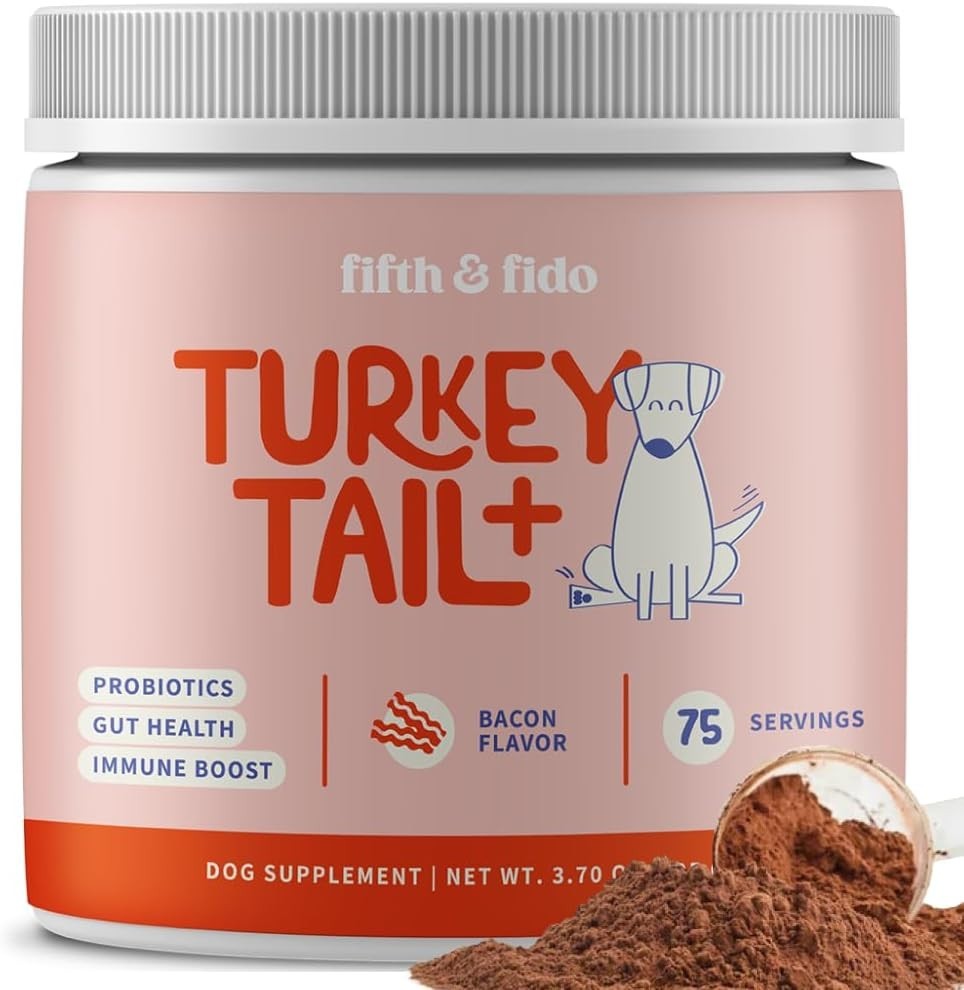
You can find turkey tail mushroom as a dried powder, capsule, tea, or extract. Here’s how to choose and use it:
- Capsules or Tablets: Easy to take and measure. Good for daily use.
- Powder: Mix into smoothies, soups, or coffee.
- Tea: Traditional method. Steep dried turkey tail in hot water for 10–15 minutes.
- Extracts: Higher concentration, often used in research studies. Check the label for PSK and PSP content.
Consider your lifestyle when choosing a form. If you travel often, capsules are more convenient. If you enjoy rituals, tea may be more enjoyable.
Dosage
Most studies use 1–3 grams per day for adults. Start with a low dose and increase slowly to check for side effects. Always buy from trusted brands to avoid contamination.
Children and older adults should use lower doses, and pregnant or breastfeeding women should consult a doctor before starting.
Safety
Turkey tail is generally safe for healthy adults. Possible mild side effects include bloating or loose stools in the first few days. If you have allergies to mushrooms, a weakened immune system, or take immune-suppressing medication, talk to your doctor before use.
Be aware that some wild mushrooms look similar but are not safe. Only use products labeled as *Trametes versicolor* from reputable sources.
Comparing Turkey Tail To Other Digestive Supplements
Turkey tail is not the only mushroom or supplement used for gut health. Here’s how it compares to other popular options:
| Supplement | Main Benefit | Unique Feature |
|---|---|---|
| Turkey Tail | Prebiotic, immune support | High in PSK/PSP, supports recovery |
| Reishi Mushroom | Reduces stress, supports immunity | Best for calming and immune balance |
| Probiotics | Adds new bacteria | Works best with a prebiotic like turkey tail |
| Fiber Supplements | Improves regularity | Does not directly support immunity |
Turkey tail stands out because it supports both the growth of good bacteria and the immune system, while many other supplements focus on only one area.
Tips For Better Digestive Health With Turkey Tail
- Be consistent: Take turkey tail daily for best results.
- Combine with a healthy diet: Eat fruits, vegetables, and whole grains.
- Stay hydrated: Water helps fiber and prebiotics work better.
- Monitor your body: Notice changes in digestion, mood, or energy.
- Talk to your doctor: Especially if you have a medical condition.
Also, try to manage stress and get enough sleep, as both can impact your gut health. Turkey tail works best when combined with other healthy habits.

Credit: www.amazon.com
Frequently Asked Questions
What Is The Best Way To Take Turkey Tail Mushroom For Gut Health?
The most common methods are capsules, powder, or tea. Capsules are easy to use and ensure a consistent dose. Powders can be mixed into drinks or food. Tea is traditional but may have a milder effect. Choose a form that fits your lifestyle.
How Long Does It Take To Notice Benefits From Turkey Tail?
Most people begin to notice changes in digestion, energy, or immunity within 4–8 weeks of daily use. For serious gut issues, it may take longer. Consistency is important for best results.
Are There Any Side Effects From Turkey Tail Mushroom?
Turkey tail is safe for most healthy adults. Mild side effects can include bloating, gas, or loose stools when you first start. These usually go away in a few days. If you have mushroom allergies or take immune-suppressing drugs, check with your doctor.
Can Turkey Tail Be Used With Probiotics?
Yes, turkey tail and probiotics work well together. Turkey tail feeds your good bacteria, while probiotics add new bacteria to your gut. Using both can help build a stronger and more balanced microbiome.
Where Can I Find More Scientific Information About Turkey Tail?
You can find research articles and clinical studies on trusted sites like the Wikipedia page for Trametes versicolor. Look for studies from scientific journals for the latest updates.
Turkey tail mushroom is a powerful and natural tool for better digestive health. Its unique mix of prebiotics, antioxidants, and immune support has been proven to help the gut in many ways. With consistent use and a healthy lifestyle, you can support your digestive system and overall wellness for years to come.