
Many people hear about the turkey tail mushroom and wonder why it’s so popular in health and wellness circles. With its colorful, fan-shaped appearance and a long history in traditional medicine, this mushroom is grabbing attention for its possible health benefits. But with all the excitement comes a lot of questions. Is it safe? What does science say? How do you even use it? If you’re curious about turkey tail mushrooms, you’re not alone.
In this article, we’ll explore the 12 most frequently asked questions about turkey tail mushrooms. Each question is answered in detail, giving you clear, practical information—whether you’re completely new or have tried a supplement or two. You’ll also find tables comparing turkey tail to other mushrooms, practical usage tips, and answers to the smaller questions that beginners often forget to ask. By the end, you’ll have a full understanding of turkey tail mushrooms: what they are, why people use them, and what to look out for.
1. What Is Turkey Tail Mushroom?
The turkey tail mushroom is a type of fungus known scientifically as Trametes versicolor. It grows naturally on dead logs and tree stumps, especially in forests around the world. The name “turkey tail” comes from its colorful, banded appearance—think of the tail feathers of a wild turkey, with layers of brown, orange, white, and blue.
Turkey tail is a polypore mushroom, which means it has tiny pores underneath instead of gills. This structure helps it release spores to reproduce. People have used turkey tail mushrooms in traditional Chinese and Japanese medicine for hundreds of years, mainly to support the immune system and boost general health.
Unlike some edible mushrooms, turkey tail is not usually eaten fresh because it’s tough and chewy. Instead, it’s dried and used to make teas, powders, or extracts. The mushroom is especially famous for its high levels of polysaccharides, which are complex sugars believed to help with immunity.
An interesting point: Even though turkey tail is common in the wild, not every look-alike is safe. Some similar mushrooms may not have the same properties, so only use turkey tail products from reliable sources.
2. What Are The Health Benefits Of Turkey Tail Mushroom?
People turn to turkey tail mushrooms for many possible health benefits, often based on both traditional use and modern research. The most discussed benefits include:
- Immune system support: Turkey tail contains compounds like polysaccharide-K (PSK) and polysaccharide peptide (PSP), which may help the body’s immune cells work better.
- Antioxidant activity: The mushroom is rich in antioxidants, which fight free radicals and may reduce damage to cells.
- Gut health: Some studies suggest turkey tail can act as a prebiotic, feeding the good bacteria in your gut.
- Support during cancer treatment: In Japan, PSK extracted from turkey tail is used alongside chemotherapy. It may help reduce side effects and improve survival rates for some cancers.
However, most research on turkey tail is still early-stage or comes from animal studies. Human trials are promising but not conclusive. For example, a review in the journal *Global Advances in Health and Medicine* found that turkey tail may help boost immune function in cancer patients, but more studies are needed.
Two non-obvious insights:
- Not all health benefits come from eating the mushroom directly. Most positive effects are linked to concentrated extracts, not just dried or powdered forms.
- Benefits can vary greatly by product quality. Low-grade supplements may not contain enough active compounds to make a difference.
Anyone considering turkey tail for health reasons should talk to a healthcare provider, especially if they have a health condition or take other medicines.
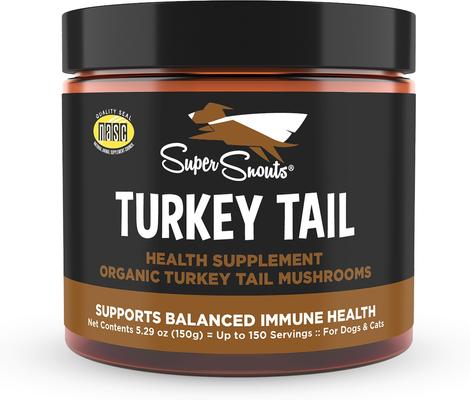
Credit: www.chewy.com
3. How Do You Use Turkey Tail Mushroom?
There are several ways to use turkey tail mushroom, depending on your needs and preferences:
- Tea: The dried mushroom is simmered in water for 1-2 hours to make a strong, earthy tea. This traditional method is common in Asia.
- Powder: Turkey tail can be ground into a fine powder and added to smoothies, soups, or coffee.
- Extracts and capsules: These are the most popular forms in the West. Extracts are concentrated and may deliver higher amounts of active compounds.
- Tinctures: Liquid extracts, often made with alcohol or glycerin, are taken with a dropper.
A practical tip: If you want the strongest immune support, look for dual-extract products. These use both water and alcohol to pull out different beneficial compounds.
Most people start with a small amount, such as 1-2 grams of powder or a single capsule per day, then adjust based on how they feel. Since the taste is woody and sometimes bitter, mixing the powder with strong flavors like cocoa or coffee can help.
One mistake beginners make is using too much at once, thinking more is better. Start slow to see how your body reacts.
4. Is Turkey Tail Mushroom Safe?
When taken in moderate amounts, turkey tail mushroom is considered safe for most people. It has been used for centuries in traditional medicine, and even in modern clinics (especially in Japan). However, safety can depend on several factors:
- Product quality: Mushrooms can absorb heavy metals or pesticides from their environment. Always choose products tested for contaminants.
- Dosage: High doses may cause digestive issues, such as bloating or diarrhea.
- Allergies: Some people are sensitive to mushrooms in general.
People with autoimmune diseases or those taking immune-suppressing drugs should be careful. Since turkey tail can stimulate the immune system, it might not be suitable for everyone.
Pregnant or breastfeeding women should avoid turkey tail unless advised by a doctor, since there isn’t enough research on safety for these groups.
A key insight: Some supplements may mix turkey tail with other mushrooms. Read the label to be sure you’re getting what you want.
5. What Active Compounds Are In Turkey Tail Mushroom?
The health effects of turkey tail mushroom come mainly from its unique mix of bioactive compounds. The most important ones are:
- Polysaccharide-K (PSK): Also called Krestin, PSK is a protein-bound sugar that supports immune function. It’s widely used in Japan as a medicine.
- Polysaccharide peptide (PSP): Similar to PSK, PSP is studied for immune-boosting effects, especially in China.
- Beta-glucans: These are complex sugars that activate immune cells and may help the body fight infections.
- Antioxidants: Turkey tail contains phenols and flavonoids, which protect cells from oxidative stress.
- Prebiotics: Certain fibers in turkey tail can feed beneficial gut bacteria.
Here’s a simple comparison of the key compounds in turkey tail versus two other popular medicinal mushrooms:
| Mushroom | Main Active Compounds | Primary Health Focus |
|---|---|---|
| Turkey Tail | PSK, PSP, beta-glucans, antioxidants | Immunity, gut health, antioxidants |
| Reishi | Triterpenes, beta-glucans | Stress relief, immunity, sleep |
| Lion’s Mane | Hericenones, erinacines, beta-glucans | Brain health, nerve growth, immunity |
Not all products list their active compound content, but reputable brands provide lab results or certificates of analysis.
6. Can Turkey Tail Mushroom Help With Cancer?
This is one of the most common and important questions about turkey tail mushroom. Research shows that compounds from turkey tail, especially PSK, may support cancer therapy—but it’s crucial to understand the details.
In Japan, PSK is an approved cancer treatment used alongside chemotherapy for stomach, colon, and other cancers. Studies have found that patients taking PSK often have better survival rates and fewer side effects from chemotherapy. For example, a study published in *Cancer Immunology and Immunotherapy* found that colorectal cancer patients who took PSK had improved survival compared to those who did not.
In China, PSP is also used as part of cancer care. Both PSK and PSP are believed to work by boosting the body’s immune response, helping it fight cancer cells more effectively.
However, these benefits are mainly linked to concentrated extracts, not the whole mushroom or low-dose powders. And while results are promising, turkey tail is not a cure on its own—it should only be used with medical guidance.
Non-obvious insight: Some online claims about turkey tail “curing” cancer are exaggerated or misleading. The real value is as a supportive therapy, not a replacement for standard treatment.
If you or someone you know is considering turkey tail during cancer treatment, discuss it with an oncologist first.

Credit: doublewoodsupplements.com
7. What Are The Side Effects Of Turkey Tail Mushroom?
Most people tolerate turkey tail mushroom well, especially at standard doses. However, like any supplement, there can be side effects:
- Digestive discomfort: Mild bloating, gas, or loose stools are the most common issues, especially at higher doses.
- Dark-colored stools: Some people notice their stool gets darker when taking turkey tail powder.
- Skin rash: Rarely, allergic reactions like itching or rash can occur.
If you experience ongoing digestive upset or any unusual symptoms, stop using the mushroom and consult a doctor.
A practical tip: Drink plenty of water when starting turkey tail supplements, as the fiber content can upset sensitive stomachs.
Children, pregnant or breastfeeding women, and people with mushroom allergies should avoid turkey tail unless a doctor says it’s okay.
8. How Does Turkey Tail Compare To Other Medicinal Mushrooms?
Turkey tail is just one of many mushrooms used for health. How does it stack up against others like reishi, chaga, or lion’s mane? Here’s a direct comparison:
| Mushroom | Main Benefit | Popular Use | Possible Side Effects |
|---|---|---|---|
| Turkey Tail | Immune support, gut health, antioxidant | Immune booster, cancer support | Mild digestive issues |
| Reishi | Calm, stress relief, immune balance | Sleep, relaxation, immunity | Dry mouth, dizziness |
| Chaga | Antioxidant, anti-inflammatory | Skin health, immune boost | Kidney stress (rare) |
| Lion’s Mane | Brain health, nerve growth | Cognitive support, focus | Stomach upset (rare) |
Turkey tail stands out for its immune-stimulating compounds (PSK, PSP) and its potential role in cancer care. Reishi is more about stress and sleep, while lion’s mane is famous for mental focus. Chaga is used for antioxidants and skin.
A mistake many make: thinking all medicinal mushrooms do the same thing. Each has unique properties, so choose based on your main health goals.
9. How Do You Identify Real Turkey Tail Mushroom Products?
With so many supplements on the market, it’s important to know you’re getting real turkey tail mushroom—not a fake or low-quality product. Here’s what to check:
- Latin name: The product should list Trametes versicolor.
- Third-party testing: Look for lab results or certificates showing the product is free from heavy metals, pesticides, and contaminants.
- Clear labeling: The label should say if it’s an extract, powder, or blend, and what part of the mushroom is used (fruiting body is best).
- Beta-glucan content: Good products list beta-glucan percentages, which show active compound levels.
Here’s a summary of what to look for:
| Feature | Why It Matters | What to Look For |
|---|---|---|
| Latin Name | Confirms the species | Trametes versicolor |
| Testing | Ensures safety | Third-party lab results |
| Fruiting Body | Contains most active compounds | “100% fruiting body” on label |
| Beta-glucan % | Shows immune benefits | 15% or higher is good |
| No Fillers | Maximizes potency | No added starch or grains |
A non-obvious insight: Some low-quality products use mostly mycelium (the root-like part grown on grain) instead of the real mushroom. Mycelium has less beta-glucan and may contain grain fillers.
10. How Much Turkey Tail Mushroom Should You Take?
The right dose of turkey tail mushroom depends on your health goal, the product form, and your body’s response. There is no official standard dose, but common guidelines are:
- Powder: 1–3 grams per day (about 1/2 to 1 teaspoon)
- Extract/capsule: 500–1000 mg, once or twice daily
- Tea: 1–2 cups per day, using 3–5 grams dried mushroom per cup
Start at the lower end and increase if you tolerate it well. For cancer support, higher doses of PSK are used in clinical settings, but only under doctor supervision.
Two important points:
- More is not always better. High doses can upset your stomach or waste money if your body can’t use all the compounds.
- Consistency matters. Taking a moderate dose every day works better than large, random amounts.
If you have a medical condition or take other medicines, check with your healthcare provider before starting any new mushroom supplement.

Credit: harmonicarts.ca
11. Can You Find Turkey Tail Mushroom In The Wild?
Yes, you can find turkey tail mushrooms in forests around the world, especially on decaying hardwood logs and stumps. They grow in clusters and are easiest to spot in the fall or after rain.
Key features for identification:
- Colorful bands: Brown, tan, white, blue, or orange stripes.
- Fan-shaped caps: Each mushroom looks like a little fan or turkey tail.
- Velvety surface: The top feels soft, almost like suede.
- White pore surface: The underside is white or pale, with tiny pores (not gills).
However, turkey tail has several look-alikes, such as false turkey tail (Stereum ostrea), which lacks the white pore surface. Misidentifying mushrooms can be dangerous—never eat wild mushrooms unless you’re experienced or have expert help.
If you want to forage for turkey tail, bring a guidebook or attend a mushroom identification workshop. When in doubt, buy from a trusted supplier.
12. Are There Any Drug Interactions With Turkey Tail Mushroom?
Turkey tail mushroom is mostly safe, but it can interact with some medicines. The most important points:
- Immune-suppressing drugs: Since turkey tail can boost immune activity, it may reduce the effect of drugs used for organ transplants or autoimmune diseases.
- Chemotherapy: Some research suggests turkey tail may help with chemotherapy side effects, but it could also change how some drugs are absorbed. Always check with your oncologist.
- Blood thinners: There’s limited evidence, but mushrooms may affect how your blood clots.
Non-obvious insight: Even though turkey tail is “natural,” its active compounds can be strong. Treat it with the same respect as other supplements or medicines.
If you take prescription drugs, especially for immune system or cancer, talk to your healthcare provider before using turkey tail.
Frequently Asked Questions
What Is The Best Way To Take Turkey Tail Mushroom For Beginners?
For most beginners, starting with a capsule or powder from a trusted brand is easiest. Capsules are convenient and avoid the strong taste. Powders can be mixed into smoothies or coffee. Begin with a low dose (like 500 mg or 1 gram) and increase slowly if you don’t notice any side effects.
Can Turkey Tail Mushroom Help With Colds Or Flu?
Turkey tail is often used to support the immune system, which may help your body handle colds or the flu better. While there’s no proof it cures these infections, some people find they get sick less often or recover faster when taking immune-supportive mushrooms. More research is needed for strong evidence.
Is Turkey Tail Mushroom Vegan And Gluten-free?
Yes, pure turkey tail mushroom products are naturally vegan and gluten-free. However, always check for added ingredients or fillers. Some capsules or powders may use grain-based fillers, which could add gluten.
How Long Does It Take To Feel The Effects Of Turkey Tail Mushroom?
Some people notice changes in energy or digestion within a week, but immune benefits may take several weeks of daily use. Results vary by person, product quality, and health status. For specific medical goals (like cancer support), effects are usually studied over months.
Where Can I Read More Scientific Research About Turkey Tail Mushroom?
A great place to start is the Wikipedia page on Trametes versicolor. This resource lists scientific studies, references, and links to clinical research, helping you explore the evidence behind turkey tail mushroom.
Turkey tail mushroom is an exciting part of modern wellness and traditional medicine. While it offers many potential benefits, the most important thing is to use it wisely: choose quality products, start small, and ask your doctor if you have any health concerns. With the right approach, turkey tail can be a valuable addition to your health routine.