
Seasonal allergies can feel overwhelming. Sneezing, watery eyes, itchy throat—these symptoms can make everyday life uncomfortable and tiring. Many people reach for over-the-counter antihistamines to find relief. But what if nature has its own solution? Recently, the mushroom known as Chaga has attracted attention for its potential to help with seasonal allergies by calming the body’s histamine response.
The idea of using mushrooms for health is not new, but only now are researchers and health-conscious individuals exploring how Chaga could support the immune system during allergy season. This article will explain how Chaga works, why it might help with allergies, and what science says about its effects on histamine.
You’ll discover practical advice, real examples, and what to watch for if you consider adding Chaga to your wellness routine.
Understanding Seasonal Allergies And Histamine
Before looking at Chaga, it’s important to understand what causes seasonal allergies. Every spring, summer, or fall, pollen from trees, grass, and weeds fills the air. For some people, the body sees these tiny grains as invaders. The immune system responds by releasing chemicals, especially histamine.
Histamine is a natural chemical in your body. It helps protect against infections. But in people with allergies, histamine is released too much, too fast. This is what causes sneezing, congestion, itchy eyes, and other allergy symptoms. The more histamine released, the worse the symptoms.
Most allergy medicines are antihistamines. They block the effect of histamine, so symptoms go down. But these drugs can cause side effects, like drowsiness or dry mouth. Many people are searching for natural ways to control histamine, and Chaga has become one option.
Some people don’t realize that histamine isn’t just involved in allergies—it also plays a role in digestion, sleep, and even mental focus. If histamine is always high, you might feel tired, have trouble sleeping, or notice headaches. That’s why controlling histamine in allergy season can improve your overall well-being, not just your sneezing.
Another detail often missed is that allergy symptoms can change with age or location. Moving to a new city, for example, can expose you to new pollens and trigger allergies even if you never had them before. Understanding how your body reacts to different environments will help you take better control of your allergies.
What Is Chaga?
Chaga (Inonotus obliquus) is a type of fungus that grows mainly on birch trees in cold climates, such as Siberia, Canada, and Northern Europe. It looks like a lump of burnt charcoal, but inside, it contains a golden-brown mass rich in nutrients and compounds.
For centuries, people in Russia and Scandinavia have used Chaga as a traditional medicine. They believed it could boost health, fight infection, and reduce inflammation. Today, scientists are beginning to study Chaga to understand its real benefits.
Some of the key compounds in Chaga include:
- Beta-glucans: Special fibers that can support the immune system.
- Polysaccharides: Complex sugars with possible anti-inflammatory effects.
- Antioxidants: Like melanin, which may protect cells from damage.
- Triterpenes: Plant compounds that may help reduce swelling and irritation.
Chaga is usually made into a tea, powder, or supplement.
What makes Chaga unique among medicinal mushrooms is its very high antioxidant content. Some experts say it has one of the highest ORAC (Oxygen Radical Absorbance Capacity) scores of any natural food. This means it’s especially good at neutralizing free radicals, which can damage cells and worsen allergic inflammation.
Another interesting fact is that Chaga’s main growth partner is the birch tree. The tree’s compounds, such as betulin and betulinic acid, are absorbed by the mushroom and transformed into bioactive substances. This relationship may be part of why Chaga is so powerful as a natural remedy.

Credit: www.pethonesty.com
How Chaga May Help With Seasonal Allergies
You may wonder, “How can a mushroom help with allergies? ” The answer lies in how Chaga interacts with the immune system and histamine release.
Modulating The Immune System
Chaga is known as an immunomodulator. This means it helps balance the immune system—not too strong, not too weak. In allergies, the immune system overreacts to things that are not truly dangerous (like pollen). Chaga’s compounds may help calm this overreaction.
Some research shows that Chaga extracts can increase the activity of certain immune cells, like macrophages and natural killer (NK) cells, which fight off real threats but may also lower the release of inflammatory molecules during allergic reactions.
It’s important to know that immune modulation is different from simply boosting the immune system. Boosting can make allergies worse, but modulation means helping your body find balance. Some people with allergies have immune systems that are “hyper-alert” and react to harmless things.
Chaga may encourage the immune system to respond normally, rather than overreact.
A useful tip: If you often catch colds or infections during allergy season, you might benefit from immunomodulation. Chaga could help your body defend itself against both allergens and germs, supporting you on two fronts.
Reducing Inflammation
Allergy symptoms are partly caused by inflammation. When you sneeze or your eyes water, that’s inflammation in action. Chaga is rich in antioxidants and anti-inflammatory compounds. These may help reduce swelling, redness, and irritation in the nose, throat, and eyes.
One study found that Chaga extracts reduced markers of inflammation in animal tissues. This suggests that Chaga does more than just block histamine—it addresses the root causes of allergy discomfort. For example, if you have a stuffy nose from pollen, Chaga may help open your airways by calming the tissues inside your nose.
People sometimes overlook that inflammation from allergies can also make you feel tired or foggy. By reducing this background inflammation, Chaga may help you feel more clear-headed and energetic during allergy season.
Blocking Histamine Release
This is where Chaga becomes especially interesting for allergy sufferers. Histamine is released by cells called mast cells. Some early studies suggest Chaga may help stop mast cells from releasing too much histamine. This could mean fewer allergy symptoms without the side effects of antihistamine drugs.
In one laboratory study, Chaga extract reduced histamine release by more than 40% in certain cell cultures. While this doesn’t guarantee the same effect in humans, it’s a promising sign that Chaga works at the source of allergy symptoms.
A practical insight: If you notice that your allergy symptoms are worse after eating certain foods (like aged cheese or wine), you may be sensitive to histamine in your diet. Chaga’s effect on histamine could help with these food-related reactions, not just pollen allergies.
Supporting Overall Health
People with allergies often have higher levels of oxidative stress. This means their cells are under attack from unstable molecules called free radicals. Chaga’s antioxidants may help protect the body, making it easier to recover from allergic reactions.
Some allergy sufferers also deal with skin problems, like eczema or hives. There are reports that Chaga’s antioxidants can help soothe irritated skin, though more research is needed. If you notice your skin flares up during allergy season, Chaga might offer additional support beyond respiratory symptoms.
Finally, Chaga supports overall wellness by providing trace minerals (like zinc and copper) that are important for immune health. Getting these nutrients from natural sources may help your body cope with seasonal stress.
What Does The Science Say?
Many people want to know if there is real scientific evidence for Chaga’s effects on allergies. While much of the research is new and still ongoing, here’s what we know so far.
Animal Studies
Some animal studies have shown that Chaga extracts can reduce allergic reactions. For example, a 2015 study found that mice given Chaga extract had less swelling and redness after being exposed to allergens. Researchers believe this is due to Chaga’s ability to lower inflammatory chemicals, including histamine.
Another animal study from South Korea found that mice with artificially triggered allergies had reduced symptoms after taking Chaga. The researchers saw lower levels of IgE, an antibody involved in allergic reactions, and less tissue swelling. This suggests that Chaga might help with both the immediate symptoms and the long-term immune response.
Cellular Studies
In laboratory experiments, Chaga compounds were able to block the release of histamine from mast cells. This means Chaga could prevent the chain reaction that leads to sneezing and other allergy symptoms.
Other studies on cell cultures have found that Chaga extracts can lower the production of cytokines—chemical messengers that trigger inflammation. By blocking these signals, Chaga may help prevent the buildup of mucus and the swelling that makes allergies so uncomfortable.
Human Research
There are fewer human studies, but some people report feeling better when using Chaga during allergy season. More clinical trials are needed to say for sure how strong these effects are in humans.
A small pilot study from Eastern Europe looked at people with chronic inflammation and found that Chaga supplements lowered their inflammatory markers after several weeks. While not focused on allergies, the results support the idea that Chaga can calm the immune system in real people, not just in the lab.
Comparing Chaga To Other Allergy Remedies
Many natural remedies are used for allergies. How does Chaga compare? The following table shows a side-by-side look at Chaga and some common options.
| Remedy | Main Benefit | Common Side Effects | Evidence Level |
|---|---|---|---|
| Chaga Mushroom | Balances immunity, lowers histamine | Rare; mild digestive upset | Early, promising |
| Quercetin | Natural antihistamine | Possible headaches, tingling | Moderate |
| Butterbur | Reduces nasal symptoms | Rare; may contain toxins | Good |
| Antihistamine Drugs | Blocks histamine | Drowsiness, dry mouth | High |
Chaga stands out for its low risk of side effects and its potential to support the immune system, not just block symptoms.
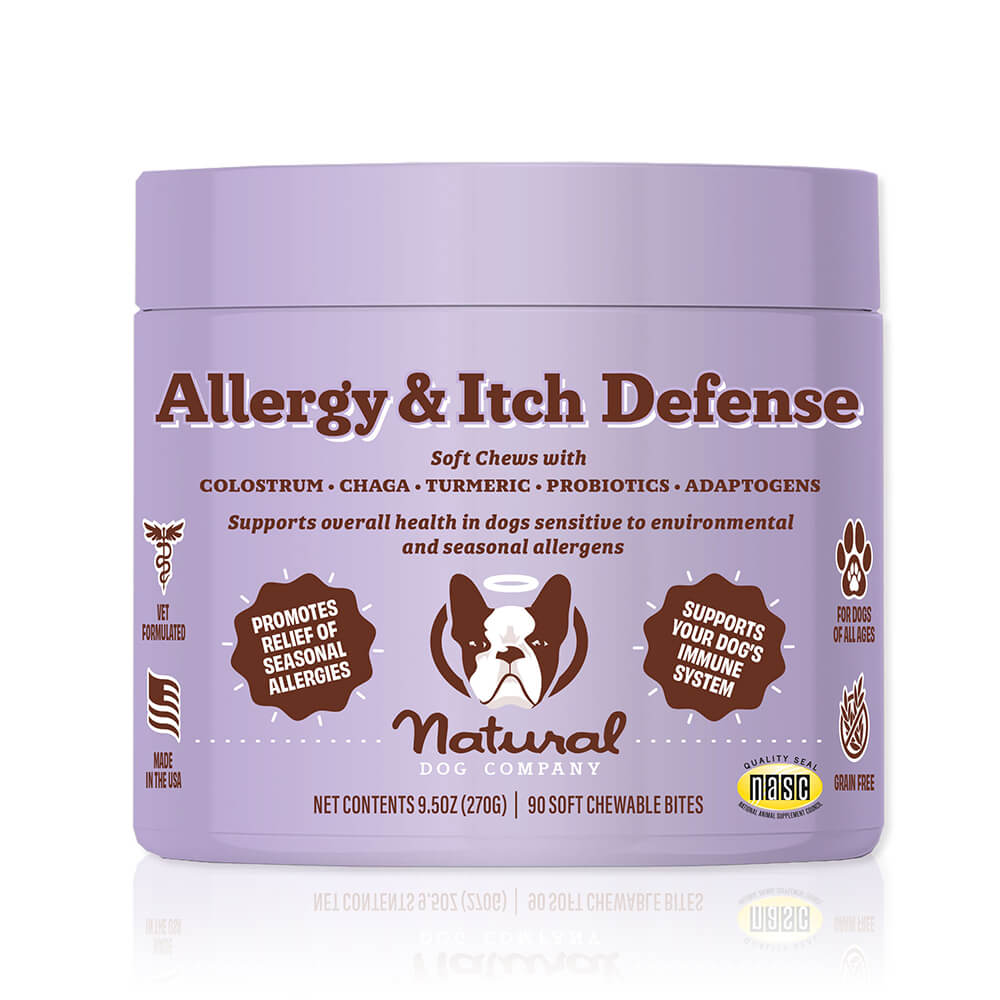
Credit: naturaldog.com
How To Use Chaga For Seasonal Allergies
If you’re interested in trying Chaga, it’s important to use it safely and effectively. Here’s what you need to know.
Forms Of Chaga
Chaga is available in several forms:
- Chaga tea: Made by steeping dried Chaga chunks or powder in hot water.
- Powder: Added to smoothies, juices, or recipes.
- Capsules/tablets: Easy to take, with measured doses.
- Extracts/tinctures: Concentrated liquid forms.
Each form has its benefits. Tea is gentle and easy to make at home. Capsules are convenient for people on the go.
A less common but growing trend is the use of Chaga “coffee,” which blends Chaga powder with regular coffee for a milder, less jittery beverage. This can be a good option for people who want to reduce their caffeine but still enjoy a hot drink.
It’s also possible to add Chaga powder to soups, oatmeal, or energy bars. This is a creative way to get your daily dose, especially if you don’t enjoy tea.
Dosage Guidelines
There is no official recommended dose for Chaga, as research is still ongoing. However, most supplements suggest:
- Tea: 1-2 cups per day
- Powder: 1-2 grams daily
- Capsules: As directed (often 500-1000 mg, 1-2 times daily)
- Extract: Follow product instructions
It’s best to start with a small amount and see how your body reacts.
For best results, use Chaga consistently. If you skip days, you may not notice any benefits. Some people find that dividing their dose (morning and evening) is easier on the stomach and keeps their energy balanced throughout the day.
When To Start Taking Chaga
For seasonal allergies, begin using Chaga a few weeks before your allergy season starts. This gives your body time to build up its defenses. Continue through the peak pollen months for best results.
If you have year-round allergies, such as to dust or pet dander, taking Chaga regularly (with breaks every few months) may help maintain a steady immune balance.
Combining Chaga With Other Remedies
Chaga can be used with other natural supplements, like quercetin or vitamin C, but always talk to a healthcare provider before mixing remedies. Some people find that combining Chaga with a healthy lifestyle (good sleep, low stress, clean diet) works best for lowering allergy symptoms.
A lesser-known tip: Taking Chaga with vitamin C may help your body absorb its antioxidants better. Fresh lemon in your Chaga tea is not just for taste—it could boost the health benefits.
How Chaga Is Prepared And Consumed
Let’s look at a quick guide to preparing Chaga tea, the most popular method:
- Use 1-2 teaspoons of dried Chaga chunks or powder.
- Add to 2 cups of water.
- Simmer gently for 20-30 minutes (do not boil hard).
- Strain and drink. You can add honey or lemon for taste.
Some people use slow cookers to make larger batches. Chaga tea has a mild, earthy taste.
For even more benefit, you can simmer Chaga with other anti-allergy herbs, like nettle or ginger. This creates a blend that targets different aspects of allergy discomfort.
Safety And Side Effects
Chaga is considered safe for most people when used in moderate amounts. However, there are a few things to watch for:
- Digestive upset: Some people notice mild stomach pain or bloating.
- Interactions with medication: Chaga can affect blood sugar and blood-thinning drugs. If you take medication, talk to your doctor first.
- Allergies: Rarely, people may be allergic to mushrooms, including Chaga.
Pregnant or breastfeeding women and people with autoimmune diseases should avoid Chaga unless advised by a doctor.
A subtle risk: Because Chaga can lower blood sugar, people with diabetes need to monitor their levels carefully. Always check your numbers if you add Chaga to your routine.
Who Should Not Use Chaga?
- People with bleeding disorders
- Those on anticoagulant medication (blood thinners)
- People with autoimmune diseases (Chaga may stimulate the immune system)
- Anyone with a mushroom allergy
If you have any doubt, check with a qualified health professional.
Another thing to consider: If you are collecting wild Chaga, make sure it’s from a clean area, far from roads or pollution. Mushrooms absorb toxins from the environment, and contaminated Chaga can do more harm than good.
Real-world Experiences
Many people have added Chaga to their routine and noticed changes in their allergy symptoms. For example, Anna, a teacher from Finland, started drinking Chaga tea daily before spring. She noticed less sneezing and less need for allergy medicine. Another user, Mike from Canada, found that Chaga helped with itchy eyes and gave him more energy during pollen season.
These are personal experiences, not scientific proof. But they show how Chaga is being used in real life.
Others have shared that they feel fewer “brain fog” symptoms and less sinus pressure when taking Chaga daily. Some people with mild asthma also report easier breathing, though this is not a replacement for asthma medication.
It’s important to track your own results. Keep a diary for a few weeks, noting your symptoms and how you feel after adding Chaga. This helps you decide if it’s working for you.
What Beginners Often Miss About Chaga For Allergies
If you’re just starting with Chaga, here are two important things many people overlook:
- Chaga works best as a long-term support, not a quick fix. If you expect instant relief like with a drug, you may be disappointed. Chaga helps balance your immune system over time, so consistency matters.
- The quality of Chaga products varies widely. Many store-bought Chaga supplements are low in active compounds. Always choose Chaga from trusted brands, ideally wild-harvested from clean environments.
It’s also easy to forget that Chaga is just one part of managing allergies. It works best with a healthy lifestyle and other good habits.
Another insight: Some people take very high doses, thinking it will work faster. But more is not always better. High doses can cause stomach upset or interact with medications. Start small, be patient, and let your body adjust.
Comparing Chaga With Standard Antihistamines
Many people ask how Chaga stacks up against common allergy drugs. Here’s a simple comparison:
| Feature | Chaga | Antihistamines |
|---|---|---|
| Works on immune balance? | Yes | No |
| Blocks histamine directly? | Indirectly | Yes |
| Acts quickly? | No (needs time) | Yes (within hours) |
| Common side effects | Rare, mild | Drowsiness, dry mouth |
| Can be used long-term? | Yes | With caution |
The main takeaway: Chaga is not a replacement for emergency allergy medicine, but it may help reduce the need for drugs over time.
One more point: If you rely on antihistamines every day and still have strong symptoms, adding Chaga might help lower the amount you need, or help you feel better overall.
The Role Of Diet And Lifestyle
Chaga is only one part of the allergy puzzle. You’ll get the best results if you also pay attention to your diet and lifestyle.
- Eat more fruits and vegetables: These provide vitamin C and antioxidants that help calm inflammation.
- Reduce processed foods: These can make inflammation worse.
- Get enough sleep: Rest helps your body recover and lowers stress hormones.
- Stay hydrated: Water helps thin mucus and flushes out allergens.
- Clean your home regularly: Less dust and pollen means fewer triggers.
Combining these habits with Chaga can make a real difference.
A lesser-known tip: Probiotics (good bacteria) from fermented foods can support gut health, which is closely linked to immune balance. Some research suggests that improving gut health can lessen allergy symptoms. Pairing Chaga with yogurt, kefir, or sauerkraut could be more effective than Chaga alone.
How To Choose A Good Chaga Supplement
Not all Chaga products are equal. Here’s what to look for:
- Source: Wild-harvested Chaga from clean forests is best. Avoid products from polluted areas.
- Testing: Look for brands that test for heavy metals and contaminants.
- Extraction method: Dual-extracted (water and alcohol) Chaga has more active compounds.
- No fillers: Pure Chaga, no added starch or rice flour.
Check reviews, ask questions, and buy from trusted companies.
It’s also smart to look for products with a certificate of analysis (COA). This document shows the product was tested by a third party for purity and strength. Many good brands will share this on their website.
Practical Tips For Adding Chaga To Your Routine
- Start slow: Begin with a small amount and increase over a week.
- Take with food: This can help prevent stomach upset.
- Keep a journal: Write down your allergy symptoms and how you feel each day.
- Stay consistent: Use Chaga daily for at least one month to see results.
- Don’t rely only on Chaga: Use other allergy prevention methods too.
If you have trouble remembering to take supplements, set a reminder on your phone or pair Chaga tea with your breakfast or evening routine.
For families, try making a large batch of Chaga tea and keeping it in the refrigerator. Drink it cold or warm it up as needed—this makes it easy to stay consistent.
When To See A Doctor
Chaga is not a replacement for medical care. If you have severe allergies or asthma, always follow your doctor’s advice. Seek emergency help if you have trouble breathing, swelling, or a severe reaction.
If you want to try Chaga, talk to your healthcare provider, especially if you have other health conditions or take medication.
Remember, some allergy symptoms (like chest tightness or wheezing) can be serious. Never wait too long to get help if you feel worse.
Latest Research And Future Directions
Chaga is becoming more popular, and researchers are paying attention. Studies are looking at how Chaga’s compounds affect inflammation, histamine, and immune cells.
One promising area is how Chaga’s beta-glucans may help retrain the immune system to react less strongly to allergens. Another is Chaga’s effect on gut health, which can also influence allergies.
Some scientists are also exploring how Chaga’s antioxidants might protect the lining of the nose and airways, making it harder for pollen and other allergens to trigger a reaction. If future studies confirm these effects, Chaga could become a mainstay of natural allergy care.
Researchers agree more human studies are needed. However, Chaga’s long history of safe use in traditional medicine makes it an appealing option for many people.
If you want to learn more about Chaga’s health effects, you can check resources like this scientific review.

Credit: www.petco.com
Frequently Asked Questions
What Is The Best Way To Take Chaga For Allergies?
Most people find that Chaga tea or dual-extracted Chaga supplements are effective. Tea is gentle and easy to make at home. Supplements offer convenience and a consistent dose. Choose the method that fits your lifestyle and make sure the product is high quality.
If you prefer something quick, look for liquid extracts you can add to water or juice. Always follow the dose on the label, and check the source of the Chaga.
How Long Does It Take For Chaga To Work For Allergies?
Chaga is not a fast-acting remedy. It may take several weeks of daily use to notice changes in allergy symptoms. Chaga works by supporting your immune system, so be patient and consistent for best results.
Some people notice subtle changes, like less fatigue or fewer headaches, before their sneezing improves. Track your symptoms so you can see progress over time.
Can I Use Chaga With My Regular Allergy Medicine?
In most cases, yes. Chaga can often be used with regular antihistamines or other allergy treatments. However, always check with your doctor or pharmacist, especially if you take prescription drugs, to avoid any interactions.
If you’re taking other immune-boosting supplements, ask your doctor to make sure you’re not over-stimulating your immune system.
Are There Any Side Effects Of Using Chaga?
Chaga is safe for most people, but some may experience mild digestive upset or allergic reactions. People with mushroom allergies, bleeding disorders, or those taking blood thinners should avoid Chaga or consult a doctor first.
If you feel nauseous, dizzy, or notice unusual bruising, stop taking Chaga and contact your healthcare provider.
Is Chaga Safe For Children Or Pregnant Women?
There is not enough research to recommend Chaga for children, pregnant, or breastfeeding women. It’s best to avoid Chaga in these groups unless a healthcare professional says it’s safe.
Chaga is a promising, natural way to help calm the histamine response and reduce seasonal allergy symptoms. Used wisely, it can be a gentle addition to your wellness routine. Always choose quality products, pay attention to your body, and get professional advice when needed. With the right approach, you may find the allergy season becomes much easier to manage.