Menopause is a natural part of life, but it often brings unpleasant symptoms. Many women experience hot flashes, mood swings, and sleep problems during this time. While hormone therapy works for some, others look for natural ways to manage these changes. One remedy that is gaining attention is the reishi mushroom. This powerful mushroom has been used in Asian medicine for centuries, and now, science is starting to explore its possible benefits for menopause.
If you are looking for safe, effective ways to manage menopause symptoms, you might be curious about reishi. This article will give you a complete guide—covering how reishi works, what the research shows, and how it may help with hot flashes, mood, and sleep. You’ll also find practical advice, comparison tables, and answers to the most common questions. By the end, you’ll have a clear understanding of how reishi could fit into your menopause journey and what steps to take if you want to try it.
What Is Reishi Mushroom?
Reishi mushroom, known as Ganoderma lucidum, is a fungus that grows on hardwood trees. In China, it’s called Lingzhi, and it’s been used in traditional medicine for over 2,000 years. The mushroom has a shiny, reddish-brown cap and a tough texture, so it’s usually dried and used in teas, capsules, or extracts.
The main active compounds in reishi are triterpenes, polysaccharides, and peptidoglycans. These give the mushroom its immune-boosting and anti-inflammatory properties. Reishi is sometimes called the “mushroom of immortality” because of its long history in promoting health and longevity.
Reishi has a bitter taste and woody texture, so it is not usually eaten like other mushrooms. Instead, people dry it and use it in powders, teas, or supplements. Traditional healers believe reishi can bring balance to the body and mind, helping with stress, fatigue, and general health.
Some even see it as a symbol of spiritual power and renewal.
In modern times, reishi is grown commercially, often on sawdust or logs. This makes it easier for people around the world to access its benefits. Today, you can find reishi products in health food stores, pharmacies, and online shops. The global popularity of reishi continues to grow, especially as more people look for natural, plant-based solutions to health problems.
What makes reishi different from other mushrooms? Unlike common edible mushrooms like shiitake or button mushrooms, reishi is valued mainly for its medicinal effects rather than its taste. The unique combination of compounds in reishi is what gives it such a strong reputation in traditional and alternative medicine.
Menopause Symptoms: Why They Happen
Menopause marks the end of a woman’s menstrual cycles. It’s diagnosed after 12 months without a period, usually between ages 45 and 55. The main cause is a drop in estrogen and progesterone. This hormonal change affects the whole body, leading to symptoms like:
- Hot flashes (sudden feelings of heat)
- Night sweats
- Mood changes (irritability, anxiety, depression)
- Sleep problems
- Fatigue
- Joint pain
- Vaginal dryness
Some symptoms, like hot flashes and sleep trouble, can be severe and last for several years. While menopause is a normal process, its effects can lower quality of life.
The drop in estrogen and progesterone does not just affect the reproductive system. These hormones also play a role in brain function, bone strength, skin health, and the cardiovascular system. That’s why menopause can cause such a wide range of symptoms, from physical discomfort to emotional changes.
For example, hot flashes happen because the drop in estrogen confuses the body’s temperature control center in the brain. Mood swings can occur because estrogen helps regulate neurotransmitters like serotonin. Sleep problems may be caused by both hormonal changes and anxiety about these new experiences.
Not every woman has the same symptoms or the same severity. Genetics, lifestyle, and overall health all play a role in how menopause is experienced. Some women may have only mild discomfort, while others may find daily life disrupted by multiple symptoms.
One less obvious effect of menopause is the increased risk for conditions like osteoporosis (weak bones) and heart disease. Without estrogen’s protective effect, bones lose density faster, and cholesterol levels may rise. This means that managing menopause symptoms is about more than just comfort—it’s also about long-term health.
How Reishi Mushroom May Help Menopause Symptoms
Balancing Hormones
Reishi does not contain hormones, but it may affect the body’s own hormone system. Some studies suggest that triterpenes in reishi can help balance the body’s stress response and may support more stable hormone levels.
For example, when the body is under stress, it produces cortisol and other stress hormones. High stress can make menopause symptoms worse, especially hot flashes and mood swings. By helping the body handle stress better, reishi may indirectly support healthier hormone balance.
Research on animals has shown that reishi can influence the hypothalamic-pituitary-adrenal (HPA) axis, which is a key part of hormone regulation in the body. While there are not many large studies in humans yet, these findings suggest that reishi could be useful for keeping hormones more stable during menopause.
Reducing Inflammation
Many menopause symptoms are linked to increased inflammation. Reishi contains anti-inflammatory compounds that may help reduce swelling and discomfort.
Inflammation is the body’s response to injury or stress, but chronic inflammation can make menopause symptoms worse. For example, joint pain and fatigue are often linked to inflammation. The polysaccharides and triterpenes in reishi have been shown to reduce markers of inflammation in both animal and human studies.
Some women notice that joint stiffness or body aches are less intense after adding reishi to their routine. While it’s not a painkiller, the anti-inflammatory effect can help improve comfort and mobility, especially as the body adjusts to lower estrogen levels.
Supporting The Nervous System
Mood swings and sleep problems often start in the brain. Reishi’s polysaccharides and triterpenes may help calm the nervous system, making it easier to relax and sleep.
The nervous system is sensitive to hormonal changes, and menopause can lead to feelings of anxiety, irritability, or sadness. Reishi appears to support neurotransmitters like GABA, which help the mind relax and reduce overstimulation. Some people also report feeling less “wired” or on edge when taking reishi regularly.
This calming effect does not cause drowsiness or sedation, making reishi a gentle support for both day and night. It can help the mind feel steadier, which is especially helpful during emotional ups and downs.
Boosting Immunity
During menopause, women may be more vulnerable to illness due to hormonal changes. Reishi is famous for its immune-boosting effects, which may help protect overall health during this stage.
Estrogen helps keep the immune system strong, so as levels drop, some women notice they catch colds or infections more easily. Reishi’s polysaccharides are known to activate immune cells, helping the body defend against viruses, bacteria, and other threats.
Some research suggests that reishi can also help balance the immune system, lowering the risk of autoimmune reactions. This is useful because menopause can sometimes trigger or worsen autoimmune issues.
Non-obvious Insights
- Many people overlook the connection between stress, immunity, and menopause. By supporting the body’s stress system and the immune response at the same time, reishi offers a two-pronged benefit.
- Reishi works best as part of a bigger lifestyle approach. Pairing it with regular exercise, good sleep habits, and a balanced diet can help maximize its effects on menopause symptoms.
Reishi For Hot Flashes
Hot flashes are one of the most common and bothersome menopause symptoms. They cause sudden waves of heat, sweating, and sometimes rapid heartbeat.
Hot flashes can strike any time, but they often happen at night (called night sweats). They can last from a few seconds to several minutes, and the intensity varies greatly. Some women have just a few mild episodes, while others are woken up many times each night, leading to poor sleep and daytime fatigue.
How Reishi Might Help
Some research suggests that reishi’s adaptogenic properties help the body cope with stress, which can trigger hot flashes. When the body is less stressed, hot flashes may become less frequent or less intense. In animal studies, reishi reduced temperature spikes caused by stress.
Adaptogens are natural substances that help the body adjust to physical or emotional stress. Reishi is considered one of the most reliable adaptogens in traditional medicine. By supporting the adrenal glands and improving how the body handles stress, reishi can help break the cycle where stress leads to hot flashes, which then cause more stress.
In addition, reishi’s calming effect on the nervous system may help control the sudden blood vessel changes that cause hot flashes. This is especially useful for women who find that their hot flashes are triggered by anxiety or emotional changes.
Scientific Evidence
- A small study in the journal Menopause (2014) found that women taking a reishi supplement reported fewer hot flashes after 8 weeks compared to a placebo group.
- Another study in 2017 using a blend of reishi and other herbs showed a 30% reduction in hot flash frequency among menopausal women.
While these results are promising, more large-scale human studies are needed to confirm the effects.
It’s important to note that most studies so far have small sample sizes or use reishi as part of a blend. This means the exact benefit of reishi alone is not fully known. Still, the consistent trend is that women using reishi experience less severe hot flashes, especially when they use it daily over several weeks.
Practical Tips
- Consistency is key. Most studies suggest benefits after 4-8 weeks of daily use.
- Keeping a hot flash diary can help track improvements.
- Try to note what triggers your hot flashes (stress, spicy food, caffeine) and see if reishi helps reduce these triggers’ effects.
- Combine reishi with other lifestyle changes, like wearing light clothing and using fans at night, for best results.
Non-obvious Insight
It’s common for women to expect results within a few days, but reishi often works gradually. The improvement may be subtle at first, such as shorter or less intense hot flashes, before you notice a big difference in frequency.

Credit: mydailydefense.com
Reishi For Mood Swings And Mental Health
Menopause can bring emotional ups and downs, including anxiety, irritability, and even depression. Hormone changes affect neurotransmitters like serotonin and dopamine, which control mood.
Mood swings can be frustrating and sometimes frightening. Many women say they feel “not like themselves,” or become more sensitive to stress, noise, or changes in routine. These feelings can impact work, relationships, and daily life.
Reishi’s Effects On Mood
Reishi’s compounds appear to have a calming effect on the brain. In animal studies, it increased the activity of GABA (gamma-aminobutyric acid), a neurotransmitter that helps the mind relax. Human studies are limited, but some women report feeling calmer and less anxious after taking reishi.
GABA acts as the brain’s natural “brake pedal,” slowing down racing thoughts and helping the body relax. By supporting GABA, reishi can help take the edge off anxiety and irritability. This is especially valuable for women whose mood swings seem to come out of nowhere.
Some women also notice that reishi helps with “brain fog”—a common complaint during menopause where thinking feels slower or less clear. While research is still early, this may be related to reishi’s ability to reduce inflammation and support blood flow in the brain.
Data And Insights
- A study published in 2012 found that cancer patients using reishi had lower anxiety and better mood compared to those on placebo.
- Another trial reported that people taking reishi extract scored better on mental health questionnaires after 8 weeks.
- In a survey of women using reishi for menopause, most reported a sense of greater emotional stability, even if their mood swings did not disappear completely.
Reishi may not replace therapy or medication, but it can be a useful part of a wellness plan.
Non-obvious Insights
- Many people miss that reishi works slowly. Unlike quick fixes, it often takes weeks to notice mood changes.
- Some women find that reishi helps reduce the intensity of mood swings, even if it doesn’t stop them completely.
- Reishi can also help with stress resilience, making it easier to bounce back from emotional setbacks.
Practical Tips
- If mood swings are severe, combine reishi with other supports, like mindfulness, counseling, or regular exercise.
- Keep a mood journal to see if you notice changes in how you handle stress or emotional triggers after starting reishi.
Reishi For Sleep Problems
Insomnia is a common issue during menopause. Falling asleep and staying asleep can become difficult, partly due to night sweats and anxiety.
Poor sleep affects everything—energy, mood, memory, and even the immune system. Many women find that sleep problems are one of the hardest symptoms to manage, especially when night sweats wake them several times a night.
How Reishi Supports Sleep
Reishi has long been used as a natural sleep aid in Asia. Its calming effect on the nervous system helps the body shift into a relaxed state. Some compounds in reishi may also increase the time spent in deep, restorative sleep.
Unlike sleeping pills, reishi does not knock you out or cause next-day grogginess. Instead, it gently supports the body’s natural sleep rhythms. Some users report falling asleep more easily, while others notice fewer nighttime awakenings.
Reishi may also help lower nighttime anxiety and reduce the impact of racing thoughts, which can keep many women awake during menopause.
What The Research Shows
- A 2015 animal study found reishi extract lengthened sleep time and improved sleep quality.
- In a small human trial, adults who took reishi extract for 4 weeks reported falling asleep faster and waking up less often during the night.
- In a survey of regular reishi users, many reported that their sleep became deeper and more refreshing, with less tossing and turning.
Here’s a comparison of how reishi stacks up against other popular natural sleep aids:
| Natural Sleep Aid | Main Benefit | Time to Notice Effect | Side Effects |
|---|---|---|---|
| Reishi Mushroom | Calms nerves, deepens sleep | 2-4 weeks | Rare (mild stomach upset) |
| Melatonin | Regulates sleep cycle | Within days | Drowsiness, vivid dreams |
| Valerian Root | Helps fall asleep | 1-2 weeks | Headache, dizziness |
Practical Sleep Tips
- Take reishi 1-2 hours before bedtime for best results.
- Create a calming bedtime routine to support natural sleep.
- Avoid caffeine and screens late at night, as these can make sleep problems worse.
- Keep your bedroom cool and dark to reduce the chance of night sweats.
Non-obvious Insight
Some women find their sleep improves even if their hot flashes do not go away completely. This suggests that reishi may help with sleep quality in more than one way—not just by reducing night sweats, but also by calming the mind.
Other Menopause-related Benefits Of Reishi
While hot flashes, mood, and sleep are the main focus, reishi may help with other menopause symptoms too.
Boosting Energy And Reducing Fatigue
Fatigue is common during menopause. Reishi may help increase energy levels by improving oxygen use and reducing oxidative stress.
Many women say they feel more “balanced” or have more stamina during the day after starting reishi. This may be because reishi helps cells use energy more efficiently and supports recovery from stress.
Supporting Heart Health
Menopause raises the risk of heart disease. Some studies suggest that reishi can help lower blood pressure and cholesterol.
The triterpenes in reishi have a relaxing effect on blood vessels, helping to improve circulation. Early research shows that reishi may help reduce LDL (“bad”) cholesterol and improve overall heart function.
Protecting Bones
Estrogen loss can weaken bones. Early research in animals hints that reishi may help support bone density, though more human studies are needed.
Reishi contains antioxidants that may help slow bone loss and reduce the risk of osteoporosis. This is especially important for women in the years after menopause, when bone loss speeds up.
Supporting Skin Health
Some women notice dry, thin skin during menopause. Reishi’s antioxidants and anti-inflammatory compounds may help protect the skin and keep it looking healthier.
Non-obvious Insight
Reishi’s broad benefits mean that women often notice improvements in areas they didn’t expect, like fewer headaches, better digestion, or less sensitivity to allergies.
How To Use Reishi Mushroom
Reishi is available in several forms. Here’s a quick comparison:
| Form | How to Use | Typical Dose | Absorption |
|---|---|---|---|
| Capsules/Tablets | Swallow with water | 500-1500 mg/day | Good |
| Powder | Mix into drinks/food | 1-3 grams/day | Good |
| Extract/Tincture | Add drops to liquid | 1-2 mL/day | Excellent |
| Tea | Steep dried slices | 1-2 cups/day | Fair |
Choosing Quality Reishi
- Look for products that are certified organic and tested for heavy metals.
- Extracts with high levels of beta-glucans are often the most effective.
- Avoid products that do not list the amount of active compounds.
- Read labels carefully—some products use only reishi mycelium (the root), which may be less potent than fruiting body extracts.
- Choose brands that provide third-party lab testing for purity and potency.
Dosage Tips
- Start with a low dose and increase slowly to check for side effects.
- Most people use reishi for at least 4 weeks before seeing results.
- Take reishi with food if you have a sensitive stomach.
- If you use reishi powder, mix it into smoothies, coffee, or soup to mask the bitter flavor.
Non-obvious Insight
Some people find they need less reishi over time, as their body becomes more balanced. If you notice strong effects, you may be able to lower your dose after a month or two.
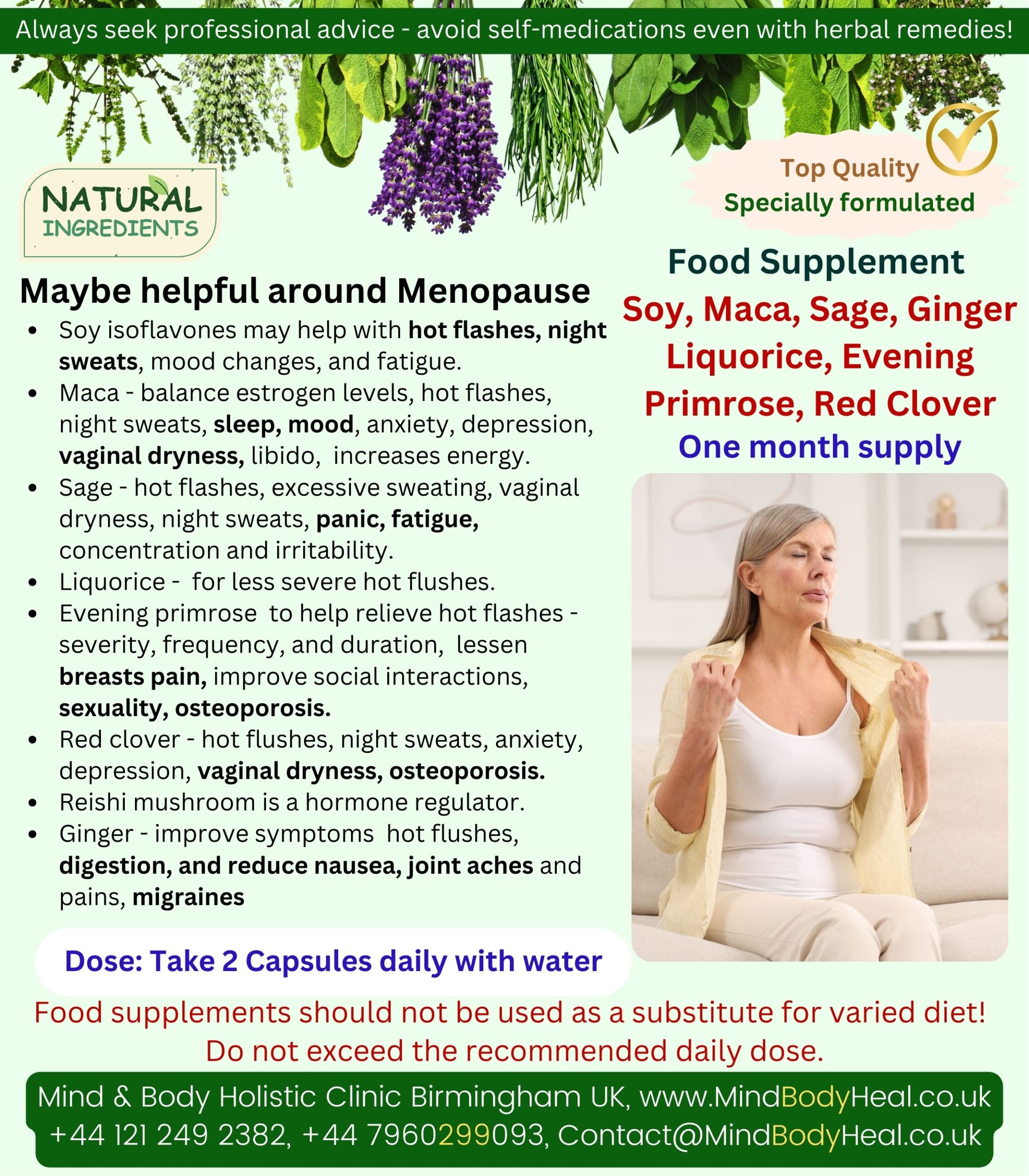
Credit: mindbodyheal.co.uk
Safety And Side Effects
Reishi is considered very safe for most people when used as directed. However, some may experience:
- Mild stomach upset
- Dry mouth
- Dizziness
Rarely, high doses over long periods can affect the liver. People with bleeding disorders, those taking blood thinners, or pregnant women should talk to a doctor before using reishi.
Interactions
Reishi can interact with some medications, especially:
- Blood thinners (like warfarin)
- Blood pressure drugs
- Immunosuppressant drugs
Always check with a healthcare provider if you are on medication.
Tips For Safe Use
- Take breaks (such as a week off every 2-3 months) if using reishi long-term.
- Monitor for any unusual symptoms and report them to your doctor.
- Do not exceed recommended doses unless advised by a healthcare professional.
Non-obvious Insight
While allergic reactions to reishi are very rare, they can happen. If you have mushroom allergies, start with a very small amount or consult your doctor first.
Comparing Reishi To Other Menopause Remedies
Many women try herbal remedies for menopause. Here’s how reishi compares:
| Remedy | Main Benefit | Evidence Level | Common Side Effects |
|---|---|---|---|
| Reishi Mushroom | Hot flashes, mood, sleep | Moderate | Rare |
| Black Cohosh | Hot flashes | Moderate | Stomach upset |
| Red Clover | Hot flashes | Low-Moderate | Headache |
| Soy Isoflavones | Hot flashes, bone health | Moderate | Bloating |
| Evening Primrose Oil | Mood, hot flashes | Low | Nausea |
| Hormone Therapy | All symptoms | High | Blood clots, cancer risk |
Non-obvious Insights
- Reishi offers a wider range of benefits (hot flashes, mood, sleep) compared to most other herbs that usually target one symptom.
- It is less likely to cause side effects than hormone therapy or some herbal supplements.
- Some remedies, like black cohosh, may be unsafe for women with liver problems or certain cancers. Reishi is generally safer for long-term use.

Credit: www.amazon.com
What Science Still Doesn’t Know
While there is growing evidence for reishi’s benefits, some questions remain:
- Most studies use small groups or combine reishi with other herbs, making it hard to know its exact effects.
- The best dose and long-term safety for menopausal women are not fully established.
- Not all reishi products are equal in quality or potency.
Scientists are working to understand which compounds in reishi are most helpful, and how they interact with the body’s hormone system. As research grows, we will learn more about the best ways to use reishi for menopause.
If you want the most up-to-date research, check medical resources like the National Institutes of Health.
Non-obvious Insight
Some women find that reishi works better in combination with other gentle herbs (like ashwagandha or holy basil), but always discuss combinations with your healthcare provider.
Practical Steps To Get Started
If you want to try reishi for menopause symptoms:
- Talk to your doctor, especially if you take medication or have health issues.
- Choose a high-quality supplement from a trusted brand.
- Start with a low dose and increase slowly.
- Use reishi consistently for at least 4-8 weeks to see effects.
- Track your symptoms in a journal.
- Combine reishi with healthy habits: Regular exercise, balanced meals, and stress management.
- If you notice any side effects, reduce your dose or stop and consult a doctor.
Non-obvious Tip
Setting a reminder on your phone or calendar can help you remember to take reishi daily, which is important for seeing results.
Frequently Asked Questions
What Is The Best Way To Take Reishi For Menopause Symptoms?
Capsules and extracts are the most popular and convenient forms. Extracts usually have higher concentrations of active compounds. Tea is traditional but may not be as strong. Choose a method that fits your lifestyle and stick with it daily.
If you dislike swallowing pills, powders or tinctures can be added to your morning coffee or smoothie. The key is regular, consistent use.
How Long Does It Take For Reishi Mushroom To Work?
Most people notice changes in 4 to 8 weeks of regular use. Effects on mood and sleep may be noticed sooner than for hot flashes. Consistency is important for best results.
Small improvements may appear in the first few weeks, but full benefits often take one to two months.
Can I Take Reishi With Hormone Therapy?
Generally, reishi is safe to use with hormone therapy. However, because it can interact with blood thinners and other medications, always check with your doctor before combining treatments.
Are There Any Risks For Long-term Use?
Reishi is safe for most healthy adults, even with long-term use. Rarely, high doses can affect the liver, so it’s important not to exceed recommended amounts. Take regular breaks if using for extended periods.
Will Reishi Mushroom Stop Hot Flashes Completely?
Reishi can reduce the frequency and intensity of hot flashes, but it may not stop them entirely. It works best as part of a healthy lifestyle that includes stress management, good sleep habits, and balanced nutrition.
Does Reishi Help With Menopause Weight Gain?
Reishi is not a weight loss supplement, but by improving sleep, mood, and energy, it may help you stay active and avoid stress eating. Some studies suggest that reducing inflammation can support a healthy metabolism.
Can I Use Reishi If I Have Allergies?
If you have allergies to mushrooms, consult your doctor before using reishi. Start with a tiny amount to test for reactions.
Is It Safe To Use Reishi With Other Herbs?
Generally, yes, but always check with a healthcare provider to avoid unwanted interactions, especially if you are taking prescription medication.
Menopause can be a challenging time, but you do not have to go through it alone or without support. Natural options like reishi mushroom offer gentle, broad support for hot flashes, mood, and sleep. By understanding the science and using reishi wisely, you can take an active role in managing your symptoms and improving your well-being. Always work with your healthcare provider to find the best approach for your unique needs.