
Lion’s Mane for ADHD: Can This Mushroom Improve Focus and Attention?
When it comes to attention-deficit/hyperactivity disorder (ADHD), many people are looking for ways to manage symptoms like poor focus, impulsivity, and restlessness. While medications such as stimulants are common, there is growing interest in natural approaches. One option gaining attention is the Lion’s Mane mushroom. Some say it can help with mental clarity and focus, but is this really true? Let’s look deeply at Lion’s Mane, what science says, how it might work for ADHD, and what you need to know before trying it.
What Is Lion’s Mane Mushroom?
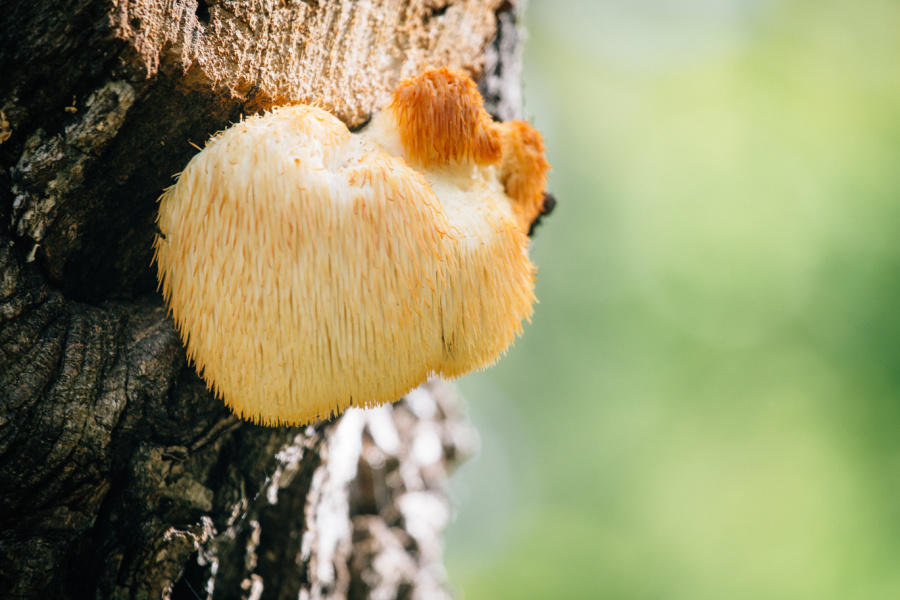
Lion’s Mane (Hericium erinaceus) is a type of edible fungus that grows on hardwood trees. It is easy to recognize because of its long, white, shaggy spines that look like a lion’s mane. In Asia, Lion’s Mane has been used for centuries, not only as food but also in traditional medicine.
In the last decade, Lion’s Mane has become popular worldwide as a functional mushroom. People use it in powder, capsule, tea, and extract forms, often hoping for benefits related to the brain and nerves.
The main active compounds in Lion’s Mane are:
- Hericenones: Found in the fruiting body, may help make nerve growth factors.
- Erinacines: Found in the mycelium (roots), can cross the blood-brain barrier and stimulate brain cells.
These compounds are believed to support neurogenesis (the growth of new brain cells) and protect existing neurons. But how does this relate to ADHD?
Understanding Adhd: Symptoms And Challenges
ADHD is a neurodevelopmental condition that affects around 6–9% of children and 2–5% of adults worldwide. The main symptoms include:
- Trouble staying focused
- Being easily distracted
- Difficulty following instructions
- Impulsivity (acting without thinking)
- Restlessness or fidgeting
These symptoms can cause problems at school, work, and in relationships. While ADHD is often seen in children, it continues into adulthood for many people.
Causes of ADHD are complex, involving genetics, brain chemistry, and environment. Most treatments focus on managing symptoms, not curing the condition. Medications like methylphenidate and amphetamines are common, but they don’t work for everyone and can cause side effects like sleep problems, loss of appetite, or increased anxiety.
Because of this, many people look for alternative approaches—including diet changes, exercise, mindfulness, and supplements like Lion’s Mane.
How Lion’s Mane Might Affect The Brain
Lion’s Mane is often called a “nootropic,” which means it may help with memory, focus, and mental clarity. But what does the research say?
Neurogenesis And Nerve Growth
Lion’s Mane contains compounds that may help the brain grow new cells and repair itself. In animal studies, Lion’s Mane has been shown to:
- Increase nerve growth factor (NGF): NGF is a protein that helps brain cells grow and stay healthy.
- Support myelination: Myelin is a coating around nerve fibers that helps messages travel quickly. Problems with myelin can lead to slower thinking or poor focus.
By supporting NGF and myelin, Lion’s Mane could theoretically help brains work better—especially in areas related to attention and memory.
Inflammation And Oxidative Stress
Some experts believe that inflammation and oxidative stress (damage from unstable molecules called “free radicals”) play a role in ADHD symptoms. Lion’s Mane has antioxidant and anti-inflammatory properties, which may help protect the brain.
Dopamine And Neurotransmitters
ADHD is linked to dopamine imbalance. Dopamine is a brain chemical involved in reward, attention, and motivation. While Lion’s Mane is not known to increase dopamine directly, it may help balance neurotransmitters by improving nerve health and reducing inflammation.
Human Studies: What Do We Know?
Most Lion’s Mane studies have been done in animals or test tubes. Human research is still limited, but some small studies have shown:
- Improved cognitive function: Older adults given Lion’s Mane extract showed better memory and focus.
- Reduced symptoms of mild cognitive impairment: Some people with mild memory problems had improvements after using Lion’s Mane for several weeks.
- Lower anxiety and depression: A study in menopausal women found lower anxiety and depression scores after taking Lion’s Mane cookies for four weeks.
However, no large studies have tested Lion’s Mane directly in people with ADHD. This means we don’t know for sure if it helps with attention and focus in this group. Still, the results are promising enough for many to try it as a supplement.
Lion’s Mane Vs. Adhd Medications
To understand if Lion’s Mane could help with ADHD, it’s useful to compare it with standard treatments. Here’s a simple comparison:
| Feature | Lion’s Mane | ADHD Medications |
|---|---|---|
| Main Action | Supports nerve growth and brain health | Increases dopamine/norepinephrine |
| Time to Effect | Weeks to months | Minutes to hours |
| Side Effects | Usually mild (digestive issues, allergies) | Common (insomnia, appetite loss, anxiety) |
| Research Strength | Limited in humans | Extensive in humans |
| Prescription Needed | No | Yes |
As you can see, Lion’s Mane works differently than traditional medications. It is not a quick fix and is best seen as a supportive tool rather than a replacement for medical treatment.
Scientific Evidence: What Studies Show
The science behind Lion’s Mane and ADHD is still young, but several studies give clues about its possible effects:
Animal Research
- Mice with memory loss: Given Lion’s Mane extract, these mice showed better learning and memory in tests.
- Rats with nerve injury: Lion’s Mane helped nerve cells regrow and improved movement.
- Stress models: Animals given Lion’s Mane had less anxiety and depression-like behavior.
These results suggest Lion’s Mane can help with brain health, but animals are not humans.
Human Research
So far, no large, high-quality studies have tested Lion’s Mane in people with ADHD. But some relevant studies include:
- Older adults: In a 2009 study, adults aged 50–80 with mild memory problems took Lion’s Mane for 16 weeks. They scored better on cognitive tests compared to a placebo group.
- Menopausal women: A 2010 study found lower anxiety and depression scores after eating Lion’s Mane cookies for four weeks.
- Healthy adults: Some small studies have shown improved mood and focus, but results are mixed.
There is a real need for well-designed studies on Lion’s Mane for ADHD. Until then, most evidence is indirect.
Potential Benefits For Adhd Symptoms
Even though we lack direct studies in ADHD, Lion’s Mane might help with several areas:
1. Improved Focus
By supporting nerve growth and reducing inflammation, Lion’s Mane may help the brain process information more clearly. Some users report feeling more “present” and able to concentrate for longer periods.
2. Better Memory
Memory problems are common in ADHD, especially short-term memory. Animal studies and some human trials suggest Lion’s Mane may improve recall and learning.
3. Reduced Anxiety
Many people with ADHD also deal with anxiety. Lion’s Mane has shown anxiolytic (anxiety-reducing) effects in both animals and humans.
4. Enhanced Mood
Lion’s Mane may help balance mood, which can be helpful for people with ADHD who experience mood swings or irritability.
5. Neuroprotection
By reducing damage to brain cells, Lion’s Mane could offer long-term protection against cognitive decline.
These benefits are not guaranteed, and effects may vary from person to person.
Credit: www.shroomium.eu
Possible Side Effects And Risks
Lion’s Mane is generally considered safe for most people. However, some possible side effects include:
- Digestive upset: Nausea, stomach pain, or diarrhea
- Allergic reactions: Rash, itching, or breathing problems (rare)
- Drug interactions: Not well studied, so caution is needed if you take medications
People with mushroom allergies should avoid Lion’s Mane. Also, because Lion’s Mane can affect the immune system, those with autoimmune diseases should consult a healthcare provider first.
How To Use Lion’s Mane For Focus And Attention
If you want to try Lion’s Mane for ADHD-related symptoms, here are some practical tips:
Choosing A Form
Lion’s Mane is available in several forms:
- Capsules: Easy to take, convenient for travel
- Powder: Can be mixed into drinks or food
- Extract: Often more concentrated, can be added to water or smoothies
- Tea or coffee blends: Some companies offer mushroom-infused beverages
There is no “best” form; it depends on your preference and lifestyle.
Dosage
There is no official recommended dose for Lion’s Mane. Most studies have used:
- 500–3,000 mg per day of extract (standardized to contain active compounds)
- For powders, 1–2 teaspoons daily is common
Always start with a low dose to check for side effects.
Timing
Lion’s Mane can be taken in the morning or afternoon. Some people feel more alert, while others feel calm. Try taking it with food to reduce stomach upset.
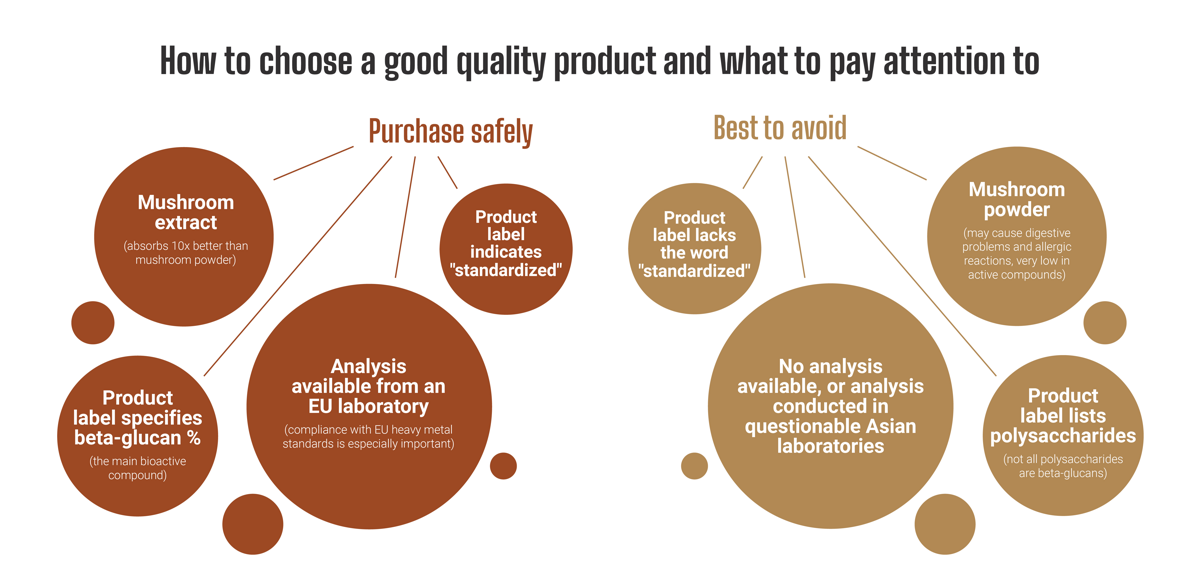
Quality Matters
Not all Lion’s Mane supplements are equal. For best results, look for:
- Organic certification
- Full-spectrum (fruiting body + mycelium)
- Third-party testing for purity and potency
Cheap products may not contain enough active ingredients to be effective.
Combining With Other Approaches
Lion’s Mane works best as part of a holistic plan. For ADHD, this might include:
- Medication (if prescribed)
- Healthy diet (rich in protein, fruits, and vegetables)
- Regular exercise
- Mindfulness or meditation
- Good sleep habits
Adding Lion’s Mane is not a substitute for professional care but may offer extra support.
Credit: www.globaladhdnetwork.com
Myths And Misunderstandings
As Lion’s Mane becomes more popular, some myths have spread online. Here are a few to watch out for:
- “Lion’s Mane cures ADHD.” There is no cure for ADHD. Lion’s Mane may help manage symptoms, but it is not a replacement for medical treatment.
- “You’ll notice results instantly.” Unlike stimulant medications, Lion’s Mane works slowly. It may take weeks or months to notice changes.
- “More is better.” Taking extra-high doses does not guarantee better results and could increase side effects.
- “All Lion’s Mane products are the same.” Quality and potency can vary widely between brands.
Realistic Expectations: What To Hope For
For people with ADHD, it’s easy to hope for a quick fix. But natural supplements like Lion’s Mane require patience. Some users report:
- Clearer thinking and less “brain fog”
- Improved focus during work or study
- Calmer mood and less anxiety
- Better recall of daily tasks
However, others feel no effect. It’s important to track your own response and talk with your doctor if you have concerns.
Insights Beginners Often Miss
When starting Lion’s Mane for ADHD, many beginners overlook key details:
- Consistency is crucial. Like many natural supplements, Lion’s Mane needs to be taken daily over weeks or months to see any effect. Skipping days or using it only “when needed” usually does not work.
- Stacking can amplify results. Some people find better results when combining Lion’s Mane with other nootropics or lifestyle changes (like regular exercise, omega-3 supplements, or mindfulness practices). However, always introduce one new thing at a time to monitor effects and avoid confusion about what is helping or causing side effects.
How Lion’s Mane Compares To Other Natural Supplements For Adhd
Lion’s Mane is just one of many natural supplements people try for focus and attention. Here’s how it stacks up against a few popular options:
| Supplement | Main Benefit | Research Level | Side Effects |
|---|---|---|---|
| Lion’s Mane | Neuroprotection, memory, focus | Moderate (mostly animal studies) | Rare, mild |
| Omega-3 (Fish Oil) | Brain development, mood | Strong (many human studies) | Fishy aftertaste, mild stomach upset |
| Ginkgo Biloba | Blood flow, memory | Mixed (some positive studies) | Headache, bleeding risk |
| Rhodiola Rosea | Stress, fatigue | Moderate (some human trials) | Jitteriness, dry mouth |
| L-Tyrosine | Dopamine support | Some evidence | Headache, nausea |
Lion’s Mane stands out for its neurotrophic effects—supporting nerve growth and brain repair—while other supplements may focus on blood flow, stress, or neurotransmitter balance.
Who Should Consider Lion’s Mane?
Lion’s Mane may be worth trying for:
- Adults or teens with mild ADHD symptoms seeking extra support
- People who want to improve focus, memory, or mental clarity
- Those who cannot use stimulant medications due to side effects or health reasons
- Anyone interested in supporting long-term brain health
It may not be suitable for:
- People with mushroom allergies
- Those with autoimmune diseases (without medical advice)
- Pregnant or breastfeeding women (safety not established)
- Children, unless recommended by a healthcare professional
What To Watch Out For: Buyer’s Guide
If you decide to buy Lion’s Mane, keep these tips in mind:
- Check for standardization: Make sure the product lists the amount of hericenones and erinacines (the active compounds).
- Full fruiting body is best: Some products use only mycelium, which may be less potent.
- Avoid artificial fillers: Look for pure ingredients, free of additives.
- Third-party testing: Choose brands that test for heavy metals, pesticides, and potency.
Cheap products are often too weak to be effective. A good Lion’s Mane supplement will cost more, but you’ll get better results and safety.
Stories And Experiences: What Users Say
Many people with ADHD share their experiences online. Here are some common themes:
- “I felt less foggy and could finish my work without zoning out.”
- “It took about a month, but I noticed I could read and remember things better.”
- “No huge changes, but I feel a bit calmer and less anxious.”
- “It helped me sleep better, which made my ADHD symptoms less intense during the day.”
Not everyone has a positive experience. Some report no effect, or mild stomach upset. Individual results vary, and patience is key.
Practical Tips For Maximum Benefit
To get the most out of Lion’s Mane for ADHD, follow these steps:
- Start slow: Begin with a small dose, then increase after a week if you have no side effects.
- Track your symptoms: Write down your focus, mood, and energy levels each day.
- Combine with healthy habits: Exercise, a balanced diet, and sleep all make a difference.
- Stick with it: Give Lion’s Mane at least 4–8 weeks before deciding if it works for you.
- Talk to your doctor: Especially if you’re taking other medications or have health concerns.
The Future: Research And Promising Areas
Scientists are now exploring Lion’s Mane for a variety of brain conditions, including dementia, depression, and anxiety. Some early work suggests it could help with neuroplasticity—the brain’s ability to adapt and change.
For ADHD, future studies may look at:
- How Lion’s Mane affects brain activity in children and adults with attention problems
- Whether combining Lion’s Mane with other supplements or therapies boosts results
- Long-term safety and best doses for different age groups
Until more is known, Lion’s Mane remains a promising but still experimental tool for ADHD.
When Lion’s Mane May Not Be Enough
For people with moderate to severe ADHD, Lion’s Mane alone is unlikely to provide enough relief. Medications, therapy, and lifestyle changes are still the foundation of effective treatment. Lion’s Mane may be a useful addition for some, but should not replace professional care.
It’s also important to manage expectations. If you don’t see big changes after 2–3 months, talk to a healthcare provider about other options.
Where To Find More Information
If you want to dive deeper into Lion’s Mane research, the best sources are scientific journals and official websites. One good starting point is the Wikipedia page on Hericium erinaceus, which includes links to many studies and reviews.
Frequently Asked Questions
What Is The Best Way To Take Lion’s Mane For Adhd?
Most people use capsules or powders for convenience. The key is to choose a high-quality product that contains both the fruiting body and mycelium, and to take it daily for at least a month. Always follow the dosing instructions on the package, and consider starting with a low dose.
How Long Does It Take To See Results From Lion’s Mane?
Results vary, but most people notice changes after 4–8 weeks of daily use. Some feel benefits sooner, while others may need more time. Tracking your symptoms in a journal can help you see subtle improvements.
Can Children With Adhd Use Lion’s Mane?
There is not enough research to say if Lion’s Mane is safe or effective for children. Always talk to a pediatrician before giving any supplement to a child, especially one with a brain condition like ADHD.
Are There Any Drug Interactions With Lion’s Mane?
Lion’s Mane is generally safe, but there could be interactions with immune-modulating drugs or blood thinners. If you take prescription medications, check with your doctor or pharmacist before starting Lion’s Mane.
Is Lion’s Mane A Substitute For Adhd Medication?
No, Lion’s Mane is not a substitute for prescription ADHD medications. It may support brain health and attention, but it does not replace the effects of stimulants or other approved drugs. For many, the best results come from combining professional treatment with healthy habits and supplements like Lion’s Mane.
Lion’s Mane mushroom is an exciting natural supplement with a long history and promising research. While it is not a miracle cure for ADHD, it may offer extra support for focus, memory, and calmness—especially when combined with other good habits.
If you’re curious, start slow, track your results, and always put your health and safety first. For now, the science is still developing, but Lion’s Mane is worth watching for anyone interested in natural brain support.

Credit: laylagordon.uk