
Reishi For Social Anxiety: Managing Nervousness The Natural Way
Social anxiety can feel like a wall between you and the rest of the world. Simple things—like meeting new people, speaking in public, or even joining a group chat—can become overwhelming. Many people search for ways to ease this nervousness, often turning to therapy or medication. But in recent years, a gentle, natural helper has started to gain attention: Reishi mushroom.
Known as the “mushroom of immortality” in traditional Chinese medicine, Reishi has a history that stretches back thousands of years. Today, it’s often used as a supplement to support stress relief, sleep, and immune health. But can it help with social anxiety? And if so, how does it work? This article explores the science, the stories, and the practical tips for using Reishi to calm the mind and manage social anxiety naturally.
Understanding Social Anxiety
Social anxiety isn’t just being shy. It’s a persistent fear of social situations where you may be judged, embarrassed, or looked at critically. These feelings can make it hard to go to work, attend classes, or enjoy time with friends.
Some common symptoms include:
- Racing heart or sweating before social events
- Stomach discomfort or nausea
- Overthinking what others might say or think
- Avoiding social situations whenever possible
According to the Anxiety and Depression Association of America, about 15 million American adults experience social anxiety disorder every year. The condition can affect anyone, at any age.
People with social anxiety often worry far in advance about upcoming events. Even small gatherings can trigger days of nervousness. Some people spend hours replaying conversations in their minds, worrying they said the wrong thing or looked foolish. This cycle can make it harder to form close friendships or take part in activities.
Many people with social anxiety try to manage their symptoms with therapy, breathing exercises, or medication. While these options are effective for many, they don’t work for everyone. Some people also worry about side effects from long-term medication use. For example, medications can sometimes cause drowsiness, weight changes, or emotional numbness.
This is where interest in natural remedies like Reishi comes in.
What Is Reishi Mushroom?
Reishi (scientific name: Ganoderma lucidum) is a mushroom that grows naturally on decaying hardwood trees in parts of Asia. It’s a key part of traditional Chinese medicine and has been used for over 2,000 years. People call it the “mushroom of immortality” because of its reputation for supporting long life and good health.
Reishi is known for its unique look: a shiny, reddish-brown cap, often with a kidney shape. It’s tough and woody—not a mushroom you’d want to cook for dinner. Instead, it’s usually dried and made into powders, capsules, or teas. In many cultures, Reishi was so highly valued that only royalty could use it.
The active compounds in Reishi include:
- Polysaccharides: Believed to support the immune system
- Triterpenes: May help manage inflammation and stress
- Peptidoglycans: Involved in immune response
In modern times, these compounds are carefully extracted to make supplements. The way the mushroom is grown and processed can affect how many active compounds are present. For example, wild-grown Reishi can have different properties than Reishi grown in controlled environments.
Reishi is not a magic pill. But its gentle effects on the mind and body have made it a favorite among people seeking natural ways to manage stress and anxiety. Many people use it as a part of daily wellness routines, along with other healthy habits.
The Science Behind Reishi And Anxiety
When it comes to social anxiety, what matters is how Reishi affects the brain and body. Scientists have been studying this mushroom for decades. While much of the research is still new, some findings are promising.
How Reishi Works In The Body
Reishi’s main power lies in its adaptogenic properties. Adaptogens are natural substances that help your body handle stress better.
Reishi supports the nervous system by:
- Lowering levels of cortisol (the main stress hormone)
- Balancing neurotransmitters like serotonin and GABA (which help regulate mood)
- Supporting restful sleep, which is critical for mental health
When you feel stressed, your body releases cortisol. If cortisol stays high for too long, it can make you feel tense, tired, and anxious. Early studies show that Reishi can help bring these levels back to normal, making it easier for your body to relax.
Reishi also supports the immune system. Chronic stress and anxiety can make you more likely to get sick. By helping your body fight off illness, Reishi may help you feel stronger and more energetic—which can make social situations less draining.
Studies On Reishi And Stress
Several animal and small-scale human studies suggest that Reishi can:
- Reduce feelings of tension and anxiety
- Improve overall well-being
- Support deep sleep and reduce fatigue
One study published in the journal Phytotherapy Research (2012) found that adults who took Reishi extract for eight weeks reported less fatigue and better quality of life compared to those who took a placebo. While this wasn’t a study on social anxiety specifically, reduced fatigue and better mood can make a big difference for those who struggle with nervousness.
Another study, this time in animals, showed that Reishi extracts helped reduce anxious behavior and improved sleep patterns. While these results need to be confirmed in large human studies, they point to a calming effect that can be helpful for people with social anxiety.
People who use Reishi often say they feel more “centered” and less reactive to daily stress. This sense of calm can make it easier to face social situations that used to feel overwhelming.
Can Reishi Help With Social Anxiety?
There are no large-scale clinical trials on Reishi for social anxiety alone, but the mushroom’s stress-reducing effects make it a popular choice among people seeking natural support. Many users report feeling more relaxed and less worried in social settings after a few weeks of regular use.
One non-obvious insight: Reishi’s benefits build over time. Unlike fast-acting medications, Reishi works gently. Most people need to take it for several weeks before noticing big changes in their anxiety levels.
Another key point: Reishi is not a replacement for therapy or professional treatment. It can be a useful support tool, but it works best alongside other healthy habits.
A practical example: Someone who feels extreme nervousness before public speaking might not become fearless overnight with Reishi. But after a month, they may notice their heart races less or their hands shake less during meetings. This can give them the confidence to keep practicing their social skills.
Comparing Reishi To Other Natural Remedies
Many natural supplements claim to help with anxiety. How does Reishi compare to other popular options like Ashwagandha, Valerian Root, and L-Theanine? Here’s a side-by-side look:
| Supplement | Main Benefit | How Fast It Works | Best For | Common Side Effects |
|---|---|---|---|---|
| Reishi | Reduces stress, supports sleep | 2-8 weeks | Ongoing stress, social anxiety | Rare (upset stomach) |
| Ashwagandha | Reduces cortisol, supports mood | 2-4 weeks | General anxiety, fatigue | Drowsiness, stomach upset |
| Valerian Root | Helps sleep, mild anxiety relief | 30-120 minutes | Trouble sleeping, mild nerves | Drowsiness, vivid dreams |
| L-Theanine | Promotes relaxation, focus | 30-60 minutes | Performance anxiety, focus | Rare (headache) |
As you can see, Reishi acts more slowly than some options, but its benefits can last longer and affect overall well-being.
For example, Valerian Root is popular for helping with sleep right before bed but can leave some people groggy in the morning. L-Theanine, found in green tea, works fast but does not have the long-term immune support that Reishi offers.
Ashwagandha is another adaptogen like Reishi, but some people find it makes them too sleepy or doesn’t fit their needs.
Another difference: Reishi is less likely to cause drowsiness during the day, so you can use it as part of your regular routine without worrying about feeling too tired to work or study.
How To Use Reishi For Social Anxiety
If you’re curious about trying Reishi, it’s important to use it correctly. Not all Reishi products are created equal, and the way you take it can affect your results.
Choosing The Right Reishi Product
You’ll find Reishi in many forms:
- Capsules: Easy to take, with consistent dosing
- Powders: Can be mixed into drinks or smoothies
- Teas: Traditional, but weaker in strength
- Extracts: Highly concentrated, often in liquid form
When shopping, look for:
- Certified organic Reishi
- Dual-extracted (uses both water and alcohol to get more active compounds)
- Tested for heavy metals and contaminants
Cheap Reishi products may contain fillers or low-quality mushroom parts. Always check for third-party lab testing.
If you prefer a simple routine, capsules are a good choice. If you enjoy making smoothies or teas, powders and extracts let you add Reishi to your favorite drinks. Some people even combine forms—taking capsules in the morning and sipping Reishi tea at night.
Dosage And Timing
Most studies use between 500 mg to 3,000 mg (0.5 to 3 grams) of Reishi extract per day. For social anxiety, starting on the lower end and increasing slowly is best.
- Begin with 500 mg daily for one week
- If no side effects, slowly increase up to 2,000 mg daily
- Take with food to reduce stomach upset
Some people take Reishi in the evening to support sleep, while others prefer morning use for daytime calm.
If you’re just starting, try taking Reishi with breakfast. If you notice you get sleepy, try taking it before bed instead. Everyone’s body is different, so it may take a few days to find the best time for you.
How Long Until You Notice Effects?
Reishi is gentle. Most people start to notice small changes—like sleeping better or feeling less tense—within 2 to 4 weeks. For full benefits, use consistently for at least 8 weeks.
A common mistake is giving up too soon. Natural remedies work slowly and build over time.
Another tip: Keep a small journal. Write down how you feel each day, your sleep quality, and any changes in how you handle social situations. This can help you spot improvements you might miss.
Combining Reishi With Other Approaches
Reishi is not a cure-all. For best results, combine it with other healthy habits:
- Therapy or counseling: Builds skills for managing anxiety
- Mindfulness practices: Meditation or deep breathing
- Regular exercise: Reduces stress hormones naturally
- Balanced diet: Supports brain health
For example, practicing slow breathing before a social event, along with regular Reishi use, may help you feel calmer and more present. Eating regular meals and staying hydrated can also prevent drops in blood sugar, which sometimes make anxiety worse.
If you’re already taking medication for anxiety, talk to your doctor before starting Reishi.
Safety And Side Effects
Reishi is considered safe for most people. However, like any supplement, it’s not risk-free.
Possible Side Effects
Most side effects are mild and rare. They may include:
- Upset stomach
- Dry mouth
- Dizziness
- Allergic reaction (especially if allergic to mushrooms)
Very high doses (over 3 grams per day) can sometimes cause diarrhea or digestive problems.
If you feel unwell after taking Reishi, stop and consult a health professional. Some people are more sensitive to herbal supplements, especially if they have allergies or digestive issues.
Who Should Avoid Reishi?
- Pregnant or breastfeeding women (not enough safety data)
- People with blood disorders (may affect clotting)
- Anyone taking blood-thinning medication (Reishi can increase bleeding risk)
- Those with mushroom allergies
Always start with a small dose to see how your body reacts.
Interactions With Medication
Reishi may interact with:
- Blood thinners (like warfarin)
- Immunosuppressants
- Diabetes medication (may lower blood sugar)
If you’re on prescription drugs, check with your doctor before using Reishi.
Real-life Experiences: Stories From Users
To understand how Reishi works for social anxiety, it helps to hear real stories. Here are a few examples:
Maya’s Story (Age 28)
Maya always felt nervous at work meetings. After reading about Reishi, she started taking 1,000 mg daily. After a month, she noticed she could speak up more easily. “I still get butterflies,” she says, “but they don’t control me anymore.
”
James’s Story (Age 34)
James used to avoid parties and big gatherings. He began using Reishi powder in his morning smoothie. After six weeks, he found it easier to join conversations. “It’s not a miracle cure,” he says, “but I feel more balanced and less on edge.
”
Ana’s Story (Age 23)
Ana combined Reishi capsules with weekly therapy. “Therapy gave me tools, but Reishi made it easier to use them,” she explains. “I’m not as tense in groups, and I sleep better too. ”
Other users mention that while Reishi didn’t erase their anxiety, it reduced the “background noise” of worry. For example, one person said she still felt nervous before social events, but she was able to go out and have fun anyway.
While everyone’s experience is different, many users say that Reishi helps take the edge off social anxiety, especially when used as part of a bigger self-care plan.

Credit: aanmc.org
Comparing Reishi To Prescription Anxiety Medications
Many people with social anxiety are prescribed SSRIs (like sertraline or fluoxetine), benzodiazepines (like alprazolam), or other medications. How does Reishi stack up?
| Factor | Reishi | Prescription Medications |
|---|---|---|
| Onset of Action | 2-8 weeks | 2-6 weeks (SSRIs), 30 min (benzos) |
| Risk of Dependence | Very low | High with benzos |
| Side Effects | Rare, mild | Common (weight gain, drowsiness, sexual side effects) |
| Drug Interactions | Possible with some meds | Many interactions |
| Works for Severe Anxiety | Mild to moderate | Moderate to severe |
| Regulation | Dietary supplement (not FDA-approved) | Prescription (regulated) |
Reishi is not a replacement for prescription medication in severe cases. But for people with mild to moderate social anxiety, it may be a gentle way to support emotional balance.
One non-obvious advantage: Reishi can be taken daily without the risk of dependency. Many prescription anti-anxiety medications, especially benzodiazepines, can be habit-forming if used long-term. Reishi, on the other hand, is safe for most people to use regularly, as long as the correct dose is followed.
Non-obvious Insights For Beginners
When starting with Reishi for social anxiety, most people focus only on the supplement. But two insights often get missed:
- Timing and Consistency Matter: Reishi works best when taken at the same time every day. Skipping doses can slow progress.
- Lifestyle Changes Boost Results: Reishi is more effective when used alongside habits like regular sleep, hydration, and reducing caffeine.
Another point: Quality over quantity. It’s better to take a smaller dose of high-quality Reishi than a large dose of a cheap, low-grade product.
A third insight: Individual response varies. Some people notice better sleep first, while others feel more social confidence. Tracking your own changes helps you understand how Reishi is working for you.
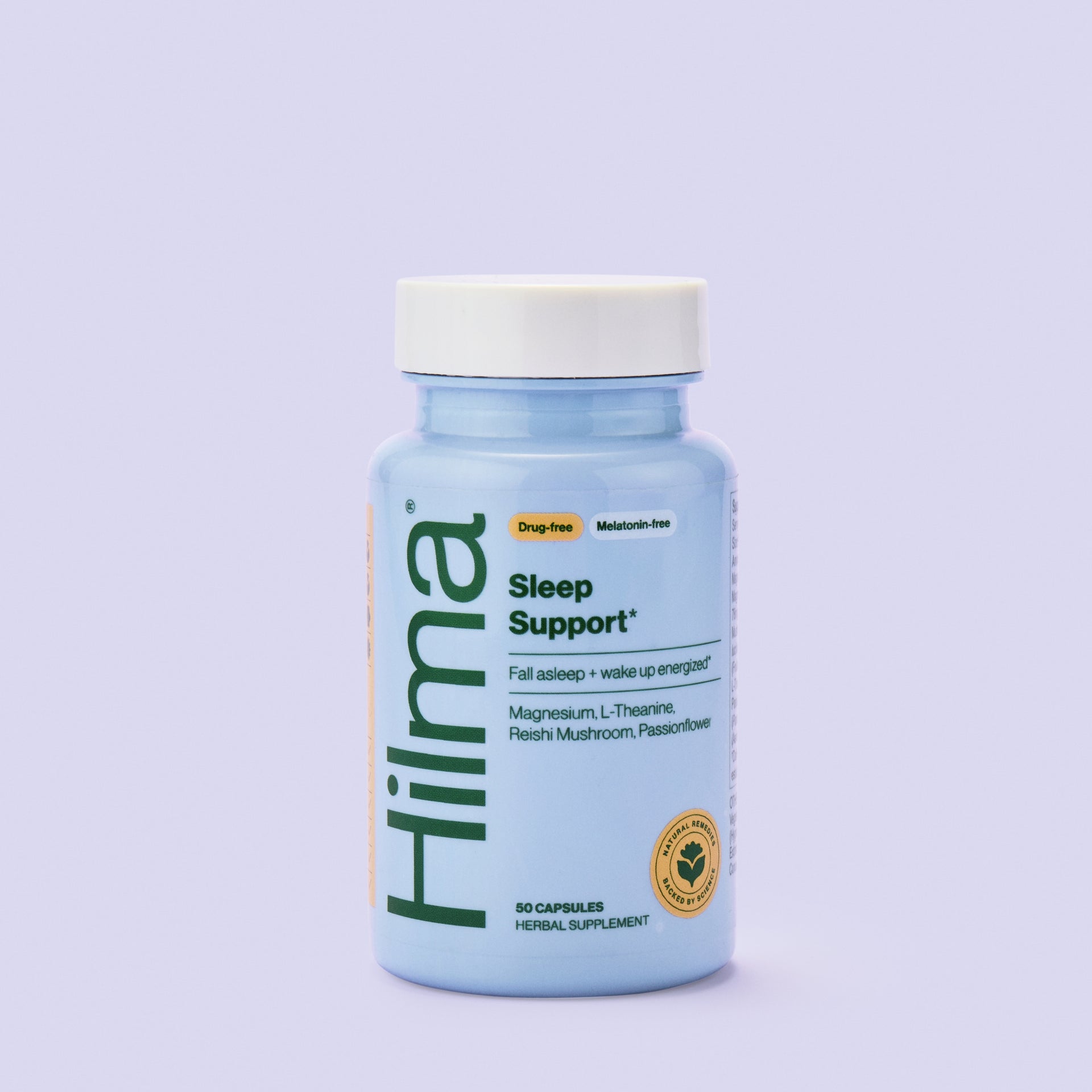
Credit: www.hilma.co
Practical Tips For Using Reishi
If you want to try Reishi for social anxiety, keep these practical tips in mind:
- Start slow: Begin with a low dose to see how your body reacts.
- Track your progress: Keep a journal to note changes in mood, sleep, and social comfort.
- Stay patient: It can take weeks to notice real benefits.
- Combine with other supports: Therapy, support groups, or mindfulness apps can make a big difference.
- Check with your doctor: Especially if you have health conditions or take medication.
Also, try to buy from trusted sources. Avoid deals that sound too good to be true. High-quality Reishi should have a slightly bitter, earthy taste if you use powder or tea—this is a sign of strong active compounds.
Some people find that making a small ritual of taking their Reishi (like preparing a cup of Reishi tea while listening to calming music) helps set a positive tone for the day. Small, mindful habits can have a big impact over time.
Where To Buy High-quality Reishi
Reishi is sold in health food stores, online shops, and even some supermarkets. For the best results:
- Choose brands with organic certification
- Look for dual-extraction (for more active compounds)
- Check for third-party lab testing (proof of purity and potency)
- Avoid products with lots of fillers or artificial colors
High-quality Reishi may cost more, but the benefits are worth it. For more information about medicinal mushrooms and their uses, visit the Wikipedia page on Ganoderma lucidum.
Some well-known supplement brands share lab results on their website. Don’t be afraid to ask customer service for more information before you buy.
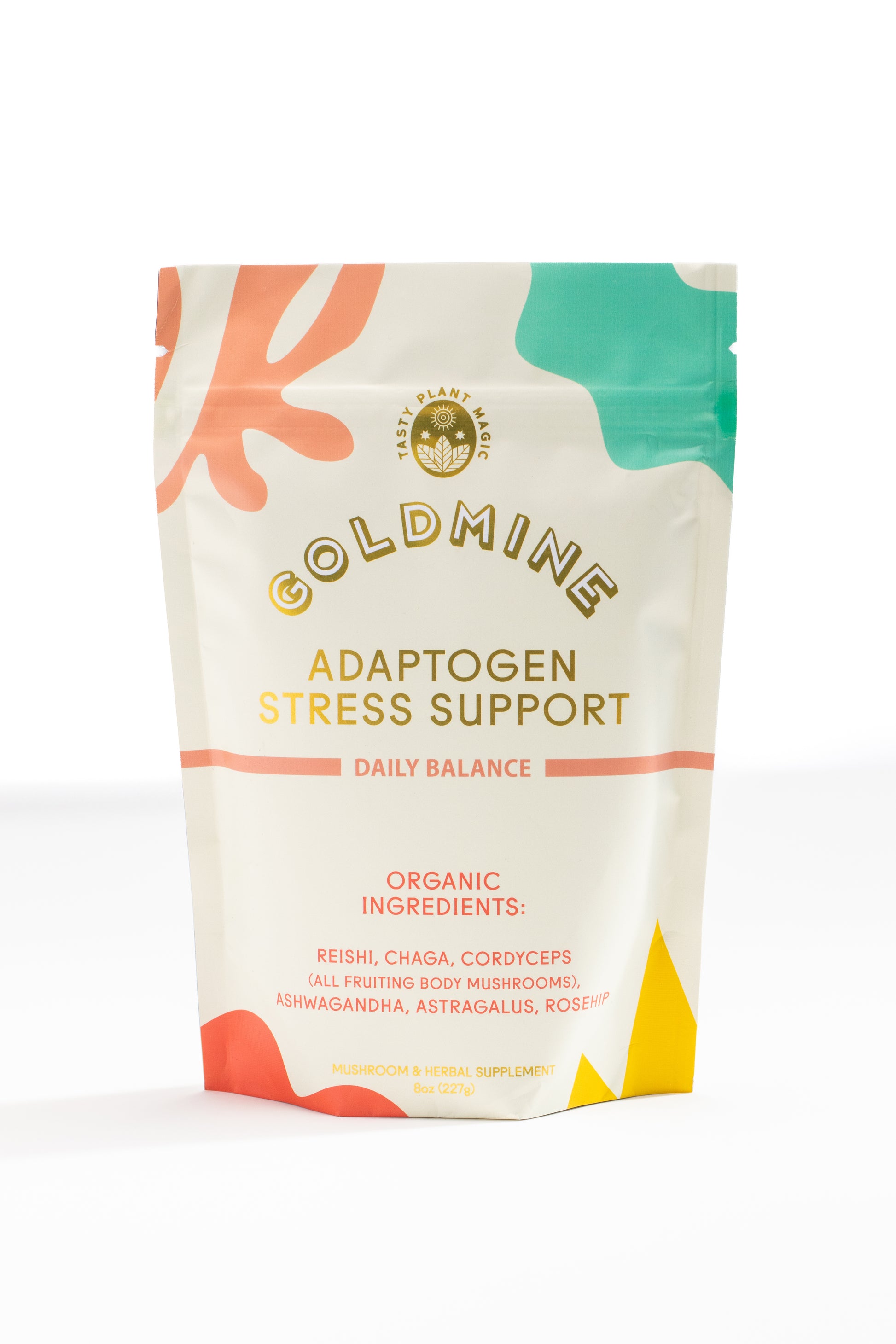
Credit: drinkgoldmine.com
When Reishi Might Not Be Enough
Reishi is a helpful tool, but it’s not a miracle cure. If your social anxiety is severe, causing panic attacks, or stopping you from working or enjoying life, it’s important to seek professional help.
Therapists, counselors, and doctors can provide support that supplements alone cannot. Reishi can be a valuable part of your plan—but don’t be afraid to reach out for more help if you need it.
For example, cognitive-behavioral therapy (CBT) is a proven method for treating social anxiety. Combining therapy with supportive supplements like Reishi may give you the best chance at lasting change.
Frequently Asked Questions
What Is The Best Way To Take Reishi For Social Anxiety?
The best way is to use a high-quality Reishi extract in capsules or powder. Start with a low dose (about 500 mg), take it daily with food, and increase slowly. Consistency is key—take it at the same time each day for at least a few weeks to notice benefits.
If you dislike swallowing pills, try a powder mixed into coffee, hot chocolate, or a smoothie.
How Long Does It Take For Reishi To Work For Social Anxiety?
Most people start to notice changes in 2 to 4 weeks. For full effects, use Reishi daily for at least 8 weeks. Effects build slowly, so patience is important.
Can I Take Reishi With My Anxiety Medication?
Reishi is generally safe, but it can interact with some medications, especially blood thinners or immune drugs. Always check with your doctor before combining Reishi with prescription medication.
Are There Any Side Effects To Taking Reishi?
Side effects are rare but can include stomach upset, dry mouth, or dizziness. Allergic reactions are possible, especially if you’re allergic to mushrooms. Start with a small dose to see how your body reacts.
Is Reishi Safe For Everyone?
Most healthy adults can use Reishi safely. However, it’s best to avoid if you are pregnant, breastfeeding, have a mushroom allergy, or take blood-thinning medication. Always consult your healthcare provider if you have questions about safety.
Social anxiety can make life feel small and restricted. While Reishi is not a miracle solution, it can be a gentle, natural support for many people. By choosing the right product, using it consistently, and combining it with healthy habits, you can create a plan that supports both your body and your confidence.
Remember, the journey to calm is personal—and every step counts.