
Lion’s mane mushroom has become a hot topic among people who care about health and natural remedies. Many are curious about this strange-looking fungus with its white, shaggy appearance. It is often called “nature’s brain booster” and has found a place in kitchens, supplement aisles, and even research labs.
But with its rising popularity, questions and myths have grown as well. Is lion’s mane really a superfood? Is it safe? How can you use it? If you are new or even somewhat experienced, you might find information online confusing or incomplete.
This guide will give you clear, detailed answers to the most common questions about lion’s mane mushroom, so you can make informed decisions.
What Is Lion’s Mane Mushroom?
Lion’s mane mushroom, known scientifically as Hericium erinaceus, is a unique edible fungus. It grows naturally on hardwood trees in North America, Europe, and Asia. The mushroom gets its name from its long, white, hair-like spines that look like a lion’s mane.
This mushroom has been used in traditional Chinese medicine for centuries. People believed it could support the brain and body. In the wild, lion’s mane usually grows on dead or dying trees. These days, it is also cultivated on farms for food and supplements.
Lion’s mane is not only unusual in appearance. It is also popular for its mild, seafood-like flavor, which some people compare to crab or lobster. Chefs use it in dishes as a meat substitute or to add texture and taste.
Its unique appearance also makes it a conversation starter at the dinner table or farmer’s market.
What makes lion’s mane stand out is not just its looks, but also how it grows. Unlike common mushrooms that have caps and stems, lion’s mane forms large, cascading clusters of spines. In the wild, you might find it high up on beech or oak trees, making harvesting a bit of an adventure.
This characteristic growth pattern helps mushroom hunters spot it more easily compared to other wild fungi.
Another interesting feature: lion’s mane does not produce traditional mushroom spores in the open. Instead, its spines release spores, which is one reason for its fuzzy appearance. This makes its lifecycle slightly different from more common mushrooms like button or portobello.
What Are The Main Health Benefits Of Lion’s Mane Mushroom?
People are interested in lion’s mane for more than just its look and taste. Studies suggest that it may offer several health benefits:
- Brain health: Lion’s mane contains compounds called hericenones and erinacines. These may help stimulate the growth of nerve cells, which is important for brain function and memory. Some research in animals and small human studies show it might help improve mild cognitive decline. For example, hericenones are mainly found in the fruiting body, while erinacines are more abundant in the mycelium. Together, they may support brain plasticity and promote mental sharpness.
- Nerve regeneration: Early research suggests lion’s mane may help repair nerve damage. This is why it is being studied for injuries and conditions like multiple sclerosis. In animal studies, lion’s mane extract helped rats recover faster from nerve injuries, suggesting possible benefits for nerve healing.
- Mood support: Some studies found that lion’s mane may help reduce symptoms of depression and anxiety, possibly by supporting brain chemicals. In one small study, women who ate cookies containing lion’s mane for four weeks reported less irritation and anxiety compared to those who didn’t. While these effects are still being explored, it shows potential as a gentle mood supporter.
- Immune system: The mushroom’s polysaccharides (complex sugars) may boost the immune system, helping your body fight illness. These compounds can increase the activity of certain white blood cells, making your immune system more responsive.
- Digestive health: Lion’s mane is thought to support the stomach lining and may help with ulcers and digestive discomfort. Extracts have shown the ability to reduce inflammation in the gut and may even help balance the gut microbiome, though human evidence is still limited.
- Antioxidant properties: It contains antioxidants that protect your cells from damage. Antioxidants neutralize free radicals—unstable molecules that can harm cells and lead to aging or disease.
It is important to know that most research has been in animals or small human groups. We still need more large, high-quality studies to confirm all these effects. But the early results are promising. One often-missed insight: the benefits of lion’s mane may build up over time with regular use, rather than causing dramatic changes overnight.
Is Lion’s Mane Mushroom Safe To Eat?
For most people, lion’s mane mushroom is considered safe. It has been eaten in Asia for hundreds of years. People use it fresh in cooking, dry it for tea, or take it as a supplement.
However, there are a few things to keep in mind:
- Allergies: Some people may be allergic to mushrooms, including lion’s mane. Symptoms can include skin rashes, trouble breathing, or digestive upset. If you have a mushroom allergy, avoid lion’s mane.
- Side effects: Rarely, people report stomach discomfort, nausea, or diarrhea. These are usually mild and go away when you stop using it.
- Pregnancy and children: There is not enough research to say if lion’s mane is safe during pregnancy, breastfeeding, or for young children. It’s best to ask a doctor before use.
If you are new to lion’s mane, start with a small amount to see how your body reacts. If you have health problems or take medicine, check with your healthcare provider first.
Another point to consider: wild mushrooms can sometimes be contaminated with pollutants, heavy metals, or pesticides. That’s why it’s safer to buy lion’s mane from reputable growers or stores rather than picking it yourself unless you are experienced.
If you ever feel tingling in your mouth or throat, or any allergic symptoms after eating lion’s mane, seek medical help right away. These reactions are rare, but they can happen with any mushroom.
How Do You Use Lion’s Mane Mushroom?
Lion’s mane is very versatile. You can enjoy it in a variety of ways:
- Fresh cooking: Slice and cook it like you would other mushrooms. It works well sautéed, roasted, or grilled. You can add it to stir-fries, pasta, or soups. When cooked, it absorbs flavors well and becomes delightfully crispy on the outside while staying tender inside. Some chefs even use it as a base for vegetarian “crab cakes” because of its texture.
- Supplements: Lion’s mane is available in capsules, powders, and extracts. These are convenient if you want to use it regularly for health reasons. The benefit of supplements is that they are easy to measure and add to your routine, especially if you do not have access to fresh mushrooms.
- Teas and coffees: Some blends include lion’s mane powder for a brain-boosting drink. You can find instant coffee mixes or loose powder to stir into your morning cup. The flavor is usually mild enough not to overpower your drink.
- Tinctures: These are liquid extracts that can be taken by dropper. Tinctures are often more concentrated and can be added to water or juice.
The flavor is mild, so it goes well with many dishes. If you want the health benefits, supplements or extracts are often more concentrated than the mushroom as food.
Non-obvious tip: Using lion’s mane in smoothies or oatmeal is a simple way to get its benefits without changing your favorite recipes. If you prefer whole foods, try using fresh lion’s mane in place of meat in tacos or burgers for a plant-based twist.
What Is The Best Dosage For Lion’s Mane Mushroom?
There is no official recommended dosage for lion’s mane mushroom. Research studies use different amounts depending on the purpose and the form (fresh, dried, extract).
Here is a general guide:
- Fresh lion’s mane: 50–100 grams per day (cooked)
- Powdered mushroom: 1–3 grams per day
- Extracts: 500–1000 mg per day (look for products standardized for active compounds)
Supplements can vary a lot in strength. Always read the product label and start with the lowest suggested dose. Increase slowly if you feel comfortable.
Remember, more is not always better. High doses may increase the risk of side effects. If you use lion’s mane for health reasons, talk to a health professional about the right amount for you.
One thing beginners often miss: extracts are usually much stronger than powders or whole mushrooms. For example, a “10:1 extract” means 10 kilograms of mushroom were used to make 1 kilogram of extract. So always check the concentration and serving size on the label.
Another practical point: if you’re taking other supplements or medicines, consider starting with just a few days per week before moving to daily use. This helps you notice how your body responds.
Can Lion’s Mane Mushroom Help With Memory Or Focus?
There is growing interest in lion’s mane as a natural way to support memory and focus. Some small human studies and animal research suggest it may help:
- A 2009 Japanese study gave 30 older adults with mild cognitive impairment 3 grams of lion’s mane powder per day for 16 weeks. They showed better scores on cognitive tests compared to a placebo group. However, their improvement dropped after stopping the mushroom.
- Lab studies show that lion’s mane may help the brain grow new connections and protect existing ones.
People often report feeling more clear-headed or focused when using lion’s mane regularly. However, results vary, and more research is needed.
It’s important not to expect miracle results. Lion’s mane is not a cure for dementia or serious memory problems. But it may offer gentle support, especially for people who want to keep their minds sharp as they age.
A non-obvious insight: Because lion’s mane works by supporting nerve growth, the benefits tend to appear slowly over several weeks, not instantly. People who expect quick results after a single use may be disappointed. Also, combining lion’s mane with healthy habits—like enough sleep, exercise, and mental activity—can enhance any positive effects.
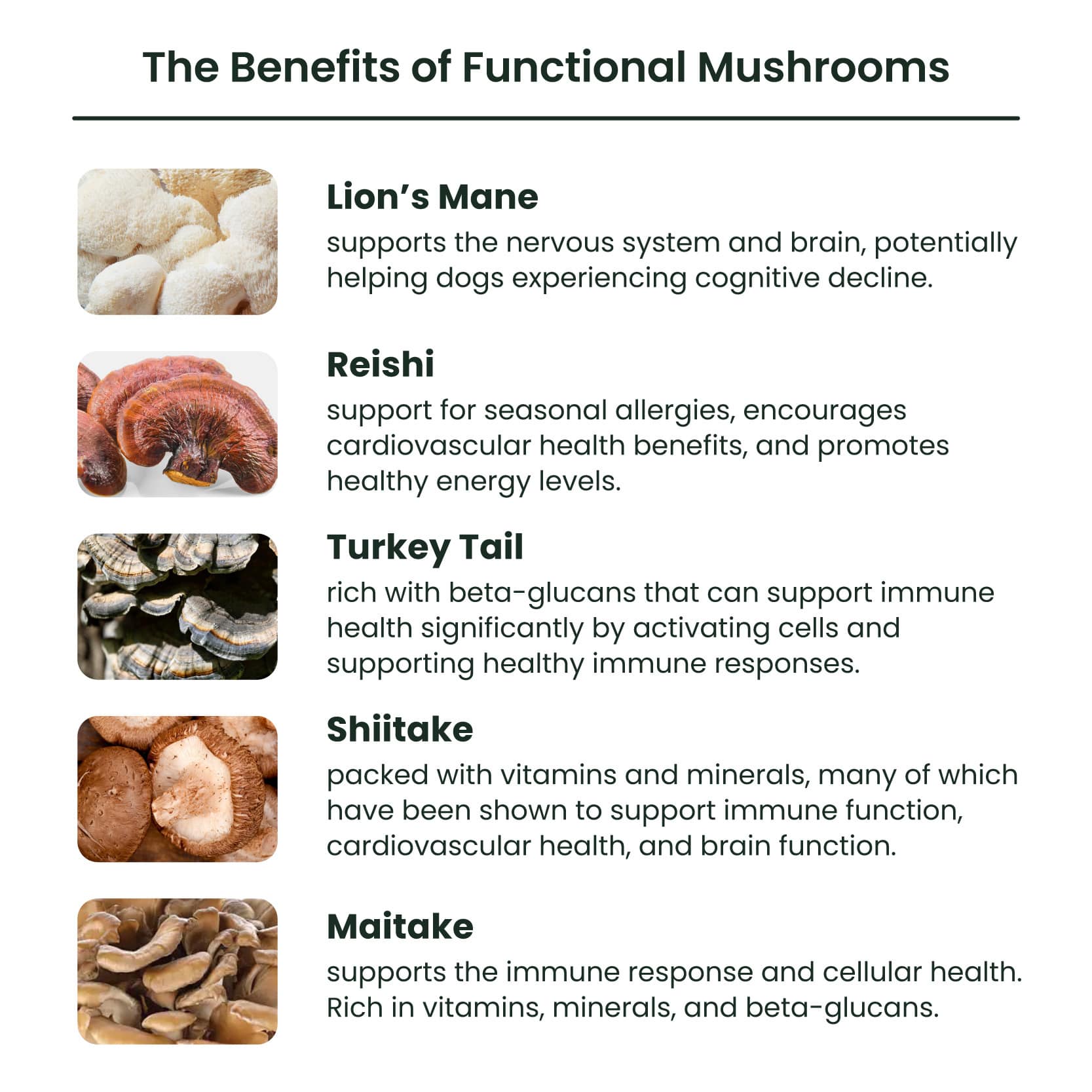
Credit: lolahemp.com
Does Lion’s Mane Mushroom Have Any Side Effects?
Lion’s mane is generally well tolerated, but side effects can happen, especially at high doses or in sensitive people.
Possible side effects include:
- Digestive upset: Nausea, bloating, or diarrhea can occur, especially with supplements. This is more likely if you take it on an empty stomach or in large amounts.
- Skin reactions: Rash or itching, most likely due to an allergy.
- Breathing problems: Rare, but serious for those with mushroom allergies.
To reduce risk:
- Start with a low dose.
- Buy products from reputable brands.
- If you feel unwell, stop taking lion’s mane and consult a doctor.
A non-obvious point: Some supplements may contain fillers or other mushrooms. Always check the label for purity and third-party testing.
Another detail to know: sometimes, side effects are not from the lion’s mane itself, but from poor-quality supplements with contaminants. That’s why third-party lab testing is important. If you have a sensitive stomach, try taking lion’s mane with food.
Can You Take Lion’s Mane With Other Medicines Or Supplements?
Most people can use lion’s mane safely with other supplements or medicines. But there are some things to watch out for:
- Blood thinners: Lion’s mane may slow blood clotting. If you take warfarin or other blood thinners, talk to your doctor first.
- Diabetes medicine: It might lower blood sugar. If you use diabetes drugs, monitor your blood sugar closely.
- Immune system drugs: Since lion’s mane may boost the immune system, it could interact with drugs that suppress immunity (for example, after organ transplants).
If you take prescription medicine or have a health problem, always check with your healthcare provider before adding new supplements. This reduces risk and avoids possible interactions.
A helpful detail: If you’re taking multiple herbal supplements, especially those that affect the immune system or blood sugar, track any changes in how you feel. Sometimes, natural products can have small effects that add up when combined.
Also, if you use other mushroom supplements (like reishi or cordyceps), keep the total intake moderate. Each mushroom has its own effects, and too much can stress your body or digestive system.
What Does Lion’s Mane Mushroom Taste Like?
Many people are surprised by the taste of lion’s mane. It is not strong or earthy, like some other mushrooms.
- The flavor is often described as mild, slightly sweet, and similar to seafood (such as crab or lobster).
- When cooked, it has a tender, meaty texture. This makes it popular as a meat or seafood substitute in vegetarian and vegan dishes.
- If you use lion’s mane powder in smoothies or coffee, the taste is usually not noticeable.
For those who do not like mushrooms, lion’s mane may be easier to enjoy than other types. Cooking with garlic, butter, or soy sauce brings out its best flavor.
A practical tip: If you want a crispy texture, press the mushroom slices gently with a spatula while cooking. This helps remove extra moisture and gives a golden crust, similar to grilled seafood.
Non-obvious insight: Lion’s mane soaks up marinades and sauces well. Try marinating raw pieces in soy sauce, ginger, and a little sesame oil before cooking for a flavor boost.
How Do You Identify High-quality Lion’s Mane Products?
With lion’s mane getting more popular, the quality of products varies a lot. Here’s how to spot good products:
- Check the label: Look for “Hericium erinaceus.” The product should say which part of the mushroom is used (fruiting body is best).
- Look for third-party testing: Reputable brands check for safety and purity. This ensures there are no heavy metals or contaminants.
- Avoid fillers: Some supplements mix in rice or other mushrooms. Pure lion’s mane is better.
- Check for active compounds: Good extracts show the amount of polysaccharides, hericenones, or erinacines.
Here is a simple comparison of common lion’s mane supplement types:
| Form | Strength | Best Use | Notes |
|---|---|---|---|
| Powder | Mild | Mix in drinks/food | Versatile, slower effect |
| Capsule | Moderate | Daily supplement | Easy to use, consistent |
| Extract | Strong | Targeted health support | Higher concentration |
Non-obvious tip: Ask for a certificate of analysis from the manufacturer. Honest brands will provide proof their product is safe and contains real lion’s mane.
Another sign of quality: the color and smell. Good lion’s mane powder is off-white to light beige and has a mild, earthy scent. If it’s very dark or smells musty, it may be old or contaminated.
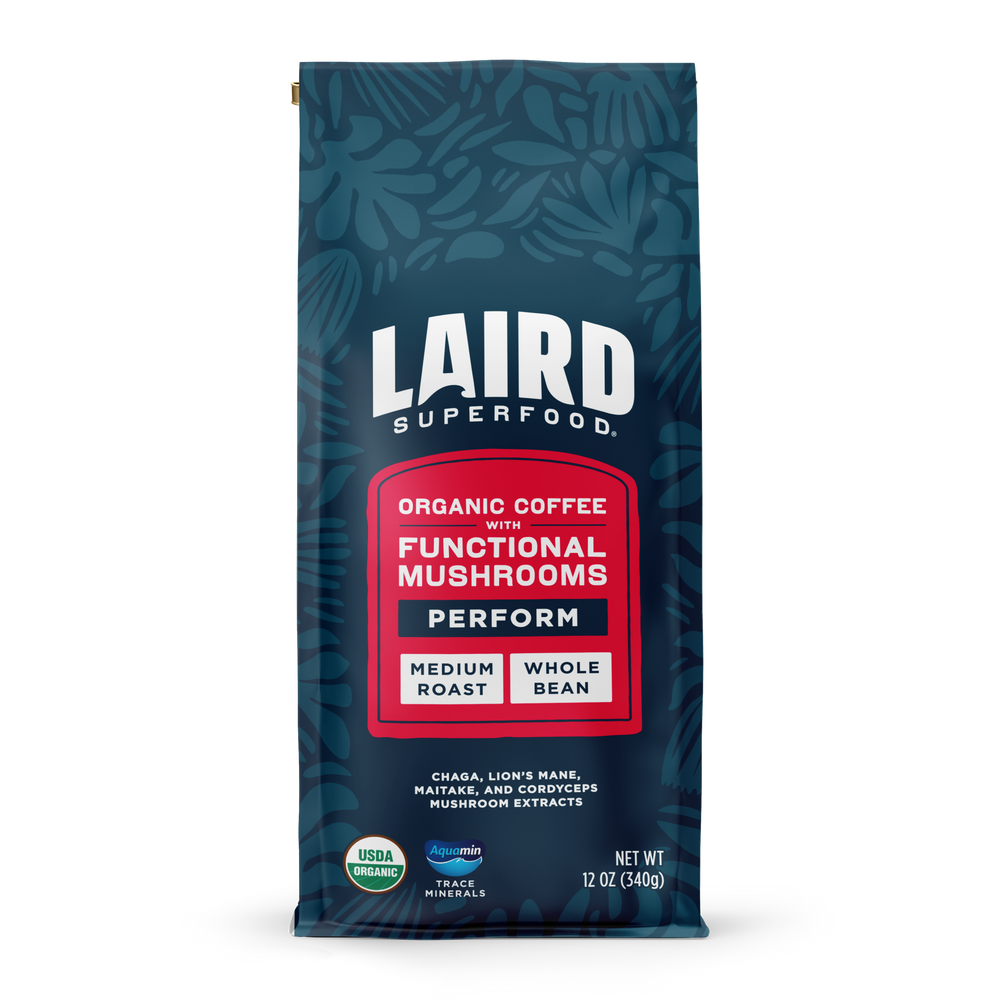
Credit: lairdsuperfood.com
Is Lion’s Mane Mushroom Legal And Easy To Find?
Lion’s mane mushroom is legal in most countries. You can buy it as fresh mushrooms, dried, or supplements in health food stores and online. In some places, it may be harder to find fresh lion’s mane, but supplements are widely available.
- In the United States, lion’s mane is classified as a food or dietary supplement, not a drug.
- In Europe, Asia, and Australia, it is also legal and sometimes found in supermarkets or farmers’ markets.
A word of caution: In rare cases, wild mushrooms are restricted for picking in protected forests or national parks. Always check local rules if you want to harvest wild lion’s mane.
A practical tip: If you want the best quality, buy from trusted suppliers. Mushrooms can absorb pollutants from the environment, so it’s important they are grown in clean conditions.
If you cannot find fresh lion’s mane locally, try searching for mushroom farms or specialty food stores. Some farmers offer delivery or farmer’s market pickup. For supplements, look for established brands with good customer reviews.
How Does Lion’s Mane Compare To Other Medicinal Mushrooms?
Lion’s mane is one of several mushrooms known for health benefits. Others include reishi, chaga, cordyceps, and shiitake. Each has its own strengths.
Here’s a simple comparison:
| Mushroom | Main Benefit | Common Use | Unique Feature |
|---|---|---|---|
| Lion’s Mane | Brain, nerves | Memory, focus | Stimulates nerve growth |
| Reishi | Immune, stress | Relaxation, immunity | Calming, adaptogen |
| Chaga | Antioxidant | Immune support | High in polyphenols |
| Cordyceps | Energy | Stamina, exercise | Boosts oxygen use |
| Shiitake | Immune, heart | Cooking, general health | Rich umami flavor |
Lion’s mane stands out for brain and nerve support. If you want help with stress or sleep, reishi may be better. For energy, cordyceps is more popular. Some people use mushroom blends to get a wider range of benefits.
Non-obvious insight: Some mushroom supplements combine lion’s mane with other types. This can be helpful, but check labels to make sure you are getting enough of each mushroom for real benefits.
Another detail: while all these mushrooms offer immune support, their other effects can be very different. For example, reishi is calming, but cordyceps may feel stimulating. Adjust your blend based on your needs.
How Do You Cook With Lion’s Mane Mushroom?
Lion’s mane can be a delicious addition to your meals. Here’s how you can enjoy it in the kitchen:
- Preparation: Trim off any tough base. Wipe the mushroom clean with a damp cloth. Do not soak, as it absorbs water easily. If the mushroom is very dirty, use a soft brush to clean it gently.
- Slicing: Cut into thick slices or tear by hand into pieces. Tearing preserves its unique texture, which holds sauces well.
- Cooking methods: Sauté in butter or oil over medium heat for 5–10 minutes until golden brown. You can also roast, grill, or add to soups and stews. Roasting brings out a deep umami flavor, while grilling can add a smoky note.
- Seasoning: Lion’s mane absorbs flavors well. Try garlic, soy sauce, pepper, or a splash of lemon. For a richer taste, add a bit of miso or nutritional yeast.
- Serving ideas: Use as a “crab cake” base, in pasta, or on top of salads. You can also stuff large pieces with breadcrumbs and herbs before baking.
An example recipe:
- Slice 100 grams of fresh lion’s mane.
- Heat 1 tablespoon olive oil in a pan.
- Add the mushroom slices and cook until both sides are golden.
- Sprinkle with salt, pepper, and a squeeze of lemon.
Cooking tip: Do not overcrowd the pan. Mushrooms need space to brown, not steam.
Another non-obvious tip: Lion’s mane shrinks a lot during cooking—start with more than you think you need.
Additional idea: For a seafood-style dish, dip cooked lion’s mane slices in vegan tartar sauce. Or, make a simple lion’s mane “steak” by pan-searing thick slices and serving with a drizzle of balsamic glaze.
Are There Any Scientific Studies On Lion’s Mane Mushroom?
Yes, research on lion’s mane is growing. Many studies focus on its effects on the brain and nerves, but there are other areas too.
Some key findings:
- Brain health: Animal studies show lion’s mane can help grow new nerve cells and protect the brain from damage. For example, mice given lion’s mane extract after brain injury recovered memory and movement faster.
- Memory: Small human studies (such as the 2009 Japanese trial) found improved cognitive function in older adults.
- Depression and anxiety: Studies in mice suggest lion’s mane may help balance brain chemicals and reduce depressive symptoms.
- Digestive health: Lab tests show it may help protect the stomach lining and reduce ulcers.
- Cancer: Early research suggests lion’s mane extracts can slow the growth of certain cancer cells in test tubes. However, this does not mean it works the same way in humans.
A practical point: Most research uses concentrated extracts, not fresh mushrooms. Effects may be stronger in studies than in everyday use.
If you want to see detailed scientific studies, you can visit Wikipedia for references and further reading.
Non-obvious insight: Researchers are also exploring lion’s mane for its possible effect on the gut-brain axis—the link between digestive health and mental well-being. This could open new uses in the future.

Credit: lykyn.com
Frequently Asked Questions
Is Lion’s Mane Mushroom Suitable For Vegans And Vegetarians?
Yes, lion’s mane is a fungus, not an animal product. It is a popular choice for vegans and vegetarians because of its meaty texture and seafood-like flavor. It works well as a meat substitute in recipes.
Can You Grow Lion’s Mane Mushroom At Home?
Lion’s mane is one of the easier mushrooms to grow at home. You can buy grow kits with everything you need. These kits usually come with a block of growing medium and lion’s mane spores. Place the kit in a humid spot, mist with water, and harvest in 2–4 weeks.
A tip for success: keep the kit in a spot with fresh air and indirect sunlight. Lion’s mane needs high humidity to form its spines properly.
How Long Does It Take To Feel The Effects Of Lion’s Mane?
This depends on your body and how you use it. Some people notice improved focus or mood in a few days. For memory support or other benefits, it may take 2–4 weeks of daily use. Effects are usually gentle, not dramatic.
Is Lion’s Mane Mushroom Safe For Pets?
There is not much research on lion’s mane for pets. Some pet supplements include it, but always check with your veterinarian before giving any new supplement to animals, especially dogs or cats.
What Is The Difference Between Lion’s Mane Fruiting Body And Mycelium?
The fruiting body is the part you see and eat. It has higher levels of active compounds. Mycelium is the root-like part that grows in the ground or on trees. Some supplements use mycelium, but fruiting body is usually considered more effective.
Lion’s mane mushroom is a fascinating and versatile fungus. Whether you want to cook with it, support your brain, or explore natural supplements, it offers many possibilities. With the answers in this guide, you can use lion’s mane with more confidence and get the most out of this unique mushroom.
Remember to choose quality products, start slowly, and always listen to your body. If you have questions, talk to a health professional. The world of functional mushrooms is growing—and lion’s mane is leading the way.