
Lion’s mane mushroom, also known as Hericium erinaceus, is gaining global attention as a natural way to support brain health. Many people are curious if this shaggy, white mushroom can really help improve memory and mental sharpness. You may have seen it in health stores or read stories about its benefits, but is there real science behind the claims? In this complete research guide, you’ll discover how lion’s mane mushroom works, what studies say about its effects on memory, who can benefit, and how to use it safely and effectively. Whether you are a student, a professional, or someone concerned about age-related memory loss, this guide will help you understand everything you need to know about lion’s mane and memory.
What Is Lion’s Mane Mushroom?
Lion’s mane is a unique-looking mushroom with long, white, hair-like spines. It grows on hardwood trees in North America, Europe, and Asia. In traditional Chinese and Japanese medicine, lion’s mane has been used for hundreds of years to support general health, especially the brain and nerves.
The mushroom is edible and has a mild, seafood-like flavor. Today, it’s available fresh, dried, or as extracts and supplements in capsules, powders, and even coffees. In some regions, you may also find it added to noodles, soups, or even as a meat substitute because of its texture.
Unique Compounds In Lion’s Mane
What makes lion’s mane special are its bioactive compounds. The most important ones for brain health are:
- Hericenones: Found in the fruiting body (the part you see).
- Erinacines: Found in the mushroom’s mycelium (root-like part).
These compounds can cross the blood-brain barrier and may help trigger nerve growth and repair. Few natural substances have this ability, which is why lion’s mane stands out among medicinal mushrooms.
Research also shows that these compounds can stimulate the production of other nerve growth factors, not just NGF. For example, studies suggest they may influence BDNF (brain-derived neurotrophic factor), another key protein for brain health. This could explain why users sometimes report better mood and quicker thinking, not just improved memory.
Traditional Uses
In Asian cultures, lion’s mane was traditionally used to:
- Boost memory and focus
- Reduce anxiety and depression
- Support digestion
- Help wound healing
In particular, it was given to monks and scholars to help them meditate and study for long periods. Some traditional texts even call it “the mountain priest mushroom” for this reason.
Modern research is now catching up to these traditional uses, especially the mushroom’s effects on the brain.
How Does Lion’s Mane Affect The Brain?
To understand how lion’s mane can boost memory, it’s important to look at how it interacts with the brain. Lion’s mane seems to work in several ways that are crucial for learning, memory, and mental sharpness.
Stimulating Nerve Growth Factor (ngf)
Lion’s mane is one of the few natural substances known to stimulate nerve growth factor (NGF) production. NGF is a protein that helps grow, repair, and protect brain cells (neurons). Without enough NGF, the brain’s connections weaken, and memory can suffer.
In studies, both hericenones and erinacines from lion’s mane have been shown to increase NGF levels. This is important because:
- Higher NGF means better communication between brain cells
- It helps the brain form new connections (neuroplasticity)
- It may slow age-related brain decline
An extra insight: Most memory supplements do not directly boost NGF. For example, ginkgo biloba mainly increases blood flow, but lion’s mane actually helps the brain regenerate its own cells, which is much more rare.
Protecting Brain Cells
Lion’s mane also contains antioxidants and anti-inflammatory compounds. These protect the brain from damage caused by stress, toxins, and aging.
- Oxidative stress can hurt brain cells and memory
- Inflammation is linked to diseases like Alzheimer’s
Lion’s mane helps lower both, creating a healthier environment for memory and learning.
Another detail: These protective compounds may also help the brain clear out amyloid plaques, which are linked to Alzheimer’s disease. Early lab research hints at this, though it’s not proven in large human studies yet.
Supporting Myelination
Myelin is a fatty layer that wraps around nerve fibers, allowing signals to travel quickly. Damage to myelin slows down thinking and memory. Lion’s mane may help repair and protect myelin, keeping brain signals fast and clear.
For example, animal studies show that erinacines from lion’s mane stimulate the growth of oligodendrocytes—the cells that make myelin. This is important not just for memory, but also for people at risk for conditions like multiple sclerosis.
Modulating Brain Chemicals
Memory depends on brain chemicals like acetylcholine and dopamine. Some animal studies suggest lion’s mane can balance these chemicals, leading to better focus, mood, and recall.
Unlike caffeine or stimulants, lion’s mane does not create a “buzz” or crash. Instead, it seems to gently support mental function and stability, making it suitable for daily use.
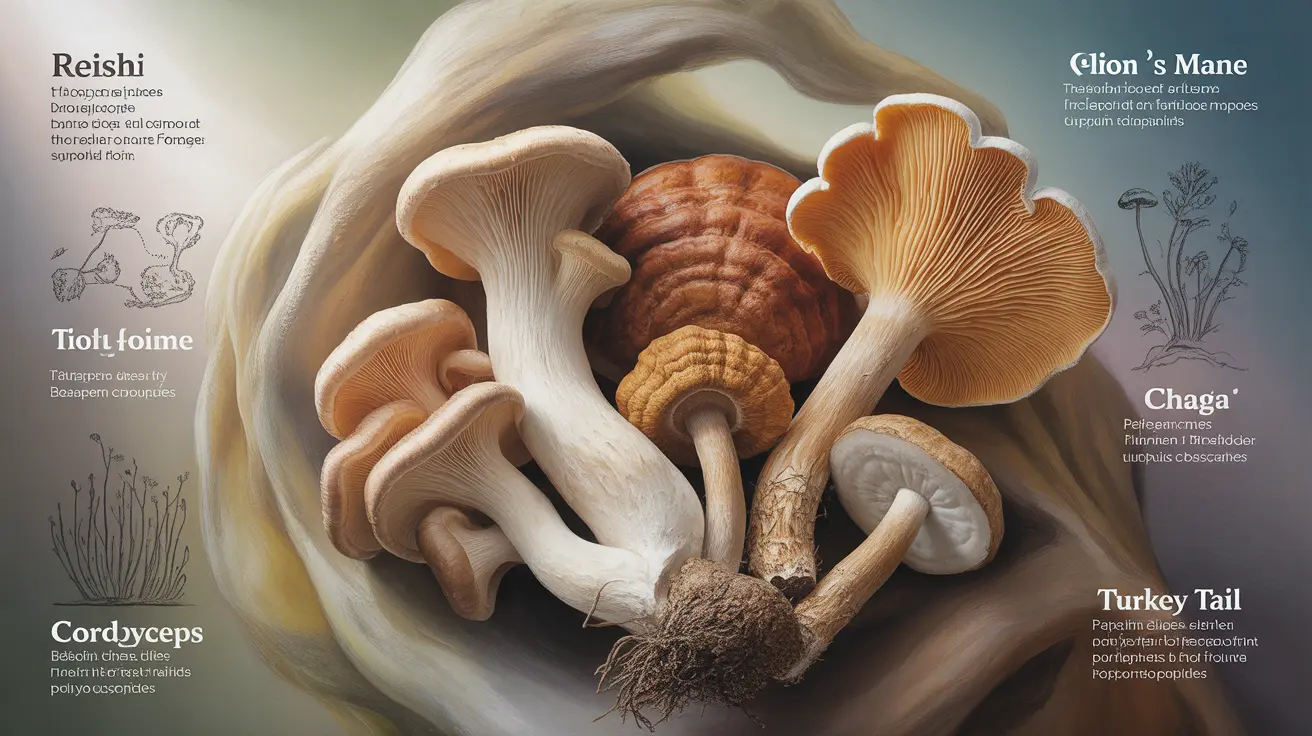
Credit: www.getlabtest.com
Scientific Research: What Do Studies Show?
While traditional medicine has used lion’s mane for centuries, what does modern science say? Let’s look at the most important studies on lion’s mane and memory.
Human Studies
Memory Improvement In Older Adults
A well-known Japanese study in 2009 tested lion’s mane on 30 adults aged 50–80 with mild memory problems. Participants took 3 grams of dried lion’s mane powder every day for 16 weeks.
- After four weeks, the mushroom group began to show better memory scores
- Improvements continued for the rest of the study
- When they stopped taking lion’s mane, memory scores dropped again
This suggests that lion’s mane can support memory, but you need to keep taking it for ongoing benefits. The researchers also noted that there were no serious side effects, which supports the mushroom’s safety profile.
Cognitive Function In Healthy Adults
A 2020 study in Korea involved 41 healthy adults. They took lion’s mane extract for 12 weeks. Results showed:
- Better performance on memory tests
- Faster reaction times
- Improved mood
The study also used brain imaging to show changes in brain activity patterns, suggesting that lion’s mane not only helps with test scores, but may also boost real cognitive function.
Mental Health And Memory
A 2010 Japanese study gave lion’s mane cookies to women experiencing menopause symptoms. After four weeks, women reported:
- Lower levels of anxiety and depression
- Better focus and memory
This suggests lion’s mane may help both mood and mental clarity. Researchers believe that supporting emotional health can indirectly improve memory, as stress and low mood often make it harder to remember things.
Animal Research
Most lion’s mane research uses mice or rats, as their brains are similar to humans. Key findings:
- Lion’s mane extract helps mice remember mazes and objects better
- It repairs brain damage in animals with injuries or Alzheimer’s models
- It boosts NGF and other brain proteins linked to learning
Some studies also show that lion’s mane helps repair nerves in the spine, not just the brain, suggesting its effects could be more widespread than just memory.
In Vitro (lab) Studies
In lab tests, lion’s mane extracts increase NGF in brain cells. They also protect against toxins that cause nerve damage.
Extra point: These studies are important for understanding the “how” behind the mushroom’s effects, but they do not always translate directly to humans. Still, they add weight to the traditional and animal evidence.
Summary Table: Lion’s Mane And Memory Research
Here’s a summary of key human studies on lion’s mane and memory:
| Study | Participants | Dosage | Duration | Main Results |
|---|---|---|---|---|
| Mori et al., 2009 | 30 older adults with mild memory loss | 3g dried powder/day | 16 weeks | Improved memory scores |
| Lee et al., 2020 | 41 healthy adults | Extract (amount not specified) | 12 weeks | Better memory tests, mood |
| Nagano et al., 2010 | 30 menopausal women | Lion’s mane cookies | 4 weeks | Less anxiety, better focus |
How Lion’s Mane Compares To Other Brain Boosters
Lion’s mane is not the only supplement for memory, but it works in unique ways. Here’s how it compares to some common memory boosters:
| Memory Booster | Main Action | Natural Source | Key Benefits |
|---|---|---|---|
| Lion’s Mane | Boosts NGF, repairs nerves | Mushroom | Supports long-term brain health, memory |
| Ginkgo Biloba | Improves blood flow | Tree leaves | Helps with short-term memory, focus |
| Bacopa Monnieri | Antioxidant, increases brain chemicals | Herb | May improve memory formation |
| Omega-3 (Fish Oil) | Supports brain cell membranes | Fatty fish | Good for mood, overall brain health |
As you can see, lion’s mane works mainly by increasing NGF and repairing nerves. It is different from herbs that only boost blood flow or fight free radicals.
Another insight: Lion’s mane can be stacked with these other supplements for a more complete approach. For example, people often combine lion’s mane with omega-3s or bacopa for better results.

Credit: www.amazon.ae
Who Can Benefit From Lion’s Mane For Memory?
Lion’s mane may help many people, especially those with certain needs or risk factors.
1. Older Adults
Memory often declines with age. Lion’s mane may slow this process by protecting and repairing brain cells, making it useful for:
- Mild cognitive impairment
- Early memory loss
- Those with a family history of Alzheimer’s
Even if you do not have memory problems yet, starting early may help prevent decline later. Prevention is easier than reversal when it comes to brain health.
2. Students And Professionals
Anyone needing better focus, learning, or information recall may benefit. Lion’s mane is popular with students and people in demanding jobs.
Extra tip: Many users report less mental fatigue and a feeling of being “in the zone” for longer periods. This makes it a favorite among writers, programmers, and creative professionals.
3. People With Stress Or Anxiety
High stress can hurt memory. Lion’s mane’s calming effects may help those who forget things when anxious.
In particular, people who experience “brain fog” during stressful times may notice clearer thinking with regular use.
4. People Recovering From Brain Injuries
Animal studies suggest lion’s mane could help heal after strokes or injuries. However, human studies are still very limited.
If you or someone you know is recovering from a brain injury, lion’s mane should only be used as a complementary tool—not a replacement for professional therapy.
5. People With Poor Diets
A poor diet can weaken the brain over time. Lion’s mane, along with good nutrition, may help restore some lost brain function.
For best results, combine lion’s mane with a diet rich in leafy greens, nuts, and fish—foods also known to support memory.
How To Take Lion’s Mane For Memory
If you want to try lion’s mane for memory, knowing how to use it is important. Here’s what you need to know about forms, dosages, and best practices.
Forms Of Lion’s Mane
Lion’s mane is available in several forms:
- Fresh or cooked mushroom: Can be added to meals. Best for overall health, but hard to find in some countries.
- Powder: Dried, ground mushroom, often used in smoothies or drinks.
- Capsules or tablets: Convenient, pre-measured doses.
- Extracts: Concentrated liquids or powders. Usually stronger and more effective for brain health.
- Functional foods: Coffees, teas, or snacks with lion’s mane added.
Some people prefer the ritual of tea or coffee with lion’s mane, which can help them remember to take it daily.
Typical Dosages
Research on optimal dosage is still ongoing, but most studies use:
- 1,000–3,000 mg (1–3 grams) per day of dried powder or extract
- Divided into 2–3 doses for best absorption
Start with a lower dose and increase slowly. Always follow product instructions and consult your doctor if unsure.
If you are sensitive to new supplements, start with 500 mg and slowly build up. Some people notice effects with even lower doses, while others need the full studied amount.
When To Take Lion’s Mane
- Best taken in the morning or early afternoon for energy and focus
- Some people feel sleepy if they take it late in the day
If you notice vivid dreams or light sleep, try moving your dose earlier.
How Long To Use It
- Memory benefits appear after 4–12 weeks of regular use
- Effects may fade if you stop taking it, based on studies
For ongoing support, consider using it for several months, then taking a short break before resuming.
Combining With Other Supplements
Lion’s mane works well with:
- Omega-3 fatty acids: For extra brain support
- B vitamins: For mental energy
- Adaptogens: Like ashwagandha, for stress reduction
Always introduce one new supplement at a time to track effects.
For example, try lion’s mane alone for a month, then add omega-3s if you want more support. This way, you can tell which supplement is making a difference.
Safety, Side Effects, And Precautions
Lion’s mane is considered very safe for most people, but there are a few important things to know.
Common Side Effects
Most people have no problems. Rare side effects can include:
- Mild stomach upset
- Skin rash or itching
- Nausea
These usually go away if you lower the dose or stop taking it.
Some users report slightly increased energy or vivid dreams, especially at higher doses. This is not dangerous, but if it bothers you, reduce your dose.
Who Should Not Use Lion’s Mane?
Avoid lion’s mane if you:
- Are allergic to mushrooms
- Are pregnant or breastfeeding (safety not well studied)
- Have bleeding disorders or take blood thinners (it may slow blood clotting)
If you have a chronic illness or take medication, talk to your doctor first.
Lion’s mane is not recommended for young children, as studies in this group are lacking.
Drug Interactions
There are few known interactions, but lion’s mane could:
- Increase effects of blood thinners
- Affect blood sugar if combined with diabetes medicine
Always check with a healthcare provider.
Quality And Purity
Not all supplements are equal. Look for:
- Third-party tested products
- Clear labeling of hericenone/erinacine content
- Organic certification if possible
Some products use only fruiting body, others use mycelium. Extracts containing both may offer the best results.
A practical detail: The best extracts use “dual extraction” (alcohol and water) to capture all active compounds.
Practical Tips For Getting The Most Out Of Lion’s Mane
Taking lion’s mane is simple, but here are some smart tips for best results:
- Be patient: Memory changes take weeks, not days.
- Combine with brain-healthy habits: Good sleep, exercise, and learning new things all boost results.
- Watch for subtle changes: You may notice better recall, sharper focus, or improved mood before big memory improvements.
- Track your progress: Use a journal or memory app to see changes over time.
- Buy from reputable brands: Cheap products may be weak or contaminated.
Try taking lion’s mane with a healthy fat, like olive oil or nut butter. Some compounds absorb better with fat.
If you forget to take it one day, just resume the next—consistency is more important than perfection.
Common Mistakes To Avoid
Many beginners make simple mistakes that can reduce lion’s mane’s benefits:
- Using low-quality products: Cheap brands may lack active compounds.
- Taking too little: Tiny doses may not work.
- Stopping too soon: It can take 1–3 months to notice changes.
- Ignoring overall health: Diet, exercise, and sleep matter as much as supplements.
- Not consulting a doctor: Especially important if you have health issues or take medication.
Also, avoid taking lion’s mane with very hot water, as some compounds may be damaged. Warm or room temperature drinks are best.
Two Non-obvious Insights About Lion’s Mane And Memory
While most people focus on the mushroom’s direct effects, there are some lesser-known ways it can help memory:
- Gut-Brain Connection: Lion’s mane may improve memory by supporting the gut microbiome. Healthy gut bacteria produce chemicals that affect mood and cognition. Some research suggests lion’s mane acts as a prebiotic, feeding good gut bacteria, which in turn help the brain work better.
For example, people with digestive issues sometimes notice better mental clarity after using lion’s mane, showing that brain and gut health are deeply linked.
- Emotional Resilience: Memory isn’t just about facts and recall. Stress, anxiety, and depression can all cloud memory. Lion’s mane’s anti-anxiety and antidepressant effects may help people remember better simply by making them calmer and more emotionally balanced.
Many users notice their mental “chatter” is quieter, which allows them to concentrate and remember information more easily.
Credit: curebydesign.in
Choosing The Right Lion’s Mane Product
With so many choices, picking the best lion’s mane supplement can be tricky. Here’s a comparison to help:
| Product Type | Strength | Best For | Pros | Cons |
|---|---|---|---|---|
| Fresh/Cooked Mushroom | Low | General health, culinary use | Tasty, whole food, nutrients | Hard to find, mild effect |
| Powder | Medium | Daily use, easy mixing | Flexible, can add to foods | Taste may be strong |
| Capsules/Tablets | Medium–High | Convenience, travel | No taste, easy to dose | May contain fillers |
| Extracts | High | Targeted brain health | Strongest effect, fast action | Expensive, must check purity |
| Functional Foods | Low–Medium | Beginners, casual use | Fun, easy to try | Often low dose |
For memory, extracts or high-quality capsules are usually the best choice.
One tip: Check for clear information on the extraction ratio, source (fruiting body vs. mycelium), and active compound content. If this information is missing, consider another brand.
Lion’s Mane In Real Life: Success Stories
Many people share positive experiences with lion’s mane. For example:
- Anna, a 58-year-old teacher, reported clearer thinking and less “senior moments” after two months of daily lion’s mane.
- Mark, a college student, noticed he could remember study material more easily and felt less stressed during exams.
- Li, who recovered from a mild stroke, said her speech and memory improved after three months of using lion’s mane extract, along with therapy.
Others mention that lion’s mane helps them stay focused at work, avoid losing track of tasks, or feel less anxious in social settings. While results do vary, these real-world stories often match what is seen in research: steady, gentle improvements in mental clarity and recall.
The Future Of Lion’s Mane Research
Interest in lion’s mane is growing fast. Scientists are now exploring:
- Larger clinical trials for Alzheimer’s and dementia
- Effects on other brain disorders (like Parkinson’s and MS)
- Best extraction methods for maximum benefits
- How it works with other nootropics (brain boosters)
Researchers are also interested in how long-term use affects healthy people, not just those with memory problems. Some early results suggest that starting young could help keep your brain sharp as you age.
The science is still young, but lion’s mane is already one of the most promising natural tools for supporting memory and brain health. For more on current research, see this Wikipedia entry on Hericium erinaceus.
Frequently Asked Questions
How Long Does It Take For Lion’s Mane To Improve Memory?
Most people notice subtle changes after 4–6 weeks of daily use. Studies suggest effects build over time and may fade if you stop taking it. For best results, use lion’s mane consistently for at least three months.
Is Lion’s Mane Safe For Everyone?
Lion’s mane is safe for most healthy adults. Avoid it if you have a mushroom allergy, are pregnant, breastfeeding, or have a bleeding disorder. Always check with a doctor if you have health conditions or take medication.
Can I Take Lion’s Mane With Other Memory Supplements?
Yes, lion’s mane can be combined with omega-3s, B vitamins, or ginkgo biloba for extra brain support. Add new supplements one at a time to watch for side effects or interactions.
What’s Better: Lion’s Mane Powder Or Extract?
Extracts are usually stronger and more effective for memory, as they concentrate the active compounds (hericenones and erinacines). However, powders and capsules from reputable brands can also work well.
Does Lion’s Mane Work For Alzheimer’s Disease?
Early research is promising, especially in animal studies. Some small human trials show benefits for mild cognitive impairment. However, there’s not enough evidence yet to recommend lion’s mane as a treatment for Alzheimer’s. Always follow your doctor’s advice.
Lion’s mane mushroom offers a natural, science-backed way to support memory and brain health. By understanding how it works and using it wisely, you can give your mind the best chance to stay sharp—now and in the future.