
Reishi For Sleep: How This Ancient Mushroom Improves Deep Rest
If you have ever struggled to fall asleep or wake up feeling tired, you are not alone. Millions of people worldwide find it hard to get enough deep, restful sleep. Stress, technology, and daily worries often keep our minds busy long after we turn off the lights. While there are many sleep aids and supplements, some people are turning to a natural option that has been used for over 2,000 years—Reishi mushroom.
Reishi, also known as Ganoderma lucidum or “Lingzhi,” is sometimes called the “Mushroom of Immortality” in ancient Chinese medicine. But can this ancient mushroom really help you sleep better? In this article, you will learn what Reishi is, how it works for sleep, the science behind it, how to use it, and what to expect. Whether you want to try Reishi for the first time or understand its true effects, this guide will help you make an informed choice.
What Is Reishi Mushroom?
Reishi is a medicinal mushroom found in Asia, especially in China, Japan, and Korea. It grows on hardwood trees and has a shiny, reddish-brown cap. For centuries, people used it to support longevity, health, and relaxation. Today, you can find Reishi in powders, capsules, teas, and even extracts.
The power of Reishi comes from its bioactive compounds. These include triterpenes, polysaccharides, and peptidoglycans. These compounds are believed to support the immune system, reduce stress, and help the body find balance. Some of these compounds, especially triterpenes, are unique to Reishi and are rarely found in other mushrooms or plants.
People have used Reishi in different ways throughout history. In old times, only emperors and wealthy families had access because it was rare and hard to find. Today, with modern cultivation, more people can use it for its wellness benefits.
How Reishi Differs From Other Mushrooms
Many mushrooms are healthy, but Reishi is unique because of its high amount of triterpenes and special polysaccharides. Unlike mushrooms you cook in the kitchen, Reishi is woody and bitter. It is not eaten as food but prepared as a supplement, tea, or extract.
Reishi has a tough, almost tree-like texture. You cannot just slice and fry it like button or shiitake mushrooms. Its bitterness comes from the strong chemicals inside, which are also what give it its health properties. Other medicinal mushrooms like lion’s mane or chaga are used more for memory or immunity, but Reishi is most famous for its calming and balancing effects.
Another difference is how it is grown and processed. High-quality Reishi products are usually made from the fruiting body, not just the mycelium (the root-like structure). The fruiting body contains most of the active compounds. This is important to look for when you buy Reishi supplements.
The Importance Of Deep Sleep
To understand how Reishi helps, it’s important to know why deep sleep matters. Sleep is not just about hours spent in bed. The quality and stages of sleep are critical for health.
Deep sleep, also called slow-wave sleep (SWS), is when the body repairs itself. In this stage, your heart rate slows, breathing is steady, and your brain sorts out memories. Without enough deep sleep, you may feel tired, unfocused, and stressed. Long-term lack of deep sleep can increase the risk of illness, weight gain, and mood problems.
During deep sleep, the body releases growth hormone, which helps repair muscles and tissues. The immune system also resets, which is why people who don’t get enough deep sleep often get sick more easily. Deep sleep also helps the brain clear out toxins—a process known as glymphatic drainage.
This is why good sleep is linked with lower risks of dementia and other brain problems later in life.
Many people can fall asleep but do not reach enough deep sleep. This is often due to stress, anxiety, or an overactive mind. This is where Reishi may help.
A common sign you are not getting enough deep sleep is waking up feeling unrefreshed, even after a full night in bed. You might also notice poor memory, irritability, or more frequent colds. Improving deep sleep can make a big difference in your energy, mood, and long-term health.
How Reishi Mushroom Supports Sleep
1. Calms The Mind And Reduces Stress
One of the main reasons people struggle to sleep is stress. Reishi has been shown to support the body’s natural stress response. It is considered an adaptogen—a natural substance that helps the body handle stress and restore balance.
Reishi contains triterpenes, which may help reduce feelings of anxiety and calm racing thoughts. By lowering stress, your mind is better prepared for sleep.
People who use Reishi often notice a more relaxed feeling in the evening, even before they go to bed. Some say their mind feels less “busy” or overactive. This calming effect can make it easier to unwind and let go of worries.
Reishi does not act as a sedative, so you do not feel “knocked out,” but rather gently soothed.
2. Balances The Immune System
Sleep and the immune system are closely linked. If your immune system is overactive, you may feel restless or have trouble sleeping. Polysaccharides in Reishi help balance the immune system. This balance can promote a more restful sleep and help your body recover overnight.
For example, people with allergies or autoimmune problems sometimes report better sleep after using Reishi. This is likely because their immune system is less “on alert” during the night. Balanced immunity also means less inflammation, which is a hidden cause of sleep disturbances for many people.
3. Supports Hormone Regulation
Sleep is controlled by hormones like melatonin and cortisol. Melatonin tells your body it’s time to sleep, while cortisol is the “stress hormone.” High cortisol at night can keep you awake.
Reishi may help lower nighttime cortisol and support the body’s natural melatonin cycle. This creates the right conditions for deep, natural sleep.
Some users notice they start to feel sleepy at a more regular time each night after using Reishi for a few weeks. This is a sign their body clock is resetting. Unlike melatonin supplements, which directly add hormone to your body, Reishi helps your own system work better.
This makes it less likely to disrupt your natural sleep cycle.
4. Eases Physical Discomfort
Pain, inflammation, or discomfort can interrupt sleep. Reishi has anti-inflammatory properties and may help reduce mild aches or muscle soreness. A more comfortable body means fewer wake-ups in the night.
If you have minor aches from exercise, a stiff neck, or even mild headaches, Reishi’s calming effect on inflammation can make it easier to stay asleep. People with chronic pain conditions sometimes use Reishi as part of a broader plan to improve sleep and healing.
5. May Increase Time In Deep Sleep
Some studies suggest Reishi can help people spend more time in the deep sleep stage. This means you wake up feeling more refreshed, not just less tired.
In practical terms, this can mean waking up less often to use the bathroom, tossing and turning less, and having a smoother transition between sleep stages. Over time, more deep sleep leads to better physical and mental recovery.
Scientific Evidence: What Research Says About Reishi And Sleep
While Reishi has a long history in traditional medicine, modern science is just beginning to understand how it works for sleep. Let’s look at what research says.
Human Studies
A study published in the journal Phytotherapy Research gave Reishi extract to people with sleep problems. After four weeks, participants reported better sleep quality, faster sleep onset, and fewer wake-ups during the night.
Another small clinical trial found that Reishi helped reduce fatigue and improved feelings of well-being in older adults. Participants also noted better mood and fewer sleep disturbances.
There are also survey reports from people with chronic fatigue and mild insomnia who report feeling less daytime sleepiness and more alert after regular Reishi use. While these reports are helpful, large, high-quality studies are still needed to confirm these effects in all age groups.
Animal Studies
More research has been done on animals. In one experiment, mice given Reishi extract spent more time in non-REM and deep sleep stages. The mice also fell asleep faster and woke up less often. Scientists believe this is due to the mushroom’s effect on the GABA system in the brain—a system that helps control relaxation and sleep.
Other animal studies show Reishi can lower levels of stress hormones and reduce behaviors linked with anxiety. These findings help explain why many people report feeling calmer and sleeping deeper after using Reishi.
Limitations And Gaps
While these studies are promising, more large-scale research on humans is needed. Results can vary from person to person, and not everyone will have the same response.
It is also important to note that some products labeled as “Reishi” may not contain enough active compounds to have an effect. This is why choosing quality supplements is important.
How Reishi Compares To Other Sleep Aids
Reishi is different from common sleep medicines or melatonin. It does not force your body to sleep or cause grogginess. Instead, it works gently, helping your body relax and balance itself. Many people find it helps with overall well-being, not just sleep.
Here is a comparison of Reishi and other popular sleep aids:
| Sleep Aid | How It Works | Side Effects | Best For |
|---|---|---|---|
| Reishi Mushroom | Balances stress, supports relaxation | Rare, mild digestive upset | Chronic stress, light sleep problems |
| Melatonin | Directly signals sleep time | Drowsiness, vivid dreams | Jet lag, shift work |
| Prescription Sleep Pills | Induces sleep chemically | Dependency, grogginess | Severe insomnia |
| Valerian Root | Calms nervous system | Headache, dizziness | Mild anxiety, restlessness |
Another non-obvious benefit is that Reishi does not cause morning drowsiness, so you can wake up clear-headed. Many over-the-counter sleep aids leave you feeling groggy, but Reishi’s gentle action avoids this.
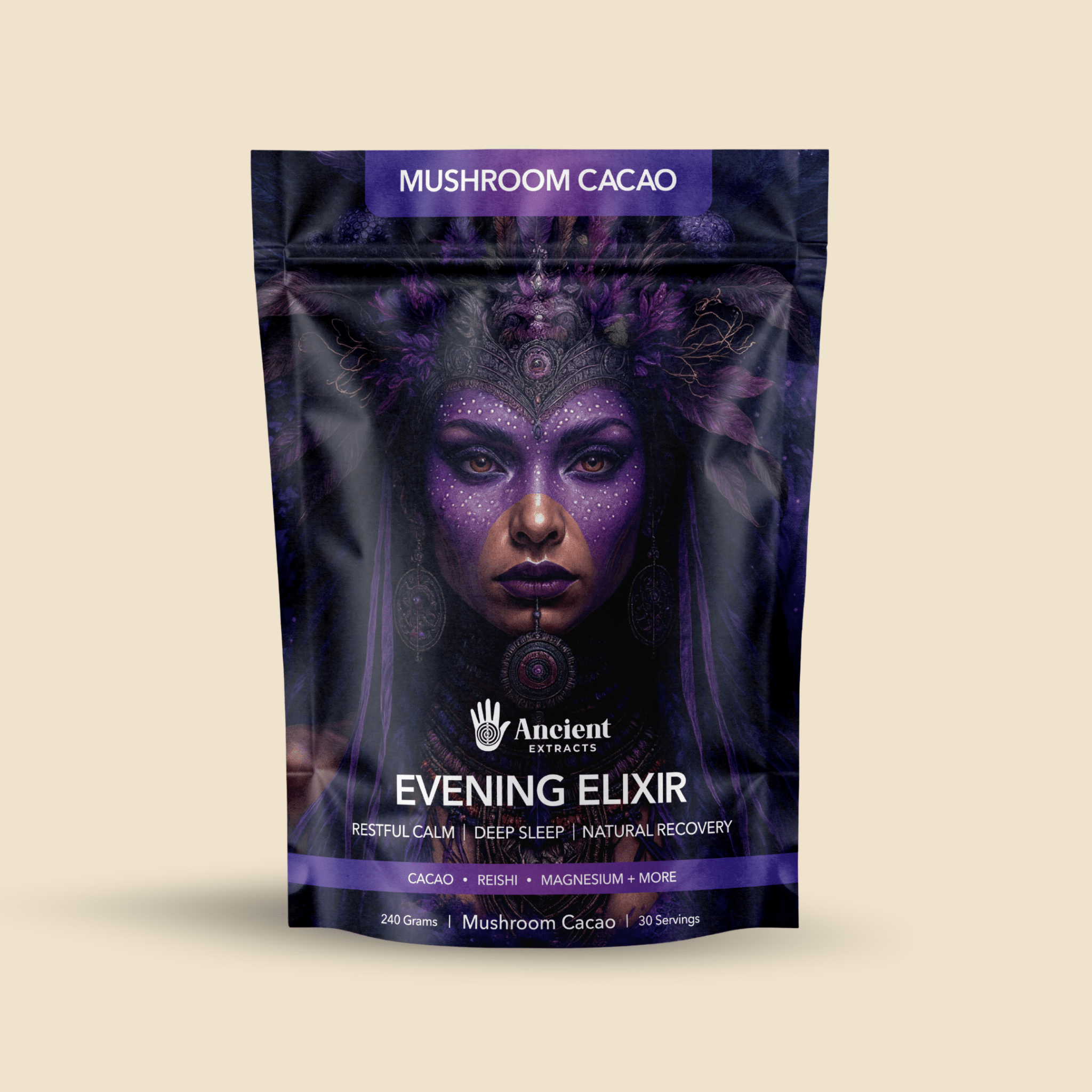
Credit: www.ancientextracts.co.uk
How To Use Reishi For Sleep
Choosing The Right Form
Reishi comes in many forms. The most common are:
- Powder: Mix into drinks, smoothies, or food.
- Capsules/Tablets: Easy to take, precise dosing.
- Extracts/Tinctures: Stronger, faster absorption.
- Teas: Traditional method, calming bedtime ritual.
Each type has its pros and cons. Powders and teas are good if you enjoy the taste and want a bedtime routine. Capsules and extracts are better for busy people or those who dislike the bitter flavor.
If you are new to Reishi, capsules are a simple way to start, as you can control the dose and avoid the taste. People who enjoy evening rituals may find that making tea helps them relax even before the Reishi takes effect.
How Much Reishi Should You Take?
There is no single “correct” dose, but most studies use:
- 1 to 3 grams of Reishi powder per day
- 500 mg to 2,000 mg of extract per day
Start with a lower amount to see how your body reacts. Increase slowly if needed.
If you are using a tea, one cup (using about 1–2 grams of dried mushroom) is a good place to start. For extracts, check the label for concentration—some are 10:1 or stronger, so you need less.
Best Time To Take Reishi
For sleep, the best time is 30-60 minutes before bedtime. This gives your body time to absorb the active compounds and start relaxing.
Some people find that taking Reishi right after dinner works better, especially if they tend to get sleepy too late at night. You can experiment to see what timing fits your own sleep rhythm.
How To Prepare Reishi Tea
Many people enjoy Reishi as a relaxing tea before bed. Here’s how to make it:
- Use 1–2 grams of dried Reishi slices or powder.
- Add to 2 cups of hot water.
- Simmer for 20–30 minutes (not just steeping).
- Strain and drink warm.
You can add honey, ginger, or lemon to balance the bitter taste.
For an even smoother taste, try adding a cinnamon stick or a few goji berries while simmering. Some people like to mix Reishi tea with a calming herbal tea, such as chamomile or passionflower, for extra sleep support.
Combining Reishi With Other Sleep Habits
Reishi works best when combined with good sleep hygiene:
- Keep your bedroom cool and dark.
- Avoid screens 1 hour before bed.
- Go to bed at the same time each night.
- Practice deep breathing or gentle stretching.
Making these changes alongside Reishi can improve your results.
You can also try journaling your sleep patterns to see how Reishi affects you over time. This helps you notice small improvements and adjust your routine if needed.
Who Should (and Should Not) Use Reishi?
Good Candidates For Reishi
- People with mild to moderate sleep troubles
- People with high stress or “busy mind”
- Those wanting a natural, gentle sleep aid
- People who want extra immune support
If you often feel “wired but tired” at night or wake up often, Reishi may help. It is also a good choice for people who prefer herbal remedies and want to avoid stronger medications.
Who Should Be Careful
- Pregnant or breastfeeding women (not enough safety data)
- People on blood thinners or immune-suppressing drugs
- Those with mushroom allergies
Always check with a doctor before starting any new supplement, especially if you have health conditions or take medication.
People with low blood pressure should also be cautious, as Reishi can sometimes lower blood pressure slightly. Start with a low dose and monitor your reaction.
Possible Side Effects And Safety
Reishi is generally safe for most people when used as directed. Side effects are rare but can include:
- Mild stomach upset or diarrhea
- Dry mouth or throat
- Allergic reactions (rare)
Taking very high doses for months may affect the liver. Stick to recommended amounts and take breaks if using for a long time.
Here’s a quick safety comparison with other sleep aids:
| Sleep Aid | Common Side Effects | Risk of Dependency | Long-Term Safety |
|---|---|---|---|
| Reishi | Mild digestive upset | None | Safe with breaks |
| Prescription Sleep Pills | Drowsiness, confusion | High | Not recommended |
| Melatonin | Dreams, headache | None | Generally safe |
| Alcohol | Hangover, poor sleep quality | High | Unsafe long-term |
If you have any unusual symptoms after starting Reishi, stop taking it and consult your healthcare provider. Always buy from trusted brands to avoid contaminated or mislabeled products.
Common Mistakes When Using Reishi For Sleep
- Expecting instant results: Reishi works slowly. It may take 1–2 weeks to notice better sleep.
- Taking too much: Higher doses do not always mean better sleep and can cause stomach upset.
- Using low-quality products: Some brands contain fillers or weak extracts. Choose reputable sources.
- Ignoring other sleep habits: Reishi is not magic. Poor sleep hygiene can block its effects.
- Stopping too soon: Give Reishi time to build up in your system.
Many beginners also forget to read ingredient labels. Some products mix Reishi with caffeine or stimulants, which can actually make sleep worse. Always check for pure Reishi or blends made for nighttime use.
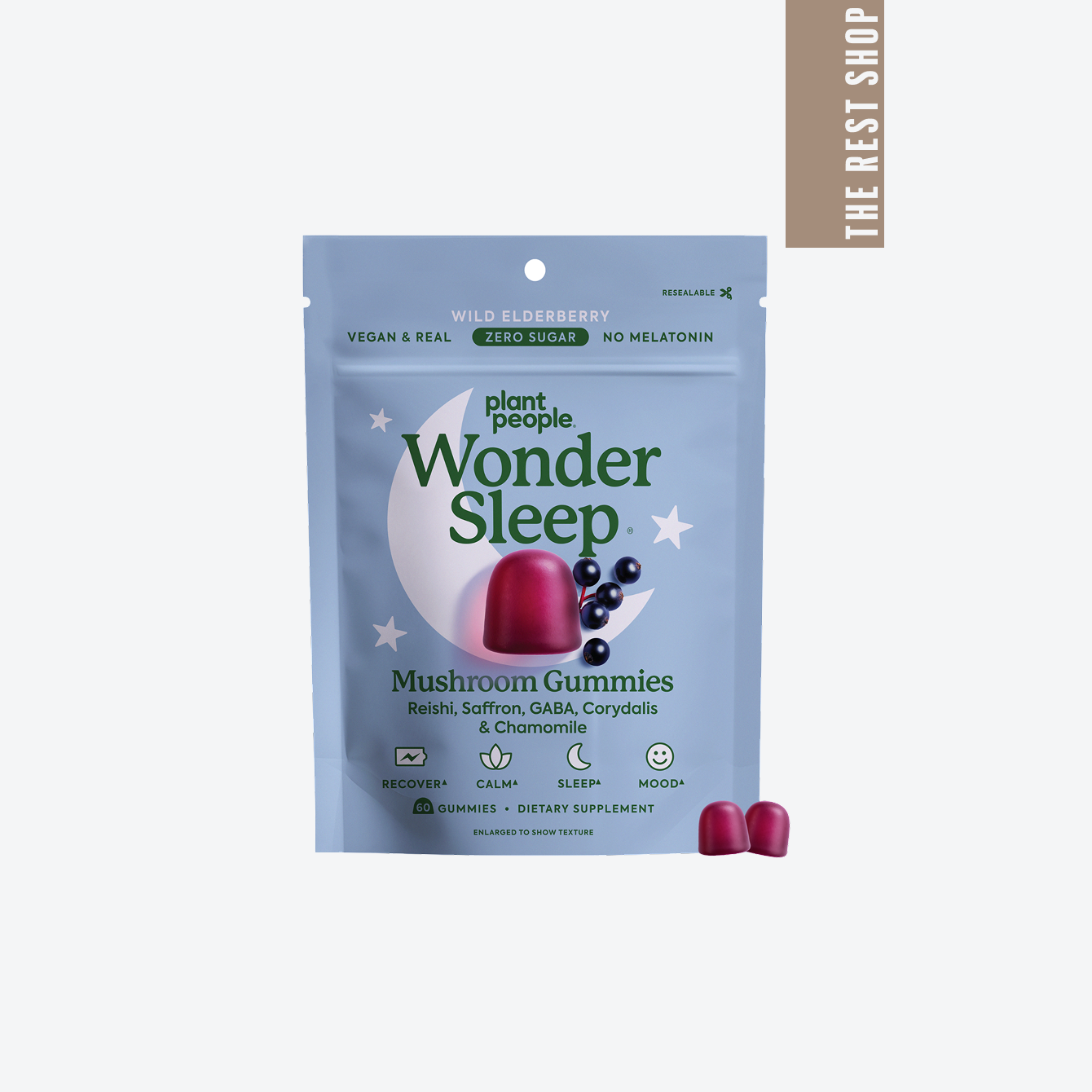
Credit: lunya.co
Non-obvious Insights About Reishi And Sleep
Many new users focus only on sleep improvement, but Reishi’s benefits go beyond bedtime. It can help with daytime calmness, which reduces anxiety before night. Also, people often miss that Reishi’s effects build over time. You may not notice a big change after one night, but after two to four weeks, the improvement can be clear.
Another less-known tip: taking Reishi earlier in the evening (not right at bedtime) works better for some. This gives your body enough time to relax naturally. Lastly, pairing Reishi with a light protein snack can help stabilize blood sugar and further promote sleep.
Some users also find that using Reishi during stressful periods (like travel or big work projects) helps prevent sleep problems before they start. Even if you do not have trouble sleeping all the time, Reishi can be used “as needed” for extra support.
Finally, regular use of Reishi may support your overall resilience to stress, so you are less likely to develop sleep problems in the future.
What To Expect When You Start Using Reishi
First Few Nights
You may not notice a difference immediately. Some people feel a bit more relaxed or less anxious at night. If you are sensitive, you may notice dreams become more vivid.
Some people notice subtle changes, like feeling less “wired” in the evening or not worrying as much while trying to fall asleep. These are early signs that Reishi is starting to help your body unwind.
After 1–2 Weeks
Many users say they fall asleep faster and wake less often during the night. Some feel more refreshed in the morning.
You may also notice better mood or clearer thinking during the day. This is because deeper sleep helps your brain recover and process information.
After 1 Month
If used regularly, most people report better sleep quality, less stress, and a stronger immune system. Remember, everyone’s body is different, and results can vary.
People with long-term sleep problems may need more time. It is not unusual to see the best results after 6–8 weeks of steady use, especially if you combine Reishi with good sleep habits.

Credit: www.amazon.com
Reishi In Traditional And Modern Medicine
Reishi is not a new “fad.” In China and Japan, it has been used for thousands of years as a tonic for longevity and calm. Healers gave it to people with sleep troubles, nervousness, and low energy.
In ancient texts, Reishi was described as a way to “nourish the spirit” and “anchor the mind. ” It was often used in formulas with other calming herbs and was given to people recovering from illness.
Today, Reishi is being studied worldwide. It is popular in functional medicine and with people who want natural ways to support health. Many athletes, executives, and wellness experts use it to recover from stress and improve sleep.
In Japan, Reishi is sometimes called “mannentake,” meaning “10,000-year mushroom,” to reflect its reputation for supporting long life. Modern research continues to explore these traditional claims, and many doctors are open to combining Reishi with other therapies for better results.
Buying And Storing Reishi: Tips For Best Results
How To Choose Quality Reishi Products
- Look for products tested by third-party labs for purity and strength.
- Choose “fruiting body” extracts (the part with most active compounds).
- Avoid products with lots of fillers or artificial ingredients.
- Read reviews and check the company’s reputation.
If you see “mycelium on grain” or “mycelial biomass” on the label, be cautious. These products often contain less active Reishi compounds. Pure fruiting body extracts are usually darker in color and have a strong, earthy taste.
Also, check for organic certification to avoid pesticides or heavy metals. Good companies will share lab tests or “certificates of analysis” on their websites.
How To Store Reishi
- Keep powder or capsules in a cool, dry place.
- Close containers tightly to keep out moisture.
- Use within the expiration date for best potency.
If you make tea, store extra in the refrigerator and drink within 1–2 days. Do not freeze Reishi powder, as moisture can build up and spoil it.
The Bigger Picture: Reishi As Part Of A Healthy Lifestyle
Reishi is not a replacement for good sleep habits or medical care. But as part of a healthy lifestyle, it can be a powerful tool. Combine it with:
- Regular exercise
- Healthy meals
- Stress management
- Mindfulness or meditation
This creates the best chance for deep, healing sleep.
If you use Reishi, keep track of your progress. You can write down your sleep quality, mood, and energy each week. This helps you see the benefits over time and adjust your routine as needed.
The Future Of Reishi Research
Interest in Reishi is growing. Scientists are studying how its compounds affect the brain, hormones, and immune system. There is hope that new research will explain exactly how Reishi works and who can benefit most. For now, the evidence and centuries of use suggest it is a safe, gentle support for better sleep.
Researchers are also exploring how Reishi could be used for people with chronic diseases, anxiety, and even brain aging. As testing methods improve, we will likely learn more about the best doses, combinations, and long-term benefits.
Frequently Asked Questions
What Is The Best Form Of Reishi For Sleep?
The best form depends on your preference. Reishi capsules are easy and precise, while teas offer a relaxing ritual. Extracts are stronger and faster. Choose what fits your lifestyle. Look for high-quality products made from the mushroom’s “fruiting body” for best results.
If you dislike bitter flavors, capsules or extracts are the easiest choice. If you enjoy making a bedtime drink, try tea or powder.
How Long Does It Take For Reishi To Improve Sleep?
Most people notice small changes in 1–2 weeks, with bigger improvements after 3–4 weeks of regular use. Reishi builds up in your body, so patience is key. If you do not see results after one month, consider adjusting the dose or checking your other sleep habits.
Some people who are very stressed or have old sleep problems may need up to 8 weeks to see the full effect.
Can I Take Reishi With Other Sleep Supplements?
Reishi is safe to combine with most natural sleep aids like magnesium or glycine. However, avoid mixing with prescription sleep pills unless advised by a doctor. Always start with low doses and increase slowly to avoid unwanted effects.
If you use herbs like valerian or passionflower, use smaller amounts when combining with Reishi, as the calming effects can add up.
Are There Any Long-term Risks With Reishi?
When used in recommended amounts, Reishi is considered safe for most people. Long-term use of very high doses may affect the liver. Take occasional breaks if using Reishi for many months. Always check with your healthcare provider if you have health conditions.
If you use Reishi daily for more than three months, consider taking a week break before starting again.
Where Can I Find Reliable Information On Reishi Research?
A good source for up-to-date research is the Wikipedia page on Ganoderma lucidum. It provides links to scientific studies, traditional uses, and safety data.
Getting deep, restful sleep is one of the best things you can do for your body and mind. While there is no magic solution, Reishi mushroom offers a gentle, natural way to support better sleep and overall well-being. If you are curious about trying it, start slow, choose quality products, and combine with healthy habits. Over time, you may find that this ancient mushroom helps you wake up refreshed and ready for your day.