
Lion’s Mane Supplement Vs Powder Vs Extract: Which Form Is Best?
Lion’s mane mushroom is one of the most talked-about natural supplements today. People use it for memory, focus, and even for supporting their mood. If you’re considering adding lion’s mane to your routine, you’ll quickly notice there are different forms: supplements (often capsules), powders, and extracts. Which one is best? It’s easy to get lost in marketing claims, but the real answer depends on your goals, preferences, and how the product is made.
In this guide, you’ll discover what makes each form unique, how they are made, their pros and cons, and how to choose the right one for you. You’ll also find practical advice on how to use lion’s mane, common mistakes, and insights that many beginners miss.
By the end, you’ll feel confident to make the best choice for your health.
What Is Lion’s Mane?
Lion’s mane (Hericium erinaceus) is a white, shaggy mushroom that looks like a lion’s mane, hence the name. It grows on hardwood trees in North America, Europe, and Asia. In traditional Chinese medicine, lion’s mane has been used for centuries to support brain and nerve health.
Modern science has discovered that lion’s mane contains special compounds called hericenones and erinacines. These compounds can help support brain cell growth, memory, and nerve health. Studies also show potential benefits for mood, the immune system, and even the gut.
Lion’s mane is not just a trend. The mushroom is well-researched, with studies showing both safety and promising effects. But to get these benefits, you need to choose the right form and quality.
Why People Take Lion’s Mane
Lion’s mane is popular for many reasons. Some of the most common benefits people seek are:
- Memory and focus – Used by students, professionals, and older adults.
- Mood support – May help with mild anxiety or depression.
- Brain health – Supports nerve growth and repair.
- Immune support – Contains beta-glucans for immune health.
- Digestive health – May soothe the gut lining.
It’s important to remember that everyone’s body is different. Some people notice effects quickly, while others may need several weeks.

Credit: www.amazon.com
How Lion’s Mane Is Processed
Before comparing forms, it’s helpful to understand how lion’s mane gets from the forest to a bottle or bag.
- Harvesting – Mushrooms are harvested from the wild or grown on farms.
- Drying – They are dried to remove moisture and prevent spoilage.
- Grinding or Extracting – Dried mushrooms are ground into powder or processed to extract active compounds.
- Packaging – The final product is packed as capsules, loose powder, or liquid extract.
The way lion’s mane is processed affects its quality and potency. For example, hot water extraction pulls out different compounds than alcohol extraction. Always check how the product is made before buying.
Lion’s Mane Supplement (capsules And Tablets)
Supplements are the most popular and convenient form for most people. They usually come as capsules or tablets, filled with powdered lion’s mane or extract.
How Supplements Are Made
Capsules and tablets often contain either:
- Pure lion’s mane powder
- Extract (concentrated form)
- A mix of both
Some brands add fillers or other mushrooms, so read the label carefully.
Pros Of Supplements
- Easy to take – No taste or preparation needed.
- Accurate dosing – Each capsule contains a measured amount.
- Good for travel – Small and portable.
- Long shelf life – Less exposure to air and moisture.
Cons Of Supplements
- Usually more expensive per serving than powder.
- May contain fillers or additives.
- You can’t adjust the dose easily.
Who Should Choose Supplements?
Supplements are best for people who want convenience and don’t like the taste of mushrooms. They are also good if you want to be sure of your daily dose.
What To Look For
- Check if the supplement uses extract or whole mushroom powder.
- Look for “fruiting body” on the label (better than just mycelium).
- Avoid products with lots of fillers or additives.
- Reliable brands test for heavy metals and contamination.
Common Mistakes
A common error is thinking all capsules are extracts. Many are just ground mushroom powder, which is less potent. Always check if the product says “extract” and lists extraction ratio (like 8:1).
Lion’s Mane Powder
Lion’s mane powder is simply dried mushrooms ground into a fine powder. Some powders are pure, while others are blends with other ingredients.
How Powder Is Made
- Mushrooms are dried.
- They are ground into powder.
- The powder is packaged in bags or jars.
Some powders are dual-extracted (using water and alcohol), but most are just dried and ground.
Pros Of Powder
- Flexible dosing – Easy to take more or less.
- Can mix with food or drinks – Good for smoothies, coffee, or recipes.
- Usually cheaper per serving than capsules or extracts.
Cons Of Powder
- Strong taste – Some people dislike the mushroom flavor.
- Can be messy – Powders can spill or clump.
- Less potent than extracts (unless specified).
Who Should Choose Powder?
Powder is great for people who like making drinks or smoothies and want to control their dose. It’s also good if you want a more budget-friendly option.
What To Look For
- Choose powders made from the fruiting body (not just mycelium).
- Check if the powder is dual-extracted for more potency.
- Avoid powders with sweeteners or unnecessary additives.
Common Mistakes
Many beginners think all powders are equally strong. In reality, plain powder is less concentrated than extract powder. If you want strong effects, look for extract powder, not just “mushroom powder. ”
Lion’s Mane Extract
Extracts are made by pulling out specific active compounds from the mushroom using hot water, alcohol, or both. Extracts can be in liquid, powder, or capsule form, but here we’ll focus on the classic liquid extract.
How Extract Is Made
- The mushroom is soaked in hot water (for polysaccharides) or alcohol (for erinacines).
- The liquid is filtered.
- The final extract is concentrated and bottled.
Some extracts are standardized, meaning each batch has a set amount of active compounds.
Pros Of Extract
- Most potent form – Higher concentration of active compounds.
- Fast absorption – Especially for liquid extracts.
- Small serving size – You need less to get the same effect.
Cons Of Extract
- Higher cost per serving.
- Strong taste – Some find it bitter or earthy.
- Needs careful dosing – Too much can cause digestive upset.
Who Should Choose Extracts?
Extracts are ideal for people who want the strongest effects in the smallest dose. If you want fast results or are using lion’s mane for a specific health goal, extract is usually best.
What To Look For
- Check the extraction ratio (like 10: 1 or 8:1).
- Look for “dual-extracted” for a full range of compounds.
- Choose brands that test for purity and potency.
Common Mistakes
A frequent mistake is thinking all extracts are the same. Extraction methods matter. For example, alcohol-only extracts miss some water-soluble compounds. Look for dual-extracted products for the broadest benefits.
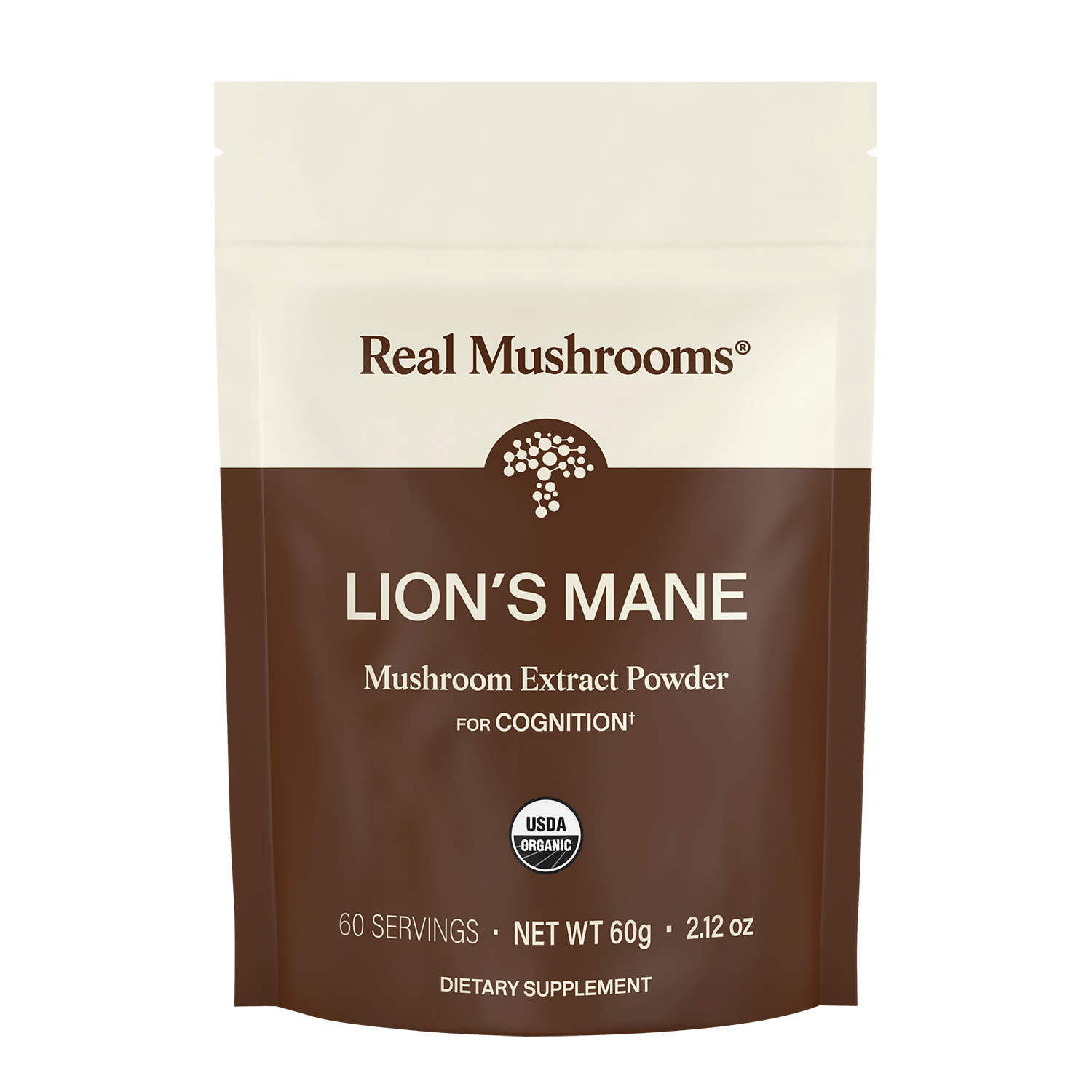
Credit: realmushrooms.com
Comparing Forms: Supplement Vs Powder Vs Extract
To help you understand the main differences, here’s a side-by-side look at the three forms:
| Form | Potency | Ease of Use | Cost | Best For |
|---|---|---|---|---|
| Supplement (Capsule/Tablet) | Medium to High (depends on content) | Very Easy | $$ | Convenience, accurate dosing |
| Powder | Low to Medium | Easy to Moderate | $ | Flexible use, recipes, budget |
| Extract | High | Moderate (strong taste) | $$$ | Strongest effects, fast results |
Potency: Which Form Is Strongest?
The potency of lion’s mane means how much active compound you get per serving.
- Extracts are the strongest because they concentrate the active compounds.
- Supplements can be potent if they use extract, but some are just ground powder.
- Powder is usually the least concentrated unless it is a labeled “extract powder.”
Always check the extraction ratio. A 10:1 extract means it takes 10 parts of mushroom to make 1 part of extract. More is not always better, though—a higher ratio can mean less of the “whole mushroom” effect.
Absorption And Effectiveness
How your body absorbs lion’s mane can change depending on the form:
- Liquid extracts are absorbed fastest, often within 15–30 minutes.
- Powders and capsules take longer, especially if you take them with food.
- Capsules may take longer to break down in your stomach.
If you want fast effects, liquid extract is best. For daily, long-term use, any form can work if it’s high quality.
Taste And Usability
Taste matters more than many people expect.
- Powders have a strong, earthy mushroom taste. Some people like it in coffee or smoothies. Others find it hard to swallow.
- Capsules and tablets have no taste and are easy to swallow.
- Liquid extracts are often bitter or earthy, and you may need to mix them with water or juice.
If you can’t stand the taste of mushrooms, capsules are your best choice.
Cost Comparison
Here’s how the cost usually compares:
| Form | Average Monthly Cost (USD) | Servings per Container |
|---|---|---|
| Capsule Supplement | $25–$45 | 30–60 |
| Powder | $20–$35 | 30–60 |
| Liquid Extract | $35–$60 | 30–60 |
Powder is usually the most affordable, but you may need a larger serving for the same effect.
Quality And Purity: What To Watch For
Not all lion’s mane products are created equal. Here’s what really matters:
- Fruiting Body vs. Mycelium – The fruiting body is the “real” mushroom, richer in active compounds. Mycelium is the root-like structure grown on grain. Some cheap products use mostly mycelium, which is less potent.
- Extraction Method – Dual-extracted (water + alcohol) products are usually best. Single-extract may miss key compounds.
- Third-Party Testing – Look for brands that test for heavy metals, pesticides, and active compounds.
- Country of Origin – Some prefer US- or Europe-grown mushrooms due to stricter quality controls.
- Additives – Avoid artificial flavors, sweeteners, or unnecessary fillers.
A big mistake is buying the cheapest product without checking these details. Poor-quality lion’s mane may contain very little of the compounds you want.
Scientific Evidence And Research
Multiple studies support the benefits of lion’s mane. For example:
- A 2009 study in Japan found that older adults who took lion’s mane powder for 16 weeks had better cognitive function than those who took a placebo.
- Animal studies show that lion’s mane can help nerve regeneration and may reduce symptoms of anxiety and depression.
- Lab research indicates strong antioxidant and anti-inflammatory effects.
However, most studies use extracts, not plain powder. This means if you want effects shown in research, an extract or extract-based supplement is usually better.
For more scientific details, you can check this Wikipedia page about Hericium erinaceus.
How To Take Lion’s Mane: Practical Advice
Choosing The Right Dose
- Supplements (Capsules/Tablets): 500–1000 mg daily is common. Follow the label.
- Powder: 1–2 grams per day is typical. Mix with food or drink.
- Extract: Follow the label, but usually 1–2 ml per day.
Start with a low dose and increase slowly to see how your body reacts.
Best Time To Take
Most people take lion’s mane in the morning or early afternoon. It’s not a stimulant, but some people notice more energy or focus. If you feel too alert at night, take it earlier in the day.
With Food Or Empty Stomach?
Lion’s mane can be taken with or without food. Some say it absorbs better with a little fat (like coconut oil or milk).
Combining With Other Supplements
Lion’s mane is safe to use with most other supplements. Many people combine it with:
- Chaga or reishi for overall wellness
- Cordyceps for energy
- Bacopa or ginkgo for brain support
But avoid mixing with too many new supplements at once. Introduce one at a time to track how you feel.
How Long Until You Notice Effects?
Some people feel a difference within a few days—better focus or clearer thinking. For others, it may take several weeks. For nerve or mood support, effects are usually gradual.
Non-obvious insight: Consistency is key. Taking lion’s mane daily for at least 4–8 weeks gives your body time to benefit. Skipping days or stopping too soon is a common beginner mistake.
Side Effects And Safety
Lion’s mane is considered very safe for most people. Side effects are rare but can include:
- Mild digestive upset (especially with high doses)
- Allergic reactions (very rare)
- Dry mouth or skin rash (uncommon)
If you’re pregnant, breastfeeding, or have allergies to mushrooms, talk to your doctor first. Lion’s mane can interact with some medicines, especially those for blood sugar or blood thinning.
Who Should Not Take Lion’s Mane?
While generally safe, avoid lion’s mane if you:
- Are allergic to mushrooms
- Have a bleeding disorder (it may slow clotting)
- Take strong blood sugar medications (it may lower blood sugar)
Always consult a healthcare provider if you have a medical condition.
Which Form Is Best For You?
Let’s sum up the main points for each form:
Choose Capsule/tablet Supplements If:
- You want quick, easy, tasteless daily use.
- You value accurate dosing and portability.
- You don’t want to measure powder or mix drinks.
Choose Powder If:
- You like adding supplements to smoothies or recipes.
- You want to control your own dose.
- You are on a tight budget.
Choose Extract If:
- You want the most potent, fastest-acting form.
- You are following research-backed protocols.
- You don’t mind a strong taste or higher price.
Non-obvious insight: Some brands offer extract powder—this combines the flexibility of powder with the potency of extract. It’s a good compromise if you want the best of both worlds.
How To Check Product Quality: Step-by-step
Before buying, use this checklist:
- Read the label – Does it say “fruiting body”? Is it an extract? What’s the extraction ratio?
- Look for testing – Is there third-party lab testing? Are the results available?
- Check the ingredients – Are there unnecessary fillers or sweeteners?
- Country of origin – Where was the mushroom grown and processed?
- Reviews and reputation – Does the brand have positive feedback?
Don’t rush your decision. A little research can make a big difference in results.
Real-world User Experiences
Many people share their experiences with lion’s mane online. Here are some typical examples:
- Students: “Helped me focus better during exams. I use the powder in my coffee.”
- Older adults: “I noticed my memory improved after a month of taking capsules. I don’t forget names as much.”
- Busy professionals: “Liquid extract gives me a clear mind for meetings. The taste is strong but worth it.”
However, not everyone feels a big change. Some notice only mild benefits, and some feel nothing at all. This is normal—supplements work best as part of a healthy lifestyle, not as a magic fix.
Lion’s Mane Myths And Misunderstandings
There are a few myths about lion’s mane that confuse new users:
- “All forms are the same.” Not true. Potency and effects depend on how the product is made.
- “More is always better.” High doses can cause stomach upset. Start low.
- “It works instantly.” Most benefits are seen after weeks of consistent use.
- “Mycelium is as good as fruiting body.” The fruiting body usually has more active compounds.
Sustainability And Sourcing
Lion’s mane is mostly cultivated on farms, not wild-harvested, to protect the environment. Reputable brands use organic growing methods without pesticides. If you care about sustainability, look for certified organic and eco-friendly packaging.
How To Store Lion’s Mane Products
- Powder: Keep in a cool, dry place. Seal tightly to avoid moisture.
- Capsules/Tablets: Store in a dry area, away from sunlight.
- Extract: Refrigerate after opening, if the label says so.
Proper storage keeps your product fresh and potent.
Is It Worth The Hype?
Lion’s mane is not magic, but it’s one of the best-researched mushrooms for brain health and overall wellness. Choosing the right form can make a big difference in how you feel and what results you get.
Remember, no supplement replaces good sleep, diet, and exercise. Lion’s mane works best as part of a healthy lifestyle.
Frequently Asked Questions
What Is The Difference Between Lion’s Mane Powder And Extract?
Powder is just dried, ground mushroom. It contains all parts of the mushroom but is less concentrated. Extract is made by pulling out the active compounds using water or alcohol, making it stronger per serving. Extracts often deliver faster, more noticeable effects.
Can I Take Lion’s Mane Every Day?
Yes, lion’s mane is safe for daily use for most people. Many studies use daily dosing for weeks or months. For best results, take it consistently and follow the label instructions.
How Long Does It Take To See Results From Lion’s Mane?
Some people notice better focus or mood within days. Most effects, especially for memory and nerve support, appear after 4–8 weeks of daily use. Be patient and track your progress.
Is Lion’s Mane Safe For Children Or Older Adults?
Lion’s mane is generally safe, but there is little research in children. Older adults often use it for memory and focus. Always talk to a healthcare provider before giving lion’s mane to kids or if you have health concerns.
What Is The Best Time Of Day To Take Lion’s Mane?
Morning or early afternoon is best for most people, as it may support focus and energy. If you feel too alert at night, don’t take it before bed.
Choosing between lion’s mane supplement, powder, or extract comes down to your goals, taste preferences, and budget. Focus on quality, start slow, and give your body time to notice the benefits. With the right form and consistent use, lion’s mane can be a valuable addition to your daily routine.

Credit: www.amazon.com